google.com, pub-2032008856654686, DIRECTO, f08c47fec0942fa0

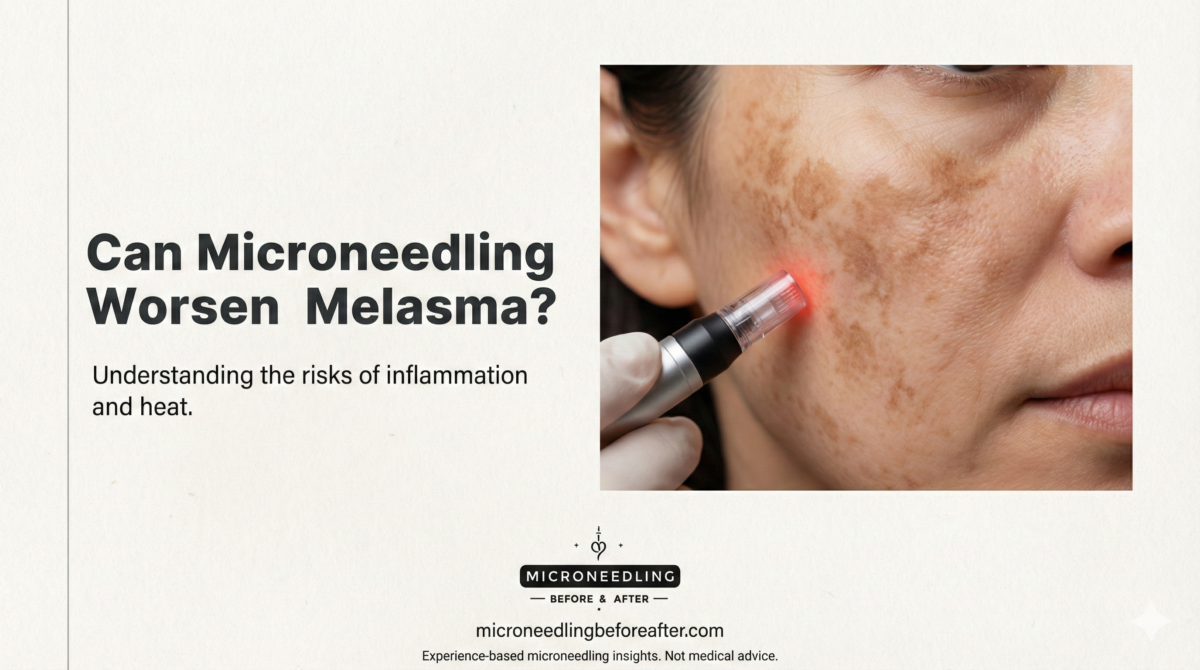
¿Puede la microaguja empeorar el melasma?

Can microneedling worsen melasma? Learn risks, when it may help or harm, key precautions, and safer alternatives to protect skin and minimize PIH. Consult derm.

Have you ever wondered whether microneedling could actually make melasma worse instead of better?

¿Puede la microaguja empeorar el melasma?

I’ll give you a clear, practical look at the question, because I know how frustrating melasma can be and how tempting microneedling sounds as a treatment option. I’ll cover mechanisms, risks, evidence, how I would approach it, and safer alternatives so you can make an informed choice.

Short answer

Yes — microneedling can worsen melasma in some situations, especially if it triggers inflammation, is performed with overly aggressive settings, or isn’t paired with proper pre- and post-procedure care. However, under controlled conditions and combined with the right topical or procedural adjuncts, microneedling may also help certain patients. I always emphasize individualized assessment and conservative technique.

What is melasma?

Melasma is a common chronic skin condition characterized by brown to gray-brown patches, typically on the cheeks, forehead, upper lip, and chin. I think of it as a pigmentary disorder driven by a combination of genetic predisposition, hormonal influences (like pregnancy or oral contraceptives), ultraviolet (UV) exposure, and other triggers such as inflammation or heat.

Melasma isn’t just “too much pigment” — its biology involves pigment-producing cells (melanocytes), the surrounding skin environment (inflammation, blood vessels), and the skin’s response to triggers. Because of that complexity, treatments that only affect one part of the process sometimes fail or can worsen the condition.

¿Qué es la microaguja?

Microneedling is a minimally invasive procedure that uses tiny needles to create controlled micro-injuries in the skin. I describe it as a way to stimulate the skin’s natural repair mechanisms: increased collagen production, enhanced penetration of topical agents, and release of growth factors.

There are different devices and techniques: home-use rollers, professional pens, radiofrequency microneedling (RF), and different needle depths. The intensity and device choice matter a great deal for safety and outcomes.

How microneedling might affect melasma

I like to break this into two opposite potential effects: therapeutic and harmful.

  • Therapeutic potential: Microneedling can enhance delivery of pigment-lightening topical agents and stimulate remodeling of the dermal-epidermal unit. This might help some aspects of melasma, particularly when combined with targeted therapies.
  • Harmful potential: Microneedling causes inflammation. For people prone to post-inflammatory hyperpigmentation (PIH) — especially those with darker skin types — that inflammation can induce more pigment, sometimes worsening melasma rather than improving it.

Post-inflammatory hyperpigmentation (PIH) risk

One of the main concerns I focus on is PIH. Any procedure that injures the skin — even superficially — can produce pigment in susceptible individuals. I’m particularly cautious when treating Fitzpatrick skin types IV–VI because their melanocytes respond more robustly to inflammation.

When microneedling is too aggressive (too deep, too frequent, or done without proper sun protection and topical control), I’ve seen patients develop surrounding hyperpigmentation or an overall darkening of melasma patches.

Depth and technique matter

Needle length, treatment frequency, and device type are key. Superficial microneedling (around 0.25–0.5 mm) primarily improves topical penetration and causes minimal inflammation. Deeper needling (1.0 mm and above) provokes more intense remodeling and a stronger inflammatory response.

I generally recommend starting conservatively, especially for melasma. An experienced provider using a microneedling pen with controlled depth and sterile technique is preferable to home rollers or overaggressive settings.

Evidence from studies and clinical experience

The literature is mixed. I’ll summarize the general themes I’ve seen in studies and clinical reports rather than listing specific trials.

  • Some clinical reports and small studies show improvement in melasma when microneedling is combined with topical agents (for example, tranexamic acid, hydroquinone, or customized serums). Enhanced penetration appears to boost effectiveness.
  • Other reports describe cases of PIH or worsening pigment following microneedling, particularly when performed aggressively or without preconditioning.
  • Radiofrequency microneedling (RF) introduces heat plus needling, which may increase risk of inflammation and PIH in susceptible people, although some protocols claim benefits when paired with appropriate precautions.

Overall, the evidence suggests that microneedling isn’t a one-size-fits-all solution for melasma. It can help in selected situations but can also worsen pigment if not done carefully.

When microneedling may help melasma

I consider microneedling when:

  • The patient has been carefully assessed and other first-line therapies (topical agents, strict sun protection, and medication) have been optimized without sufficient improvement.
  • The practitioner plans to use conservative needle depths and spacing between sessions.
  • Microneedling is being used to enhance penetration of safe and effective topical therapies (for example, tranexamic acid or topical retinoids under supervision).
  • The patient accepts the small but real risk of PIH and follows pre- and post-procedure instructions (sun avoidance, strict sunscreen, anti-inflammatory strategies).

When used judiciously, especially as an adjunct to other evidence-based treatments, microneedling can sometimes produce additional improvement.

When microneedling may worsen melasma

I would avoid or be very cautious with microneedling when:

  • The patient has Fitzpatrick skin type IV–VI and a strong history of PIH.
  • There is active inflammation, a recent sunburn, or recent acne flares in the treatment area.
  • The procedure will use deep needle lengths (>1.0 mm) or aggressive protocols without preconditioning.
  • The patient cannot adhere to strict post-treatment sun protection or appropriate topical management.
  • Microneedling is performed by someone without experience in treating pigmentary disorders.

If I suspect a high risk of PIH, I usually recommend alternative treatments or a test patch before committing to full-face sessions.

Practical table: factors that increase or decrease risk

Factor Effect on Risk of Worsening Melasma Why I Care
Fitzpatrick skin type IV–VI Increases risk More reactive melanocytes → higher PIH risk
Needle depth > 1.0 mm Increases risk Greater inflammation and injury
Frequency (sessions

El mejor cuidado de la piel después de la microaguja para la hiperpigmentación y el aclaramiento.

¡Descubre los mejores sérums para el cuidado post-microagujas! Explora las mejores opciones como XY Professional PDRN, JEU'DEMEURE y Seranova para una piel más luminosa y saludable.

Siempre he sido una fanática de los productos para el cuidado de la piel, sobre todo cuando prometen hacerme retroceder en el tiempo, o al menos, darme la piel de una veinteañera. Parece que cada dos semanas sale un nuevo sérum de Corea, repleto de ingredientes que apenas puedo pronunciar. Debo admitir que me siento abrumada y encantada a la vez con la variedad de opciones disponibles. Hoy pongo a prueba cuatro de los contendientes: el sérum de péptidos PDRN de XY Professional, el kit de lifting DermiShuttle de JEU'DEMEURE, Seranova Micro Infusion y el sérum facial con vitamina C de BACHERI. Cada uno promete objetivos muy ambiciosos, desde hidratación hasta reducción de arrugas. La pregunta es, ¿cuál lo cumplirá realmente?

Los sérums para el cuidado de la piel, especialmente los de Corea del Sur, han sido furor en la comunidad de belleza desde hace tiempo. No se trata de una simple moda; existe una sólida trayectoria de investigación detrás de estos innovadores productos, que a menudo incluyen ingredientes potentes como péptidos, ácido hialurónico y vitamina C, todos ellos reconocidos por revitalizar la piel apagada y envejecida. Tener un buen sérum es como tener un arma secreta en mi arsenal de belleza, permitiéndome combatir la sequedad, las manchas oscuras y las líneas de expresión sin gastar una fortuna en tratamientos elaborados. Puedes pensar en ellos como los pequeños elfos que actúan durante la noche mientras duermo, prometiendo una tez más luminosa y firme por la mañana. En este artículo, analizaré cada producto con más detalle para ver cuál podría ser mi elfo secreto para el cuidado de la piel.

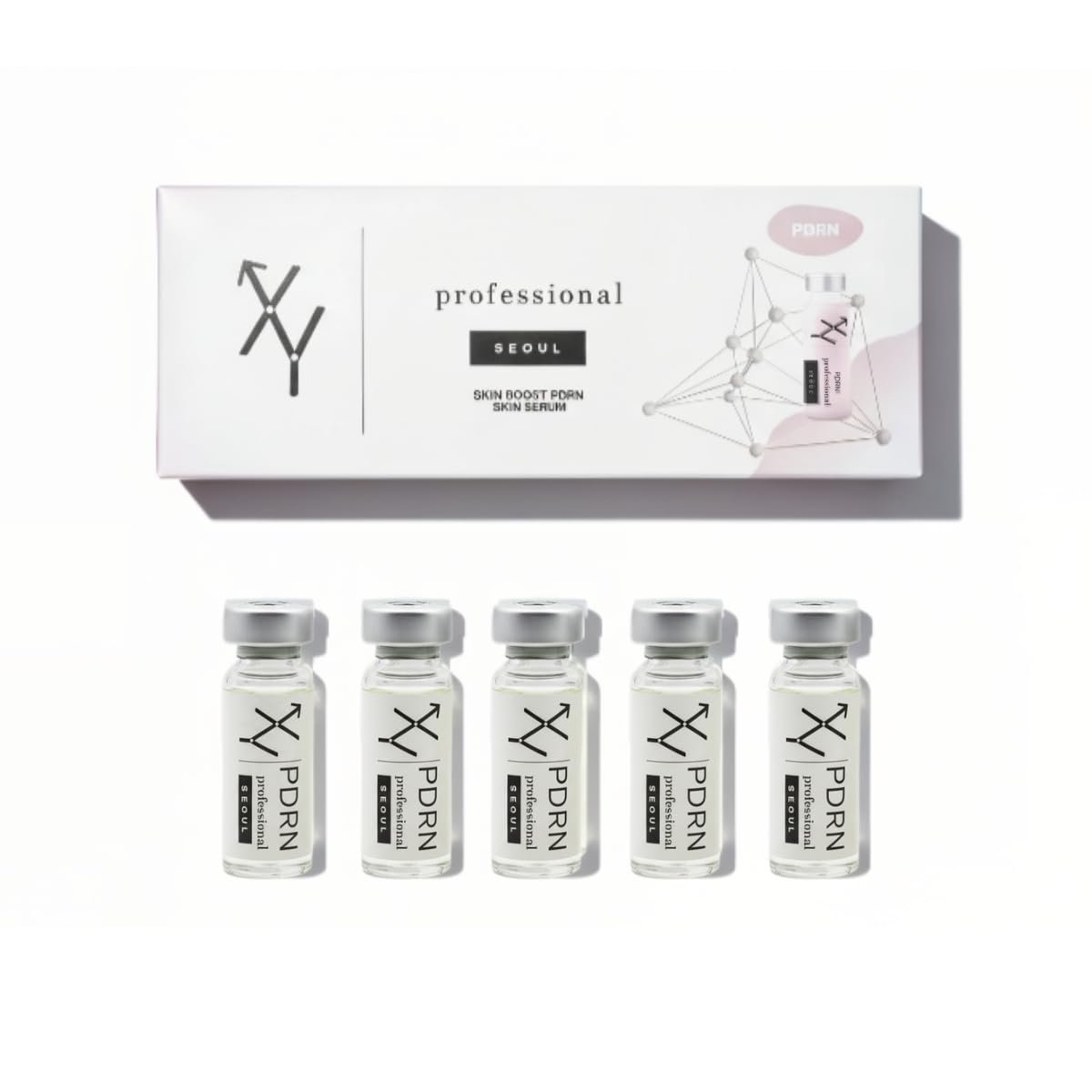
Sérum facial XY Professional PDRN Peptides con péptidos de cobre, niacinamida y ácido hialurónico: apto para todo tipo de piel | Productos coreanos para microagujas

XY Professional PDRN Peptides Serum Korean Face Serum with Copper Peptide, Niacinamide  Hyaluronic Acid Ampoule for All Skin Types |KOREA Microneedling academy supplies

Después de mi reciente sesión de microagujas, estaba buscando la rutina perfecta de cuidado de la piel después del tratamiento para combatir hiperpigmentación y promover un brillo radiante. Entra en el Suero de péptidos PDRN XY Professional, Un producto que parecía tener todo lo que buscaba, especialmente por su impresionante lista de ingredientes y su promesa de una piel más vital. Aquí les comparto mi experiencia y mis impresiones sobre este fabuloso sérum. Suministros de la Academia Coreana de Microagujas.

El objetivo principal del Sérum de Péptidos PDRN de XY Professional es rejuvenecer la piel después de los tratamientos de microagujas. El sérum está formulado para favorecer el proceso natural de renovación de la piel, lo que lo hace ideal para quienes, como yo, buscan... mejorar el brillo y abordar hiperpigmentación. No solo satisface las necesidades posteriores al procedimiento, sino que también sirve como un excelente suero diario para mantener la salud general de la piel.

Lo que me atrajo de este suero es su poderosa mezcla de ingredientes. Al buscar un producto para el cuidado de la piel después de la microaguja, necesitaba algo que no solo hidratara, sino que también mejorara la textura y el aspecto general de la piel. El Sérum Profesional XY promete eso y más. Su textura ligera, combinada con su fácil absorción, lo convirtió en una adición perfecta a mi rutina de cuidado de la piel después de las sesiones de microagujas.

En el corazón de este suero se encuentra el Complejo de renovación de la piel PDRN, que contiene ADN de sodio hidrolizado (PDRN). Se sabe que este compuesto ayuda a iniciar el proceso de renovación de la piel, lo cual es crucial. después de la microaguja. Encontré este aspecto particularmente beneficioso en mi búsqueda por reducir el tono desigual de la piel y promover la curación.

Además, el Complejo de péptidos de cobre—Infundido con Tripéptido-1 de Cobre— mejora la elasticidad y firmeza de la piel. Al aplicar el sérum, noté que mi piel se tersa notablemente, pero conserva una sensación de frescura e hidratación.

Me di cuenta de que los ingredientes, como Hialuronato de sodio, Beta-glucano, y Colágeno hidrolizado, Me proporcionó una hidratación profunda que ayudó a fortalecer la barrera cutánea. Para alguien como yo, que ha tenido problemas con las zonas secas después de la microaguja, este elemento fue un cambio radical.

Por último, hablemos de Niacinamida. Este poderoso ingrediente tiene fama de refinar la textura de la piel, y sin duda no me decepcionó. Pude notar una mejora visible en la uniformidad y el tono general de mi piel tras su uso constante.

Lo que realmente aprecio es el ligero, La fórmula no pegajosa de este sérum coreano se absorbió rápidamente, lo que significa que pude aplicarlo fácilmente con otros productos sin sentirme sobrecargado.

En cuanto a calidad, me pareció que la Suero de péptidos PDRN XY Professional Ser excepcional. Desde el empaque hasta la eficacia del producto, todo parecía de alta gama. El ligero aroma es sutil pero agradable, y se suma a la experiencia de lujo general sin resultar abrumador.

  • Acelera la renovación de la piel.Gracias a PDRN y sus propiedades curativas, noté que el tiempo de recuperación de mi piel después de la microaguja se redujo significativamente.
  • Hidratación profundaMi piel se sintió bien hidratada durante todo el día sin sensación grasosa.
  • Mejora la textura de la piel.La inclusión de niacinamida realmente ayudó a equilibrar el tono y la textura de mi piel, lo que la hace adecuada para el uso diario.
  • Ligero:La fórmula no pegajosa hizo que fuera fácil de incorporar a mi rutina de cuidado de la piel sin sentirme pesada o grasosa.
  • Punto de precioPara algunos, el costo del cuidado especializado de la piel puede ser más elevado, especialmente en comparación con los productos de farmacia.
  • Disponibilidad:Dependiendo de dónde vivas, encontrar un proveedor confiable para este producto, como Korea Microneedling Academy, puede resultar un poco complicado.
  • Los resultados varíanSi bien tuve una experiencia positiva, los resultados pueden variar según el tipo de piel y las preocupaciones de cada persona.

Incorporando el Suero de péptidos PDRN XY Professional Incorporarme a mi rutina post-microagujas ha sido una experiencia placentera. He visto mejoras notables en mi hiperpigmentación, Mi piel nunca se ha sentido tan luminosa y llena de vida. Si te pasa lo mismo que a mí, ¡este sérum podría convertirse en el mejor aliado de tu piel!

XY Professional PDRN Peptides Face Serum with Copper Peptide, Niacinamide, and Hyaluronic Acid - Suitable for All Skin Types | Korean Microneedling Supplies

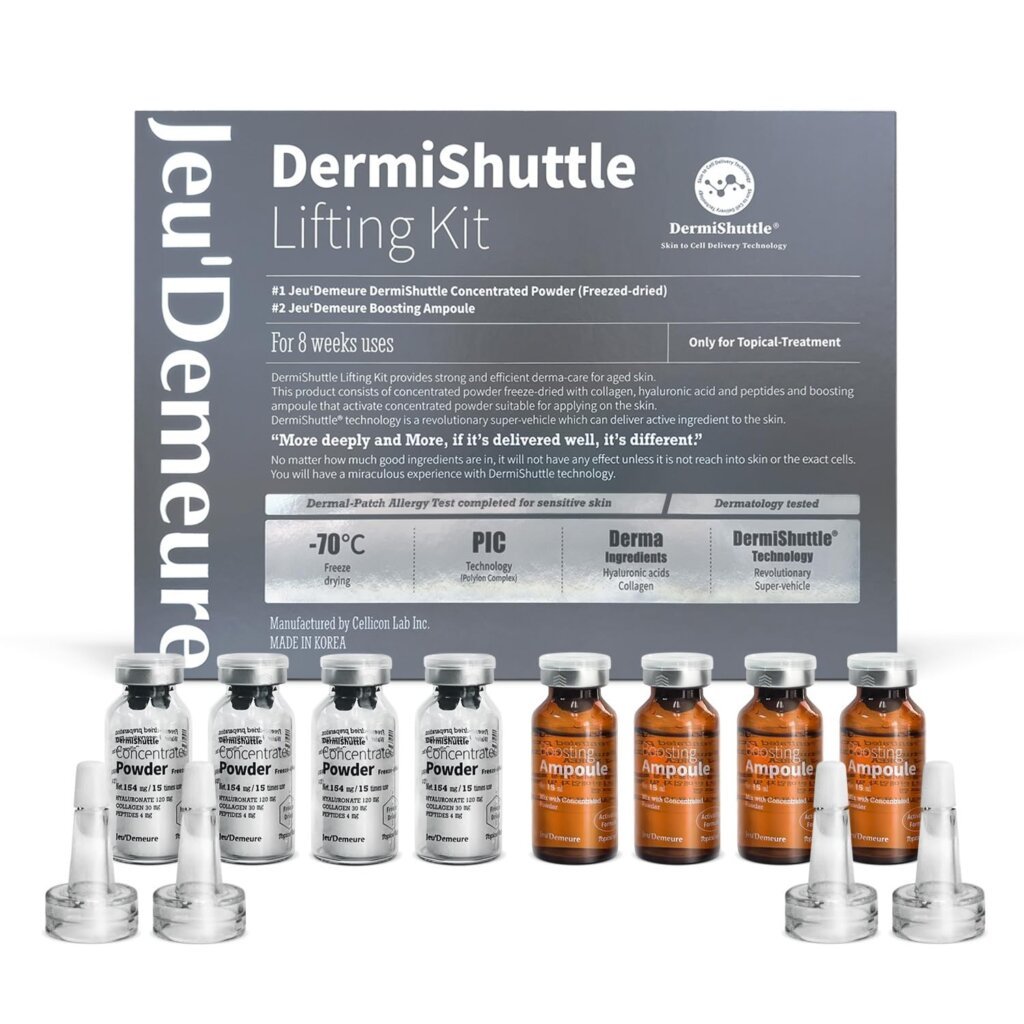
Kit Lifting DermiShuttle JEU'DEMEURE: Sérum facial reafirmante antiedad con colágeno y péptidos (8 semanas)

JEUDEMEURE DermiShuttle Lifting Kit - Anti Aging Serum, Face Serum for Firming, Anti Wrinkle, Skin Elasticity, Hydrating with Collagen, Peptides, Korean Skincare (8 Weeks)

He estado buscando un suero estelar para mejorar mi rutina de cuidado de la piel después de la microaguja, enfocándome particularmente hiperpigmentación y mejorar el estado general de mi piel. resplandor. Introduzca el Kit de elevación JEU'DEMEURE DermiShuttle. Este innovador producto afirma no solo reducir la apariencia de arrugas pero también abordar lo aburrido, lo que lo convierte en una excelente opción como parte de mi régimen de recuperación después de las sesiones de microagujas.

Lo que más me impresiona del DermiShuttle Lifting Kit es su nivel profesional Eficacia que puedo disfrutar desde la comodidad de mi casa. El hecho de que esté formulado por dermatólogos me da una mayor confianza. Agradezco poder mezclar el sérum fresco antes de usarlo; esto me asegura que estoy aplicando un potente Solución repleta de ingredientes activos. Me da satisfacción saber que obtengo la máxima potencia con cada aplicación.

En el corazón de la Kit de elevación JEU'DEMEURE DermiShuttle es su compromiso de abordar los signos del envejecimiento y rejuvenecer la piel. Su Tratamiento antienvejecimiento y lifting visible de 8 semanas Apoya eficazmente la salud de mi piel, mostrando resultados prometedores en las zonas que más me preocupan. Estas son algunas de las características clave que considero especialmente beneficiosas:

  • Mezcla de suero recién activado:Cada kit consta de 4 viales de polvo liofilizado y 4 ampollas líquidas. Los mezclo justo antes de la aplicación, asegurándome de obtener la fórmula más concentrada y efectiva.
  • Ingredientes triplemente potentes:La mezcla incluye péptidos para la estimulación del colágeno, ceramidas para amplificar la barrera cutánea y ácido hialurónico Para una hidratación intensa. Juntos, estos ingredientes hacen maravillas para levantar, reafirmar y dar volumen a mi piel.
  • Aprobado por dermatólogos:El suero es sin fragancia, No comedogénico y seguro para pieles sensibles. He tenido piel reactiva, así que esta característica me ha salvado la vida.
  • Tecnología DermiShuttleEste sistema pendiente de patente mejora la entrega a la profundidad de la dermis de mi piel, lo cual es crucial para la verdadera estimulación y rejuvenecimiento del colágeno.

La calidad general del kit de lifting DermiShuttle me ha impresionado enormemente. Su combinación única de Innovación coreana en el cuidado de la piel y ingredientes con respaldo científico Ofrece resultados impresionantes que realmente puedo sentir y ver. Después de unas semanas de uso constante, he notado una textura más suave Y una luminosidad que me faltaba. Mi piel se siente más firme y luce más joven, ¡lo cual siempre es un acierto!

Como cualquier producto, el DermiShuttle Lifting Kit tiene sus ventajas y desventajas. He aquí mis hallazgos:

  • Resultados visibles:En cuestión de semanas, noté una reducción arrugas y mejorado elasticidad de la piel.
  • ConvenienciaEl hecho de que pueda mezclar y activar el suero por mi cuenta hace que se sienta fresco y potente en todo momento.
  • Aprobado por dermatólogos:Valoro que sea seguro para pieles sensibles, lo que me da tranquilidad al usarlo.
  • Ingredientes efectivos:La combinación de péptidos, ceramidas, y ácido hialurónico es nada menos que una potencia para generar resultados reales en firmeza y hidratación.
  • Punto de precioSi bien su eficacia es prácticamente innegable, este kit es algo caro. Puede que no sea apto para todos los presupuestos, especialmente para quienes buscan opciones de cuidado de la piel económicas.
  • Proceso de mezclaAunque disfruto de la frescura de mezclar el suero yo misma, puede resultar un poco tedioso si tengo prisa o simplemente quiero una rutina rápida de cuidado de la piel.
  • Aplicación limitadaEl kit contiene una cantidad específica de viales, lo que significa que tengo que volver a pedirlo periódicamente si quiero mantener los resultados.

El Kit de elevación JEU'DEMEURE DermiShuttle Me ha parecido un tratamiento eficaz posterior a la microaguja para abordar hiperpigmentación y lograr ese deseado resplandor. Si bien puede tener algunas desventajas, los resultados que he experimentado lo convierten en un producto que me entusiasma incorporar a mi rutina de cuidado de la piel.

JEUDEMEURE DermiShuttle Lifting Kit - Anti-Aging Firming Face Serum with Collagen and Peptides (8 Weeks)

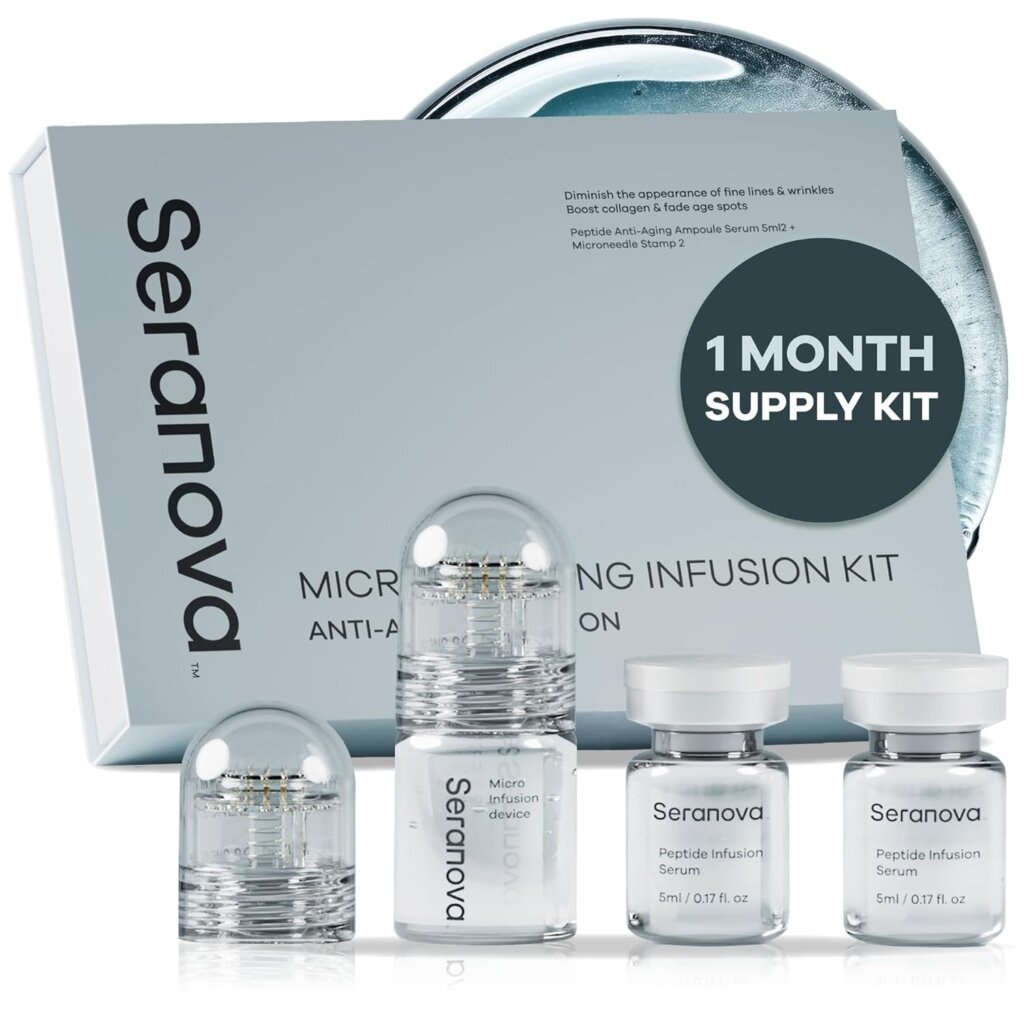
Suero Seranova Micro Infusion Skin Care, hidratante para todo tipo de piel, suministro para 1 mes

Seranova Micro Infusion for Skin Care, Facial Moisturizing Essence, Serum Smooth Skin Facial Serum for All Skin Types, 1-Month Supply

Cuando se trata de microagujas, he aprendido que elegir los productos adecuados para el cuidado posterior al tratamiento es crucial para lograr el resultado deseado. mejores resultados, especialmente para combatir la hiperpigmentación y lograr una piel más luminosa. Un producto que me ha llamado la atención es el Microinfusión Seranova Kit. ¡Analicemos qué hace que este producto esencial para el cuidado de la piel sea perfecto para el tratamiento posterior a la microaguja!

El uso principal del kit Seranova Micro Infusion es mejorar absorción sérica Después de los tratamientos de microagujas. Diseñado específicamente para tratamientos faciales en casa, este sistema de microinfusión me permite tratar diversos problemas de la piel, incluyendo... Sequedad, falta de hidratación y envejecimiento. signs. It’s suitable for my entire face, neck, and even lips, making it an incredibly versatile addition to my skincare routine.

I love the Seranova Micro Infusion kit because it combines innovation with convenience. After microneedling, my skin craves hydration, and this kit provides just that. The easy-to-use design and effective ingredients make it a winning combination for anyone looking to enhance their skincare game. I appreciate how it fits seamlessly into my routine—just a few minutes every two weeks, and I’m good to go!

El purpose of the Seranova Micro Infusion kit is to facilitate the absorption of a hydrating serum into the skin effectively. Here are some key features I find particularly beneficial:

  1. Designed for Easy Absorption: The micro infusion system promotes better serum penetration, which is essential after microneedling. My skin feels rejuvenated and refreshed after each use.
  2. 5-Minute At-Home Facial Kit: It’s incredibly user-friendly. All I have to do is fill in the hydrating serum, gently press the 0.05mm stamp onto my face and neck, and voila—an at-home facial in under five minutes!
  3. Gentle & Safe Skin Care Tool: The ultra-thin, sterile single-use stamps are ideal for all skin types. I’ve used it on my sensitive skin without any irritation—just a pleasant tingling sensation.
  4. Serum with Hyaluronic Acid & Peptides: Each vial blends collagen peptides, ácido hialurónico, bitter orange oil, and glycerin, which delivers intense hydration and supports firmer, smoother-looking skin. This combination fuels my skin’s recovery after microneedling.
  5. Complete 1-Month Micro Infusion Kit: With two sterile stamps and vials included, I have a convenient, complete month’s supply at my fingertips.

When it comes to the calidad general of the Seranova Micro Infusion kit, I’m honestly impressed. The materials feel premium, and the technology used in the stamps is top-notch. Each component is designed with care and precision to ensure maximum effectiveness, leaving me feeling confident in my skincare choices. After using it regularly, I’ve noticed a visible improvement in my skin texture and hydration levels. Definitely a win in my book!

While I’m a big fan of the Seranova Micro Infusion, no product is perfect. Here’s a quick rundown of the pros y contras based on my experience:

  • Easy to use: The steps are straightforward, making it approachable for anyone, even beginners.
  • Results-driven: I’ve experienced noticeable improvements in hydration and skin smoothness after just a few uses.
  • Seguro para todo tipo de piel.: This is a significant plus, especially for those like me with sensitive skin.
  • Compact and portable: The kit is easy to store or take on the go, so I never miss a session.
  • Need for consistency: To achieve the best results, I must be diligent with my routine, using it every two weeks.
  • Only a month’s supply at a time: While there’s enough for a month, I find myself wanting more as I enjoy using it!

I genuinely believe that the Seranova Micro Infusion kit is a fantastic investment for anyone looking to enhance their skincare routine, particularly after microneedling. Its thoughtful design and potent ingredients align perfectly with my skincare goals, especially when it comes to addressing hyperpigmentation and overall brightness. Whether you’re experienced with microneedling or just starting, this product could be your new best friend!

Seranova Micro Infusion Skin Care Serum, Moisturizer for All Skin Types, 1-Month Supply

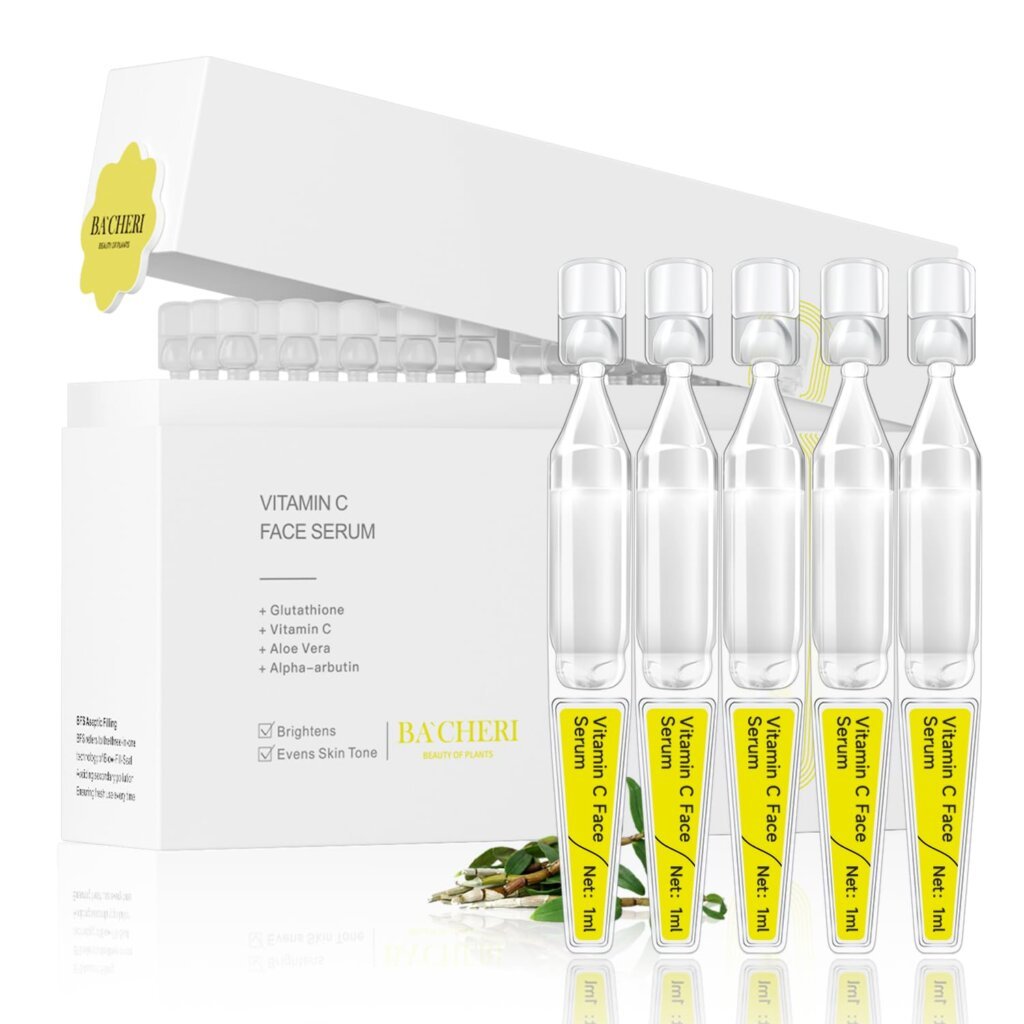
Suero facial con vitamina C de BACHERI, glutatión y ácido hialurónico: suero ligero, iluminador e hidratante de uso diario, apto para pieles sensibles (30 viales de 1 ml)

BACHERI Vitamin C Face Serum with Glutathione, 4D Hyaluronic Acid  Aloe Vera – Lightweight Brightening  Hydrating Ampoule for Daily Skincare, Dark Spots, Sensitive Skin Friendly - (1.0 ml)*30 Vials

After experiencing the transformative effects of microagujas on my skin, I knew I needed a stellar follow-up product to maintain that glow and tackle my hiperpigmentación. Introduzca el BACHERI Vitamin C Face Serum with Glutathione, a lightweight ampoule that has quickly become my favorite in my skincare routine.

The main function of this serum is to target dark spots and even out the skin tone. With its unique combination of Vitamina C, Glutatión, y Alpha Arbutin, it’s designed to promote a brighter complexion. After microneedling, my skin often needs an extra dose of hydration and healing, and this ampoule fits the bill perfectly. I apply it both in the morning and evening after cleansing and toning, enhancing my skin’s natural radiance while prepping it for the day or night ahead.

I’m always on the lookout for products that meld effectiveness with gentle formulations, especially after a microneedling session, where my skin feels a bit more sensitive. The BACHERI Vitamin C Face Serum checks all the boxes. It’s non-irritating and works harmoniously with my sensitive skin, thanks to its plant-based ingredients. The convenience of the ampoules also means I can carry them around easily and use them without worrying about contamination or oxidation—a big win!

El BACHERI Vitamin C Face Serum serves a multi-faceted purpose:

  • Targeted Brightening & Dark Spot Support: With a potent mix of Vitamina C, Glutatión, y Alpha Arbutin, it effectively works to combat dark spots, creating a more luminous appearance.
  • Daytime Brightening & Hydration: This serum is designed for morning use, where it offers hydration and prepares my skin for moisturizer and sunscreen, adding an extra layer of protection.
  • Nighttime Antioxidant & Repair: At night, it helps in the skin’s repair process. It fights off oxidative stress while keeping my skin hydrated throughout the night.
  • Multi-Layer Hydration System: The inclusion of 4D Hyaluronic Acid, Aloe vera, y Tremella Mushroom Extract ensures that my skin is deeply hydrated, making it feel suppler and comfortable.
  • Plant-Based Formula for Sensitive Skin: It’s also incredible that it’s suitable for all skin types, including sensitive skin like mine, thanks to its soothing ingredients.

The overall quality of the BACHERI Vitamin C Face Serum is impressive. Each ampoule contains a precise dose, which minimizes oxidation and ensures that I’m applying just the right amount each time. I’ve noticed that my skin feels noticeably brighter and more hydrated after using this serum consistently. It absorbs quickly without leaving any sticky residue, which is crucial for me since I often layer products. The fact that it’s housed in single-use vials means that I’m not wasting any product and it stays fresher longer, which I absolutely love.

Ventajas:

  • Effective Brightening: After consistent use, I’ve seen a marked improvement in the brightness of my complexion and a reduction in dark spots.
  • Hydrating Formula: Contains multiple sources of hydration, making it perfect for layering under moisturizers.
  • Sensitive Skin Friendly: The formula sits well with my sensitive skin, never causing irritation despite frequent use.
  • Convenient Packaging: The ampoules make it easy to travel with without worrying about spills or degradation of the product.

Contras:

  • Punto de precio: Depending on my budget at the time, the cost might be a bit high for everyday use, especially if I seem to go through them quickly.
  • Single-Use Limitations: While the single-use ampoule is great for freshness, I do find it a bit wasteful for those who don’t use the entire ampoule in one go, particularly with a serum that has a shorter shelf life once opened.

In my journey to combat hiperpigmentación post-microneedling, the BACHERI Vitamin C Face Serum has become an essential part of my skincare routine. It’s effective, gentle on my skin, and has truly helped brighten my complexion like I never thought possible. If you’re looking for a reliable serum to enhance your microneedling results, I wholeheartedly recommend giving this one a try!

BACHERI Vitamin C Face Serum with Glutathione and Hyaluronic Acid – Lightweight Brightening and Hydrating Serum for Daily Use, Suitable for Sensitive Skin - (30 Vials of 1.0 ml)

Comparación de productos: Sueros para una piel radiante

When it comes to serums, there’s a veritable smorgasbord of options available, each claiming to be the elixir of youth or the magic bullet for all skin woes. I’ve rounded up four intriguing contenders: the XY Professional PDRN Peptides Serum, the JEU’DEMEURE DermiShuttle Lifting Kit, the Seranova Micro Infusion System, and the BACHERI Vitamin C Face Serum. Let’s dive into the details and see how they stack up against each other—like a skincare showdown that you didn’t know you needed.

Desglose de especificaciones

Here’s a breakdown of what each serum brings to the table—think of it as your skincare shopping guide:

Nombre del producto Ingredientes clave Tipo de piel Unique Features Supply Duration
Suero de péptidos PDRN XY Professional Copper Peptide, Niacinamide, Hyaluronic Acid Todo tipo de piel Non-sticky, quick absorption; boosts skin renewal and moisture N/A
Kit de elevación JEU'DEMEURE DermiShuttle Peptides, Ceramides, Hyaluronic Acid Piel sensible Mix-on-demand for maximum potency; clinically backed 8 Weeks
Seranova Micro Infusion System Hyaluronic Acid, Peptides, Bitter Orange Oil Todo tipo de piel At-home micro-infusion treatment; easy application 1 Month
BACHERI Vitamin C Face Serum Vitamin C, Glutathione, 4D Hyaluronic Acid, Aloe Vera Piel sensible Brightens and hydrates; designed for morning and night use 30 Single-use vials

Una mirada más de cerca a cada producto

  1. Suero de péptidos PDRN XY Professional
    This serum feels like it was plucked right from a K-drama, promising a fresh-faced, dewy glow with the help of peptides and niacinamide. It’s like a drink of water for your skin—non-sticky, fast-absorbing, and gentle enough for all skin types. It tackles a medley of skin concerns from elasticity to hydration without the heavy commitment of a long-term regime.
  2. Kit de elevación JEU'DEMEURE DermiShuttle
    Talk about high stakes! Jeudemeure turns skincare into a culinary performance with its mix-it-yourself approach. This serum claims to lift and firm in just eight weeks, using a blend of peptides and ceramides to let your skin feel exquisite. It’s like giving your face a little workout, all under the supervision of dermatologists!
  3. Seranova Micro Infusion System
    If you’re after something a little different, Seranova introduces a unique micro-infuser that’s all about supporting absorption. It’s like a spa day in a box that’ll leave your skin feeling refreshed and, let’s be honest, a tad fancy. The easy application makes it a go-to for those of us seeking results without a battle.
  4. BACHERI Vitamin C Face Serum
    Last but not least, the BACHERI packs a punch with its vitamin C goodness. It’s light as air and tailored more for the daytime—think of it as your skin’s morning coffee. It’s loaded with brightening agents perfect for combatting those pesky dark spots and ushering in an energized, radiant complexion.

Envolviéndolo

So, what’s the verdict? Each serum has its delightful quirks and benefits that cater to different skin needs. If I had to pick, I’d say each is worthy of a spot in my skincare lineup, depending on whether I need lifting, hydration, brightening, or just plain fun! Give them a whirl and see which one charms your socks off—your skin (and maybe your selfie game) will thank you for it!

Concluyendo mi aventura en el cuidado de la piel

Having dabbled in the world of serums recently, I’ve had my fair share of highs and lows with the four products I tried: the XY Professional PDRN Peptides Serum, JEU’DEMEURE DermiShuttle Lifting Kit, Seranova Micro Infusion for Skin Care, and BACHERI Vitamin C Face Serum. Each of these little bottles came with promises of youthful skin and miraculous transformations, and let me tell you, there’s plenty to say about them.

Los aspectos más destacados

Let’s start with the XY Professional PDRN Peptides Serum. With its fusion of copper peptides and niacinamide, I found it quite efficacious at giving my skin that plump, hydrated look without feeling heavy. It’s like a tall drink of water after a walk in the desert!

Then there’s the JEU’DEMEURE DermiShuttle Lifting Kit, which practically set me on a quest for eternal youth. After eight weeks, I did notice some firming action, which felt great. It’s the kind of product that makes you feel a bit like a skincare alchemist; mix, apply, and marvel at how you’re turning back time.

Next up, Seranova Micro Infusion fluid was ideal for my busy lifestyle—who doesn’t love a one-month supply of moisture? This little gem kept my skin feeling smooth without a cocktail-party-worthy preamble.

Lastly, the BACHERI Vitamin C Face Serum shone bright like a diamond (thanks, Rihanna). It was excellent for brightening and tackling those pesky dark spots—even if I had to remind myself that it was not a panacea for all skin woes.

Los puntos bajos

However, every silver lining tends to have a cloud following it. For instance, the XY serum felt a tad sticky post-application, which made me wonder if I had used too much. And while JEU’DEMEURE showed impressive results, the price point was a little frightening—like staring into the abyss and wondering who goes there.

Seranova, while efficient, lacked that wow factor; it felt more like a trusty friend—not a full-blown knight in shining armor. The same went for BACHERI, which, while refreshing, didn’t exactly leave me gasping at the mirror in awe.

Mis recomendaciones

These products each bring something unique to the table, and I think they’d best suit folks like me—those of us who’ve spent years experimenting with skincare but haven’t yet found our holy grail. If you’re always on the lookout for targeted moisture or specific anti-aging perks, give these a shot.

But if you’re just beginning your skincare journey, you might want to start with something simpler and perhaps more budget-friendly. After all, diving into the world of serums can feel a bit like being thrown into the deep end of a swimming pool with no floaties. You might just prefer a gentle wade in the shallow end for now.

In summary, I’m excited about the potential these serums represent. While they each have their quirks, they are certainly worth exploring for anyone ready to take their skincare game up a notch. Who knows? You might just find the bottle that changes your routine for the better.

Divulgación: como asociado de Amazon, gano con las compras que califican.

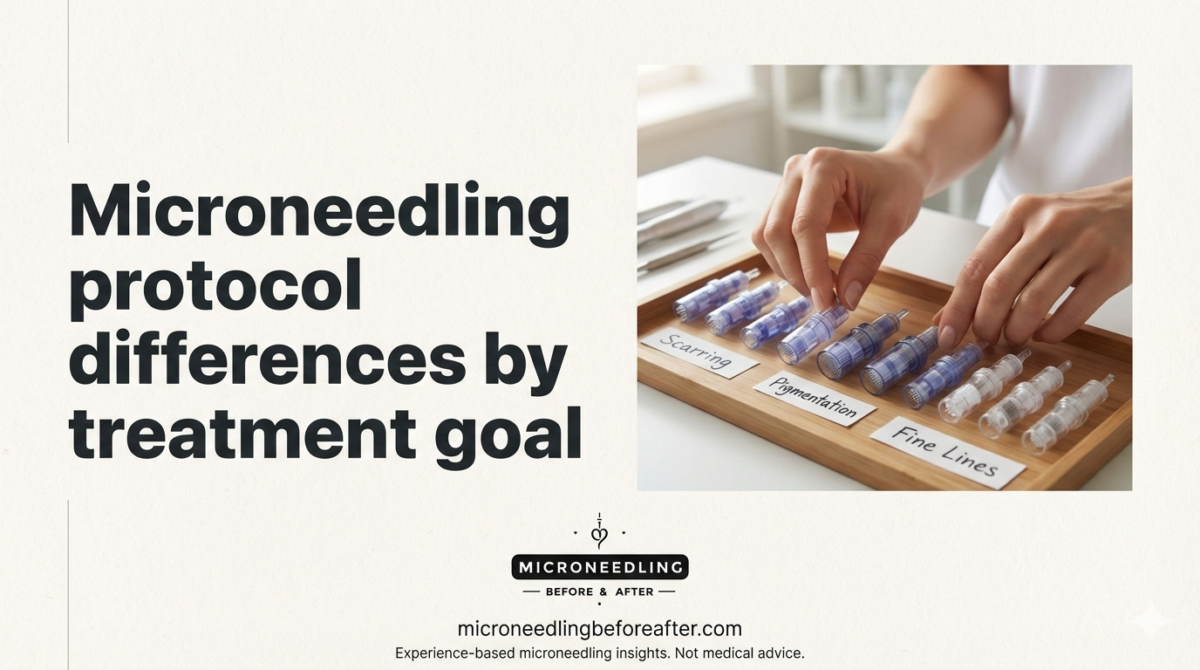
Diferencias en el protocolo de microagujas según el objetivo del tratamiento

Evidence-informed guide to microneedling protocols by treatment goal—how to select depth, device, adjuncts, endpoints, frequency, and safety.

? What specific microneedling protocol will best achieve the treatment outcome I intend for a particular patient?

Diferencias en el protocolo de microagujas según el objetivo del tratamiento

I will present a structured, detailed review of how microneedling protocols change according to treatment objective. I aim to give practical, evidence-informed guidance so I can select depths, devices, adjuncts, and aftercare that optimize safety and efficacy for each indication.

Overview of microneedling and clinical endpoints

I consider microneedling an umbrella term describing controlled micro-injury to the skin to induce remodeling and permit transdermal delivery. I will highlight that treatment parameters — needle length, device type, number of passes, endpoint, and adjuncts — are the levers I adjust to meet specific goals.

Biological rationale and expected responses

I understand that microneedling stimulates wound healing cascades, collagen and elastin production, and can modulate pigmentation and scarring. I will note that outcomes depend on intensity of injury, focal anatomy, and patient biology including age, hormonal status, and skin type.

Device types and practical differences

I will summarize the main device categories and how they influence protocol selection. Device choice affects precision, depth control, patient comfort, and compatibility with adjuncts such as radiofrequency or topical biologics.

Manual rollers, automated pens, and RF microneedling

I prefer automated pens for facial work because they provide consistent vertical needle entry and adjustable depth settings. I will use RF microneedling when I need thermal coagulation in addition to mechanical injury for skin tightening or scar remodeling.

Needle configuration, cartridge selection, and sterility concerns

I select cartridges based on needle length and gauge; I always use single-patient sterile tips to minimize infection risk. I will emphasize that needle gauge changes tissue trauma and bleeding risk — thinner needles cause less bleeding, while thicker needles may create a larger channel for topical delivery.

Key treatment variables and clinical endpoints

I will define the parameters I adjust and the clinical endpoints I seek during treatment. Being explicit about these variables helps standardize protocols and manage expectations.

Needle depth, number of passes, speed, and endpoint

I typically vary needle depth from 0.25 mm for superficial rejuvenation up to 3.5 mm for deep acne scars or body stretch marks. I assess endpoint by tissue response: visible pinpoint bleeding and serous oozing indicate adequate dermal disruption for remodeling in many scar protocols, while erythema without bleeding may be sufficient for superficial rejuvenation.

Frequency and course of treatments

I usually space treatments according to depth: shallow treatments every 2–4 weeks and deeper or aggressive protocols every 6–8 weeks to allow remodeling. I will tailor total number of sessions to the indication — for example, 3–6 sessions for general rejuvenation and 4–8 (or more) for severe acne scarring.

Patient selection and Fitzpatrick skin types

I carefully evaluate patient history, medications, active skin disease, and Fitzpatrick skin type to determine risk of postinflammatory hyperpigmentation (PIH) and other complications. I will classify my approach differently for Fitzpatrick I–III versus IV–VI to reduce pigmentary sequelae.

Pre-treatment priming and risk mitigation

I often use a preconditioning regimen for higher-risk patients: topical retinoid or growth factor priming in lower-risk patients and cautious bleaching/tyrosinase inhibitors for darker skin types. I will stop retinoids when clinically necessary and recommend antiviral prophylaxis for patients with a history of herpes simplex when treating perioral areas.

Protocols by treatment goal — summary table

I will provide a high-level table to compare recommended parameters by goal. This will help me and readers quickly match objectives with typical device settings, endpoints, frequency, and adjuncts.

Treatment Goal Typical Needle Depth (mm) Device Type Endpoint Frecuencia Common Adjuncts
Superficial skin rejuvenation (fine lines, texture) 0.25–0.75 Automated pen Diffuse erythema, no to minimal bleeding Every 2–4 weeks, 3–6 sessions Topical growth factors, vitamin C
Acne scarring (rolling/boxcar) 1,5–3,0 Automated pen or RF microneedling Pinpoint bleeding, gelatinous dermal exudate Every 6–8 weeks, 4–8+ sessions PRP/PRF, cross-fragmentation, subcision combo
Surgical or hypertrophic scars 1.5–3.0 (deeper for tethered scars) Automated pen / RF microneedling Pinpoint bleeding, release of tethering Every 6–8 weeks Steroid injection adjunct, silicone sheeting
Hyperpigmentation / melasma 0.25–1.0 (cautious) Automated pen Mild erythema, avoid heavy bleeding Every 3–6 weeks, conservative approach Topical tranexamic acid, hydroquinone alternatives
Hair restoration (scalp) 0.5–2.5 Automated pen Mild bleeding acceptable Every 2–6 weeks depending on depth PRP/PRF, topical minoxidil
Stretch marks (striae) 1.5–3.5 Automated pen or roller Pinpoint bleeding Every 6–8 weeks PRP, topical retinoids
Transdermal delivery (drug/peptide delivery) 0.25–1.5 Automated pen No bleeding required for delivery-only protocols As needed Mesotherapy, peptides, corticosteroid delivery

Superficial skin rejuvenation protocols

I perform superficial microneedling when the primary goals are improving skin tone, pore size, mild texture irregularities, and fine lines. I will generally use short needle lengths and fewer passes to minimize downtime and pigmentary risk.

Device settings and adjuncts for rejuvenation

I typically set needle depth between 0.25 and 0.75 mm for facial rejuvenation. I will apply topical growth factors, peptides, or vitamin C either immediately after treatment or via mesotherapy to leverage increased permeability.

Frequency, expected results, and downtime

I schedule sessions every 2–4 weeks and expect gradual textural improvements after 3–6 treatments. I advise patients of 24–72 hours of erythema and superficial flaking, but minimal social downtime for most.

Acne scarring protocols

I approach acne scarring with a protocol that balances depth for collagen induction against potential for PIH, especially in darker skin types. I select deeper settings and allow longer healing intervals.

Needle depth, passes, and combination strategies

For rolling and boxcar scars I commonly use 1.5–3.0 mm, with multiple passes targeted to the scarred regions. I often combine microneedling with PRP/PRF or fractional RF to enhance collagen remodeling and sometimes pair with subcision to release deep tethered areas.

Timeline, outcomes, and managing expectations

I space sessions every 6–8 weeks and plan for 4–8+ sessions depending on scar severity. I counsel that significant improvement often requires adjunctive therapies and that full maturation may take several months.

Surgical and hypertrophic scar protocols

I treat surgical scars with deeper microneedling to soften texture, increase pliability, and permit steroid or enzymatic adjuncts. I tailor my approach based on scar age and vascularity.

Strategies for hypertrophic and keloid-prone patients

I exercise caution in keloid-prone patients and typically avoid aggressive protocols; instead I use conservative microneedling combined with intralesional steroid delivery. I will monitor for signs of hypertrophic scarring and consider referral when lesions are active.

Device choice and depth considerations

For older, flat scars I may use 1.5–2.5 mm; for tethered scars combined subcision with microneedling at similar depths may produce better contour improvement. I will use RF microneedling in some cases to introduce thermal remodeling but take care to not exacerbate scar hypertrophy.

Hyperpigmentation and melasma protocols

I approach pigmentary disorders cautiously because microneedling can both help and harm pigment. I reduce depth and frequency while using adjunctive topical agents to prevent PIH.

Conservative protocols and adjunctive topical therapy

I often select 0.25–1.0 mm depth with minimal bleeding and use tranexamic acid, vitamin C, or azelaic acid in conjunction. I will avoid aggressive treatment in active melasma and prioritize priming with topical agents for several weeks prior.

Risk reduction for PIH

I institute strict sun protection and may start topical hydroquinone or non-hydroquinone alternatives before treatment for higher-risk skin types. I will avoid repeat sessions until inflammation resolves and appear cautious with any protocol that produces heavy inflammation.

Hair restoration protocols

I use microneedling in androgenetic alopecia and other hair loss conditions to enhance transdermal delivery of growth factors and stimulate follicles. Depth selection is scalp-specific and often deeper than facial settings.

Depth, PRP/PRF adjuncts, and treatment cadence

I use 0.5–2.5 mm depending on scalp area and hair density; typical practice uses 1.5 mm for vertex areas. I commonly pair microneedling with PRP/PRF and schedule sessions every 4–6 weeks for 3–6 treatments before reassessment.

Outcome expectations and combination therapy

I inform patients that results are incremental and often better when combined with topical or oral therapies like topical minoxidil or antiandrogens. I monitor for scalp infections and folliculitis and emphasize adherence to a regular maintenance program.

Stretch mark (striae) protocols

I treat striae with relatively aggressive depth to reach lower dermis because these lesions involve deeper dermal disruption. I manage patient expectations about partial rather than complete resolution.

Needle depth and adjunctive therapies

I commonly use 1.5–3.5 mm depths on body areas with thicker dermis and combine with PRP or topical retinoids to stimulate remodeling. I will space treatments every 6–8 weeks and recommend several sessions for meaningful texture changes.

Safety considerations for bodywork

I perform test areas when treating large regions and counsel on pain management during longer sessions. I will consider local anesthesia for larger or deeper sessions to improve patient comfort.

Transdermal drug and biologic delivery

I employ microneedling to enhance penetration of topicals, peptides, small molecules, or biologic products with minimal systemic absorption. Depth and timing relative to topical application are key variables.

Depth and timing for optimal delivery

For most topical delivery purposes I use 0.25–1.5 mm to produce channels without heavy scabbing. I apply the therapeutic agent immediately post-procedure to leverage open microchannels and often occlude briefly to increase uptake.

Safety and pharmacokinetic considerations

I ensure the applied agents are appropriate for transdermal use and counsel patients regarding potential systemic exposure. I avoid unapproved or unvalidated compounds and adhere to local regulatory guidance.

Periorbital and lip area protocols

I treat periorbital skin and lips conservatively because of thin dermis and higher risk of bruising and pigment changes. I adjust depth and technique to preserve safety.

Depth adjustments and technique nuances

I typically use 0.25–0.5 mm around the eyelids and 0.5–1.0 mm for perioral areas. I perform minimal passes, maintain gentle pressure, and avoid aggressive endpoints in these delicate zones.

Adjuncts and anesthesia

I prefer topical anesthetic creams and careful patient positioning for comfort. I combine with PRP or hyaluronic acid fillers only when clinically indicated and with experience in these areas.

Anaesthesia, pain control, and patient comfort

I balance adequate analgesia with safety, especially for deeper or longer treatments. I provide topical anesthesia for most facial treatments and consider nerve blocks for extensive body sessions.

Topical anesthetics, numbing duration, and safety

I apply topical anesthetics 30–45 minutes prior and use occlusion to improve penetration when needed. I am cautious with epinephrine-containing mixtures on the face and avoid repeated full-face nerve blocks unless trained and indicated.

Infection control, contraindications, and safety checklist

I adhere to strict aseptic technique, screening protocols, and contraindication review to minimize complications. I document informed consent and baseline photography as part of standard practice.

Absolute and relative contraindications

I will not treat active infection, severe isotretinoin use within prior 6–12 months, active autoimmune disease with instability, or unhealed wounds. I use caution with pregnancy, anticoagulation, keloid predisposition, and uncontrolled diabetes.

Complication recognition and management

I monitor for infection, prolonged erythema, scarring, and PIH. I treat bacterial infection promptly with antibiotics and initiate early management for PIH with topical lighteners and sun protection.

Post-treatment care and expectations

I provide explicit, written post-care instructions to control inflammation, prevent infection, and enhance results. Patient adherence heavily influences outcomes, so I review do’s and don’ts verbally and in print.

Immediate post-care and first week

I recommend gentle cleansing, avoidance of makeup for 24 hours when possible, continuous sunscreen use, and cryotherapy for swelling. I advise against active ingredients like retinoids and certain acids for at least 48–72 hours or longer if the epidermis is disrupted.

Long-term skin care and maintenance schedule

I encourage a maintenance program tailored to the original indication — for example, quarterly superficial treatments for ongoing rejuvenation or periodic PRP boosters for hair maintenance. I will also emphasize consistent sun protection and topical agents that complement microneedling gains.

Combining microneedling with other modalities

I use combination therapy when synergistic benefits outweigh added cost or downtime. I will time combinations carefully — either in the same session (e.g., microneedling + PRP) or staged across weeks (e.g., microneedling preceding a laser).

PRP/PRF, chemical peels, lasers, and fillers

I often combine microneedling with PRP/PRF to amplify collagenogenic stimulus, particularly for scarring and rejuvenation. I avoid aggressive ablative lasers immediately after microneedling; if combining, I schedule lasers after initial microneedling healing or vice versa based on risks.

Documentation, consent, and outcome measurement

I document baseline photos, device settings, needle depth, number of passes, adjuncts used, and patient-reported pain scores. I also set measurable outcome goals and timelines for follow-up assessment.

Standardized photography and outcome scales

I use standardized photography and scar grading scales (e.g., global acne scarring classification) to quantify progress. I will also solicit patient-reported outcome measures to capture subjective satisfaction.

Troubleshooting common problems

I address suboptimal response, PIH, persistent erythema, and infection with targeted interventions and protocol modifications. I rarely abandon microneedling but will modify strategy and consider alternative modalities when appropriate.

Nonresponse and protocol escalation

If a patient does not respond after an adequate trial, I escalate by increasing depth, adding adjuncts like PRP, or combining with subcision/RF. I will reassess skin type, compliance, and underlying pathology before changing course.

Managing PIH and extended inflammation

I initiate conservative lightening regimens and avoid further inflammatory triggers when PIH occurs. I consider topical tranexamic acid, azelaic acid, and short courses of low-potency steroids in inflammatory flares with specialist input.

Practical tables for clinic use

I provide a clinical cheat sheet summarizing indications, depths, frequencies, and adjuncts for routine reference in practice.

Indication Depth (mm) Frecuencia Endpoint Common Adjunct
Fine lines / superficial texture 0.25–0.75 2–4 wks Erythema Topical peptides
Moderate acne scarring 1,5–2,5 6–8 wks Pinpoint bleeding PRP/PRF
Severe acne scarring 2.5–3.5 6–10 wks Bleeding + remodeling RF, subcision
Melasma / hyperpigmentation 0.25–1.0 (conservative) 3–6 wks Mild erythema Tranexamic acid
Scalp hair restoration 1.0–2.5 4–6 wks Mild bleeding acceptable PRP, topical minoxidil
Striae 1.5–3.5 6–8 wks Sangría PRP, topical retinoids
Pre/Post Care Checklist
Review medications and contraindications
Pre-treat with topical agents if indicated
Ensure sterile, single-use needles and cartridges
Apply topical anesthetic as needed
Post-treatment: gentle cleansing, no makeup 24 h, sunscreen, avoid retinoids for 48–72 h
Provide emergency contact for infection or adverse events

Ethical and regulatory considerations

I ensure that all products used with microneedling are within regulatory frameworks and that off-label uses are disclosed in consent. I will stay current with local regulations related to autologous blood products (e.g., PRP/PRF) and device approvals.

Informed consent and patient education

I obtain written informed consent that outlines expected benefits, risks, alternative options, and costs. I make sure patients understand downtime, need for multiple treatments, and maintenance requirements.

Final thoughts and clinical decision-making framework

I approach microneedling as a customizable tool, not a one-size-fits-all treatment. By systematically matching needle depth, device, endpoint, adjuncts, and aftercare to the specific treatment goal and patient phenotype, I can optimize outcomes and minimize complications.

Practical algorithm I use in clinic

  1. Define primary treatment goal and set realistic outcome expectations.
  2. Assess skin type, scar type, and medical history.
  3. Choose device, depth, and endpoint appropriate for the goal.
  4. Select adjuncts such as PRP, topical agents, or combination therapies.
  5. Provide pre-treatment priming and detailed post-care instructions.
  6. Document settings and outcomes, and adapt the plan based on response.

I will use this framework to select microneedling protocols reliably and reproducibly. Applying these structured choices will help ensure I offer each patient a protocol that is both safe and tailored to their goals.

es_MXSpanish