
google.com, pub-2032008856654686, DIRECT, f08c47fec0942fa0

How to do microneedling with prp aftercare

After years of helping clients achieve their skin goals, I’ve become a huge advocate for PRP microneedling. It’s one of the most effective treatments I offer for addressing everything from acne scars to fine lines. But what happens after your treatment is just as important as the procedure itself. Today, I’m sharing my comprehensive guide to PRP microneedling aftercare to help you achieve the best possible results.

What Makes PRP Microneedling Different

Before diving into aftercare, let’s quickly understand what makes PRP microneedling special. Unlike traditional microneedling, PRP (Platelet-Rich Plasma) microneedling uses your body’s own growth factors to supercharge the healing process. We draw a small amount of your blood, process it to concentrate the platelets, and then apply this “liquid gold” to your skin during the microneedling procedure. The combination accelerates collagen production and healing beyond what standard microneedling can achieve.

The First 24 Hours: Critical Aftercare

The first day after your PRP microneedling treatment is absolutely crucial for proper healing. Here’s what I recommend to all my clients:

  1. Keep it clean: Your skin has thousands of tiny channels that remain open for several hours. Don’t touch your face with unwashed hands, and avoid makeup completely.
  2. Stay hydrated: Drink plenty of water to support your body’s healing processes.
  3. Use only approved products: I typically send clients home with a gentle cleanser and a hyaluronic acid serum that’s safe for post-procedure use.
  4. Expect some redness: Your skin will look sunburned, and that’s completely normal. This typically subsides within 24-48 hours.
  5. Sleep elevated: Try to sleep with your head slightly elevated to minimize swelling.

Days 2-7: Supporting the Healing Process

As your skin begins to heal, you’ll notice some changes:

  1. Potential flaking: Around day 3-4, many clients experience light flaking or peeling. Don’t pick at it! This is your old skin making way for fresh, new skin cells.
  2. Continued hydration: Both internally (drinking water) and externally (approved moisturizers).
  3. Sun protection: Your fresh skin is extremely vulnerable to UV damage. Stay out of direct sunlight and use a physical (zinc/titanium) sunscreen with SPF 30+ when you do go outside.
  4. Avoid harsh products: No retinoids, alpha hydroxy acids, beta hydroxy acids, vitamin C serums, or physical exfoliants for at least 5-7 days.

One Week and Beyond: Maximizing Long-Term Results

After the initial healing phase:

  1. Follow your treatment schedule: For most concerns, I recommend a series of 3-6 treatments spaced 4-6 weeks apart. Consistency is key for transformative results.
  2. Gradual reintroduction of products: Around day 7-10, you can slowly reintegrate your normal skincare routine, but introduce one product at a time.
  3. Continue diligent sun protection: Your investment in PRP microneedling can be significantly compromised by sun exposure.
  4. Stay hydrated and eat well: Support collagen production with a diet rich in protein, vitamin C, zinc, and antioxidants.

Treatment Depth Matters for Aftercare

One thing many clients don’t realize is that aftercare needs can vary based on the needle depth used during your treatment. For facial treatments, I typically use different depths for different areas:

  • Forehead and around eyes: 0.25-0.5mm (gentler recovery)
  • Cheeks: 0.5-1.0mm (moderate recovery)
  • Jawline and chin: 0.75-1.5mm (more intensive recovery)
  • Scarring: Up to 2.0mm (most intensive recovery)

For scalp PRP microneedling (which is excellent for hair restoration), we typically use depths of 1.5-2.5mm, which requires less visible aftercare but can create sensitivity in the treated area.

Common Questions I Receive About PRP Microneedling Aftercare

When can I work out again? I recommend waiting 48-72 hours before resuming intense exercise. Sweating introduces bacteria and can irritate freshly treated skin.

When will I see results? Most clients notice improved skin texture and glow within 1-2 weeks, but the real collagen-building benefits continue for months. Full results are typically visible after completing your recommended treatment series.

Is there anything I can do to reduce redness faster? Gentle cool compresses can help, as can products with calming ingredients like aloe, centella asiatica, and niacinamide (after the first 24 hours).

Remember that regulations for microneedling vary by state, with some areas requiring medical supervision while others allow estheticians to perform treatments at certain depths. Always verify that your provider is properly licensed for the procedure in your state.

By following these aftercare guidelines, you’ll not only minimize downtime but also maximize the collagen-stimulating benefits of your PRP microneedling treatment. Your future skin will thank you!
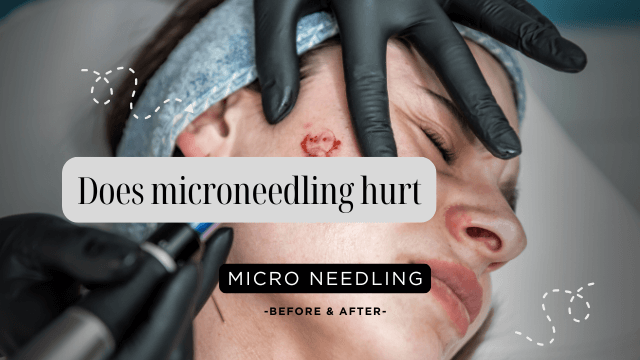
Does microneedling hurt

Let’s face it – we all want glowing, rejuvenated skin, but the big question on everyone’s mind when considering microneedling is: does it hurt? As someone who’s both experienced and researched various forms of microneedling, I’m here to give you the honest truth about what to expect pain-wise when tiny needles meet your skin.

The Truth About Microneedling Pain

The short answer is yes, microneedling can cause some discomfort – but it’s probably not as bad as you’re imagining. The sensation varies depending on several factors including the type of microneedling procedure (traditional, RF, or PRP), the area being treated, and your personal pain tolerance.

When I first tried traditional microneedling with a dermatologist, I’d describe the feeling as a prickly, warm sensation rather than sharp pain. Most clients compare it to light sandpaper being moved across the skin. The forehead, scalp, and areas around the nose tend to be more sensitive than cheeks or chin.

Pain Differences: Traditional vs. RF vs. PRP Microneedling

Understanding the pain variations between different types of microneedling can help set proper expectations:

Traditional Microneedling: This involves a microneedle roller or pen creating tiny punctures in your skin. Most providers apply a topical numbing cream 30 minutes before the procedure, which significantly reduces discomfort. On a scale of 1-10, most of my clients rate it around a 3-4 when properly numbed.

RF Microneedling: Radio-frequency microneedling combines traditional needling with heat energy, which can slightly increase discomfort. The heat sensation is unique – a warm buzzing feeling beneath the skin. However, the numbing cream works equally well here, and the additional discomfort is minimal compared to the enhanced results.

PRP Microneedling: When platelet-rich plasma is added to the mix, the actual needling pain remains similar, but you’ll experience the additional step of having blood drawn for PRP extraction. The application of PRP afterward typically feels soothing rather than painful.

Special Considerations for Sensitive Areas

Thinking about microneedling in more sensitive regions like the bikini area? Yes, it can be done (often for stretch marks or scarring), but expect increased sensitivity. I always recommend discussing pain management options with your provider if you’re treating sensitive areas.

What Influences Pain Level During Microneedling?

Several factors affect how uncomfortable your treatment might be:

  1. Needle Depth: Deeper penetration (often used for scarring) naturally causes more sensation
  2. Your Pain Tolerance: Everyone’s threshold is different
  3. Skin Sensitivity: Those with sensitive skin conditions may experience more discomfort
  4. Provider Experience: A skilled esthetician or dermatologist can make a world of difference
  5. Pre-treatment Preparation: Proper numbing protocol is essential

State Regulations and Pain Management

It’s worth noting that esthetician microneedling regulations vary by state, which can affect the depth of needling allowed and pain management options available. In some states, deeper microneedling procedures must be performed by medical professionals, while estheticians are limited to more superficial treatments.

Before booking, I always recommend checking microneedling state laws to understand who can legally perform your procedure and what pain management they can provide.

Post-Procedure Discomfort

After your session, you might experience:

  • Redness similar to a moderate sunburn
  • Tight, warm skin
  • Mild swelling
  • Occasional tiny whiteheads after microneedling (don’t pick!)

This typically subsides within 24-72 hours. Following proper microneedling aftercare instructions dramatically improves comfort during recovery.

My Personal Pain Management Tips

As someone who’s been through the process, here are my top tips for minimizing discomfort:

  1. Don’t skip the numbing cream and ensure it has adequate time to work
  2. Communicate with your provider if you’re experiencing too much pain
  3. Take a pain reliever (like acetaminophen) 30 minutes before your appointment if approved by your provider
  4. Avoid caffeine before your appointment as it can increase sensitivity
  5. Practice deep breathing during treatment
  6. Consider starting with a less aggressive treatment like a gentler microneedle roller before working up to professional-depth treatments

Is It Worth It?

Despite the temporary discomfort, the benefits of microneedling – whether traditional, RF, or combined with PRP or newer options like PRF and light therapy – are usually well worth it. The collagen induction, improved skin texture, reduced scarring, and overall rejuvenation provide lasting results that most clients find justify the brief discomfort.

When I weigh the temporary sensation against the glowing, youthful skin I achieve afterward, there’s really no contest. And remember – that first treatment is always the most intimidating. Once you know what to expect, subsequent sessions typically feel much more manageable!

How long can skin heal after microneedling

As someone who’s experienced microneedling firsthand and spent countless hours researching the different varieties of this popular treatment, I want to share my insights about the healing process. Whether you’re considering traditional microneedling, RF microneedling, or PRP microneedling, understanding the recovery timeline is crucial for setting realistic expectations and planning your post-treatment schedule.

The Basics of Skin Healing After Microneedling

Microneedling creates controlled micro-injuries to stimulate your skin’s natural healing response. This process triggers collagen and elastin production, which ultimately leads to smoother, firmer, and more youthful-looking skin. But how long does this healing journey actually take?

I’ve found that the healing timeline varies depending on several factors: the type of microneedling procedure, the depth of the needles used, your skin type, and how diligently you follow aftercare instructions.

Traditional Microneedling Recovery Timeline

For standard microneedling, I typically experience the following healing stages:

Days 1-3: Immediately after treatment, my skin looks sunburned with some redness and mild swelling. This is completely normal! Some pinpoint bleeding might occur during the first 24 hours, especially with deeper treatments.

Days 3-5: The initial redness subsides, but my skin feels rough and tight. Some flaking or peeling might occur as the micro-channels close and the skin renews itself.

Days 5-7: By this point, most visible signs of the treatment have disappeared. My skin typically feels smoother, and the initial benefits begin to show.

Weeks 2-4: This is when I notice the real magic happening beneath the surface. Collagen production ramps up, and my skin continues to improve in texture and firmness.

Weeks 4-6: The full results of the treatment become apparent as collagen remodeling completes. My skin looks noticeably more radiant and youthful.

RF Microneedling vs. Traditional: Is There a Difference in Healing Time?

When comparing microneedling vs RF microneedling, I’ve noticed some distinct differences in the healing process. RF (radiofrequency) microneedling combines traditional needling with heat energy, which penetrates deeper into the skin.

Because of this added thermal component, I find that RF microneedling typically has a slightly longer initial recovery period:

Days 1-4: Redness, swelling, and sensitivity may be more pronounced compared to traditional microneedling.

Days 4-7: The visible signs of treatment gradually subside, though some redness may persist around areas that received more intense treatment.

However, the tradeoff is worth it in my experience. RF microneedling often requires fewer sessions to achieve similar or better results than traditional microneedling, as the radiofrequency component enhances collagen stimulation.

PRP Microneedling: Does It Speed Up Healing?

PRP (Platelet-Rich Plasma) microneedling has become my personal favorite variation of this treatment. By combining microneedling with your body’s own growth factors from PRP, this procedure not only enhances results but can actually expedite healing:

Days 1-2: Initial redness and swelling are similar to traditional microneedling, but I’ve found they often resolve more quickly with PRP.

Days 3-5: The healing process seems accelerated, with less peeling and faster transition to that smooth, glowing skin we’re all after.

The growth factors in PRP help to repair tissue and promote faster healing, which explains why many people (myself included) experience a quicker recovery with PRP microneedling vs. regular microneedling.

Microneedling Aftercare: Critical for Optimal Healing

Regardless of which type of microneedling you choose, proper aftercare dramatically affects your healing time. Here are my tried-and-true microneedling recovery tips:

  1. Stay hydrated: Drinking plenty of water helps support your skin’s natural healing processes.
  2. Gentle cleansing: For the first 72 hours, I only use lukewarm water and a gentle, non-active cleanser.
  3. Moisturize frequently: Keep your skin hydrated with a gentle, fragrance-free moisturizer to support barrier repair.
  4. Sun protection: I’m religious about wearing SPF 30+ and avoiding direct sun exposure for at least two weeks after treatment.
  5. Avoid makeup: Give your skin at least 24-48 hours makeup-free to prevent introducing bacteria into the micro-channels.
  6. Skip the active ingredients: I temporarily pause using retinoids, alpha hydroxy acids, and vitamin C for about a week after treatment.

Understanding Your State’s Regulations

Something that surprised me when researching microneedling was learning about esthetician microneedling regulations and how microneedling state laws vary significantly across the US. In some states, only medical professionals can perform microneedling, while in others, estheticians can provide the service with proper training and certification.

Before booking your appointment, I recommend verifying that your provider is operating legally according to your state’s regulations. This ensures not only your safety but optimal results since properly trained providers understand how to customize treatment depths and techniques to minimize healing time.

While complete skin healing after microneedling generally takes 4-6 weeks for full collagen remodeling to occur, the visible recovery period is typically just 5-7 days for traditional microneedling, potentially slightly longer for RF microneedling, and sometimes shorter for PRP microneedling.

Remember that each person’s skin is unique, and factors like age, skin type, and treatment intensity all influence healing time. Be patient with your skin during this remarkable regeneration process—the results are absolutely worth the wait!

en_USEnglish