
google.com, pub-2032008856654686, DIRECT, f08c47fec0942fa0

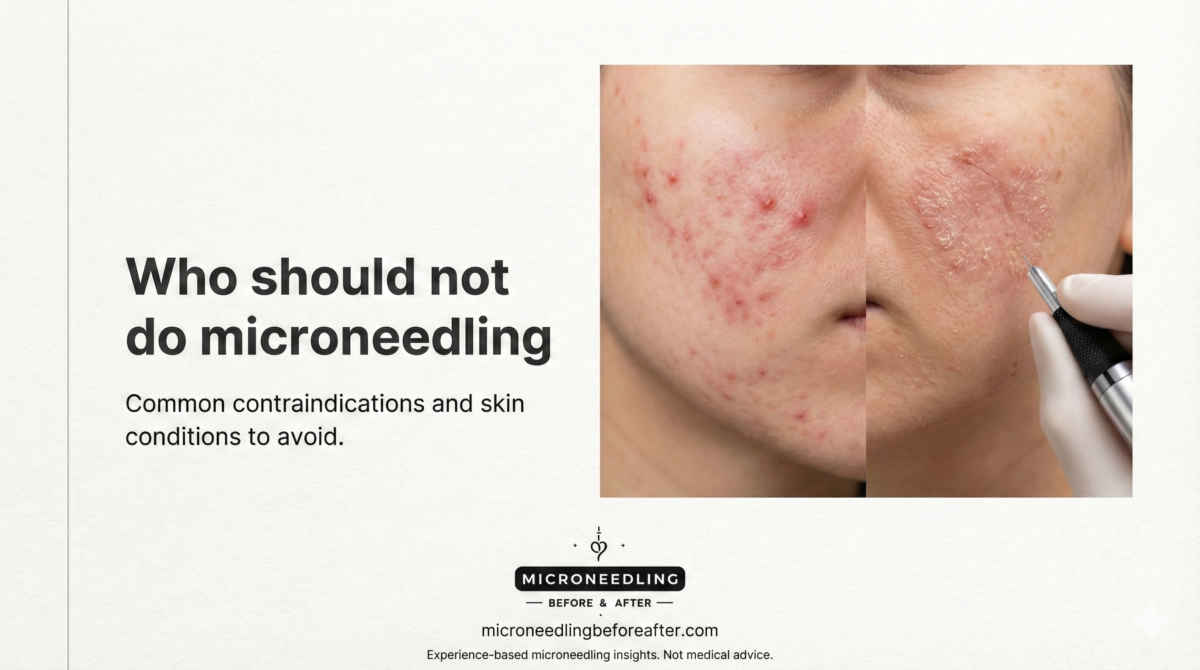
Who Should Not Do Microneedling

Who Should Not Do Microneedling: Who to avoid (infections, active inflammation, keloids, isotretinoin, bleeding, immune compromise) and safer timing advice now.

? Have you ever wondered whether microneedling is safe for everyone, or if there are situations where I would advise against it?

Who Should Not Do Microneedling

Microneedling is a popular skin procedure that I often discuss with patients and friends. It can improve texture, scars, fine lines, and product absorption, but it isn’t suitable for everyone. In this article I’ll walk you through the main groups of people who should avoid microneedling, explain why, and offer safe alternatives or timing recommendations where appropriate. I’ll also cover practical steps I recommend before pursuing microneedling so you can make an informed decision with your clinician.

What microneedling does and why contraindications matter

Microneedling uses tiny needles to create controlled micro-injuries in the skin. Those micro-injuries trigger a healing response that stimulates collagen and elastin production. While that process can be beneficial, it also involves deliberately breaking the skin’s barrier. When I consider whether a person is a candidate, I always weigh healing capacity, infection risk, scarring tendency, medications, and any condition that could be worsened by trauma or impaired healing.

I’ll be specific: some conditions make microneedling risky because they increase infection risk, delay healing, or raise the chance of abnormal scarring or pigmentation. In other cases, underlying therapies or treatments can interact with microneedling. I find it helpful to break the contraindications down by category.

Absolute and relative contraindications — how I think about them

I separate contraindications into absolute (I would not proceed) and relative (I might proceed only after addressing or modifying the issue). Absolute contraindications are conditions or situations where microneedling should be avoided until the problem is resolved. Relative contraindications mean microneedling may be possible, but only after careful assessment, treatment, or waiting periods.

Below I’ll list specific conditions, explain the reasons, and give my practical recommendations.

Active skin infections (bacterial, fungal, viral)

If you have an active skin infection in the treatment area—such as impetigo, cellulitis, active tinea (fungal infection), or an active herpes simplex outbreak—I would not perform microneedling.

I explain this to patients like this: creating microchannels in infected skin allows microbes to spread deeper into the tissue and into the bloodstream. That raises the chance of a serious infection.

What I recommend: treat the infection first and wait until it’s fully resolved. For herpes simplex (cold sores), many clinicians give antiviral prophylaxis and postpone treatment until healing or starting antivirals; I prefer waiting until there is no active lesion and discussing prophylaxis if you have a history of frequent outbreaks.

Active inflammatory acne, rosacea flare-ups, psoriasis, eczema

If you have active inflammatory acne (red, pustular, or cystic lesions), an active rosacea flare, psoriasis plaques, or atopic dermatitis (eczema) in the area, I would advise against microneedling at that time.

Why? Microneedling can spread bacteria and inflammatory mediators, potentially worsening acne and causing more irritation or post-procedure complications. With psoriasis or eczema, the trauma could trigger flares or Koebner phenomenon (new lesions forming at sites of injury).

What I recommend: treat the active condition first until it is under control. For acne, that might mean topical or oral medications and waiting a few months if you recently started systemic therapy. For rosacea and inflammatory dermatoses, achieve stability for several weeks before considering microneedling.

History of keloids or hypertrophic scarring

If you have a personal or strong family history of keloid formation or hypertrophic scars, I generally advise against microneedling.

I say this because any procedure that intentionally injures the skin can trigger overactive scar formation in predisposed individuals. While microneedling is sometimes promoted as a scar treatment, people prone to keloids are at higher risk of worsening scarring.

What I recommend: avoid microneedling over areas that have developed keloids in the past. If scar treatment is needed, I suggest consulting a dermatologist or plastic surgeon for safer options such as steroid injections, silicone therapy, or other controlled modalities.

Systemic isotretinoin (Accutane) use — recent or ongoing

If you’re on systemic isotretinoin (commonly known as Accutane) or completed it recently, I take a conservative approach. Historically many clinicians recommended waiting 6 to 12 months after finishing isotretinoin before performing microneedling or other resurfacing procedures.

Why? Isotretinoin can impair wound healing and increase the risk of scarring with invasive procedures, though recent evidence is mixed. Still, I prefer to be cautious.

What I recommend: if you’re currently on isotretinoin, avoid microneedling. If you finished isotretinoin, discuss timing with your prescriber—most often I would wait at least 6 months, sometimes up to 12 months, depending on dose and healing history.

Blood clotting disorders and anticoagulant therapy

If you have a bleeding disorder (for example, hemophilia) or you’re taking anticoagulants (blood thinners) such as warfarin, direct oral anticoagulants, or high-dose aspirin, microneedling carries higher bleeding and bruising risk.

I emphasize safety: increased bleeding can complicate the procedure, affect outcomes, and prolong healing.

What I recommend: consult both your prescribing physician and the clinician performing the procedure. In some situations, temporary medication adjustments are possible; in others, microneedling may be contraindicated. At minimum, I’d expect enhanced consent and a strategy to minimize bleeding.

Immunosuppression and active cancer treatment

If you are immunosuppressed (for example, taking systemic immunosuppressants, biologics, systemic steroids, chemotherapy) or undergoing active cancer therapy, I would generally avoid microneedling.

My reasoning is that immunosuppression raises infection risk and may impair wound healing. During active chemotherapy or immunosuppressive therapy, I usually recommend postponing elective skin procedures until immune function improves.

What I recommend: discuss with the treating oncologist or specialist. Postpone elective microneedling until you have clearance and your immune system has recovered.

Uncontrolled diabetes

If you have poorly controlled diabetes, I am cautious about microneedling because impaired glucose control can delay healing and increase infection risk.

I don’t want to risk complications, so I prefer that systemic disease be stable and well-managed before elective skin procedures.

What I recommend: achieve good glycemic control and get sign-off from your primary care provider or endocrinologist prior to treatment.

Active or recent skin cancer in the treatment area

If you have an active skin cancer in the area you want treated, or are recovering from recent skin cancer treatment, microneedling is not appropriate until the clinician caring for your cancer confirms it’s safe.

I always prioritize cancer management. Microneedling could interfere with surveillance and healing after excision or radiation.

What I recommend: wait until your skin cancer has been treated and you have clear guidance from your dermatologist or oncologist.

Recent chemical peel, laser resurfacing, or other ablative procedures

If you’ve recently had an aggressive chemical peel, laser resurfacing, or another ablative procedure, I advise waiting until the skin has fully healed before microneedling.

I explain that combining or spacing procedures improperly can cause cumulative trauma, increasing scarring and pigmentary problems.

What I recommend: discuss the timeline with the clinician who performed the previous procedure. Typical intervals vary but often range from several weeks to months depending on the intensity of the prior treatment.

Pregnancy and breastfeeding

If you’re pregnant or breastfeeding, I generally recommend avoiding microneedling as an elective procedure.

My reasoning: there’s limited evidence about the safety of microneedling in pregnancy, and pregnancy-related hormonal changes can affect healing and pigmentation. Additionally, topical agents sometimes used with microneedling (like retinoids) are contraindicated in pregnancy.

What I recommend: postpone microneedling until after pregnancy and breastfeeding, or consult both your obstetrician and dermatologist if there are special circumstances.

Recent facial fillers, threads, or implants

If you’ve recently had dermal fillers, thread lifts, or other implants in the treatment area, timing matters. Microneedling too close to filler injections can increase the risk of infection and product displacement.

I typically advise waiting a period after filler placement and being cautious near filler sites.

What I recommend: for most hyaluronic acid fillers, I suggest waiting at least 2 weeks and often longer, with some clinicians preferring 4 weeks. For permanent implants or threads, discuss with the treating provider about safe timing.

Tattoos and permanent makeup

Microneedling directly over tattoos or permanent makeup can alter pigment, cause pigment migration, and increase infection risk.

I usually tell people to avoid microneedling directly over tattoos, unless a specialist with experience is planning the procedure for a specific reason.

What I recommend: treat only non-tattooed skin or consult a specialist experienced in working with tattooed areas.

Known allergies to numbing agents or topical ingredients

If you have a documented allergy to topical anesthetics or to ingredients commonly used in post-care protocols (like certain antiseptics or topical antibiotics), I will consider that a contraindication until we find alternatives.

I always ask about allergies because reactions during or after the procedure can complicate healing.

What I recommend: disclose all allergies and prior reactions. We can often choose alternative products, but this may affect scheduling or the decision to proceed.

Recent viral infections or systemic illness

If you’re currently ill with a systemic infection (for example, flu-like illness or COVID-19) I would postpone microneedling until you’ve recovered.

I emphasize rest and recovery first; the body heals best when not fighting another active illness.

What I recommend: reschedule after full recovery and ensure no active fevers or systemic symptoms.

Table: Quick reference for common contraindications

I find tables useful for quick clinical decision-making. Below is a concise summary of common contraindications, why they matter, and what I typically recommend.

Condition / Situation Why it’s a concern My practical recommendation
Active skin infection (bacterial/fungal/herpetic) Risk of deeper infection, spread Treat infection, wait until resolved
Active inflammatory acne, rosacea, psoriasis, eczema Can worsen inflammation or trigger lesions Control condition first; reassess when stable
History of keloids/hypertrophic scarring Risk of abnormal scarring Avoid microneedling over prone areas; consider alternatives
Systemic isotretinoin (current/recent) Impaired healing; scarring risk Avoid during therapy; wait 6–12 months after completion
Anticoagulant therapy / bleeding disorders Excess bleeding, bruising, hematoma Consult prescribing doctor; may postpone or adjust meds
Immunosuppression / chemo Impaired healing, infection risk Postpone until immune recovery; get clearance
Uncontrolled diabetes Poor healing, infection Achieve glycemic control; get medical clearance
Active skin cancer or recent excision Interferes with cancer care Wait until cleared by specialist
Recent ablative treatments (laser/peel) Cumulative trauma, delayed healing Follow clinician’s recommended interval
Pregnancy / breastfeeding Limited safety data; topical contraindications Postpone until after pregnancy/breastfeeding
Recent fillers, threads, implants Infection risk, filler displacement Wait recommended interval; consult treating provider
Tattoos/permanent makeup Pigment alteration, infection Avoid direct treatment; consult specialist
Allergies to topical agents/anesthetics Risk of allergic reaction Use alternatives or postpone

Special considerations: melasma, hyperpigmentation, and darker skin types

If you have melasma or darker Fitzpatrick skin types, I proceed cautiously. Microneedling can be helpful for some pigmentary issues, but it can also trigger post-inflammatory hyperpigmentation (PIH) if not done correctly.

I usually recommend a careful pre-treatment regimen (including sun protection and topical agents like hydroquinone or tranexamic acid when appropriate) and conservative settings. In some cases, microneedling combined with cryotherapy or chemical peels is contraindicated for melasma.

What I recommend: see a dermatologist experienced with pigmented skin, follow a pre-treatment plan to stabilize melasma, and use conservative techniques. If melasma is active or unstable, delay treatment.

At-home microneedling devices — extra caution

Home dermarollers and microneedling pens are widely available, but they carry different risks than in-office treatments. I worry about improper sterilization, shared devices, excessive needle length, and aggressive use that increases infection and scarring risks.

I often tell people that in-office procedures are safer due to medical-grade devices, sterile technique, and trained providers.

What I recommend: if you’re considering at-home use, use devices with short needles (typically 0.25 mm) and follow strict hygiene. However, for deeper treatments or if you have any contraindications above, consult a professional instead of DIY.

Medication and topical interactions — what I ask about before treatment

Before I agree to microneedling for anyone, I review medications and topicals that could affect safety:

  • Systemic isotretinoin (Accutane): avoid during and for recommended waiting period after.
  • Anticoagulants and antiplatelets: assess bleeding risk.
  • Systemic immunosuppressants or biologics: discuss risk and timing.
  • Topical retinoids and exfoliants: often paused before and after treatment to reduce irritation.
  • Oral antibiotics or antivirals: may be used prophylactically in select cases (e.g., cold sore history).

I recommend full disclosure of medications and supplements, including over-the-counter NSAIDs and herbal supplements that affect bleeding (like fish oil, ginkgo, or high-dose vitamin E), so I can advise appropriately.

How I assess candidacy during a consultation

When someone asks me about microneedling, I take a structured approach:

  1. Medical history: I review systemic diseases, medications, pregnancy status, and autoimmune conditions.
  2. Dermatologic history: I ask about history of cold sores, acne, keloids, pigmentation concerns, and prior procedures.
  3. Skin exam: I inspect the treatment area for active lesions, sunburn, or irritation.
  4. Expectations: I discuss goals, risks, number of sessions, and realistic outcomes.
  5. Plan: I advise on pre-treatment steps (stop topical retinoids, stabilize disease) and post-care.

I encourage open dialogue because the safest plan depends on individual risk factors.

Alternatives when microneedling is not appropriate

If microneedling is contraindicated, I often suggest safer alternatives depending on the problem you want to treat.

  • Superficial chemical peels or gentle light chemical exfoliation — for mild texture and superficial pigmentation, if appropriate.
  • Microdermabrasion — noninvasive option for skin texture; lower infection risk.
  • Topical medical therapies — retinoids, hydroquinone, tranexamic acid, or prescription creams for pigmentation and texture over time.
  • Injectable options — in select cases, fillers or neuromodulators might address volume loss or lines without resurfacing.
  • Laser or light therapies — though some lasers share similar contraindications, certain nonablative lasers may be considered when microneedling is inappropriate; always evaluate on a case-by-case basis.
  • Scar-specific treatments — for keloids or hypertrophic scars, steroid injections, silicone sheeting, or surgical options with specialized planning.

I always tailor alternatives to the condition and the person’s medical profile.

Safety tips and red flags I use in practice

I give people practical safety advice so they can spot red flags and make informed choices.

  • Choose an experienced, licensed provider. I prefer clinicians with medical training or supervised settings.
  • Verify the clinic’s sterilization protocols and that single-use, disposable needles are used for in-office treatments.
  • Be wary of aggressive pricing or offers that encourage skipping pre-procedure medical review.
  • If you notice unusual pain, spreading redness, fever, or pus after treatment, seek urgent medical attention.
  • Avoid sun exposure and tanning immediately before and after microneedling to reduce pigmentary complications.
  • Follow post-care instructions for cleansers, ointments, and sunscreens strictly—these influence healing and outcomes.

If anything feels “off” during or after the procedure, I urge people to contact their provider promptly.

Frequently asked questions I get from patients

I often get a set of predictable questions. Here are my typical answers:

  • Can I get microneedling if I have acne scars? Yes, in many cases microneedling is effective for atrophic acne scars, but not during active inflammatory acne.
  • If I’m prone to cold sores, can I still have microneedling? Possibly. I usually recommend antiviral prophylaxis and ensure no active lesions are present.
  • Is microneedling safe on all skin tones? Microneedling is generally safer than many lasers for darker skin tones but carries PIH risk; careful technique and pre/post treatments are important.
  • Can teenagers have microneedling? I’m cautious with younger skin; if someone is a teen, I assess the underlying issue and often prefer conservative treatments first.
  • How many sessions are needed? That depends on the concern; 3–6 sessions spaced weeks apart is common for many indications, but I always tailor the plan.

Post-procedure considerations and when to contact a clinician

After microneedling, normal responses include redness, mild swelling, and pinpoint bleeding or bruising that resolves in days. Use gentle cleansers, moisturizers, and sunscreens as instructed.

Contact your clinician if you experience increasing pain, swelling beyond a few days, spreading redness, fever, pus, or if you notice signs of an allergic reaction such as hives or difficulty breathing.

I tell people that prompt attention reduces the risk of complications becoming serious.

Final checklist I use before recommending microneedling

When I’m thinking about whether microneedling is appropriate, I mentally run through this checklist:

  • Is the skin free of active infection or inflammatory disease in the area?
  • Are there any systemic illnesses or medications that impair healing?
  • Is pregnancy or breastfeeding a factor?
  • Is there a history of abnormal scarring or bleeding disorders?
  • Have recent procedures or treatments been completed in a safe timeframe?
  • Is the patient informed about alternatives, risks, and realistic expectations?

If any items raise concern, I postpone or adapt the plan, or I refer to a specialist.

Conclusion

Microneedling can be an effective tool for many skin concerns, but it is not a one-size-fits-all solution. I always evaluate the whole person—medical history, current medications, skin condition, and expectations—before recommending microneedling. There are clear scenarios where I would not perform microneedling or where I would require specific precautions: active infections, uncontrolled systemic conditions, recent isotretinoin use, immunosuppression, pregnancy, and a history of keloids, among others.

If you’re considering microneedling, I encourage you to have a candid conversation with a qualified provider, disclose your full medical history, and follow pre- and post-care instructions closely. When microneedling is avoided for safety reasons, there are typically safer alternatives that can still help you reach your goals without putting your health at risk.

If you want, I can help you think through a specific medical history or concern to determine whether microneedling might be appropriate for you and what timing or alternatives I would suggest.
Microneedling Swelling Timeline By Skin Type

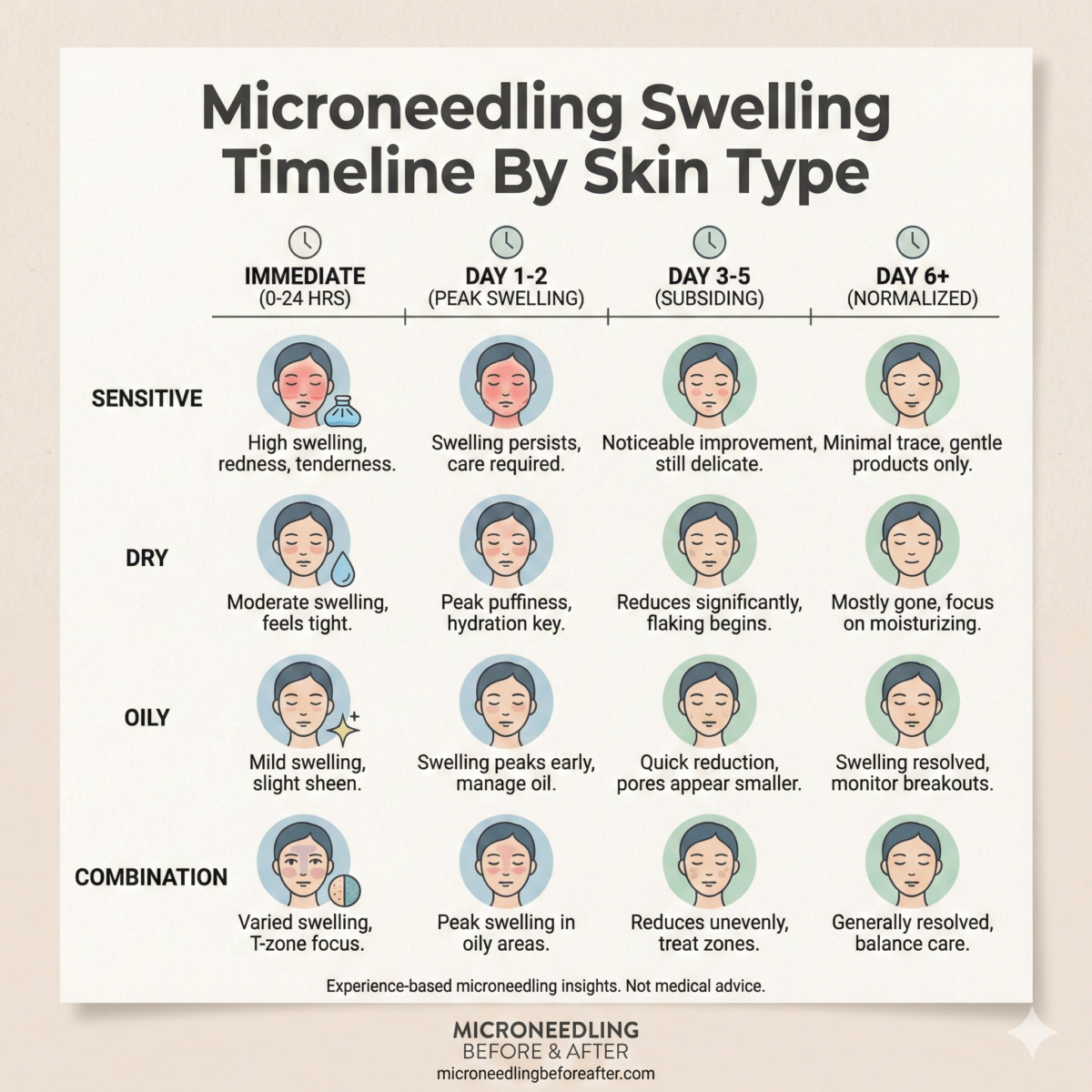
Microneedling swelling timeline by skin type: learn how long puffiness lasts, what affects recovery, and practical aftercare tips for each skin type.

How long will my face remain swollen after microneedling, and how does my skin type influence that timeline?

Microneedling Swelling Timeline By Skin Type

I will explain how microneedling typically causes swelling, why the response varies across skin types, and what realistic timelines look like. I will also provide practical management strategies so you can plan treatments and expectations appropriately.

Why swelling occurs after microneedling

I recognize that microneedling purposefully creates controlled micro-injuries in the skin to stimulate collagen and elastin production. Swelling is a normal inflammatory response as fluid and immune cells rush to the treated areas to begin repair, and the degree of swelling depends on several physiologic and treatment variables.

How I classify skin types for swelling expectations

I use common dermatologic and cosmetic categories: normal, dry, oily, combination, sensitive, acne-prone, rosacea-prone, darker (higher Fitzpatrick) skin tones, fair/thin/aging skin, and those with inflammatory skin conditions like eczema or psoriasis. I find this classification practical for anticipating swelling patterns and advising aftercare.

General factors that influence swelling

I will outline the main variables that change how much and how long swelling will last so you can understand why two people may experience different timelines after the same procedure.

  • Treatment depth and device: Professional devices with needles at 1.5 mm or deeper and radiofrequency-microneedling cause more swelling than shallow at-home devices.
  • Number of passes and treatment intensity: More passes and firmer pressure increase swelling.
  • Anatomic area treated: Periorbital, lip, and forehead regions often swell more due to thinner skin and loose subcutaneous tissues.
  • Pre-existing inflammation and skin conditions: Rosacea and acne can amplify swelling.
  • Systemic factors: Medications (blood thinners), recent alcohol, salt intake, sleep, and hydration influence fluid retention.
  • Technique and topical anesthesia: Use of topical anesthetics, whether vasoconstrictors were used, and post-treatment cooling alter swelling onset and duration.

Typical swelling timeline stages

I find it useful to conceptually divide the healing into stages so patients can track progress and know what to expect at each interval.

Stage Timeframe Typical signs
Immediate 0–6 hours Erythema, pinpoint bleeding, initial puffiness
Acute 6–72 hours Peak swelling typically within 24–48 hours, warmth, tenderness
Early recovery 3–7 days Redness decreases, swelling subsides substantially, skin tightness
Late recovery 1–4 weeks Residual erythema resolves, collagen remodeling begins
Full recovery 4–12 weeks Visual improvements mature, minimal swelling or none

I include this table to make the overall pattern easier to understand and to give a frame of reference for more specific skin-type timelines.

Swelling timeline by skin type — summary table

I provide a compact comparison so you can quickly scan expectations for your skin type. These are general estimates; individual responses vary.

Skin Type Typical Peak Swelling Usual Duration of Noticeable Swelling Notes
Normal 24–48 hours 2–5 days Predictable response; rapid recovery in most cases
Dry 24–48 hours 3–7 days May feel tight and slightly longer to exfoliate
Oily 24–72 hours 2–6 days Outlet for sebum is unaffected; inflammation may take slightly variable course
Combination 24–48 hours 2–6 days T-zone regions may recover differently from cheeks
Sensitive 12–72 hours 4–10 days Heightened inflammatory response; redness and swelling can be prolonged
Acne-prone 24–72 hours 3–10 days Active acne may flare; infections are a risk if contraindications ignored
Rosacea-prone 12–72 hours 5–14 days Marked flushing and swelling possible; proceed cautiously
Fitzpatrick IV–VI (darker skin) 24–72 hours 3–10 days Swelling similar or slightly prolonged; risk of PIH requires cautious aftercare
Fair/thin/aging skin 12–48 hours 2–5 days Thinner skin may bruise or swell more readily
Eczema/Psoriasis 12–72 hours 5–14 days or longer Flare risk; must be managed with dermatologist input

I encourage using the table as a starting point rather than a definitive timeline for every individual case.

Normal skin

I consider “normal” skin to have a balanced sebum production and no chronic inflammatory conditions. I typically tell patients with this skin type to expect predictable inflammatory responses.

  • Peak swelling: 24–48 hours
  • Noticeable swelling: 2–5 days
  • Management tips: Gentle cooling and a basic barrier-restoring moisturizer help the skin recover quickly. I advise avoiding harsh actives for the first 72 hours.

Dry skin

I recognize that dry skin often has a compromised barrier and reduced natural oils, which can make it feel tighter and more sensitive after treatment.

  • Peak swelling: 24–48 hours
  • Noticeable swelling: 3–7 days
  • Key considerations: I recommend using occlusive emollients and humectants (e.g., hyaluronic acid followed by a barrier cream) to reduce tightness and promote comfort. Avoid alcohol-based toners or astringents post-treatment.

Oily skin

I find that oily skin produces a relatively similar swelling response but may handle irritation differently due to thicker sebaceous activity.

  • Peak swelling: 24–72 hours
  • Noticeable swelling: 2–6 days
  • Key considerations: I recommend light, non-comedogenic hydrating products and avoid heavy oil-based creams that can trap heat or bacteria. Monitor for acneiform reactions if active acne is present.

Combination skin

I explain that combination skin may experience mixed timelines because different facial zones heal at different rates.

  • Peak swelling: 24–48 hours
  • Noticeable swelling: 2–6 days
  • Key considerations: I suggest zone-based aftercare: richer emollients on cheeks if dry, lighter gels on the T-zone if oily. This balances hydration without increasing irritation.

Sensitive skin

I note that sensitive skin can have amplified inflammatory responses to injury and topical agents, which makes swelling and redness potentially more pronounced and prolonged.

  • Peak swelling: 12–72 hours
  • Noticeable swelling: 4–10 days
  • Key considerations: I advise patch testing, using minimal passes during treatment, and employing anti-inflammatory soothing agents like topical niacinamide or centella asiatica after professional approval. I often recommend consulting a dermatologist to tailor settings.

Acne-prone skin

I discuss that acne-prone skin presents a special challenge because microneedling can transiently spread bacteria if performed over active pustules and may exacerbate inflammation if not properly selected.

  • Peak swelling: 24–72 hours
  • Noticeable swelling: 3–10 days
  • Key considerations: I generally avoid treating active inflamed acne with microneedling. If treating acne-scarring rather than active lesions, strict antiseptic technique and appropriate topical antimicrobials may be used. I monitor for signs of infection.

Rosacea-prone skin

I emphasize caution for rosacea because capillary fragility and neurovascular hyperreactivity can result in extended flushing and swelling.

  • Peak swelling: 12–72 hours
  • Noticeable swelling: 5–14 days
  • Key considerations: I recommend conservative needle depths, pre- and post-treatment anti-inflammatory regimens (per dermatologist guidance), and consideration of alternative modalities if rosacea is active. I advise clear informed consent about the risk of extended erythema.

Fitzpatrick IV–VI (darker skin tones)

I explain that darker skin tones do not necessarily experience more swelling, but there is a heightened concern for post-inflammatory hyperpigmentation (PIH) if inflammation is prolonged.

  • Peak swelling: 24–72 hours
  • Noticeable swelling: 3–10 days
  • Key considerations: I suggest pre-treatment optimization (retinoid tapering, skin-lightening cosmeceuticals if indicated) and cautious post-treatment management to limit inflammation and potential PIH. I recommend sunscreen and avoidance of heat/inflammation.

Fair, thin, or aging skin

I note that thinner or aged skin may bruise or show edema more visibly, and the response can be quicker to occur because the dermis is less robust.

  • Peak swelling: 12–48 hours
  • Noticeable swelling: 2–5 days
  • Key considerations: I favor lighter settings and a conservative approach. I instruct using gentle moisturizers and short, targeted treatments to prevent prolonged downtime.

Eczema or psoriasis

I stress that inflammatory skin disorders such as eczema or psoriasis require individualized planning because microneedling can potentially trigger flares.

  • Peak swelling: 12–72 hours
  • Noticeable swelling: 5–14 days or longer
  • Key considerations: I typically coordinate with a treating dermatologist. If disease is controlled, limited superficial microneedling may be considered; if active, I recommend postponing. I advise close post-procedure monitoring for flare-ups.

Deep professional vs at-home microneedling — swelling differences

I compare professional in-office treatments with at-home devices to clarify expectations.

  • Professional (0.75–3.0 mm and RF-microneedling): I explain these produce greater and longer swelling, often peaking at 24–48 hours and resolving over several days to two weeks depending on depth.
  • Medical-grade RF-microneedling: I note this induces thermal injury in addition to microchannels, which can extend swelling and erythema beyond what needle-only devices cause.
  • At-home dermarollers (0.2–0.5 mm): I state these cause minimal swelling, generally resolving within 24 hours or less, and primarily stimulate superficial exfoliation rather than significant collagen remodeling.

Immediate post-treatment care (0–24 hours)

I provide a stepwise list of actions that I recommend for the first day to minimize swelling and discomfort.

  • Cooling: Apply clean cool compresses for short intervals (10–15 minutes on, 10–15 minutes off). Avoid prolonged cold that can cause vasoconstriction issues.
  • Cleansing: Use a gentle, non-irritating cleanser to remove blood or lymphatic fluid.
  • Topicals: I advise avoiding active topicals (retinoids, acids, potent vitamin C) and opting for bland, sterile hydrating serums or medical-grade hyaluronic acid if recommended.
  • Positioning: Sleep with your head elevated the first night to reduce facial edema.
  • Avoid: I caution against alcohol, NSAIDs (I ask patients to consult their provider if they are on prescribed anticoagulants), strenuous exercise, heat exposure, and hot showers for 24–48 hours.

First 48–72 hours — peak management

I outline what to expect and how to manage the typical peak swelling window.

  • Expectation: I tell patients that swelling most often peaks within 24–48 hours but can remain elevated into day three for some skin types or deeper treatments.
  • Anti-inflammatories: I sometimes recommend oral antihistamines or short courses of NSAIDs for discomfort if appropriate and approved by the provider. I avoid routine steroid use unless prescribed.
  • Hydration and barrier repair: I encourage continued use of gentle moisturizers, occlusive creams at night, and avoidance of potential irritants.
  • Sun protection: I stress strict UV avoidance and use of physical sunscreens when outdoors.

Days 3–7 — early recovery

I describe the trajectory of swelling and how to modify care as the inflammation subsides.

  • Clinical course: I expect significant reduction in swelling by day 3–5 for most skin types, with residual redness and slight edema possible up to a week.
  • Exfoliation: I advise against mechanical exfoliation and strong chemical peels until the skin barrier is fully restored.
  • Makeup: I typically allow mineral or specially formulated cover cosmetics after 48–72 hours if there is no open bleeding or crusting, but I recommend patch testing.

Weeks 2–4 and beyond — remodeling phase

I explain the longer-term healing process where swelling has resolved but tissue remodeling continues.

  • Clinical course: By 2–4 weeks most patients show minimal swelling; improvements in texture/pore size continue to emerge over 8–12 weeks as collagen remodels.
  • Return to routine: I allow resumption of retinoids and active skincare per a staged plan after 1–3 weeks depending on skin’s recovery.
  • Follow-up treatments: I discuss spacing treatments (commonly 4–6 weeks for collagen induction) and consider conservative approaches for sensitive or reactive skin types.

Practical table: Do’s and don’ts by timeframe

I include this table to provide concise guidance for common post-procedure questions.

Timeframe Do Don’t
0–24 hours Cool intermittently, cleanse gently, use sterile hydrating products Exercise, sauna, hot showers
24–72 hours Continue hydration, elevate head while sleeping, protect from sun Apply active acids, retinoids, heavy makeup on open areas
3–7 days Gradually reintroduce gentle skincare, monitor for infection Aggressive exfoliation or facial waxing
1–4 weeks Reintroduce most actives gradually if tolerated Skip sunscreen or ignore prolonged redness

I use this concise reference to reduce confusion and support safer recovery.

When to seek medical attention

I want to be clear about warning signs that require prompt evaluation.

  • Excessive swelling beyond expected timeline: If swelling continues to worsen after 72 hours or becomes asymmetric and painful.
  • Signs of infection: Increasing pain, warmth, spreading erythema, purulent drainage, or fever.
  • Allergic reactions: Rapid, severe swelling, hives, difficulty breathing — seek emergency care.
  • Prolonged, worsening hyperpigmentation or keloid formation concerns: Seek dermatologic follow-up.

I recommend contacting the treating clinician for any unexpected course.

Preventive strategies and pre-treatment optimization

I advise several steps to reduce the risk of severe swelling and complications before microneedling.

  • Medical history review: I request disclosure of isotretinoin use, anticoagulants, active infections, and inflammatory conditions.
  • Medication timing: I typically ask patients to avoid NSAIDs and high-dose vitamin E pre-procedure only as instructed, and to confirm isotretinoin cessation per dermatologic guidance.
  • Skin preparation: I recommend pre-treating active inflammatory conditions and optimizing barrier function with hydration and, in some cases, topical anti-inflammatories.
  • Conservative settings: For sensitive or high-risk skin types, I favor shallower needle depths and fewer passes.

I find that thoughtful pre-procedure planning reduces downtime and adverse outcomes.

Products and ingredients I recommend or avoid after microneedling

I give practical product guidance that I use when advising patients.

  • Recommend immediately: Sterile saline, gentle hyaluronic acid serums, petroleum-based or ceramide-rich barrier creams, and physical sunscreens once healed.
  • Use with caution: Niacinamide and centella asiatica can be soothing but should be introduced conservatively.
  • Avoid for first 48–72 hours: Retinoids, alpha/beta hydroxy acids, ascorbic acid in high concentration, benzoyl peroxide, and alcohol-based toners.
  • Antimicrobials: I consider topical antiseptics if indicated, but routine antibiotic creams are not always recommended unless there is a clear infection risk.

I emphasize individualized recommendations based on treatment intensity and skin type.

Managing swelling for specific concerns

I offer tailored strategies for some of the more challenging skin types.

  • Rosacea-prone: I recommend pre-treatment control measures (topical or oral therapies) and post-treatment anti-inflammatories per dermatologic direction.
  • Darker skin tones: I stress aggressive sun protection and consider topical lightening agents only after adequate healing to minimize PIH.
  • Acne-prone: I avoid treating over active lesions and ensure antiseptic technique if scars are the target.

I adapt my approach to reduce complications and optimize outcomes for these groups.

Practical lifestyle considerations

I suggest practical behavioral adjustments that help minimize swelling and promote efficient healing.

  • Sleep: I encourage sleeping elevated the first 1–3 nights.
  • Diet: I recommend reducing salt and alcohol intake immediately before and after the treatment to limit edema.
  • Activity: I advise avoiding high-intensity workouts, hot yoga, and heavy sweating for at least 48–72 hours.
  • Travel: If you travel by air immediately after treatment, I advise extra cooling and hydration due to cabin pressure and dehydration effects.

I include these recommendations because modest lifestyle changes can materially affect recovery.

Repeat treatments and cumulative swelling

I explain how swelling may change with subsequent sessions.

  • Cumulative effect: I note that repeated treatments spaced properly may produce less acute swelling as the skin adapts, but deeper or more aggressive sessions can reset the inflammatory response.
  • Spacing: I generally recommend waiting 4–6 weeks between collagen induction sessions for facial treatments so swelling has fully resolved and remodeling is underway.
  • Record-keeping: I advise tracking reactions after each session so settings can be modified if swelling was excessive in prior treatments.

I stress cautious progression to optimize long-term results without unnecessary downtime.

Checklist for post-microneedling care

I provide a short checklist I often give patients to simplify compliance.

  • Cool with clean compresses for short intervals.
  • Keep treated area clean; use gentle cleanser.
  • Apply sterile hydrating serum and barrier cream at night.
  • Avoid active ingredients for at least 72 hours.
  • Use head elevation for sleep first night.
  • Avoid strenuous exercise and heat sources for 48–72 hours.
  • Protect from sun and apply SPF after epidermal healing.
  • Contact provider for signs of infection or unexpected worsening.

I use this checklist to reduce confusion and increase safety.

Clinical scenarios and examples

I offer a few illustrative examples to help you contextualize timelines.

  • Example 1 — 35-year-old with normal skin receiving 1.5 mm in-office microneedling: I would expect peak swelling at 24–48 hours with substantial improvement by day 4 and near-normal appearance by day 7.
  • Example 2 — 45-year-old with rosacea treated superficially: I would expect significant erythema and swelling peaking within 24 hours and possibly lingering through 10 days; I would plan conservative settings and anti-inflammatory post-care.
  • Example 3 — 28-year-old with darker skin undergoing shallow in-office treatment: I would predict modest swelling for 48–72 hours and emphasize strict sun avoidance and inflammatory control to prevent PIH.

I use case examples to make abstract timelines more concrete.

Final considerations and takeaways

I want to leave you with clear, actionable guidance that I would follow or recommend professionally.

  • Expect swelling: Swelling is a normal, transient response to microneedling and usually peaks within 24–48 hours for most skin types.
  • Skin-type variability matters: Sensitive, rosacea-prone, and inflammatory-skin types often have longer or stronger swelling responses and may need conservative treatment plans.
  • Management works: Simple measures—cooling, elevation, gentle hydrating products, and sun protection—can substantially reduce both the intensity and the duration of swelling.
  • Safety first: If you have significant dermatologic conditions or are on medications like isotretinoin or anticoagulants, consult a dermatologist before undergoing microneedling.
  • When in doubt, seek care: Infection or severe allergic reactions are rare but require prompt professional attention.

I remain available to help interpret your specific situation or to tailor aftercare plans based on your particular skin type and the exact microneedling procedure you are considering.

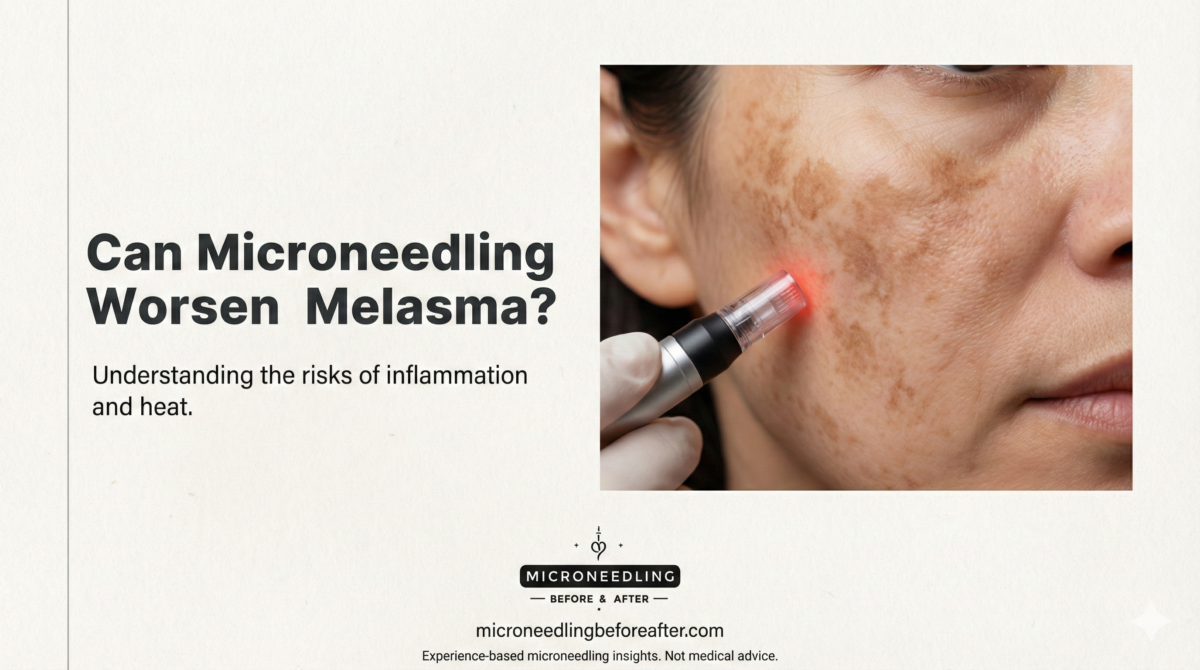
Can Microneedling Worsen Melasma

Can microneedling worsen melasma? Learn risks, when it may help or harm, key precautions, and safer alternatives to protect skin and minimize PIH. Consult derm.

Have you ever wondered whether microneedling could actually make melasma worse instead of better?

Can Microneedling Worsen Melasma

I’ll give you a clear, practical look at the question, because I know how frustrating melasma can be and how tempting microneedling sounds as a treatment option. I’ll cover mechanisms, risks, evidence, how I would approach it, and safer alternatives so you can make an informed choice.

Short answer

Yes — microneedling can worsen melasma in some situations, especially if it triggers inflammation, is performed with overly aggressive settings, or isn’t paired with proper pre- and post-procedure care. However, under controlled conditions and combined with the right topical or procedural adjuncts, microneedling may also help certain patients. I always emphasize individualized assessment and conservative technique.

What is melasma?

Melasma is a common chronic skin condition characterized by brown to gray-brown patches, typically on the cheeks, forehead, upper lip, and chin. I think of it as a pigmentary disorder driven by a combination of genetic predisposition, hormonal influences (like pregnancy or oral contraceptives), ultraviolet (UV) exposure, and other triggers such as inflammation or heat.

Melasma isn’t just “too much pigment” — its biology involves pigment-producing cells (melanocytes), the surrounding skin environment (inflammation, blood vessels), and the skin’s response to triggers. Because of that complexity, treatments that only affect one part of the process sometimes fail or can worsen the condition.

What is microneedling?

Microneedling is a minimally invasive procedure that uses tiny needles to create controlled micro-injuries in the skin. I describe it as a way to stimulate the skin’s natural repair mechanisms: increased collagen production, enhanced penetration of topical agents, and release of growth factors.

There are different devices and techniques: home-use rollers, professional pens, radiofrequency microneedling (RF), and different needle depths. The intensity and device choice matter a great deal for safety and outcomes.

How microneedling might affect melasma

I like to break this into two opposite potential effects: therapeutic and harmful.

  • Therapeutic potential: Microneedling can enhance delivery of pigment-lightening topical agents and stimulate remodeling of the dermal-epidermal unit. This might help some aspects of melasma, particularly when combined with targeted therapies.
  • Harmful potential: Microneedling causes inflammation. For people prone to post-inflammatory hyperpigmentation (PIH) — especially those with darker skin types — that inflammation can induce more pigment, sometimes worsening melasma rather than improving it.

Post-inflammatory hyperpigmentation (PIH) risk

One of the main concerns I focus on is PIH. Any procedure that injures the skin — even superficially — can produce pigment in susceptible individuals. I’m particularly cautious when treating Fitzpatrick skin types IV–VI because their melanocytes respond more robustly to inflammation.

When microneedling is too aggressive (too deep, too frequent, or done without proper sun protection and topical control), I’ve seen patients develop surrounding hyperpigmentation or an overall darkening of melasma patches.

Depth and technique matter

Needle length, treatment frequency, and device type are key. Superficial microneedling (around 0.25–0.5 mm) primarily improves topical penetration and causes minimal inflammation. Deeper needling (1.0 mm and above) provokes more intense remodeling and a stronger inflammatory response.

I generally recommend starting conservatively, especially for melasma. An experienced provider using a microneedling pen with controlled depth and sterile technique is preferable to home rollers or overaggressive settings.

Evidence from studies and clinical experience

The literature is mixed. I’ll summarize the general themes I’ve seen in studies and clinical reports rather than listing specific trials.

  • Some clinical reports and small studies show improvement in melasma when microneedling is combined with topical agents (for example, tranexamic acid, hydroquinone, or customized serums). Enhanced penetration appears to boost effectiveness.
  • Other reports describe cases of PIH or worsening pigment following microneedling, particularly when performed aggressively or without preconditioning.
  • Radiofrequency microneedling (RF) introduces heat plus needling, which may increase risk of inflammation and PIH in susceptible people, although some protocols claim benefits when paired with appropriate precautions.

Overall, the evidence suggests that microneedling isn’t a one-size-fits-all solution for melasma. It can help in selected situations but can also worsen pigment if not done carefully.

When microneedling may help melasma

I consider microneedling when:

  • The patient has been carefully assessed and other first-line therapies (topical agents, strict sun protection, and medication) have been optimized without sufficient improvement.
  • The practitioner plans to use conservative needle depths and spacing between sessions.
  • Microneedling is being used to enhance penetration of safe and effective topical therapies (for example, tranexamic acid or topical retinoids under supervision).
  • The patient accepts the small but real risk of PIH and follows pre- and post-procedure instructions (sun avoidance, strict sunscreen, anti-inflammatory strategies).

When used judiciously, especially as an adjunct to other evidence-based treatments, microneedling can sometimes produce additional improvement.

When microneedling may worsen melasma

I would avoid or be very cautious with microneedling when:

  • The patient has Fitzpatrick skin type IV–VI and a strong history of PIH.
  • There is active inflammation, a recent sunburn, or recent acne flares in the treatment area.
  • The procedure will use deep needle lengths (>1.0 mm) or aggressive protocols without preconditioning.
  • The patient cannot adhere to strict post-treatment sun protection or appropriate topical management.
  • Microneedling is performed by someone without experience in treating pigmentary disorders.

If I suspect a high risk of PIH, I usually recommend alternative treatments or a test patch before committing to full-face sessions.

Practical table: factors that increase or decrease risk

Factor Effect on Risk of Worsening Melasma Why I Care
Fitzpatrick skin type IV–VI Increases risk More reactive melanocytes → higher PIH risk
Needle depth > 1.0 mm Increases risk Greater inflammation and injury
Frequency (sessions
en_USEnglish