
google.com, pub-2032008856654686, DIRECT, f08c47fec0942fa0

How Long To See Microneedling Results?

Discover how long it takes to see results from microneedling. Learn about the factors affecting results, immediate effects, short-term and long-term results, and maintenance tips.

Have you ever wondered how long it takes to see results from microneedling? Microneedling, a popular skincare treatment, involves using tiny needles to create micro-injuries on the skin’s surface, stimulating collagen production and rejuvenating the skin. While individual results may vary, many people start to notice improvements in their skin texture and appearance within a few weeks of starting microneedling sessions. The full effects of microneedling can take several months to fully manifest as collagen production continues to increase. So, if you’re considering microneedling, be patient and consistent with your treatments, and get ready to enjoy smoother, more radiant skin in the long run.

What is Microneedling?

Microneedling is a cosmetic procedure that involves using a device with tiny needles to create small punctures in the skin. This procedure is also known as collagen induction therapy or dermarolling. The purpose of microneedling is to stimulate collagen production and improve the overall texture, tone, and appearance of the skin. It is a minimally invasive treatment that has gained popularity in recent years due to its effectiveness and relatively short recovery time.

Factors Affecting Microneedling Results

Several factors can impact the results of microneedling. It is important to consider these factors when undergoing the treatment to ensure optimal outcomes.

Skin condition

The current condition of your skin can affect the results of microneedling. Individuals with healthy skin tend to respond better to the treatment compared to those with more severe skin conditions, such as severe acne or eczema. It is important to have a thorough consultation with a skincare professional before undergoing microneedling to assess the suitability of the treatment for your specific skin condition.

Depth of treatment

The depth of microneedling treatment can vary depending on the specific needs of the individual. Shallow needle depths are typically used for superficial issues, such as fine lines and dull skin, while deeper depths are utilized for treating scars and deeper wrinkles. The depth of the treatment will impact the intensity of the results and the recovery time required.

Number of treatments

Achieving the desired results with microneedling often requires multiple treatment sessions. The exact number of treatments needed will depend on the specific skin concerns and the individual’s response to the treatment. Generally, a series of three to six sessions spaced four to six weeks apart is recommended for optimal results.

Frequency of treatments

The frequency of microneedling treatments can also impact the overall results. It is important to follow the recommended treatment schedule determined by your skincare professional. Frequent treatments may lead to overstimulation of the skin, while infrequent treatments may not provide consistent results. Finding the right balance is essential for maximizing the benefits of microneedling.

Products used during and after treatment

The products used during and after microneedling treatment can significantly influence the results. Skincare professionals often apply specialized serums or growth factors during the treatment to enhance the effects of microneedling. Additionally, using appropriate skincare products during the recovery period is crucial for optimizing and maintaining the results. Your skincare professional will recommend suitable products based on your individual needs and skin type.

How Long To See Microneedling Results?

Immediate Effects after Microneedling

After undergoing a microneedling session, there are several immediate effects that you can expect to experience. These effects are typically minor and temporary, resolving within a few days.

Redness and swelling

Redness and swelling are common immediate effects of microneedling. The tiny punctures created in the skin during the treatment can cause the skin to become temporarily inflamed. This inflammation is a natural response and indicates that the skin’s healing process has been activated. The redness and swelling usually subside within 24-48 hours.

Sensitivity and tenderness

Following microneedling, your skin may feel more sensitive and tender than usual. This increased sensitivity is temporary and should diminish within a couple of days. It is important to avoid using harsh or irritating skincare products during this time and to handle your skin gently.

Possibility of slight bleeding

In some cases, microneedling may cause slight bleeding, particularly if the needle depth is greater. However, this bleeding is minimal and typically stops quickly. Your skincare professional will ensure that any bleeding is properly managed during the treatment.

Short-term Microneedling Results

Within a week or two after microneedling, you can expect to see some noticeable improvements in your skin’s texture and tone.

Improvement in skin texture and tone

One of the primary benefits of microneedling is the improvement in skin texture and tone. The treatment stimulates collagen production, which helps to smooth out any rough or uneven areas of the skin. Over time, the skin becomes more refined and appears more youthful and vibrant.

Reduction in fine lines and wrinkles

Microneedling can also help reduce the appearance of fine lines and wrinkles. By stimulating collagen production, the skin becomes plumper and firmer, minimizing the depth of wrinkles and creating a smoother overall appearance.

Improved absorption of skincare products

Another advantage of microneedling is its ability to enhance the absorption of skincare products. The tiny punctures created during the treatment allow for better penetration of active ingredients in serums and creams, maximizing their effectiveness.

Stimulated collagen production

Microneedling triggers the production of new collagen, which is essential for maintaining youthful-looking skin. The increased collagen production helps to improve overall skin firmness and elasticity, resulting in a more youthful and rejuvenated appearance.

How Long To See Microneedling Results?

Long-term Microneedling Results

With continued treatments over time, microneedling can lead to even more significant and long-lasting results.

Continued improvement in skin texture and tone

Consistent microneedling sessions can lead to continued improvement in skin texture and tone. The ongoing stimulation of collagen production helps to refine the skin, reduce pore size, and promote a smoother overall complexion. With each session, the skin becomes increasingly more radiant and youthful.

Reduction in scarring

Microneedling is also beneficial for reducing the appearance of scars. Whether they are acne scars, surgical scars, or stretch marks, microneedling can help to remodel the skin, diminishing the visibility of these imperfections. It is important to note that significant scarring may require multiple treatments and additional procedures for optimal outcomes.

Diminished appearance of deep wrinkles

While microneedling is particularly effective in reducing fine lines and shallow wrinkles, it can also have a positive impact on deeper wrinkles over time. The stimulation of collagen production gradually plumps and smooths the skin, resulting in a diminished appearance of deeper lines and wrinkles.

Improved skin firmness and elasticity

The ongoing collagen production stimulated by microneedling helps to improve skin firmness and elasticity. With regular treatments, the skin becomes tighter and more lifted, creating a more youthful and rejuvenated appearance. This can be especially beneficial for individuals experiencing sagging or loose skin.

Timeframe for Visible Results

It is important to understand that microneedling results take time to become fully apparent. The exact timeframe can vary depending on individual factors and the specific skin concerns being addressed.

Immediate effects last for 1-3 days

The immediate effects of microneedling, such as redness and swelling, typically subside within 1-3 days post-treatment. During this time, it is important to follow proper aftercare instructions provided by your skincare professional to ensure effective healing and minimize any potential side effects.

Short-term results visible within 1-2 weeks

Within 1-2 weeks after microneedling, you can begin to see improvements in your skin’s texture, tone, and overall appearance. The skin may appear smoother, more radiant, and more youthful-looking. However, it is important to remember that these results are not permanent and multiple sessions are usually required for optimal outcomes.

Long-term results noticeable after multiple treatments

Long-term results from microneedling are typically seen after multiple treatments. It usually takes a series of sessions, spaced several weeks apart, to achieve the desired outcome. The cumulative effect of collagen induction leads to significant and lasting improvements in the skin’s texture, firmness, and overall youthfulness.

Collagen remodeling takes several months

Collagen remodeling is a gradual process that can take several months to fully complete. During this time, the newly produced collagen continues to strengthen and improve the skin’s texture and appearance. It is important to have realistic expectations and give yourself enough time to see the full benefits of microneedling.

How Long To See Microneedling Results?

Maintenance and Follow-up Treatments

To maintain the results of microneedling and prolong its benefits, a proper maintenance schedule and skincare routine should be established.

Recommended maintenance schedule

After completing a series of microneedling sessions, it is recommended to continue with regular maintenance treatments. The frequency of these treatments will depend on individual factors, such as the skin’s response and desired results. Generally, a maintenance treatment every 4-6 months is suggested to keep the skin in optimal condition.

Importance of sunscreen and skincare routine

Protecting your skin from the sun is crucial for maintaining the results of microneedling. Sunscreen with broad-spectrum SPF should be used daily, even on cloudy days, as the skin becomes more sensitive to UV rays after the treatment. Additionally, following a consistent skincare routine tailored to your skin type and concerns will help to further enhance and maintain the results of microneedling.

Potential for additional treatments

Depending on individual goals and skin conditions, additional treatments may be recommended to further enhance the results of microneedling. These can include complementary procedures like chemical peels or laser treatments, which can be performed in conjunction with microneedling for more comprehensive rejuvenation. Your skincare professional can provide personalized recommendations based on your unique needs.

Individual Variations in Microneedling Results

It is essential to recognize that individual variations can influence the results achieved with microneedling.

Differences based on age and skin condition

Younger individuals with relatively healthy skin may experience faster and more dramatic results compared to those with more advanced signs of aging or severe skin conditions. Additionally, skin conditions, such as rosacea or psoriasis, may require a more cautious approach to microneedling, as they can affect the skin’s healing response.

Patient compliance with aftercare instructions

The results of microneedling are also influenced by the patient’s compliance with the recommended aftercare instructions. Properly caring for the treated skin, avoiding sun exposure, and using appropriate skincare products as advised are all crucial for achieving optimal outcomes. Neglecting these instructions may lead to suboptimal results or potential complications.

Genetic factors affecting collagen production

Genetics play a role in the production and quality of collagen in the skin. Some individuals naturally have higher collagen levels or more efficient collagen synthesis, which can influence their response to microneedling. While microneedling can stimulate collagen production in all individuals, genetic factors may affect the overall degree and speed of response.

When to Consult a Professional

In some cases, microneedling results may not meet your expectations or complications may arise. It is important to consult a professional if you experience the following:

Unsatisfactory results after recommended timeframes

While microneedling can yield significant improvements in the skin’s texture and appearance, individual results may vary. If you feel that the results do not align with your expectations or if you are not seeing the desired improvements despite completing the recommended number of treatments, it is best to consult with a skincare professional. They can assess your specific situation and provide personalized advice or recommend alternative treatments.

Persistent side effects or complications

Most side effects associated with microneedling are temporary and resolve on their own. However, if you experience persistent or severe side effects, such as prolonged redness, infection, or scarring, it is important to seek professional help. Skincare professionals are trained to recognize and address potential complications, ensuring your safety and well-being.

Conclusion

Microneedling offers both immediate and long-term benefits for improving skin health and appearance. By stimulating collagen production and enhancing the skin’s natural healing response, microneedling can lead to significant improvements in skin texture, tone, and youthfulness. It is important to remember that results can vary based on individual factors, and multiple treatments may be needed to achieve optimal outcomes. To ensure personalized advice and guidance, consultation with a dermatologist or aesthetician is highly recommended before undergoing microneedling. With proper care and follow-up treatments, microneedling can provide noticeable and long-lasting results for a more radiant and rejuvenated complexion.

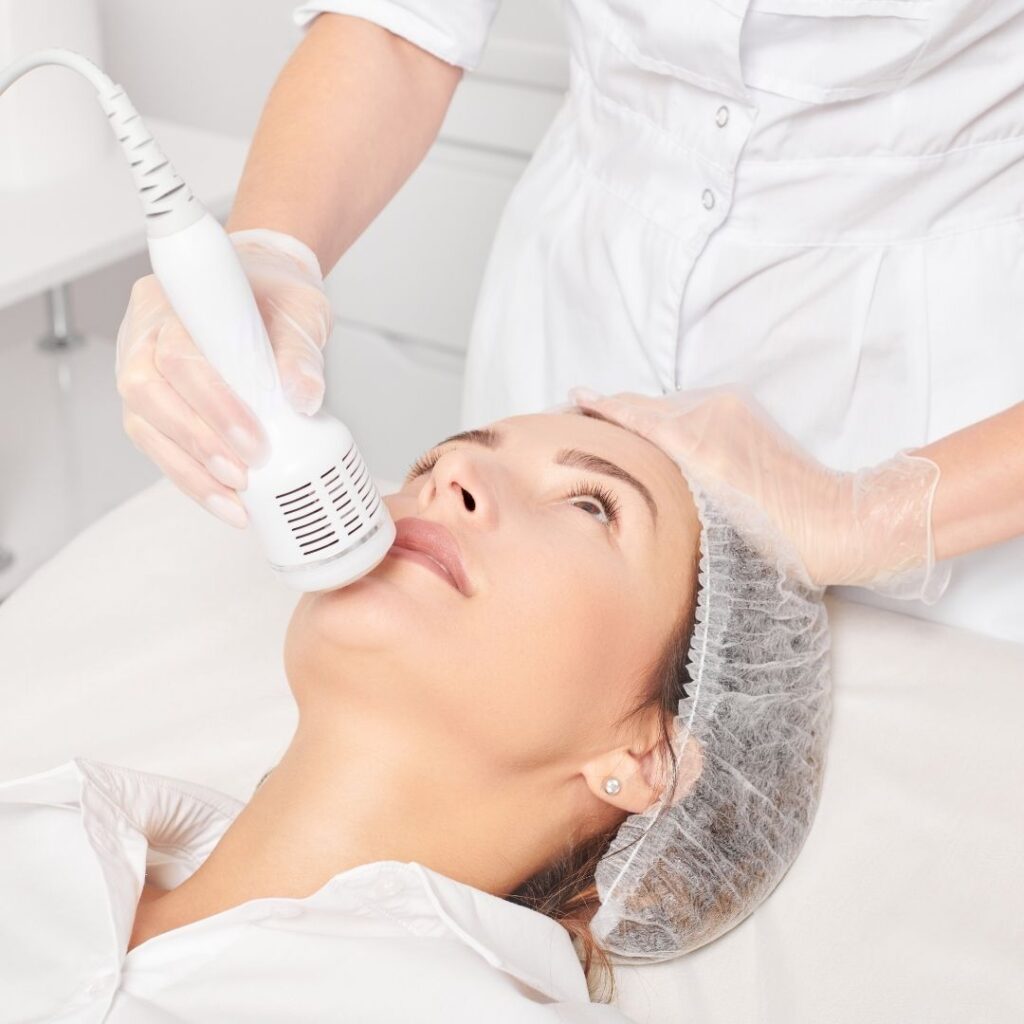
Can I Use Moisturizer After Microneedling?

Discover if it’s safe to use moisturizer after microneedling & why it’s beneficial. Learn how to keep your skin nourished & hydrated after the treatment.

Have you ever wondered if it’s safe to use moisturizer after undergoing a microneedling treatment? Well, you’re in luck! This article will explore the answer to that very question. And the best part? You’ll find out all the reasons why using moisturizer post-microneedling is not only safe but also beneficial for your skin. So, if you’re eager to discover how to keep your skin nourished and hydrated after this popular skincare treatment, keep reading!

Can I Use Moisturizer After Microneedling?

Microneedling is a popular skincare treatment that involves using tiny needles to create tiny punctures in the skin. This procedure stimulates collagen production and helps improve the overall texture and appearance of the skin. After undergoing microneedling, it is important to properly care for your skin to promote healing and maximize the benefits of the treatment. One common question that arises is whether it is safe and beneficial to use moisturizer after microneedling. In this article, we will explore the importance of moisturizing, the healing process after microneedling, when to start using moisturizer, how to choose the right moisturizer, best application techniques, avoiding certain ingredients, moisturizing frequency, combining moisturizer with other skincare products, and the importance of consulting with a professional.

Can I Use Moisturizer After Microneedling?

Understanding Microneedling

Before we dive into the topic of moisturizing after microneedling, it is important to have a clear understanding of what microneedling actually entails. Microneedling, also known as collagen induction therapy, is a minimally invasive procedure that involves the use of a device with tiny needles to create controlled micro-injuries in the skin. These micro-injuries stimulate the body’s natural healing process and trigger the production of collagen and elastin, two proteins that play a key role in maintaining youthful and healthy-looking skin.

The Importance of Moisturizing

Moisturizing is an essential step in any skincare routine, and it becomes even more crucial after undergoing microneedling. Hydration is key to maintaining healthy skin, and moisturizers help to lock in moisture and prevent transepidermal water loss. Additionally, moisturizers play a vital role in maintaining the skin’s barrier function, which is important for preventing irritants and allergens from penetrating the skin.

Can I Use Moisturizer After Microneedling?

The Healing Process After Microneedling

After microneedling, the skin goes through a healing process that involves inflammation, collagen production, and eventually skin rejuvenation. It is essential to take proper care of your skin during this healing process to ensure optimal results. Immediately after microneedling, you may experience redness, mild swelling, and sensitivity. These side effects are temporary and typically subside within a few days.

When to Start Using Moisturizer

It is generally recommended to wait at least 24 hours before applying any skincare products to the treated area after microneedling. This allows the tiny puncture wounds to close and prevents the risk of infection. It is important to follow the post-treatment aftercare instructions provided by your skincare professional, as they may have specific guidelines tailored to your individual needs. Waiting for an appropriate amount of time gives the skin the chance to rest and recover before introducing any new products.

Can I Use Moisturizer After Microneedling?

Choosing the Right Moisturizer

Choosing the right moisturizer is crucial for achieving optimal results after microneedling. Look for moisturizers with ingredients that promote hydration, such as hyaluronic acid and ceramides. These ingredients help to replenish moisture levels in the skin and support its natural barrier function. Avoid moisturizers that contain heavy fragrances or potential irritants, as these can further irritate the skin that may be already sensitive after microneedling. Opt for non-comedogenic formulas, especially if you have acne-prone skin, to prevent clogged pores.

Moisturizer Application Techniques

When applying moisturizer after microneedling, it is important to use gentle pressure and avoid excessive rubbing or tugging on the skin. The treated area may be sensitive, and aggressive application techniques can cause further irritation or damage. Ensure that your hands are clean before applying moisturizer or consider using an applicator to minimize the risk of introducing bacteria to the treated area.

Avoiding Certain Ingredients

After microneedling, it is prudent to avoid certain ingredients that may be harsh on the skin or increase the risk of irritation. Harsh chemicals and potential allergens, such as fragrances and synthetic dyes, should be avoided as they can cause further inflammation. Additionally, products containing alcohol should be avoided as they can be drying and irritating to the skin. It is also best to steer clear of exfoliating acids or retinoids for a few days post-treatment to allow the skin to heal properly.

Moisturizing Frequency

The frequency of moisturizing after microneedling may vary depending on your individual skin type and the recommendations provided by your skincare professional. As a general rule of thumb, it is recommended to moisturize at least twice a day, in the morning and evening. This helps to keep the skin hydrated and promotes a healthy skin barrier. However, if you have dry or dehydrated skin, you may need to moisturize more frequently throughout the day. Listen to your skin and adjust your moisturizing routine accordingly.

Combining Moisturizer with Other Skincare Products

While using moisturizer after microneedling is important, it is also essential to be cautious when combining it with other skincare products. Immediately after microneedling, it is generally recommended to avoid using any active ingredients, such as retinoids or exfoliating acids, as they may further irritate the skin. However, once the skin has fully healed and the redness and sensitivity have subsided, you can gradually reintroduce these products into your skincare routine. Always consult with a skincare professional to ensure that you are using the right combination of products for your specific needs.

Consulting with a Professional

If you have any concerns or complications after microneedling, it is crucial to consult with a skincare professional, such as a dermatologist or aesthetician. They can provide personalized advice based on your individual case and address any specific concerns you may have. A skincare professional can also guide you in choosing the most suitable moisturizer and other skincare products to use after microneedling, taking into account your skin type and any potential sensitivities.

In conclusion, using moisturizer after microneedling is not only safe but also highly beneficial for promoting skin healing and optimizing the results of the treatment. Moisturizers help to hydrate the skin, maintain its barrier function, and prevent transepidermal water loss. It is important to choose the right moisturizer, follow proper application techniques, avoid certain ingredients, and moisturize according to your individual skin needs. Consulting with a skincare professional is always recommended to ensure that you are on the right track to achieving healthy and radiant skin after microneedling.

Pros And Cons Of Microneedling

Discover the pros and cons of microneedling. From improved collagen production and reduced wrinkles to potential side effects, this article covers all you need to know about this popular skincare treatment.

Microneedling, a popular skincare treatment, involves the use of tiny needles to create micro-injuries on the skin’s surface. These controlled perforations stimulate the body’s natural healing process and encourage collagen production, leading to improved texture and reduced signs of aging. While the procedure offers promising benefits, it is important to consider both the pros and cons before embarking on the microneedling journey. From increased skin rejuvenation to potential side effects, this article will explore the various aspects of microneedling, equipping you with valuable knowledge to make an informed decision about this widely practiced aesthetic procedure.

Pros of Microneedling

Stimulates collagen production

Microneedling is a procedure that involves the use of a device containing tiny needles to create controlled micro-injuries on the skin. One of the major benefits of this treatment is that it stimulates the production of collagen. Collagen is a protein that is responsible for maintaining the strength and elasticity of our skin. By promoting collagen production, microneedling can help improve the overall firmness and texture of the skin, reducing the appearance of fine lines and wrinkles.

Reduces wrinkles and fine lines

As mentioned earlier, microneedling stimulates collagen production. This increase in collagen helps to plump up the skin and fill in fine lines and wrinkles. Over time, with multiple sessions, microneedling can lead to significant improvement in the appearance of both superficial and deep wrinkles. This makes it an effective treatment option for individuals looking to reduce the signs of aging and achieve a more youthful complexion.

Improves skin texture and tone

In addition to reducing wrinkles, microneedling also has the ability to improve the overall texture and tone of the skin. The micro-injuries created during the procedure trigger the body’s natural healing response, which includes the production of new skin cells. This can help to even out the skin tone, reduce the appearance of acne scars, and smooth out rough patches. With regular sessions, microneedling can lead to a more refined and radiant complexion.

Helps with acne scars

Acne scars can be a source of frustration for many individuals, affecting both their appearance and self-confidence. Microneedling can be an effective treatment option for reducing the appearance of acne scars. The controlled micro-injuries created during the procedure stimulate collagen and elastin production, which helps to fill in and smooth out the indented scars. While deep scars may require additional treatments, microneedling can still provide noticeable improvements in the texture and overall appearance of the skin affected by acne scars.

Minimally invasive

One of the biggest advantages of microneedling is that it is a minimally invasive procedure. Unlike more aggressive treatments like laser resurfacing or chemical peels, microneedling does not involve the removal of the top layer of skin. Instead, it works by creating small channels in the skin, allowing for improved product absorption and triggering the body’s natural healing process. This means that there is minimal damage to the skin, resulting in less downtime and a lower risk of complications.

Suitable for various skin types

Another benefit of microneedling is its versatility in treating various skin types and concerns. Unlike some other cosmetic procedures that may not be suitable for certain skin tones or conditions, microneedling can be safely performed on individuals with different skin types, including sensitive and ethnic skin. This makes it a popular choice for individuals looking to improve their skin’s texture, tone, and overall appearance, regardless of their skin type.

Can be combined with other treatments

Microneedling is a versatile treatment that can be combined with other procedures to enhance its effectiveness. For example, it can be combined with the application of topical serums or growth factors that penetrate deeper into the skin due to the microchannels created during microneedling. This combination approach can further improve the skin’s texture, tone, and overall results. Additionally, microneedling can also be combined with treatments like chemical peels or laser resurfacing to address specific concerns and provide more comprehensive rejuvenation.

Short recovery time

Compared to more invasive procedures, microneedling typically has a shorter recovery time. While the skin may appear red and slightly swollen immediately after the treatment, these side effects usually subside within a few hours to a couple of days. Some individuals may experience mild flaking or peeling in the treated area, but this is a normal part of the healing process. Overall, the downtime associated with microneedling is relatively minimal, allowing individuals to return to their regular activities without significant interruption.

Long-lasting results

With proper maintenance and follow-up treatments, microneedling can provide long-lasting results. The stimulation of collagen and elastin production triggered by the procedure helps to improve the overall structure and quality of the skin. While the effects of a single treatment may diminish over time, a series of sessions can lead to cumulative improvements. By maintaining a consistent treatment schedule, individuals can prolong the benefits of microneedling and continue to enjoy smoother, firmer, and more youthful-looking skin.

Cost-effective compared to other treatments

When comparing the cost of microneedling to other cosmetic procedures, it is often considered a cost-effective option. While the exact price may vary depending on factors such as the location and expertise of the provider, microneedling generally falls within an affordable range. Furthermore, due to the long-lasting results it offers, individuals can potentially save money in the long run by reducing the need for more frequent, costly treatments to maintain their desired results.

Pros And Cons Of Microneedling

Cons of Microneedling

May cause temporary discomfort

Like any cosmetic procedure, microneedling may cause temporary discomfort during the treatment. The sensation can vary depending on individual pain tolerance and the depth of the needles used. However, most providers apply a topical numbing cream prior to the procedure to minimize any discomfort. Additionally, some individuals may also experience mild pain or tenderness in the treated area for a few days following the treatment, but this usually resolves on its own.

Possible skin irritation

While rare, some individuals may experience skin irritation after microneedling. This can manifest as redness, itching, or mild swelling in the treated area. These symptoms are typically mild and temporary, subsiding within a few days. To minimize the risk of skin irritation, it is important to follow post-treatment care instructions provided by the provider, including avoiding excessive sun exposure and using gentle skincare products.

Risk of infection

As with any procedure that involves breaking the skin, there is a risk of infection with microneedling. However, the risk is minimal when the procedure is performed by a trained and experienced professional in a sterile environment. Providers take precautions to ensure proper sterilization of the equipment and use disposable needle cartridges to prevent cross-contamination. It is important for individuals to follow all post-treatment instructions, including keeping the treated area clean and avoiding activities or products that may introduce bacteria into the skin.

Not suitable for certain skin conditions

While microneedling is generally safe and effective for most individuals, it may not be suitable for those with certain skin conditions. Individuals with active infections, such as cold sores or active acne breakouts, should avoid microneedling until the condition has healed. Additionally, individuals with inflammatory skin conditions like eczema or psoriasis may also need to avoid microneedling or consult with a dermatologist before proceeding with the treatment.

Limited effectiveness for deep scars

While microneedling can provide significant improvement in the appearance of mild to moderate acne scars and other superficial scars, it may have limited effectiveness for deep scars. Deeper scars, such as those caused by severe acne or traumatic injuries, may require more aggressive treatment options like laser resurfacing or surgical procedures. Individuals with deep scars should consult with a dermatologist or a qualified provider to determine the most suitable treatment approach for their specific case.

Requires multiple sessions for optimal results

While microneedling can provide noticeable improvements in the skin’s texture and appearance after a single session, optimal results are usually achieved with multiple treatments. The number of sessions required may vary depending on the individual’s skin condition and treatment goals. Typically, providers recommend a series of treatments spaced several weeks apart to allow for the skin’s natural healing and collagen remodeling process to occur. It is important for individuals to have realistic expectations and commit to the recommended treatment plan to achieve the desired results.

Risk of hyperpigmentation

Hyperpigmentation, the darkening of the skin, is a potential risk associated with microneedling. This is more common in individuals with darker skin tones who may be prone to excess melanin production. Providers take precautions to minimize this risk, such as adjusting the needle depth and treating the skin with appropriate pre and post-care products. Additionally, individuals with a history of hyperpigmentation or melasma should consult with a qualified provider to determine if microneedling is a suitable treatment option for them.

Possible side effects

While microneedling is generally well-tolerated, there is a possibility of experiencing side effects. These can include mild bleeding, bruising, or pinpoint bleeding at the treatment sites. However, these side effects are typically temporary and resolve on their own. It is important for individuals to follow post-treatment instructions, including avoiding activities that may irritate or disrupt the healing process. If any concerns or unexpected side effects arise, it is crucial to contact the provider for guidance and appropriate management.

Not recommended during pregnancy

Microneedling is not recommended for pregnant individuals due to the lack of research on its safety during pregnancy. It is important to prioritize the health and well-being of both the mother and the unborn baby. While microneedling is generally considered safe for non-pregnant individuals, it is always best to consult with a medical professional if there are any concerns or doubts regarding the safety of the procedure during pregnancy or while breastfeeding.

Requires professional expertise

Microneedling should only be performed by a trained and experienced professional. While there are at-home dermarollers available, it is generally recommended to seek professional treatment for optimal results and to minimize the risks associated with the procedure. A qualified provider will have the necessary knowledge and skills to assess the individual’s skin condition, determine the most appropriate treatment plan, and perform the procedure safely. It is important to do thorough research, read reviews, and choose a reputable provider to ensure a successful and safe microneedling experience.

In conclusion, microneedling offers several benefits for individuals looking to improve the appearance and health of their skin. It stimulates collagen production, reduces wrinkles and fine lines, improves skin texture and tone, helps with acne scars, and is suitable for various skin types. Additionally, microneedling has a short recovery time, provides long-lasting results, and is cost-effective compared to other treatments. However, it is essential to consider the potential cons of microneedling, such as temporary discomfort, possible skin irritation, risk of infection, limited effectiveness for deep scars, and the need for multiple sessions. It is also important to be aware of the possible risks of hyperpigmentation, side effects, and the contraindications for certain skin conditions and pregnancy. Ultimately, the decision to undergo microneedling should be made in consultation with a professional and after considering all factors and individual circumstances.

Pros And Cons Of Microneedling
en_USEnglish