google.com, pub-2032008856654686, DIRECT, f08c47fec0942fa0

POST

How Long After Microneedling Can I Exfoliate

Learn about the importance of proper post-microneedling skincare and find out when you can safely exfoliate after microneedling. Read now!

Introduction
Microneedling is a popular cosmetic procedure that involves pricking the skin with tiny needles to stimulate collagen production and improve skin texture. Many people wonder how long they should wait before exfoliating their skin after a microneedling session. In this article, I will discuss the importance of proper post-microneedling skincare and answer the question, “How long after microneedling can I exfoliate?

Understanding Microneedling
Microneedling, also known as collagen induction therapy, is a minimally invasive procedure that uses a device with fine needles to create microscopic punctures in the skin. These micro-injuries trigger the body’s natural healing process, leading to increased collagen and elastin production. The result is smoother, firmer, and more youthful-looking skin.

The Benefits of Microneedling
Microneedling offers a wide range of benefits for the skin, including:

Reduced appearance of wrinkles and fine lines
Improved skin texture and tone
Minimized pore size
Enhanced absorption of skincare products
Reduced appearance of scars, including acne scars
Increased collagen and elastin production

The Role of Exfoliation in Skincare
Exfoliation is an essential step in any skincare routine, as it helps remove dead skin cells, unclog pores, and promote cell turnover. There are two main types of exfoliation: physical exfoliation, which involves using scrubbing particles to physically remove dead skin cells, and chemical exfoliation, which uses acids to dissolve dead skin cells.

Post-Microneedling Skincare
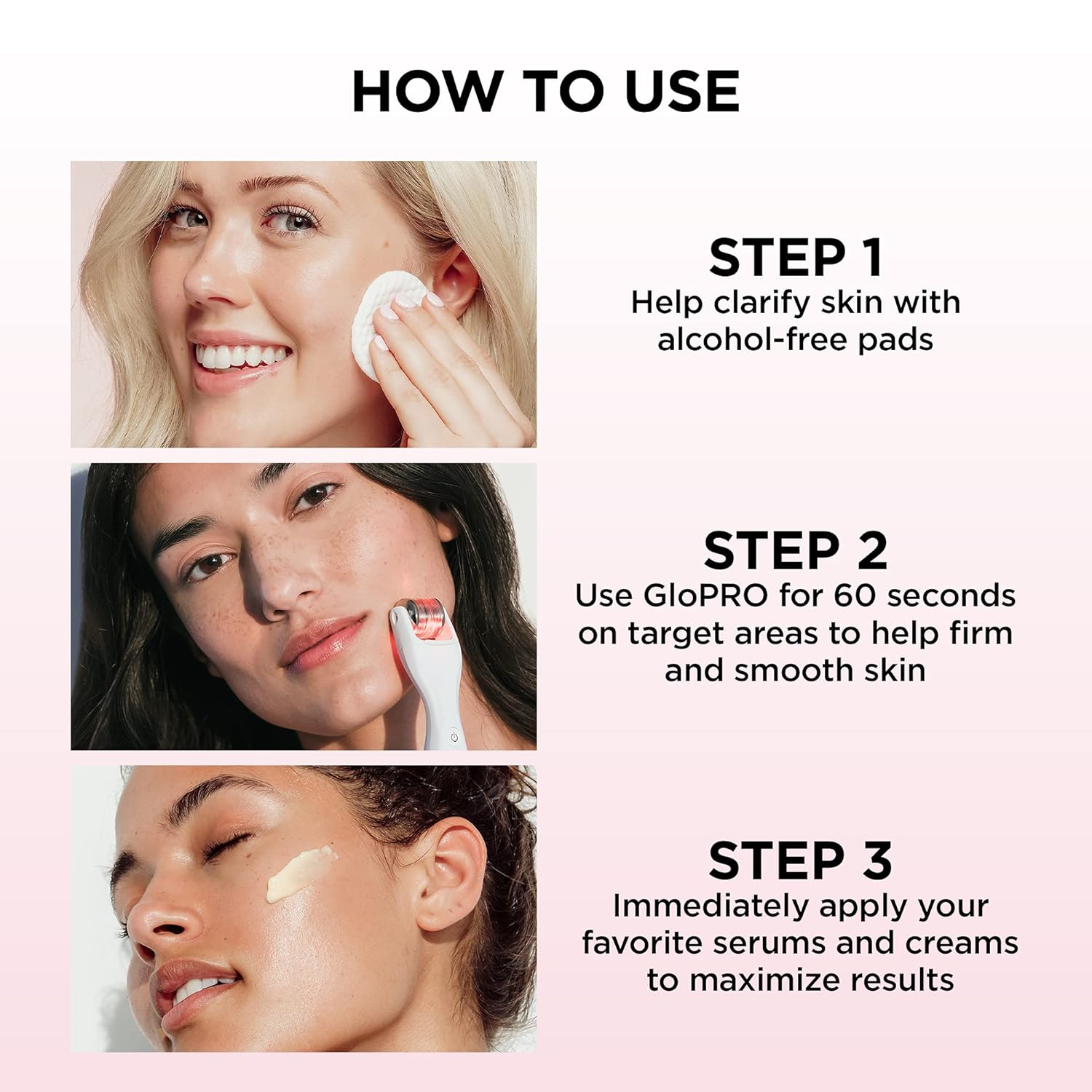
Proper Post-Microneedling Skincare is crucial to ensure optimal results and minimize the risk of complications. After a microneedling session, your skin is in a delicate state and requires special care to support the healing process. Here are some general guidelines to follow for post-microneedling skincare:

Avoid Sun Exposure: Protect your skin from the sun by wearing a broad-spectrum sunscreen with SPF 30 or higher. Sun exposure can increase the risk of hyperpigmentation and other complications after microneedling.

Use Gentle Skincare Products: Opt for gentle, non-irritating skincare products that are free of harsh chemicals, fragrances, and dyes. Avoid using exfoliating products, retinoids, and vitamin C serums immediately after microneedling.

Stay Hydrated: Drink plenty of water to keep your skin hydrated and promote healing. Moisturize your skin regularly with a hydrating cream or serum to maintain skin barrier function.

Avoid Makeup: Refrain from wearing makeup for the first 24-48 hours after microneedling to allow your skin to breathe and heal. Makeup can clog pores and interfere with the healing process.

Follow Your Provider’s Recommendations: Your skincare provider will give you specific post-care instructions tailored to your individual needs. Follow these instructions carefully to ensure the best results.

When Can I Exfoliate After Microneedling?
One of the most common questions people have after microneedling is when they can resume their regular skincare routine, including exfoliation. Exfoliating too soon after microneedling can irritate the skin, compromise the healing process, and increase the risk of adverse reactions. Here are some general guidelines on when you can safely exfoliate after microneedling:

Immediate Post-Treatment Period
During the Immediate Post-Treatment Period, typically the first 24-48 hours after microneedling, your skin is sensitive, red, and may have minor swelling. It is essential to avoid aggressive skincare treatments, including exfoliation, during this time to allow your skin to heal properly. Stick to gentle cleansers, moisturizers, and sunscreen as recommended by your skincare provider.

Days 2-7 After Microneedling
In the days following your microneedling treatment, your skin may begin to peel and flake as part of the natural healing process. This is a sign that your skin is shedding dead skin cells and regenerating new, healthier skin. While it may be tempting to exfoliate to speed up the process, it is crucial to let your skin exfoliate naturally without interference.

Days 7-14 After Microneedling
Around 7-14 days after your microneedling treatment, your skin should have completed the initial healing phase, and any redness or irritation should have subsided. At this point, you can slowly reintroduce gentle exfoliation into your skincare routine. However, it is essential to proceed with caution and choose a mild exfoliant that is suitable for sensitive skin.

Days 14 and Beyond
After the two-week mark post-microneedling, you can gradually increase the frequency and intensity of your exfoliation routine as tolerated by your skin. Be mindful of your skin’s reaction to exfoliation and adjust your skincare routine accordingly. It is advisable to consult with your skincare provider before incorporating any new exfoliating products to ensure they are safe and suitable for your skin type.

How to Exfoliate Safely After Microneedling
When incorporating exfoliation into your post-microneedling skincare routine, it is essential to do so safely to prevent complications and promote optimal healing. Here are some tips on how to exfoliate safely after microneedling:

Choose the Right Exfoliant
Opt for a gentle exfoliant that is suitable for sensitive skin and free of harsh scrubbing particles or abrasive chemicals. Look for exfoliating ingredients such as lactic acid, glycolic acid, or salicylic acid, which can help dissolve dead skin cells without causing irritation.

Patch Test New Products
Before using a new exfoliating product on your face, perform a patch test on a small area of skin to check for any adverse reactions or sensitivity. This will help prevent irritation or allergic reactions on your face, where the skin may be more sensitive after microneedling.

Start Slowly
When reintroducing exfoliation into your skincare routine after microneedling, start with a low concentration exfoliant and use it sparingly. Gradually increase the frequency and intensity of exfoliation as your skin becomes more tolerant and adjusts to the treatment.

Avoid Harsh Scrubs
Avoid using harsh physical exfoliants, such as facial scrubs with rough particles or microbeads, as they can cause microtears in the skin and lead to irritation. Opt for chemical exfoliants that work more gently to dissolve dead skin cells and promote cell turnover.

Hydrate and Moisturize
After exfoliating, always follow up with a hydrating serum or moisturizer to replenish moisture and soothe the skin. Exfoliation can temporarily disrupt the skin barrier, so it is essential to restore hydration and protect the skin from dryness.

Protect Your Skin
Apply a broad-spectrum sunscreen with SPF 30 or higher daily to protect your skin from sun damage and prevent hyperpigmentation. Exfoliation can make your skin more sensitive to UV radiation, so sun protection is crucial to maintain the results of your microneedling treatment.

Conclusion
In conclusion, the timeline for exfoliating after microneedling depends on the individual’s skin healing process and the specific instructions provided by their skincare provider. It is essential to prioritize gentle, non-irritating skincare products and avoid aggressive exfoliation during the immediate post-treatment period. Gradually reintroduce exfoliation into your skincare routine around 7-14 days after microneedling, and always listen to your skin’s needs. If you have any concerns or questions about exfoliating after microneedling, consult with your skincare provider for personalized advice and recommendations. Remember, patience and proper post-care are key to achieving the best results from your microneedling treatment.

Rf Microneedling Vs Prp Microneedling

Learn about the key differences between RF Microneedling and PRP Microneedling for skin rejuvenation. Discover which treatment is best for your skin concerns.

Introduction
As an individual considering microneedling treatments, it is essential to understand the difference between RF (Radiofrequency) Microneedling and PRP (Platelet-Rich Plasma) Microneedling. Both treatments have gained popularity in the cosmetic industry for their ability to rejuvenate the skin. In this article, I will delve into the details of RF Microneedling and PRP Microneedling to help you make an informed decision about which treatment may be best for your skin concerns.

Understanding RF Microneedling
RF Microneedling is a minimally invasive cosmetic procedure that uses radiofrequency technology to rejuvenate the skin. It involves the use of tiny needles that deliver radiofrequency energy into the deeper layers of the skin, stimulating collagen production and promoting skin tightening.

RF Microneedling is effective in addressing various skin concerns such as fine lines, wrinkles, acne scars, and skin laxity. The radiofrequency energy heats the skin tissues, causing micro-injuries that trigger the body’s natural healing process, resulting in smoother, firmer, and more youthful-looking skin.

Exploring PRP Microneedling
PRP Microneedling, on the other hand, combines the benefits of microneedling with the regenerative properties of platelet-rich plasma (PRP). PRP is derived from the patient’s blood and contains growth factors that promote tissue repair and regeneration.

During a PRP Microneedling treatment, the patient’s blood is drawn and processed to isolate the PRP. The PRP is then applied topically to the skin during the microneedling procedure, allowing for deeper penetration of the growth factors into the skin.

PRP Microneedling is known for its ability to improve skin texture, tone, and elasticity. It is particularly effective in treating acne scars, hyperpigmentation, and signs of aging. The combination of microneedling and PRP accelerates the skin’s natural healing process and results in overall skin rejuvenation.

Key Differences Between RF Microneedling and PRP Microneedling
When comparing RF Microneedling and PRP Microneedling, there are several key differences to consider. Understanding these differences can help you determine which treatment may be more suitable for your specific skin concerns.

Treatment Mechanism

RF Microneedling uses radiofrequency energy to stimulate collagen production and tighten the skin.
PRP Microneedling combines microneedling with the application of platelet-rich plasma to promote tissue repair and regeneration.

RF Microneedling targets skin tightening and collagen production, while PRP Microneedling focuses on skin rejuvenation and regeneration.

Targeted Skin Concerns

RF Microneedling is effective in addressing fine lines, wrinkles, acne scars, and skin laxity.
PRP Microneedling is known for improving skin texture, tone, hyperpigmentation, and signs of aging.

The choice between RF Microneedling and PRP Microneedling may depend on the specific skin concerns you wish to target.

Downtime and Recovery

RF Microneedling may have minimal downtime, with patients experiencing redness and mild swelling that typically subside within a few days.
PRP Microneedling may require a longer recovery period, as the skin may be more sensitive due to the application of PRP.

Consider your schedule and lifestyle when deciding between RF Microneedling and PRP Microneedling to allow for adequate downtime and recovery.

Cost Comparison
Cost is a significant factor to consider when choosing between RF Microneedling and PRP Microneedling. The prices of these treatments can vary based on several factors, including the provider’s expertise, location, and the number of sessions required.

RF Microneedling
RF Microneedling treatments typically range from $200 to $1000 per session, depending on the area being treated and the provider’s fees. Multiple sessions may be recommended for optimal results, leading to a higher overall cost for the treatment.

PRP Microneedling
PRP Microneedling treatments generally cost between $500 to $2500 per session, as the process involves drawing the patient’s blood, processing the PRP, and applying it during the microneedling procedure. Additional costs may be incurred for follow-up appointments and maintenance treatments.

When considering the cost of RF Microneedling and PRP Microneedling, it is essential to factor in the long-term benefits and results of each treatment to determine the most cost-effective option for your skin concerns.

Efficacy and Results
Both RF Microneedling and PRP Microneedling are effective in rejuvenating the skin and improving various skin concerns. However, the efficacy and results of each treatment may vary based on individual factors such as skin type, age, and the specific concerns being addressed.

RF Microneedling

RF Microneedling stimulates collagen production and skin tightening, resulting in smoother, firmer skin.
Results from RF Microneedling treatments may be visible within a few weeks, with optimal results seen after multiple sessions.

PRP Microneedling

PRP Microneedling promotes tissue repair and regeneration, leading to improved skin texture, tone, and elasticity.
Results from PRP Microneedling treatments may appear gradually over several weeks, with continued improvement over time as the skin heals and rejuvenates.

The choice between RF Microneedling and PRP Microneedling may depend on your desired results and expectations for skin rejuvenation.

Considerations Before Choosing a Microneedling Treatment
Before deciding on a microneedling treatment, it is essential to consider several factors to ensure the best outcome for your skin concerns.

Skin Type and Concerns

Consider your skin type and specific concerns you wish to address, such as fine lines, wrinkles, acne scars, or hyperpigmentation.
Consult with a skincare professional or dermatologist to assess your skin needs and determine the most suitable treatment option for optimal results.

Treatment Experience

Research the treatment process, expected results, and potential side effects of RF Microneedling and PRP Microneedling.
Choose a reputable provider with experience in performing microneedling treatments to ensure safe and effective results.

Budget and Affordability

Determine your budget for microneedling treatments and factor in the costs of multiple sessions, follow-up appointments, and maintenance treatments.
Compare prices from different providers and consider the overall value and long-term benefits of each treatment option.

Conclusion
In conclusion, RF Microneedling and PRP Microneedling are both effective treatments for skin rejuvenation and improvement of various skin concerns. Understanding the differences between these treatments, including the treatment mechanism, targeted skin concerns, cost, efficacy, and results, can help you make an informed decision on which treatment may be best suited for your skin needs.

Before undergoing a microneedling treatment, consult with a skincare professional or dermatologist to assess your skin concerns and determine the most appropriate treatment option for achieving your desired results. Whether you choose RF Microneedling or PRP Microneedling, both treatments offer benefits for enhancing skin texture, tone, and elasticity, resulting in a more youthful and radiant complexion.

Rf Microneedling Downtime

Learn about the downtime associated with Rf Microneedling treatments. Understand factors, typical recovery periods & ways to manage downtime effectively.

Rf Microneedling Downtime
When it comes to undergoing rf microneedling treatments, one of the key factors to consider is the downtime associated with the procedure. Understanding how much downtime to expect can help you plan accordingly and ensure a smooth recovery process. In this article, I will discuss the typical rf microneedling downtime, factors that can affect it, and how to best manage and minimize it.

What is Rf Microneedling Downtime?
Rf microneedling, also known as radiofrequency microneedling, is a minimally invasive cosmetic procedure that utilizes a combination of microneedling and radiofrequency energy to target various skin concerns such as wrinkles, fine lines, acne scars, and uneven skin texture. Downtime refers to the period of time following the treatment when you may experience side effects such as redness, swelling, and skin sensitivity.

Understanding the expected downtime associated with rf microneedling can help you prepare for the recovery process and manage your expectations in terms of when you can resume your normal activities.

Factors That Can Affect Rf Microneedling Downtime
Several factors can influence the duration and severity of rf microneedling downtime. It’s important to consider these factors when planning for your procedure:

Treatment Intensity: The intensity of the rf microneedling treatment can affect the level of downtime you experience. Higher intensity treatments may result in more significant side effects and a longer recovery period.

Skin Sensitivity: Individuals with sensitive skin may experience more pronounced side effects and a longer downtime compared to those with less sensitive skin.

Skin Type: Different skin types react differently to rf microneedling treatments. Darker skin tones may be more prone to post-treatment hyperpigmentation, which can extend the downtime.

Preparation and aftercare: Proper preparation before the procedure and diligent aftercare following the treatment can help minimize downtime and promote faster healing.

Considering these factors can help you better understand how your individual characteristics and choices may impact the downtime associated with rf microneedling.

Typical Rf Microneedling Downtime
The typical downtime associated with rf microneedling can vary from person to person and depends on the factors mentioned above. In general, here is what you can expect in terms of downtime following the procedure:

Redness: Mild to moderate redness of the treated area is common immediately after rf microneedling and may persist for a few days.

Swelling: Swelling, particularly around the eyes and cheeks, may occur post-treatment and usually subsides within a few days.

Skin Sensitivity: The treated skin may feel sensitive, tight, or slightly uncomfortable for a few days following rf microneedling.

Peeling: Some individuals may experience mild peeling of the skin a few days after the treatment as the skin undergoes the healing process.

While these are general guidelines, your actual downtime may vary based on your unique characteristics and how well you follow the recommended aftercare instructions.

Managing Rf Microneedling Downtime
While some downtime is expected following rf microneedling, there are steps you can take to manage and minimize it:

Follow Aftercare Instructions: Be sure to carefully follow the post-treatment instructions provided by your skincare professional. This may include using specific skincare products, avoiding direct sunlight, and refraining from certain activities for a period of time.

Keep Skin Hydrated: Keeping your skin well-hydrated can help promote healing and reduce the appearance of dryness or peeling.

Avoid Harsh Products: During the downtime period, avoid using harsh skincare products or treatments that could irritate the skin or interfere with the healing process.

Protect Your Skin: Protect your skin from the sun by wearing a broad-spectrum sunscreen with SPF 30 or higher and avoiding prolonged sun exposure.

By following these tips and recommendations, you can help ensure a smooth recovery process and minimize the downtime associated with rf microneedling.

Conclusion
In conclusion, understanding rf microneedling downtime is an important aspect of preparing for and undergoing this popular cosmetic procedure. By considering factors that can affect the downtime, knowing what to expect in terms of typical recovery periods, and following recommended aftercare practices, you can help manage and minimize the downtime associated with rf microneedling.

If you are considering rf microneedling treatment, consulting with a qualified skincare professional can provide you with personalized advice and guidance on how to best prepare for and recover from the procedure. Remember that everyone’s skin is unique, and your individual characteristics may influence the duration and severity of downtime you experience. By being informed and proactive, you can enjoy the benefits of rf microneedling while minimizing any temporary side effects.

en_USEnglish