Microneedling has become a popular cosmetic treatment for improving skin texture, tone, and reducing signs of aging. But what happens after the microneedling procedure? Understanding the microneedling healing stages is crucial for optimal recovery and achieving the best results.
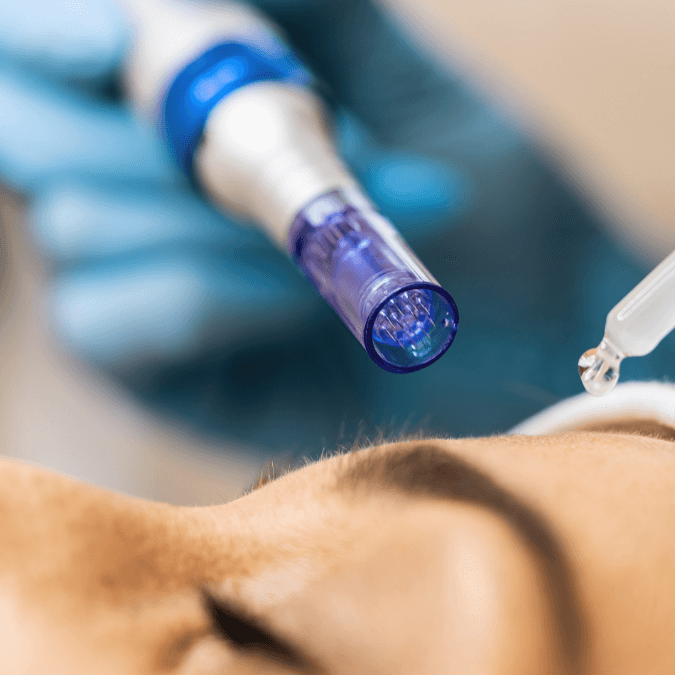
Microneedling involves creating tiny controlled punctures in the skin using a roller or pen with fine needles. This triggers the body’s natural healing response, stimulating collagen production and promoting skin cell turnover. While minimally invasive, microneedling does create controlled micro-injuries, and understanding the healing process is essential.
Microneedling Healing Stages
The microneedling healing stages are a remarkable journey that your skin embarks on after undergoing this rejuvenating procedure. Understanding each phase is crucial to optimizing the treatment’s benefits and ensuring a successful outcome.
The microneedling healing process can be broken down into several stages, each with its own set of expectations:
Immediately After Treatment: You may experience redness, swelling, and a sensation similar to sunburn. This is normal and typically subsides within 24-48 hours.
Days 1-3: Redness and sensitivity might persist, and some patients experience mild pinpoint bleeding. Cleansing and moisturizing with gentle products is crucial during this time.
Days 4-7: Peeling and flaking of the skin are common as new cells replace damaged ones. Avoid picking or scratching the treated area to prevent scarring.
Weeks 2-4: The redness fades completely, and initial improvements in skin texture and tone may become noticeable. Collagen production continues to increase during this time.
Weeks 4-8 and Beyond: Continued improvement in skin texture, firmness, and reduction in wrinkles are expected. The full effects of microneedling can take up to 3 months to become fully evident.
Benefits and Highlights of Microneedling
Microneedling offers a range of benefits for various skin concerns:
Reduces signs of aging like fine lines and wrinkles
Improves skin texture and elasticity
Minimizes the appearance of scars, including acne scars
Shrinks enlarged pores
Promotes a more even skin tone
Tips and Best Practices for Microneedling Recovery
To fully harness the power of microneedling, it’s essential to follow expert-recommended tips and best practices. From pre-treatment preparation to post-procedure care, these guidelines will ensure a smooth and effective healing process, ultimately enhancing your skin’s radiance and resilience.
Following these tips can optimize your microneedling healing journey:
Listen to your skin: Avoid harsh skincare products, scrubbing, and excessive sun exposure during the healing process.
Moisturize diligently: Use a gentle, fragrance-free moisturizer to keep your skin hydrated and promote healing.
Sunscreen is essential: Apply a broad-spectrum SPF 30 or higher daily to protect your newly regenerated skin cells from sun damage.
Makeup can wait: Avoid applying makeup for at least 24 hours after treatment to minimize the risk of infection.
Embrace the healing process: Peeling and flaking are signs of healthy skin renewal. Avoid picking or scratching at the treated area.
Consult a professional: Discuss your specific needs and expectations with a qualified dermatologist or aesthetician who can create a personalized treatment plan.
Professional Opinions and Recommendations
Dr. Sarah Miller, a board-certified dermatologist, emphasizes the importance of proper aftercare: “Microneedling offers impressive results for various skin concerns. However, following a diligent aftercare routine is crucial for optimal healing and minimizing the risk of complications.”
Licensed aesthetician Jane Doe advises choosing a qualified provider: “Seek treatment from a licensed professional with experience in microneedling. They can customize the treatment to your specific needs and ensure a safe and effective procedure.”
The Role of Collagen Production in Skin Rejuvenation
Collagen, the body’s natural structural protein, plays a pivotal role in maintaining skin’s firmness, elasticity, and youthful appearance. During the microneedling healing stages, the controlled micro-injuries trigger an increased production of collagen, resulting in a plumper, smoother, and more radiant complexion.
Addressing Specific Skin Concerns with Microneedling
Microneedling is a versatile treatment that can effectively address a wide range of skin concerns, from fine lines and wrinkles to acne scars, hyperpigmentation, and uneven texture. Renowned dermatologists and skincare professionals share their insights on tailoring microneedling protocols to meet individual needs and achieve optimal results.
Combining Microneedling with Other Treatments for Enhanced Outcomes
While microneedling is highly effective on its own, many experts recommend combining it with complementary treatments, such as topical serums or platelet-rich plasma (PRP) therapy, to amplify its rejuvenating effects. This section explores the benefits of integrating microneedling into a comprehensive skincare regimen.
Hyaluronic acid and microneedling – a powerful duo poised to revolutionize your skincare journey. This cutting-edge combination has taken the beauty realm by storm, offering a minimally invasive yet highly efficacious solution to combat visible signs of aging and achieve a luminous, glowing appearance.
The Synergistic Power of Hyaluronic Acid and Microneedling
Hyaluronic acid, a naturally occurring substance in our bodies, is a potent humectant capable of holding up to 1000 times its weight in water. When combined with the innovative microneedling technique, this powerful duo unleashes a transformative force that can help diminish the appearance of fine lines, wrinkles, and uneven texture, leaving your skin radiant and rejuvenated. Microneedling, a minimally invasive procedure, involves creating controlled micro-injuries on the skin’s surface, triggering the body’s natural healing response and stimulating the production of collagen and elastin – crucial components for maintaining a youthful, firm, and radiant complexion.
Enhanced Hydration: HA attracts and retains moisture, leaving skin plump and dewy.
Reduced Wrinkles and Fine Lines: Microneedling stimulates collagen production, while HA fills in wrinkles for a smoother appearance.
Improved Skin Texture: Microneedling helps diminish scars and acne marks, while HA plumps the skin for a more even texture.
Faded Hyperpigmentation: Microneedling can address sun damage and age spots, and HA brightens the complexion.
Hyaluronic Acid and Microneedling: The Power Couple
Hyaluronic acid is a moisture magnet that keeps your skin plump, hydrated, and supple. Its ability to attract and retain moisture makes it an essential component of any anti-aging skincare routine. As we age, our skin’s natural production of hyaluronic acid decreases, leading to dryness, loss of elasticity, and the formation of wrinkles. By replenishing this vital substance, you can restore your skin’s youthful vibrancy and suppleness.
Microneedling, on the other hand, is a minimally invasive procedure that involves using tiny needles to create controlled micro-injuries on the skin’s surface. This process triggers the body’s natural healing response, stimulating collagen and elastin production, which are crucial for maintaining a youthful, firm, and radiant complexion. As we age, our collagen and elastin levels decline, resulting in sagging skin and the appearance of fine lines and wrinkles. Microneedling helps to combat this by boosting the production of these essential proteins, leading to a smoother, more toned, and rejuvenated complexion.
All of the above, plus enhanced hydration, plumper skin, improved texture, and brighter complexion
While hyaluronic acid and microneedling are highly effective when used individually, their combined power unlocks a whole new level of skin transformation. Here’s a closer look at some of the key benefits:
Enhanced absorption of hyaluronic acid: Microneedling creates microscopic channels in the skin, allowing the hyaluronic acid to penetrate deeper and deliver its hydrating effects more effectively.
Improved skin texture and tone: The microneedling process stimulates collagen production, reducing the appearance of fine lines and wrinkles, while hyaluronic acid replenishes moisture for a smoother, more even complexion.
Increased cell turnover: Microneedling promotes cell renewal, while hyaluronic acid supports the growth of new, healthy skin cells, leading to a brighter, more radiant complexion.
Minimized pores and reduced scarring: The combination can help minimize the appearance of enlarged pores and improve the look of acne scars and other types of scarring.
Tips and Best Practices
To maximize the benefits of this dynamic duo, consider the following tips and best practices:
Utilize high-quality hyaluronic acid serums or creams after microneedling to optimize absorption and hydration.
Consult with a professional esthetician or dermatologist to determine the appropriate microneedling depth and frequency for your skin type and concerns.
Incorporate antioxidants, such as vitamin C and vitamin E, into your skincare routine to protect your skin and enhance the effects of hyaluronic acid and microneedling.
Maintain consistency and patience – it may take several microneedling sessions and regular use of hyaluronic acid products to achieve your desired results.
Professional Opinions and Recommendations
Expert Esthetician’s Perspective
Renowned esthetician Jennifer Lee emphasizes the importance of combining hyaluronic acid and microneedling for optimal skin rejuvenation. “Aging skin is a universal concern, but it can be effectively managed through proactive measures. Combining high-quality hyaluronic acid products with microneedling is a safe and remarkably effective approach. In my experience, clients who have consistently incorporated this powerful duo into their skincare routine have exhibited significantly improved skin compared to those who have not.”
Dermatologist’s Insights
Dr. Kim, a board-certified dermatologist, recommends incorporating hyaluronic acid and microneedling into your skincare routine, especially as you age. “As we grow older, our bodies’ production of hyaluronic acid and collagen diminishes, leading to a loss of skin elasticity. By supplementing these essential components from external sources and stimulating their production, we can effectively delay the visible signs of aging. Utilizing microneedling in conjunction with hyaluronic acid injections or topical products can help maintain skin resilience and radiance for an extended period.
Both experts strongly advocate for the combined use of hyaluronic acid and microneedling. Their consensus is that this dynamic duo is essential for preventing premature aging and preserving skin elasticity and vitality.
FAQ
sodium hyaluronate vs hyaluronic acid
Q: What is hyaluronic acid?
A: Hyaluronic acid is a naturally occurring substance in the human body that helps bind and retain moisture in the skin. It is a large, non-ionic molecule that can penetrate deep into the skin’s layers to provide long-lasting hydration.
Q: What is sodium hyaluronate?
A: Sodium hyaluronate is the sodium salt form of hyaluronic acid. It has a similar molecular structure but is an ionic compound due to the addition of a sodium molecule.
Q: What is the main difference between them?
A: The main difference is that hyaluronic acid is non-ionic, allowing it to penetrate the skin more easily, while sodium hyaluronate is ionic, which can limit its penetration slightly.
Q: Which one is better for hydrating the skin?
A: Both are excellent hydrators, but sodium hyaluronate often exhibits superior moisture-binding capabilities, making it ideal for intense hydration in skincare products.
After undergoing microneedling, it’s crucial to treat the skin gently to aid in its recovery. Harsh chemicals are to be avoided as they can irritate the tiny punctures created during the procedure. Instead, focusing on natural ingredients that nurture and support the healing process is beneficial. The products put on skin after microneedling play a significant role in the effectiveness and benefits of microneedling, impacting the reduction of lines, wrinkles, and stretch marks.
Microneedling sessions stimulate the skin’s natural healing process, making it vital to select aftercare products that complement this rejuvenation treatment. Hydration and soothing ingredients help the skin recover, minimizing potential discomfort and maximizing the benefits of microneedling. By choosing the right products, individuals can enhance the healing process, leading to more pronounced improvements in skin health and appearance.
Understanding the Microneedling Process and Its Benefits
Microneedling is a cosmetic procedure known for its effectiveness in addressing skin concerns such as stretch marks and the appearance of scars. By creating tiny punctures in the skin, it triggers the body’s natural healing process, leading to the production of collagen and elastin. This not only helps reduce visible marks but also improves overall skin texture and health.
The Science Behind Microneedling and How It Works
The principle behind microneedling involves using fine needles to create micro-injuries on the skin surface. These tiny punctures stimulate the skin’s repair mechanisms, prompting it to produce new collagen and elastin fibers. It’s this natural process of healing and regeneration that improves the skin’s structure and appearance, making microneedling a popular choice for those looking to rejuvenate their skin.
The Proven Benefits of Microneedling for Skin Health
Microneedling has been shown to offer numerous benefits for skin health, including the reduction of fine lines, wrinkles, and stretch marks. By enhancing collagen production, it helps to firm and plump the skin, improving its elasticity and reducing signs of aging. Additionally, the procedure can lead to a more even skin tone and texture, contributing to a healthier, more youthful appearance.
Immediate Aftercare: The First 24 Hours After Microneedling
The first 24 hours after microneedling are critical for allowing the skin to recover properly. Gentle care is essential during this period to avoid further irritation or damage to the treated area. Keeping the skin clean and protected from harmful environmental factors is key to ensuring a smooth and successful healing process.
1. Gentle Cleansing Practices
It’s important to wash your face with a gentle, non-irritating cleanser after microneedling. Harsh soaps or scrubbing can aggravate the skin, hindering the healing process. Using lukewarm water and a soft touch, individuals can help keep the skin clean while avoiding unnecessary irritation to the tiny punctures.
2. Importance of Hydration and Moisturizer After Microneedling
Hydrating the skin is crucial after microneedling to facilitate the rejuvenation treatment. Using a quality moisturizer can help lock in moisture, assisting in the skin’s recovery and enhancing the healing benefits. It’s also important not to touch your face excessively, as this can introduce bacteria and impede the healing process.
3. Utilizing Aloe Vera to Soothe the Skin
Aloe Vera is an excellent natural remedy for soothing the skin after microneedling. Its anti-inflammatory properties help to reduce redness and discomfort, promoting a faster healing process. By applying Aloe Vera gel to the treated areas, individuals can enjoy a cooling sensation that aids in skin recovery.
Nurturing Your Skin: Days 1 to 7 Post-Microneedling
During the first week after microneedling, it’s important to keep the skin hydrated and protected from the sun. Using SPF 30 or higher can safeguard the treated skin from harmful UV rays, preventing damage and supporting the healing process. Additionally, maintaining hydration helps to minimize peeling after microneedling, ensuring a smoother recovery.
1. Serum for Microneedling: Why It’s Essential
Applying hyaluronic acid serums is crucial to hydrate the skin following microneedling. These serums deeply moisturize, aiding in the recovery and enhancing the overall results of the treatment.
Hyaluronic Acid: A Key Ingredient for Healing
Hyaluronic acid plays a vital role in the skin’s healing process after microneedling. Its ability to retain water promotes deep hydration, facilitating the repair of the tiny punctures. This not only helps to soothe the skin but also contributes to its firmness and elasticity, making hyaluronic acid a key ingredient in post-microneedling care.
2. The Role of Oil After Microneedling
During the healing phase, certain oils can provide additional benefits to the skin, aiding in its recovery and nourishment.
Choosing the Right Oil for Your Skin Type
It’s essential to select an oil that complements your skin type for post-microneedling care. Oils rich in vitamins and antioxidants can help soothe and heal the skin. For those with sensitive skin, lighter oils may be preferred. Regardless of the choice, incorporating SPF 30 into daily skincare following microneedling is crucial to protect the new, delicate skin from sun damage.
3. Vitamin C After Microneedling: When to Introduce It
Vitamin C is known for its antioxidant properties and can significantly boost skin health after microneedling. However, it’s crucial to wait before applying vitamin C products to the skin. Introducing vitamin C should occur only after the initial 24 to 48 hours post-procedure, ensuring that the skin’s barrier begins to heal. This timing helps prevent any potential irritation that could occur if applied too early, while still harnessing the benefits of vitamin C for promoting healing and enhancing collagen production. Choosing a gentle, high-quality vitamin C serum is essential for sensitive skin to reap the maximum benefits without causing discomfort.
Protecting Your Skin: Sun Exposure and Microneedling
After microneedling, your skin becomes more vulnerable to the harmful effects of the sun. Exposure to UV rays can lead to premature aging and can diminish the positive effects of the microneedling procedure. It’s imperative to protect your skin from the sun immediately following the treatment and for several weeks after. Utilizing broad-spectrum SPF products is the best way to shield your skin while it heals. These products not only prevent sunburn but also help in maintaining the treatment’s benefits by protecting the newly emerging skin cells from UV damage.
1. The Importance of Sun Protection
Following microneedling, sun protection becomes more crucial than ever. For at least 2 weeks after microneedling, applying a broad-spectrum SPF is essential to safeguard the skin from UVA and UVB rays. This period is critical because the skin is especially sensitive and more susceptible to sun damage. Neglecting sun protection can lead to severe sunburns, hyperpigmentation, and can significantly reduce the beneficial effects of microneedling. Therefore, daily application of a high SPF sunscreen is a must to ensure optimal healing and to maintain the integrity of the skin barrier.
2. Recommended SPF Products
When selecting SPF products post-microneedling, it’s essential to choose formulas that are gentle yet effective in providing sun protection. Products labeled as broad-spectrum SPF 30 or higher are recommended to ensure comprehensive protection against both UVA and UVB rays. These products not only help shield the skin from harmful solar radiation but also promote healing by minimizing the risk of post-inflammatory hyperpigmentation. Opting for mineral-based sunscreens containing zinc oxide or titanium dioxide can be particularly beneficial for sensitive skin, as they are less likely to cause irritation.
Advanced Care: Week 2 and Beyond
As the skin continues to heal and regenerate in the weeks following microneedling, advanced care becomes crucial to support this process. During this time, maintaining a gentle daily routine is essential, especially for individuals with sensitive skin. This phase is about nurturing the skin’s recovery while gradually reintroducing active ingredients that support skin health. Continuous moisturization remains a priority to ensure the skin remains hydrated and to facilitate optimal healing. By adhering to a tailored skincare routine, individuals can enhance the long-term results of their microneedling treatment.
1. Gradually Reintroducing Active Ingredients
For those with sensitive skin, reintroducing active ingredients into their daily routine requires caution and should be done gradually. Starting from the second week post-microneedling, individuals can begin to incorporate products containing gentle actives such as hyaluronic acid or niacinamide. These ingredients support the skin’s healing process without overwhelming it. It’s crucial to monitor the skin’s response and adjust the routine accordingly to avoid irritation. This careful approach ensures that the skin benefits from active ingredients while continuing to recover from the microneedling procedure.
2. The Significance of Continuous Moisturization
Continuous moisturization plays a vital role in the skin’s recovery process post-microneedling. Keeping the skin hydrated helps to soothe and repair the skin barrier, promoting faster healing and reducing the risk of irritation. It’s advisable to use a fragrance-free, non-comedogenic moisturizer that suits your skin type. Applying moisturizer regularly not only aids in maintaining the skin’s hydration levels but also supports the overall healing process, ensuring that the results of the microneedling treatment are long-lasting and effective.
Frequently Asked Questions About Post-Microneedling Care
Post-microneedling care is crucial for achieving optimal results and ensuring the skin heals properly. Questions often arise regarding how to protect your skin, stimulate collagen production, and address various skin concerns through proper aftercare. Whether it’s about wearing makeup, managing dry skin, or understanding the implications of not following post-care protocols, getting the right information is essential. This section aims to provide clear, concise answers to these common queries, helping individuals navigate their post-microneedling care with confidence and achieve the best possible outcomes.
Can I Use Makeup After Microneedling?
After microneedling, it’s advisable to avoid applying makeup for at least 24 to 48 hours to prevent irritation and allow the skin to breathe and heal. Makeup products often contain harsh chemicals that can irritate the freshly treated skin, potentially leading to infections or adverse reactions. Once this initial healing period has passed, individuals can gradually reintroduce non-comedogenic and hypoallergenic makeup products, ensuring they are gentle on the skin and do not clog pores. Always prioritize skin health and choose products wisely to avoid compromising the treatment’s benefits.
How to Safely Wash Your Face After Microneedling?
Washing your face after microneedling requires a gentle approach to avoid irritating the skin. It’s crucial to wait at least several hours before the first wash to ensure the skin’s initial healing. When ready, use a mild, fragrance-free cleanser and lukewarm water, carefully patting the skin dry with a soft towel. Avoid scrubbing or using hot water, as these can exacerbate dry skin and irritation. Keeping the cleansing routine simple and gentle helps support the skin’s natural healing process and prevents unnecessary discomfort.
What Happens If You Don’t Follow the Post-Care Protocols?
Not adhering to post-care protocols after microneedling can significantly impact the healing process and the overall results of the treatment. Neglecting proper care can lead to prolonged redness, increased risk of infection, and potential scarring. Additionally, it may interfere with the skin’s ability to regenerate effectively, diminishing the procedure’s benefits, such as improved texture and reduced appearance of scars. Following the recommended aftercare guidelines closely ensures that the skin heals properly, allowing individuals to fully benefit from the rejuvenating effects of microneedling.
Understanding the Microneedling Process and Its Benefits
Microneedling is a cosmetic procedure known for its effectiveness in addressing skin concerns such as stretch marks and the appearance of scars. By creating tiny punctures in the skin, it triggers the body’s natural healing process, leading to the production of collagen and elastin. This not only helps reduce visible marks but also improves overall skin texture and health.
The Science Behind Microneedling and How It Works
The principle behind microneedling involves using fine needles to create micro-injuries on the skin surface. These tiny punctures stimulate the skin’s repair mechanisms, prompting it to produce new collagen and elastin fibers. It’s this natural process of healing and regeneration that improves the skin’s structure and appearance, making microneedling a popular choice for those looking to rejuvenate their skin.
The Proven Benefits of Microneedling for Skin Health
Microneedling has been shown to offer numerous benefits for skin health, including the reduction of fine lines, wrinkles, and stretch marks. By enhancing collagen production, it helps to firm and plump the skin, improving its elasticity and reducing signs of aging. Additionally, the procedure can lead to a more even skin tone and texture, contributing to a healthier, more youthful appearance.