
google.com, pub-2032008856654686, DIRECT, f08c47fec0942fa0

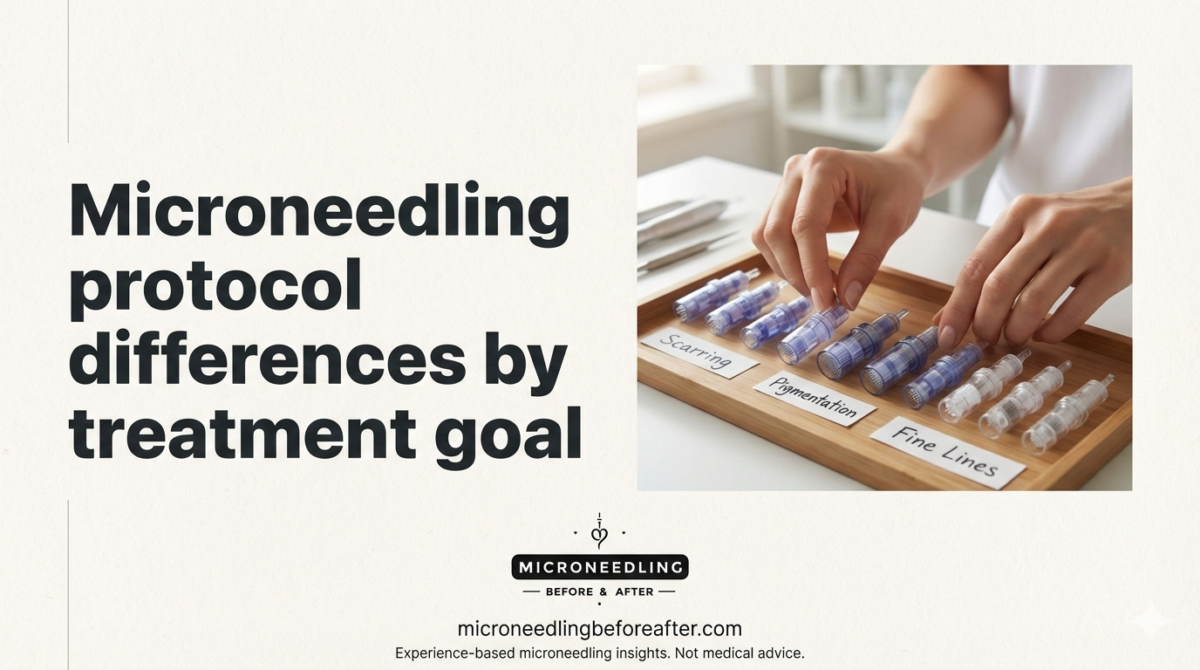
Microneedling Protocol Differences By Treatment Goal

Evidence-informed guide to microneedling protocols by treatment goal—how to select depth, device, adjuncts, endpoints, frequency, and safety.

? What specific microneedling protocol will best achieve the treatment outcome I intend for a particular patient?

Microneedling Protocol Differences By Treatment Goal

I will present a structured, detailed review of how microneedling protocols change according to treatment objective. I aim to give practical, evidence-informed guidance so I can select depths, devices, adjuncts, and aftercare that optimize safety and efficacy for each indication.

Overview of microneedling and clinical endpoints

I consider microneedling an umbrella term describing controlled micro-injury to the skin to induce remodeling and permit transdermal delivery. I will highlight that treatment parameters — needle length, device type, number of passes, endpoint, and adjuncts — are the levers I adjust to meet specific goals.

Biological rationale and expected responses

I understand that microneedling stimulates wound healing cascades, collagen and elastin production, and can modulate pigmentation and scarring. I will note that outcomes depend on intensity of injury, focal anatomy, and patient biology including age, hormonal status, and skin type.

Device types and practical differences

I will summarize the main device categories and how they influence protocol selection. Device choice affects precision, depth control, patient comfort, and compatibility with adjuncts such as radiofrequency or topical biologics.

Manual rollers, automated pens, and RF microneedling

I prefer automated pens for facial work because they provide consistent vertical needle entry and adjustable depth settings. I will use RF microneedling when I need thermal coagulation in addition to mechanical injury for skin tightening or scar remodeling.

Needle configuration, cartridge selection, and sterility concerns

I select cartridges based on needle length and gauge; I always use single-patient sterile tips to minimize infection risk. I will emphasize that needle gauge changes tissue trauma and bleeding risk — thinner needles cause less bleeding, while thicker needles may create a larger channel for topical delivery.

Key treatment variables and clinical endpoints

I will define the parameters I adjust and the clinical endpoints I seek during treatment. Being explicit about these variables helps standardize protocols and manage expectations.

Needle depth, number of passes, speed, and endpoint

I typically vary needle depth from 0.25 mm for superficial rejuvenation up to 3.5 mm for deep acne scars or body stretch marks. I assess endpoint by tissue response: visible pinpoint bleeding and serous oozing indicate adequate dermal disruption for remodeling in many scar protocols, while erythema without bleeding may be sufficient for superficial rejuvenation.

Frequency and course of treatments

I usually space treatments according to depth: shallow treatments every 2–4 weeks and deeper or aggressive protocols every 6–8 weeks to allow remodeling. I will tailor total number of sessions to the indication — for example, 3–6 sessions for general rejuvenation and 4–8 (or more) for severe acne scarring.

Patient selection and Fitzpatrick skin types

I carefully evaluate patient history, medications, active skin disease, and Fitzpatrick skin type to determine risk of postinflammatory hyperpigmentation (PIH) and other complications. I will classify my approach differently for Fitzpatrick I–III versus IV–VI to reduce pigmentary sequelae.

Pre-treatment priming and risk mitigation

I often use a preconditioning regimen for higher-risk patients: topical retinoid or growth factor priming in lower-risk patients and cautious bleaching/tyrosinase inhibitors for darker skin types. I will stop retinoids when clinically necessary and recommend antiviral prophylaxis for patients with a history of herpes simplex when treating perioral areas.

Protocols by treatment goal — summary table

I will provide a high-level table to compare recommended parameters by goal. This will help me and readers quickly match objectives with typical device settings, endpoints, frequency, and adjuncts.

Treatment Goal Typical Needle Depth (mm) Device Type Endpoint Frequency Common Adjuncts
Superficial skin rejuvenation (fine lines, texture) 0.25–0.75 Automated pen Diffuse erythema, no to minimal bleeding Every 2–4 weeks, 3–6 sessions Topical growth factors, vitamin C
Acne scarring (rolling/boxcar) 1.5–3.0 Automated pen or RF microneedling Pinpoint bleeding, gelatinous dermal exudate Every 6–8 weeks, 4–8+ sessions PRP/PRF, cross-fragmentation, subcision combo
Surgical or hypertrophic scars 1.5–3.0 (deeper for tethered scars) Automated pen / RF microneedling Pinpoint bleeding, release of tethering Every 6–8 weeks Steroid injection adjunct, silicone sheeting
Hyperpigmentation / melasma 0.25–1.0 (cautious) Automated pen Mild erythema, avoid heavy bleeding Every 3–6 weeks, conservative approach Topical tranexamic acid, hydroquinone alternatives
Hair restoration (scalp) 0.5–2.5 Automated pen Mild bleeding acceptable Every 2–6 weeks depending on depth PRP/PRF, topical minoxidil
Stretch marks (striae) 1.5–3.5 Automated pen or roller Pinpoint bleeding Every 6–8 weeks PRP, topical retinoids
Transdermal delivery (drug/peptide delivery) 0.25–1.5 Automated pen No bleeding required for delivery-only protocols As needed Mesotherapy, peptides, corticosteroid delivery

Superficial skin rejuvenation protocols

I perform superficial microneedling when the primary goals are improving skin tone, pore size, mild texture irregularities, and fine lines. I will generally use short needle lengths and fewer passes to minimize downtime and pigmentary risk.

Device settings and adjuncts for rejuvenation

I typically set needle depth between 0.25 and 0.75 mm for facial rejuvenation. I will apply topical growth factors, peptides, or vitamin C either immediately after treatment or via mesotherapy to leverage increased permeability.

Frequency, expected results, and downtime

I schedule sessions every 2–4 weeks and expect gradual textural improvements after 3–6 treatments. I advise patients of 24–72 hours of erythema and superficial flaking, but minimal social downtime for most.

Acne scarring protocols

I approach acne scarring with a protocol that balances depth for collagen induction against potential for PIH, especially in darker skin types. I select deeper settings and allow longer healing intervals.

Needle depth, passes, and combination strategies

For rolling and boxcar scars I commonly use 1.5–3.0 mm, with multiple passes targeted to the scarred regions. I often combine microneedling with PRP/PRF or fractional RF to enhance collagen remodeling and sometimes pair with subcision to release deep tethered areas.

Timeline, outcomes, and managing expectations

I space sessions every 6–8 weeks and plan for 4–8+ sessions depending on scar severity. I counsel that significant improvement often requires adjunctive therapies and that full maturation may take several months.

Surgical and hypertrophic scar protocols

I treat surgical scars with deeper microneedling to soften texture, increase pliability, and permit steroid or enzymatic adjuncts. I tailor my approach based on scar age and vascularity.

Strategies for hypertrophic and keloid-prone patients

I exercise caution in keloid-prone patients and typically avoid aggressive protocols; instead I use conservative microneedling combined with intralesional steroid delivery. I will monitor for signs of hypertrophic scarring and consider referral when lesions are active.

Device choice and depth considerations

For older, flat scars I may use 1.5–2.5 mm; for tethered scars combined subcision with microneedling at similar depths may produce better contour improvement. I will use RF microneedling in some cases to introduce thermal remodeling but take care to not exacerbate scar hypertrophy.

Hyperpigmentation and melasma protocols

I approach pigmentary disorders cautiously because microneedling can both help and harm pigment. I reduce depth and frequency while using adjunctive topical agents to prevent PIH.

Conservative protocols and adjunctive topical therapy

I often select 0.25–1.0 mm depth with minimal bleeding and use tranexamic acid, vitamin C, or azelaic acid in conjunction. I will avoid aggressive treatment in active melasma and prioritize priming with topical agents for several weeks prior.

Risk reduction for PIH

I institute strict sun protection and may start topical hydroquinone or non-hydroquinone alternatives before treatment for higher-risk skin types. I will avoid repeat sessions until inflammation resolves and appear cautious with any protocol that produces heavy inflammation.

Hair restoration protocols

I use microneedling in androgenetic alopecia and other hair loss conditions to enhance transdermal delivery of growth factors and stimulate follicles. Depth selection is scalp-specific and often deeper than facial settings.

Depth, PRP/PRF adjuncts, and treatment cadence

I use 0.5–2.5 mm depending on scalp area and hair density; typical practice uses 1.5 mm for vertex areas. I commonly pair microneedling with PRP/PRF and schedule sessions every 4–6 weeks for 3–6 treatments before reassessment.

Outcome expectations and combination therapy

I inform patients that results are incremental and often better when combined with topical or oral therapies like topical minoxidil or antiandrogens. I monitor for scalp infections and folliculitis and emphasize adherence to a regular maintenance program.

Stretch mark (striae) protocols

I treat striae with relatively aggressive depth to reach lower dermis because these lesions involve deeper dermal disruption. I manage patient expectations about partial rather than complete resolution.

Needle depth and adjunctive therapies

I commonly use 1.5–3.5 mm depths on body areas with thicker dermis and combine with PRP or topical retinoids to stimulate remodeling. I will space treatments every 6–8 weeks and recommend several sessions for meaningful texture changes.

Safety considerations for bodywork

I perform test areas when treating large regions and counsel on pain management during longer sessions. I will consider local anesthesia for larger or deeper sessions to improve patient comfort.

Transdermal drug and biologic delivery

I employ microneedling to enhance penetration of topicals, peptides, small molecules, or biologic products with minimal systemic absorption. Depth and timing relative to topical application are key variables.

Depth and timing for optimal delivery

For most topical delivery purposes I use 0.25–1.5 mm to produce channels without heavy scabbing. I apply the therapeutic agent immediately post-procedure to leverage open microchannels and often occlude briefly to increase uptake.

Safety and pharmacokinetic considerations

I ensure the applied agents are appropriate for transdermal use and counsel patients regarding potential systemic exposure. I avoid unapproved or unvalidated compounds and adhere to local regulatory guidance.

Periorbital and lip area protocols

I treat periorbital skin and lips conservatively because of thin dermis and higher risk of bruising and pigment changes. I adjust depth and technique to preserve safety.

Depth adjustments and technique nuances

I typically use 0.25–0.5 mm around the eyelids and 0.5–1.0 mm for perioral areas. I perform minimal passes, maintain gentle pressure, and avoid aggressive endpoints in these delicate zones.

Adjuncts and anesthesia

I prefer topical anesthetic creams and careful patient positioning for comfort. I combine with PRP or hyaluronic acid fillers only when clinically indicated and with experience in these areas.

Anaesthesia, pain control, and patient comfort

I balance adequate analgesia with safety, especially for deeper or longer treatments. I provide topical anesthesia for most facial treatments and consider nerve blocks for extensive body sessions.

Topical anesthetics, numbing duration, and safety

I apply topical anesthetics 30–45 minutes prior and use occlusion to improve penetration when needed. I am cautious with epinephrine-containing mixtures on the face and avoid repeated full-face nerve blocks unless trained and indicated.

Infection control, contraindications, and safety checklist

I adhere to strict aseptic technique, screening protocols, and contraindication review to minimize complications. I document informed consent and baseline photography as part of standard practice.

Absolute and relative contraindications

I will not treat active infection, severe isotretinoin use within prior 6–12 months, active autoimmune disease with instability, or unhealed wounds. I use caution with pregnancy, anticoagulation, keloid predisposition, and uncontrolled diabetes.

Complication recognition and management

I monitor for infection, prolonged erythema, scarring, and PIH. I treat bacterial infection promptly with antibiotics and initiate early management for PIH with topical lighteners and sun protection.

Post-treatment care and expectations

I provide explicit, written post-care instructions to control inflammation, prevent infection, and enhance results. Patient adherence heavily influences outcomes, so I review do’s and don’ts verbally and in print.

Immediate post-care and first week

I recommend gentle cleansing, avoidance of makeup for 24 hours when possible, continuous sunscreen use, and cryotherapy for swelling. I advise against active ingredients like retinoids and certain acids for at least 48–72 hours or longer if the epidermis is disrupted.

Long-term skin care and maintenance schedule

I encourage a maintenance program tailored to the original indication — for example, quarterly superficial treatments for ongoing rejuvenation or periodic PRP boosters for hair maintenance. I will also emphasize consistent sun protection and topical agents that complement microneedling gains.

Combining microneedling with other modalities

I use combination therapy when synergistic benefits outweigh added cost or downtime. I will time combinations carefully — either in the same session (e.g., microneedling + PRP) or staged across weeks (e.g., microneedling preceding a laser).

PRP/PRF, chemical peels, lasers, and fillers

I often combine microneedling with PRP/PRF to amplify collagenogenic stimulus, particularly for scarring and rejuvenation. I avoid aggressive ablative lasers immediately after microneedling; if combining, I schedule lasers after initial microneedling healing or vice versa based on risks.

Documentation, consent, and outcome measurement

I document baseline photos, device settings, needle depth, number of passes, adjuncts used, and patient-reported pain scores. I also set measurable outcome goals and timelines for follow-up assessment.

Standardized photography and outcome scales

I use standardized photography and scar grading scales (e.g., global acne scarring classification) to quantify progress. I will also solicit patient-reported outcome measures to capture subjective satisfaction.

Troubleshooting common problems

I address suboptimal response, PIH, persistent erythema, and infection with targeted interventions and protocol modifications. I rarely abandon microneedling but will modify strategy and consider alternative modalities when appropriate.

Nonresponse and protocol escalation

If a patient does not respond after an adequate trial, I escalate by increasing depth, adding adjuncts like PRP, or combining with subcision/RF. I will reassess skin type, compliance, and underlying pathology before changing course.

Managing PIH and extended inflammation

I initiate conservative lightening regimens and avoid further inflammatory triggers when PIH occurs. I consider topical tranexamic acid, azelaic acid, and short courses of low-potency steroids in inflammatory flares with specialist input.

Practical tables for clinic use

I provide a clinical cheat sheet summarizing indications, depths, frequencies, and adjuncts for routine reference in practice.

Indication Depth (mm) Frequency Endpoint Common Adjunct
Fine lines / superficial texture 0.25–0.75 2–4 wks Erythema Topical peptides
Moderate acne scarring 1.5–2.5 6–8 wks Pinpoint bleeding PRP/PRF
Severe acne scarring 2.5–3.5 6–10 wks Bleeding + remodeling RF, subcision
Melasma / hyperpigmentation 0.25–1.0 (conservative) 3–6 wks Mild erythema Tranexamic acid
Scalp hair restoration 1.0–2.5 4–6 wks Mild bleeding acceptable PRP, topical minoxidil
Striae 1.5–3.5 6–8 wks Bleeding PRP, topical retinoids
Pre/Post Care Checklist
Review medications and contraindications
Pre-treat with topical agents if indicated
Ensure sterile, single-use needles and cartridges
Apply topical anesthetic as needed
Post-treatment: gentle cleansing, no makeup 24 h, sunscreen, avoid retinoids for 48–72 h
Provide emergency contact for infection or adverse events

Ethical and regulatory considerations

I ensure that all products used with microneedling are within regulatory frameworks and that off-label uses are disclosed in consent. I will stay current with local regulations related to autologous blood products (e.g., PRP/PRF) and device approvals.

Informed consent and patient education

I obtain written informed consent that outlines expected benefits, risks, alternative options, and costs. I make sure patients understand downtime, need for multiple treatments, and maintenance requirements.

Final thoughts and clinical decision-making framework

I approach microneedling as a customizable tool, not a one-size-fits-all treatment. By systematically matching needle depth, device, endpoint, adjuncts, and aftercare to the specific treatment goal and patient phenotype, I can optimize outcomes and minimize complications.

Practical algorithm I use in clinic

  1. Define primary treatment goal and set realistic outcome expectations.
  2. Assess skin type, scar type, and medical history.
  3. Choose device, depth, and endpoint appropriate for the goal.
  4. Select adjuncts such as PRP, topical agents, or combination therapies.
  5. Provide pre-treatment priming and detailed post-care instructions.
  6. Document settings and outcomes, and adapt the plan based on response.

I will use this framework to select microneedling protocols reliably and reproducibly. Applying these structured choices will help ensure I offer each patient a protocol that is both safe and tailored to their goals.
Microneedling Pen Speed Settings Explained

Learn how microneedling pen speed affects results, safety, and technique-match speed to depth, treatment goals, and skin type with clinician guidance. Pro tips.

Have you ever wondered how the speed setting on a microneedling pen changes the treatment outcome?

Microneedling Pen Speed Settings Explained

I will explain how microneedling pen speed settings work, why they matter, and how to match speed to treatment goals and skin characteristics. I will present practical guidance for clinicians and informed consumers, highlight safety considerations, and provide step-by-step recommendations so you can make informed choices when planning or performing treatments.

What is a microneedling pen?

I use the term microneedling pen to describe a motorized device that repeatedly drives a cluster of tiny needles into the skin to create controlled microinjuries. The resulting microchannels stimulate wound-healing pathways that lead to collagen and elastin remodeling and improve skin texture and tone. I emphasize that performance characteristics — including needle depth, needle configuration, and motor speed — together determine tissue response and the clinical outcome.

What does “speed” mean on a microneedling pen?

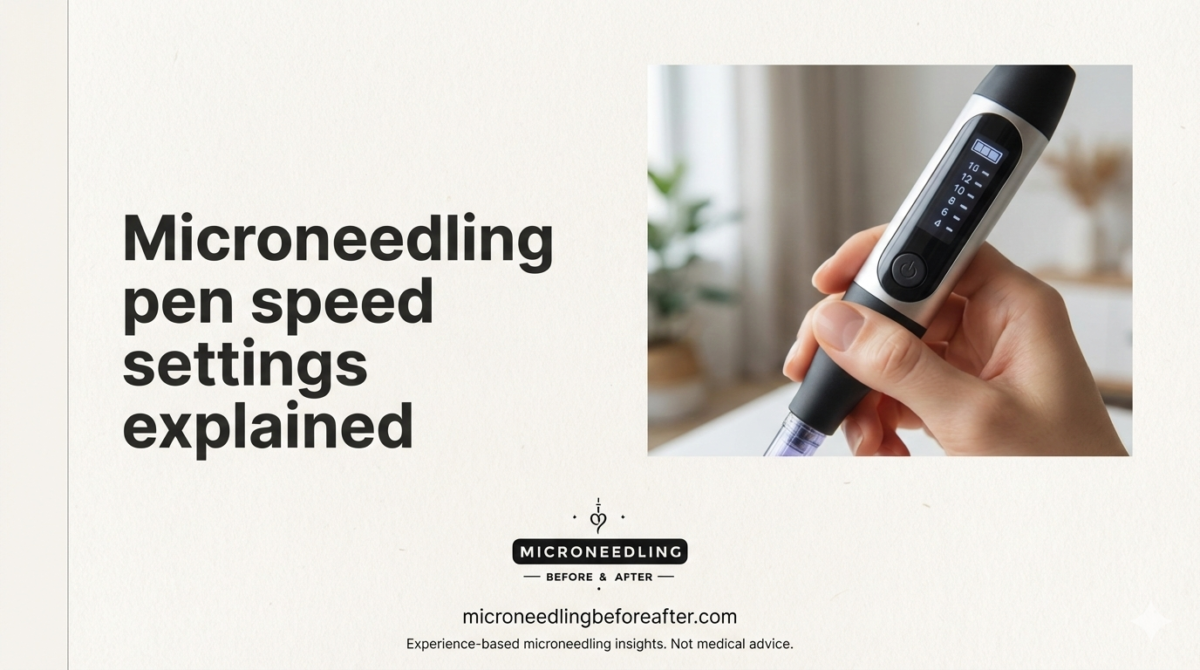
I define speed as the frequency with which the needle cartridge cycles — typically expressed as strokes per minute (SPM) or revolutions per minute (RPM), depending on manufacturer terminology. Speed controls how many micro-injuries are delivered in a given time period and influences mechanical force per impulse, penetration consistency, and patient sensation. I note that manufacturers may label speeds with simple levels (1–12) or with numeric values that represent motor cycles per minute, so it is important to refer to each device’s specifications.

How speeds are measured and labeled

I explain that some devices display an absolute number (e.g., 1,000–18,000 SPM or RPM), while others show incremental levels that correspond to internal motor settings. I recommend checking the device manual for what each level represents because “level 5” on one device may not equal “level 5” on another. I also emphasize that brand-to-brand variability means numerical ranges should be used as general guidance rather than absolute rules.

Typical consumer and professional speed ranges

I point out that consumer-grade pens often have lower maximum speeds and fewer preset levels than professional devices, and that clinical devices are designed for repeated heavy use and finer control. Broadly speaking, I categorize speeds into low, medium, and high ranges for clarity:

  • Low: approximately 400–1,500 SPM/RPM — used for deeper needling or sensitive areas.
  • Medium: approximately 1,500–6,000 SPM/RPM — appropriate for many resurfacing and scar treatments.
  • High: approximately 6,000–18,000 SPM/RPM — used primarily for superficial or cosmetic resurfacing where rapid microchannels are desired.

I caution that these ranges are approximate and depend on device design; always confirm with the device manufacturer and clinical guidelines.

Why speed matters

I explain that speed influences several treatment variables: the number of micro-injuries created per unit time, the character of the tissue insult (micro-tearing versus clean microchannels), patient comfort, and the thermal and mechanical stress imparted to the tissue. Speed interacts with needle depth and technique to determine clinical efficacy and safety. Optimizing speed helps balance efficacy with tolerance and lowers the risk of adverse events.

Tissue response to speed

I discuss how higher speeds create many microchannels rapidly, potentially yielding uniform coverage with less lateral displacement of the skin. Conversely, slower speeds produce fewer impulses per unit time but may generate higher force per pass, which can increase trauma at a given depth. The skin’s wound-healing cascade — including platelet activation, cytokine release, neocollagenesis, and remodeling — is triggered by the nature and extent of microinjury. I emphasize that an appropriate speed encourages productive healing without excessive inflammation.

Speed versus needle depth: how they interact

I clarify that needle depth largely determines which skin layers are targeted (epidermis vs dermis) and that speed modifies the mechanical effect at that depth. For example, deeper depths (e.g., >1.5 mm) require careful, usually slower treatment to avoid tearing and excess bleeding, while superficial depths (e.g., 0.25–0.75 mm) can tolerate higher speeds with rapid, lighter passes. I recommend pairing deeper needling with lower speeds to maintain control and minimize adverse events.

Speed settings by treatment goal

I provide practical guidance for matching speed and depth to common indications. I stress that these are starting points and must be individualized by skin type, scar maturity, device characteristics, and patient tolerance. I always advise a conservative approach during initial treatments with incremental adjustments based on response.

Indication Typical Needle Depth (approx.) Suggested Speed Range Rationale
Superficial resurfacing, pore refinement 0.25–0.5 mm Medium–High (1,500–12,000) Higher speeds with shallow depth give broad coverage and fast microchannel formation with low risk.
Fine lines and superficial wrinkles 0.5–1.0 mm Medium (1,500–6,000) Balanced speed improves collagen stimulation while controlling trauma.
Acne scarring (atrophic) 1.0–2.5 mm (vary by scar depth) Low–Medium (400–4,000) Deeper, targeted needling requires lower speeds for precision and to reduce tearing. Multiple passes at controlled speed achieve remodeling.
Surgical or hypertrophic scars 1.5–3.0 mm Low (400–1,500) Slow, careful technique reduces risk of further scar trauma; may be combined with other modalities.
Hyperpigmentation and melasma 0.25–0.75 mm Low–Medium (400–4,000) Conservative speeds help avoid post-inflammatory hyperpigmentation; shallow depth only.
Hair restoration (scalp) 0.5–1.5 mm Medium (1,500–6,000) Moderate speeds with controlled depth promote growth factors; avoid excessive trauma.
Stretch marks (striae) 1.0–2.5 mm Low–Medium (400–4,000) Deep pulses at controlled speed encourage dermal remodeling while minimizing bleeding.

I reiterate that these are generalized ranges and that device-specific calibration and patch testing are essential. I also emphasize that speed alone is not the sole determinant — technique, needle configuration, and number of passes matter equally.

Clinical and safety considerations

I focus on the safety implications of speed selection. Faster speeds may reduce procedure time and patient discomfort for superficial treatments, but they can increase mechanical stress and the chance of petechiae or exaggerated inflammation, especially when combined with deeper needle settings. Slower speeds are preferable when precision and control are required, such as in scar remodeling or when treating delicate anatomic areas.

Contraindications and precautions

I highlight common contraindications to microneedling: active infection or inflammation in the treatment area, isotretinoin use within the past 6–12 months (depending on clinician judgment), certain autoimmune or bleeding disorders, uncontrolled diabetes, keloidal tendency (relative contraindication), pregnancy (relative contraindication for some clinicians), and recent radiation therapy. I stress that high speeds can amplify risks when these contraindications are present, so conservative practice and medical clearance are important.

Skin type and pigmentary risk

I note that Fitzpatrick phototypes IV–VI have increased risk of post-inflammatory hyperpigmentation (PIH). When treating darker skin types, I recommend slower speeds, shallower depths, and a conservative number of passes. I also recommend topical depigmenting agents and sun protection as part of the pre- and post-treatment plan to reduce PIH risk.

Pain control and patient comfort

I explain that speed influences sensation: higher speeds can feel less jarring for very superficial work because impulses are rapid and light, while deeper, slower passes can be perceived as more forceful. I recommend topical anesthetic application (e.g., lidocaine-based creams) for deeper treatments and for anxious patients, and stress that anesthetic application should follow manufacturer and regulatory guidance. I always advise monitoring for anesthetic toxicity and advising patients about possible numbness post-procedure.

Technique specifics: stamping, gliding, and cross-hatching

I describe three commonly used techniques and how speed selection affects each.

Stamping (vertical technique)

I explain that stamping involves perpendicular insertion and rapid withdrawal in discrete spots. I recommend using lower speeds with stamping for deep or focused scar treatments to ensure controlled penetration and minimize lateral tearing. Stamping is well-suited to treating individual acne scars or surgical scars with precise depth control.

Gliding (continuous technique)

I describe gliding as dragging the pen across the skin to create continuous microchannels. For gliding, medium to high speeds at shallow depths are appropriate because rapid cycles produce consistent coverage. I recommend caution to avoid long continuous passes at deep settings, which increase the risk of epidermal injury.

Cross-hatching (multi-directional passes)

I explain that cross-hatching uses multiple passes in perpendicular or diagonal directions to maximize coverage and stimulate remodeling. I suggest reducing speed somewhat for deeper cross-hatch passes to avoid over-traumatizing the tissue, and increasing speed slightly for superficial passes to improve efficiency.

Device selection and calibration

I discuss how device characteristics influence optimal speed selection. Motor torque, needle cartridge stability, and ergonomics all matter. I advise clinicians to choose devices with consistent, adjustable speed control and reliable disposable cartridges to minimize variability. I also urge checking manufacturer guidance for recommended speeds for specific cartridges and for the device’s duty cycle and recommended treatment duration to avoid motor overheating.

Battery, motor, and cartridge considerations

I note that lower-quality pens can exhibit inconsistent needle motion at higher speeds, producing uneven penetration. I recommend using well-reviewed professional pens for clinical use and ensuring cartridges are properly seated and replaced per manufacturer recommendations. I also stress that battery-operated devices should be fully charged to maintain consistent motor performance throughout the procedure.

Protocols for professionals versus at-home devices

I emphasize the difference between in-office medical microneedling and at-home microneedling devices. Professional devices typically allow higher depths, finer control, and are intended for trained practitioners, while at-home devices are usually limited to superficial depths and lower speeds for safety. I recommend patients not attempt deeper treatments at home and advise clinicians to counsel patients accordingly.

At-home device guidance

I recommend that I instruct patients using at-home devices to adhere strictly to manufacturer limits on depth and speed, to sanitize the device and skin before use, and to maintain conservative frequency (e.g., weekly or monthly depending on depth) to avoid cumulative trauma. I also advise that patients discontinue use and seek clinical evaluation if unexpected redness, pain, or scabbing persists.

Maintenance, sterilization, and cartridge management

I describe mandatory hygiene practices. I instruct clinicians and consumers to use sterile, single-use cartridges when possible, to disinfect reusable device surfaces between patients, and to follow manufacturer instructions for sterilization. I point out that needle dullness can alter effective penetration and create more tearing; therefore I recommend replacing cartridges per recommended usage limits.

Signs of cartridge wear and malfunction

I list indicators such as uneven needle travel, increased snagging or pulling sensation, visible bending of needles, and excessive bleeding for the same depth/preset as signs to replace cartridges. I recommend that I and other clinicians stop treatment immediately if mechanical irregularities occur and inspect the cartridge.

Common myths and misconceptions about speed

I address several misconceptions and provide corrective explanations.

  • Myth: Higher speed always equals better results. I counter that higher speed improves efficiency for superficial work but can increase mechanical stress and the risk of adverse effects if paired with excessive depth or poor technique.
  • Myth: Faster treatments are less painful. I explain that pain perception depends on depth, number of passes, and local anesthesia; speed is only one factor.
  • Myth: More passes at high speed produce exponentially better results. I clarify that beyond a certain point, additional trauma yields diminishing returns and greater risk of inflammation and pigmentary change.

I encourage measured, evidence-based practice rather than assuming more speed or more passes will always produce superior outcomes.

Troubleshooting: common problems and solutions

I outline common issues related to speed and their practical fixes.

  • Uneven penetration or skipping: often due to low battery, loose cartridge, or debris. I recommend stopping, replacing or re-seating the cartridge, and ensuring full power.
  • Excessive bleeding or bruising: may indicate too-deep needling at too-high speed; I advise halting treatment, applying pressure and cooling, and following appropriate wound-care protocols.
  • Post-inflammatory hyperpigmentation: reduce depth and speed in subsequent sessions, prescribe topical depigmenting agents when indicated, and enforce strict photoprotection.
  • Motor overheating: allow cooling periods between long sessions or use device with higher duty cycle; maintain manufacturer-recommended working intervals.

I recommend documenting any adverse events and modifying subsequent protocols based on patient response.

Evidence and outcomes

I summarize the clinical rationale: microneedling stimulates collagen and elastin production through controlled microinjury. I note that studies support its efficacy for scars, wrinkles, and skin texture, and that outcomes depend on depth, needle configuration, and, to a meaningful extent, speed because speed contributes to the density and uniformity of microchannels. I caution that randomized controlled trial data specifically comparing different speeds remain limited, so much of practice is guided by biomechanical reasoning and clinical experience.

Practical session planning and sample protocols

I provide sample, conservative protocols for a hypothetical clinical session meant for someone beginning treatment. I note that I always tailor these to the individual.

  • Initial evaluation and patch test: I check medical history, obtain informed consent, and perform a small-area test at low depth and medium speed to observe tolerance and healing.
  • Baseline for superficial resurfacing: 0.25–0.5 mm depth, medium–high speed, 2–4 passes across the entire face, with topical serum application post-procedure.
  • Baseline for acne scarring: 1.0–2.0 mm depth depending on scar depth, low–medium speed, 1–3 targeted passes per scar (stamping), avoid aggressive cross-hatching in the same session.
  • Post-treatment care: cold compresses immediately, apply sterile barrier serum and sun protection, avoid harsh topical actives (e.g., retinoids, strong acids) for 3–7 days depending on depth.

I advise that I typically space sessions 4–6 weeks apart for deeper treatments to allow remodeling and that shallower, cosmetic sessions can be repeated more frequently at clinician discretion.

Legal and regulatory considerations

I remind clinicians and device users to adhere to local regulations governing device classification and practitioner scope of practice. I stress that certain devices and settings may be restricted to licensed professionals in some jurisdictions. I recommend documenting settings, needle depth, cartridge type, number of passes, and patient responses in the medical record.

Frequently asked questions (FAQs)

I include brief answers to common questions I hear regarding speed settings.

  • Will increasing speed reduce treatment time? Yes, higher speeds can reduce time for superficial treatments, but deeper work still requires careful pace and multiple targeted passes.
  • Is a higher speed more painful? Not necessarily; sensation depends on depth, area, and anesthesia. Higher speed with superficial depth can feel less intense than deep slow passes.
  • Can I use the highest speed my device offers for all treatments? I discourage this because high speed combined with deep depth or aggressive technique can increase adverse events.
  • How do I choose needle depth and speed for delicate areas (e.g., under eyes)? Use shallow depths and lower speeds, with fewer passes, to reduce risk of bruising and pigment change.
  • Should I adjust speed across the same session? Yes. I often begin superficial passes at higher speeds to achieve coverage, then switch to lower speeds for focused deeper work or delicate zones.

Final recommendations and summary

I summarize practical takeaways: speed is a crucial control parameter that influences the density, uniformity, and nature of microinjuries delivered by a microneedling pen. I advise starting conservatively — lower speeds for deeper and scar-focused work, medium speeds for general resurfacing, and higher speeds for shallow cosmetic coverage — while tailoring choices to device specifications, patient skin type, and treatment objectives. I always recommend a patch test, clear informed consent, and careful documentation. For novice practitioners or patients using at-home devices, I encourage seeking professional training or clinical consultation before attempting deeper or higher-speed treatments.

I offer to assist further by reviewing device specifications, helping create a treatment protocol tailored to a specific device and patient population, or answering case-specific questions based on clinical scenarios.

At Home Microneedling And Tretinoin

Unlock radiant skin at home with microneedling and tretinoin! Discover techniques, benefits, and tips for a glowing complexion in our informative post.

What if I told you that you could enhance your skin’s texture and appearance from the comfort of your own home? Microneedling and tretinoin are two powerful tools in the world of skincare, and when used correctly, they can significantly improve the health and look of your skin. This article aims to provide you with an in-depth understanding of at-home microneedling and the use of tretinoin, explaining their benefits, techniques, and considerations.

Understanding Microneedling

Microneedling is a minimally invasive cosmetic procedure that involves creating tiny, controlled injuries in the skin’s surface using fine needles. This process stimulates the body’s natural wound healing response, leading to increased collagen and elastin production. As I embark on this exploration of microneedling, I realize that many people are curious about its safety and efficacy when performed at home.

Benefits of Microneedling

When I think about the benefits of microneedling, several key advantages come to mind:

  1. Stimulates Collagen Production: One of the primary benefits of microneedling is its ability to boost collagen production. This natural protein is essential for maintaining skin elasticity, firmness, and overall youthfulness.

  2. Enhances Product Absorption: Microneedling can improve the absorption of topical products. This means that when I apply skincare products post-treatment, they penetrate deeper into the skin, making them more effective.

  3. Reduces Scarring and Fine Lines: For individuals like me who may have acne scars or fine lines, microneedling can lead to a noticeable improvement over time. The procedure promotes the regeneration of skin cells, which helps in reducing the appearance of scars and wrinkles.

  4. Improves Skin Texture and Tone: With regular treatments, I’ve noticed that my skin’s texture and tone improve significantly, making it look more radiant and youthful.

The Microneedling Process

When considering an at-home microneedling procedure, I focus on preparation, execution, and aftercare. Here’s how I approach each stage:

Preparation

Before I begin microneedling, I take the following preparatory steps:

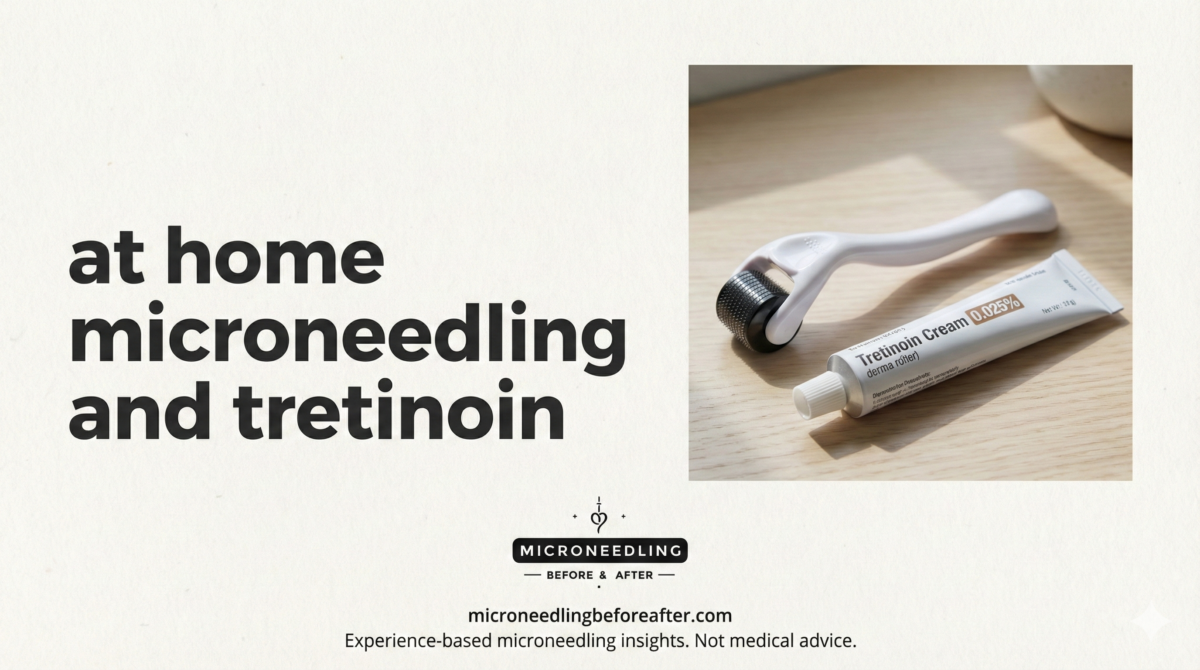
  • Choose the Right Device: I ensure that I have a quality microneedling device, often called a dermaroller, with needles that are appropriate for home use. I opt for needles between 0.25 mm to 0.5 mm in length to minimize risks and ensure safety.

  • Cleanse My Skin: I always start with a thorough cleansing of my skin to remove any dirt, makeup, or oils. A clean surface is essential for reducing the risk of infection.

  • Disinfect the Device: I carefully sterilize the microneedling device with an alcohol solution to ensure it is free from bacteria.

Execution

Once I am fully prepared, I proceed with the microneedling procedure:

  1. Technique: I gently roll the device over my skin using an up-and-down motion, covering small sections at a time. It’s important to use minimal pressure and to avoid any aggressive movements to prevent damage to the skin.

  2. Direction: To achieve optimal results, I move the device in multiple directions—vertically, horizontally, and diagonally—while maintaining a consistent and gentle touch.

  3. Duration: I typically spend about 10-15 minutes on each area, depending on my skin’s sensitivity and the size of the area being treated.

Aftercare

After microneedling, my skin requires special attention to promote healing:

  • Soothing Serums: I apply a soothing serum, often hyaluronic acid, to hydrate and calm the skin. The tiny micro-channels from microneedling increase the absorption of the serum, enhancing its impact.

  • Avoid Sun Exposure: For at least a week post-treatment, I avoid direct sun exposure to protect my skin and prevent hyperpigmentation.

  • Skip Active Ingredients: I am cautious to avoid using potent active ingredients, such as retinoids, right after microneedling to prevent irritation.

Tretinoin: The Retinoid Game Changer

Tretinoin, a derivative of Vitamin A, is widely regarded as one of the most effective treatment options for various skin concerns, including acne, fine lines, and photoaging. Its incorporation into my skincare routine can yield significant improvements in the overall appearance of my skin.

Benefits of Tretinoin

As I explore the advantages of tretinoin, I recognize several key points:

  1. Cell Turnover: Tretinoin encourages the turnover of skin cells, promoting the shedding of old, dead skin cells and revealing smoother and healthier skin underneath.

  2. Fights Acne: By preventing clogged pores and reducing inflammation, tretinoin serves as a powerful ally in managing acne-prone skin.

  3. Reduces Signs of Aging: Regular use of tretinoin can diminish the appearance of fine lines, wrinkles, and uneven skin tone, which is appealing to me as I prioritize youthful skin.

  4. Brightens Skin Tone: Tretinoin not only helps with skin texture but also brightens the overall complexion, giving my skin a more radiant appearance.

Incorporating Tretinoin Into My Routine

When I introduce tretinoin into my skincare routine, I follow a systematic approach:

Choosing the Right Concentration

Tretinoin comes in various strengths, typically ranging from 0.025% to 0.1%. I consider starting with a lower concentration to allow my skin to acclimate, especially if I am new to retinoids.

Application Techniques

  1. Evening Use: I apply tretinoin at night, as it can increase sun sensitivity. Using it in the evening ensures that I maximize its benefits while minimizing potential irritation.

  2. Cleanse and Pat Dry: Before applying tretinoin, I cleanse my face thoroughly and wait for my skin to dry completely. This step is crucial because applying tretinoin on damp skin can increase absorption and potential irritation.

  3. Pea-Sized Amount: I use a pea-sized amount of tretinoin and blend it evenly over my face, avoiding the eye area. Less is often more with this potent product.

Managing Side Effects

While tretinoin offers remarkable benefits, I am also aware of potential side effects such as dryness, redness, and peeling. Here’s how I manage these:

  • Build Tolerance: I start by using tretinoin every other night and gradually increase the frequency as my skin adjusts.

  • Moisturize: I apply a moisturizer after tretinoin to combat dryness and protect my skin barrier.

  • Sunscreen: I prioritize sunscreen during the day, as tretinoin increases sun sensitivity. A broad-spectrum SPF protects my skin from harmful UV radiation.

The Synergy of Microneedling and Tretinoin

Combining microneedling and tretinoin can create a synergistic effect that enhances the results of each treatment. The complementary nature of these two skincare strategies has proven beneficial for many individuals, including myself.

Enhanced Absorption

Using microneedling before applying tretinoin can increase skin permeability, allowing tretinoin to penetrate more effectively. The tiny micro-channels act as pathways for the tretinoin, potentially amplifying its efficacy.

Improved Skin Texture

Both treatments share the goal of improving overall skin texture. While microneedling stimulates collagen production, tretinoin enhances cell turnover. This dual approach helps me achieve smoother, more radiant skin.

Precautions and Considerations

I acknowledge that combining these treatments requires careful planning to minimize irritation:

  1. Timing: I avoid using tretinoin immediately after microneedling. Instead, I wait at least 24 hours post-microneedling before applying tretinoin for the first time.

  2. Hydration: Maintaining a well-hydrated skin barrier is crucial. I ensure to use gentle moisturizing products and avoid harsh ingredients leading up to both treatments.

  3. Consult a Dermatologist: Collaborating with a dermatologist can provide valuable personalized advice, especially if I experience any adverse effects.

Conclusion

Engaging in my at-home skincare journey through microneedling and tretinoin has been a transformative experience. Both of these treatments offer unique and substantial benefits for skin health, and when used mindfully and correctly, they can significantly enhance my skin’s appearance. As I continue this path, I take care to educate myself on best practices, product compatibility, and, most importantly, my skin’s responses to ensure I achieve the best results possible.

In aiming for radiant and youthful skin, I am empowered by knowledge and consistent application. For anyone considering at-home microneedling and tretinoin, my experience emphasizes the potential of these effective treatments when approached with the right information and care.

en_USEnglish