
google.com, pub-2032008856654686, DIRECT, f08c47fec0942fa0

Do Dermatologists Actually Recommend Microneedling?

As someone who’s always on the lookout for effective skincare treatments, I’ve been increasingly curious about microneedling. This trendy procedure promises to boost collagen, reduce scars, and give you that coveted glow. But before jumping in, I wanted to know what the experts think. Do dermatologists actually recommend this treatment? And do they perform it themselves? Let’s dive into what I’ve discovered about this popular skincare procedure.

What Exactly Is Microneedling?

Before we get into the professional opinions, let’s clarify what we’re talking about. Microneedling (also called collagen induction therapy) involves using a device with tiny needles to create controlled micro-injuries to the skin. These micro-punctures trigger the body’s natural healing process, stimulating collagen and elastin production.

Do Dermatologists Actually Recommend Microneedling?

The short answer? Yes, most do—but with some important caveats.

In my research and conversations with skin experts, I’ve found that reputable dermatologists generally view microneedling as a legitimate and effective treatment for various skin concerns. Here’s why they often recommend it:

  1. Evidence-based results: There’s solid scientific research backing microneedling’s effectiveness for issues like acne scars, fine lines, and skin texture improvements.
  2. Relatively low risk: Compared to more aggressive treatments like deep chemical peels or laser resurfacing, microneedling tends to have fewer side effects and shorter downtime when performed correctly.
  3. Works for most skin types: Unlike some laser treatments, microneedling can be safely used on darker skin tones with less risk of hyperpigmentation.
  4. Cost-effective option: It’s typically more affordable than many laser treatments while still delivering noticeable results.

However, dermatologists don’t recommend microneedling to everyone. They typically advise against it if you:

  • Have active acne or skin infections
  • Deal with certain skin conditions like psoriasis or eczema
  • Have a history of keloid scarring
  • Are pregnant or breastfeeding
  • Take blood thinners or have bleeding disorders

Do Dermatologists Perform Microneedling Themselves?

Yes, absolutely! Not only do many dermatologists recommend microneedling, but it’s also commonly performed in dermatology practices.

In fact, if you’re considering microneedling, a dermatologist’s office is often the safest place to have it done. Here’s why:

  1. Medical-grade equipment: Dermatology clinics use professional-grade devices that are more effective and safer than at-home rollers. These professional devices can reach appropriate depths for various concerns and are properly sterilized between uses.
  2. Customized treatment: A dermatologist can tailor your microneedling session to your specific skin type and concerns, adjusting needle depth and technique accordingly.
  3. Combination approaches: Many dermatologists enhance the procedure by combining it with other treatments. For example, they might apply growth factors, hyaluronic acid, or PRP (platelet-rich plasma) during the treatment for enhanced results.
  4. Proper sterilization: Professional settings maintain strict hygiene protocols, reducing infection risks significantly.
  5. Expertise with complications: Should any side effects occur, a dermatologist can immediately address them appropriately.

The Difference Between Medical and Cosmetic Microneedling

It’s worth noting that microneedling services come in different forms:

Medical microneedling performed by dermatologists or under their supervision typically:

  • Uses needles that penetrate deeper into the skin
  • Can address more significant concerns like deep acne scars
  • May be combined with medical-grade serums or PRP
  • Requires medical training and licensure

Cosmetic microneedling performed at spas or salons:

  • Uses shorter needles that create more superficial punctures
  • Focuses on general skin rejuvenation rather than treating specific medical conditions
  • Has limitations on what products can be applied during treatment
  • May not be appropriate for significant skin concerns

My Personal Take

From all my research, I’ve concluded that if you’re considering microneedling, consulting with a dermatologist first is your best bet—even if you ultimately decide to have the treatment at a med spa. A dermatological consultation will help determine if you’re a good candidate and what approach would work best for your specific skin concerns.

If you decide to proceed, having your microneedling performed by a dermatologist or their trained staff offers the highest level of safety and customization. For those with serious skin concerns like significant scarring or aged skin, this medical approach is particularly important.

For maintenance treatments or mild concerns, a reputable medical spa that employs properly trained professionals might be appropriate—but check their credentials carefully.

Microneedling has earned its place in the dermatologist’s toolkit of effective skin treatments. When performed properly in a medical setting, it offers impressive results for various skin concerns with relatively minimal downtime. However, like any cosmetic procedure, it’s not right for everyone, and professional guidance is essential.

Have you tried microneedling or are you considering it? Remember that everyone’s skin is different, and consulting with a board-certified dermatologist is always the safest first step toward deciding if this popular treatment is right for you.
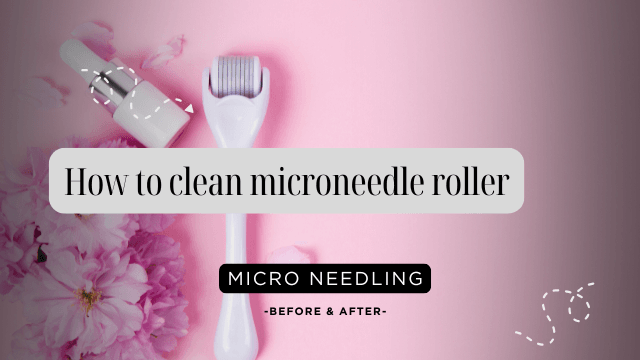
How to Properly Clean Your Microneedle Roller

As someone who’s incorporated a microneedle roller into my skincare routine, I can’t emphasize enough how important it is to keep this tool clean. A few years ago, I started using a microneedle roller to help with some acne scarring, and I quickly learned that proper cleaning is just as important as the treatment itself. Today, I want to share my thorough cleaning routine to ensure you get the most out of your dermarolling sessions while staying safe.

Why Cleaning Your Microneedle Roller Is Non-Negotiable

Before diving into the cleaning process, let me explain why this is so crucial. Your microneedle roller creates tiny punctures in your skin—that’s how it works its magic! However, these micro-injuries can become entry points for bacteria if your roller isn’t properly sanitized. The last thing you want is to introduce infections while trying to improve your skin.

I once skipped thorough cleaning between sessions (I was tired, it happens!), and I ended up with irritation and small bumps. Lesson learned: never compromise on cleaning your microneedle roller.

What You’ll Need to Clean Your Microneedle Roller

I’ve tried various cleaning methods over the years, and I’ve settled on these essential supplies:

  • 70% isopropyl alcohol (not rubbing alcohol)
  • A shallow, clean container
  • Hot water
  • Mild, fragrance-free soap
  • Paper towels or a clean microfiber cloth
  • Optional: UV sterilizer

My Step-by-Step Cleaning Process

Immediate Rinse After Use

As soon as I finish my dermarolling session, I immediately rinse my microneedle roller under hot running water. I’m careful to avoid touching the needles directly and focus on rinsing away any skin cells, product residue, or other debris that might have accumulated during use.

Soap Cleaning

Next, I fill a clean bowl with hot water and add a few drops of mild, fragrance-free soap. I gently swish the head of the microneedle roller in this solution for about 2 minutes, being mindful not to damage the delicate needles. This step helps remove oils and residue that water alone can’t tackle.

Alcohol Disinfection (The Most Important Step!)

After rinsing the soap solution off thoroughly, I move on to the most critical step: disinfection. I pour 70% isopropyl alcohol into a clean, shallow container—just enough to submerge the needle head completely. Then I soak my microneedle roller for at least 10 minutes.

I’ve found that 70% alcohol works better than higher concentrations because it evaporates more slowly, giving it more time to kill bacteria and other microorganisms.

Proper Drying and Storage

After the alcohol soak, I carefully remove the microneedle roller and place it on a clean paper towel or microfiber cloth. I never wipe the needles, as this could bend or damage them. Instead, I let it air dry completely before placing it back in its storage case.

If your microneedle roller came with a protective case, make sure that’s clean too. I occasionally wipe mine down with alcohol to keep everything sanitary.

Additional Sterilization Methods I’ve Tried

UV Sterilization

I invested in a small UV sterilizer box a year ago, and I use it as an extra step after the alcohol soak. It’s not necessary, but it gives me extra peace of mind. After the alcohol has completely evaporated, I place my microneedle roller in the UV sterilizer for the recommended time (usually 5-10 minutes).

Steam Sterilization

I’ve occasionally used steam sterilization by holding my microneedle roller (after the alcohol has dried) over boiling water for a few minutes. However, I don’t recommend this as a regular practice as the heat can potentially damage the needles over time.

When to Replace Your Microneedle Roller

No matter how well you clean your microneedle roller, it won’t last forever. I replace mine every 10-15 uses, or sooner if I notice:

  • Bent or dull needles
  • Rust or discoloration
  • Pulling or unusual discomfort during use

Even with perfect cleaning, the needles will eventually dull, making the tool less effective and potentially more irritating to your skin.

Common Cleaning Mistakes I’ve Made (So You Don’t Have To)

  1. Using rubbing alcohol instead of isopropyl alcohol (they’re not the same!)
  2. Not allowing enough soaking time in the alcohol
  3. Wiping the needles directly (this can bend them)
  4. Storing the microneedle roller while it’s still damp
  5. Using cotton balls or swabs that can leave fibers on the needles

Final Thoughts

Proper cleaning of your microneedle roller isn’t just about extending its life—it’s primarily about your skin’s health and safety. The few extra minutes spent on thorough cleaning can make all the difference between achieving that gorgeous glow and dealing with unwanted infections or irritations.

Remember that a microneedle roller is a tool that creates micro-injuries to benefit your skin in the long run. Treat it with the same care and cleanliness as you would any medical device—because essentially, that’s what it is.

Do you have any questions about cleaning your microneedle roller? Or perhaps you’ve found another effective cleaning method? I’d love to hear about your experiences in the comments below!

How to Use a Microneedle Roller on Your Face

As someone who’s been on a skincare journey for years, I’ve tried countless products and tools promising miraculous results. When I first heard about microneedle rollers (also called derma rollers), I was both intrigued and slightly terrified. Tiny needles rolling across my face? It sounded intense! But after researching and incorporating this tool into my routine, I can honestly say it’s been a game-changer for my skin’s texture and overall appearance.

If you’re curious about trying microneedling at home, I’m here to guide you through the process, sharing what I’ve learned along the way.

Choose the Right Needle Length

For facial use at home, I recommend starting with a 0.25mm to 0.5mm needle length. These shorter needles are perfect for product absorption and mild texture improvement without being too aggressive. I began with 0.25mm and only moved up after my skin had fully adjusted.

Remember, longer needles (above 0.5mm) should be used with caution or left to professionals, as they penetrate deeper and carry higher risks if not used correctly.

Prepare Your Tools and Skin

Cleanliness is absolutely non-negotiable with microneedling! Here’s my pre-rolling routine:

  1. I sterilize my derma roller by soaking it in 70% isopropyl alcohol for at least 10 minutes before each use.
  2. Meanwhile, I thoroughly cleanse my face with a gentle cleanser and pat dry.
  3. I apply a toner to ensure my skin is completely clean and balanced.
  4. I wait until my skin is completely dry before proceeding—this is crucial!

The Rolling Technique

When I first started, I was definitely nervous about the process. Here’s the technique I’ve found works best:

  1. I divide my face into sections: forehead, cheeks, chin, and around the mouth.
  2. Holding the roller with a gentle but firm grip, I roll in one direction (vertically) 3-4 times over each section.
  3. Then I roll horizontally across the same area 3-4 times.
  4. Finally, I roll diagonally 3-4 times.
  5. I apply only light pressure—enough to feel it, but never enough to cause pain or bleeding.

For tricky areas like around the nose, I use smaller, more controlled movements. The under-eye area requires extreme caution—I actually use a separate, smaller roller specifically designed for this delicate skin, and I roll with the lightest touch possible.

Post-Rolling Care

This step is just as important as the rolling itself! After I finish, my skin is more receptive to products but also more vulnerable. Here’s what I do:

  1. I immediately apply a hydrating, soothing serum—hyaluronic acid is perfect, as it’s non-irritating and deeply hydrating.
  2. I avoid any active ingredients like retinol, vitamin C, or chemical exfoliants for at least 24 hours after rolling.
  3. I apply a gentle, nourishing moisturizer to lock everything in.
  4. The next morning, I’m religious about applying SPF 50, as my skin is more photosensitive after treatment.

Frequency and Maintenance

When I first began, I used my 0.25mm roller once a week to see how my skin would respond. After a month with no adverse reactions, I increased to twice weekly. With a 0.5mm roller, I never use it more than once a week.

As for maintenance, I replace my roller every 2-3 months, even if it looks fine. The needles do dull over time, which can cause more skin trauma than benefit. After each use, I wash the roller with soap and warm water, spray it with alcohol, and let it air dry completely before storing it in its case.

Listen to Your Skin

The most important lesson I’ve learned is to pay attention to what my skin is telling me. If I notice redness that lasts more than 24 hours, unusual sensitivity, or any signs of irritation, I take a break from microneedling until my skin is completely healed.

I’ve also learned to adjust my schedule around social events. Since my skin typically looks a bit flushed after rolling, I avoid doing it before important occasions and give myself at least 2-3 days of “recovery” time before big events.

Microneedling at home has become an enjoyable part of my self-care routine. The results weren’t overnight, but after about two months of consistent use, I noticed improved texture, more even tone, and a reduction in some old acne scars.

If you decide to try it, remember that patience and proper technique are key. Your skin is unique, and your experience might differ from mine. But with careful approach and realistic expectations, a microneedle roller might become your skin’s new best friend—just as it has become mine.

Have you tried microneedling at home? I’d love to hear about your experience in the comments below!

en_USEnglish