google.com, pub-2032008856654686, DIRECT, f08c47fec0942fa0

What serum should I use after microneedling?

TOP 7 Best Serums to Use After Microneedling for Optimal Results

Microneedling has revolutionized skincare by creating controlled micro-injuries that stimulate collagen production and enhance product absorption. When paired with the right serums, this powerful treatment can significantly improve skin texture, reduce scarring, and promote overall rejuvenation. The key to maximizing your microneedling results lies in selecting effective serums that work synergistically with the treatment. Here’s a comprehensive guide to the top 7 serums that can transform your post-microneedling experience.

Understanding Why Serums Matter After Microneedling

Microneedling creates tiny channels in your skin that increase product absorption by up to 300%

These micro-channels remain open for approximately 10-20 minutes after treatment, providing an ideal opportunity for active ingredients to penetrate deeper than they normally would. The right serum can significantly enhance healing, reduce inflammation, and amplify the skin-rejuvenating effects of your microneedling session

During the different healing phases after microneedling, your skin has varying needs. From immediate hydration in the first minutes (Haemorrhage Phase) to supporting collagen production days later (Proliferation Phase), choosing appropriate serums for each stage maximizes results

Top 7 Serums for Post-Microneedling Treatment

1. XY Professional BOOST EGF Ginseng Stemcell Serum

This cutting-edge Korean serum harnesses the power of Epidermal Growth Factor (EGF) combined with ginseng stem cells to deliver impressive skin renewal results. EGF is known to stimulate cell renewal and collagen production, creating a smoother, more youthful appearance

The XY Professional SKIN BOOST EGF Stemcell Serum supports your skin’s natural renewal process with its powerful combination of ingredients:

  • EGF (SH-Oligo peptide-1) stimulates skin cell regeneration
  • Ginseng Callus Culture Extract provides antioxidant benefits
  • Sodium Hyaluronate delivers deep hydration
  • Beta-glucan soothes and calms post-treatment inflammation

This professional-grade serum is ideal for microneedling as it accelerates healing while enhancing the collagen-stimulating effects of the treatment

  • Powerful peptides serum for face and scalp, featuring EGF & Peptide Complex to boost skin renewal and radiance
  • Niacinamide serum evens skin tone and improves texture, while Copper Peptides enhance elasticity and smoothness
  • Ginseng Stem Cell Extract improves the appearance of mature skin, making it an ideal special care

2. DM.Cell Korean EGF Serum Epidermal Growth Factor

DM.Cell’s EGF Serum contains a potent 3% epidermal growth factor complex specially formulated to boost skin’s natural renewal processes. This professional-strength product has gained popularity in dermatology settings for its remarkable ability to stimulate keratinocytes, melanocytes, and fibroblasts, which produce collagen and elastin to thicken and tighten the skin

The synergistic botanical formula features 31 active ingredients including Acmella Oleracea, Aloe Vera, Chamomile, and Sodium Hyaluronate. What sets this serum apart is its clean formulation — free from synthetic colors, fragrances, parabens, phthalates, sulfates, PEGs, and GMOs

Application is simple: apply 2-4 drops to clean face and neck, gently pressing into skin rather than massaging. This approach allows the formula to absorb naturally, maximizing its effectiveness post-microneedling

  • EGF Formula: Korean skincare innovation with Epidermal Growth Factor
  • NIACINAMIDE & HYALURONIC ACID Powerful combination to help improve the appearance of skin tone and texture
  • SOOTHING BOTANICALS: Features Centella Asiatica and Ginkgo Biloba extracts known for their calming properties

3. Hyaluronic Acid Serums

Hyaluronic acid is consistently recommended as the gold standard ingredient for post-microneedling care, especially during the immediate healing phase

This powerhouse molecule can hold up to 1,000 times its weight in water, making it exceptional for hydration and plumping the skin

Medium to high molecular weight hyaluronic acid serums are particularly beneficial immediately after treatment as they:

  • Provide intense hydration to compromised skin
  • Help soothe inflammation and redness
  • Create a protective moisture barrier
  • Promote faster healing and recovery

Products like Cosmedica Pure Hyaluronic Acid Serum deliver substantial hydration while being gentle enough for freshly treated skin7.

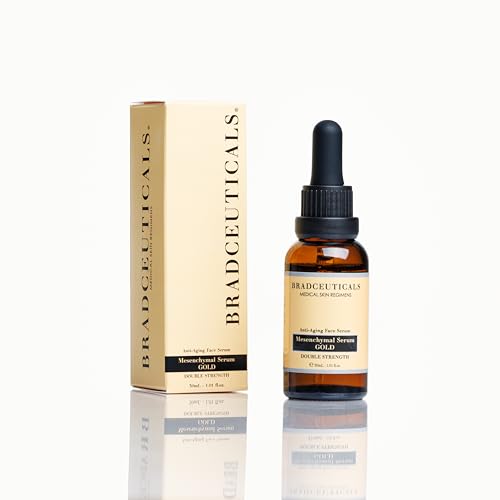
4. Bradceuticals Gold Mesenchymal Stem Cell Growth Factor Serum

This innovative serum stands out for its concentration of growth factors and stem cell technology. The Bradceuticals Gold Mesenchymal Serum offers a lightweight yet deeply hydrating formula that helps plump the skin while supporting cellular regeneration.

Its unique composition makes it particularly effective for:

  • Boosting collagen production
  • Facilitating skin healing
  • Improving overall skin texture and firmness
  • Providing optimal hydration without heaviness

The combination of mesenchymal stem cell technology with growth factors creates a powerful synergy that enhances microneedling results for all skin types11.

  • REJUVENATING TREATMENT: Our facial serum harnesses the power of stem cell growth factors to reduce fine lines, dark spot…
  • NATURAL INGREDIENTS: Formulated with mesenchymal stem cell growth factors, peptides and antioxidants to nourish skin and…
  • CLINICALLY TESTED: In 8-week clinical trials, 90% of participants saw improved skin texture, tone and a significant boos…

5. Peptide-Based Serums

Peptide serums are excellent choices for the proliferation phase (days 4-14 after microneedling). These small chains of amino acids are crucial for stimulating collagen production and reducing expression lines

Peptides work synergistically with microneedling by:

  • Supporting the skin’s natural repair processes
  • Enhancing skin firmness and elasticity
  • Helping to reduce the appearance of fine lines and wrinkles
  • Improving overall skin tone and texture

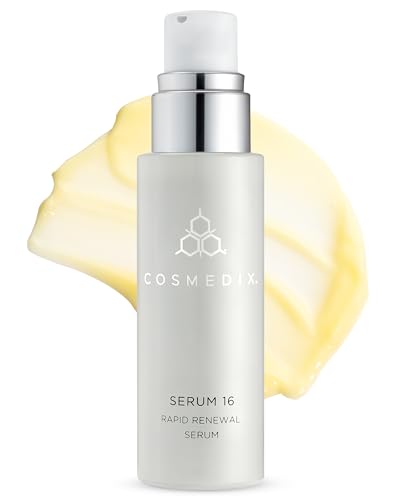
Products like COSMEDIX Elite X-Age Peptide Serum are specifically designed to boost collagen production and enhance skin elasticity following microneedling treatments

6. SkinCeuticals Hydrating B5 Gel

This professional-grade serum combines hyaluronic acid with vitamin B5 to help bind moisture to the skin while supporting tissue repair. Its oil-free, lightweight formula makes it ideal for all skin types, including oily and acne-prone skin.

SkinCeuticals Hydrating B5 Gel offers:

  • Enhanced moisture retention
  • Support for the skin barrier repair process
  • A non-comedogenic formula that won’t clog pores
  • Improved healing capabilities post-microneedling

This popular serum is regularly recommended by dermatologists for its pure formula and proven efficacy in post-procedure skincare

7. La Roche-Posay Hyalu B5 Serum

This soothing formula includes two types of hyaluronic acid along with vitamin B5 and madecassoside, making it particularly beneficial for sensitive or irritated skin after microneedling. La Roche-Posay’s pharmaceutical approach ensures a formula that’s both effective and gentle.

Key benefits include:

  • Dual hyaluronic acid for multiple layers of hydration
  • Vitamin B5 to support skin barrier repair
  • Madecassoside for soothing irritated skin
  • A formula suitable for even the most sensitive skin types

This serum provides a calming effect on irritated or sensitized skin post-microneedling, making it an excellent choice for those with reactive skin11.

Maximizing Your Microneedling Results

For optimal results with your EGF serum for face microneedling treatments, follow these professional tips:

  1. Apply serums within 5-10 minutes after microneedling when micro-channels are most receptive
  2. Use serums appropriate for each healing phase – hydrating formulas immediately after, and regenerative serums in later phases
  3. Avoid serums containing potential irritants like vitamin C, retinoids, or acids immediately after treatment
  4. Always apply serums with clean hands using a pressing motion rather than rubbing
  5. Be consistent with your post-care routine for cumulative benefits

Conclusion

The right serum can dramatically enhance your microneedling results, transforming a good treatment into an exceptional one. EGF serums like XY Professional BOOST and DM.Cell Korean EGF Serum provide powerful regenerative benefits through epidermal growth factor technology. Combined with other specialized serums like hyaluronic acid and peptide formulations, you can create a comprehensive post-microneedling protocol that addresses multiple skin concerns.

Remember that timing is crucial – different serums work best at different healing stages. By understanding your skin’s needs throughout the recovery process and selecting appropriate products, you can achieve remarkable improvements in skin texture, firmness, and overall appearance.

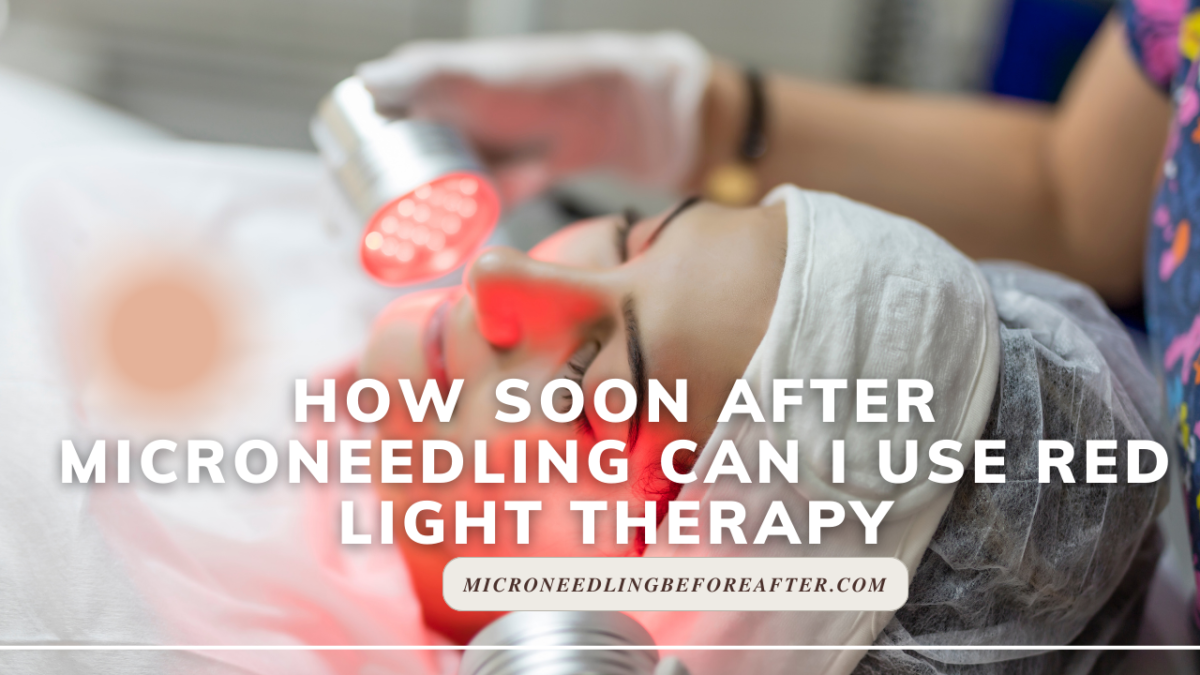
How Soon After Microneedling Can I Use Red Light Therapy

Learn how to incorporate red light therapy into your skincare routine post-microneedling for optimal results and minimal side effects.

“How Soon After Microneedling Can I Use Red Light Therapy?”
Microneedling is a popular skincare treatment that involves using small needles to puncture the skin, stimulating collagen production and promoting skin rejuvenation. Red light therapy, on the other hand, is a non-invasive treatment that uses red light to increase blood flow and promote healing. But can these two treatments be combined, and if so, how soon after microneedling can red light therapy be used? In this article, we will explore the ideal timeline for incorporating red light therapy into your post-microneedling skincare routine.

Understanding Microneedling and Red Light Therapy
Before we delve into the specifics of when to use red light therapy after microneedling, let’s first understand the benefits of each treatment and how they work together to enhance skin health.

Microneedling works by creating controlled micro-injuries in the skin, triggering the body’s natural wound-healing process. This process stimulates collagen and elastin production, resulting in firmer, smoother, and more youthful-looking skin. On the other hand, red light therapy utilizes specific wavelengths of red light to penetrate the skin at different depths, promoting cellular repair and regeneration.

The Benefits of Combining Microneedling and Red Light Therapy
When microneedling and red light therapy are combined, they can enhance the benefits of each treatment. The micro-injuries created during microneedling allow for better penetration of red light therapy, maximizing its effects on cellular repair and regeneration. Additionally, the collagen-stimulating effects of microneedling can complement the skin-healing properties of red light therapy, resulting in improved skin texture, tone, and overall appearance.

The Ideal Timeline for Using Red Light Therapy After Microneedling
While combining microneedling and red light therapy can be beneficial for skin health, it is essential to follow a specific timeline to ensure optimal results and prevent potential side effects. The general recommendation is to wait 24 to 48 hours after microneedling before using red light therapy. This timeframe allows the skin to recover from the micro-injuries caused by microneedling and reduces the risk of irritation or sensitivity.

How to Incorporate Red Light Therapy Into Your Post-Microneedling Skincare Routine
Once the appropriate waiting period has passed, you can begin incorporating red light therapy into your post-microneedling skincare routine. Here are some tips to help you get started:

1. Start with a Clean and Dry Face
Before using red light therapy, make sure your face is clean and dry. Remove any makeup, skincare products, or debris that may be on your skin to ensure optimal light penetration and absorption.

2. Use the Red Light Therapy Device According to Instructions
Follow the manufacturer’s instructions for using the red light therapy device. Typically, you will need to hold the device close to your skin and move it in slow, circular motions for the specified amount of time.

3. Focus on Targeted Areas
If you have specific skin concerns or areas of focus, such as fine lines, wrinkles, or acne scars, you can target those areas with red light therapy. Hold the device over each area for a few extra seconds to ensure targeted treatment.

4. Use Red Light Therapy Consistently
To see optimal results, it is essential to use red light therapy consistently. Incorporate it into your skincare routine at least 3-4 times per week for the recommended duration to experience the full benefits of the treatment.

Potential Side Effects and Precautions
While combining microneedling and red light therapy can be beneficial for skin health, it is essential to be aware of potential side effects and take necessary precautions to prevent them. Some common side effects of red light therapy include:

Skin irritation
Sensitivity to light
Dryness
Redness

To minimize the risk of side effects, it is crucial to:

Start with a low intensity setting on your red light therapy device
Gradually increase the intensity as your skin becomes accustomed to the treatment
Avoid using red light therapy on broken or irritated skin
Consult with a skincare professional before incorporating red light therapy into your routine

Conclusion
In conclusion, combining microneedling and red light therapy can be a powerful way to improve skin health and rejuvenate your complexion. By following the recommended timeline of waiting 24 to 48 hours after microneedling before using red light therapy, you can ensure optimal results and minimize the risk of side effects. Remember to use red light therapy consistently, follow precautions to prevent side effects, and consult with a skincare professional if you have any concerns. By incorporating red light therapy into your post-microneedling skincare routine, you can enhance the benefits of both treatments and achieve healthier, more radiant skin.

How Often Can I Get Microneedling

Discover how often you can get microneedling treatments to achieve optimal results and improve your skin health. Learn recommended frequency and important factors to consider.

Introduction
Microneedling is a popular cosmetic procedure that involves using a device with fine needles to create tiny punctures in the skin. These micro-injuries stimulate the body’s natural healing processes, leading to increased collagen production and skin rejuvenation. Many people are curious about how often they can undergo microneedling treatments to achieve the best results. In this article, I will discuss the recommended frequency of microneedling sessions and important factors to consider.

Understanding Microneedling
Before delving into the frequency of microneedling sessions, it is essential to have a basic understanding of how the procedure works. During a microneedling treatment, a dermatologist or skincare professional will use a device with fine needles to create controlled micro-injuries in the skin. These tiny punctures trigger the body’s wound healing response, stimulating collagen production and enhancing skin elasticity and texture.

The Benefits of Microneedling
Microneedling offers a wide range of benefits for the skin, making it a popular choice for individuals looking to improve their complexion and address various skin concerns. Some of the key advantages of microneedling include:

Increased collagen production
Improved skin texture and tone
Reduction of fine lines and wrinkles
Minimization of acne scars and hyperpigmentation
Enhanced absorption of skincare products

By promoting collagen synthesis and enhancing skin rejuvenation, microneedling can effectively address signs of aging, sun damage, and other skin imperfections.

Recommended Frequency of Microneedling Sessions
The recommended frequency of microneedling sessions can vary depending on the individual’s skin concerns, treatment goals, and overall skin condition. In general, most skincare professionals suggest spacing out microneedling treatments between 4 to 6 weeks apart to allow the skin to fully heal and reap the benefits of collagen stimulation.

For individuals looking to treat specific skin concerns such as acne scars or hyperpigmentation, a series of 3 to 6 microneedling sessions spaced 4 to 6 weeks apart may be recommended. After completing a series of treatments, many people opt for maintenance sessions every 6 to 12 months to sustain the results and promote long-term skin health.

Factors to Consider when Determining Frequency
When deciding how often you can get microneedling treatments, several factors should be taken into consideration to ensure optimal results and minimize potential risks. Some of the key factors to consider include:

Skin type and condition: Individuals with sensitive or easily irritated skin may require longer intervals between microneedling sessions to allow for adequate healing and minimize the risk of adverse reactions.
Treatment goals: The frequency of microneedling sessions may vary based on the specific skin concerns you are looking to address. For more severe skin issues, such as deep wrinkles or acne scars, more frequent treatments may be needed to achieve desired results.
Skincare routine: Following a proper skincare regimen before and after microneedling treatments can enhance the efficacy of the procedure and promote optimal healing. Skincare professionals may recommend specific products to use or avoid for best results.
Lifestyle factors: Factors such as sun exposure, smoking, and diet can impact the skin’s ability to heal and respond to microneedling treatments. Maintaining a healthy lifestyle and following post-treatment care instructions is crucial for achieving desired outcomes.

By considering these factors and consulting with a skincare professional, you can determine the ideal frequency of microneedling sessions to achieve your skincare goals safely and effectively.

Alternatives to Microneedling
While microneedling is a highly effective treatment for skin rejuvenation and improvement, some individuals may prefer alternative procedures or skincare treatments based on their preferences and skin concerns. Some common alternatives to microneedling include:

Chemical peels: Chemical peels involve applying a solution to the skin that exfoliates the outer layers, promoting skin renewal and addressing various skin issues such as pigmentation, acne scars, and fine lines.
Laser resurfacing: Laser resurfacing treatments use concentrated beams of light to target specific skin concerns, such as wrinkles, sun damage, and uneven skin tone, to promote collagen synthesis and skin rejuvenation.
Microdermabrasion: Microdermabrasion is a non-invasive exfoliation treatment that gently removes the outer layer of dead skin cells, revealing smoother, softer skin and improving the appearance of fine lines, wrinkles, and acne scars.

Each of these alternatives offers unique benefits and can be tailored to meet individual skincare needs. Consulting with a skincare professional can help you determine which treatment option is best suited to achieve your desired results.

Conclusion
In conclusion, microneedling is a popular and effective treatment for improving skin texture, reducing signs of aging, and addressing various skin concerns. To maximize the benefits of microneedling and achieve optimal results, it is essential to follow the recommended frequency of treatments and consider important factors such as skin type, treatment goals, skincare routine, and lifestyle habits.

By working with a skincare professional and developing a personalized treatment plan, you can safely and effectively incorporate microneedling into your skincare regimen to enhance skin health and achieve a radiant complexion. Whether you are interested in targeting specific skin issues or maintaining overall skin rejuvenation, microneedling can be a valuable tool in your skincare routine when used appropriately and consistently.

en_USEnglish