google.com, pub-2032008856654686, DIRECTO, f08c47fec0942fa0

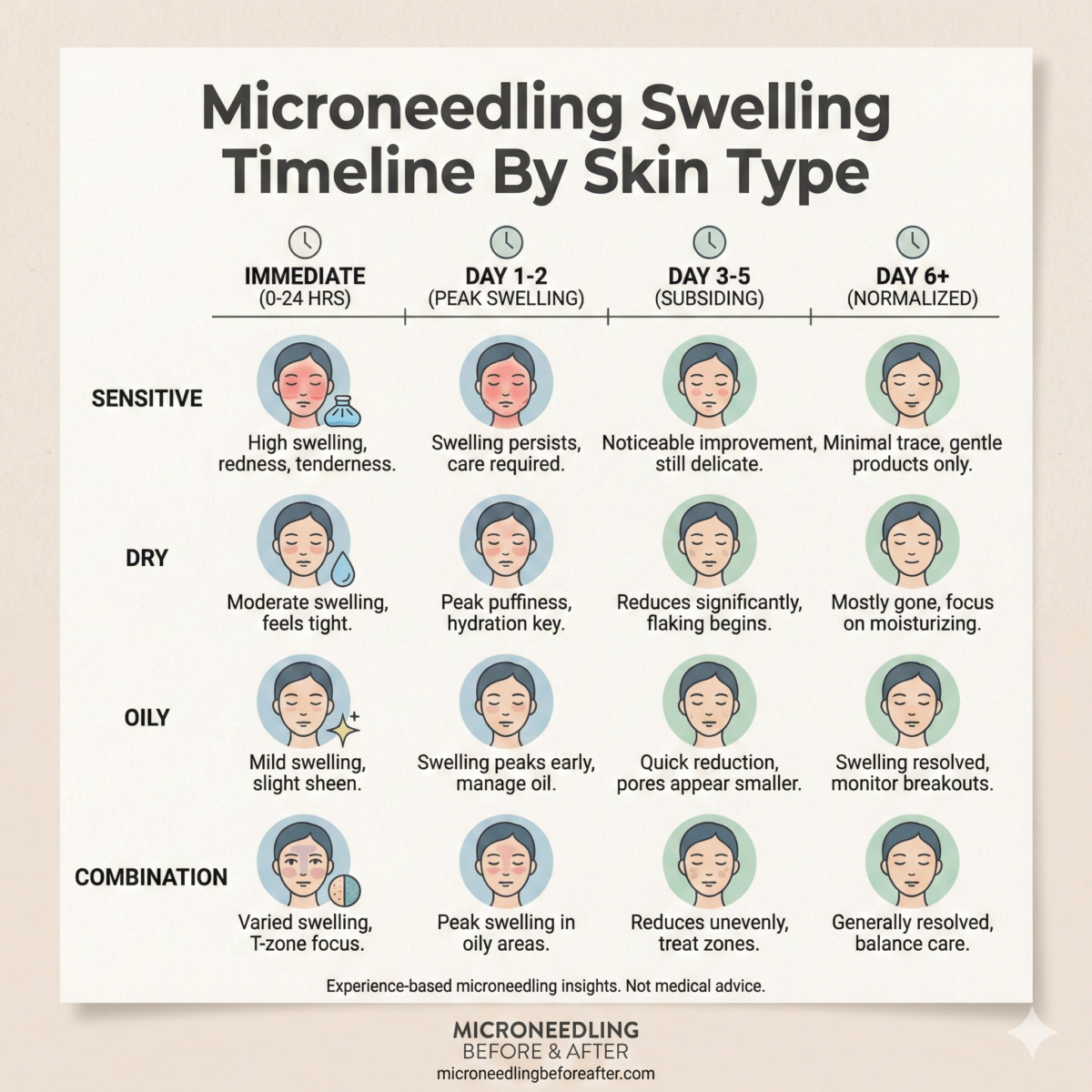
Cronología de la inflamación con microagujas según el tipo de piel

Microneedling swelling timeline by skin type: learn how long puffiness lasts, what affects recovery, and practical aftercare tips for each skin type.

How long will my face remain swollen after microneedling, and how does my skin type influence that timeline?

Cronología de la inflamación con microagujas según el tipo de piel

I will explain how microneedling typically causes swelling, why the response varies across skin types, and what realistic timelines look like. I will also provide practical management strategies so you can plan treatments and expectations appropriately.

Why swelling occurs after microneedling

I recognize that microneedling purposefully creates controlled micro-injuries in the skin to stimulate collagen and elastin production. Swelling is a normal inflammatory response as fluid and immune cells rush to the treated areas to begin repair, and the degree of swelling depends on several physiologic and treatment variables.

How I classify skin types for swelling expectations

I use common dermatologic and cosmetic categories: normal, dry, oily, combination, sensitive, acne-prone, rosacea-prone, darker (higher Fitzpatrick) skin tones, fair/thin/aging skin, and those with inflammatory skin conditions like eczema or psoriasis. I find this classification practical for anticipating swelling patterns and advising aftercare.

General factors that influence swelling

I will outline the main variables that change how much and how long swelling will last so you can understand why two people may experience different timelines after the same procedure.

  • Treatment depth and device: Professional devices with needles at 1.5 mm or deeper and radiofrequency-microneedling cause more swelling than shallow at-home devices.
  • Number of passes and treatment intensity: More passes and firmer pressure increase swelling.
  • Anatomic area treated: Periorbital, lip, and forehead regions often swell more due to thinner skin and loose subcutaneous tissues.
  • Pre-existing inflammation and skin conditions: Rosacea and acne can amplify swelling.
  • Systemic factors: Medications (blood thinners), recent alcohol, salt intake, sleep, and hydration influence fluid retention.
  • Technique and topical anesthesia: Use of topical anesthetics, whether vasoconstrictors were used, and post-treatment cooling alter swelling onset and duration.

Typical swelling timeline stages

I find it useful to conceptually divide the healing into stages so patients can track progress and know what to expect at each interval.

Stage Periodo de tiempo Typical signs
Inmediato 0–6 hours Erythema, pinpoint bleeding, initial puffiness
Acute 6–72 hours Peak swelling typically within 24–48 hours, warmth, tenderness
Early recovery 3–7 días Redness decreases, swelling subsides substantially, skin tightness
Late recovery 1–4 weeks Residual erythema resolves, collagen remodeling begins
Full recovery 4–12 weeks Visual improvements mature, minimal swelling or none

I include this table to make the overall pattern easier to understand and to give a frame of reference for more specific skin-type timelines.

Swelling timeline by skin type — summary table

I provide a compact comparison so you can quickly scan expectations for your skin type. These are general estimates; individual responses vary.

Tipo de piel Typical Peak Swelling Usual Duration of Noticeable Swelling Notas
Normal 24–48 horas 2–5 days Predictable response; rapid recovery in most cases
Seco 24–48 horas 3–7 días May feel tight and slightly longer to exfoliate
Aceitoso 24–72 horas 2–6 days Outlet for sebum is unaffected; inflammation may take slightly variable course
Combinación 24–48 horas 2–6 days T-zone regions may recover differently from cheeks
Sensitive 12–72 hours 4–10 days Heightened inflammatory response; redness and swelling can be prolonged
Acne-prone 24–72 horas 3–10 days Active acne may flare; infections are a risk if contraindications ignored
Rosacea-prone 12–72 hours 5–14 days Marked flushing and swelling possible; proceed cautiously
Fitzpatrick IV–VI (darker skin) 24–72 horas 3–10 days Swelling similar or slightly prolonged; risk of PIH requires cautious aftercare
Fair/thin/aging skin 12–48 hours 2–5 days Thinner skin may bruise or swell more readily
Eczema/Psoriasis 12–72 hours 5–14 days or longer Flare risk; must be managed with dermatologist input

I encourage using the table as a starting point rather than a definitive timeline for every individual case.

Piel normal

I consider “normal” skin to have a balanced sebum production and no chronic inflammatory conditions. I typically tell patients with this skin type to expect predictable inflammatory responses.

  • Peak swelling: 24–48 hours
  • Noticeable swelling: 2–5 days
  • Management tips: Gentle cooling and a basic barrier-restoring moisturizer help the skin recover quickly. I advise avoiding harsh actives for the first 72 hours.

Piel seca

I recognize that dry skin often has a compromised barrier and reduced natural oils, which can make it feel tighter and more sensitive after treatment.

  • Peak swelling: 24–48 hours
  • Noticeable swelling: 3–7 days
  • Key considerations: I recommend using occlusive emollients and humectants (e.g., hyaluronic acid followed by a barrier cream) to reduce tightness and promote comfort. Avoid alcohol-based toners or astringents post-treatment.

Piel grasa

I find that oily skin produces a relatively similar swelling response but may handle irritation differently due to thicker sebaceous activity.

  • Peak swelling: 24–72 hours
  • Noticeable swelling: 2–6 days
  • Key considerations: I recommend light, non-comedogenic hydrating products and avoid heavy oil-based creams that can trap heat or bacteria. Monitor for acneiform reactions if active acne is present.

Piel mixta

I explain that combination skin may experience mixed timelines because different facial zones heal at different rates.

  • Peak swelling: 24–48 hours
  • Noticeable swelling: 2–6 days
  • Key considerations: I suggest zone-based aftercare: richer emollients on cheeks if dry, lighter gels on the T-zone if oily. This balances hydration without increasing irritation.

Piel sensible

I note that sensitive skin can have amplified inflammatory responses to injury and topical agents, which makes swelling and redness potentially more pronounced and prolonged.

  • Peak swelling: 12–72 hours
  • Noticeable swelling: 4–10 days
  • Key considerations: I advise patch testing, using minimal passes during treatment, and employing anti-inflammatory soothing agents like topical niacinamide or centella asiatica after professional approval. I often recommend consulting a dermatologist to tailor settings.

Acne-prone skin

I discuss that acne-prone skin presents a special challenge because microneedling can transiently spread bacteria if performed over active pustules and may exacerbate inflammation if not properly selected.

  • Peak swelling: 24–72 hours
  • Noticeable swelling: 3–10 days
  • Key considerations: I generally avoid treating active inflamed acne with microneedling. If treating acne-scarring rather than active lesions, strict antiseptic technique and appropriate topical antimicrobials may be used. I monitor for signs of infection.

Rosacea-prone skin

I emphasize caution for rosacea because capillary fragility and neurovascular hyperreactivity can result in extended flushing and swelling.

  • Peak swelling: 12–72 hours
  • Noticeable swelling: 5–14 days
  • Key considerations: I recommend conservative needle depths, pre- and post-treatment anti-inflammatory regimens (per dermatologist guidance), and consideration of alternative modalities if rosacea is active. I advise clear informed consent about the risk of extended erythema.

Fitzpatrick IV–VI (darker skin tones)

I explain that darker skin tones do not necessarily experience more swelling, but there is a heightened concern for post-inflammatory hyperpigmentation (PIH) if inflammation is prolonged.

  • Peak swelling: 24–72 hours
  • Noticeable swelling: 3–10 days
  • Key considerations: I suggest pre-treatment optimization (retinoid tapering, skin-lightening cosmeceuticals if indicated) and cautious post-treatment management to limit inflammation and potential PIH. I recommend sunscreen and avoidance of heat/inflammation.

Fair, thin, or aging skin

I note that thinner or aged skin may bruise or show edema more visibly, and the response can be quicker to occur because the dermis is less robust.

  • Peak swelling: 12–48 hours
  • Noticeable swelling: 2–5 days
  • Key considerations: I favor lighter settings and a conservative approach. I instruct using gentle moisturizers and short, targeted treatments to prevent prolonged downtime.

Eczema or psoriasis

I stress that inflammatory skin disorders such as eczema or psoriasis require individualized planning because microneedling can potentially trigger flares.

  • Peak swelling: 12–72 hours
  • Noticeable swelling: 5–14 days or longer
  • Key considerations: I typically coordinate with a treating dermatologist. If disease is controlled, limited superficial microneedling may be considered; if active, I recommend postponing. I advise close post-procedure monitoring for flare-ups.

Deep professional vs at-home microneedling — swelling differences

I compare professional in-office treatments with at-home devices to clarify expectations.

  • Professional (0.75–3.0 mm and RF-microneedling): I explain these produce greater and longer swelling, often peaking at 24–48 hours and resolving over several days to two weeks depending on depth.
  • Medical-grade RF-microneedling: I note this induces thermal injury in addition to microchannels, which can extend swelling and erythema beyond what needle-only devices cause.
  • At-home dermarollers (0.2–0.5 mm): I state these cause minimal swelling, generally resolving within 24 hours or less, and primarily stimulate superficial exfoliation rather than significant collagen remodeling.

Immediate post-treatment care (0–24 hours)

I provide a stepwise list of actions that I recommend for the first day to minimize swelling and discomfort.

  • Cooling: Apply clean cool compresses for short intervals (10–15 minutes on, 10–15 minutes off). Avoid prolonged cold that can cause vasoconstriction issues.
  • Cleansing: Use a gentle, non-irritating cleanser to remove blood or lymphatic fluid.
  • Topicals: I advise avoiding active topicals (retinoids, acids, potent vitamin C) and opting for bland, sterile hydrating serums or medical-grade hyaluronic acid if recommended.
  • Positioning: Sleep with your head elevated the first night to reduce facial edema.
  • Avoid: I caution against alcohol, NSAIDs (I ask patients to consult their provider if they are on prescribed anticoagulants), strenuous exercise, heat exposure, and hot showers for 24–48 hours.

First 48–72 hours — peak management

I outline what to expect and how to manage the typical peak swelling window.

  • Expectation: I tell patients that swelling most often peaks within 24–48 hours but can remain elevated into day three for some skin types or deeper treatments.
  • Anti-inflammatories: I sometimes recommend oral antihistamines or short courses of NSAIDs for discomfort if appropriate and approved by the provider. I avoid routine steroid use unless prescribed.
  • Hydration and barrier repair: I encourage continued use of gentle moisturizers, occlusive creams at night, and avoidance of potential irritants.
  • Sun protection: I stress strict UV avoidance and use of physical sunscreens when outdoors.

Days 3–7 — early recovery

I describe the trajectory of swelling and how to modify care as the inflammation subsides.

  • Clinical course: I expect significant reduction in swelling by day 3–5 for most skin types, with residual redness and slight edema possible up to a week.
  • Exfoliation: I advise against mechanical exfoliation and strong chemical peels until the skin barrier is fully restored.
  • Makeup: I typically allow mineral or specially formulated cover cosmetics after 48–72 hours if there is no open bleeding or crusting, but I recommend patch testing.

Weeks 2–4 and beyond — remodeling phase

I explain the longer-term healing process where swelling has resolved but tissue remodeling continues.

  • Clinical course: By 2–4 weeks most patients show minimal swelling; improvements in texture/pore size continue to emerge over 8–12 weeks as collagen remodels.
  • Return to routine: I allow resumption of retinoids and active skincare per a staged plan after 1–3 weeks depending on skin’s recovery.
  • Follow-up treatments: I discuss spacing treatments (commonly 4–6 weeks for collagen induction) and consider conservative approaches for sensitive or reactive skin types.

Practical table: Do’s and don’ts by timeframe

I include this table to provide concise guidance for common post-procedure questions.

Periodo de tiempo Hacer No
0–24 horas Cool intermittently, cleanse gently, use sterile hydrating products Exercise, sauna, hot showers
24–72 horas Continue hydration, elevate head while sleeping, protect from sun Apply active acids, retinoids, heavy makeup on open areas
3–7 días Gradually reintroduce gentle skincare, monitor for infection Aggressive exfoliation or facial waxing
1–4 weeks Reintroduce most actives gradually if tolerated Skip sunscreen or ignore prolonged redness

I use this concise reference to reduce confusion and support safer recovery.

When to seek medical attention

I want to be clear about warning signs that require prompt evaluation.

  • Excessive swelling beyond expected timeline: If swelling continues to worsen after 72 hours or becomes asymmetric and painful.
  • Signs of infection: Increasing pain, warmth, spreading erythema, purulent drainage, or fever.
  • Allergic reactions: Rapid, severe swelling, hives, difficulty breathing — seek emergency care.
  • Prolonged, worsening hyperpigmentation or keloid formation concerns: Seek dermatologic follow-up.

I recommend contacting the treating clinician for any unexpected course.

Preventive strategies and pre-treatment optimization

I advise several steps to reduce the risk of severe swelling and complications before microneedling.

  • Medical history review: I request disclosure of isotretinoin use, anticoagulants, active infections, and inflammatory conditions.
  • Medication timing: I typically ask patients to avoid NSAIDs and high-dose vitamin E pre-procedure only as instructed, and to confirm isotretinoin cessation per dermatologic guidance.
  • Skin preparation: I recommend pre-treating active inflammatory conditions and optimizing barrier function with hydration and, in some cases, topical anti-inflammatories.
  • Conservative settings: For sensitive or high-risk skin types, I favor shallower needle depths and fewer passes.

I find that thoughtful pre-procedure planning reduces downtime and adverse outcomes.

Products and ingredients I recommend or avoid after microneedling

I give practical product guidance that I use when advising patients.

  • Recommend immediately: Sterile saline, gentle hyaluronic acid serums, petroleum-based or ceramide-rich barrier creams, and physical sunscreens once healed.
  • Use with caution: Niacinamide and centella asiatica can be soothing but should be introduced conservatively.
  • Avoid for first 48–72 hours: Retinoids, alpha/beta hydroxy acids, ascorbic acid in high concentration, benzoyl peroxide, and alcohol-based toners.
  • Antimicrobials: I consider topical antiseptics if indicated, but routine antibiotic creams are not always recommended unless there is a clear infection risk.

I emphasize individualized recommendations based on treatment intensity and skin type.

Managing swelling for specific concerns

I offer tailored strategies for some of the more challenging skin types.

  • Rosacea-prone: I recommend pre-treatment control measures (topical or oral therapies) and post-treatment anti-inflammatories per dermatologic direction.
  • Darker skin tones: I stress aggressive sun protection and consider topical lightening agents only after adequate healing to minimize PIH.
  • Acne-prone: I avoid treating over active lesions and ensure antiseptic technique if scars are the target.

I adapt my approach to reduce complications and optimize outcomes for these groups.

Practical lifestyle considerations

I suggest practical behavioral adjustments that help minimize swelling and promote efficient healing.

  • Sleep: I encourage sleeping elevated the first 1–3 nights.
  • Diet: I recommend reducing salt and alcohol intake immediately before and after the treatment to limit edema.
  • Activity: I advise avoiding high-intensity workouts, hot yoga, and heavy sweating for at least 48–72 hours.
  • Travel: If you travel by air immediately after treatment, I advise extra cooling and hydration due to cabin pressure and dehydration effects.

I include these recommendations because modest lifestyle changes can materially affect recovery.

Repeat treatments and cumulative swelling

I explain how swelling may change with subsequent sessions.

  • Cumulative effect: I note that repeated treatments spaced properly may produce less acute swelling as the skin adapts, but deeper or more aggressive sessions can reset the inflammatory response.
  • Spacing: I generally recommend waiting 4–6 weeks between collagen induction sessions for facial treatments so swelling has fully resolved and remodeling is underway.
  • Record-keeping: I advise tracking reactions after each session so settings can be modified if swelling was excessive in prior treatments.

I stress cautious progression to optimize long-term results without unnecessary downtime.

Checklist for post-microneedling care

I provide a short checklist I often give patients to simplify compliance.

  • Cool with clean compresses for short intervals.
  • Keep treated area clean; use gentle cleanser.
  • Apply sterile hydrating serum and barrier cream at night.
  • Avoid active ingredients for at least 72 hours.
  • Use head elevation for sleep first night.
  • Avoid strenuous exercise and heat sources for 48–72 hours.
  • Protect from sun and apply SPF after epidermal healing.
  • Contact provider for signs of infection or unexpected worsening.

I use this checklist to reduce confusion and increase safety.

Clinical scenarios and examples

I offer a few illustrative examples to help you contextualize timelines.

  • Example 1 — 35-year-old with normal skin receiving 1.5 mm in-office microneedling: I would expect peak swelling at 24–48 hours with substantial improvement by day 4 and near-normal appearance by day 7.
  • Example 2 — 45-year-old with rosacea treated superficially: I would expect significant erythema and swelling peaking within 24 hours and possibly lingering through 10 days; I would plan conservative settings and anti-inflammatory post-care.
  • Example 3 — 28-year-old with darker skin undergoing shallow in-office treatment: I would predict modest swelling for 48–72 hours and emphasize strict sun avoidance and inflammatory control to prevent PIH.

I use case examples to make abstract timelines more concrete.

Final considerations and takeaways

I want to leave you with clear, actionable guidance that I would follow or recommend professionally.

  • Expect swelling: Swelling is a normal, transient response to microneedling and usually peaks within 24–48 hours for most skin types.
  • Skin-type variability matters: Sensitive, rosacea-prone, and inflammatory-skin types often have longer or stronger swelling responses and may need conservative treatment plans.
  • Management works: Simple measures—cooling, elevation, gentle hydrating products, and sun protection—can substantially reduce both the intensity and the duration of swelling.
  • Safety first: If you have significant dermatologic conditions or are on medications like isotretinoin or anticoagulants, consult a dermatologist before undergoing microneedling.
  • When in doubt, seek care: Infection or severe allergic reactions are rare but require prompt professional attention.

I remain available to help interpret your specific situation or to tailor aftercare plans based on your particular skin type and the exact microneedling procedure you are considering.

Los mejores productos para la hidratación y reparación de la barrera cutánea sensible, adecuados para la microaguja en casa.

Descubre los mejores humectantes para reparar la barrera cutánea sensible después de la microaguja. ¡Hidrata y calma con nuestras tres mejores opciones para una piel radiante y resistente!

Al sentarme a evaluar mi creciente colección de humectantes, no pude evitar sentirme como una científica loca con pociones hirviendo en el laboratorio. Tenía varios contendientes en mi tocador, todos compitiendo por el distinguido título de "mejor humectante". Tres en particular me llamaron la atención: Cemenzal Light Volufiline con Centella Asiática, Intensive Moisture Balance de Dermalogica y Barrier Renewal Complex de EltaMD. Cada uno prometía hacer milagros en mi piel seca y sensible, así que, naturalmente, despertó mi curiosidad. ¿Se impondría alguno, o todos se quedarían cortos en mi incansable búsqueda de hidratación?

La historia de las cremas hidratantes es fascinante. Estos productos han evolucionado a lo largo de las décadas, desde simples lociones hasta fórmulas sofisticadas repletas de activos que abordan una gran variedad de problemas de la piel. Hoy en día, estas cremas hidratantes son esenciales en cualquier rutina de cuidado de la piel, especialmente para quienes somos propensos a la sequedad o la sensibilidad. Hacen maravillas para restaurar la función de barrera cutánea, proteger contra las agresiones ambientales y mantener la epidermis tersa y joven. Tener una buena crema hidratante esencialmente le proporciona a mi piel una armadura para defenderse de las agresiones diarias, a la vez que promueve un entorno nutritivo para la regeneración.

En este artículo, exploraré cada producto con más detalle. Compartiré mi experiencia personal con la combinación única de Volufiline y Centella de Cemenzal, la reconfortante hidratación cremosa de Dermalogica y el poder restaurador del Complejo Renovador de Barrera de EltaMD. Así que, abróchense los cinturones y prepárense para un viaje enriquecedor por el mundo de los sérums y las cremas, donde espero encontrar claridad en mi búsqueda de la crema hidratante definitiva.

Crema hidratante Cemenzal con Volufiline y Centella Asiática, 100 ml: cuidado coreano para pieles secas y sensibles, repara la barrera cutánea y aporta volumen.

Cuando se trata de reponer la hidratación y cuidar de un barrera cutánea sensible, Encontrar el producto adecuado puede parecer una tarea abrumadora. Después de probar numerosas cremas hidratantes, me topé con... Cemenzal Light Volufiline 5000ppm y Centella Asiática. Esta crema hidratante coreana despertó mi interés, sobre todo cuando supe que era una de las favoritas entre las clínicas de cuidado de la piel de alta gama de Corea. Hoy quiero compartir mi experiencia con este extraordinario producto y por qué se destaca como una excelente opción para cualquiera, especialmente para quienes necesitan... reparación de la barrera cutánea sensible.

El uso principal de Luz Cemenzal es proporcionar hidratación y favorecer la reparación de la barrera cutánea, especialmente para quienes tenemos piel seca o sensible. Dada la naturaleza de mi piel, necesitaba algo que no solo... hidratar Pero también ayuda a mi barrera cutánea dañada. Esta crema hidratante ligera promete lograr precisamente eso, además de aumentar el volumen de la piel.

Realmente aprecio cómo Luz Cemenzal Se centra en nutrir y reparar la piel. Con ingredientes como Volufilina y Centella asiática, Parece atender una amplia gama de problemas de la piel. Me reconforta saber que uso un producto con la confianza de las clínicas de cuidado de la piel. Pero lo que realmente me convenció fue la promesa de una textura y comodidad de la piel visiblemente mejoradas sin agravar mi sensibilidad.

Vamos a sumergirnos en lo que hace Luz Cemenzal Una opción destacada:

  • Nutre y restaura la barrera cutánea: La fórmula ayuda a reparar rápidamente las barreras cutáneas dañadas. Esto es crucial para la piel sensible, que puede verse fácilmente dañada.
  • Contiene 5.000 ppm de Volufiline: Este ingrediente es clave para aumentar el volumen de la piel y mejorar elasticidad, contribuyendo a una apariencia más joven y vibrante. Para quienes lidiamos con signos de envejecimiento o pérdida de volumen, ¡este ingrediente es oro!
  • Calma la piel sensible: Centella asiática, Es conocido por sus propiedades calmantes. Esto hace que la crema hidratante sea segura y eficaz para pieles sensibles. Mi piel suele reaccionar mal a varios productos, pero este me pareció increíblemente suave.
  • Cuidado multifuncional: Esta crema hidratante no solo hidrata. Aborda múltiples problemas, como... reducción de arrugas y la salud general de la piel. Es una solución integral para muchos problemas comunes de la piel.

Después de usar Luz Cemenzal Durante unas semanas, me ha impresionado bastante su calidad general. La textura es maravillosamente cremosa, pero se absorbe rápidamente y no deja residuos grasos. Realmente se siente como un trago de agua para mi piel, lo cual es un cambio refrescante con respecto a algunas cremas más pesadas que dicen hidratar pero terminan siendo sofocantes.

Otro punto destacado para mí fue su eficacia después de las sesiones de microagujas en casa. Me encanta incorporar este producto a mi rutina postratamiento. No solo es calmante, sino que realmente ayuda a retener la hidratación y favorece la reparación de la piel, justo lo que necesito. después de la microaguja!

  • Hidratación eficaz: Mi piel se siente constantemente hidratada y sin sensación grasosa.
  • Fórmula suave: Ideal para pieles sensibles, no experimenté ninguna irritación.
  • Beneficios multifuncionales: Funciona bien para varios problemas de la piel, desde volumen a arrugas, haciéndolo multifacético.
  • Fundación Coreana para el Cuidado de la Piel: Recomendado por clínicas en Corea, lo que agrega una capa de confianza en su eficacia.
  • Punto de precio más alto: Si bien creo que vale la pena la inversión, algunos pueden encontrar el costo prohibitivo.
  • Disponibilidad: Dependiendo de dónde vivas, puede que no sea tan fácil acceder a él en las tiendas y el envío en línea puede demorar algún tiempo.

En mi experiencia, la Cemenzal Light Volufiline 5000ppm y Centella Asiática No solo ha cumplido, sino que ha superado mis expectativas. Ya sea que me esté mimando con microagujas en casa o simplemente buscando una crema hidratante diaria, este producto se ha ganado un lugar en mi arsenal de cuidado de la piel. Si buscas... Repara la barrera cutánea sensible Y para aumentar la hidratación eficazmente, te recomiendo mucho que lo pruebes. Con un poco de paciencia, ¡quizás encuentres el equilibrio perfecto para tu piel, como yo!

Cemenzal Moisturizer with Volufiline  Centella Asiatica, 100 mL - Korean Skin Care for Dry and Sensitive Skin, Repairs Skin Barrier and Adds Volume

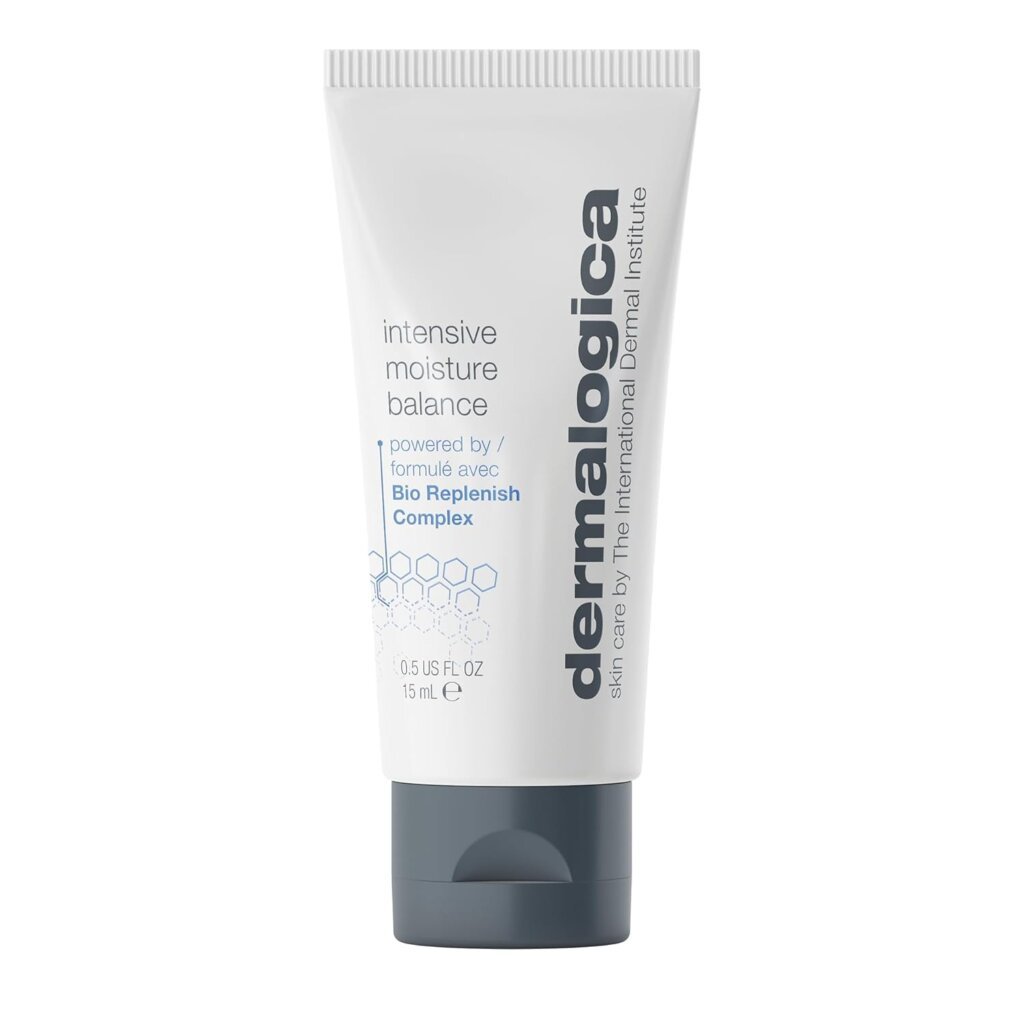
Dermalogica Intensive Moisture Balance – Hidratante facial con ácido hialurónico para piel seca

Dermalogica Intensive Moisture Balance - Face Moisturizer with Hyaluronic Acid - Restores Balance to Dry, Depleted Skin for Optimal Barrier Performance

Para sanar e hidratar mi piel sensible, he probado innumerables productos en busca del producto perfecto. Uno de esos productos revolucionarios ha sido... Dermalogica Intensive Moisture Balance. Especialmente cuando se practica microagujas en casa, Me he dado cuenta de lo crucial que es una hidratación eficaz para reparar la barrera cutánea. Permítanme compartir por qué este producto es ahora un elemento básico en mi rutina de cuidado de la piel.

El uso principal de Dermalogica Intensive Moisture Balance es hidratar y restablecer el equilibrio Para pieles secas y deshidratadas. Está diseñado para quienes, como yo, tienen piel sensible o se han sometido a tratamientos como la microaguja. Después de la microaguja, la piel puede sentirse especialmente sensible y deshidratada. Esta crema hidratante calma esa sed, dejando mi piel fresca y rejuvenecida.

Entonces, ¿por qué me gusta el? Dermalogica Intensive Moisture BalanceBueno, cumple con todos los requisitos considerando lo que mi piel necesita después de la microaguja o incluso a diario. La combinación de hidratantes, antioxidantes y lípidos funciona de maravilla para fortalecer mi barrera cutánea. ¡Cada vez que lo uso, mi piel se siente más resistente y feliz!

Un aspecto destacado es su capacidad para evitar esa molesta tirantez que a veces aparece después de los tratamientos. Se aplica con suavidad y se absorbe rápidamente, lo cual es una gran ventaja para mí: mi piel no se siente pesada ni grasosa después de la aplicación.

El Dermalogica Intensive Moisture Balance Su objetivo principal es proporcionar una hidratación intensa a mi piel. Es especialmente útil para quienes tienen la piel sometida a estrés, ya sea por factores ambientales o tratamientos. De hecho, lo uso como bálsamo post-microagujas no solo para... rehidratar pero también para ayudar a apoyar la reparación de la barrera cutánea proceso.

Este producto tiene varias características clave que realmente lo hacen brillar:

  • Ácido hialurónicoEste poderoso ingrediente es un súper alimento hidratante que ayuda a rellenar mi piel, haciéndola lucir y sentirse más vital.
  • Ácidos grasosDesempeñan un papel fundamental en la reconstrucción y el mantenimiento de la barrera de hidratación de mi piel. Después de la microaguja, cuando mi piel se está recuperando, estos ácidos grasos me aportan un toque calmante.
  • AntioxidantesIngredientes como la vitamina E refuerzan las defensas naturales de la piel, añadiendo otra capa de protección y ayudando a la salud general de la piel.
  • Fórmula de rápida absorción¡Se acabó esperar a que se seque mi crema hidratante! Su textura ligera me permite aplicarla fácilmente debajo de otros productos.

Aprecio que Dermalogica haya formulado este bálsamo para que sea efectivo sin sentirse pesado ni obstruir los poros. ¡Es un gran logro para mí!

En términos de calidad general, Sinceramente, creo que Dermalogica ofrece un producto de alto rendimiento con el Balance de Hidratación Intensiva. La fórmula es lujosa y me encanta que provenga de una marca que prioriza el cuidado de la piel de calidad profesional, algo que aprecio como persona que busca los mejores productos para mi piel sensible.

También he notado una mejora considerable en la retención de humedad de mi piel después de un uso constante.

  • Hidratación profundaLa intensa hidratación que obtengo de este humectante es verdaderamente incomparable; se siente como una sed saciada para mi piel.
  • Apto para pieles sensiblesTengo la piel sensible que reacciona fácilmente a los productos nuevos, pero nunca he tenido problemas con este.
  • Absorción rápidaA diferencia de otras cremas pesadas que he probado, esta no me mantendrá como rehén mientras espero que se absorba.
  • Apoya la barrera cutánea:Específicamente después del microneedling, agradezco su formulación que promueve la reparación.
  • Punto de precioDebo admitir que esta crema hidratante es de gama alta. Si bien creo que vale la pena la inversión, puede que no sea para todos los bolsillos.
  • Aroma:Si bien lo considero sutil, algunas personas pueden ser sensibles a cualquier aroma presente en los productos para el cuidado de la piel.

El Dermalogica Intensive Moisture Balance Ha demostrado ser una parte esencial de mi rutina de cuidado de la piel, especialmente después de la microaguja. Es hidratante, reafirmante y está repleto de nutrientes que revitalizan mi piel. Si buscas un producto de calidad que ayude a reparar la barrera cutánea y a hidratar la piel sensible, puedo afirmar con seguridad que esta podría ser la solución que buscabas.

Dermalogica Intensive Moisture Balance - Face Moisturizer with Hyaluronic Acid for Dry Skin

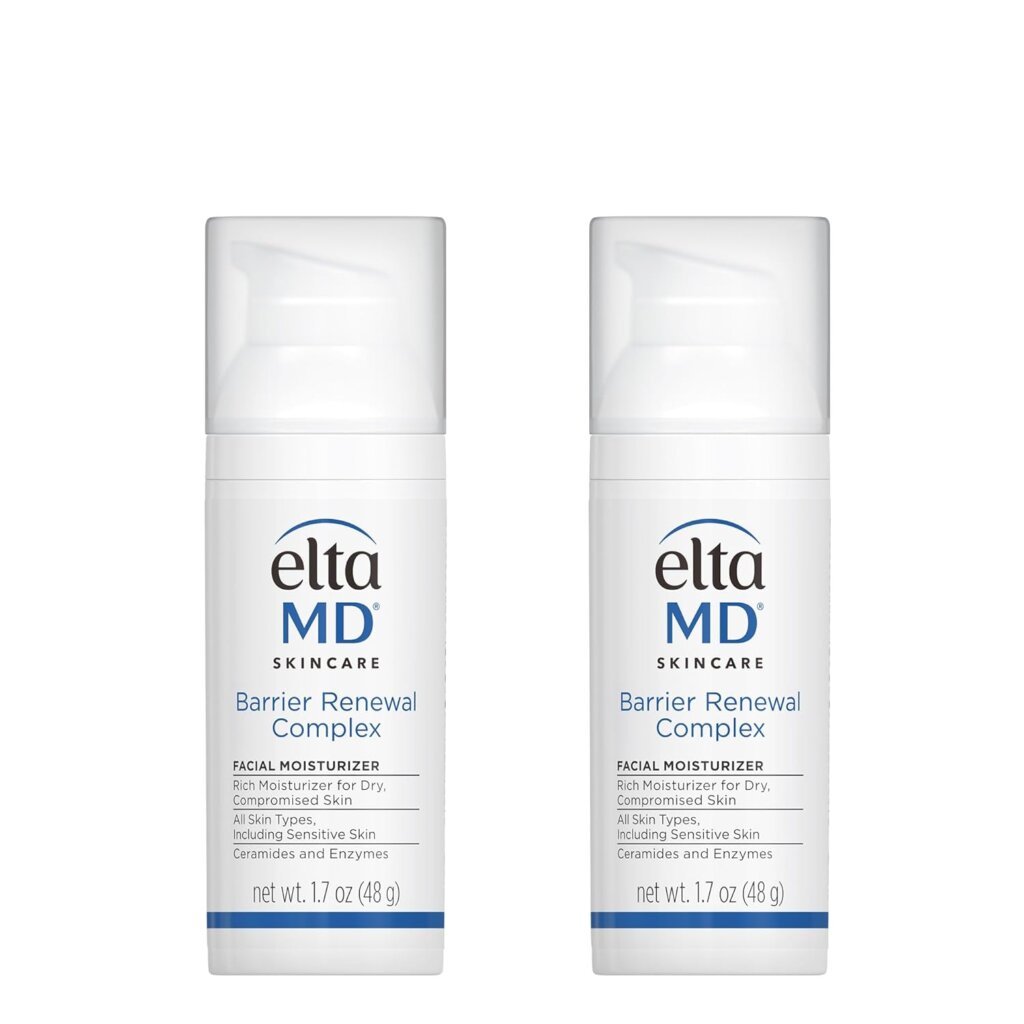
Hidratante facial renovador de barrera EltaMD para piel seca y sensible

EltaMD Barrier Renewal Complex Face Moisturizer for Dry Skin, Sensitive Skin Moisturizer for Face

¿Buscas darle a tu piel sensible el cuidado extra que se merece? He encontrado una joya en... Hidratante facial con complejo renovador de barrera EltaMD. Este no es un humectante cualquiera; está específicamente formulado para quienes lidiamos con piel seca y sensible y también queremos mejorar nuestra rutina de cuidado de la piel, especialmente al incorporar microagujas en casa!

El uso principal del Complejo Renovador de Barrera EltaMD es hidratar y restaurar la barrera cutánea. Después de una sesión de microagujas, mi piel suele sentirse vulnerable y necesita cuidado inmediato. Esta crema hidratante se integra perfectamente en mi rutina porque ayuda a calmar la irritación y proporciona la hidratación que mi piel necesita después del tratamiento. La aplico directamente después de la microaguja, permitiendo que mi piel absorba todos los ingredientes nutritivos.

Lo que me encanta del complejo de renovación de barrera EltaMD es cómo suave pero eficaz Lo es. Hay muchísimos productos en el mercado que dicen ser perfectos para piel sensible, pero muy pocos realmente ofrecen resultados notables sin irritarme la piel. Este producto proporciona una hidratación profunda sin sentirse pesado ni graso. Se ha convertido en un básico en mi arsenal de cuidado de la piel. Además, valoro que no sea comedogénico, lo que significa que no obstruye mis poros. ¡Es una verdadera ventaja para todos!

Entonces, ¿qué hace que el Complejo Renovador de Barrera EltaMD destaque? Estas son sus características principales:

  • Complejo triple lipídicoContiene una mezcla de ceramidas, ácidos grasos libres y colesterol que, en conjunto, ayudan a reparar y fortalecer la barrera cutánea. He notado una mejora significativa en la elasticidad y la textura de mi piel desde que empecé a usarlo.
  • Ácido hialurónicoEste increíble ingrediente absorbe la humedad de la piel y la mantiene tersa. Puedo sentir la hidratación, algo crucial después de la microaguja, cuando mi piel necesita mucha hidratación.
  • NiacinamidaEste derivado de la vitamina B3 tiene propiedades iluminadoras y calmantes. Ayuda a reducir el enrojecimiento y mejora el tono general de la piel, lo cual es especialmente beneficioso después de mis sesiones de microagujas.
  • Textura ligeraA diferencia de muchas cremas hidratantes pesadas, la textura de esta es increíblemente ligera y se absorbe rápidamente sin dejar residuos grasos. Esto es especialmente importante para mí después de la microaguja, ya que mi piel puede estar sensible.

Esta combinación de ingredientes sirve no sólo para hidratar sino también para reparar y fortalecer activamente la barrera protectora de la piel, lo cual es esencial para cualquier persona preocupada por la sensibilidad.

La calidad general del Complejo Renovador de Barrera EltaMD es impresionante. Puedo decir con sinceridad que he probado numerosos productos diseñados para piel sensible, pero este siempre ofrece resultados. El envase también es una ventaja: viene con un dosificador sin aire, lo que ayuda a mantener el producto estable y reduce la contaminación, algo que realmente valoro en mi cuidado de la piel.

Al aplicarlo, siento cómo penetra en mi piel, y su efecto calmante inmediato me confirma que estoy cuidando mi barrera cutánea. Su aroma relajante y agradable es otra ventaja; es sutil y no abruma mis sentidos, lo que convierte la aplicación en una experiencia placentera.

Si bien realmente aprecio este humectante, como cualquier producto, tiene ventajas y desventajas.

  • Altamente hidratante:Hace maravillas para restaurar la hidratación sin causar brotes.
  • Calma la piel:Excelente para calmar la piel irritada, especialmente después de la microaguja.
  • No comedogénico:Perfecto para pieles sensibles y propensas al acné.
  • Textura ligera: Absorbs quickly; doesn’t leave a greasy film.
  • Smart Packaging: The airless pump keeps the product stable and clean.
  • Punto de precio: It’s on the higher end of the moisturizer spectrum, which might be a turn-off for some.
  • Disponibilidad: Not all stores carry EltaMD, making it necessary to order online or locate a specific retailer.
  • Initial Texture: Some might find the initial feel of the product a bit tacky until it fully sinks in, but for me, that’s a minor quibble.

In my opinion, when using the EltaMD Barrier Renewal Complex, the benefits far outweigh the drawbacks. I find comfort knowing that I’m not just slapping on any old cream; I’m using something that’s scientifically developed to work with my skin, especially post-microneedling.

As someone deeply committed to repairing my skin barrier and enhancing my sensitive skincare routine, EltaMD has found its way into my heart (and medicine cabinet). For anyone experiencing similar challenges with sensitive skin and looking for a trustworthy moisturizer to pair with at-home microneedling, I wholeheartedly recommend considering the Complejo de renovación de barrera EltaMD. It truly delivers on its promises, helping to restore, rejuvenate, and reinforce my skin barrier with every use.

EltaMD Barrier Renewal Face Moisturizer for Dry and Sensitive Skin

Comparación de humectantes

Alright, gather ‘round, friends! Today we’re diving deep into a world of hydration as we compare three prominent contenders in the moisturizer arena: Cemenzal Light Volufiline, Dermalogica Intensive Moisture Balance, y Complejo de renovación de barrera EltaMD. Think of this like a skincare Olympics, and I’ll be your commentator. Let’s see how they stack up against each other!

Descripción general de las especificaciones

First things first, let’s take a look at what these moisturizers bring to the table. Each one has its unique blend of ingredients suited for different skin types and concerns. Here’s a handy comparison table to clarify any burgeoning confusion:

Característica Cemenzal Light Volufiline Dermalogica Intensive Moisture Balance Complejo de renovación de barrera EltaMD
Volumen 100 mL 50 mL 48 g
Ingredientes principales Volufiline, Centella Asiatica Ácido hialurónico Peptides, Niacinamide
Skin Type Suitability Dry, Sensitive, All Skin Types Dry, Depleted Skin Dry, Sensitive Skin
Key Benefits Volume boost, Barrier repair Optimal hydration, Restores balance Barrier renewal, Hydrating
Texture Ligero Creamy Rich yet lightweight
Price Range Higher-end Moderado Moderate to higher

Mis pensamientos

Cemenzal Light Volufiline

Starting with Luz Cemenzal, I must say, I’ve had my fair share of run-ins with moisturizers, but this one has something special. With 5,000ppm of Volufiline, it doesn’t just sit on top of my skin like some previous exes I could mention; it actually works to increase volume and elasticity. Plus, let’s not forget about Centella Asiatica—such a delightful addition for those of us with sensitive skin! This moisturizer really shines when it comes to repairing my barrier, which I appreciate like a warm hug on a cold day.

Dermalogica Intensive Moisture Balance

Then we have Dermalogica Intensive Moisture Balance. It seems to promise the world with hyaluronic acid, and who doesn’t love a little plumping action? I’ve noticed it does beautifully restore balance to my skin’s often depleted state. However, if I’m being totally honest, I find it slightly heavier than the Cemenzal, which can be a tad much sometimes—especially in warmer weather. But if your skin craves that intense hydration (and who doesn’t want that?), this could be the one for you.

Complejo de renovación de barrera EltaMD

Lastly, there’s Complejo de renovación de barrera EltaMD, and can we talk about how rich yet surprisingly lightweight it is? I mean, the texture is like a creamy cloud that caresses my face, and it feels wonderfully soothing. The blend of peptides and niacinamide really appeals to my skin’s desire for nourishment, tackling dryness with a determined spirit. If my skin were a character in a rom-com, this would be the dependable friend who shows up with pizza during a crisis.

Conclusión: humectantes que realmente valen la pena

After diving into the world of moisturizers, I’ve found three products that do quite a fabulous job for anyone battling dry or sensitive skin: the Cemenzal Light Volufiline, Dermalogica Intensive Moisture Balance, y Complejo de renovación de barrera EltaMD. Each of these contenders has its merits, along with a few quirks that might make you think twice before splurging.

Cemenzal Light Volufiline

First up, the Cemenzal. This little gem boasts an enticing combo of Volufiline and Centella Asiatica, and it definitely sings praises for skin barrier repair and volume boost. If you’ve ever felt like your skin is a sad, deflated balloon, this may just bring it back to life. However, on the flip side, I noticed that some users with ultra-sensitive skin found it a tad too rich. For folks who love a bit of hydration without feeling like they’ve dipped their face in a vat of cream, this might steer clear.

Dermalogica Intensive Moisture Balance

Now, let’s chat about the Dermalogica. With hyaluronic acid in its corner, it aims to restore balance to dry, exhausted faces. Long story short, it delivers—my skin felt plump and refreshed after a week of using it. Still, the price tag is a bit of a head-scratcher. For those of us on a budget, it might feel like a splurge for everyday use. So, I’d recommend it to my skincare enthusiasts who want to treat themselves and aren’t afraid to invest in their beauty regimen.

Complejo de renovación de barrera EltaMD

Lastly, we have the EltaMD Barrier Renewal Complex. This moisturizer shines in its gentle approach, making it a solid choice for anyone with sensitivity issues. It won’t make your skin freak out, which is always a plus. However, if you’re someone who loves a heavier moisturizer, you might find this too lightweight. I’d recommend it to anyone navigating the tricky waters of dry skin and sensitivity—think of it as your reliable best friend in a moisturizer form.

Reflexiones finales

So, in summary, if you’re looking for a moisturizer that delivers on hydration while considering your skin’s unique needs, you’ve got some solid options here! The Cemenzal is perfect if you want that volume boost, Dermalogica is my go-to for self-care splurging and EltaMD is a fantastic choice for maintaining calm and comfort for sensitive skin. Just keep in mind the considerations I’ve mentioned, and you’ll find the right fit for your skincare journey. Happy moisturizing!

Divulgación: como asociado de Amazon, gano con las compras que califican.

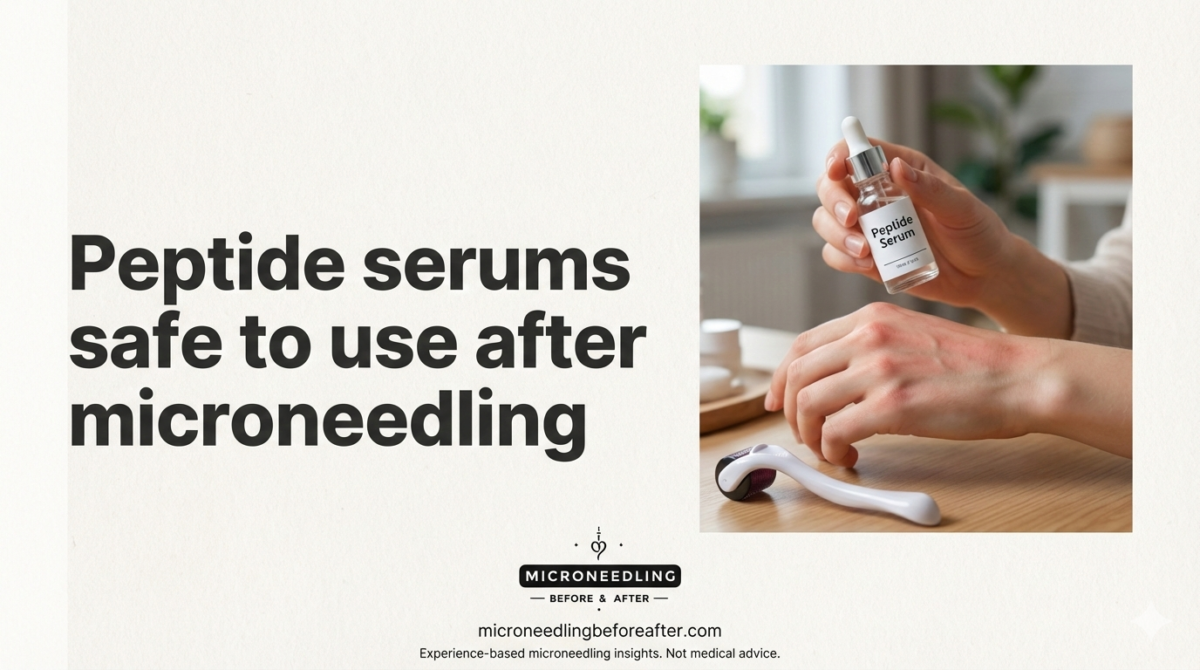
Sueros peptídicos seguros para usar después de la microaguja

Discover when and which peptide serums are safe after microneedling – timing, gentlest peptide picks, copper peptide caution, ingredients to avoid and care tips

Can I use peptide serums después de la microaguja, and which ones are genuinely safe for my skin?

Introducción

I’ve had my fair share of microneedling sessions, and I know the questions that pop up afterward: what can I put on my skin, when can I go back to my usual routine, and are peptide serums safe? I’ll walk through the science, practical timing, product choices, and safety tips so I can make an informed choice and protect my skin while maximizing results.

What microneedling does to your skin

Microneedling creates controlled micro-injuries in the epidermis and sometimes the dermis, depending on needle depth. I think of it as a signal to my skin to repair itself: the microchannels trigger inflammation, collagen and elastin production, and increased permeability for topical products.

Why post-procedure skincare matters

What you apply after microneedling matters because those microchannels temporarily boost absorption and because the skin is in a vulnerable inflammatory state. If I use the wrong ingredients too soon, I can intensify irritation, cause contact reactions, or slow healing. If I use the right ingredients at the right time, I can support repair and enhance results.

What peptides are and how they work

Peptides are short chains of amino acids that act as signaling molecules for skin cells. I think of them as tiny messengers that tell my skin to build collagen, calm inflammation, or improve barrier function. They’re generally gentle and targeted, which is why many people reach for peptide serums after procedures—provided they’re used carefully.

Are peptide serums safe to use after microneedling?

Short answer: many peptide serums can be safe and beneficial after microneedling, but timing and the specific peptide matter. I usually avoid immediately slapping on every active I own. Some peptides are soothing and hydrating, while others (particularly copper peptides) come with debate about immediate post-procedure use. I’ll break down what’s generally safe, what to avoid, and why.

Timeline: when to use peptides after microneedling

How soon I introduce peptides depends on the needle depth and whether the microneedling was professional or at-home.

  • 0–24 hours: Skin is very reactive. I stick to sterile saline or a simple, fragrance-free hydrating product like pure hyaluronic acid and avoid most actives.
  • 24–72 hours: The inflammation usually starts settling. I may start gentle peptide serums if they’re non-irritating.
  • 72+ hours: I generally reintroduce stronger actives and more varied peptides, assuming healing is progressing normally.

Below is a simple table comparing needle depth and suggested timing for peptides and actives.

Needle depth Tiempo de inactividad típico Peptides — safe to use? Strong actives (retinoids, high-dose vitamin C)
≤ 0.25–0.5 mm (home micro-needling) Minimal (few hours) Often safe after 24 hours if no irritation Wait 48–72 hours; patch test
0,5–1,0 mm 24–48 horas Start gentle peptides after 24–48 hours Wait 72+ hours, depending on healing
1.0–2.5 mm (professional) Several days to 1 week Use caution; introduce peptides after 48–72 hours or per clinician guidance Avoid for 5–7+ days; follow professional advice
> 2.5 mm (medical procedures) Longer, clinician-monitored Follow clinician’s protocol — may be delayed Only under clinician supervision

I pay attention to how my skin actually looks and feels rather than rigidly following a clock. If there’s redness, open areas, or crusting, I wait longer.

Which peptides are generally safe and why

I separate peptides into categories based on their typical use and safety profiles after microneedling.

Soothing and reparative peptides (usually safe early)

  • Palmitoyl tripeptide-1 and Palmitoyl tetrapeptide-7 (Matrixyl family): I find these supportive for collagen and skin repair and usually tolerate them well. They’re small signal peptides aimed at stimulating ECM (extracellular matrix) and reducing inflammation.
  • Oligopeptide-1 (often referred to as EGF): This growth factor-like peptide can aid in repair. I’m cautious but many practitioners use EGF-type products after microneedling to support healing; timing depends on depth and clinician preference.
  • Pentapeptides and oligopeptides that claim barrier support: These are typically mild and useful for restoring skin function.

Cosmetic performance peptides (tolerated with caution)

  • Acetyl Hexapeptide-8 (Argireline): I use this for expression-line concerns; it’s generally gentle and may be introduced early if my skin isn’t overly inflamed.
  • Palmitoyl Tripeptide-5 / Tripeptide complexes: These aim to mimic growth factors and support collagen. I introduce them once the worst of the inflammation subsides.

Copper peptides (GHK-Cu, copper tripeptide)

  • Copper peptides are controversial in the immediate post-procedure window. Some studies and practitioners suggest copper peptides can support wound healing and regeneration; others caution that copper can alter metalloproteinase activity and might interfere with growth factor-driven repair in the immediate inflammatory phase. Personally, I avoid copper peptides for the first 24–72 hours after microneedling and discuss timing with my clinician for deeper treatments. If I plan to use copper peptides, I introduce them only after visible healing is underway.

Growth factors vs peptides

  • Growth factors (EGF, PDGF) are not classic peptides but protein signals. Some clinicians use them after microneedling to accelerate repair, but they can be potent. I follow clinician guidance for these and generally wait until the initial re-epithelialization phase has started.

Table: Common peptides, their benefits, and recommended wait time after microneedling

Peptide / Type Principales beneficios Typical wait time after microneedling (general guidance)
Palmitoyl Tripeptide-1 (Matrixyl) Stimulates collagen, reduces wrinkles 24–48 hours if minimal irritation
Palmitoyl Tetrapeptide-7 Anti-inflammatory, collagen support 24–48 horas
Acetyl Hexapeptide-8 (Argireline) Minimizes expression-related lines 24–48 horas
Tripeptide-1 / Tripeptide complexes Repair and collagen synthesis 24–72 hours depending on irritation
Oligopeptide-1 (EGF) Cell proliferation, repair 24–72 hours; clinician preference for deeper needling
GHK-Cu (copper peptide) Promotes repair, but debated Delay 48–72+ hours or follow clinician advice
Synthetic small peptides (cosmetic blends) Various anti-aging effects 24–72 hours, introduce slowly

I use these as guidelines, not hard rules. My observation of how my skin responds determines the final timing.

Formulation features I prefer after microneedling

When I look for a peptide serum to use after a session, I focus less on marketing and more on the formula:

  • Fragrance-free and alcohol-free: These minimize irritation.
  • Low to moderate peptide concentrations rather than extremely high doses that could be irritant.
  • Hydrating base (hyaluronic acid, glycerin) helps soothe and maintain moisture.
  • Minimal additional actives: I avoid formulas heavy with acids, retinoids, or strong vitamin C right away.
  • pH close to skin-neutral: Extremely low pH formulas can sting.

I especially like serums that combine gentle peptides and humectants without added essential oils or exfoliating acids.

Ingredientes que se deben evitar inmediatamente después de la microaguja

Some ingredients can inflame or sensitize microneedled skin if applied too soon. I avoid:

  • Retinoids (retinol, tretinoin) for at least 72 hours, often longer for deeper treatments.
  • Strong or high-concentration vitamin C (L-ascorbic acid) right away — it can sting and provoke redness.
  • AHAs/BHAs (glycolic, lactic, salicylic acids) — these chemical exfoliants can overstrip delicate post-procedure skin.
  • Benzoyl peroxide — too harsh and drying.
  • High concentrations of alcohol or denatured alcohol — they worsen barrier disruption.
  • Fragrances and essential oils — risk of contact sensitization.
  • Physical scrubs and manual exfoliation — obviously avoid.

Below is a quick reference table.

Ingredient type Use after microneedling? Why
Ácido hialurónico Yes (immediately) Hydration, soothing
Gentle peptides (non-copper) Yes (24–48 hours) Repair signalers, low irritation
Péptidos de cobre Use cautiously (48–72+ hours) Controversial effect on immediate healing
retinoides No (wait 72+ hours) Irritation, delayed healing
Strong vitamin C No (wait 48–72 hours) Stinging and irritation
AHAs/BHAs No (wait 72+ hours) Further compromise barrier
Fragrances/essential oils Avoid Riesgo de reacción alérgica

I find the safest early strategy is to favor hydration and controlled peptides rather than aggressive actives.

Practical, step-by-step post-microneedling routine I follow

Below I lay out a routine I use as a template; I adapt it to needle depth and clinician instructions.

Immediate care (first 0–6 hours)

  • I cleanse gently with sterile saline or a very mild, fragrance-free cleanser.
  • I apply a sterile, hydrating hyaluronic acid serum or a clinician-recommended post-procedure product.
  • I avoid makeup, exfoliants, and rugs.

First 24 hours

  • I continue gentle hydration and avoid active serums.
  • I use cool compresses for discomfort and keep the skin protected from sun and heat.
  • If my clinician provided a specific post-procedure product (often barrier-repair creams or growth-factor formulations), I follow that plan.

24–72 horas

  • If the skin looks calm, I may introduce a gentle peptide serum that’s fragrance-free and low in other actives.
  • If redness persists or if there’s heavy scabbing, I delay peptides until healing is more advanced.
  • For deeper professional needling, I often wait longer and consult the clinician.

After 72 hours and ongoing

  • Provided there’s normal healing, I reintroduce more targeted peptide blends and, eventually, other actives in a phased manner.
  • I prioritize sun protection and moisturizing barrier repair as I bring back retinoids and vitamin C under guidance.

I listen to my skin. If anything stings, it goes into the “stop” pile immediately.

How I introduce a new peptide serum safely

When I try a new peptide serum after microneedling, I do these steps:

  1. Patch test on an area of healed skin before applying to the entire treated area.
  2. Start with a small amount and use every other day to monitor for reactions.
  3. Observe for 48–72 hours for redness, bumps, or irritation.
  4. If tolerated, gradually increase frequency and then concentration.

Patience is key. Faster reintroduction isn’t always better.

Home microneedling vs professional microneedling — what I change

I use different rules depending on the device and depth:

  • Home dermarollers or devices that use ≤ 0.5 mm needles: I’m more comfortable starting gentle peptides after 24 hours, assuming no irritation.
  • Professional microneedling (1.0 mm and above): I’m more conservative and rely on clinician instructions. I often wait 48–72+ hours for peptides and longer for stronger actives.
  • Microneedling with PRP or growth factors: I follow the provider’s protocol exactly since those procedures are designed with compatible topicals in mind.

I treat professional procedures with more caution because they penetrate deeper and have higher absorption.

Special situations and skin types

Sensitive skin and rosacea

I’m extra cautious. I tend to wait longer and choose the gentlest formulations — mainly humectants and low-irritant peptides — and I consult my dermatologist.

Acne-prone skin

If I have active acne lesions in the treated area, I avoid microneedling until controlled. Post-procedure, I avoid benzoyl peroxide and other drying agents until the skin is intact.

Darker skin tones

I watch for post-inflammatory hyperpigmentation (PIH). I avoid aggressive actives early and use soothing peptides and sun protection to reduce PIH risk. I also follow professional advice for timing.

Keloid scarring or history of poor wound healing

I consult a dermatologist or plastic surgeon; microneedling may not be appropriate, and peptide timing will be clinician-directed.

Why I’m cautious about copper peptides right after microneedling

Copper peptides (GHK-Cu) are known to promote repair and collagen production, but I’m careful with them early on for several reasons:

  • Copper ions can modulate matrix metalloproteinases (MMPs) and other enzymes involved in remodeling; timing may influence whether they help or hinder the initial inflammatory-to-repair transition.
  • Some clinicians report better results when copper peptides are used after the early inflammatory period or as part of a staged protocol.
  • Evidence isn’t definitive, so I prefer waiting 48–72 hours after minor microneedling or longer after deeper procedures.

If I decide to use copper peptides, I introduce them only once the skin shows signs of re-epithelialization and no open areas.

Combining peptides with other actives later on

Once the skin has settled (often 72+ hours or per clinician guidance), I reintroduce actives in a layered, cautious manner:

  • Vitamin C (L-ascorbic acid): I start at lower concentrations and observe; I usually wait a week for professional microneedling.
  • Retinoids: I bring them back later, often after 1–2 weeks, starting at a lower frequency.
  • AHAs/BHAs: I reintroduce slowly once the barrier is stable.

When I combine peptides with other actives, I favor alternating nights or layering with a hydrator in between to minimize irritation.

Practical tips I follow to reduce risk

  • I only microneedle skin that’s clean and free of active infection.
  • I avoid aggressive ingredients for several days after microneedling.
  • I use SPF religiously once I’m out in the sun again—sunscreen is non-negotiable.
  • I keep tools sterile for home microneedling and replace rollers/disposable heads per manufacturer guidance.
  • I consult a dermatologist if I have underlying skin conditions or if a reaction occurs.

Signs I should stop a peptide serum and seek help

I stop using the serum immediately if I notice:

  • Increasing or spreading redness after initial improvement
  • New pustules or signs of infection
  • Severe burning or stinging beyond the first 24 hours
  • Intense swelling or systemic symptoms

If concerning signs appear, I contact my clinician or dermatologist promptly.

Examples of peptide-friendly product attributes (what I look for)

When scanning labels, I look for:

  • “Fragrance-free”, “alcohol-free”
  • Short ingredient list with humectants (hyaluronic acid, glycerin)
  • Peptide names I recognize (palmitoyl tripeptide, palmitoyl tetrapeptide, oligopeptide)
  • No listed retinol, high-dose vitamin C, or alpha hydroxy acids
  • pH around 5–7 (skin-neutral)

I prefer simplicity after a procedure.

FAQ — common questions I answer from experience

Can I use any peptide serum immediately after microneedling?

Not any. I avoid potentially irritating formulations immediately and steer clear of copper peptides for 24–72 hours as a precaution. Gentle, hydrating peptide serums can be introduced after monitoring skin reaction.

Will peptides get deeper into the skin because of microneedling?

Yes, microneedling increases absorption. That’s beneficial if the peptide is safe and intended to promote repair, but it also means more caution is needed to prevent irritation from aggressive actives.

Can peptides cause inflammation after microneedling?

They can if the formulation has irritants or if the peptide itself elicits a reaction. Most cosmetic peptides are well tolerated, but individual sensitivity varies.

Are growth factors the same as peptides, and are they safe?

Growth factors are protein signals that can support repair. They are not classic short peptides and can be more potent. I follow clinician advice for growth factor use after microneedling.

How long before I can use retinoids again?

I typically wait at least 72 hours after mild microneedling and longer after deeper procedures. I reintroduce retinoids gradually and monitor for irritation.

How I choose between professional advice and anecdotal tips

I use my clinician’s guidance as the primary source because they know my specific treatment depth and skin condition. I supplement that with peer-reviewed literature and cautious personal experimentation. If a product claim sounds too good to be true (e.g., immediate dramatic tightening combined with deep penetration), I treat it skeptically.

Expectativas realistas que establezco para los resultados

Microneedling plus careful post-procedure care, including peptides introduced appropriately, can improve texture, firmness, and tone over time. I don’t expect overnight miracles. I expect gradual improvement over weeks to months, and I track progress with photos and notes.

Final checklist I use after microneedling when considering peptides

  • Did I consult the clinician who performed the procedure? If yes, follow their recommendations.
  • Is the skin showing significant open wounds or heavy crusting? If yes, wait.
  • Is the peptide serum fragrance-free, alcohol-free, and low in other actives? If yes, consider a cautious introduction after 24–72 hours.
  • Does the product contain copper peptides? If yes, consider waiting 48–72 hours or longer and consult my provider.
  • Have I patch-tested the product on healed skin? If no, patch-test first.

Conclusión

I find that peptide serums can be a helpful component of post-microneedling care when chosen and timed correctly. My approach is conservative: immediate hydration, avoidance of harsh actives, gradual reintroduction of gentle peptides, and clinician consultation for deeper or medical treatments. By listening to my skin and following these principles, I support healing while working toward the anti-aging and skin-repair benefits I want.

If you’d like, I can suggest an example 14-day post-microneedling routine tailored to a specific device depth or recommend ingredient combinations to look for in a peptide serum based on your skin type.

es_MXSpanish