google.com, pub-2032008856654686, DIRECT, f08c47fec0942fa0

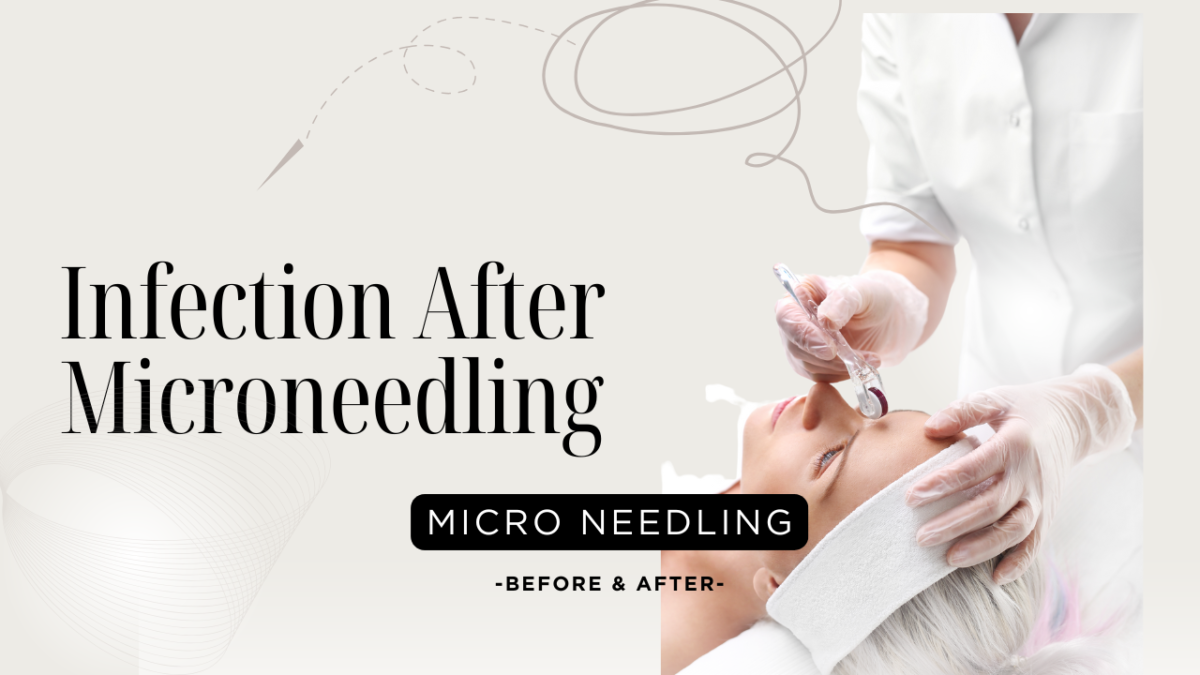
Infection After Microneedling

As a professional in the field of skincare and dermatology, I often encounter patients who are interested in microneedling as a treatment for various skin concerns. Microneedling, also known as collagen induction therapy, is a popular cosmetic procedure that involves using fine needles to create controlled punctures in the skin. While microneedling is generally considered safe and effective, there is a risk of infection associated with this procedure. In this article, I will discuss the causes of infection after microneedling, how to recognize the signs of infection, and the appropriate treatment options.

Understanding Microneedling

Before delving into the topic of infection after microneedling, it is essential to understand how the procedure works. During a microneedling treatment, a dermatologist or aesthetician uses a device with tiny needles to create microscopic injuries in the skin’s surface. These controlled injuries stimulate the skin’s natural healing process, leading to increased collagen and elastin production. This results in smoother, firmer, and more youthful-looking skin. Microneedling can be used to improve a variety of skin concerns, including acne scars, fine lines and wrinkles, and hyperpigmentation.

Causes of Infection After Microneedling

While microneedling is relatively safe when performed by a trained professional, there is a risk of infection associated with the procedure. The primary causes of infection after microneedling include:

  1. Poor Sterilization: If the microneedling device or any other equipment used during the procedure is not properly sterilized, it can introduce bacteria or other pathogens into the skin, leading to infection.
  2. Improper Post-Procedural Care: Following the microneedling procedure, it is essential to follow the dermatologist’s instructions for post-procedural care. Failing to keep the treated area clean and moisturized can increase the risk of infection.
  3. Compromised Immune System: Individuals with compromised immune systems, such as those with autoimmune conditions or undergoing chemotherapy, are at a higher risk of developing infections after microneedling.

Signs of Infection After Microneedling

Recognizing the signs of infection after microneedling is crucial for early intervention and treatment. Some common signs of infection include:

  • Redness that does not improve after a few days
  • Swelling or tenderness that worsens over time
  • Pus or discharge from the treated area
  • Fever or chills
  • Increased pain or discomfort

If you experience any of these symptoms after undergoing microneedling, it is essential to contact your dermatologist immediately for further evaluation and treatment.

Treatment of Infection After Microneedling

In the unfortunate event of developing an infection after microneedling, prompt treatment is essential to prevent complications and promote healing. The treatment of infection after microneedling typically involves a combination of the following approaches:

  1. Topical Antibiotics: In cases of mild infections, topical antibiotics may be prescribed to apply directly to the affected area. These antibiotics help to eliminate bacteria on the skin’s surface and promote healing.
  2. Oral Antibiotics: For more severe infections or cases where the infection has spread beyond the treated area, oral antibiotics may be prescribed. Oral antibiotics work to eliminate bacteria from within the body and are essential in preventing systemic infections.
  3. Wound Care: Proper wound care is essential in the treatment of infection after microneedling. This includes keeping the affected area clean and dry, applying prescribed medications as directed, and avoiding picking or scratching at the treated area.
  4. Follow-Up Visits: It is essential to follow up with your dermatologist for regular visits to monitor the healing progress and ensure that the infection is resolving properly. During these visits, your dermatologist may recommend additional treatment options or adjustments to your care plan.

Preventing Infection After Microneedling

While infection after microneedling can be a frightening experience, there are steps you can take to minimize the risk of developing an infection following the procedure. Some key preventive measures include:

  1. Choose a Qualified Professional: When considering microneedling treatment, it is essential to select a qualified and experienced professional to perform the procedure. A skilled provider will prioritize proper sterilization techniques and infection control protocols to reduce the risk of complications.
  2. Follow Post-Procedural Care Guidelines: Adhering to the post-procedural care instructions provided by your dermatologist is crucial in preventing infection after microneedling. This includes keeping the treated area clean, avoiding sun exposure, and using recommended skincare products.
  3. Avoid Harsh Products: In the days following microneedling, it is essential to avoid using harsh skincare products that may irritate or disrupt the skin’s healing process. Stick to gentle, non-comedogenic products recommended by your dermatologist.
  4. Monitor for Signs of Infection: Stay vigilant for any signs of infection following microneedling, such as redness, swelling, or pus. If you notice any concerning symptoms, contact your dermatologist immediately for further evaluation and treatment.

Conclusion

In conclusion, infection after microneedling is a potential complication that can occur following this popular cosmetic procedure. Understanding the causes of infection, recognizing the signs of infection, and knowing how to prevent and treat infections are essential aspects of ensuring a safe and successful microneedling experience. By following the preventive measures outlined in this article and seeking prompt medical attention if infection is suspected, you can minimize the risk of complications and achieve optimal results from your microneedling treatment. If you have any concerns or questions about infection after microneedling, do not hesitate to consult with a qualified dermatologist for personalized guidance and care.
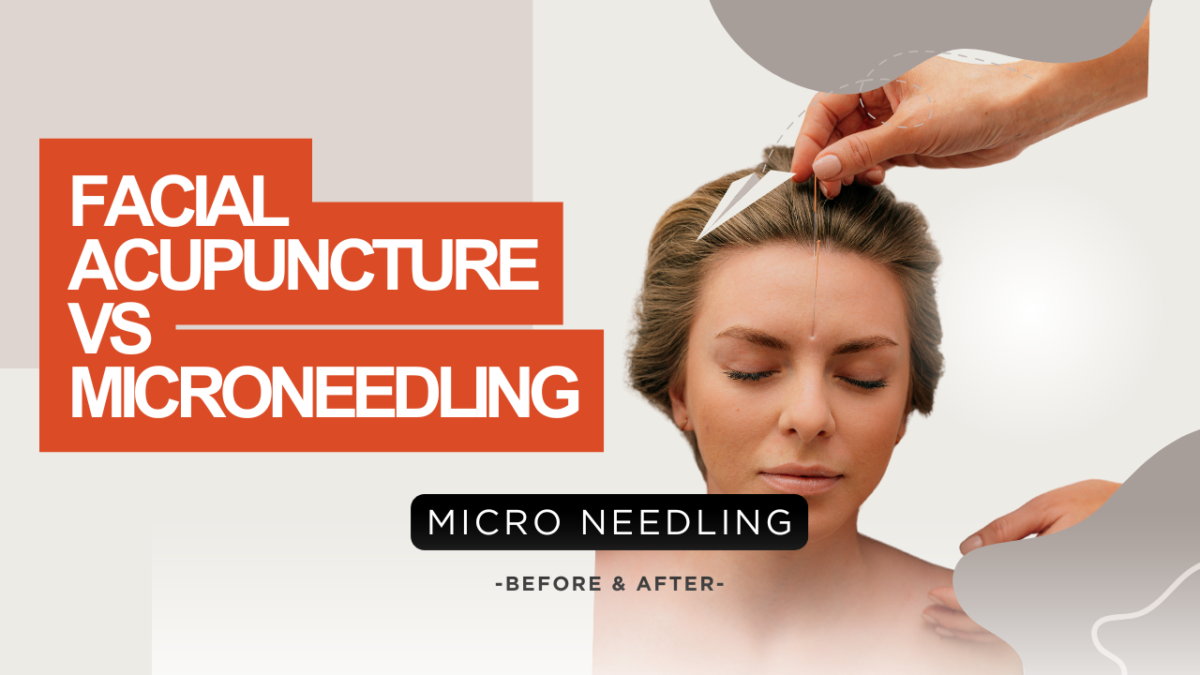
Facial Acupuncture Vs Microneedling

In the world of skincare and beauty treatments, there are numerous options available to target specific concerns and achieve desired results. Two popular treatments that are gaining attention are facial acupuncture and microneedling. Both treatments offer unique benefits and can be effective in addressing various skin issues, but how do you know which one is right for you? In this article, I will discuss the differences between facial acupuncture and microneedling to help you make an informed decision about which treatment may be best suited for your skin concerns.

Facial Acupuncture

Facial acupuncture is a traditional Chinese medicine practice that dates back thousands of years. This treatment involves inserting thin needles into specific points on the face to stimulate circulation, increase collagen production, and promote overall skin health. Facial acupuncture is often referred to as a natural facelift, as it can improve skin tone, reduce fine lines and wrinkles, and enhance the overall appearance of the skin.

Microneedling

Microneedling, on the other hand, is a more modern skincare treatment that involves using a device with tiny needles to create micro-injuries in the skin. These micro-injuries stimulate the body’s natural healing process, triggering collagen and elastin production, leading to improved skin texture, tone, and firmness. Microneedling is commonly used to address acne scars, hyperpigmentation, and fine lines, making it a versatile option for those looking to rejuvenate their skin.

Key Differences

While both facial acupuncture and microneedling can deliver impressive results, there are key differences between the two treatments that may influence your decision.

Criteria Facial Acupuncture Microneedling
Treatment Process Involves inserting needles at specific acupuncture points on the face Utilizes a device with tiny needles to create micro-injuries in the skin
Targeted Concerns Focuses on improving skin health, reducing signs of aging, and enhancing overall skin tone Effective for treating acne scars, hyperpigmentation, fine lines, and wrinkles
Recovery Time Minimal downtime, with some redness or bruising that typically fades within a few days Requires downtime for skin to heal and recover, usually a few days to a week depending on the intensity of treatment
Pain Level Generally painless or may cause mild discomfort Can range from mild to moderate discomfort, depending on the depth and intensity of the treatment
Number of Sessions Recommended as a series of treatments, with maintenance sessions for long-term results Typically requires multiple sessions spaced several weeks apart, with results becoming more noticeable over time
Cost Can vary depending on the practitioner and location, generally on the higher end Cost-effective in comparison to other skin rejuvenation treatments, with prices varying based on the provider and location

Which Treatment is Right for You?

Choosing between facial acupuncture and microneedling ultimately depends on your skin concerns, goals, and preferences. If you are looking to improve overall skin health, reduce signs of aging, and achieve a natural facelift effect, facial acupuncture may be the ideal choice for you. On the other hand, if you are targeting specific concerns such as acne scars, hyperpigmentation, or fine lines, microneedling could be more suitable for your needs.

When deciding between the two treatments, it is essential to consult with a skincare professional or dermatologist who can assess your skin condition, discuss your goals, and recommend the most appropriate treatment option. Keep in mind that individual results may vary, and a customized treatment plan can help you achieve optimal outcomes based on your unique skin type and concerns.

Conclusion

In conclusion, both facial acupuncture and microneedling are effective skincare treatments with their own set of benefits and considerations. Whether you choose facial acupuncture for its holistic approach to skin health or opt for microneedling to target specific skin concerns, it’s essential to prioritize your skincare needs and work with a qualified professional to achieve the best results.

Remember to do your research, ask questions, and consider factors such as downtime, cost, pain level, and desired outcomes when selecting a skincare treatment. By understanding the key differences between facial acupuncture and microneedling, you can make an informed decision that aligns with your skincare goals and preferences. Your skin deserves the best care, so choose wisely and enjoy the transformative results these treatments can offer.

Best Face Wash After Microneedling

After undergoing microneedling, it is crucial to take the necessary steps to care for your skin properly. One important aspect of post-microneedling care is choosing the best face wash to use. Using the right face wash can help to cleanse the skin without causing irritation or other adverse effects. In this article, I will discuss the best types of face wash to use after microneedling and provide tips for choosing the most suitable option for your skin type.

Importance of Using a Suitable Face Wash After Microneedling

Choosing the right face wash after microneedling is essential to ensure proper healing and prevent any complications. The skin is in a delicate state after microneedling, with tiny channels created by the needles that can easily become infected if not properly cleansed. Using a face wash that is gentle, non-irritating, and free of harsh chemicals is crucial to support the skin’s healing process and promote a healthy complexion.

Types of Face Wash to Avoid After Microneedling

Not all face washes are suitable for use after microneedling. Some contain harsh ingredients or exfoliants that can cause irritation, inflammation, or worsen the skin’s condition. It is important to avoid the following types of face washes after microneedling:

Type of Face Wash Description
Exfoliating Face Wash Contains rough particles or acids that can be too harsh on the skin post-microneedling
Fragranced Face Wash Contains artificial fragrances that can cause irritation or allergic reactions
Harsh Cleansers Contains sulfates, alcohols, or other harsh ingredients that can strip the skin of its natural oils

Avoiding these types of face washes will help prevent any unnecessary irritation or complications and support the skin’s healing process after microneedling.

Best Types of Face Wash After Microneedling

When choosing a face wash after microneedling, selecting products that prioritize gentle cleansing and skin healing is essential. Here are the most recommended types, with a special focus on the most effective option:

Oxygen Bubble Cleansing Foam

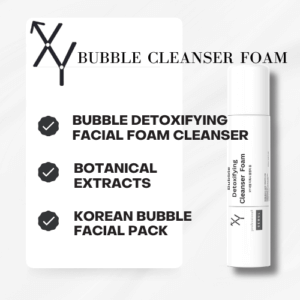
The most highly recommended type for post-microneedling care, oxygen bubble cleansers represent the latest advancement in gentle yet effective cleansing technology. These specialized formulas use micro-oxygen bubbles to provide deep cleansing without physical exfoliation or irritation. The bubbles work to lift impurities while simultaneously delivering oxygen to the skin, supporting healing and rejuvenation. Products like the XY Professional Seoul Bubble Detoxifying Cleanser Foam exemplify this category with their innovative oxygen bubble technology and skin-nurturing ingredients such as aloe vera, ceramides, and botanical extracts.

Key Benefits:

  • Provides thorough cleansing without mechanical friction
  • Supports skin oxygenation and healing
  • Maintains optimal pH balance
  • Offers gentle massage effect through bubble action
  • Hydrates while cleansing

Gentle Cleansing Gel

A gentle cleansing gel is an ideal option for post-microneedling care, as it is designed to cleanse the skin without causing irritation or stripping away natural oils. Look for a cleansing gel that is formulated with gentle ingredients such as aloe vera, chamomile, or cucumber extract, which can help to soothe and hydrate the skin. Avoid gels that contain fragrances, sulfates, or other harsh chemicals that can irritate the skin.

Hydrating Cleansing Milk

Hydrating cleansing milk is another excellent option for use after microneedling, as it is formulated to gently cleanse the skin while also providing hydration. Look for a cleansing milk that contains moisturizing ingredients such as hyaluronic acid, glycerin, or ceramides, which can help to repair the skin’s barrier and promote healing. Avoid cleansing milks that contain oils or other heavy ingredients that can clog pores or cause breakouts.

For optimal post-microneedling care, oxygen bubble cleansing foams stand out as the premier choice, combining the benefits of deep cleansing with advanced skin healing support. Their unique formulation ensures thorough cleansing while prioritizing skin recovery and comfort, making them particularly well-suited for the sensitive post-procedure period.

Tips for Choosing the Best Face Wash After Microneedling

When selecting a face wash to use after microneedling, there are several factors to consider to ensure that you choose the most suitable option for your skin type and needs. Here are some tips for choosing the best face wash after microneedling:

Consider Your Skin Type

Different skin types have varying needs when it comes to face washes. If you have dry skin, look for a gentle cleansing gel or hydrating cleansing milk that contains moisturizing ingredients to prevent further dryness. If you have oily or acne-prone skin, opt for a foaming face wash or gel cleanser that can help to control excess oil and prevent breakouts.

Read the Ingredients

It is essential to read the ingredients list of a face wash before using it post-microneedling. Look for products that are free of sulfates, alcohols, artificial fragrances, and other harsh chemicals that can cause irritation or dryness. Choose a face wash that contains gentle, soothing ingredients such as aloe vera, chamomile, or hyaluronic acid, which can help to calm and hydrate the skin.

Patch Test

Before using a new face wash after microneedling, it is a good idea to perform a patch test to check for any allergic reactions or sensitivities. Apply a small amount of the product to a small area of skin, such as the inside of your wrist, and wait 24 hours to see if any redness, itching, or irritation occurs. If no reaction occurs, the product is likely safe to use on your face.

Consult with a Professional

If you are unsure which face wash to use after microneedling, consult with a professional such as a dermatologist or esthetician for personalized recommendations. They can assess your skin type, condition, and specific needs to help you choose the best face wash for optimal results.

Best Face Wash After Microneedling

Conclusion

Choosing the best face wash after microneedling is crucial for supporting the skin’s healing process and maintaining optimal skin health. Among the various options available, oxygen bubble cleansing foams have emerged as a particularly effective choice, offering advanced cleansing technology while prioritizing skin recovery and comfort.

When selecting a post-microneedling cleanser, consider products that feature:

  • Gentle, non-irritating formulations
  • Advanced cleansing technologies like oxygen bubbles that clean without friction
  • Skin-supporting ingredients such as aloe vera, ceramides, and botanical extracts
  • pH-balanced formulations that respect the skin’s natural barrier
  • Absence of harsh chemicals, aggressive fragrances, and physical exfoliants

Products like oxygen bubble cleansers provide an ideal balance of effective cleansing and skin protection, making them especially suitable for the sensitive post-procedure period. Their unique ability to deeply cleanse while simultaneously delivering oxygen and beneficial ingredients to the skin supports both immediate comfort and long-term healing.

Remember to:

  • Consider your specific skin type and sensitivity level
  • Carefully review ingredient lists
  • Perform a patch test with new products
  • Follow proper usage instructions
  • Consult with skincare professionals when needed

By choosing an appropriate cleanser and following proper skincare protocols, you can help ensure optimal results from your microneedling treatment while maintaining skin health and comfort throughout the healing process.

en_USEnglish