google.com, pub-2032008856654686, DIRECT, f08c47fec0942fa0

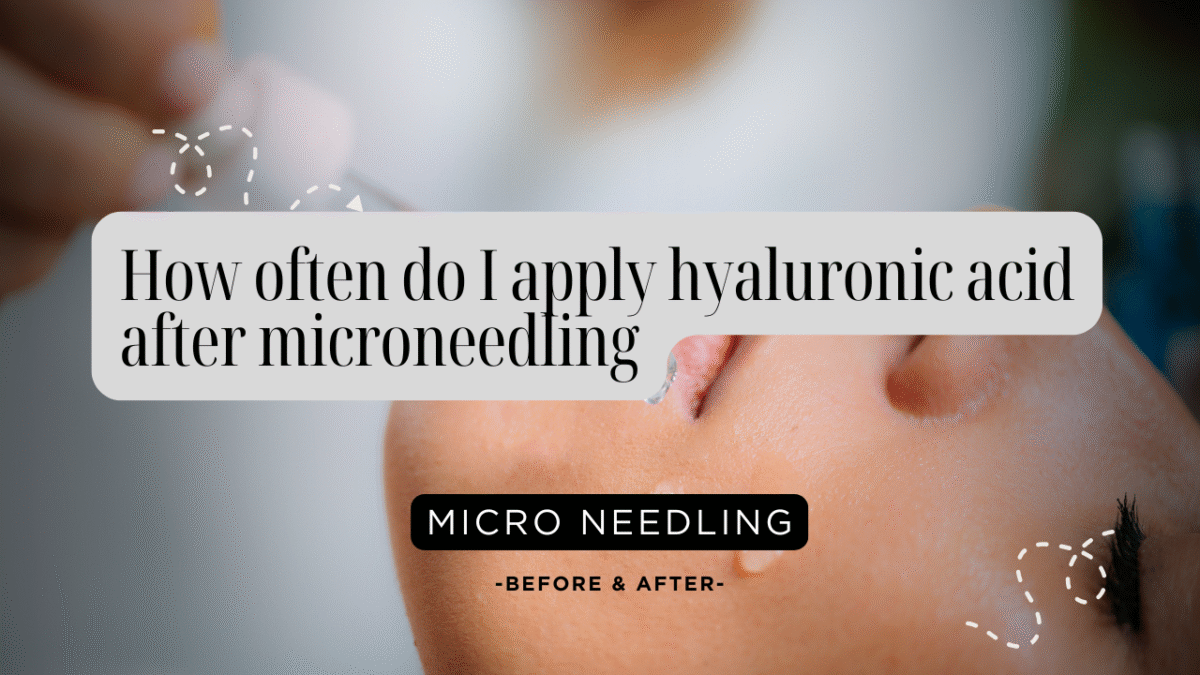
How often do I apply hyaluronic acid after microneedling

As someone who’s undergone microneedling treatments, I know firsthand how important proper aftercare is for achieving the best results. After those tiny needles have done their work stimulating collagen production, your skin needs special attention to heal properly and maximize benefits. Today, I’m sharing my experience and research on post-microneedling care, with a particular focus on hyaluronic acid application.

How many times should I apply hyaluronic acid?

When it comes to hyaluronic acid after microneedling, timing is everything. Hyaluronic acid can be beneficial following microneedling procedures.

In fact, it’s sometimes recommended specifically to help stimulate collagen production after the treatment.

However, it’s important to note that you shouldn’t immediately apply hyaluronic acid products right after your procedure. Most experts suggest waiting at least 48 hours before introducing any products that weren’t specifically recommended by your dermatologist or aesthetician. This is because your skin’s barrier is compromised immediately after microneedling, allowing products to penetrate much deeper than normal.

Once you’ve passed the initial 48-hour healing period, you can typically apply hyaluronic acid 1-2 times daily as part of your regular skincare routine. Remember that everyone’s skin is different, so it’s always best to follow your provider’s specific instructions.

What to expect during the healing process

After microneedling, your skin goes through several healing stages. Initially, you’ll likely experience redness that resembles a sunburn – this is completely normal!

This redness will mostly fade within the first 24-48 hours, though complete healing continues beneath the surface for up to 2 weeks.

During my first microneedling session, I was surprised by how red my face was afterward, but I was relieved when most of that faded by the next day. Some other common side effects you might experience include:

  • Swelling (typically subsides within 48 hours)
  • Flaking or peeling skin
  • Dryness
  • Occasional breakouts
  • Sensitivity to touch

These symptoms are all part of the natural healing process as your skin regenerates. Just remember that the downtime for microneedling is relatively short compared to more invasive cosmetic procedures.

Essential aftercare tips

Taking proper care of your skin post-microneedling can significantly impact your results. Here are some key tips I’ve gathered from both my personal experience and expert recommendations:

Sun protection is non-negotiable

If there’s one thing every expert agrees on, it’s that sun protection is absolutely crucial after microneedling. Your freshly treated skin is particularly vulnerable to UV damage.

You should apply sunscreen diligently for at least the first two weeks after treatment and avoid prolonged sun exposure entirely during the first week.

I’ve found that mineral-based sunscreens with zinc oxide or titanium dioxide tend to be gentler on newly treated skin than chemical sunscreens.

Prevent infection risk

Your skin barrier is compromised after microneedling, making infection prevention essential:

  • Always wash your hands before touching your face
  • Avoid makeup for at least 24 hours (some professionals recommend 48 hours)
  • Skip swimming pools, saunas, and intense workouts for 72 hours

I learned this the hard way when I attempted a hot yoga class just two days after my treatment and experienced increased redness and irritation afterward.

Skincare products: What to use and avoid

Your post-microneedling skincare routine needs to be gentle yet effective. Here’s my guide to navigating product choices:

Ingredients to avoid initially

For the first 48-72 hours, steer clear of:

  • Exfoliants (chemical or physical)
  • Retinol products
  • Vitamin C serums
  • Glycolic acid and other AHAs
  • Scented products

These ingredients can be too harsh on your newly treated skin and may cause irritation or inflammation.

Safe moisturizing options

  • Hyaluronic acid (after the initial 48-hour period)
  • Coconut oil if your skin isn’t acne-prone (though some people find it too rich)
  • Green tea oil, which is non-comedogenic and contains natural vitamins C and E

I’ve personally found that a simple, fragrance-free moisturizer recommended by my dermatologist worked best for my skin during the recovery period.

When can I resume my normal skincare routine?

After about a week, you can gradually reintroduce your regular products. I like to add one product back every few days so that if my skin reacts negatively, I know exactly which product caused the issue.

My personal experience with recovery

During my recovery from microneedling, I found that less is definitely more. My skin felt sensitive and slightly tight for the first few days, so I kept my routine minimal: gentle cleansing, light moisturizing, and diligent sun protection.

By day five, I noticed my skin had a remarkable glow, and some of the fine lines around my eyes appeared softer. After two weeks, the full benefits became apparent with improved texture and more even tone.

The key to my successful recovery was patience and following my provider’s instructions precisely – resisting the temptation to rush back to my full skincare regimen was challenging but absolutely worth it for the results.

Final thoughts

Microneedling can deliver impressive results for various skin concerns, from acne scars to fine lines, but proper aftercare is essential for optimal outcomes. By being gentle with your skin, protecting it from the sun, and gradually reintroducing products like hyaluronic acid at the right time, you’re setting yourself up for the best possible results.

Remember that everyone’s skin responds differently to treatments, so what worked for me might need some adjustment for your unique skin needs. When in doubt, always consult with your dermatologist or the professional who performed your treatment for personalized advice.

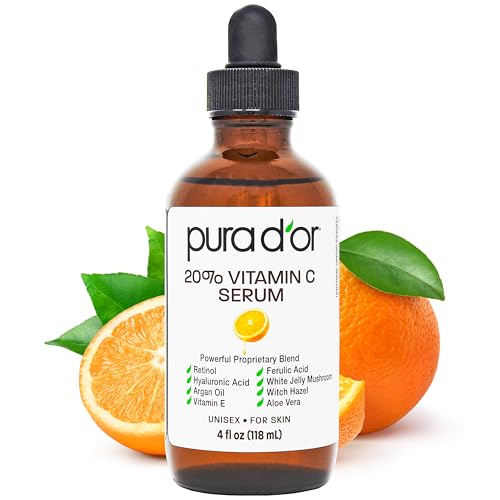
PURA D’OR 20% Vitamin C Serum Review


There’s a particular agony that sets in when you notice the first fine line, followed by its family of wrinkles. The PURA D’OR’s Vitamin C Serum promises to soften these tell-tale signs of aging with the help of Ferulic Acid and antioxidants. What’s magic here is the combination of Vitamin C and Retinol working tandemly to boost skin elasticity. When I slather this on at night, it’s as if my skin is taking a nap and waking up rejuvenated, ready to face another day.

PLANT-BASED FORMULA

One of the best things about this serum is its plant-based formula. As someone who likes to imagine they’re an earthy, natural human being (despite my love for ridiculously complex coffee orders), knowing that the serum is made from gentle Aloe Vera, and rich in skin-friendly vitamins and minerals, feels like doing a favor for my skin. There’s no guilt here – just pure plant goodness.

EASY APPLICATION

I appreciate simplicity. My nightly skincare routine needs to be efficient yet effective. This serum’s application process is straightforward; it’s paraben-free and sulfate-free, with a balanced 3.0 pH level. After cleansing my face, I apply a generous amount and let it work its magic overnight. I wake up with skin that feels noticeably hydrated and much happier.

PURA DOR 20% Vitamin C Serum 4 Oz - Lightweight Maximum Strength Formula - Retinol, Hyaluronic Acid, Ferulic Acid - Professional Grade Treatment For Face  Eyes, Wrinkles - Men  Women

But, Does It Work?

So, the million-dollar question is: does PURA D’OR 20% Vitamin C Serum deliver on its promises?

Personal Experience

Using this serum is like hosting a mini spa at home. It feels lightweight yet luxurious, a perfect balance for my skin. After a month, I noticed my complexion looking brighter. Those pesky blemishes that often overstayed their welcome seemed to pack up faster, and my fine lines got the message to tone it down a notch.

Results Over Time

Consistency is key. As is the case with most skincare products, the best results come from regular use. Over several months, the benefits became more pronounced. My skin’s texture improved, feeling smoother and more even. The hydrating effect of Hyaluronic Acid shone through, giving a plumpness to my otherwise tired-looking skin.

Any Downsides?

Not every superhero serum is perfect. Here’s where honesty comes in—for sensitive skin types, the Retinol component might be initially irritating. What worked for me was introducing it gradually into my routine, giving my skin time to adjust.

PURA D’OR 20% Vitamin C Serum Review

Final Thoughts

The journey with PURA D’OR 20% Vitamin C Serum has been akin to finding that perfect cozy sweater; it’s not just about comfort but also about feeling good in your skin. This serum treads that fine line between potent and gentle, making it a strong contender for anyone looking to banish blemishes, reduce wrinkles, and embrace a brighter complexion. In the grand narrative of my skincare adventures, this product certainly deserves a noteworthy chapter.

And now, as I apply my nightly dose of Vitamin C wonder serum, I can almost hear my skin sighing with relief, basking in the goodness that PURA D’OR delivers.

Disclosure: As an Amazon Associate, I earn from qualifying purchases.

  • POWERFUL 20% VITAMIN C SERUM: High-potency Vitamin C formulated with Ferulic Acid and Vitamin E to deliver antioxidant c…
  • ANTI AGING SKIN CARE FORMULA: This refined facial serum supports smoother-looking texture and complements skincare routi…
  • LIGHTWEIGHT HYDRATING FACE SERUM: Fast-absorbing Vitamin C formula with Hyaluronic Acid, Aloe Vera and Witch Hazel suppo…

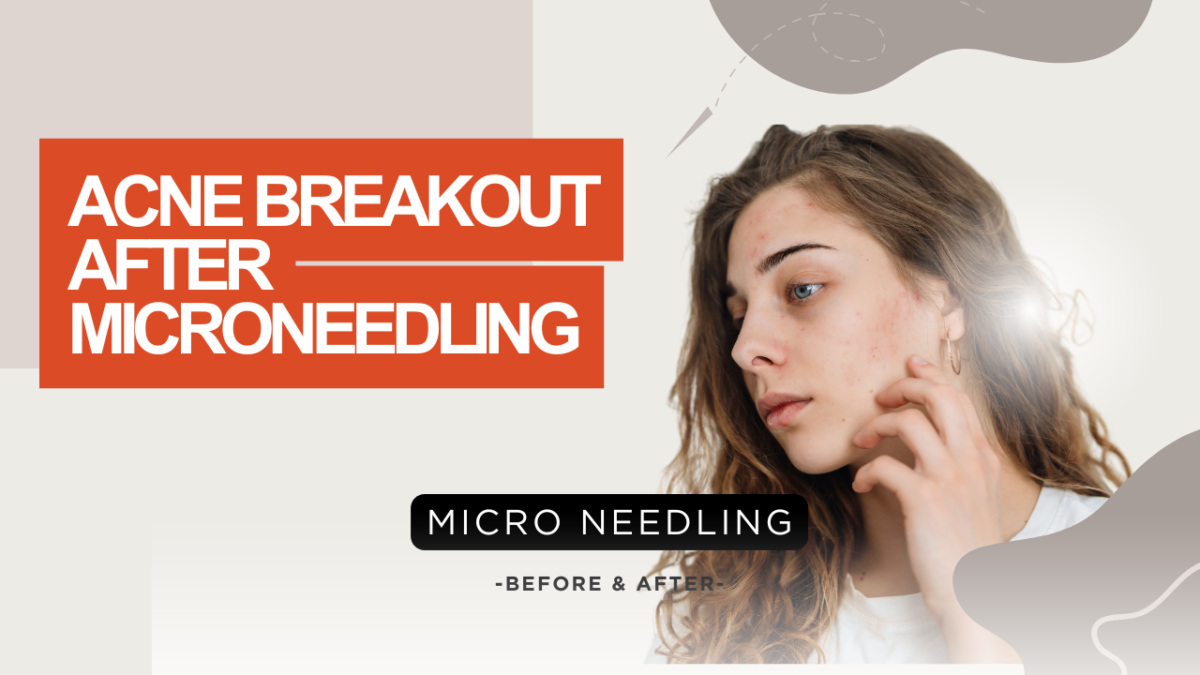
Acne Breakout After Microneedling

The Impact of Acne Breakouts After Microneedling

As a professional in the skincare industry, I often encounter clients who experience acne breakouts after microneedling treatments. This phenomenon can be concerning for both skincare professionals and clients alike. In this article, I will delve into the reasons behind acne breakouts after microneedling, how to prevent them, and the best practices for treating acne-prone skin post-microneedling.

Understanding the Science Behind Microneedling

Microneedling, also known as collagen induction therapy, is a minimally invasive cosmetic procedure that involves creating tiny micro-injuries in the skin using fine needles. These micro-injuries trigger the body’s natural healing process, resulting in increased collagen production and skin renewal. While microneedling is an effective treatment for a variety of skin concerns, including fine lines, wrinkles, and hyperpigmentation, it can also lead to temporary side effects such as redness, swelling, and in some cases, acne breakouts.

Identifying the Causes of Acne Breakouts After Microneedling

There are several factors that can contribute to acne breakouts after microneedling treatments. One common cause is the introduction of bacteria into the skin during the microneedling process. If proper sterilization techniques are not followed, the needles used in the procedure can introduce bacteria from the skin’s surface into the deeper layers, leading to infections and acne breakouts.

Another factor to consider is the use of skincare products post-microneedling. Clients with sensitive or acne-prone skin may experience breakouts if they use harsh or comedogenic products that clog pores and exacerbate acne. Additionally, the skin’s barrier function may be compromised after microneedling, making it more susceptible to environmental irritants and allergens that can trigger acne breakouts.

Preventing Acne Breakouts After Microneedling

Prevention is key when it comes to avoiding acne breakouts after microneedling treatments. As a skincare professional, it is essential to follow strict sterilization protocols to ensure that the equipment used in microneedling procedures is clean and free of bacteria. It is also important to educate clients on proper post-treatment care, including the use of gentle, non-comedogenic skincare products that will not irritate or clog the skin.

In addition to proper sterilization and skincare, it is crucial to assess each client’s skin type and concerns before performing a microneedling treatment. Clients with a history of acne or sensitive skin may require customized treatment plans that take their skin’s unique needs into account. By tailoring the microneedling treatment to the individual client, skincare professionals can minimize the risk of acne breakouts and other adverse reactions.

Best Practices for Treating Acne-Prone Skin Post-Microneedling

If a client does experience acne breakouts after microneedling, it is essential to address the issue promptly and effectively. One approach is to recommend gentle, non-irritating skincare products that will help to soothe inflammation and promote healing. Ingredients such as hyaluronic acid, niacinamide, and ceramides can help to restore the skin’s barrier function and prevent further breakouts.

In some cases, clients may benefit from targeted acne treatments, such as salicylic acid or benzoyl peroxide, to help reduce inflammation and unclog pores. However, it is important to approach acne treatments with caution, as overly harsh products can further irritate the skin and worsen the breakouts. Consulting with a dermatologist or skincare professional can help to determine the best course of action for treating acne-prone skin post-microneedling.

Conclusion

Acne breakouts after microneedling treatments can be a frustrating and unexpected side effect for both skincare professionals and clients. By understanding the causes of acne breakouts after microneedling, implementing proper prevention techniques, and following best practices for treating acne-prone skin post-microneedling, skincare professionals can help their clients achieve optimal results and minimize the risk of adverse reactions. With the right knowledge and approach, acne breakouts after microneedling can be effectively managed and mitigated, allowing clients to enjoy the benefits of this innovative skincare treatment without the fear of breakouts.

en_USEnglish