
google.com, pub-2032008856654686, DIRECT, f08c47fec0942fa0

Rf Microneedling Downtime

Learn about the downtime associated with Rf Microneedling treatments. Understand factors, typical recovery periods & ways to manage downtime effectively.

Rf Microneedling Downtime
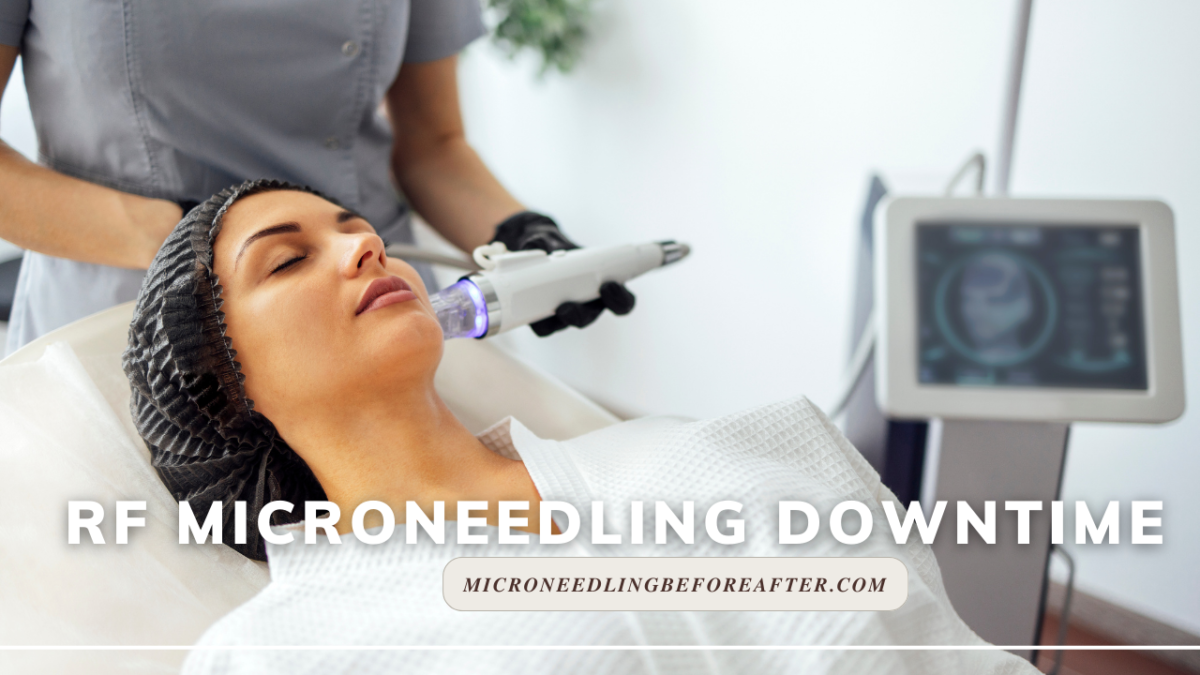
When it comes to undergoing rf microneedling treatments, one of the key factors to consider is the downtime associated with the procedure. Understanding how much downtime to expect can help you plan accordingly and ensure a smooth recovery process. In this article, I will discuss the typical rf microneedling downtime, factors that can affect it, and how to best manage and minimize it.

What is Rf Microneedling Downtime?
Rf microneedling, also known as radiofrequency microneedling, is a minimally invasive cosmetic procedure that utilizes a combination of microneedling and radiofrequency energy to target various skin concerns such as wrinkles, fine lines, acne scars, and uneven skin texture. Downtime refers to the period of time following the treatment when you may experience side effects such as redness, swelling, and skin sensitivity.

Understanding the expected downtime associated with rf microneedling can help you prepare for the recovery process and manage your expectations in terms of when you can resume your normal activities.

Factors That Can Affect Rf Microneedling Downtime
Several factors can influence the duration and severity of rf microneedling downtime. It’s important to consider these factors when planning for your procedure:

Treatment Intensity: The intensity of the rf microneedling treatment can affect the level of downtime you experience. Higher intensity treatments may result in more significant side effects and a longer recovery period.

Skin Sensitivity: Individuals with sensitive skin may experience more pronounced side effects and a longer downtime compared to those with less sensitive skin.

Skin Type: Different skin types react differently to rf microneedling treatments. Darker skin tones may be more prone to post-treatment hyperpigmentation, which can extend the downtime.

Preparation and aftercare: Proper preparation before the procedure and diligent aftercare following the treatment can help minimize downtime and promote faster healing.

Considering these factors can help you better understand how your individual characteristics and choices may impact the downtime associated with rf microneedling.

Typical Rf Microneedling Downtime
The typical downtime associated with rf microneedling can vary from person to person and depends on the factors mentioned above. In general, here is what you can expect in terms of downtime following the procedure:

Redness: Mild to moderate redness of the treated area is common immediately after rf microneedling and may persist for a few days.

Swelling: Swelling, particularly around the eyes and cheeks, may occur post-treatment and usually subsides within a few days.

Skin Sensitivity: The treated skin may feel sensitive, tight, or slightly uncomfortable for a few days following rf microneedling.

Peeling: Some individuals may experience mild peeling of the skin a few days after the treatment as the skin undergoes the healing process.

While these are general guidelines, your actual downtime may vary based on your unique characteristics and how well you follow the recommended aftercare instructions.

Managing Rf Microneedling Downtime
While some downtime is expected following rf microneedling, there are steps you can take to manage and minimize it:

Follow Aftercare Instructions: Be sure to carefully follow the post-treatment instructions provided by your skincare professional. This may include using specific skincare products, avoiding direct sunlight, and refraining from certain activities for a period of time.

Keep Skin Hydrated: Keeping your skin well-hydrated can help promote healing and reduce the appearance of dryness or peeling.

Avoid Harsh Products: During the downtime period, avoid using harsh skincare products or treatments that could irritate the skin or interfere with the healing process.

Protect Your Skin: Protect your skin from the sun by wearing a broad-spectrum sunscreen with SPF 30 or higher and avoiding prolonged sun exposure.

By following these tips and recommendations, you can help ensure a smooth recovery process and minimize the downtime associated with rf microneedling.

Conclusion
In conclusion, understanding rf microneedling downtime is an important aspect of preparing for and undergoing this popular cosmetic procedure. By considering factors that can affect the downtime, knowing what to expect in terms of typical recovery periods, and following recommended aftercare practices, you can help manage and minimize the downtime associated with rf microneedling.

If you are considering rf microneedling treatment, consulting with a qualified skincare professional can provide you with personalized advice and guidance on how to best prepare for and recover from the procedure. Remember that everyone’s skin is unique, and your individual characteristics may influence the duration and severity of downtime you experience. By being informed and proactive, you can enjoy the benefits of rf microneedling while minimizing any temporary side effects.
Deep Microneedling

Discover the benefits of Deep Microneedling, a minimally invasive procedure for improving skin imperfections such as wrinkles and scars. Learn about the process, benefits, safety, and what to expect in this comprehensive article.

“Deep Microneedling”
In recent years, deep microneedling has gained popularity as a minimally invasive cosmetic procedure that can improve the appearance of wrinkles, scars, and other skin imperfections. This advanced technique involves the use of tiny needles to create microchannels in the skin, stimulating the body’s natural healing process and promoting collagen production. In this article, I will delve into the details of deep microneedling, discussing how it works, its benefits, and what to expect during and after the procedure.

What is Deep Microneedling?
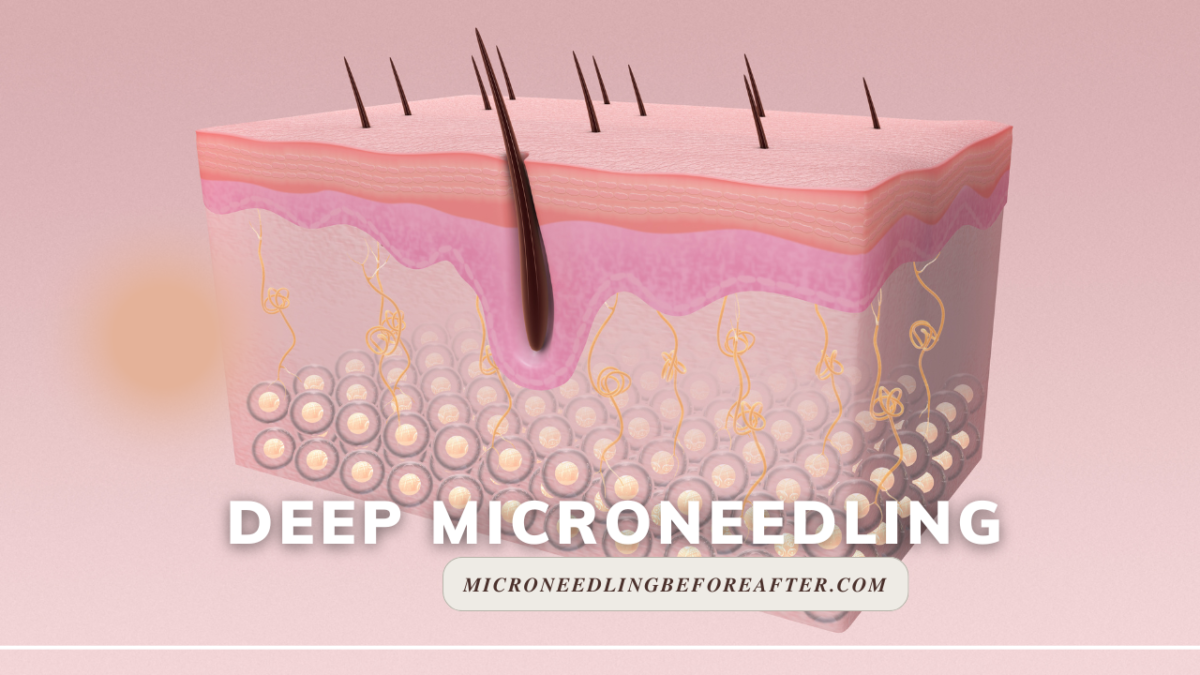
Deep microneedling, also known as medical microneedling, is a cosmetic procedure that involves the use of a device with fine needles to create controlled skin injuries. These micro-injuries trigger the body’s natural healing response, stimulating collagen and elastin production, which can improve the appearance of wrinkles, scars, and other skin imperfections. Unlike traditional microneedling, deep microneedling involves the use of longer needles that penetrate the deeper layers of the skin, producing more significant results.

How Does Deep Microneedling Work?
During a deep microneedling procedure, the skin is first cleansed and numbed to minimize discomfort. The microneedling device is then passed over the skin, creating tiny punctures or microchannels at precise depths. These micro-injuries stimulate the body’s wound healing response, triggering the production of collagen, elastin, and other skin-repairing compounds. As the skin heals, it becomes firmer, smoother, and more youthful-looking, with improvements in texture, tone, and overall appearance.

Benefits of Deep Microneedling
Deep microneedling offers a wide range of benefits for the skin, making it a popular choice for individuals seeking to improve the appearance of wrinkles, scars, and other skin imperfections. Some of the key benefits of deep microneedling include:

Stimulated Collagen Production: Deep microneedling stimulates collagen production, which can help improve skin firmness, elasticity, and thickness.

Reduced Wrinkles and Fine Lines: By promoting collagen production, deep microneedling can help reduce the appearance of wrinkles and fine lines, leading to smoother, more youthful-looking skin.

Improved Skin Texture: Deep microneedling can help improve skin texture by reducing the appearance of acne scars, enlarged pores, and other skin imperfections.

Enhanced Absorption of Skincare Products: The microchannels created during deep microneedling can enhance the absorption of skincare products, allowing for better penetration and improved results.

Minimal Downtime: Deep microneedling is a minimally invasive procedure with minimal downtime, making it a convenient option for individuals with busy lifestyles.

Is Deep Microneedling Safe?
Deep microneedling is generally considered safe when performed by a qualified and experienced provider. However, like any cosmetic procedure, there are risks and potential side effects to consider. These may include redness, swelling, bruising, and skin irritation, which are usually temporary and subside within a few days. To minimize the risk of complications, it is essential to choose a reputable provider and follow post-treatment care instructions carefully.

What to Expect During a Deep Microneedling Procedure
Before undergoing a deep microneedling procedure, it is essential to have a consultation with a qualified provider to discuss your goals, expectations, and any concerns you may have. During the procedure itself, here is what you can expect:

Cleansing and Numbing: The skin will be thoroughly cleansed to remove makeup, dirt, and oil. A numbing cream or topical anesthetic may be applied to minimize discomfort during the procedure.

Microneedling Treatment: The microneedling device will be passed over the skin in a controlled manner, creating microchannels at precise depths. The provider will adjust the settings of the device based on your specific skin concerns and treatment goals.

Post-Treatment Care: After the procedure, the skin may appear red, swollen, or slightly bruised. It is essential to follow post-treatment care instructions provided by your provider, such as avoiding sun exposure, wearing sunscreen, and using gentle skincare products.

What to Expect After a Deep Microneedling Procedure
Following a deep microneedling procedure, it is normal for the skin to experience some redness, swelling, and sensitivity. Here are some tips to help you care for your skin post-treatment:

Avoid Sun Exposure: Protect your skin from the sun’s harmful UV rays by wearing sunscreen with an SPF of 30 or higher and avoiding direct sun exposure.

Use Gentle Skincare Products: Avoid harsh skincare products that may irritate your skin. Opt for gentle cleansers, moisturizers, and serums to help your skin heal and recover.

Stay Hydrated: Drink plenty of water to help your skin stay hydrated and promote healing from within.

Follow Up with Your Provider: Attend follow-up appointments as recommended by your provider to assess your progress and discuss any concerns you may have.

When Will I See Results?
You may begin to see improvements in your skin’s texture, tone, and overall appearance within a few weeks of your deep microneedling procedure. However, optimal results typically take several months to fully develop as collagen production continues to increase. It is essential to be patient and consistent with your skincare routine to maximize the benefits of deep microneedling.

Is Deep Microneedling Right for Me?
Deep microneedling is a versatile treatment that can benefit individuals with a wide range of skin concerns, including wrinkles, scars, and uneven skin texture. However, it may not be suitable for everyone. Here are some factors to consider when determining if deep microneedling is right for you:

Skin Type: Deep microneedling may not be suitable for individuals with certain skin conditions, such as active acne, rosacea, eczema, or psoriasis. It is essential to consult with a skincare professional to determine if deep microneedling is safe for your skin type.

Expectations: While deep microneedling can produce significant improvements in the skin’s texture and appearance, it is essential to have realistic expectations about the results. Your provider can help you understand what to expect and whether deep microneedling aligns with your goals.

Medical History: It is crucial to inform your provider about any medical conditions, allergies, or medications you are taking before undergoing a deep microneedling procedure. This information will help ensure your safety and the effectiveness of the treatment.

Consultation with a Skincare Professional
If you are considering deep microneedling as a treatment option, it is essential to schedule a consultation with a qualified skincare professional. During the consultation, your provider will assess your skin, discuss your goals, and recommend the most suitable treatment plan for your needs. Be sure to ask any questions you may have about deep microneedling to help you make an informed decision.

Conclusion
In conclusion, deep microneedling is a revolutionary cosmetic procedure that can improve the appearance of wrinkles, scars, and other skin imperfections. By stimulating collagen production and promoting skin regeneration, deep microneedling offers a safe and effective way to achieve smoother, firmer, and more youthful-looking skin. If you are considering deep microneedling as a treatment option, be sure to consult with a qualified provider to discuss your goals, expectations, and any concerns you may have. By following post-treatment care instructions and maintaining a consistent skincare routine, you can maximize the benefits of deep microneedling and enjoy radiant, healthy skin.

Microneedling Stem Cells

Can microneedling enhance the effects of stem cell therapy for skin rejuvenation? This article will delve into the science behind microneedling and stem cell therapy, as well as how combining these two treatments can lead to optimal results.

Microneedling: A Brief Overview

Microneedling, also known as collagen induction therapy, is a minimally invasive procedure that involves creating tiny punctures in the skin using fine needles. This process stimulates the body’s natural wound healing response, leading to the production of collagen and elastin.

How does microneedling work?

Microneedling works by creating controlled micro-injuries to the skin, which triggers the body’s healing process. This results in increased collagen production, improved skin texture, and reduced signs of aging.

Stem Cell Therapy: An Introduction

Stem cell therapy involves using stem cells to promote tissue repair and regeneration. Stem cells have the unique ability to develop into different types of cells in the body, making them an ideal treatment for a variety of conditions, including skin rejuvenation.

What are stem cells?

Stem cells are undifferentiated cells that have the potential to differentiate into specialized cells and regenerate damaged tissues. They play a crucial role in the body’s healing process and have been used in various medical treatments, including skin rejuvenation.

The Benefits of Microneedling with Stem Cells

Combining microneedling with stem cell therapy can enhance the benefits of both treatments, leading to improved skin texture, tone, and overall appearance. The micro-injuries created by microneedling allow for better absorption and penetration of stem cells into the skin, boosting their regenerative properties.

How does microneedling enhance the effects of stem cell therapy?

Microneedling creates channels in the skin that allow for better delivery of stem cells. This leads to increased collagen production, improved skin hydration, and enhanced overall skin rejuvenation.

Clinical Studies on Microneedling Stem Cells

Several studies have been conducted to evaluate the efficacy of combining microneedling with stem cell therapy for various skin conditions. These studies have shown promising results, indicating that this combination treatment can lead to significant improvements in skin texture, tone, and elasticity.

What do clinical studies say about microneedling stem cells?

Clinical studies have demonstrated that combining microneedling with stem cell therapy can lead to increased collagen production, improved skin texture, and reduced signs of aging. These results suggest that this combination treatment may be beneficial for individuals looking to rejuvenate their skin.

Potential Side Effects and Risks

While microneedling with stem cells is generally considered safe, there are some potential side effects and risks that individuals should be aware of before undergoing this treatment. These may include redness, swelling, bruising, and infection.

How can individuals minimize the risk of side effects?

To minimize the risk of side effects, individuals should follow the post-treatment care instructions provided by their healthcare provider. This may include avoiding sun exposure, using gentle skincare products, and staying hydrated to promote healing and reduce inflammation.

Who is a Candidate for Microneedling Stem Cells?

Microneedling with stem cells is a suitable treatment option for individuals looking to improve the texture, tone, and overall appearance of their skin. Candidates for this treatment may include those with fine lines, wrinkles, acne scars, and uneven skin tone.

How can individuals determine if they are a candidate for this treatment?

Individuals interested in microneedling with stem cells should consult with a qualified healthcare provider to determine if they are a suitable candidate for this treatment. Factors such as skin type, age, and medical history may influence candidacy for this procedure.

Cost Considerations for Microneedling Stem Cells

The cost of microneedling with stem cells can vary depending on the provider, location, and specific treatment plan. While this treatment may be more expensive than traditional microneedling or stem cell therapy alone, the combined benefits may justify the investment for many individuals.

How can individuals determine the cost of microneedling stem cells?

To determine the cost of microneedling with stem cells, individuals should schedule a consultation with a healthcare provider to discuss their specific treatment goals and receive a customized treatment plan. This plan will outline the estimated cost of the procedure and any associated fees.

In conclusion, microneedling with stem cells is a cutting-edge treatment that offers significant benefits for skin rejuvenation. By combining the regenerative properties of stem cells with the collagen-stimulating effects of microneedling, individuals can achieve smoother, firmer, and more youthful-looking skin. For those looking to enhance the effects of their skin rejuvenation treatment, microneedling with stem cells may be a promising option to consider.

en_USEnglish