
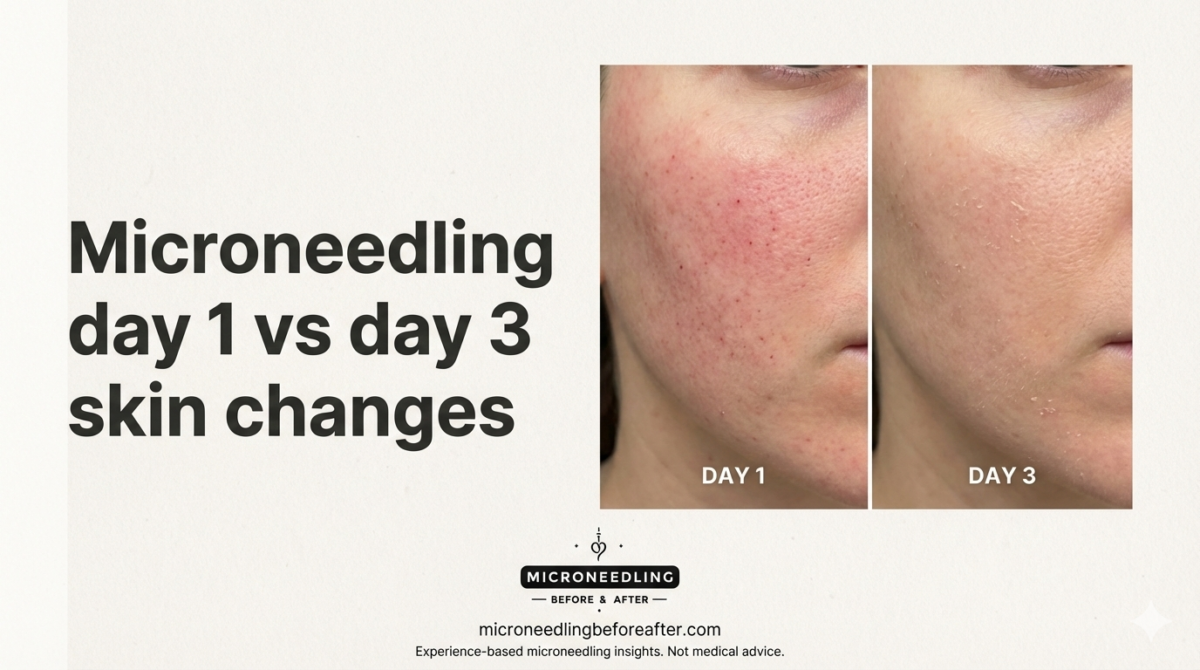
Have you noticed a big difference in how your skin looks and feels between the first and third day after microneedling?
Microneedling Day 1 Vs Day 3 Skin Changes
I’m going to walk you through what I see and feel on day 1 compared with day 3 after microneedling. I’ll explain why those changes happen, what’s normal, and what should prompt me to call a professional.
What microneedling is and how it works
I think of microneedling as a controlled injury to the skin that triggers repair. Tiny needles create microchannels in the epidermis and superficial dermis, which starts a cascade of inflammation, collagen production, and remodeling.
I understand that this process is intentionally disruptive because the body’s repair mechanisms create new collagen, elastin, and improved skin texture over time. The short-term effects are part of that healing sequence.
The basic timeline I expect after microneedling
I like to divide the early timeline into immediate (within hours), day 1, day 2, day 3, and the first week. Each phase has predictable signs and sensations as the skin moves from acute injury toward regeneration.
I’ll focus mainly on the contrast between day 1 and day 3, but I’ll also describe the immediate aftermath and what follows during the first week so the differences make more sense.
Immediate Aftermath (0–6 hours)
I usually notice redness and pinpoint bleeding right after the procedure. There can be a warm, tight feeling and sometimes a prickling or stinging sensation as the microchannels are fresh.
I often see some serous fluid (clear plasma) on the surface as the skin reacts, and practitioners commonly apply calming serums or sterile saline right away. Immediate sterility and gentle care are essential to reduce contamination risk.
How my skin looks and feels in the first few hours
My skin typically looks sunburned and feels warm to the touch. If there was any bleeding, it’s usually minimal and stops quickly.
I expect cosmetic redness to be prominent; swelling is possible but usually mild. I avoid applying makeup and keep the area protected and hydrated.
Day 1: Acute Inflammatory Phase
On day 1 I expect significant erythema (redness), sensitivity, and a warm tight sensation. The skin barrier is compromised, so I feel more prone to stinging from water, skincare, or temperature changes.
I might notice tiny scabs where more intense micro-injury occurred, and sometimes minimal pinpoint bleeding or residual serum. For my part, I keep care minimal and gentle—cleanse with lukewarm water, apply a bland moisturizing serum, and avoid irritants.
Typical symptoms I see on day 1
I usually experience:
- Bright red or pink skin similar to a moderate sunburn.
- Tightness and mild swelling, especially around eyes or thin areas.
- Mild to moderate tenderness, but not severe pain.
- Possible pinpoint bleeding or oozing that clears within hours.
I find it important to avoid makeup, heavy creams, or any active ingredients on day 1 to prevent irritation and infection.
What’s happening under my skin on day 1
Biologically, I know the body is launching an inflammatory response. Immune cells rush to the micro-injuries, blood flow increases, and cytokines are released to start cleanup and signaling.
This inflammation is necessary to attract fibroblasts and kickstart collagen-producing pathways. The microchannels are still open, making the skin more permeable and vulnerable.
Day 2: Early Healing and Increased Sensitivity
By day 2, redness often remains but may start to spread or become a duller pink. I sometimes notice more pronounced swelling as fluids accumulate, and some small scabs or flakes can appear as the epidermis begins to shed damaged cells.
I take extra care to avoid rubbing or picking at scabs. I also continue to protect my skin from sunlight and avoid strenuous exercise that increases blood flow and swelling.
How day 2 feels different from day 1
On day 2 my skin can feel tighter and more dry because the barrier is losing water. I sometimes see slight peeling, and makeup still feels risky and may accentuate texture issues.
I usually still avoid topical actives, and I keep skincare to a gentle cleanser, hydrating serum (e.g., hyaluronic acid), and a very mild moisturizer.
Day 3: Transition into Repair Phase
Day 3 is a turning point for me. Redness typically begins to lessen, although it can persist depending on depth of treatment and individual factors. I may notice more dryness, flaking, and a sandpaper-like texture as the superficial epidermis sheds.
I also start to feel less tenderness and more tightness as new skin begins to form. Microchannels often close or are much reduced by day 3, and I can start to consider reintroducing very mild, supportive skincare if my provider gave the OK.
Common signs I see on day 3
I frequently observe:
- Reduced but still present redness, often pink rather than bright red.
- Dryness, peeling, or mild flaking as dead epidermal cells slough off.
- Less pain and fewer open microchannels.
- Slight itchiness as healing progresses, which I try not to scratch.
I find that this is the time I can return to light makeup or tinted mineral sunscreen if necessary, but I proceed cautiously and only with non-irritating formulas.
Direct Comparison: Day 1 vs Day 3
I put together a clear comparison so I can quickly see what to expect and how to adapt my care.
| Feature | Day 1 | Day 3 |
|---|---|---|
| Redness | Bright, intense, sunburn-like | Diminished, pinker, patchy |
| Swelling | Often present, mild-moderate | Usually reduced, localized |
| Pain/Tenderness | Moderate, acute discomfort | Lower, more like tightness/itch |
| Bleeding | Possible immediate pinpoint bleeding | Rare; channels mostly closed |
| Oozing/Weeping | Possible in first hours | Uncommon; dry or slightly flaky |
| Skin texture | Smooth but inflamed | Tight, dry, flaky, sandpaper-like |
| Microchannels | Open and highly permeable | Mostly closed or resealing |
| Makeup tolerance | Not recommended | May be tolerated (mineral/tinted) |
| Activity restrictions | Strict (no sweating, sun) | Still need caution but more flexibility |
I rely on this table as a quick reference when I decide how carefully to treat my skin across these days.
Why the change from day 1 to day 3 happens
I understand that the initial inflammatory response is responsible for the immediate redness and sensitivity. Over 48–72 hours, inflammation reduces and re-epithelialization begins—the epidermal cells proliferate to reseal the barrier.
I also know that the immune system clears debris and that collagen-producing fibroblasts begin working within days. Those early structural repairs reduce redness and pain but often produce tightness and flaking as the top layer normalizes.
How treatment variables affect day 1–3 changes
I’m aware several factors change the severity and speed of recovery:
- Needle depth and treatment intensity: Deeper treatments yield more redness and slower recovery.
- Device type: Automated pen devices and professional systems often produce different injury profiles than at-home rollers.
- Skin type and Fitzpatrick classification: Darker skin tones have a higher risk of post-inflammatory hyperpigmentation and may have a different visible timeline.
- Pre-existing conditions: Active acne, rosacea, or eczema can complicate healing.
- Medications: Recent isotretinoin, blood thinners, or immunosuppressants affect outcomes.
I always disclose my medical history to my provider so they can adjust needle depth and pre/post-care accordingly.
Recommended Day-by-Day Aftercare I Follow
I keep a conservative and sensible routine that protects barrier function and encourages healing.
Immediate post-procedure (hours 0–6)
I gently pat the area with sterile gauze if needed and use only the product the clinician provided—often a sterile hydrating gel or saline. I avoid touching my face with unwashed hands and sit in a clean environment.
I try to keep my head elevated and avoid anything that increases facial blood flow. I don’t apply ice directly over the treated skin unless directed, and if I do use cold, I keep it wrapped and brief.
Day 1 routine
I cleanse with a gentle, non-foaming cleanser and lukewarm water. I apply a bland hydrating serum (often hyaluronic acid or a prescribed healing serum) and a lightweight, hypoallergenic moisturizer.
I stay out of direct sun and avoid vigorous exercise, sauna, hot baths, and alcohol that can increase blood flow. I sleep with my head elevated if swelling is present.
Day 2 routine
I continue the gentle cleanse and hydration. If instructed, I may add a sterile growth factor or platelet-rich plasma (PRP) product if used in the clinic, but only if applied by a professional or proven sterile home product.
I still avoid active ingredients like acids and retinoids. I keep sun protection and physical barriers in place when outdoors.
Day 3 routine
If redness has started to subside and my practitioner has approved, I carefully reintroduce minimal makeup (mineral or non-comedogenic) and my physical sunscreen. I keep to mild products and avoid exfoliants.
I continue hydration to reduce flakiness and avoid picking or peeling skin. If there is persistent warmth, worsening redness, or discharge, I contact my practitioner immediately.
What I avoid during days 1–3
I make a strict list of prohibited activities and products during the first three days:
- No chemical peels, exfoliation, retinoids, or acids.
- No hot showers, saunas, or steam rooms.
- No intense exercise that causes heavy sweating.
- No swimming in pools, hot tubs, or open water due to infection risk.
- No aggressive facial manipulation (scrubbing, massaging).
I find that following these restrictions reduces complications and speeds comfortable healing.
Products I use and why
I prefer simple, clinically proven ingredients that promote hydration and barrier repair without irritants.
- Gentle cleanser (non-foaming, fragrance-free): Cleans without stripping.
- Hyaluronic acid serum: Rehydrates the dermis and epidermis without irritation.
- Lightweight ceramide or peptide-based moisturizer: Supports barrier repair.
- Physical sunscreen (zinc oxide): Protects healing skin from UV-driven pigment changes.
I avoid vitamin C, AHAs/BHAs, and retinoids for at least a week or longer if my skin is still inflamed.
Use of growth factors, PRP, and serums
If my clinician used PRP during the session, I follow their timeline for returning to normal products. PRP and growth-factor serums can enhance healing but must be sterile and clinically administered.
I only introduce professional serums as directed. Over-the-counter growth-factor products are variable in quality, and I rely on my practitioner’s guidance.
When to resume actives and more aggressive treatments
I generally wait at least 3–7 days before reintroducing mild actives, and 2–4 weeks before using retinoids or stronger chemical exfoliants, depending on depth. My clinician’s instructions are my primary guide.
For deeper microneedling, I might wait 4–6 weeks to resume full-strength actives. I monitor my skin’s appearance and sensitivity and reintroduce one product at a time.
Potential complications I watch for
I am vigilant for signs that healing isn’t following a normal course and I’ll contact my provider for these:
- Increasing redness, warmth, swelling after day 3.
- Yellow or green discharge, crusting with malodor—possible infection.
- Fever, chills, or generalized unwellness.
- Severe pain not controlled by OTC analgesics.
- New blistering or spreading rash.
I understand that early treatment of infection or other complications reduces scarring and adverse outcomes.
Post-inflammatory hyperpigmentation (PIH) risk
I pay close attention to sun protection because UV exposure during healing increases PIH risk. For darker skin tones, the risk of PIH is higher, so I use strict sun avoidance and physical sunscreens.
If I notice dark patches developing in the weeks after treatment, I consult my provider about topical lightening agents or procedures that are safe post-microneedling.
When to call my clinician versus managing at home
I call my clinician if:
- Symptoms worsen after day 3.
- I see pus, spreading redness, or hard painful nodules.
- I have systemic symptoms like fever.
I manage mild redness, dryness, and peeling at home with conservative care—hydration, sunscreen, and patience—but I won’t hesitate to seek help for anything unusual.
How needle depth and treatment intensity affect day 1–3 differences
I find that treatments using longer needles (e.g., >1.0 mm) produce more dramatic day 1 redness and longer-lasting visible effects through day 3 and beyond. Superficial microneedling (0.25–0.5 mm) often produces milder symptoms that resolve faster.
I also consider the treated area: eyelids and neck are thinner and can swell more; thicker areas like the cheeks tolerate deeper passes with different healing.
Table: Typical recovery expectations by needle depth
| Needle Depth (mm) | Typical Day 1 | Typical Day 3 | Recovery Window |
|---|---|---|---|
| 0.25–0.5 | Mild redness | Minimal pink, quick resolution | 1–3 days |
| 0.5–1.0 | Moderate redness, some swelling | Reduced redness, flaking begins | 3–7 days |
| >1.0 | Pronounced redness, swelling, possible pinpoint bleeding | Pinkness persists, scabbing possible | 1–2+ weeks |
I use this table to set my expectations and plan aftercare.
Special considerations for different skin types
If I have oily or acne-prone skin, I avoid microneedling during active cystic outbreaks as it can spread bacteria. For sensitive or rosacea-prone skin, I choose conservative settings and anticipate longer redness.
I’m especially cautious with Fitzpatrick IV–VI skin tones, where PIH risk is higher. I consult a board-certified provider experienced with darker skin to minimize pigmentary complications.
Combining microneedling with other treatments
I’m often asked if microneedling can be combined with PRP, vitamin C, or topical medications. Combining with PRP is a common clinic practice and may enhance results when done sterilely.
I avoid applying active topical ingredients immediately after microneedling at home, because microchannels increase absorption and can cause irritation or systemic exposure. If combining treatments, I defer to the practitioner’s protocol.
How to handle itching and flaking on day 3
When itchiness starts around day 3, I resist scratching and instead use a cool compress and increased hydration. I apply a bland, fragrance-free moisturizer frequently to reduce flaking and soothe the skin.
If itching is severe, I contact my clinician; they may recommend an oral antihistamine or a topical steroid for short-term relief.
Makeup and sunscreen use by day 3
I usually wait at least 48–72 hours before applying any makeup. By day 3, if my skin looks calmer, I choose mineral makeup (zinc/titanium dioxide) to reduce irritation and avoid occlusive, heavy formulations.
Sunscreen is essential—physical sunscreens are preferred until the barrier fully recovers. I make it a habit to reapply every two hours outdoors.
Nutrition, sleep, and lifestyle to support healing
I know that good sleep, hydration, a balanced diet, and avoiding smoking help my skin repair faster. I prioritize protein and vitamin C in my diet, which support collagen synthesis and healing.
I reduce alcohol intake and avoid NSAIDs right after treatment only if my clinician advises, because some practitioners prefer to avoid NSAIDs for the first 24–48 hours to not blunt the inflammatory phase that stimulates collagen production. I follow my clinician’s guidance here.
My realistic expectations for the first 3 days
I remind myself that the first three days are about healing, not results. I don’t expect smoother skin immediately; instead, I expect temporary redness, tightness, and some flaking.
Visible improvements in texture and tone typically emerge in weeks to months as collagen remodeling progresses. Patience and consistent aftercare give me the best outcome.
Frequently asked questions I get asked
Can I shower on day 1 or day 3?
I usually shower with lukewarm water and avoid high pressure directly to the face. By day 3 showers are more comfortable, but I still avoid hot water and steam.
I don’t use bath products with perfumes or exfoliating beads while my skin is healing.
Is it normal to have scabs or bleeding?
Pinpoint bleeding during or immediately after treatment can be normal, especially with deeper needling. Scabs may form but I don’t pick them; picking raises the risk of scarring and hyperpigmentation.
If scabbing is extensive or accompanied by pus, I contact my provider.
When can I exercise again?
I typically wait 48–72 hours before returning to strenuous exercise. By day 3 light activities are usually okay, but I avoid heavy sweating that could irritate the skin.
I listen to my body—if my face is still warm and puffy, I postpone intense workouts.
Final thoughts and practical checklist I follow for days 1–3
I keep a simple checklist to ensure I don’t compromise healing:
- Cleanse gently twice daily with lukewarm water.
- Hydrate with hyaluronic acid and a bland moisturizer.
- Use physical sunscreen and avoid sun exposure.
- No makeup for at least 48–72 hours; use mineral if necessary afterward.
- Avoid actives, steam, and heavy exercise for 3+ days.
- Watch for signs of infection and contact my clinician if they arise.
I find that following these guidelines helps me move from the acute inflammatory phase on day 1 to a calmer, reparative state by day 3, setting the stage for long-term improvement.
If you want, I can outline a specific product list suitable for sensitive post-microneedling care or a tailored timeline based on needle depth and skin type.

 English
  Spanish