google.com, pub-2032008856654686, DIRECT, f08c47fec0942fa0

Microneedling Protocol Differences By Treatment Goal

Evidence-informed guide to microneedling protocols by treatment goal—how to select depth, device, adjuncts, endpoints, frequency, and safety.

? What specific microneedling protocol will best achieve the treatment outcome I intend for a particular patient?

Microneedling Protocol Differences By Treatment Goal

I will present a structured, detailed review of how microneedling protocols change according to treatment objective. I aim to give practical, evidence-informed guidance so I can select depths, devices, adjuncts, and aftercare that optimize safety and efficacy for each indication.

Overview of microneedling and clinical endpoints

I consider microneedling an umbrella term describing controlled micro-injury to the skin to induce remodeling and permit transdermal delivery. I will highlight that treatment parameters — needle length, device type, number of passes, endpoint, and adjuncts — are the levers I adjust to meet specific goals.

Biological rationale and expected responses

I understand that microneedling stimulates wound healing cascades, collagen and elastin production, and can modulate pigmentation and scarring. I will note that outcomes depend on intensity of injury, focal anatomy, and patient biology including age, hormonal status, and skin type.

Device types and practical differences

I will summarize the main device categories and how they influence protocol selection. Device choice affects precision, depth control, patient comfort, and compatibility with adjuncts such as radiofrequency or topical biologics.

Manual rollers, automated pens, and RF microneedling

I prefer automated pens for facial work because they provide consistent vertical needle entry and adjustable depth settings. I will use RF microneedling when I need thermal coagulation in addition to mechanical injury for skin tightening or scar remodeling.

Needle configuration, cartridge selection, and sterility concerns

I select cartridges based on needle length and gauge; I always use single-patient sterile tips to minimize infection risk. I will emphasize that needle gauge changes tissue trauma and bleeding risk — thinner needles cause less bleeding, while thicker needles may create a larger channel for topical delivery.

Key treatment variables and clinical endpoints

I will define the parameters I adjust and the clinical endpoints I seek during treatment. Being explicit about these variables helps standardize protocols and manage expectations.

Needle depth, number of passes, speed, and endpoint

I typically vary needle depth from 0.25 mm for superficial rejuvenation up to 3.5 mm for deep acne scars or body stretch marks. I assess endpoint by tissue response: visible pinpoint bleeding and serous oozing indicate adequate dermal disruption for remodeling in many scar protocols, while erythema without bleeding may be sufficient for superficial rejuvenation.

Frequency and course of treatments

I usually space treatments according to depth: shallow treatments every 2–4 weeks and deeper or aggressive protocols every 6–8 weeks to allow remodeling. I will tailor total number of sessions to the indication — for example, 3–6 sessions for general rejuvenation and 4–8 (or more) for severe acne scarring.

Patient selection and Fitzpatrick skin types

I carefully evaluate patient history, medications, active skin disease, and Fitzpatrick skin type to determine risk of postinflammatory hyperpigmentation (PIH) and other complications. I will classify my approach differently for Fitzpatrick I–III versus IV–VI to reduce pigmentary sequelae.

Pre-treatment priming and risk mitigation

I often use a preconditioning regimen for higher-risk patients: topical retinoid or growth factor priming in lower-risk patients and cautious bleaching/tyrosinase inhibitors for darker skin types. I will stop retinoids when clinically necessary and recommend antiviral prophylaxis for patients with a history of herpes simplex when treating perioral areas.

Protocols by treatment goal — summary table

I will provide a high-level table to compare recommended parameters by goal. This will help me and readers quickly match objectives with typical device settings, endpoints, frequency, and adjuncts.

Treatment Goal Typical Needle Depth (mm) Device Type Endpoint Frequency Common Adjuncts
Superficial skin rejuvenation (fine lines, texture) 0.25–0.75 Automated pen Diffuse erythema, no to minimal bleeding Every 2–4 weeks, 3–6 sessions Topical growth factors, vitamin C
Acne scarring (rolling/boxcar) 1.5–3.0 Automated pen or RF microneedling Pinpoint bleeding, gelatinous dermal exudate Every 6–8 weeks, 4–8+ sessions PRP/PRF, cross-fragmentation, subcision combo
Surgical or hypertrophic scars 1.5–3.0 (deeper for tethered scars) Automated pen / RF microneedling Pinpoint bleeding, release of tethering Every 6–8 weeks Steroid injection adjunct, silicone sheeting
Hyperpigmentation / melasma 0.25–1.0 (cautious) Automated pen Mild erythema, avoid heavy bleeding Every 3–6 weeks, conservative approach Topical tranexamic acid, hydroquinone alternatives
Hair restoration (scalp) 0.5–2.5 Automated pen Mild bleeding acceptable Every 2–6 weeks depending on depth PRP/PRF, topical minoxidil
Stretch marks (striae) 1.5–3.5 Automated pen or roller Pinpoint bleeding Every 6–8 weeks PRP, topical retinoids
Transdermal delivery (drug/peptide delivery) 0.25–1.5 Automated pen No bleeding required for delivery-only protocols As needed Mesotherapy, peptides, corticosteroid delivery

Superficial skin rejuvenation protocols

I perform superficial microneedling when the primary goals are improving skin tone, pore size, mild texture irregularities, and fine lines. I will generally use short needle lengths and fewer passes to minimize downtime and pigmentary risk.

Device settings and adjuncts for rejuvenation

I typically set needle depth between 0.25 and 0.75 mm for facial rejuvenation. I will apply topical growth factors, peptides, or vitamin C either immediately after treatment or via mesotherapy to leverage increased permeability.

Frequency, expected results, and downtime

I schedule sessions every 2–4 weeks and expect gradual textural improvements after 3–6 treatments. I advise patients of 24–72 hours of erythema and superficial flaking, but minimal social downtime for most.

Acne scarring protocols

I approach acne scarring with a protocol that balances depth for collagen induction against potential for PIH, especially in darker skin types. I select deeper settings and allow longer healing intervals.

Needle depth, passes, and combination strategies

For rolling and boxcar scars I commonly use 1.5–3.0 mm, with multiple passes targeted to the scarred regions. I often combine microneedling with PRP/PRF or fractional RF to enhance collagen remodeling and sometimes pair with subcision to release deep tethered areas.

Timeline, outcomes, and managing expectations

I space sessions every 6–8 weeks and plan for 4–8+ sessions depending on scar severity. I counsel that significant improvement often requires adjunctive therapies and that full maturation may take several months.

Surgical and hypertrophic scar protocols

I treat surgical scars with deeper microneedling to soften texture, increase pliability, and permit steroid or enzymatic adjuncts. I tailor my approach based on scar age and vascularity.

Strategies for hypertrophic and keloid-prone patients

I exercise caution in keloid-prone patients and typically avoid aggressive protocols; instead I use conservative microneedling combined with intralesional steroid delivery. I will monitor for signs of hypertrophic scarring and consider referral when lesions are active.

Device choice and depth considerations

For older, flat scars I may use 1.5–2.5 mm; for tethered scars combined subcision with microneedling at similar depths may produce better contour improvement. I will use RF microneedling in some cases to introduce thermal remodeling but take care to not exacerbate scar hypertrophy.

Hyperpigmentation and melasma protocols

I approach pigmentary disorders cautiously because microneedling can both help and harm pigment. I reduce depth and frequency while using adjunctive topical agents to prevent PIH.

Conservative protocols and adjunctive topical therapy

I often select 0.25–1.0 mm depth with minimal bleeding and use tranexamic acid, vitamin C, or azelaic acid in conjunction. I will avoid aggressive treatment in active melasma and prioritize priming with topical agents for several weeks prior.

Risk reduction for PIH

I institute strict sun protection and may start topical hydroquinone or non-hydroquinone alternatives before treatment for higher-risk skin types. I will avoid repeat sessions until inflammation resolves and appear cautious with any protocol that produces heavy inflammation.

Hair restoration protocols

I use microneedling in androgenetic alopecia and other hair loss conditions to enhance transdermal delivery of growth factors and stimulate follicles. Depth selection is scalp-specific and often deeper than facial settings.

Depth, PRP/PRF adjuncts, and treatment cadence

I use 0.5–2.5 mm depending on scalp area and hair density; typical practice uses 1.5 mm for vertex areas. I commonly pair microneedling with PRP/PRF and schedule sessions every 4–6 weeks for 3–6 treatments before reassessment.

Outcome expectations and combination therapy

I inform patients that results are incremental and often better when combined with topical or oral therapies like topical minoxidil or antiandrogens. I monitor for scalp infections and folliculitis and emphasize adherence to a regular maintenance program.

Stretch mark (striae) protocols

I treat striae with relatively aggressive depth to reach lower dermis because these lesions involve deeper dermal disruption. I manage patient expectations about partial rather than complete resolution.

Needle depth and adjunctive therapies

I commonly use 1.5–3.5 mm depths on body areas with thicker dermis and combine with PRP or topical retinoids to stimulate remodeling. I will space treatments every 6–8 weeks and recommend several sessions for meaningful texture changes.

Safety considerations for bodywork

I perform test areas when treating large regions and counsel on pain management during longer sessions. I will consider local anesthesia for larger or deeper sessions to improve patient comfort.

Transdermal drug and biologic delivery

I employ microneedling to enhance penetration of topicals, peptides, small molecules, or biologic products with minimal systemic absorption. Depth and timing relative to topical application are key variables.

Depth and timing for optimal delivery

For most topical delivery purposes I use 0.25–1.5 mm to produce channels without heavy scabbing. I apply the therapeutic agent immediately post-procedure to leverage open microchannels and often occlude briefly to increase uptake.

Safety and pharmacokinetic considerations

I ensure the applied agents are appropriate for transdermal use and counsel patients regarding potential systemic exposure. I avoid unapproved or unvalidated compounds and adhere to local regulatory guidance.

Periorbital and lip area protocols

I treat periorbital skin and lips conservatively because of thin dermis and higher risk of bruising and pigment changes. I adjust depth and technique to preserve safety.

Depth adjustments and technique nuances

I typically use 0.25–0.5 mm around the eyelids and 0.5–1.0 mm for perioral areas. I perform minimal passes, maintain gentle pressure, and avoid aggressive endpoints in these delicate zones.

Adjuncts and anesthesia

I prefer topical anesthetic creams and careful patient positioning for comfort. I combine with PRP or hyaluronic acid fillers only when clinically indicated and with experience in these areas.

Anaesthesia, pain control, and patient comfort

I balance adequate analgesia with safety, especially for deeper or longer treatments. I provide topical anesthesia for most facial treatments and consider nerve blocks for extensive body sessions.

Topical anesthetics, numbing duration, and safety

I apply topical anesthetics 30–45 minutes prior and use occlusion to improve penetration when needed. I am cautious with epinephrine-containing mixtures on the face and avoid repeated full-face nerve blocks unless trained and indicated.

Infection control, contraindications, and safety checklist

I adhere to strict aseptic technique, screening protocols, and contraindication review to minimize complications. I document informed consent and baseline photography as part of standard practice.

Absolute and relative contraindications

I will not treat active infection, severe isotretinoin use within prior 6–12 months, active autoimmune disease with instability, or unhealed wounds. I use caution with pregnancy, anticoagulation, keloid predisposition, and uncontrolled diabetes.

Complication recognition and management

I monitor for infection, prolonged erythema, scarring, and PIH. I treat bacterial infection promptly with antibiotics and initiate early management for PIH with topical lighteners and sun protection.

Post-treatment care and expectations

I provide explicit, written post-care instructions to control inflammation, prevent infection, and enhance results. Patient adherence heavily influences outcomes, so I review do’s and don’ts verbally and in print.

Immediate post-care and first week

I recommend gentle cleansing, avoidance of makeup for 24 hours when possible, continuous sunscreen use, and cryotherapy for swelling. I advise against active ingredients like retinoids and certain acids for at least 48–72 hours or longer if the epidermis is disrupted.

Long-term skin care and maintenance schedule

I encourage a maintenance program tailored to the original indication — for example, quarterly superficial treatments for ongoing rejuvenation or periodic PRP boosters for hair maintenance. I will also emphasize consistent sun protection and topical agents that complement microneedling gains.

Combining microneedling with other modalities

I use combination therapy when synergistic benefits outweigh added cost or downtime. I will time combinations carefully — either in the same session (e.g., microneedling + PRP) or staged across weeks (e.g., microneedling preceding a laser).

PRP/PRF, chemical peels, lasers, and fillers

I often combine microneedling with PRP/PRF to amplify collagenogenic stimulus, particularly for scarring and rejuvenation. I avoid aggressive ablative lasers immediately after microneedling; if combining, I schedule lasers after initial microneedling healing or vice versa based on risks.

Documentation, consent, and outcome measurement

I document baseline photos, device settings, needle depth, number of passes, adjuncts used, and patient-reported pain scores. I also set measurable outcome goals and timelines for follow-up assessment.

Standardized photography and outcome scales

I use standardized photography and scar grading scales (e.g., global acne scarring classification) to quantify progress. I will also solicit patient-reported outcome measures to capture subjective satisfaction.

Troubleshooting common problems

I address suboptimal response, PIH, persistent erythema, and infection with targeted interventions and protocol modifications. I rarely abandon microneedling but will modify strategy and consider alternative modalities when appropriate.

Nonresponse and protocol escalation

If a patient does not respond after an adequate trial, I escalate by increasing depth, adding adjuncts like PRP, or combining with subcision/RF. I will reassess skin type, compliance, and underlying pathology before changing course.

Managing PIH and extended inflammation

I initiate conservative lightening regimens and avoid further inflammatory triggers when PIH occurs. I consider topical tranexamic acid, azelaic acid, and short courses of low-potency steroids in inflammatory flares with specialist input.

Practical tables for clinic use

I provide a clinical cheat sheet summarizing indications, depths, frequencies, and adjuncts for routine reference in practice.

Indication Depth (mm) Frequency Endpoint Common Adjunct
Fine lines / superficial texture 0.25–0.75 2–4 wks Erythema Topical peptides
Moderate acne scarring 1.5–2.5 6–8 wks Pinpoint bleeding PRP/PRF
Severe acne scarring 2.5–3.5 6–10 wks Bleeding + remodeling RF, subcision
Melasma / hyperpigmentation 0.25–1.0 (conservative) 3–6 wks Mild erythema Tranexamic acid
Scalp hair restoration 1.0–2.5 4–6 wks Mild bleeding acceptable PRP, topical minoxidil
Striae 1.5–3.5 6–8 wks Bleeding PRP, topical retinoids
Pre/Post Care Checklist
Review medications and contraindications
Pre-treat with topical agents if indicated
Ensure sterile, single-use needles and cartridges
Apply topical anesthetic as needed
Post-treatment: gentle cleansing, no makeup 24 h, sunscreen, avoid retinoids for 48–72 h
Provide emergency contact for infection or adverse events

Ethical and regulatory considerations

I ensure that all products used with microneedling are within regulatory frameworks and that off-label uses are disclosed in consent. I will stay current with local regulations related to autologous blood products (e.g., PRP/PRF) and device approvals.

Informed consent and patient education

I obtain written informed consent that outlines expected benefits, risks, alternative options, and costs. I make sure patients understand downtime, need for multiple treatments, and maintenance requirements.

Final thoughts and clinical decision-making framework

I approach microneedling as a customizable tool, not a one-size-fits-all treatment. By systematically matching needle depth, device, endpoint, adjuncts, and aftercare to the specific treatment goal and patient phenotype, I can optimize outcomes and minimize complications.

Practical algorithm I use in clinic

  1. Define primary treatment goal and set realistic outcome expectations.
  2. Assess skin type, scar type, and medical history.
  3. Choose device, depth, and endpoint appropriate for the goal.
  4. Select adjuncts such as PRP, topical agents, or combination therapies.
  5. Provide pre-treatment priming and detailed post-care instructions.
  6. Document settings and outcomes, and adapt the plan based on response.

I will use this framework to select microneedling protocols reliably and reproducibly. Applying these structured choices will help ensure I offer each patient a protocol that is both safe and tailored to their goals.

Why is My Skin Darker After Microneedling?

Why is My Skin Darker After Microneedling? Unraveling the Causes and Solutions for Post-Treatment Hyperpigmentation

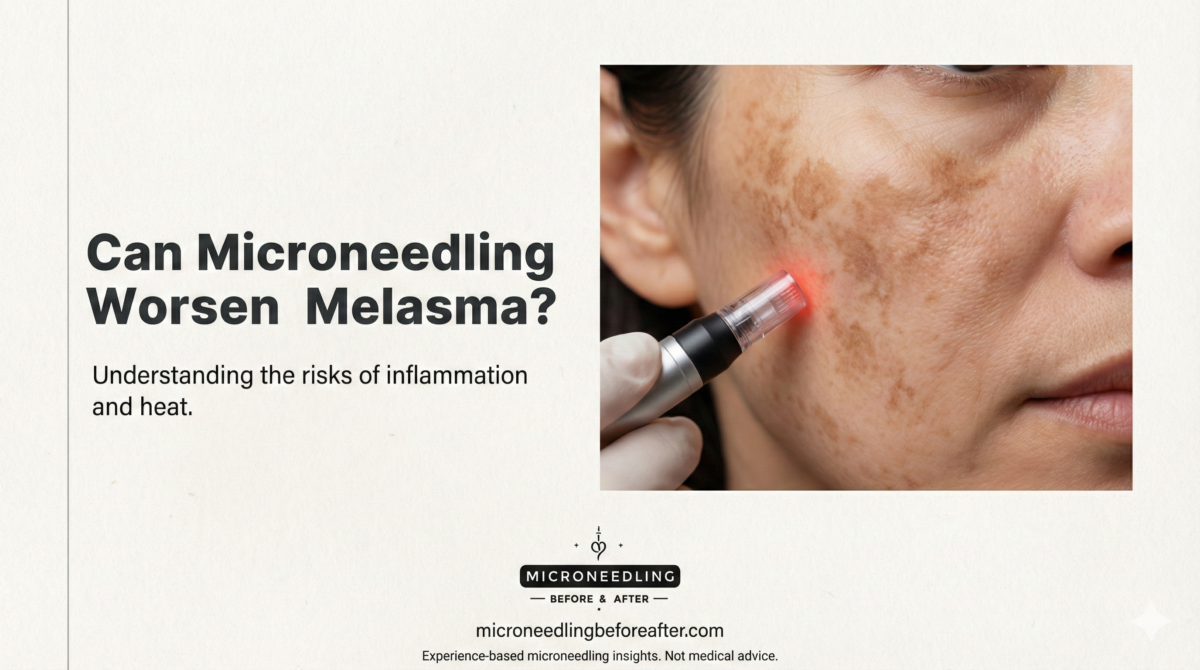
Microneedling has gained popularity as a minimally invasive skincare treatment that promises to improve skin texture, reduce fine lines, and fade scars. However, some individuals may experience an unexpected side effect: darker skin after the procedure. This article explores the reasons behind post-microneedling hyperpigmentation and offers expert tips and recommendations for preventing and managing this concern.

Microneedling and Hyperpigmentation: Understanding the Connection

Microneedling involves using a device equipped with fine needles to create controlled micro-injuries in the skin.

These tiny punctures stimulate the body’s natural healing response, promoting collagen production and cell turnover. While this process can lead to improved skin texture and tone, it can also trigger an overproduction of melanin in some individuals, resulting in hyperpigmentation.

Several factors can contribute to the development of darker skin after microneedling, including:

  • Skin type: Those with higher levels of melanin (Fitzpatrick skin types III-VI) are more prone to hyperpigmentation.
  • Inflammation: The micro-injuries caused by microneedling can trigger an inflammatory response, which may stimulate melanin production.
  • Improper post-treatment care: Failing to protect the skin from sun exposure or using harsh skincare products after microneedling can exacerbate hyperpigmentation.


Benefits vs. Risks: Weighing the Pros and Cons of Microneedling

While the risk of hyperpigmentation may be a concern for some, it’s important to consider the numerous benefits that microneedling can offer. When performed by a skilled professional, microneedling can:

  • Improve skin texture and tone
  • Reduce the appearance of fine lines and wrinkles
  • Fade acne scars and other types of scarring
  • Enhance the absorption of skincare products


However, it’s crucial to recognize that individual results may vary, and some people may be more susceptible to side effects like hyperpigmentation. Consulting with a qualified skincare professional can help you determine if microneedling is right for your unique needs and concerns.

Tips and Best Practices for Preventing and Managing Post-Microneedling Hyperpigmentation

To minimize the risk of developing darker skin after microneedling and to manage hyperpigmentation if it does occur, consider the following tips:

Choose a qualified provider: Seek out a licensed and experienced skincare professional who understands your skin type and can customize the treatment to your needs.

Why is My Skin Darker After Microneedling?


Prep your skin: Prior to the procedure, your provider may recommend using skincare products containing ingredients like vitamin C, niacinamide, or kojic acid to help prevent hyperpigmentation.

Follow post-treatment instructions: Avoid sun exposure, wear broad-spectrum sunscreen daily, and use gentle, non-irritating skincare products as directed by your provider.


Be patient: If hyperpigmentation does occur, it may take several weeks or months to resolve. Avoid picking at or scrubbing the affected area, as this can worsen discoloration.


Consider complementary treatments: Your provider may recommend additional treatments, such as chemical peels or topical medications, to help fade hyperpigmentation and even out your skin tone.
Professional Opinions and Recommendations

To gain further insight into the management of post-microneedling hyperpigmentation, we consulted with several skincare experts. Here’s what they had to say:

The Importance of Sunscreen


“One of the most crucial steps in preventing and managing hyperpigmentation after microneedling is diligent sun protection,” says Dr. Sarah Thompson, a board-certified dermatologist. “I recommend using a broad-spectrum sunscreen with an SPF of at least 30 every day, even when indoors, and reapplying every 2 hours when outdoors.”

The Role of Skincare Ingredients


“Incorporating skincare products with ingredients like vitamin C, niacinamide, and tranexamic acid can help fade hyperpigmentation and promote a more even skin tone,” advises Jennifer Lee, a licensed esthetician. “However, it’s important to introduce these products gradually and to follow the guidance of your skincare provider.”

Combining Treatments for Optimal Results


“In some cases, microneedling alone may not be sufficient to address hyperpigmentation,” notes Dr. Michael Chen, a plastic surgeon specializing in aesthetic treatments. “Combining microneedling with other treatments, such as chemical peels or laser therapy, can provide more comprehensive results. Your provider can help determine the best approach for your individual needs.”

By understanding the causes of post-microneedling hyperpigmentation, implementing preventive measures, and following the advice of skincare professionals, you can minimize the risk of developing darker skin after the procedure and achieve the smooth, even complexion you desire.

Does Microneedling Help With Hyperpigmentation?

Discover if microneedling can help with hyperpigmentation. Learn about the benefits, procedure, side effects, and combination therapies. Get valuable insights on this trending cosmetic technique.

Microneedling is a widely talked about cosmetic procedure that has gained significant popularity in recent years. But the burning question remains: does it really help with hyperpigmentation? Hyperpigmentation, which causes areas of the skin to become darker than the surrounding skin tone, can be a frustrating and stubborn problem to tackle. In this article, we will explore the potential benefits of microneedling in addressing this common skin concern, delving into the science behind the procedure and sharing real-life experiences of individuals who have tried it. Whether you’ve been battling hyperpigmentation for years or simply curious about the efficacy of microneedling, this article aims to provide you with valuable insights and guidance on this trending cosmetic technique.

does-microneedling-help-with-hyperpigmentation

What is Microneedling?

Microneedling is a minimally invasive cosmetic procedure that involves using a device with tiny, sterile needles to create micro-injuries on the skin. This process stimulates the body’s natural healing response, resulting in various beneficial effects for the skin.

Definition

Microneedling, also known as collagen induction therapy, is a procedure that involves puncturing the skin with fine needles to create controlled micro-injuries. These tiny punctures trigger the production of collagen and elastin, two essential proteins that contribute to the skin’s strength and elasticity. The procedure is performed using a handheld device that contains multiple fine needles and can be adjusted to different depths, depending on the desired outcome.

Procedure

During a microneedling session, a dermatologist or licensed aesthetician will cleanse and numbing the treatment area before applying a thin layer of topical numbing cream to minimize discomfort. Then, they will gently move the device over the skin, creating micro-injuries. The entire process is relatively quick and usually takes about 30 minutes to one hour, depending on the size of the treated area. Following the procedure, a soothing serum or mask may be applied to aid in the recovery process.

Benefits

Microneedling offers a range of benefits for the skin. It can improve the appearance of fine lines, wrinkles, acne scars, and hyperpigmentation. Additionally, it can enhance the overall tone and texture of the skin, giving it a more youthful and radiant appearance. The procedure is suitable for all skin types and can be performed on various areas of the body, including the face, neck, chest, and hands.

Possible Side Effects

Like any cosmetic procedure, microneedling comes with potential side effects. Temporary redness, swelling, and sensitivity are common immediately after the treatment, but these usually subside within a few hours or days. In rare cases, some individuals may experience minor bruising, pinpoint bleeding, or infections. It is crucial to follow post-treatment instructions provided by the dermatologist or aesthetician to minimize the risk of complications and ensure optimal results.

Understanding Hyperpigmentation

Hyperpigmentation refers to the darkening or discoloration of certain areas of the skin. It is often caused by excess production of melanin, the pigment responsible for giving the skin its color. This condition can be a result of various factors, such as sun exposure, hormonal changes, acne scars, or inflammation.

Definition

Hyperpigmentation is a common skin condition characterized by the darkening or discoloration of specific areas of the skin. It occurs when there is an overproduction of melanin, the pigment responsible for determining skin color. Hyperpigmentation can manifest as dark spots, patches, or uneven skin tone, and it can affect individuals of all ages and skin types.

Causes

Hyperpigmentation can be caused by several factors, including sun exposure, hormonal changes, certain medications, acne scars, and inflammation. Sun exposure is one of the primary causes, as ultraviolet (UV) radiation stimulates the production of melanin. Hormonal factors, such as pregnancy or hormonal imbalances, can also contribute to the development of hyperpigmentation, as can certain medications and medical conditions.

Types

There are different types of hyperpigmentation, each characterized by its causes and appearance. The most common types include:

  1. Melasma: Melasma is a type of hyperpigmentation that occurs primarily in women due to hormonal changes, such as pregnancy or the use of birth control pills. It often presents as symmetrical patches of dark pigmentation on the face.

  2. Post-inflammatory hyperpigmentation (PIH): PIH is a result of inflammation or injury to the skin, such as acne, burns, or cuts. It appears as dark patches or spots that develop after the initial injury has healed.

  3. Sunspots or age spots: These are commonly caused by chronic sun exposure and tend to appear as small, dark spots on sun-exposed areas such as the face, hands, and shoulders.

Treatment Options

Treating hyperpigmentation can be challenging, but various treatment options are available to help reduce its appearance. These include topical creams or serums containing ingredients such as hydroquinone, retinoids, vitamin C, or azelaic acid. Chemical peels and laser treatments can also be effective in targeting hyperpigmentation. Microneedling has emerged as a promising treatment option for hyperpigmentation, as it addresses both the discoloration and underlying skin damage.

How Does Microneedling Work?

Microneedling works through a mechanism of action that stimulates collagen production, promotes skin cell turnover, and enhances the absorption of skincare products. Understanding how microneedling works can help grasp its effectiveness in addressing various skin concerns, including hyperpigmentation.

Mechanism of Action

Microneedling creates controlled micro-injuries on the skin’s surface, which triggers the body’s natural healing response. As the tiny needles penetrate the skin, they stimulate the release of growth factors and cytokines, which promote tissue repair and remodeling. This mechanism of action leads to the production of new collagen and elastin, helping to rebuild and rejuvenate the skin.

Stimulation of Collagen Production

Collagen is a crucial protein that provides structural support to the skin. As we age, collagen production naturally decreases, leading to the development of fine lines, wrinkles, and sagging skin. Microneedling stimulates the production of collagen, helping to restore the skin’s elasticity, firmness, and smoothness. The increased collagen levels can also improve the appearance of hyperpigmentation by promoting an even distribution of melanin in the skin.

Promotion of Skin Cell Turnover

Microneedling stimulates the turnover of skin cells, which is essential for maintaining a healthy complexion. By creating micro-injuries, microneedling triggers the skin’s natural exfoliation process, helping to remove dead skin cells and stimulate the growth of new ones. This turnover of skin cells contributes to a smoother, more even skin tone and texture, reducing the appearance of hyperpigmentation.

Enhancement of Skincare Product Absorption

One of the added benefits of microneedling is its ability to enhance the absorption of skincare products. The micro-injuries created during the procedure create temporary openings in the skin’s barrier, allowing for better penetration of topical treatments. This increased absorption ensures that active ingredients in serums, creams, or masks reach deeper layers of the skin, maximizing their effectiveness in addressing hyperpigmentation and other skin concerns.

Microneedling for Hyperpigmentation

Microneedling has gained recognition as a potential treatment option for hyperpigmentation. Several research studies have investigated its efficacy and safety in reducing the appearance of dark spots and uneven skin tone.

Research and Studies

Various research studies have explored the use of microneedling in treating hyperpigmentation. These studies have shown promising results, with significant improvements observed in the reduction of hyperpigmentation and overall skin tone. However, further research is still needed to determine the optimal treatment parameters, such as needle depth, frequency, and combination with other modalities.

Effectiveness

Microneedling has shown effectiveness in improving the appearance of hyperpigmentation. By promoting collagen production and skin cell turnover, microneedling helps to break down excess melanin and facilitate its dispersion, resulting in a more even skin tone. Multiple microneedling sessions are often recommended to achieve optimal results, as hyperpigmentation can be stubborn and may require consistent treatment.

Factors Influencing Results

Several factors can influence the results of microneedling for hyperpigmentation. The type and severity of hyperpigmentation, the individual’s skin type, and their overall skin health can impact the treatment’s effectiveness. Additionally, adherence to post-treatment care and regular sun protection play a crucial role in maintaining the results and preventing further hyperpigmentation.

Number of Sessions Required

The number of microneedling sessions required to achieve noticeable improvements in hyperpigmentation can vary depending on several factors. Generally, multiple sessions spaced several weeks apart are recommended to achieve optimal results. Your dermatologist or aesthetician will assess your specific condition and discuss the expected number of sessions during the consultation.

Combination Therapies

Microneedling can be combined with other treatment modalities to enhance its effects and target hyperpigmentation more comprehensively. Some commonly employed combination therapies include the use of topical agents, chemical peels, and laser treatments.

Microneedling and Topical Agents

When combined with topical agents, such as depigmenting creams or serums, microneedling can enhance their penetration and effectiveness. The micro-channels created by microneedling allow for better absorption of the active ingredients, facilitating their action on hyperpigmentation. Your dermatologist may recommend specific topical agents based on your skin type, sensitivity, and the severity of hyperpigmentation.

Microneedling and Chemical Peels

Combining microneedling with chemical peels can yield synergistic effects in treating hyperpigmentation. Chemical peels involve applying a solution to the skin that helps exfoliate the outer layer, promoting cell turnover and revealing fresher, more evenly toned skin. When followed by microneedling, chemical peels can further enhance collagen production, promoting a smoother skin texture and reducing hyperpigmentation.

Microneedling and Laser Treatments

Microneedling can also be performed in conjunction with laser treatments for hyperpigmentation. Laser treatments target melanin in the skin, helping to break down the excess pigment and fade hyperpigmentation. When combined with microneedling, laser treatments can provide more comprehensive results, addressing both the underlying skin damage and the discoloration.

Microneedling performed by Professionals vs. At-home Devices

Microneedling can be performed by professionals in clinical settings or through at-home devices. Understanding the key differences and safety considerations between these options is essential when considering microneedling for hyperpigmentation.

Professional Microneedling

Professional microneedling is performed by trained dermatologists or licensed aestheticians in a clinical setting. This ensures that the procedure is conducted in a sterile environment with strict adherence to safety protocols. Professional microneedling devices often offer a greater range of needle lengths and adjustable settings, tailoring the treatment to individual needs. Additionally, professionals can provide personalized guidance and monitor the progress throughout the treatment journey.

Safety Considerations

When performed by professionals, microneedling is generally safe and associated with a low risk of complications. However, it is crucial to choose a reputable and qualified professional with experience in performing microneedling procedures. They will assess your eligibility, determine the appropriate needle depth, and ensure proper sterilization of equipment to minimize the risk of infection or adverse effects.

At-home Microneedling Devices

At-home microneedling devices are an alternative for those who prefer the convenience of performing the treatment themselves. These devices usually have shorter, less invasive needles and are not as potent as professional-grade tools. While they may provide some benefits, the efficacy and safety of at-home devices may not be as well-established as professional microneedling. It is important to carefully follow the instructions provided with the at-home device and consult with a dermatologist before incorporating it into your skincare routine.

Efficacy and Risks

The efficacy of at-home microneedling devices for treating hyperpigmentation may vary depending on the device’s needle length and quality. In some cases, these devices may not penetrate the skin deep enough to achieve significant collagen stimulation or address hyperpigmentation effectively. Improper use or inadequate sterilization of at-home devices can also increase the risk of infection or skin damage. Therefore, professional microneedling is generally recommended for more reliable and controlled results.

does-microneedling-help-with-hyperpigmentation

Preparing for a Microneedling Session

To ensure a safe and effective microneedling session, proper preparation is essential. Following the guidelines provided by your dermatologist or aesthetician can optimize the treatment’s results and minimize potential risks.

Consultation with a Dermatologist

Before scheduling a microneedling session, it is important to have a consultation with a dermatologist. During this consultation, the dermatologist will assess your skin, discuss your medical history, and determine if microneedling is a suitable treatment option for your specific concerns. They will also provide you with information about the procedure, address any questions or concerns you may have, and provide personalized recommendations.

Preparation Instructions

Your dermatologist or aesthetician will provide specific preparation instructions to follow before your microneedling session. These instructions may include avoiding certain skincare products, medications, or procedures that can increase skin sensitivity. It is important to adhere to these instructions to ensure optimal results and minimize the risk of complications.

Skin Preparation

Proper skin preparation before a microneedling session can enhance the procedure’s effectiveness and ensure a smooth and comfortable experience. Your dermatologist may recommend using a gentle cleanser and avoiding exfoliating products or harsh chemicals for several days before your treatment. Additionally, maintaining a hydrated and well-hydrated skin barrier can optimize the skin’s healing response to microneedling.

Pain Management

Some individuals may experience mild discomfort during a microneedling session. To minimize potential pain, your dermatologist or aesthetician may apply a topical numbing cream or recommend over-the-counter pain relief medication before the procedure. However, the discomfort associated with microneedling is typically well-tolerated by most individuals and subsides shortly after the treatment.

Aftercare and Recovery

Proper aftercare following a microneedling session is crucial for optimizing the results, minimizing side effects, and ensuring a smooth recovery process. By following post-treatment instructions, you can support the skin’s healing process and protect the treated areas.

Post-treatment Instructions

Your dermatologist or aesthetician will provide you with specific post-treatment instructions to follow after your microneedling session. These instructions may include using a gentle cleanser and moisturizer, avoiding harsh skincare products or exfoliation for a few days, and applying a soothing serum or mask as recommended. It is important to protect the treated areas from direct sun exposure and to wear sunscreen daily to prevent further hyperpigmentation.

Expected Side Effects

After a microneedling session, mild side effects are common and typically resolve within a few hours or days. These side effects may include temporary redness, swelling, and sensitivity, similar to a mild sunburn. Some individuals may also experience minor bruising, pinpoint bleeding, or skin flaking as the skin heals and exfoliates. These side effects are generally temporary and can be managed with gentle skincare and adherence to post-treatment care instructions.

Duration of Recovery

The duration of recovery after a microneedling session depends on individual factors, such as the depth and intensity of the treatment and the skin’s natural healing capacity. In most cases, the skin will appear slightly red or pink for a few hours or up to several days following the procedure. Complete recovery and optimal results are typically achieved within one to two weeks, although this may vary depending on the individual and the treated area.

Avoiding Sun Exposure

After a microneedling session, it is crucial to avoid direct sun exposure, as the skin may be more sensitive and prone to hyperpigmentation. Sunscreen with a high SPF should be applied daily, even on cloudy days, and physical sun protection, such as hats or umbrellas, should be used when spending prolonged periods outdoors. Consistent sun protection not only helps maintain the results of microneedling for hyperpigmentation but also protects the skin from further damage and premature aging.

Contraindications and Risks

While microneedling is generally considered safe, there are certain contraindications and risks that need to be considered before undergoing the procedure. It is important to discuss your medical history and any underlying conditions with your dermatologist to determine if you are a suitable candidate for microneedling.

Conditions that May Affect Eligibility

Certain medical conditions or skin conditions may affect an individual’s eligibility for microneedling. These conditions may include active acne, eczema, psoriasis, rosacea, or any open wounds or infections in the treatment area. Additionally, individuals with a history of keloid scarring or poor wound healing may not be suitable candidates for microneedling. It is crucial to disclose any relevant medical information to your dermatologist to ensure the safety and efficacy of the procedure.

Potential Risks and Complications

While microneedling is generally safe, there are potential risks and complications associated with the procedure. These may include infection, skin irritation, allergic reactions to topical products, or skin discoloration. However, these risks can be minimized by choosing a qualified professional, adhering to proper aftercare instructions, and maintaining good overall skin health.

Precautions for Pregnant Women

Pregnant women should exercise caution before undergoing microneedling or any other cosmetic procedure. While there is limited information on the safety of microneedling during pregnancy, it is generally recommended to postpone such treatments until after delivery to ensure the well-being of both the mother and the baby. Consulting with a dermatologist or obstetrician is essential to determine the most appropriate course of action during pregnancy.

Seeking Professional Advice

Before deciding to undergo microneedling for hyperpigmentation, it is essential to seek the advice of a qualified dermatologist or aesthetician. They can evaluate your eligibility, discuss your concerns and goals, and provide personalized recommendations. Their expertise and knowledge will help ensure that microneedling is the right treatment option for addressing your specific hyperpigmentation concerns.

Conclusion

Microneedling has emerged as a promising treatment option for addressing hyperpigmentation, offering a safe and effective way to improve skin tone and texture. By understanding how microneedling works and its potential benefits, individuals can make informed decisions regarding their skincare journey. Whether performed by professionals or through at-home devices, microneedling requires proper preparation, adherence to aftercare instructions, and regular follow-up consultations to achieve optimal results. By considering individual factors, seeking professional guidance, and maintaining good skin health, individuals can harness the power of microneedling to effectively address hyperpigmentation and achieve a more radiant and even complexion.

en_USEnglish