
google.com, pub-2032008856654686, DIRECT, f08c47fec0942fa0

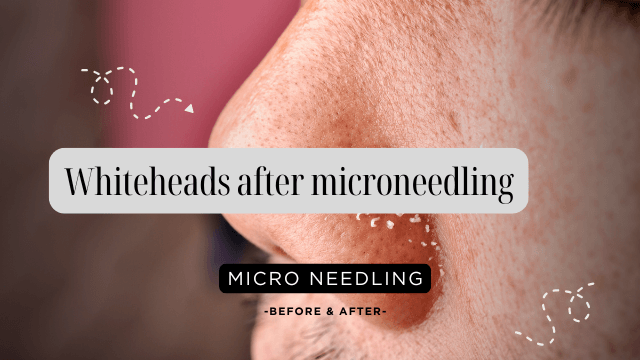
Whiteheads after microneedling

Hey there, skincare enthusiasts! Today, I want to share my experience and knowledge about a common concern that many of us face after microneedling treatments: whiteheads. As someone who’s been through the microneedling journey (and its ups and downs), I understand how frustrating it can be to invest in a procedure aimed at improving your skin, only to discover small white bumps appearing afterward.

Why Do Whiteheads Appear After Microneedling?

First, let’s understand what’s happening. Microneedling creates thousands of tiny micro-injuries in your skin to stimulate collagen production. This controlled damage triggers your skin’s natural healing process, which can lead to a few temporary side effects – including those pesky whiteheads.

The appearance of whiteheads after microneedling is actually quite normal and typically occurs for a few reasons:

  1. Product Buildup: During the recovery phase, your skin is more absorbent than usual. Any products applied afterward (even those recommended in your aftercare regimen) can potentially clog pores.
  2. Skin Purging: Microneedling accelerates cell turnover, bringing underlying congestion to the surface faster than usual. What might have taken weeks to emerge naturally comes up all at once.
  3. Healing Response: The micro-wounds created during treatment can temporarily trap sebum and dead skin cells as your skin heals.
  4. Improper Aftercare: Sometimes, touching your face with unclean hands or using occlusive products too soon can introduce bacteria and trigger breakouts.

Microneedling Variations and Whitehead Risk

Different types of microneedling treatments may affect your likelihood of developing whiteheads:

Traditional Microneedling typically creates the most direct pathway for product absorption, which can increase the risk of whiteheads if products are too heavy.

RF Microneedling (which combines traditional needling with radiofrequency energy) might actually reduce the risk of whiteheads for some people. The heat generated during RF microneedling can have an antibacterial effect and may help regulate sebum production.

PRP Microneedling uses your own platelet-rich plasma, which is generally well-tolerated by the skin. However, the introduction of the serum can sometimes trigger temporary congestion in acne-prone individuals.

Prevention Tips from My Experience

As someone who’s tried various microneedling methods, here’s what I’ve found helps prevent those frustrating post-treatment whiteheads:

  1. Choose Your Provider Wisely: Ensure your microneedling is performed by a qualified professional who understands your skin type. In many states, microneedling with needles deeper than 0.5mm must be performed by a medical professional, not just an esthetician. Always check the microneedling state laws and esthetician microneedling regulations where you live.
  2. Pre-Treatment Prep: Avoid active ingredients like retinol and exfoliating acids for 3-5 days before your treatment.
  3. Minimal Product Usage: For the first 24-48 hours after treatment, less is more. Stick only to the recommended aftercare products from your dermatologist or esthetician.
  4. Clean Everything: Your pillowcase, phone, hands – anything that touches your face needs to be clean during the healing phase.

Treating Whiteheads After They Appear

If you’re already dealing with post-microneedling whiteheads, don’t panic! Here’s my approach:

  1. Hands Off: Resist the urge to pick or pop – this can lead to scarring and infection, especially when your skin barrier is compromised.
  2. Gentle Cleansing: Use a mild, non-foaming cleanser twice daily.
  3. Light Hydration: Look for non-comedogenic, water-based moisturizers.
  4. Patience: Most post-microneedling whiteheads resolve within 5-7 days as your skin completes its healing process.

When to Seek Professional Help

While whiteheads are usually temporary, contact your provider if you experience:

  • Widespread breakouts that worsen after 48 hours
  • Signs of infection (increased redness, warmth, pain)
  • Whiteheads that persist beyond two weeks

The Bigger Picture

Remember, microneedling offers tremendous benefits for skin texture, scarring, and overall rejuvenation. A few temporary whiteheads shouldn’t discourage you from enjoying these long-term advantages. Whether you’re treating your face or experimenting with microneedling in areas like the bikini line for stretch marks or scarring, the temporary nature of these side effects is far outweighed by the lasting improvements.

I’ve found that with each microneedling session, my skin’s response improves as it becomes accustomed to the process. The benefits of microneedling – including improved texture, reduced scarring, and that coveted glow – make the brief inconvenience of possible whiteheads worth navigating.

Have you experienced whiteheads after microneedling? I’d love to hear about your experiences and what worked for you in the comments below. Remember, everyone’s skin journey is unique, and sharing our experiences helps us all achieve our best skin!
Does Microneedling Really Work?

In my journey through the ever-evolving world of skincare treatments, I’ve encountered countless questions about microneedling. The most common one? “Does it actually work?” Today, I want to share my research and personal insights on this popular skin rejuvenation treatment that seems to be everywhere these days.

What is Microneedling, Really?

Before diving into its effectiveness, let’s clarify what we’re talking about. Microneedling (also called collagen induction therapy) uses tiny needles to create controlled micro-injuries on the skin’s surface. These micro-punctures trigger the body’s natural healing response, stimulating collagen and elastin production. Sounds intense, right? I thought so too at first!

The Science Behind the Tiny Needles

I’ve spent hours researching the scientific evidence, and here’s what I’ve found: clinical studies consistently show that microneedling can improve skin texture, reduce scarring, minimize pore size, and decrease fine lines. The reason is simple yet fascinating—our skin loves to heal itself, and microneedling gives it a reason to do just that.

Traditional vs. RF vs. PRP Microneedling: What’s the Difference?

When I first started exploring microneedling, I was confused by all the variations:

  • Traditional microneedling uses just the needles to stimulate collagen
  • RF microneedling combines those needles with radiofrequency energy for enhanced results
  • PRP microneedling adds platelet-rich plasma from your own blood to supercharge healing

In my experience, traditional microneedling works well for mild concerns, but RF microneedling delivers more dramatic results for deeper wrinkles and acne scars. The RF energy penetrates deeper, heating the underlying tissue and enhancing collagen production. Meanwhile, PRP microneedling (sometimes with variations like PRF) has been my go-to for more comprehensive rejuvenation, especially when combined with light therapy.

Benefits That Surprised Me

I was skeptical at first, but here are some benefits I’ve personally observed:

  1. Improved skin texture – Within weeks, my skin felt noticeably smoother
  2. Reduced acne scarring – Old scars began to fade after just a few sessions
  3. Minimized pores – Something I didn’t expect but welcomed enthusiastically
  4. Better product absorption – My skincare products seemed to work better after treatment
  5. More even skin tone – Hyperpigmentation spots lightened considerably

The Honest Truth: Does It Hurt?

Does microneedling hurt? I won’t sugarcoat it—it’s not painless. However, most providers apply numbing cream beforehand, making it quite tolerable. I’d describe the sensation as more uncomfortable than painful, like a mild sunburn or light prickling. The deeper needles used in RF microneedling can be slightly more intense, but still manageable.

Microneedling Recovery: What to Expect

After my treatments, I experienced:

  • Redness for 24-48 hours (looking like a mild sunburn)
  • Some temporary swelling
  • Occasional flaking as my skin healed
  • Small whiteheads after microneedling (which resolved quickly with proper aftercare)

Following my dermatologist’s microneedling aftercare instructions was crucial—gentle cleansing, moisturizing, and religious sunscreen application helped speed healing and maximize results.

Who Should Do Your Microneedling?

An important consideration I discovered: esthetician microneedling regulations vary dramatically by state. Some states classify microneedling as a medical procedure requiring physician supervision, while others allow licensed estheticians to perform it. I strongly recommend researching microneedling state laws where you live before booking an appointment.

Personally, I prefer seeing a microneedling dermatologist or medical professional, especially for deeper treatments like RF microneedling or when combining with PRP/PRF.

Unexpected Applications

During my research, I discovered people use microneedling in areas I hadn’t considered, like the microneedling bikini area for stretch marks or scars. Home devices like the microneedle roller have also become popular, though they’re much less powerful than professional equipment.

Is It Worth It?

After multiple sessions and extensive research, my verdict is yes—microneedling really works, but with some caveats:

  1. Results aren’t immediate; they build over time and multiple sessions
  2. It works better for some concerns than others
  3. The provider’s skill level matters tremendously
  4. Home rollers provide mild results compared to professional treatments
  5. Individual results vary based on age, skin condition, and genetics

For the best results, I’ve found combining techniques (like PRP microneedling with light therapy) delivers the most dramatic improvements, though these combination treatments come with a higher price tag.

Have you tried microneedling or are you considering it? I’d love to hear about your experiences in the comments. And if you’re curious about specific aspects like PRP microneedling procedures or recovery tips, check out my other posts covering everything from treatment protocols to comprehensive aftercare guides!

Benefits of microneedling

As someone who’s deeply passionate about skincare innovations, I’ve witnessed firsthand the transformative power of microneedling. This minimally invasive procedure has revolutionized the way we approach skin rejuvenation, and I’m excited to share my insights about its impressive benefits today.

What Exactly Is Microneedling?

Before diving into the benefits, let me explain what microneedling actually is. It’s a collagen-induction therapy that uses tiny, fine needles to create controlled micro-injuries to the skin. These microscopic punctures trigger the body’s natural wound healing process, stimulating collagen and elastin production. The result? Firmer, smoother, and more youthful-looking skin.

Traditional Microneedling vs. RF Microneedling vs. PRP Microneedling

The world of microneedling offers several variations, each with unique advantages:

Traditional Microneedling focuses solely on creating those tiny punctures to stimulate collagen production naturally.

RF Microneedling combines the traditional approach with radiofrequency energy that heats the deeper layers of skin. This dual-action approach enhances collagen production and can provide more dramatic results, especially for concerns like sagging skin and deeper wrinkles.

PRP Microneedling (also known as the “vampire facial”) incorporates platelet-rich plasma from your own blood. The growth factors in PRP supercharge the healing process and amplify results, making it particularly effective for addressing scars and accelerating skin rejuvenation.

The Remarkable Benefits of Microneedling

1. Collagen Boost for Youthful Skin

One of the primary benefits of microneedling is the significant increase in collagen production. As we age, our natural collagen production declines, leading to wrinkles and sagging. Microneedling essentially tricks your skin into thinking it’s been injured, triggering a healing response that floods the area with fresh collagen. The result is plumper, more elastic skin that appears years younger.

2. Dramatic Scar Improvement

I’ve seen remarkable improvements in acne scarring, surgical scars, and even stretch marks through consistent microneedling treatments. The procedure breaks down old scar tissue while simultaneously stimulating new collagen to fill in depressed scars and smooth out the skin’s surface.

3. Reduced Fine Lines and Wrinkles

Regular microneedling sessions can significantly diminish the appearance of fine lines and wrinkles. The combination of increased collagen and enhanced skin cell turnover leads to smoother, more refined skin texture.

4. Enhanced Product Absorption

One benefit that’s often overlooked is how microneedling creates temporary channels in the skin that allow skincare products to penetrate much deeper than they normally would. This means your expensive serums and treatments can work more effectively after a microneedling session.

5. Minimized Pores

While it might seem counterintuitive, creating tiny holes can actually make your pores appear smaller. The collagen produced around your pores causes them to plump and appear reduced in size.

6. Even Skin Tone and Reduced Hyperpigmentation

Microneedling can help fade sun spots, age spots, and melasma by breaking up pigmented cells and allowing them to be naturally removed by the body.

Safety Considerations and Regulations

It’s important to note that microneedling isn’t a DIY treatment. The depth of needle penetration matters significantly – medical-grade treatments that go deeper than 0.5mm should only be performed by qualified professionals.

Esthetician microneedling regulations vary by state. Some states permit licensed estheticians to perform microneedling treatments, while others classify it as a medical procedure that must be performed by or under the supervision of a medical professional. Before booking your appointment, research your state’s specific microneedling state laws to ensure your provider is operating legally.

The Recovery Process: What to Expect

Microneedling recovery is relatively straightforward, though it varies depending on the treatment intensity. Typically, you’ll experience:

  • Redness similar to a sunburn for 24-48 hours
  • Possible minor swelling and sensitivity
  • Slight dryness and flaking as skin begins to heal

Proper microneedling aftercare is essential for optimal results and minimizing complications. My top microneedling recovery tips include:

  • Keep skin hydrated with gentle, fragrance-free moisturizers
  • Avoid sun exposure and wear SPF 30+ daily
  • Skip harsh active ingredients (retinoids, acids) for 3-7 days
  • Let your skin heal naturally without picking or exfoliating

Is Microneedling Right for You?

While microneedling offers tremendous benefits for many skin concerns, it’s not suitable for everyone. Those with active acne, rosacea flares, or certain skin conditions should consult with a dermatologist before proceeding.

The beauty of microneedling lies in its versatility – whether you choose traditional microneedling for general rejuvenation, RF microneedling for more dramatic tightening, or PRP microneedling for accelerated healing and enhanced results, there’s likely a variation that aligns with your skincare goals.

I’ve found that the best results come from a series of treatments spaced 4-6 weeks apart, followed by maintenance sessions as needed. Your skin healing after microneedling improves with each session, creating a cumulative effect that transforms your complexion over time.

en_USEnglish