google.com, pub-2032008856654686, DIRECT, f08c47fec0942fa0

How Do You Increase Collagen After Microneedling?

How Do You Increase Collagen After Microneedling?

As an individual who has undergone microneedling, you may be wondering how to maximize the collagen production process for optimal results. In this article, I will delve into effective strategies to increase collagen after microneedling, providing detailed information and insights to help you achieve the best outcomes possible.

Understanding Collagen and Microneedling

Before we discuss ways to increase collagen after microneedling, it is essential to understand the relationship between collagen and the microneedling procedure. Collagen is a protein that is essential for maintaining skin elasticity, firmness, and strength. Microneedling, also known as collagen induction therapy, involves creating tiny micro-injuries in the skin to stimulate the body’s natural healing response and promote collagen production.

How Does Microneedling Stimulate Collagen Production?

During the microneedling procedure, a dermaroller or microneedling device with tiny needles is used to create microchannels in the skin. These micro-injuries trigger the release of growth factors and stimulate the production of new collagen and elastin fibers. This process helps to improve skin texture, reduce wrinkles and fine lines, and enhance overall skin tone and firmness.

Tips to Increase Collagen After Microneedling

Now that we have a better understanding of how microneedling works to stimulate collagen production, let’s explore some effective tips to enhance and increase collagen synthesis after the treatment.

1. Use Collagen-Boosting Skincare Products

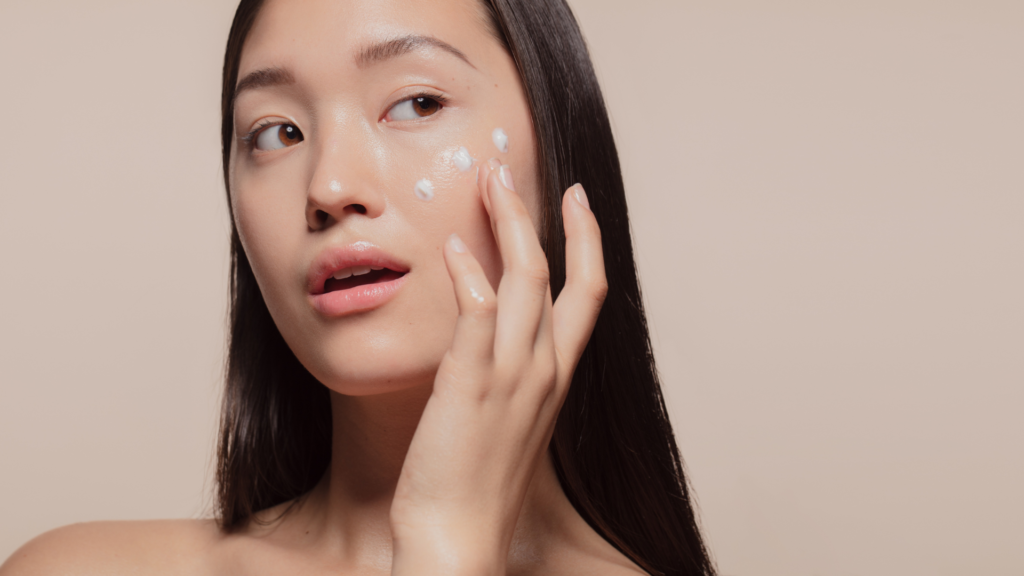
Incorporating collagen-boosting skincare products into your post-microneedling routine can help support and enhance the natural collagen production process. Look for skincare products that contain ingredients like vitamin C, retinol, peptides, and hyaluronic acid, which are known for their collagen-stimulating properties.

2. Stay Hydrated and Maintain a Healthy Diet

Proper hydration and a well-balanced diet play a crucial role in promoting collagen production and overall skin health. Drinking an adequate amount of water and consuming a diet rich in fruits, vegetables, lean proteins, and healthy fats can help support your skin’s natural collagen synthesis process.

3. Protect Your Skin from Sun Damage

Exposure to harmful UV rays can accelerate collagen breakdown and lead to premature aging of the skin. It is essential to protect your skin from sun damage by wearing sunscreen daily, seeking shade, and wearing protective clothing and accessories like hats and sunglasses when outdoors.

4. Follow a Consistent Skincare Routine

Consistency is key when it comes to achieving optimal results after microneedling. Establishing a regular skincare routine that includes cleansing, exfoliating, moisturizing, and applying serums and treatments can help maintain the health and integrity of your skin and support collagen production.

5. Consider Microneedling Maintenance Sessions

To boost collagen production and prolong the results of your initial microneedling treatment, you may want to consider scheduling regular maintenance sessions. These follow-up treatments can help stimulate additional collagen production and address any specific skin concerns or areas that may require further improvement.

Post-Microneedling Skincare Products

In addition to following the tips mentioned above, using specific post-microneedling skincare products can help enhance collagen production and support the skin’s healing and rejuvenation process. Below is a table outlining some recommended skincare products to consider incorporating into your post-microneedling skincare routine:

Product NamePurposeKey Ingredients
Vitamin C SerumBrighten skin, reduce hyperpigmentationVitamin C, Hyaluronic Acid
Retinol CreamImprove skin texture and toneRetinol, Peptides, Vitamin E
Hyaluronic Acid SerumHydration and plumping of skinHyaluronic Acid, Aloe Vera, Vitamin B5
Collagen-Boosting MoisturizerNourish and hydrate skinCollagen, Ceramides, Anti-oxidants
Growth Factor SerumStimulate collagen productionGrowth Factors, Peptides, Vitamin E

It is essential to consult with your skincare provider or dermatologist before incorporating any new skincare products into your routine, especially after undergoing a microneedling treatment.

Conclusion

In conclusion, increasing collagen production after microneedling is crucial for achieving optimal results and maintaining healthy, rejuvenated skin. By understanding the relationship between collagen and microneedling, following effective tips to enhance collagen synthesis, and utilizing collagen-boosting skincare products, you can support the natural healing and rejuvenation process of your skin.

Remember to stay hydrated, protect your skin from sun damage, and maintain a consistent skincare routine to maximize the benefits of your microneedling treatment. Consider scheduling maintenance sessions and incorporating post-microneedling skincare products to further boost collagen production and achieve long-lasting results. By following these recommendations and taking care of your skin, you can enjoy the benefits of increased collagen production and a more youthful and radiant complexion.
How Soon After Microneedling Can I Wash My Face?

I often get asked, “How soon after microneedling can I wash my face?” This is a common question because microneedling is a popular skincare treatment that requires specific aftercare. In this article, I will provide you with a detailed answer to this question and explain the importance of taking proper care of your skin after undergoing a microneedling procedure.

Understanding Microneedling

Microneedling, also known as collagen induction therapy, is a minimally invasive cosmetic procedure that involves creating tiny punctures in the skin using fine needles. This process stimulates the body’s natural wound healing process, leading to increased collagen and elastin production. Microneedling can help improve the appearance of fine lines, wrinkles, acne scars, hyperpigmentation, and overall skin texture.

The Process of Microneedling

During a microneedling procedure, a dermaroller or a microneedling pen is used to create controlled micro-injuries in the skin. These micro-injuries trigger the body’s natural healing response, resulting in the production of new collagen and elastin. The procedure is typically performed by a licensed skincare professional in a clinical setting.

Aftercare Instructions for Microneedling

Proper aftercare is essential to ensure optimal results and minimize the risk of complications after microneedling. Following your microneedling treatment, it is crucial to follow the aftercare instructions provided by your skincare specialist.

Immediate Post-Treatment Care

Immediately after your microneedling treatment, your skin may appear red and sensitive, similar to a mild sunburn. It is essential to keep your skin clean and moisturized during the initial healing period. Avoid using makeup, harsh skincare products, and direct sun exposure for at least 24-48 hours post-treatment.

Washing Your Face After Microneedling

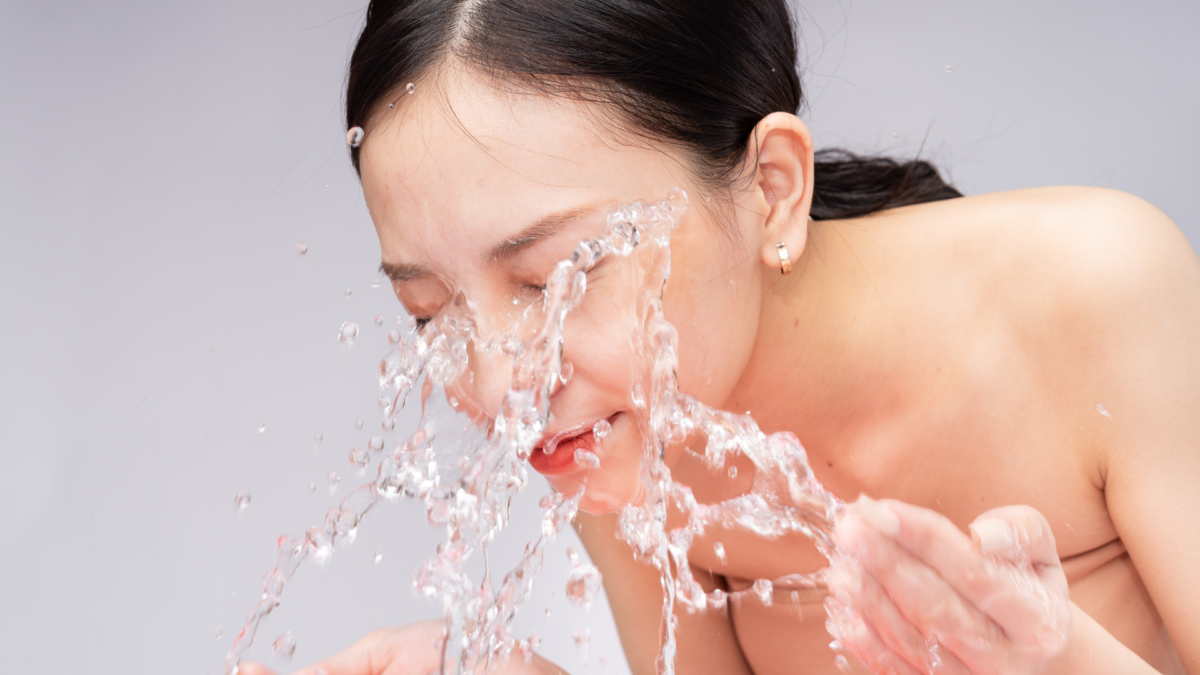
Now, let’s address the question at hand: “How soon after microneedling can I wash my face?” It is recommended to wait at least 24 hours before washing your face after a microneedling treatment. This allows the tiny punctures created during the procedure to heal properly without the risk of infection or irritation.

Proper Face Washing Routine After Microneedling

After waiting 24 hours, you can resume your regular face washing routine. However, it is essential to be gentle with your skin to avoid causing any damage or irritation. Here are some tips for washing your face after microneedling:

Use a Gentle Cleanser

Choose a gentle, non-abrasive cleanser that is free of harsh chemicals, fragrances, and exfoliating beads. Look for a cleanser that is specifically formulated for sensitive skin to prevent further irritation.

Avoid Hot Water

When washing your face after microneedling, avoid using hot water as it can be too harsh on your skin. Opt for lukewarm water instead to cleanse your face gently without stripping away moisture.

Pat Dry, Don’t Rub

After washing your face, avoid rubbing your skin with a towel. Instead, pat your skin dry gently to avoid causing any unnecessary friction that could irritate the skin further.

Moisturize Thoroughly

After washing your face, apply a soothing and hydrating moisturizer to help nourish the skin and restore moisture. Look for a moisturizer that contains ingredients like hyaluronic acid, ceramides, or aloe vera to promote healing and hydration.

apply a soothing and hydrating moisturizer

Sun Protection

After microneedling, your skin may be more sensitive to the sun’s harmful UV rays. It is crucial to apply a broad-spectrum sunscreen with SPF 30 or higher daily to protect your skin from sun damage and prevent hyperpigmentation.

Avoid Harsh Skincare Products

In the days following your microneedling treatment, it is essential to avoid using harsh skincare products that could further irritate your skin. Avoid products containing acids, retinoids, or other active ingredients that could cause irritation or compromise the healing process.

Retinoids and Acids

Retinoids, such as retinol and exfoliating acids like glycolic acid, should be avoided for at least one week post-microneedling to prevent excessive irritation or sensitivity.

Signs of Infection After Microneedling

While microneedling is a safe and effective procedure when performed by a trained professional, there is always a risk of infection if proper aftercare protocols are not followed. It is essential to be aware of the signs of infection after microneedling and seek medical attention if you experience any of the following symptoms:

Increased Redness or Swelling

If you notice a significant increase in redness or swelling that does not improve after a few days, it could be a sign of infection. Redness and swelling are common after microneedling, but persistent or worsening symptoms may indicate an issue.

Pain or Discomfort

While some discomfort is expected after microneedling, persistent pain or discomfort that worsens over time could be a sign of infection. If you experience severe pain or tenderness, it is essential to consult with your skincare specialist or healthcare provider.

Pus or Drainage

If you notice any pus, fluid drainage, or a foul odor coming from the treated area, it is crucial to seek medical attention immediately. These symptoms could indicate an infection that requires prompt treatment.

Fever or Chills

In severe cases, an infection after microneedling may present with systemic symptoms such as fever, chills, or fatigue. If you develop a fever or other flu-like symptoms after your treatment, contact your healthcare provider right away.

Consultation with Your Skincare Specialist

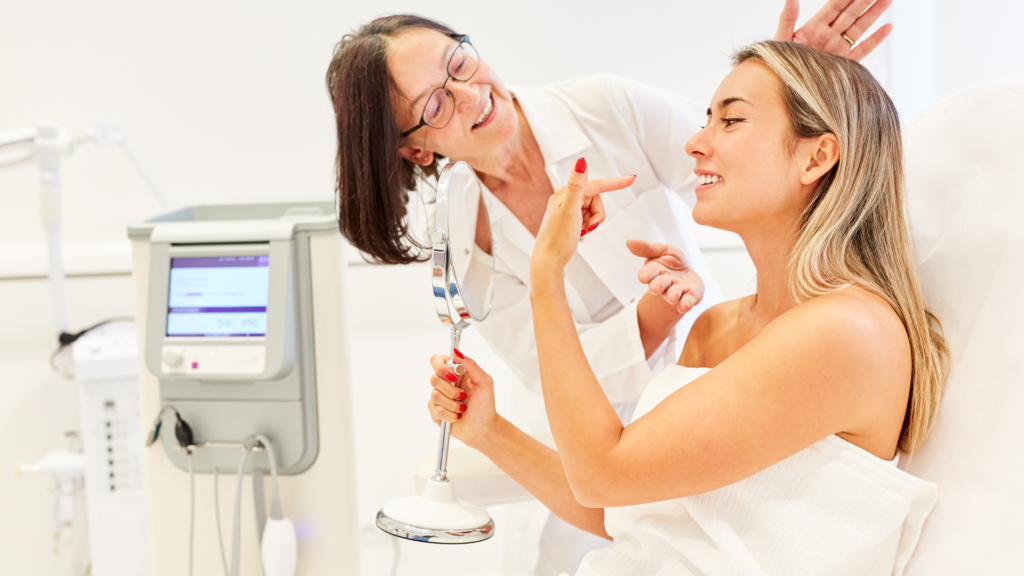
If you have any concerns or questions about washing your face after microneedling, it is crucial to consult with your skincare specialist or dermatologist. They can provide personalized recommendations based on your skin type, concerns, and the specific microneedling procedure you underwent.

Consultation with Your Skincare Specialist

Conclusion

In conclusion, it is essential to wait at least 24 hours before washing your face after microneedling to allow the skin to heal properly. Following a gentle face washing routine with mild cleansers and avoiding harsh skincare products can help promote healing and prevent complications. If you experience any signs of infection or have concerns about your aftercare routine, consult with your skincare specialist for guidance and support. By following the proper aftercare instructions, you can ensure optimal results and a smooth recovery after your microneedling treatment.

en_USEnglish