
google.com, pub-2032008856654686, DIRECT, f08c47fec0942fa0

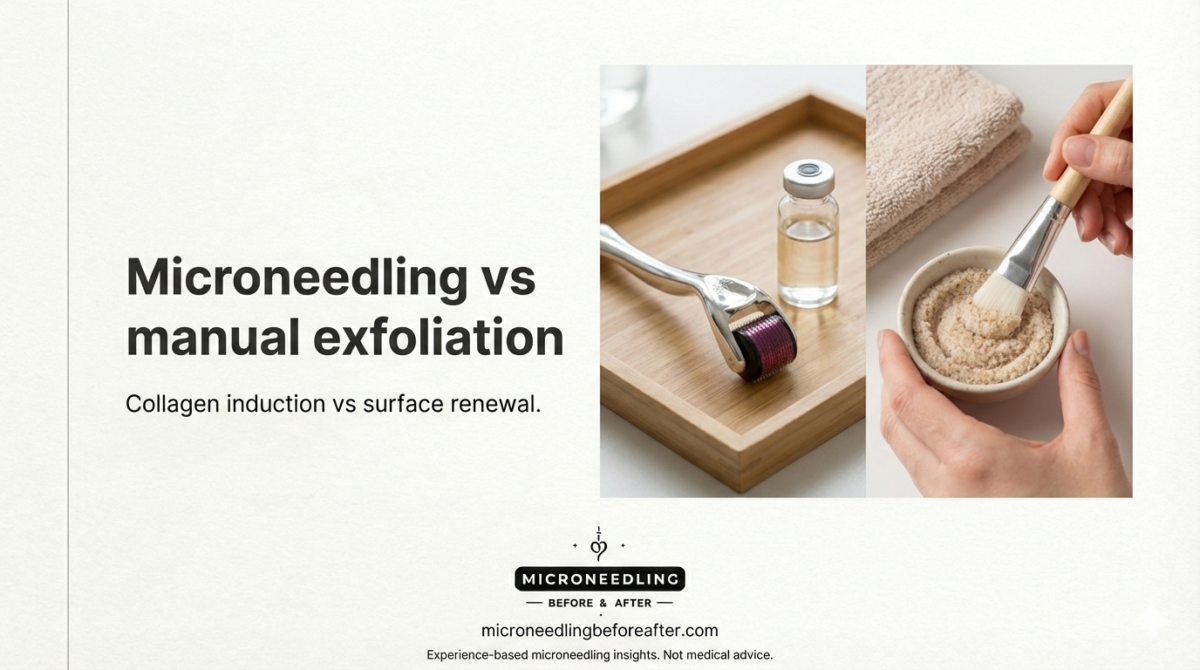
Microneedling Vs Manual Exfoliation

Microneedling vs manual exfoliation: clear, practical guide on how they work, benefits, risks, costs, who they’re best for, and safe ways to combine them. Tips!

? Have you been trying to decide whether microneedling or manual exfoliation is the better route for my skin concerns, budget, and schedule?

Microneedling Vs Manual Exfoliation

I want to walk you through both approaches in a straightforward, practical way. I’ll explain how they work, what benefits and risks I’ve learned about, when I would choose one over the other, and how to combine them safely if that makes sense for your goals.

What is microneedling?

Microneedling is a procedure that uses tiny needles to create controlled micro-injuries in the skin. I find it helpful to think of microneedling as a way to trigger the skin’s natural repair processes — primarily collagen and elastin production — which can improve texture, scars, and signs of aging over time.

What is manual exfoliation?

Manual exfoliation refers to physically removing dead skin cells with tools or products that rub the surface of the skin. When I reach for manual exfoliation, I’m usually talking about scrubs, face cloths, facial brushes, or textured pads that mechanically slough off the outermost layer of cells to reveal fresher skin underneath.

How microneedling works

I like to keep the science simple: tiny needles puncture the epidermis and, depending on needle length, slightly into the dermis. These controlled injuries stimulate a wound-healing cascade — increased blood flow, growth factor release, and new collagen formation — which can improve scars, fine lines, and skin laxity over a series of treatments.

How manual exfoliation works

Manual exfoliation works by physically abrading the stratum corneum (the top layer of dead skin cells). That immediate physical removal brightens skin, smooths texture, and allows topical products to penetrate more effectively. The effects are usually short-term and depend heavily on frequency and technique.

Types of microneedling

There are several approaches I’d consider:

  • Professional microneedling (in-office): performed by a dermatologist or aesthetician using medical-grade devices.
  • At-home derma rollers and pens: lower needle depth and less consistent results.
  • Radiofrequency microneedling: adds thermal energy to tighten tissue in addition to mechanical stimulation.

I always emphasize that in-office treatments have more predictable results and better safety controls than at-home devices.

Types of manual exfoliation

Manual exfoliation comes in several forms I use:

  • Physical scrubs (sugar, salt, synthetic beads): granular particles in a cream or gel.
  • Exfoliating tools (washcloths, konjac sponges, facial brushes): mechanical friction.
  • Exfoliating pads (textured pads, nylon mesh): gentle to moderate abrasion.

I avoid harsh, jagged particles and overuse, because they can micro-tear the skin.

Immediate and long-term benefits of microneedling

In my experience, microneedling offers:

  • Long-term collagen remodeling: results develop over weeks to months.
  • Improvement in acne scarring and texture: repeated treatments can soften scars.
  • Even skin tone and reduced hyperpigmentation when combined with appropriate topical agents.

I don’t expect overnight miracles; microneedling is a gradual process that requires patience and a planned series of sessions for best outcomes.

Immediate and long-term benefits of manual exfoliation

When I use manual exfoliation correctly, I notice:

  • Instant brighter, smoother skin: by removing the dull outer layer.
  • Better product absorption: serums and moisturizers penetrate more easily.
  • Temporary improvement in skin texture and radiance.

However, the benefits are often immediate but short-lived compared to microneedling.

Risks and side effects of microneedling

I’m careful to respect the risks, which include:

  • Redness and swelling: common post-procedure reactions that usually resolve in days.
  • Infection and scarring: rare but possible, especially with improper technique or unsterile instruments.
  • Post-inflammatory hyperpigmentation (PIH): more likely in darker skin tones if not managed properly.

This is why I recommend professional treatment for deeper needling and to follow strict aftercare.

Risks and side effects of manual exfoliation

With manual exfoliation I watch for:

  • Microtears and irritation: overly aggressive scrubs or tools can damage the skin barrier.
  • Increased sensitivity and redness: frequent use can strip natural oils.
  • Exacerbation of inflammatory conditions: scrubbing can worsen acne or rosacea flare-ups.

Gentle technique and appropriate product choice make a big difference in my experience.

Who benefits most from microneedling?

I suggest microneedling for:

  • People with atrophic acne scars.
  • Those concerned about fine lines and skin laxity.
  • Individuals looking for long-term collagen stimulation.

If I want structural skin change beyond surface-level brightening, microneedling is often my preferred choice.

Who benefits most from manual exfoliation?

I tend to recommend manual exfoliation for:

  • People who want immediate radiance and smoother texture.
  • Those with dull skin from dryness or buildup.
  • Users who need a low-cost, maintenance step to incorporate into regular skincare.

If my goal is quick glow and product efficacy, manual exfoliation fits the bill.

Skin types and suitability

I consider skin type carefully:

  • Sensitive or inflammatory-prone skin: I’m cautious with both methods. I tend to favor gentle manual exfoliation over aggressive microneedling unless supervised by a professional.
  • Oily, congested skin: both techniques can help, but I’d use gentle exfoliation more frequently and microneedling selectively.
  • Darker skin tones: microneedling is possible but should be performed by an experienced clinician to limit PIH. Gentle exfoliation is generally safe but should avoid harsh abrasion.

The correct approach is individual; I always consider medical history, active skin issues, and goals.

Frequency and timing

When I plan a routine:

  • Microneedling: typically every 4–8 weeks when done professionally, with multiple sessions (commonly 3–6) for optimal results.
  • At-home microneedling: very infrequent and with shallow needles — I recommend caution and conservative intervals.
  • Manual exfoliation: 1–3 times per week depending on exfoliant type and skin tolerance. I recommend gentler methods for daily use (e.g., soft cloths) and more abrasive scrubs less frequently.

I prioritize consistency and gentleness to avoid cumulative damage.

At-home microneedling vs professional microneedling

I see clear differences:

  • Safety and control: professionals use sterile, medical-grade tools and can adjust depth safely.
  • Needle depth: in-office devices can reach depths that deliver real collagen remodeling; at-home devices are shallower and less effective.
  • Results and downtime: professional treatments deliver more significant, longer-lasting improvements but require recovery time.

I personally feel more secure having deeper treatments managed by trained professionals.

Tools and products I recommend for manual exfoliation

I often use:

  • Gentle granules (sugar-based scrubs) or smooth synthetic beads for sensitive skin.
  • Soft-bristled brushes or silicone cleansing tools for controlled mechanical action.
  • Exfoliating gels with mild physical particles or gentle enzyme-based products.

I avoid rough shells, walnut or apricot kernel scrubs, and anything that feels scratchy.

Preparation before microneedling

When I prepare for a session I:

  • Stop retinoids and harsh acids a few days beforehand to minimize irritation.
  • Avoid active sunburn or recent chemical peels.
  • Discuss medications and medical history with my provider (e.g., blood-thinners, isotretinoin).

Good assessment and preparation reduce complications in my experience.

Aftercare following microneedling

My aftercare routine focuses on healing:

  • Keep skin gentle and clean: use a mild cleanser and avoid active ingredients for several days.
  • Hydrate and protect: apply healing serums and mineral sunscreen daily.
  • Avoid makeup for 24–48 hours if my clinician advises it, and avoid intense sweating or pools until skin has calmed.

Following aftercare instructions closely helps me get the best results without setbacks.

Aftercare following manual exfoliation

After I exfoliate manually I:

  • Use a hydrating serum and moisturizer to restore barrier function.
  • Apply sunscreen immediately, because freshly exfoliated skin is more UV-sensitive.
  • Avoid further active treatments (retinoids, peels) for a day or two if the skin feels raw.

These steps minimize irritation and protect results.

Comparison table: Microneedling vs Manual Exfoliation

Feature Microneedling Manual Exfoliation
Mechanism Controlled micro-injuries stimulating collagen Physical removal of dead skin cells
Main benefits Collagen remodeling, scar reduction, long-term texture improvement Immediate brightness, smoother surface, improved product absorption
Typical downtime 1–7 days depending on depth Minimal to none; temporary redness possible
Frequency Every 4–8 weeks (professional) 1–3 times/week depending on method
Risk of PIH Possible in darker skin if mismanaged Lower, but over-exfoliation can cause inflammation
Best for Scarring, wrinkles, skin laxity Dullness, minor texture irregularities, maintenance
At-home suitability Shallow at-home devices only; professional recommended Widely suitable with correct products and technique

I find this table helps clarify the practical differences when making a choice.

Pros and cons (short list)

I like to list pros and cons to weigh decisions:

Microneedling pros:

  • Long-lasting structural improvements.
  • Effective for scars and deeper texture issues.

Microneedling cons:

  • Requires downtime and multiple sessions.
  • Higher upfront cost and need for professional oversight.

Manual exfoliation pros:

  • Immediate results and low cost.
  • Easy to incorporate into regular skincare.

Manual exfoliation cons:

  • Short-lived effects and potential for cumulative damage if too aggressive.
  • Less effective for deep scars or structural problems.

Evidence and scientific support

When I look at the literature:

  • Microneedling has evidence supporting improvement in acne scarring and skin texture, particularly when multiple sessions are performed. Clinical trials and case series show collagen induction and measurable improvement over months.
  • Manual exfoliation has well-documented short-term benefits for surface texture and radiance, but it lacks the capacity to remodel deeper skin architecture. Enzyme-based and chemical exfoliants also have strong evidence for safe, effective resurfacing.

I still recommend evaluating individual scientific sources and consulting dermatologists for complex conditions.

Contraindications and when to avoid each method

I avoid microneedling if:

  • I have active infection, cold sores, or open wounds in the treatment area.
  • I’m taking systemic isotretinoin within the past 6–12 months (doctor-dependent).
  • I have certain skin conditions that raise scarring risk.

I avoid manual exfoliation if:

  • Skin is inflamed with active acne, eczema flare, or rosacea exacerbation.
  • There is a history of sensitive skin that reacts to friction.

When in doubt, I consult a professional.

Cost comparison

I consider cost this way:

  • Professional microneedling sessions typically range depending on clinic and region; multiple sessions add to the total investment.
  • At-home tools are cheaper but less effective. A good-quality derma roller or pen is an initial investment, and I factor in replacement cartridges.
  • Manual exfoliation products and tools are relatively low-cost and can fit into most budgets.

The cost-benefit balance is personal: I weigh long-term outcomes against immediate budget constraints.

Combining microneedling and manual exfoliation — can I do both?

I’ve combined them safely by:

  • Scheduling manual exfoliation as part of my routine but avoiding aggressive scrubbing close to a microneedling session.
  • Using gentle maintenance exfoliation between microneedling sessions to keep the surface smooth without irritating deeper healing.
  • Ensuring adequate time (usually several days) after microneedling before resuming any manual abrasion.

If I plan to combine, I coordinate timing and intensity to prevent over-traumatizing the skin.

Practical decision flow I use

When I decide which to do, I ask myself:

  1. What is my primary skin concern — surface dullness or deeper scars/wrinkles?
  2. How much downtime and budget can I afford?
  3. What is my skin’s sensitivity level and medical history?
  4. Do I prefer professional treatments or at-home maintenance?

Answering these guides my choice: surface issues → manual exfoliation; structural issues → microneedling, usually professionally.

Safety tips I follow

I always adhere to:

  • Clean tools and sterile technique for any microneedling device.
  • Gentle pressure and limited frequency for manual exfoliation.
  • Sun protection daily — fresh or healing skin is vulnerable to UV damage.
  • Stop aggression if I see persistent redness, swelling, or signs of infection, and seek professional care.

I treat safety as non-negotiable.

Realistic expectations I set for myself

I keep expectations reasonable:

  • Microneedling gives progressive improvements over months, not overnight fixes.
  • Manual exfoliation gives immediate brightening but needs consistent, gentle use.
  • Neither is a one-size-fits-all cure; results vary by skin biology, technique, and adherence.

Managing expectations helps avoid disappointment and overuse.

When to see a professional

I see a dermatologist or licensed aesthetician when:

  • I have moderate-to-severe acne scarring or persistent hyperpigmentation.
  • I’m considering deeper microneedling or combined modalities (lasers, peels).
  • I experience unusual side effects like intense pain, prolonged redness, or signs of infection.

Professional guidance improves safety and outcomes in my experience.

Common mistakes I avoid

I try not to:

  • Over-exfoliate daily with harsh scrubs.
  • Use at-home microneedling aggressively or too frequently.
  • Skip sunscreen after resurfacing procedures.

Avoiding these keeps my skin healthier long-term.

Case examples from my perspective

  • If my friend has textured acne scars, I recommend a series of professional microneedling sessions because the collagen induction targets depth.
  • If another friend wants a quick glow before an event, I suggest manual exfoliation with a gentle scrub or a mild physical brush and a hydrating mask afterward.

These tailored choices reflect different goals and tolerances.

FAQs

Q: Can I microneedle over active acne? A: I wouldn’t recommend microneedling over active inflammatory acne because it can spread bacteria and worsen inflammation. Treat active acne first and consult a professional.

Q: Will manual exfoliation make my pores smaller? A: Manual exfoliation can make pores appear smaller by removing debris and smoothing the skin surface. It won’t actually change pore size permanently; treatments targeting oil production and skin structure are required for lasting changes.

Q: How soon after microneedling can I use serums? A: I usually apply only clinician-recommended, sterile serums immediately after professional microneedling. For home care, I keep products minimal and non-irritating for several days, then reintroduce actives gradually.

Q: Is microneedling painful? A: I’ve experienced discomfort depending on depth. Professionals often use topical anesthetic to minimize pain during in-office treatments.

My final recommendation

If I need deeper, longer-lasting improvement for scarring or laxity, I lean toward professional microneedling, understanding the downtime, cost, and need for multiple sessions. If my need is immediate radiance, smoother texture, and low cost with minimal recovery, I favor gentle manual exfoliation as a regular maintenance step. I also recognize that both can complement each other if used thoughtfully and spaced appropriately.

Closing thoughts

I’ve learned that the best choice depends on honest goals, skin tolerance, and willingness to follow safe protocols. I favor starting conservatively, seeking professional advice for significant concerns, and protecting the skin with hydration and sunscreen. If you want, I can help you build a sample routine based on your specific skin type and goals.
When Microneedling Results Start To Show Collagen Growth

Learn when microneedling stimulates collagen, from early signs to 3-6 month gains with timelines, factors affecting results, monitoring tips, and aftercare & FAQs.

When will I start to see collagen growth after microneedling?

When Microneedling Results Start To Show Collagen Growth

I wrote this article to clarify the timeline and mechanisms by which microneedling triggers collagen growth. I will explain what to expect, why results vary, and how to monitor and support the process for the best clinical outcome.

What this article covers

I will outline the biological response to microneedling, provide an evidence-based timeline for collagen synthesis and visible results, and identify the variables that meaningfully alter outcomes. I will also describe monitoring techniques, appropriate aftercare, and practical recommendations to optimize collagen production safely.

How microneedling stimulates collagen production

I consider microneedling a controlled dermal injury that intentionally activates wound-healing pathways. By creating multiple microchannels in the skin, the procedure initiates an inflammatory cascade and growth factor release that ultimately stimulates fibroblasts to synthesize new collagen and extracellular matrix.

The three phases of wound healing relevant to microneedling

The wound-healing process occurs in overlapping phases: inflammation, proliferation, and remodeling. I will summarize each phase and its role in collagen synthesis so you can understand why visible changes take weeks to months.

  • Inflammation: Immediately after treatment, platelets release growth factors and immune cells clear debris. I emphasize that this phase sets the stage for fibroblast activation but does not produce significant visible collagen.
  • Proliferation: Fibroblasts proliferate and begin depositing type III collagen and glycosaminoglycans. I note that this phase typically spans days to weeks and is when early extracellular matrix changes occur.
  • Remodeling: Type III collagen is gradually replaced with stronger type I collagen and the collagen fibers reorganize. I point out that remodeling can continue for months, which is why patients often notice progressive improvement over time.

Immediate skin response and what it means

Right after microneedling I expect erythema, mild swelling, and pinpoint bleeding in some cases. These signs indicate vascular and inflammatory activation, but they are not direct evidence of new collagen formation at that moment.

The significance of erythema and microinjuries

Erythema reflects increased blood flow and inflammatory mediator release, which are necessary for healing. I emphasize that this acute response is a prerequisite for collagen synthesis but is separate from the structural collagen changes that occur later.

How early biochemical signals predict later collagen formation

Growth factors such as TGF-β, PDGF, and VEGF are upregulated within hours to days after injury. I describe that these signaling molecules recruit and activate fibroblasts, providing the biochemical environment for collagen deposition over the ensuing weeks.

Typical timeline for collagen growth after microneedling

I will present a practical timeline that clinicians and patients can use to set expectations. This timeline blends cellular biology with clinical observations from trials and practice.

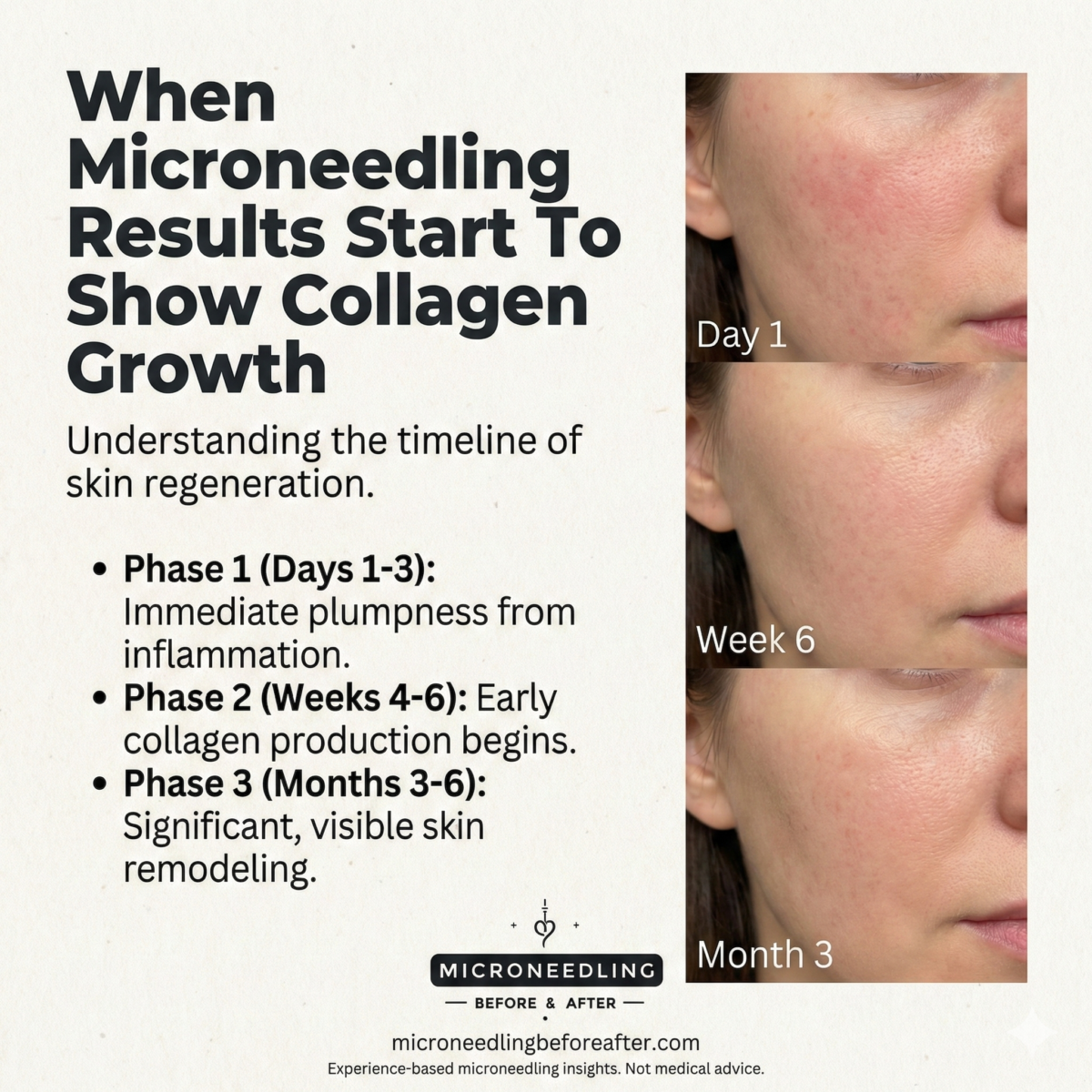
Week 0–1: Immediate reaction and early signaling

During the first week, I expect acute inflammation and re-epithelialization of the epidermis. I clarify that while growth factors surge during this interval, appreciable collagen deposition has not yet occurred in amounts visible clinically.

Weeks 1–4: Early fibroblast activity and initial matrix deposition

Between one and four weeks, fibroblasts begin synthesizing collagen, primarily type III collagen, and new extracellular matrix components appear. I note that microscopic changes are underway, and some patients may notice subtle improvements in skin texture or reduced fine lines at this stage.

Weeks 4–8: Increasing collagen synthesis and early remodeling

At one to two months, I expect collagen deposition to increase and the initial remodeling of collagen fibers to start. I explain that clinical improvement becomes more noticeable for many patients during this window.

Weeks 8–12: Continued remodeling and visible aesthetic gains

From two to three months, I commonly observe measurable improvements in firmness, fine lines, and skin tone uniformity. I stress that type III collagen is transitioning to the stronger type I collagen, and the architecture of the dermal matrix becomes more organized.

3–6 months and beyond: Long-term remodeling and maximal results

I tell patients that the most durable improvements usually appear between three and six months and may continue to accrue up to a year after treatment. I emphasize that final collagen remodeling and strengthening of the dermal scaffold can take several months, which is why patience is necessary.

Timeline table: expected collagen activity and clinical signs

I include a concise table to summarize the timeline so that readers can quickly reference expected cellular events and clinical observations.

Timeframe Cellular events Clinical signs I might observe
Immediate (0–7 days) Hemostasis, platelet activation, growth factor release Erythema, swelling, crusting, minimal visible collagen
Early (1–4 weeks) Fibroblast recruitment, type III collagen deposition begins Subtle texture improvement, decreased superficial roughness
Intermediate (4–8 weeks) Increased collagen production, early remodeling Noticeable improvement in fine lines, skin firmness starts
Late (8–12 weeks) Transition from type III to type I collagen, fiber reorganization Continued tightening, improved elasticity and tone
Long-term (3–12 months) Ongoing remodeling and maturation of collagen Maximal clinical benefit, sustained structural change

Factors that affect how quickly collagen grows

I recognize that the timeline varies significantly among patients because of intrinsic and extrinsic factors. I will list and explain the most influential variables so you can assess realistic expectations.

Patient age and intrinsic regenerative capacity

Younger skin generally regenerates faster and produces collagen more efficiently. I explain that aging reduces fibroblast activity and stem cell responsiveness, which often lengthens the time to visible collagen-related improvements.

Skin type, ethnicity, and baseline photodamage

Different skin phototypes and degrees of photoaging influence healing and collagen response. I note that heavily photoaged skin may require more treatments and a longer remodeling period to achieve similar results to less-damaged skin.

Treatment depth and needle length

Needle depth plays a key role in the degree of dermal injury and the resulting collagen stimulus. I provide more detail in the table below because needle depth should be matched to the indication and safety profile.

Needle depth (approx.) Typical indication Expected collagen response
0.25–0.5 mm Epidermal issues, product absorption Minimal dermal collagen stimulation; enhanced topical penetration
0.5–1.0 mm Fine lines, superficial scarring Moderate fibroblast activation and collagen deposition
1.0–2.5 mm Deep acne scars, laxity Robust dermal injury with stronger collagen stimulation; more downtime
>2.5 mm (rare) Specialist procedures Higher risk; significant collagen induction but needs expertise

I advise that increasing depth typically yields stronger collagen stimulus but also increases risk and recovery time. I stress that professional judgment must guide depth selection.

Number of passes, device type, and technique

The total energy delivered—combination of needle depth, number of passes, and cadence—affects the collagen response. I indicate that consistent, controlled techniques performed by trained providers produce more reproducible outcomes than aggressive, uncontrolled treatments.

Treatment frequency and cumulative sessions

Collagen synthesis is cumulative; multiple treatments spaced appropriately often yield superior outcomes. I usually recommend a series of three to six treatments at 4–6 week intervals for many indications, while tailoring the plan to the individual’s response.

Adjunctive therapies and combination treatments

Using growth factors, platelet-rich plasma (PRP), topical vitamin C, or lasers in concert with microneedling can amplify collagen production. I caution that combination strategies must be evidence-based and timed correctly to avoid overstimulation or increased risk of adverse effects.

Lifestyle and systemic health

Nutrition, smoking status, sun exposure, sleep, and systemic conditions (e.g., diabetes, autoimmune disease) influence wound healing and collagen synthesis. I consistently counsel patients that optimizing systemic health improves outcomes and shortens recovery.

Clinical evidence: what trials show about timing of collagen changes

I will summarize key findings from published studies so readers can see how controlled research aligns with clinical experience. I emphasize both histologic and clinical endpoints.

Histologic findings from representative studies

Several histologic studies demonstrate increased collagen deposition as early as 4 weeks post-treatment, with more pronounced and mature collagen forms by 12 weeks. I note that biopsies commonly show increased collagen content, fibroblast proliferation, and neovascularization at these time points.

Clinical outcomes and patient-reported timelines

Clinical studies frequently report noticeable improvements in texture and scarring within 1–3 months, with continued improvements up to 6 months. I point out that patient satisfaction typically correlates with the cumulative number of sessions and realistic preoperative counseling.

Monitoring collagen growth: objective and subjective measures

I recommend a combination of objective measurements and patient-reported outcomes to evaluate progress. I explain practical methods that clinicians and patients can use to track changes.

Imaging and biophysical tools

High-frequency ultrasound, optical coherence tomography (OCT), and cutometer measurements can quantify increases in dermal thickness and elasticity. I advise that while these tools are useful in research and specialty clinics, they may not be readily available in all practices.

Standardized photography and clinical grading scales

Standardized photography under consistent lighting, angles, and positioning is a reliable way to document visible improvements. I often use validated scar and wrinkle grading scales to provide objective comparisons across timepoints.

Patient-reported outcomes and tactile assessment

Patient perception of texture, tightness, and confidence are important outcomes that sometimes precede measurable structural changes. I include tactile assessment of skin firmness and palpation as practical office-based assessments that supplement imaging.

At-home microneedling devices vs professional treatments

I will contrast the stimulation and safety profiles of at-home dermal rollers and pens with in-office professional procedures. I recommend evidence-based practices to achieve results without unnecessary risk.

Comparative depth and collagen stimulation

At-home devices typically use short needles (0.2–0.5 mm) that primarily enhance topical absorption and produce minimal dermal collagen induction. I point out that professional treatments with deeper needles (1.0 mm and above) create controlled dermal injury and a stronger stimulus for collagen synthesis.

Safety, sterility, and complication risk

Professional treatments reduce infection risk and ensure appropriate technique and depth selection. I caution that improper home device use can cause infection, post-inflammatory hyperpigmentation, or scarring in susceptible individuals.

Optimizing microneedling to maximize collagen growth

I will recommend practical steps before, during, and after treatment that enhance collagen output while minimizing complications. I emphasize that adherence to protocol and individualized planning matter most.

Pre-treatment optimization

I recommend stopping retinoids and certain exfoliants as advised by the provider, and managing active acne or infections prior to procedure. I also advise that smoking cessation and improving nutrition in the weeks leading up to treatment can improve healing.

In-procedure considerations

I stress the importance of appropriate anesthesia, depth selection, and technique to ensure consistent microchannel creation without overtraumatizing tissue. I also recommend using sterile technique and high-quality devices to minimize complications.

Post-treatment care to support collagen formation

Post-procedure, I advise gentle cleansing, sun protection, and appropriate topical support such as growth-factor serums or hyaluronic acid. I usually delay introduction of retinoids and aggressive actives until the epidermis has re-epithelialized to avoid irritation and interference with wound healing.

Topical agents and injectables that enhance collagen response

I will cover adjuncts with evidence for synergistic action and provide timing considerations to maximize benefit.

Platelet-rich plasma (PRP)

PRP contains concentrated growth factors that, when applied during or immediately after microneedling, can augment fibroblast activity. I note that randomized studies show improved clinical outcomes when PRP is combined with microneedling compared to microneedling alone.

Growth factor serums and peptides

Topical peptides and growth factor-containing serums can support matrix production during the proliferative phase. I caution that penetration depends on the timing relative to microchannel closure and the molecular size of the active ingredients.

Vitamin C and topical antioxidants

Ascorbic acid is a cofactor for collagen cross-linking and can support collagen maturation. I recommend introducing vitamin C serums after the epidermis has healed to minimize irritation and to maximize antioxidant protection.

Retinoids and timing

Retinoids are potent stimulators of dermal remodeling but can be irritating if applied too soon. I advise waiting until re-epithelialization is complete—often 7–14 days—before resuming retinoid therapy, with gradual reintroduction.

Safety, side effects, and how they affect collagen outcomes

I prioritize safety and will describe common side effects, risk mitigation, and how complications can delay or impair collagen formation.

Common side effects and expected healing

Temporary redness, swelling, and minor crusting are expected and do not indicate poor outcomes. I explain that these reactions are part of normal healing and should resolve without intervention in most cases.

Infection, hyperpigmentation, and scarring

In rare instances, infection, post-inflammatory hyperpigmentation (PIH), or hypertrophic scarring can occur and may impair collagen architecture. I emphasize early recognition and treatment—topical antibiotics, pigment control, or referral for scar management—to preserve long-term results.

Autoimmune concerns and contraindications

Patients with certain autoimmune disorders, active skin infections, or a tendency for keloids require careful evaluation. I routinely screen for contraindications and adjust or avoid microneedling when the risk outweighs the benefit.

Managing expectations and treatment planning

I will provide guidance on realistic goals and how to design a treatment plan that aligns with desired outcomes and timelines.

Setting realistic timelines

I clearly communicate that meaningful collagen-driven improvements usually appear within 1–3 months and peak at around 3–6 months. I always discuss that multiple sessions are often needed and that final remodeling continues over many months.

Individualized treatment plans

Treatment frequency, needle depth, and adjunctive therapies should be tailored to the individual’s anatomy, goals, and tolerance. I prefer to set incremental goals and reassess after each session to refine the plan.

Practical patient checklist: before and after treatment

I provide a brief checklist that I give patients to maximize safety and outcomes. This list is meant to be a practical, at-a-glance guide.

  • Pre-treatment: Stop retinoids 3–7 days before (depending on strength), control active acne, avoid sunburn, maintain hydration, and discuss medications.
  • Day of treatment: Arrange transportation if sedation is used, expect redness and swelling, and plan minimal social activities for 24–48 hours.
  • Post-treatment: Use gentle cleanser, avoid makeup for 24 hours or as directed, apply sunscreen diligently, and delay potent actives until cleared by your provider.
  • Long-term: Follow the recommended treatment series, avoid smoking, maintain sun protection, and schedule follow-ups.

Frequently asked questions (FAQ)

I will answer common patient queries succinctly to reduce uncertainty and facilitate informed consent.

When will I personally notice a difference?

Most patients I treat report subtle improvements within 4–8 weeks and more marked changes by 3 months. Final results often continue to improve up to six months after the last treatment.

Is more aggressive treatment always better for collagen growth?

No. I caution that more aggressive depth or excessive passes increase risk without guaranteeing proportionally better outcomes. The optimal treatment balances efficacy with safety and is individualized.

Can I combine microneedling with other cosmetic procedures?

Yes, combining with PRP, lasers, or fillers can be effective when sequenced properly. I recommend spacing procedures appropriately and discussing an integrated plan with your provider.

How many sessions will I need?

A typical starter series is three treatments spaced 4–6 weeks apart, but the total number depends on the indication and response. I personally reassess after each session and adapt the plan based on observed progress.

Case examples: practical timelines from my clinical practice

I will describe representative cases to illustrate realistic timelines and outcomes that reflect what I see in practice.

Case 1: Mild photoaging, 45-year-old woman

I treated a 45-year-old patient with three sessions at 4-week intervals using 1.0 mm depth for cheeks. She reported subtle texture improvement at 6 weeks and substantial tightening and reduced fine lines at 3 months, with continued improvement through month 6.

Case 2: Atrophic acne scarring, 30-year-old man

I used 1.5–2.0 mm depths for targeted scar remodeling over five sessions spaced 6 weeks apart. Early collagen deposition was apparent clinically at 8–12 weeks, with notable scar softening and volume restoration at 4–6 months.

Final recommendations for clinicians and patients

I will summarize practical, evidence-based recommendations so you can apply them confidently.

  • Counsel patients that collagen growth is a biological process that takes time; expect progressive improvement rather than instant change.
  • Tailor needle depth, session frequency, and adjunctive therapies to the clinical indication and patient factors.
  • Use objective monitoring when possible, and combine with standardized photography for documentation.
  • Prioritize safety: sterile technique, appropriate patient selection, and conservative escalation of treatment intensity.

Conclusion

I hope this detailed overview clarifies when microneedling results begin to show collagen growth and how the process evolves over time. I encourage patients and clinicians to set realistic timelines, to monitor progress methodically, and to use evidence-based adjuncts to maximize outcomes while maintaining safety.

Microneedling Swelling Timeline By Skin Type

Microneedling swelling timeline by skin type: learn how long puffiness lasts, what affects recovery, and practical aftercare tips for each skin type.

How long will my face remain swollen after microneedling, and how does my skin type influence that timeline?

Microneedling Swelling Timeline By Skin Type

I will explain how microneedling typically causes swelling, why the response varies across skin types, and what realistic timelines look like. I will also provide practical management strategies so you can plan treatments and expectations appropriately.

Why swelling occurs after microneedling

I recognize that microneedling purposefully creates controlled micro-injuries in the skin to stimulate collagen and elastin production. Swelling is a normal inflammatory response as fluid and immune cells rush to the treated areas to begin repair, and the degree of swelling depends on several physiologic and treatment variables.

How I classify skin types for swelling expectations

I use common dermatologic and cosmetic categories: normal, dry, oily, combination, sensitive, acne-prone, rosacea-prone, darker (higher Fitzpatrick) skin tones, fair/thin/aging skin, and those with inflammatory skin conditions like eczema or psoriasis. I find this classification practical for anticipating swelling patterns and advising aftercare.

General factors that influence swelling

I will outline the main variables that change how much and how long swelling will last so you can understand why two people may experience different timelines after the same procedure.

  • Treatment depth and device: Professional devices with needles at 1.5 mm or deeper and radiofrequency-microneedling cause more swelling than shallow at-home devices.
  • Number of passes and treatment intensity: More passes and firmer pressure increase swelling.
  • Anatomic area treated: Periorbital, lip, and forehead regions often swell more due to thinner skin and loose subcutaneous tissues.
  • Pre-existing inflammation and skin conditions: Rosacea and acne can amplify swelling.
  • Systemic factors: Medications (blood thinners), recent alcohol, salt intake, sleep, and hydration influence fluid retention.
  • Technique and topical anesthesia: Use of topical anesthetics, whether vasoconstrictors were used, and post-treatment cooling alter swelling onset and duration.

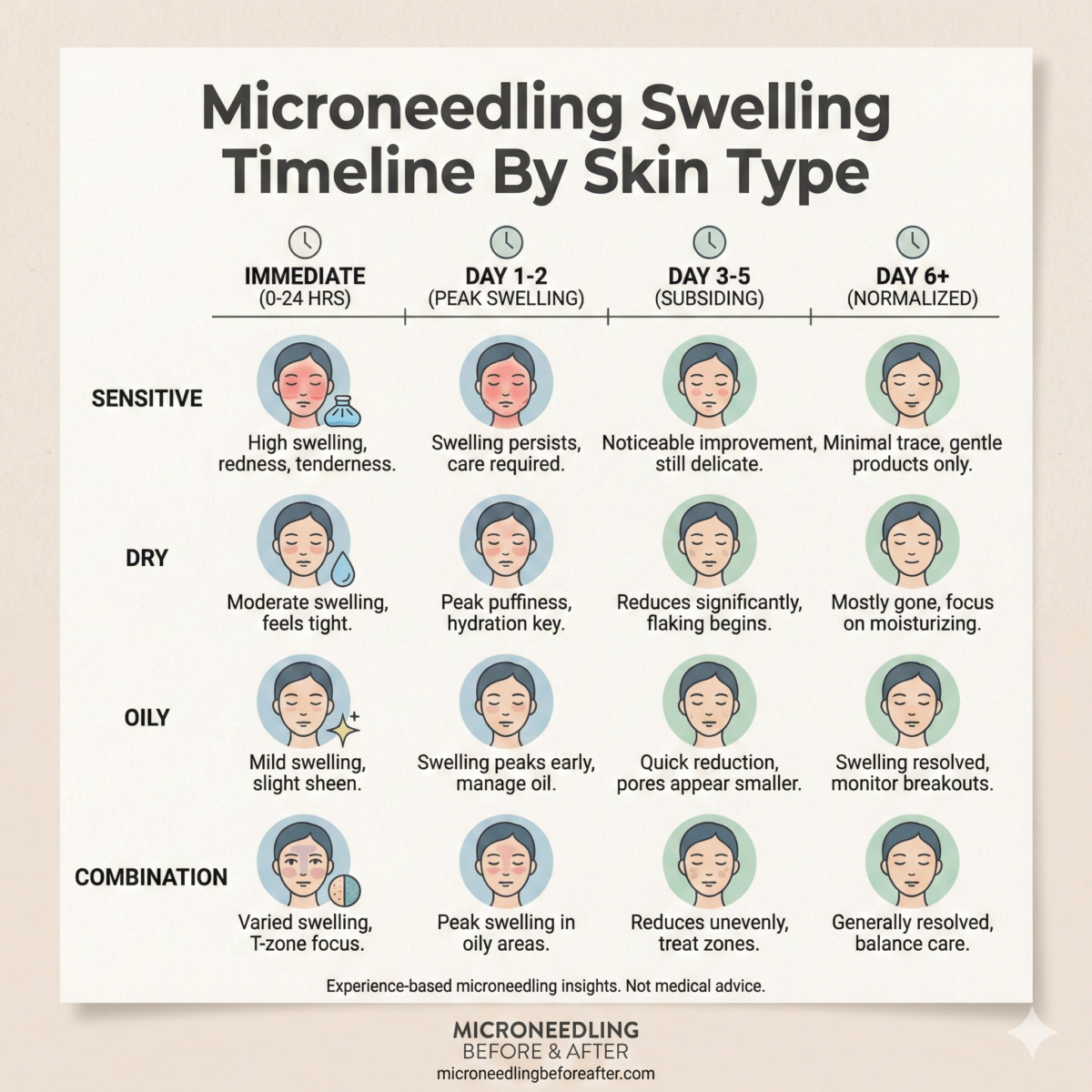
Typical swelling timeline stages

I find it useful to conceptually divide the healing into stages so patients can track progress and know what to expect at each interval.

Stage Timeframe Typical signs
Immediate 0–6 hours Erythema, pinpoint bleeding, initial puffiness
Acute 6–72 hours Peak swelling typically within 24–48 hours, warmth, tenderness
Early recovery 3–7 days Redness decreases, swelling subsides substantially, skin tightness
Late recovery 1–4 weeks Residual erythema resolves, collagen remodeling begins
Full recovery 4–12 weeks Visual improvements mature, minimal swelling or none

I include this table to make the overall pattern easier to understand and to give a frame of reference for more specific skin-type timelines.

Swelling timeline by skin type — summary table

I provide a compact comparison so you can quickly scan expectations for your skin type. These are general estimates; individual responses vary.

Skin Type Typical Peak Swelling Usual Duration of Noticeable Swelling Notes
Normal 24–48 hours 2–5 days Predictable response; rapid recovery in most cases
Dry 24–48 hours 3–7 days May feel tight and slightly longer to exfoliate
Oily 24–72 hours 2–6 days Outlet for sebum is unaffected; inflammation may take slightly variable course
Combination 24–48 hours 2–6 days T-zone regions may recover differently from cheeks
Sensitive 12–72 hours 4–10 days Heightened inflammatory response; redness and swelling can be prolonged
Acne-prone 24–72 hours 3–10 days Active acne may flare; infections are a risk if contraindications ignored
Rosacea-prone 12–72 hours 5–14 days Marked flushing and swelling possible; proceed cautiously
Fitzpatrick IV–VI (darker skin) 24–72 hours 3–10 days Swelling similar or slightly prolonged; risk of PIH requires cautious aftercare
Fair/thin/aging skin 12–48 hours 2–5 days Thinner skin may bruise or swell more readily
Eczema/Psoriasis 12–72 hours 5–14 days or longer Flare risk; must be managed with dermatologist input

I encourage using the table as a starting point rather than a definitive timeline for every individual case.

Normal skin

I consider “normal” skin to have a balanced sebum production and no chronic inflammatory conditions. I typically tell patients with this skin type to expect predictable inflammatory responses.

  • Peak swelling: 24–48 hours
  • Noticeable swelling: 2–5 days
  • Management tips: Gentle cooling and a basic barrier-restoring moisturizer help the skin recover quickly. I advise avoiding harsh actives for the first 72 hours.

Dry skin

I recognize that dry skin often has a compromised barrier and reduced natural oils, which can make it feel tighter and more sensitive after treatment.

  • Peak swelling: 24–48 hours
  • Noticeable swelling: 3–7 days
  • Key considerations: I recommend using occlusive emollients and humectants (e.g., hyaluronic acid followed by a barrier cream) to reduce tightness and promote comfort. Avoid alcohol-based toners or astringents post-treatment.

Oily skin

I find that oily skin produces a relatively similar swelling response but may handle irritation differently due to thicker sebaceous activity.

  • Peak swelling: 24–72 hours
  • Noticeable swelling: 2–6 days
  • Key considerations: I recommend light, non-comedogenic hydrating products and avoid heavy oil-based creams that can trap heat or bacteria. Monitor for acneiform reactions if active acne is present.

Combination skin

I explain that combination skin may experience mixed timelines because different facial zones heal at different rates.

  • Peak swelling: 24–48 hours
  • Noticeable swelling: 2–6 days
  • Key considerations: I suggest zone-based aftercare: richer emollients on cheeks if dry, lighter gels on the T-zone if oily. This balances hydration without increasing irritation.

Sensitive skin

I note that sensitive skin can have amplified inflammatory responses to injury and topical agents, which makes swelling and redness potentially more pronounced and prolonged.

  • Peak swelling: 12–72 hours
  • Noticeable swelling: 4–10 days
  • Key considerations: I advise patch testing, using minimal passes during treatment, and employing anti-inflammatory soothing agents like topical niacinamide or centella asiatica after professional approval. I often recommend consulting a dermatologist to tailor settings.

Acne-prone skin

I discuss that acne-prone skin presents a special challenge because microneedling can transiently spread bacteria if performed over active pustules and may exacerbate inflammation if not properly selected.

  • Peak swelling: 24–72 hours
  • Noticeable swelling: 3–10 days
  • Key considerations: I generally avoid treating active inflamed acne with microneedling. If treating acne-scarring rather than active lesions, strict antiseptic technique and appropriate topical antimicrobials may be used. I monitor for signs of infection.

Rosacea-prone skin

I emphasize caution for rosacea because capillary fragility and neurovascular hyperreactivity can result in extended flushing and swelling.

  • Peak swelling: 12–72 hours
  • Noticeable swelling: 5–14 days
  • Key considerations: I recommend conservative needle depths, pre- and post-treatment anti-inflammatory regimens (per dermatologist guidance), and consideration of alternative modalities if rosacea is active. I advise clear informed consent about the risk of extended erythema.

Fitzpatrick IV–VI (darker skin tones)

I explain that darker skin tones do not necessarily experience more swelling, but there is a heightened concern for post-inflammatory hyperpigmentation (PIH) if inflammation is prolonged.

  • Peak swelling: 24–72 hours
  • Noticeable swelling: 3–10 days
  • Key considerations: I suggest pre-treatment optimization (retinoid tapering, skin-lightening cosmeceuticals if indicated) and cautious post-treatment management to limit inflammation and potential PIH. I recommend sunscreen and avoidance of heat/inflammation.

Fair, thin, or aging skin

I note that thinner or aged skin may bruise or show edema more visibly, and the response can be quicker to occur because the dermis is less robust.

  • Peak swelling: 12–48 hours
  • Noticeable swelling: 2–5 days
  • Key considerations: I favor lighter settings and a conservative approach. I instruct using gentle moisturizers and short, targeted treatments to prevent prolonged downtime.

Eczema or psoriasis

I stress that inflammatory skin disorders such as eczema or psoriasis require individualized planning because microneedling can potentially trigger flares.

  • Peak swelling: 12–72 hours
  • Noticeable swelling: 5–14 days or longer
  • Key considerations: I typically coordinate with a treating dermatologist. If disease is controlled, limited superficial microneedling may be considered; if active, I recommend postponing. I advise close post-procedure monitoring for flare-ups.

Deep professional vs at-home microneedling — swelling differences

I compare professional in-office treatments with at-home devices to clarify expectations.

  • Professional (0.75–3.0 mm and RF-microneedling): I explain these produce greater and longer swelling, often peaking at 24–48 hours and resolving over several days to two weeks depending on depth.
  • Medical-grade RF-microneedling: I note this induces thermal injury in addition to microchannels, which can extend swelling and erythema beyond what needle-only devices cause.
  • At-home dermarollers (0.2–0.5 mm): I state these cause minimal swelling, generally resolving within 24 hours or less, and primarily stimulate superficial exfoliation rather than significant collagen remodeling.

Immediate post-treatment care (0–24 hours)

I provide a stepwise list of actions that I recommend for the first day to minimize swelling and discomfort.

  • Cooling: Apply clean cool compresses for short intervals (10–15 minutes on, 10–15 minutes off). Avoid prolonged cold that can cause vasoconstriction issues.
  • Cleansing: Use a gentle, non-irritating cleanser to remove blood or lymphatic fluid.
  • Topicals: I advise avoiding active topicals (retinoids, acids, potent vitamin C) and opting for bland, sterile hydrating serums or medical-grade hyaluronic acid if recommended.
  • Positioning: Sleep with your head elevated the first night to reduce facial edema.
  • Avoid: I caution against alcohol, NSAIDs (I ask patients to consult their provider if they are on prescribed anticoagulants), strenuous exercise, heat exposure, and hot showers for 24–48 hours.

First 48–72 hours — peak management

I outline what to expect and how to manage the typical peak swelling window.

  • Expectation: I tell patients that swelling most often peaks within 24–48 hours but can remain elevated into day three for some skin types or deeper treatments.
  • Anti-inflammatories: I sometimes recommend oral antihistamines or short courses of NSAIDs for discomfort if appropriate and approved by the provider. I avoid routine steroid use unless prescribed.
  • Hydration and barrier repair: I encourage continued use of gentle moisturizers, occlusive creams at night, and avoidance of potential irritants.
  • Sun protection: I stress strict UV avoidance and use of physical sunscreens when outdoors.

Days 3–7 — early recovery

I describe the trajectory of swelling and how to modify care as the inflammation subsides.

  • Clinical course: I expect significant reduction in swelling by day 3–5 for most skin types, with residual redness and slight edema possible up to a week.
  • Exfoliation: I advise against mechanical exfoliation and strong chemical peels until the skin barrier is fully restored.
  • Makeup: I typically allow mineral or specially formulated cover cosmetics after 48–72 hours if there is no open bleeding or crusting, but I recommend patch testing.

Weeks 2–4 and beyond — remodeling phase

I explain the longer-term healing process where swelling has resolved but tissue remodeling continues.

  • Clinical course: By 2–4 weeks most patients show minimal swelling; improvements in texture/pore size continue to emerge over 8–12 weeks as collagen remodels.
  • Return to routine: I allow resumption of retinoids and active skincare per a staged plan after 1–3 weeks depending on skin’s recovery.
  • Follow-up treatments: I discuss spacing treatments (commonly 4–6 weeks for collagen induction) and consider conservative approaches for sensitive or reactive skin types.

Practical table: Do’s and don’ts by timeframe

I include this table to provide concise guidance for common post-procedure questions.

Timeframe Do Don’t
0–24 hours Cool intermittently, cleanse gently, use sterile hydrating products Exercise, sauna, hot showers
24–72 hours Continue hydration, elevate head while sleeping, protect from sun Apply active acids, retinoids, heavy makeup on open areas
3–7 days Gradually reintroduce gentle skincare, monitor for infection Aggressive exfoliation or facial waxing
1–4 weeks Reintroduce most actives gradually if tolerated Skip sunscreen or ignore prolonged redness

I use this concise reference to reduce confusion and support safer recovery.

When to seek medical attention

I want to be clear about warning signs that require prompt evaluation.

  • Excessive swelling beyond expected timeline: If swelling continues to worsen after 72 hours or becomes asymmetric and painful.
  • Signs of infection: Increasing pain, warmth, spreading erythema, purulent drainage, or fever.
  • Allergic reactions: Rapid, severe swelling, hives, difficulty breathing — seek emergency care.
  • Prolonged, worsening hyperpigmentation or keloid formation concerns: Seek dermatologic follow-up.

I recommend contacting the treating clinician for any unexpected course.

Preventive strategies and pre-treatment optimization

I advise several steps to reduce the risk of severe swelling and complications before microneedling.

  • Medical history review: I request disclosure of isotretinoin use, anticoagulants, active infections, and inflammatory conditions.
  • Medication timing: I typically ask patients to avoid NSAIDs and high-dose vitamin E pre-procedure only as instructed, and to confirm isotretinoin cessation per dermatologic guidance.
  • Skin preparation: I recommend pre-treating active inflammatory conditions and optimizing barrier function with hydration and, in some cases, topical anti-inflammatories.
  • Conservative settings: For sensitive or high-risk skin types, I favor shallower needle depths and fewer passes.

I find that thoughtful pre-procedure planning reduces downtime and adverse outcomes.

Products and ingredients I recommend or avoid after microneedling

I give practical product guidance that I use when advising patients.

  • Recommend immediately: Sterile saline, gentle hyaluronic acid serums, petroleum-based or ceramide-rich barrier creams, and physical sunscreens once healed.
  • Use with caution: Niacinamide and centella asiatica can be soothing but should be introduced conservatively.
  • Avoid for first 48–72 hours: Retinoids, alpha/beta hydroxy acids, ascorbic acid in high concentration, benzoyl peroxide, and alcohol-based toners.
  • Antimicrobials: I consider topical antiseptics if indicated, but routine antibiotic creams are not always recommended unless there is a clear infection risk.

I emphasize individualized recommendations based on treatment intensity and skin type.

Managing swelling for specific concerns

I offer tailored strategies for some of the more challenging skin types.

  • Rosacea-prone: I recommend pre-treatment control measures (topical or oral therapies) and post-treatment anti-inflammatories per dermatologic direction.
  • Darker skin tones: I stress aggressive sun protection and consider topical lightening agents only after adequate healing to minimize PIH.
  • Acne-prone: I avoid treating over active lesions and ensure antiseptic technique if scars are the target.

I adapt my approach to reduce complications and optimize outcomes for these groups.

Practical lifestyle considerations

I suggest practical behavioral adjustments that help minimize swelling and promote efficient healing.

  • Sleep: I encourage sleeping elevated the first 1–3 nights.
  • Diet: I recommend reducing salt and alcohol intake immediately before and after the treatment to limit edema.
  • Activity: I advise avoiding high-intensity workouts, hot yoga, and heavy sweating for at least 48–72 hours.
  • Travel: If you travel by air immediately after treatment, I advise extra cooling and hydration due to cabin pressure and dehydration effects.

I include these recommendations because modest lifestyle changes can materially affect recovery.

Repeat treatments and cumulative swelling

I explain how swelling may change with subsequent sessions.

  • Cumulative effect: I note that repeated treatments spaced properly may produce less acute swelling as the skin adapts, but deeper or more aggressive sessions can reset the inflammatory response.
  • Spacing: I generally recommend waiting 4–6 weeks between collagen induction sessions for facial treatments so swelling has fully resolved and remodeling is underway.
  • Record-keeping: I advise tracking reactions after each session so settings can be modified if swelling was excessive in prior treatments.

I stress cautious progression to optimize long-term results without unnecessary downtime.

Checklist for post-microneedling care

I provide a short checklist I often give patients to simplify compliance.

  • Cool with clean compresses for short intervals.
  • Keep treated area clean; use gentle cleanser.
  • Apply sterile hydrating serum and barrier cream at night.
  • Avoid active ingredients for at least 72 hours.
  • Use head elevation for sleep first night.
  • Avoid strenuous exercise and heat sources for 48–72 hours.
  • Protect from sun and apply SPF after epidermal healing.
  • Contact provider for signs of infection or unexpected worsening.

I use this checklist to reduce confusion and increase safety.

Clinical scenarios and examples

I offer a few illustrative examples to help you contextualize timelines.

  • Example 1 — 35-year-old with normal skin receiving 1.5 mm in-office microneedling: I would expect peak swelling at 24–48 hours with substantial improvement by day 4 and near-normal appearance by day 7.
  • Example 2 — 45-year-old with rosacea treated superficially: I would expect significant erythema and swelling peaking within 24 hours and possibly lingering through 10 days; I would plan conservative settings and anti-inflammatory post-care.
  • Example 3 — 28-year-old with darker skin undergoing shallow in-office treatment: I would predict modest swelling for 48–72 hours and emphasize strict sun avoidance and inflammatory control to prevent PIH.

I use case examples to make abstract timelines more concrete.

Final considerations and takeaways

I want to leave you with clear, actionable guidance that I would follow or recommend professionally.

  • Expect swelling: Swelling is a normal, transient response to microneedling and usually peaks within 24–48 hours for most skin types.
  • Skin-type variability matters: Sensitive, rosacea-prone, and inflammatory-skin types often have longer or stronger swelling responses and may need conservative treatment plans.
  • Management works: Simple measures—cooling, elevation, gentle hydrating products, and sun protection—can substantially reduce both the intensity and the duration of swelling.
  • Safety first: If you have significant dermatologic conditions or are on medications like isotretinoin or anticoagulants, consult a dermatologist before undergoing microneedling.
  • When in doubt, seek care: Infection or severe allergic reactions are rare but require prompt professional attention.

I remain available to help interpret your specific situation or to tailor aftercare plans based on your particular skin type and the exact microneedling procedure you are considering.

en_USEnglish