google.com, pub-2032008856654686, DIRECT, f08c47fec0942fa0

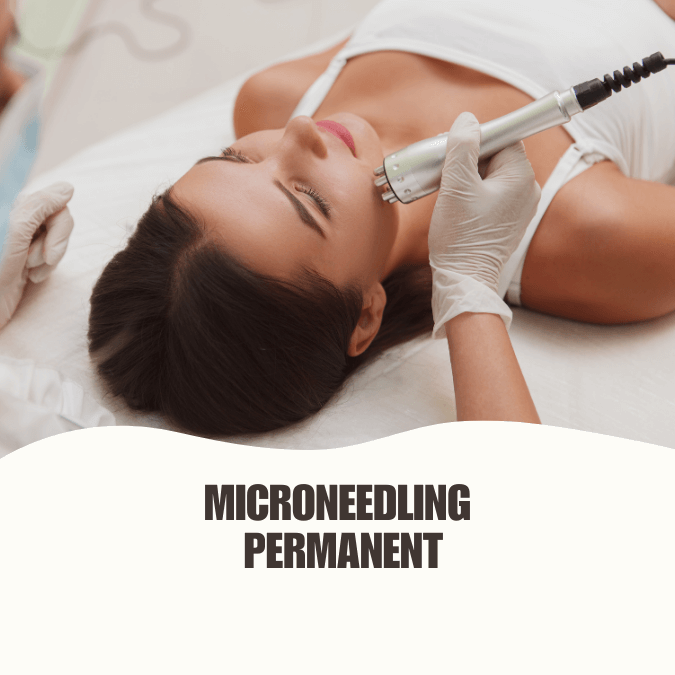
Is Microneedling Permanent

Discover the truth about the permanence of microneedling in this informative post. Explore the science behind this popular procedure and learn about its immediate and long-term effects on the skin. Find out how to maintain results and choose a certified professional for optimal outcomes.

Microneedling has emerged as a popular cosmetic procedure in recent years, enticing many individuals looking for a non-invasive solution to improve their skin’s appearance. But amidst the buzz surrounding this treatment, a lingering query persists: is microneedling permanent? This article aims to uncover the truth behind this question, exploring the longevity and lasting effects of this innovative technique. By examining the science behind microneedling and the experiences of those who have undergone the procedure, we will shed light on whether this rejuvenating treatment delivers results that stand the test of time.

What is Microneedling?

Definition of Microneedling

Microneedling, also known as collagen induction therapy, is a minimally invasive cosmetic procedure that involves the use of tiny needles to create controlled micro-injuries on the surface of the skin. These micro-injuries stimulate the natural healing process of the skin, encouraging the production of collagen and elastin, the building blocks of healthy skin.

Process of Microneedling

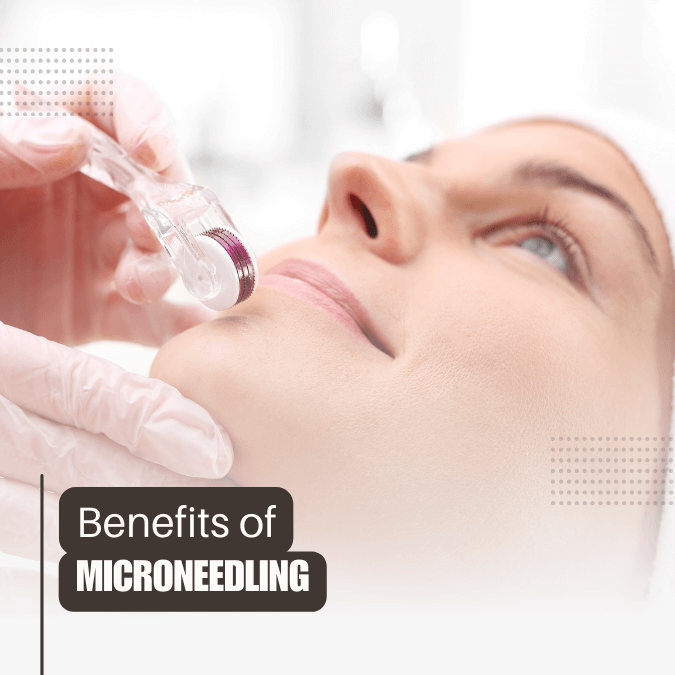
During a microneedling session, a trained professional uses a pen-like device or a derma roller equipped with multiple fine needles to create precise and controlled punctures on the skin. These punctures are so small that they are invisible to the naked eye, but they are enough to trigger the skin’s regenerative response. Depending on the individual’s needs and preferences, topical numbing cream may be applied prior to the procedure for enhanced comfort.

How Does Microneedling Work?

Mechanism of Microneedling

Microneedling works by creating controlled micro-injuries on the skin’s surface. When the needles pierce the skin, they activate the body’s healing response, stimulating the production of collagen and elastin. These proteins are essential for maintaining skin elasticity, firmness, and overall youthfulness. As the skin repairs itself, it undergoes a rejuvenation process, leading to noticeable improvements in texture, tone, and the appearance of fine lines and wrinkles.

Effects on Skin

Microneedling has a multi-faceted effect on the skin. It not only enhances collagen and elastin production but also improves blood circulation and promotes the turnover of skin cells. Additionally, the microchannels created by the needles allow for enhanced penetration and absorption of skincare products, maximizing their effectiveness. Overall, microneedling can lead to smoother, firmer, and more radiant skin.
Immediate Effects of Microneedling

Redness and Swelling

Immediately after a microneedling session, it is common to experience some redness and swelling in the treated area. This reaction is a natural response to the micro-injuries created during the procedure. However, the intensity and duration of redness and swelling vary among individuals and may depend on the depth of the needles and the sensitivity of the skin. Typically, these side effects subside within a day or two.

Skin Texture Improvement

One of the immediate effects of microneedling is the improvement in skin texture. The micro-injuries stimulate the production of collagen and elastin, which help to repair and regenerate the skin. With regular treatments, individuals often notice a smoother and more refined skin texture, as the microneedling helps to reduce the appearance of roughness, enlarged pores, acne scars, and other blemishes.

Improved Absorption of Skincare Products

Microneedling creates microchannels on the skin’s surface, allowing for better absorption of skincare products. Immediately after the procedure, the skin is more receptive to the active ingredients present in serums, moisturizers, and other skincare formulations. This enhanced absorption can contribute to better hydration, increased nourishment, and improved overall skincare results.

Long-Term Effects of Microneedling

Collagen and Elastin Production

Microneedling’s long-term effects are primarily attributed to the increased production of collagen and elastin. Collagen is a protein that provides structural support to the skin, while elastin helps maintain its elasticity and flexibility. With continued microneedling sessions, the boosted production of these proteins contributes to improved skin elasticity, firmness, and smoothness, resulting in a more youthful appearance.

Reduction of Fine Lines and Wrinkles

Another long-term effect of microneedling is the reduction of fine lines and wrinkles. As the skin’s collagen and elastin levels increase, it becomes more resilient and better able to resist and repair damage caused by aging and external factors. Over time, microneedling can aid in minimizing the appearance of lines and wrinkles, giving the skin a more youthful and rejuvenated appearance.

Improved Skin Tone and Texture

Microneedling can also lead to improvements in skin tone and texture over the long term. The stimulation of collagen production helps to even out pigmentation irregularities such as age spots, sun spots, and melasma, resulting in a more balanced and radiant complexion. Additionally, the regenerative effects of microneedling contribute to smoother and softer skin texture, reducing roughness and improving overall skin quality.

Duration of Microneedling Results

Temporary or Permanent?

The duration of microneedling results can vary for each individual. While microneedling stimulates collagen and elastin production, it does not completely stop the skin’s natural aging process. Therefore, the results are not permanent. However, with regular maintenance treatments, the effects of microneedling can be prolonged, offering long-lasting improvements to the skin.

Factors Affecting Duration of Results

Several factors can influence how long the results of microneedling last. These include individual skin characteristics, lifestyle factors, and the quality and frequency of maintenance treatments. Factors such as sun exposure, smoking, and poor skincare habits can accelerate the aging process and potentially diminish the longevity of microneedling results. On the other hand, individuals who prioritize skincare and adhere to a healthy lifestyle may experience more prolonged and satisfactory outcomes.

Maintenance and Additional Sessions

Recommended Sessions

The number of microneedling sessions recommended for optimal results can vary depending on individual needs and treatment goals. In general, a series of three to six treatments performed at four to six-week intervals is often recommended. This allows for adequate collagen remodeling and skin rejuvenation. However, the exact number of sessions required may be determined by factors such as the severity of the skin concerns being addressed and the individual’s desired outcome.

Frequency of Maintenance Treatments

Once the initial series of microneedling sessions is completed, maintenance treatments are typically advised to sustain and enhance the results. The frequency of maintenance sessions can depend on several factors, including the individual’s age, skin condition, and personal preferences. Some individuals may choose to undergo maintenance treatments every few months, while others may opt for annual or semi-annual sessions to maintain the benefits of microneedling.

At-Home Microneedling Devices

While professional microneedling treatments offer the highest level of precision and safety, there are also at-home microneedling devices available on the market. These devices are designed for personal use and have shorter needles than those used in professional settings. It is important to note that while at-home microneedling can provide some benefits, it may not be as effective as professional treatments. It is advisable to consult with a skincare professional before incorporating at-home microneedling devices into your routine.
Alternatives to Microneedling

Chemical Peels

Chemical peels are a non-invasive cosmetic treatment that involves the application of a chemical solution to the skin, causing controlled exfoliation and peeling. Like microneedling, chemical peels aim to improve skin texture, reduce wrinkles and fine lines, and enhance overall skin tone. The choice between microneedling and chemical peels depends on individual preferences, skin type, and specific concerns.

Laser Resurfacing

Laser resurfacing is a procedure that uses concentrated beams of light to precisely remove layers of damaged skin. It can be an effective treatment for wrinkles, fine lines, sun damage, acne scars, and other skin imperfections. Like microneedling, laser resurfacing stimulates collagen production and promotes skin rejuvenation. The selection of microneedling or laser resurfacing depends on factors such as skin type, the extent of the concerns, and the desired downtime.

Dermal Fillers

Dermal fillers are injectable substances that are used to restore volume and reduce the appearance of wrinkles and folds. Unlike microneedling, which focuses on stimulating the skin’s natural regenerative response, dermal fillers provide immediate volume enhancement to specific areas. The choice between microneedling and dermal fillers depends on the individual’s desired outcome and the specific concerns they wish to address.

Safety and Side Effects

Common Side Effects

Microneedling is generally a safe procedure when performed by a trained and qualified professional. However, like any cosmetic treatment, it may have some side effects. Common side effects can include temporary redness, swelling, and mild discomfort during or after the procedure. These side effects usually subside within a few days. It is essential to follow post-treatment care instructions provided by the professional to minimize any potential complications.

Risks and Complications

While rare, there are potential risks and complications associated with microneedling. These can include infection, scarring, hyperpigmentation, and allergic reactions to topical products used during the procedure. It is crucial to choose a reputable and experienced professional who adheres to strict hygiene protocols and uses sterile equipment to minimize the risk of complications. Proper aftercare and adherence to skincare professional’s recommendations also play a critical role in reducing the potential for adverse events.

Contraindications and Precautions

Microneedling may not be suitable for everyone. Individuals with certain medical conditions, such as active acne, eczema, psoriasis, or rosacea, may need to postpone or avoid microneedling treatments. Additionally, individuals who are pregnant or breastfeeding should consult with their healthcare provider before undergoing microneedling. It is important to disclose all medical history and skincare routines to the professional performing the treatment to ensure a safe and effective procedure.
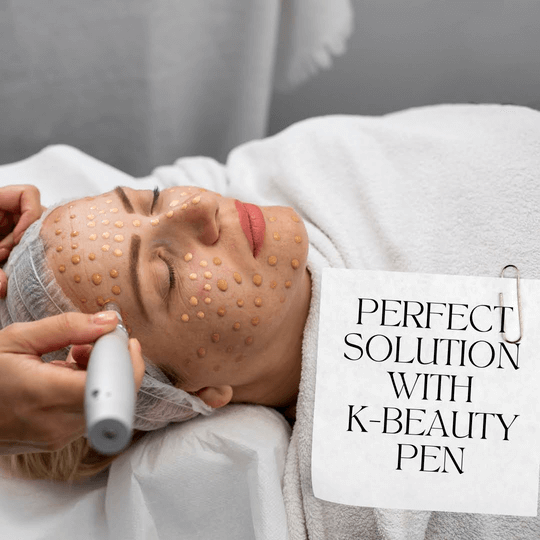
Choosing a Professional Microneedling Provider

Certification and Training

When seeking a professional microneedling provider, it is essential to ensure they are appropriately certified and trained. Look for professionals who have received proper education and training in microneedling techniques and have obtained certifications or qualifications from reputable organizations. This will help ensure that the provider has the necessary knowledge and skills to perform the procedure safely and effectively.

Client Testimonials

Before committing to a particular microneedling provider, it can be helpful to review client testimonials and feedback. Reading about other individuals’ experiences can provide insight into the provider’s expertise, professionalism, and satisfaction with the results. Look for testimonials that align with your specific concerns and treatment goals, as this can give you a better idea of what to expect.

Before and After Photos

Another valuable resource when choosing a professional microneedling provider is the availability of before and after photos of previous clients. By examining these photos, you can assess the quality of the provider’s work and determine if their results align with your expectations. Look for clear and consistent improvements in skin texture, tone, and overall appearance. This information can help guide you in making an informed decision about your chosen microneedling provider.

Conclusion

Summary of Microneedling’s Permanence

In conclusion, microneedling is a minimally invasive cosmetic procedure that stimulates the natural healing response of the skin, leading to improved texture, tone, and the reduction of fine lines and wrinkles. While the results of microneedling are not permanent, they can be prolonged with regular maintenance treatments and an appropriate skincare routine. Microneedling offers various immediate and long-term effects, including increased collagen and elastin production, enhanced skin tone and texture, and improved absorption of skincare products.

Importance of Professional Guidance

When considering microneedling, it is crucial to seek the expertise of a qualified and experienced professional. Choosing a certified provider ensures the safest and most effective treatment outcomes. By adhering to their recommendations, following proper aftercare instructions, and maintaining regular maintenance sessions, you can achieve optimal results and maximize the benefits of microneedling for your skin. Trusting a professional will provide the guidance needed to navigate the options, mitigate potential risks, and achieve your desired skincare goals.
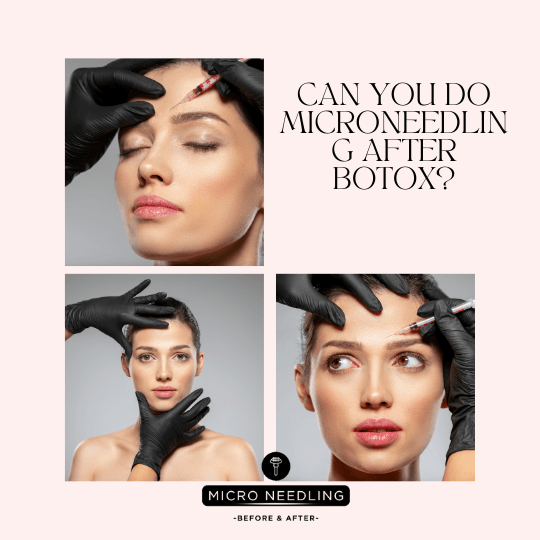
Can You Do Microneedling After Botox?

Can You Do Microneedling After Botox? Explore the compatibility of these procedures & find the answer. Discover how these treatments can coexist harmoniously for the best skincare results.

Have you ever wondered if it’s possible to do microneedling after receiving Botox treatments? This article aims to explore the compatibility of these two procedures and provide you with an answer. So, whether you’re considering Botox or microneedling, let’s dive into the details and find out if these treatments can coexist harmoniously to give you the best results for your skincare journey.

The Basics of Microneedling and Botox

What is Microneedling?

Microneedling is a minimally invasive cosmetic procedure that involves using tiny needles to create small puncture wounds in the skin. These controlled micro-injuries stimulate the skin’s natural healing process, resulting in the production of collagen and elastin. The procedure can be done with a handheld device that contains multiple fine needles or with a professional microneedling pen.

What is Botox?

Botox, also known as botulinum toxin, is an injectable neurotoxin that temporarily paralyzes the muscles in the targeted area. It is primarily used for cosmetic purposes to reduce the appearance of wrinkles and fine lines. Botox injections are commonly administered to areas such as the forehead, between the eyebrows, and around the eyes.

Why are Microneedling and Botox Popular?

Microneedling and Botox have gained immense popularity in recent years due to their effectiveness in addressing common skin concerns. Microneedling helps improve skin texture, reduce acne scars, and minimize the appearance of pores. Botox, on the other hand, offers a non-surgical solution for reducing wrinkles, crow’s feet, and frown lines. These treatments provide individuals with the opportunity to achieve a more youthful and rejuvenated appearance without undergoing invasive procedures.

How do Microneedling and Botox Work?

Microneedling works by creating controlled microscopic punctures on the skin’s surface. This stimulates the skin’s healing response, promoting the production of collagen and elastin. Collagen is essential for maintaining plump and youthful-looking skin, while elastin allows the skin to retain its elasticity and firmness.

Botox, on the other hand, works by blocking the nerve signals that cause muscle contractions. By temporarily paralyzing the targeted muscles, Botox prevents the formation of wrinkles and lines associated with facial expressions. The effects of Botox typically last for several months before gradually wearing off.

The Benefits of Combining Microneedling and Botox

Improved Skin Texture and Tone

Combining microneedling and Botox can significantly improve overall skin texture and tone. Microneedling promotes collagen production, which helps to reduce the appearance of acne scars, minimize pores, and smooth out rough skin. Botox, on the other hand, addresses fine lines and wrinkles, resulting in smoother and more even-toned skin. When used together, these treatments can achieve synergistic effects, giving your skin a youthful and radiant glow.

Reduced Fine Lines and Wrinkles

One of the main benefits of combining microneedling and Botox is the reduction of fine lines and wrinkles. Microneedling promotes collagen and elastin production, which helps to improve skin elasticity and diminish the appearance of fine lines. Botox, on the other hand, targets dynamic wrinkles caused by repetitive muscle movements, such as crow’s feet and forehead lines. By combining these treatments, you can achieve a comprehensive solution for reducing the visible signs of aging.

Enhanced Absorption of Skincare Products

Microneedling creates microchannels in the skin that can enhance the absorption of skincare products. After microneedling, your skin becomes more receptive to topical treatments, allowing them to penetrate deeper into the skin for maximum effectiveness. By applying skincare products immediately after microneedling, you can boost their absorption and optimize their benefits.

Greater Collagen and Elastin Production

Both microneedling and Botox stimulate collagen and elastin production, albeit through different mechanisms. Microneedling triggers the natural healing process, leading to increased collagen and elastin synthesis. Botox indirectly stimulates collagen production by reducing muscle movements, which in turn helps to prevent the breakdown of existing collagen. By combining these treatments, you can achieve an overall increase in collagen and elastin levels, resulting in firmer and more resilient skin.

Understanding the Timing and Order

How Long After Botox Can You do Microneedling?

In general, it is recommended to wait at least two weeks after receiving Botox injections before undergoing microneedling. This waiting period allows the Botox to fully settle into the targeted muscles and ensures optimal results. Microneedling too soon after Botox may potentially interfere with the efficacy of the neurotoxin or cause unintended side effects.

Why is the Order Important?

The order of treatments is important when combining microneedling and Botox. It is crucial to undergo microneedling after Botox injections to prevent any disruption to the neurotoxin’s effects. Microneedling involves manipulating the skin’s surface, which may cause the Botox to spread to unintended areas and potentially lead to undesired results.

What Should be Considered Before Combining Treatments?

Before combining microneedling and Botox, it is essential to consult with a qualified professional. They will evaluate your skin condition, discuss your desired results and concerns, and determine if you are an ideal candidate for these treatments. It is also important to disclose any medical conditions, medications, or allergies that may affect the safety and efficacy of the procedures. Following the recommendations and guidelines provided by your practitioner is crucial for a successful and satisfying outcome.

The Potential Risks and Side Effects

Possible Inflammation and Irritation

After microneedling and Botox, it is normal for the skin to experience some degree of inflammation and irritation. This is a natural response to the treatments and typically subsides within a few hours to a few days. Proper aftercare, such as applying a soothing moisturizer and avoiding harsh skincare products, can help minimize these side effects.

Increased Risks of Bruising or Bleeding

Both microneedling and Botox treatments carry a risk of bruising and bleeding, especially if performed incorrectly or by an inexperienced practitioner. However, when performed by a qualified professional, the risk of significant bruising or bleeding is generally low. It is important to follow pre- and post-treatment instructions to minimize these risks.

Skin Sensitivity and Discomfort

Some individuals may experience skin sensitivity and discomfort after microneedling and Botox. This can manifest as redness, tightness, or a mild stinging sensation. These side effects are usually temporary and subside within a few days. Avoiding direct sun exposure and following a gentle skincare routine can help alleviate these symptoms.

Risk of Infection

Improper sterilization techniques or inadequate post-treatment care can increase the risk of infection after microneedling. This can manifest as redness, swelling, pus, or increased pain. It is essential to choose a reputable practitioner and follow proper hygiene practices to minimize the risk of infection. If you suspect an infection, seek medical attention promptly.

Consultation with a Qualified Professional

Choosing a Reputable Practitioner

When considering microneedling and Botox, it is crucial to choose a reputable practitioner with experience in performing these procedures. Look for certifications, qualifications, and reviews to ensure that you are in the hands of a trusted professional. You can also ask for recommendations from trusted friends or family members who have undergone similar treatments.

Explaining Your Desired Results and Concerns

During the consultation, it is important to clearly communicate your desired results and any concerns you may have. This will allow the practitioner to understand your expectations and make appropriate recommendations. Honesty and open communication are key to achieving the best possible outcome.

Evaluating Your Skin Condition

A qualified professional will thoroughly assess your skin condition to determine if you are a suitable candidate for microneedling and Botox. They will consider factors such as skin type, medical history, and any existing skin conditions. Based on this evaluation, they will customize a treatment plan that addresses your specific needs and goals.

Customizing a Personalized Treatment Plan

Every individual is unique, and a personalized treatment plan is essential for achieving optimal results. A qualified professional will tailor the microneedling and Botox treatments to your skin’s specific needs, ensuring a safe and effective outcome. They will discuss the number of sessions required, the intervals between treatments, and any additional recommendations for post-treatment care.

Alternatives to Microneedling

Laser Treatments

Laser treatments are a popular alternative to microneedling for addressing various skin concerns. Laser technology uses focused beams of light to target specific skin layers, stimulating collagen production and improving skin texture. Laser treatments can be effective for reducing wrinkles, scars, and pigmentation issues.

Chemical Peels

Chemical peels involve the application of a chemical solution to the skin, which exfoliates the outer layers and promotes skin regeneration. They can help improve the appearance of wrinkles, acne scars, and sunspots. Chemical peels come in different strengths, allowing for customized treatments based on individual skin needs.

Dermal Fillers

Dermal fillers are injectable substances that add volume to areas of the face that have lost elasticity and collagen. They can effectively minimize the appearance of wrinkles, enhance facial contours, and restore a more youthful appearance. Dermal fillers provide immediate results and can be a suitable alternative to microneedling for specific concerns.

Post-Treatment Care and Recovery

Proper Skincare Routine

Following a proper skincare routine is crucial for optimal post-treatment care and recovery. Cleanse your skin with a gentle cleanser, moisturize regularly, and apply sunscreen to protect your skin from UV damage. Avoid using harsh skincare products, exfoliants, or active ingredients without consulting your practitioner.

Avoiding Sun Exposure

After microneedling and Botox, it is important to avoid prolonged sun exposure. The skin may be more sensitive to sunlight, increasing the risk of sunburn and pigmentation issues. Apply a broad-spectrum sunscreen with a high SPF and wear protective clothing when going outdoors.

Minimizing Physical Activity

Engaging in intense physical activities, such as heavy workouts or swimming, may increase the risk of complications after microneedling and Botox. It is advisable to avoid these activities for at least 48 hours to allow the skin to heal and reduce the risk of infection.

Managing Any Discomfort or Side Effects

If you experience any discomfort, redness, or swelling after microneedling and Botox, there are several measures you can take to manage these side effects. Applying a cold compress, avoiding exposure to extreme temperatures, and taking over-the-counter pain relievers can help alleviate any discomfort. However, always consult with your practitioner for specific instructions and recommendations.

Expectations and Results

How Soon Can You See Results?

The timeline for seeing results varies for both microneedling and Botox. With microneedling, initial results may be visible within a few days, but the full effects may take several weeks as collagen production continues. Botox results typically appear within a week, with maximum effects achieved after two weeks. It is important to have realistic expectations and understand that individual results may vary.

How Long Do the Effects Last?

The duration of the effects from microneedling and Botox will depend on several factors, including your skin type, lifestyle habits, and the specific areas treated. Generally, microneedling results can last for several months to a year, while Botox effects typically last three to four months. Regular maintenance treatments are usually recommended to sustain the desired results over time.

Maintenance Treatments

To maintain the effects of microneedling and Botox, periodic maintenance treatments are generally required. Your practitioner will advise on the ideal frequency of these treatments based on your individual needs and desired outcome. Consistency and adherence to the recommended treatment plan will help ensure long-lasting results.

Combination with Other Cosmetic Procedures

Microneedling and Botox can be combined with other cosmetic procedures to achieve comprehensive results. For example, dermal fillers can be used in conjunction with Botox to address volume loss and fine lines simultaneously. It is important to discuss your goals with a qualified professional to determine the most suitable combination of treatments for your specific needs.

Real-life Experiences and Patient Testimonials

Success Stories of Combining Microneedling and Botox

Numerous individuals have shared their success stories after combining microneedling and Botox. They have reported improved skin texture, minimized wrinkles, and an overall more youthful appearance. These firsthand experiences highlight the effectiveness and positive outcomes that can be achieved when these treatments are combined.

Before and After Photos

Before and after photos are powerful visual representations of the transformative effects of combining microneedling and Botox. By showcasing the journey and visible improvements in patients’ skin, these photos offer valuable insight into the potential results of these treatments.

Satisfaction and Overall Experience

Patient testimonials regarding their satisfaction and overall experience with microneedling and Botox are invaluable for those considering these treatments. Positive feedback regarding the professionalism of the practitioner, the comfort of the procedure, and the long-lasting results helps instill confidence in potential patients.

Conclusion

Microneedling and Botox are both highly popular and effective cosmetic treatments for addressing a variety of skin concerns. By combining these procedures, individuals can experience enhanced outcomes, including improved skin texture, reduced wrinkles, and enhanced skincare product absorption. It is important to consult with a qualified professional to evaluate your skin condition, customize a treatment plan, and ensure optimal results. With the right approach and proper aftercare, the combination of microneedling and Botox can help you achieve your desired skin goals and maintain a more youthful and rejuvenated appearance.

Is Microneedling Painful

Discover whether microneedling is painful or not. Learn about the process, sensations, and pain management techniques involved. Make an informed decision about this popular cosmetic procedure.

Microneedling, a cosmetic procedure gaining popularity for its remarkable skin rejuvenation benefits, is a topic that sparks curiosity and concern alike. You may be wondering, “Is microneedling painful?” This article aims to provide a comprehensive answer to this question by delving into the experience of undergoing a microneedling session. By exploring the sensations, after-effects, and pain management techniques associated with this procedure, we aim to help you make an informed decision about whether microneedling is suitable for you.

What is Microneedling?

Definition and purpose of microneedling

Microneedling, also known as collagen induction therapy, is a cosmetic procedure that involves the use of small needles to create tiny punctures in the skin. The purpose of microneedling is to stimulate the body’s natural healing process and promote collagen production. Collagen is a protein responsible for maintaining the skin’s elasticity and firmness, but its production decreases as we age. By creating controlled micro-injuries, microneedling triggers the body to produce new collagen, resulting in smoother, rejuvenated skin.

Overview of the microneedling process

The microneedling process typically involves the following steps:

  1. Cleansing: The skin is thoroughly cleansed to remove any dirt, oil, or makeup.
  2. Numbing: Depending on the individual’s pain tolerance, a topical numbing cream may be applied to minimize discomfort during the procedure.
  3. Needle selection: The appropriate needle length is chosen based on the desired treatment area and specific skin condition.
  4. Microneedling device: A specialized device, such as a derma roller or automated pen, is used to create the micro-injuries in the skin.
  5. Treatment: The microneedling device is gently rolled or pressed against the skin, allowing the needles to penetrate the epidermis and reach the dermis.
  6. Serum or solution application: A nourishing serum or solution may be applied to the treated area to enhance the absorption of beneficial ingredients.
  7. Aftercare: Following the procedure, proper aftercare is essential to ensure optimal healing and minimize any potential side effects.

How Does Microneedling Work?

Mechanism of microneedling

The process of microneedling works by triggering the body’s natural healing response. When the tiny needles penetrate the skin, they create micro-injuries that stimulate the production of collagen and elastin. These proteins help to rebuild and rejuvenate the skin, improving its texture, tone, and overall appearance. Additionally, microneedling enhances the absorption of skincare products by creating microchannels in the skin, allowing for deeper penetration of active ingredients.

Effects of microneedling on the skin

Microneedling has a multitude of effects on the skin, including:

  1. Collagen production: The controlled micro-injuries caused by microneedling stimulate the production of collagen, which helps to improve skin elasticity and reduce the appearance of fine lines and wrinkles.
  2. Reduction of scars: Microneedling can help fade scars, including acne scars, surgical scars, and stretch marks, by promoting collagen remodeling and encouraging new cell growth.
  3. Skin rejuvenation: Microneedling can improve overall skin texture and tone by increasing cell turnover and promoting the formation of new skin cells.
  4. Minimization of pores: By effectively stimulating collagen production, microneedling can help tighten and reduce the size of enlarged pores.
  5. Hyperpigmentation treatment: Microneedling can help fade areas of hyperpigmentation, such as sunspots or melasma, by encouraging the turnover of damaged skin cells.
  6. Enhancing product absorption: The microchannels created during the microneedling process allow for better absorption of skincare products, maximizing their effectiveness.

Is Microneedling Painful?

Experience of pain during microneedling

The level of pain experienced during microneedling can vary from person to person. Some individuals may describe the sensation as mild discomfort, while others may find it more painful. It is essential to note that everyone’s pain tolerance is different, and what one person perceives as painful may be tolerable for another.

Factors affecting pain levels during microneedling

Several factors can influence the level of pain experienced during microneedling, including:

  1. Needle length: The length of the needles used during the procedure can impact the level of pain. Longer needles tend to penetrate the skin more deeply, potentially causing more discomfort.
  2. Skin sensitivity: Individuals with sensitive skin may experience more pain or discomfort during microneedling compared to those with less sensitive skin.
  3. Treatment area: Certain areas of the body, such as the face or neck, may be more sensitive than others, leading to increased pain during microneedling.
  4. Numbing options: The use of numbing creams or local anesthesia can significantly reduce pain levels during the procedure.

It is important to discuss any potential concerns or preferences regarding pain management with a trained professional prior to undergoing microneedling.

Preparation for Microneedling

Skin preparation prior to microneedling

To ensure a successful microneedling procedure and minimize potential discomfort, proper skin preparation is essential. The following steps are typically recommended before undergoing microneedling:

  1. Cleanse the skin: Use a gentle cleanser to remove any dirt, oil, or makeup from the treatment area. Clean, dry skin is necessary for optimal needle penetration and efficacy.
  2. Avoid sun exposure: It is advisable to avoid prolonged sun exposure and the use of tanning beds leading up to the microneedling procedure. UV rays can increase skin sensitivity and potentially cause adverse effects.
  3. Discontinue certain skincare products: Avoid using retinoids, exfoliating acids, and other potentially irritating skincare products for a few days prior to microneedling, as they can increase sensitivity.
  4. Consultation with a professional: Schedule a consultation with a trained professional to discuss any concerns, review medical history, and determine the appropriate treatment plan.

Numbing creams and anesthesia options

For individuals concerned about pain during microneedling, numbing creams or local anesthesia may be utilized to help minimize discomfort. Numbing creams are topical anesthetics that can be applied to the treatment area prior to the procedure to desensitize the skin. These creams typically contain lidocaine or a combination of numbing agents that work to dull the sensation. Local anesthesia, administered by a medical professional, can also be used to numb the treatment area and ensure a more comfortable experience.

During the Microneedling Procedure

Sensations felt during microneedling

During a microneedling procedure, individuals may experience a range of sensations, including:

  1. Tingle or prickling: Many people report feeling a mild tingling or prickling sensation as the microneedling device passes over the skin. This is often described as similar to the feeling of sandpaper being gently rubbed against the skin.
  2. Mild pressure: As the device is applied to the skin, individuals may feel a slight pressure or a sensation of the needles gently puncturing the surface.
  3. Minimal pain: While some discomfort is to be expected, the pain experienced during microneedling is typically manageable and temporary.

Techniques to minimize pain during the procedure

To help minimize pain and optimize the comfort of individuals during the microneedling procedure, several techniques may be employed:

  1. Numbing creams: As previously mentioned, topical numbing creams can be used before the procedure to numb the treatment area and reduce pain sensation.
  2. Cooling devices: Some professionals may use cooling devices or ice packs to help numb the skin before and during microneedling, providing temporary relief from any discomfort.
  3. Distraction techniques: Engaging individuals in conversation or providing calming distractions, such as music or aromatherapy, can help divert the focus from any pain or discomfort they may experience.
  4. Communication with the professional: Openly communicating with the professional performing the microneedling can help ensure that any discomfort is promptly addressed. If the pain becomes too intense, the procedure can be adjusted or paused to ensure the individual’s comfort.

Post-Microneedling Discomfort

Common discomfort after microneedling

Following a microneedling procedure, it is common to experience some degree of discomfort or side effects, which may include:

  1. Redness and inflammation: The treated area may appear reddened or slightly swollen for a few hours up to a few days after the procedure. This is a normal response and should subside on its own.
  2. Sensitivity: The skin may feel more sensitive than usual, especially to touch or temperature changes. This heightened sensitivity is temporary and typically resolves within a few days.
  3. Dryness and flakiness: As the skin goes through the healing process, it may become dry and start to flake. This is an indication of cellular renewal and should gradually improve with proper skincare.

Tips for managing post-procedure pain

To help manage any discomfort or side effects after microneedling, it is recommended to take the following steps:

  1. Gently cleanse the skin: Use a mild cleanser and lukewarm water to cleanse the treated area. Avoid using harsh or abrasive products that could further irritate the skin.
  2. Moisturize regularly: Apply a gentle, hydrating moisturizer to nourish the skin and help alleviate any dryness or flakiness.
  3. Protect from the sun: Avoid direct sun exposure for at least a week following the procedure and apply a broad-spectrum sunscreen with a high SPF to protect the healing skin.
  4. Avoid irritants: Refrain from using harsh or potentially irritating skincare products, exfoliants, or peels until the skin has fully recovered.
  5. Follow professional advice: It is important to follow any aftercare instructions provided by the professional who performed the microneedling procedure. These guidelines are tailored to promote optimal healing and minimize any potential complications.

Individual Pain Threshold

Variation in pain perception among individuals

Pain perception varies significantly among individuals due to factors such as genetics, previous experiences, and psychological factors. What may be perceived as painful by one person could be considered mild discomfort by another. Therefore, it is important for individuals to assess their own pain tolerances and communicate openly with a professional before deciding to undergo microneedling or any other cosmetic procedure.

Determining if microneedling is suitable for you

When considering microneedling, it is crucial to take into account your personal pain tolerance and evaluate whether the potential benefits outweigh the potential discomfort. Consulting with a qualified professional, such as a dermatologist or aesthetician, can provide valuable insight into the suitability of microneedling for your individual needs. They can assess your medical history, skin condition, and pain tolerance to help you make an informed decision regarding the procedure.

Comparison to Other Skin Treatments

How does microneedling pain compare to other treatments?

In comparison to other skin treatments, microneedling is generally considered to be a relatively tolerable procedure. While some discomfort may be experienced during microneedling, it is often less painful than more invasive treatments such as laser resurfacing or chemical peels. However, pain levels can vary depending on the individual’s pain tolerance, the specific treatment, and the techniques used.

Benefits of microneedling despite potential pain

Despite potential temporary discomfort, microneedling offers several benefits that contribute to its popularity:

  1. Non-invasive: Unlike surgical procedures, microneedling is a non-invasive treatment that does not require incisions or sutures, resulting in minimal downtime and reduced risk of complications.
  2. Versatility: Microneedling is a versatile treatment that can target a wide range of skin concerns, including wrinkles, acne scars, hyperpigmentation, and uneven skin texture.
  3. Stimulates collagen production: By stimulating collagen production, microneedling helps to promote a healthier, more youthful appearance, addressing the underlying causes of skin aging.
  4. Long-lasting results: The effects of microneedling are long-lasting since collagen production continues for several weeks following the procedure. With proper skincare and maintenance, the results can last for months or even years.
  5. Minimal side effects: When performed by a trained professional, microneedling has minimal side effects compared to more aggressive cosmetic procedures. It is suitable for a wide range of skin types and has a low risk of complications.

Professional vs. At-Home Microneedling

Differences in pain levels between professional and at-home microneedling

When it comes to pain levels, there can be a difference between professional microneedling performed by a trained and experienced professional and at-home microneedling sessions. Professional microneedling procedures often utilize more advanced devices with adjustable needle depths, allowing for precise control over the treatment parameters. This can minimize discomfort by avoiding excessive depth or pressure. On the other hand, at-home microneedling devices typically have shorter needles and may not penetrate as deeply, resulting in a milder sensation.

Advantages and disadvantages of each approach

Both professional and at-home microneedling approaches have their advantages and disadvantages:

Professional Microneedling:

Advantages:

  • Expert guidance: Profesional microneedling is performed by skilled individuals who have undergone proper training and have a comprehensive understanding of the procedure.
  • Customization: Professionals can tailor the treatment to your specific needs, adjusting needle length, depth, and intensity based on your skin condition and pain tolerance.
  • Enhanced results: Professional microneedling devices are typically more advanced and can deliver more significant outcomes compared to at-home devices.

Disadvantages:

  • Higher cost: Professional microneedling sessions are generally more expensive than at-home treatments due to the expertise and equipment involved.
  • Time commitment: Visiting a professional for microneedling requires scheduling appointments and allowing for recovery time, which may be less convenient for some individuals.

At-Home Microneedling:

Advantages:

  • Convenience: At-home microneedling allows individuals to perform the procedure at their own convenience, without the need for scheduling appointments or traveling to a professional.
  • Cost-effective: At-home microneedling devices are more affordable in the long run compared to frequent professional sessions.
  • Regular maintenance: At-home microneedling can be incorporated into a skincare routine as a maintenance treatment between professional sessions.

Disadvantages:

  • Risk of improper technique: Without proper training and guidance, there is a risk of using at-home microneedling devices incorrectly, which can lead to ineffective results or potential side effects.
  • Limited needle depth: At-home devices typically have shorter needles and may not penetrate as deeply as professional devices, which can result in less noticeable improvements.
  • Increased risk of complications: Improper disinfection, lack of precision, or aggressive use of at-home devices can increase the risk of infection or damage to the skin if not performed correctly.

It is important for individuals to carefully consider their options and consult with a professional to determine which approach is best suited to their needs and goals.

Conclusion

In conclusion, microneedling is a cosmetic procedure that aims to rejuvenate the skin by stimulating collagen production and improving various skin concerns. While the level of pain experienced during microneedling can vary among individuals, it is generally considered to be tolerable and temporary. Factors such as needle length, skin sensitivity, treatment area, and pain management techniques can influence the level of discomfort. Proper skin preparation, numbing options, and techniques to minimize pain during the procedure can help ensure a more comfortable experience.

Following microneedling, it is common to experience some post-procedure discomfort, including redness, sensitivity, and dryness. However, these side effects are temporary and can be managed with proper aftercare. It is essential for individuals to assess their own pain tolerance and consider potential benefits when deciding whether microneedling is suitable for them. Consulting with a qualified professional is crucial to assess individual needs and pain tolerances.

Although microneedling may involve some discomfort, it offers numerous benefits, such as collagen stimulation, scar reduction, skin rejuvenation, and improved product absorption. When comparing professional and at-home microneedling approaches, each has its advantages and disadvantages. Professional microneedling provides expert guidance, customization, and enhanced results, while at-home microneedling offers convenience and cost-effectiveness. It is important to weigh these factors and consult with a professional to determine the most suitable option for individual needs and pain tolerance.

In conclusion, microneedling may involve some temporary pain, but its potential benefits and long-lasting results make it a popular choice for individuals seeking skin rejuvenation and improvement in various skin concerns.

en_USEnglish