google.com, pub-2032008856654686, DIRECT, f08c47fec0942fa0

How Do You Increase Collagen After Microneedling?

How Do You Increase Collagen After Microneedling?

As an individual who has undergone microneedling, you may be wondering how to maximize the collagen production process for optimal results. In this article, I will delve into effective strategies to increase collagen after microneedling, providing detailed information and insights to help you achieve the best outcomes possible.

Understanding Collagen and Microneedling

Before we discuss ways to increase collagen after microneedling, it is essential to understand the relationship between collagen and the microneedling procedure. Collagen is a protein that is essential for maintaining skin elasticity, firmness, and strength. Microneedling, also known as collagen induction therapy, involves creating tiny micro-injuries in the skin to stimulate the body’s natural healing response and promote collagen production.

How Does Microneedling Stimulate Collagen Production?

During the microneedling procedure, a dermaroller or microneedling device with tiny needles is used to create microchannels in the skin. These micro-injuries trigger the release of growth factors and stimulate the production of new collagen and elastin fibers. This process helps to improve skin texture, reduce wrinkles and fine lines, and enhance overall skin tone and firmness.

Tips to Increase Collagen After Microneedling

Now that we have a better understanding of how microneedling works to stimulate collagen production, let’s explore some effective tips to enhance and increase collagen synthesis after the treatment.

1. Use Collagen-Boosting Skincare Products

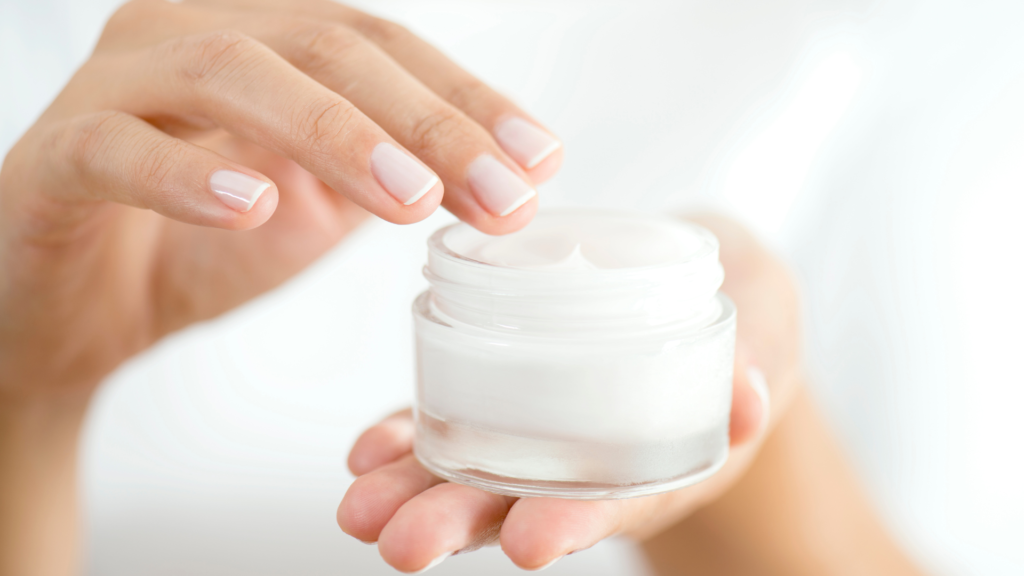
Incorporating collagen-boosting skincare products into your post-microneedling routine can help support and enhance the natural collagen production process. Look for skincare products that contain ingredients like vitamin C, retinol, peptides, and hyaluronic acid, which are known for their collagen-stimulating properties.

2. Stay Hydrated and Maintain a Healthy Diet

Proper hydration and a well-balanced diet play a crucial role in promoting collagen production and overall skin health. Drinking an adequate amount of water and consuming a diet rich in fruits, vegetables, lean proteins, and healthy fats can help support your skin’s natural collagen synthesis process.

3. Protect Your Skin from Sun Damage

Exposure to harmful UV rays can accelerate collagen breakdown and lead to premature aging of the skin. It is essential to protect your skin from sun damage by wearing sunscreen daily, seeking shade, and wearing protective clothing and accessories like hats and sunglasses when outdoors.

4. Follow a Consistent Skincare Routine

Consistency is key when it comes to achieving optimal results after microneedling. Establishing a regular skincare routine that includes cleansing, exfoliating, moisturizing, and applying serums and treatments can help maintain the health and integrity of your skin and support collagen production.

5. Consider Microneedling Maintenance Sessions

To boost collagen production and prolong the results of your initial microneedling treatment, you may want to consider scheduling regular maintenance sessions. These follow-up treatments can help stimulate additional collagen production and address any specific skin concerns or areas that may require further improvement.

Post-Microneedling Skincare Products

In addition to following the tips mentioned above, using specific post-microneedling skincare products can help enhance collagen production and support the skin’s healing and rejuvenation process. Below is a table outlining some recommended skincare products to consider incorporating into your post-microneedling skincare routine:

Product NamePurposeKey Ingredients
Vitamin C SerumBrighten skin, reduce hyperpigmentationVitamin C, Hyaluronic Acid
Retinol CreamImprove skin texture and toneRetinol, Peptides, Vitamin E
Hyaluronic Acid SerumHydration and plumping of skinHyaluronic Acid, Aloe Vera, Vitamin B5
Collagen-Boosting MoisturizerNourish and hydrate skinCollagen, Ceramides, Anti-oxidants
Growth Factor SerumStimulate collagen productionGrowth Factors, Peptides, Vitamin E

It is essential to consult with your skincare provider or dermatologist before incorporating any new skincare products into your routine, especially after undergoing a microneedling treatment.

Conclusion

In conclusion, increasing collagen production after microneedling is crucial for achieving optimal results and maintaining healthy, rejuvenated skin. By understanding the relationship between collagen and microneedling, following effective tips to enhance collagen synthesis, and utilizing collagen-boosting skincare products, you can support the natural healing and rejuvenation process of your skin.

Remember to stay hydrated, protect your skin from sun damage, and maintain a consistent skincare routine to maximize the benefits of your microneedling treatment. Consider scheduling maintenance sessions and incorporating post-microneedling skincare products to further boost collagen production and achieve long-lasting results. By following these recommendations and taking care of your skin, you can enjoy the benefits of increased collagen production and a more youthful and radiant complexion.
How Can I Speed Up The Healing Process After Microneedling?

As an individual who has undergone microneedling treatment, I understand the importance of taking proper care of my skin to expedite the healing process. In this article, I will explore various strategies and techniques that can help me speed up the healing process after microneedling. By following these tips, I can ensure that my skin recovers quickly and effectively, allowing me to enjoy the full benefits of the treatment.

Understanding the Microneedling Healing Process

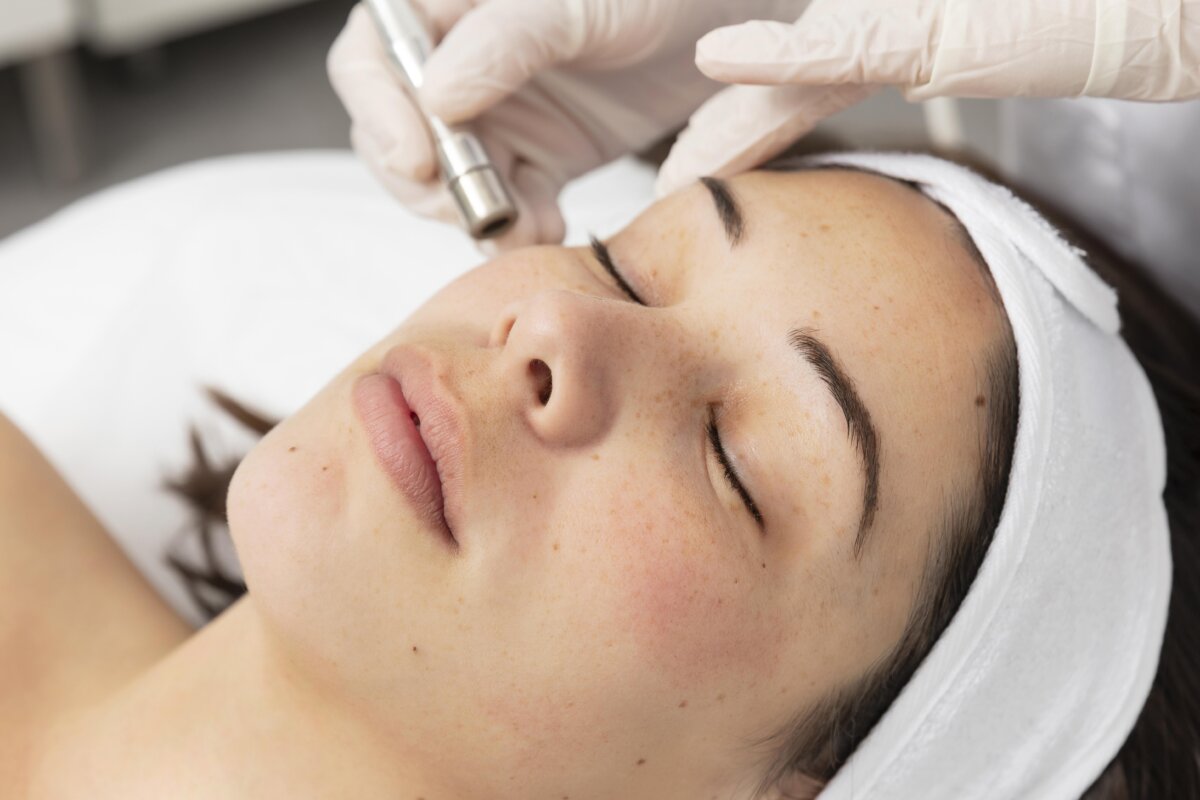
Microneedling is a minimally invasive cosmetic procedure that involves using a device covered with tiny needles to create controlled micro-injuries on the skin. These micro-injuries stimulate the body’s natural healing process, leading to increased collagen production and improved skin texture.

What to Expect After Microneedling

After a microneedling treatment, it is normal to experience some degree of redness, swelling, and sensitivity in the treated area. These side effects typically subside within a few days, but it is essential to take proper care of the skin to ensure a speedy recovery.

Tips for Speeding Up the Healing Process After Microneedling

To speed up the healing process after microneedling and promote optimal results, it is crucial to follow a comprehensive skincare routine. Here are some tips to help me achieve a quick and effective recovery:

1. Keep the Skin Clean and Hydrated

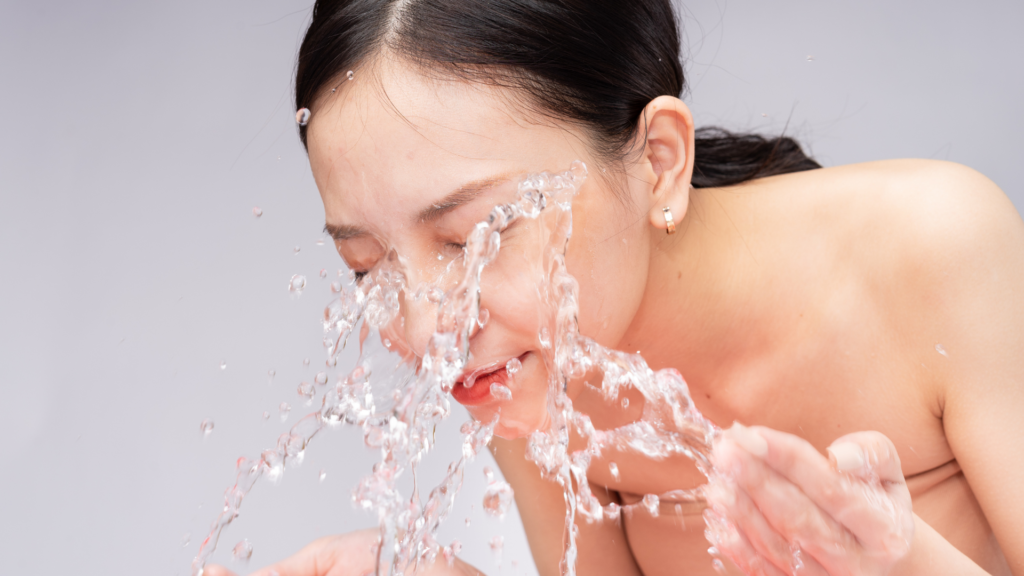
After a microneedling treatment, it is essential to keep the skin clean and hydrated to prevent infections and promote healing. Use a gentle cleanser to cleanse the skin twice a day, followed by a rich moisturizer to hydrate and nourish the skin.

After Microneedling Can I Wash My Face

2. Avoid Sun Exposure

Exposure to the sun’s harmful UV rays can slow down the healing process and increase the risk of complications after microneedling. Make sure to wear a broad-spectrum sunscreen with an SPF of 30 or higher whenever you go outside, even on cloudy days.

3. Avoid Harsh Skincare Products

During the healing process, it is crucial to avoid using harsh skincare products that can irritate the skin. Opt for gentle, non-comedogenic products that are free of fragrances, dyes, and other potential irritants.

4. Stay Hydrated and Eat a Balanced Diet

Proper hydration and nutrition are essential for promoting skin health and speeding up the healing process after microneedling. Drink plenty of water throughout the day and eat a balanced diet rich in fruits, vegetables, lean proteins, and healthy fats.

5. Use a Gentle Cleanser and Moisturizer

To prevent irritation and promote healing, use a gentle cleanser and moisturizer that are specifically formulated for sensitive skin. Look for products that contain soothing ingredients like aloe vera, chamomile, and hyaluronic acid.

Gentle Cleanser and Moisturizer

6. Avoid Touching or Picking at the Skin

During the healing process, it is essential to avoid touching or picking at the skin to prevent infection and scarring. Let the skin heal naturally and resist the urge to scratch or peel off any scabs that may form.

7. Follow Your Post-Treatment Instructions

Your skincare provider will provide you with specific post-treatment instructions to follow after microneedling. Make sure to adhere to these guidelines carefully to ensure a smooth and successful recovery.

Supplements and Topical Treatments to Speed Up Healing After Microneedling

In addition to following a comprehensive skincare routine, certain supplements and topical treatments can help speed up the healing process after microneedling. Here are some options to consider:

1. Vitamin C

Vitamin C is a powerful antioxidant that can help promote collagen production and reduce inflammation in the skin. Taking a vitamin C supplement or using a topical vitamin C serum can help accelerate the healing process after microneedling.

2. Hyaluronic Acid

Hyaluronic acid is a natural substance found in the skin that helps retain moisture and promote tissue repair. Using a hyaluronic acid serum or moisturizer can help hydrate the skin and support the healing process after microneedling.

3. Aloe Vera

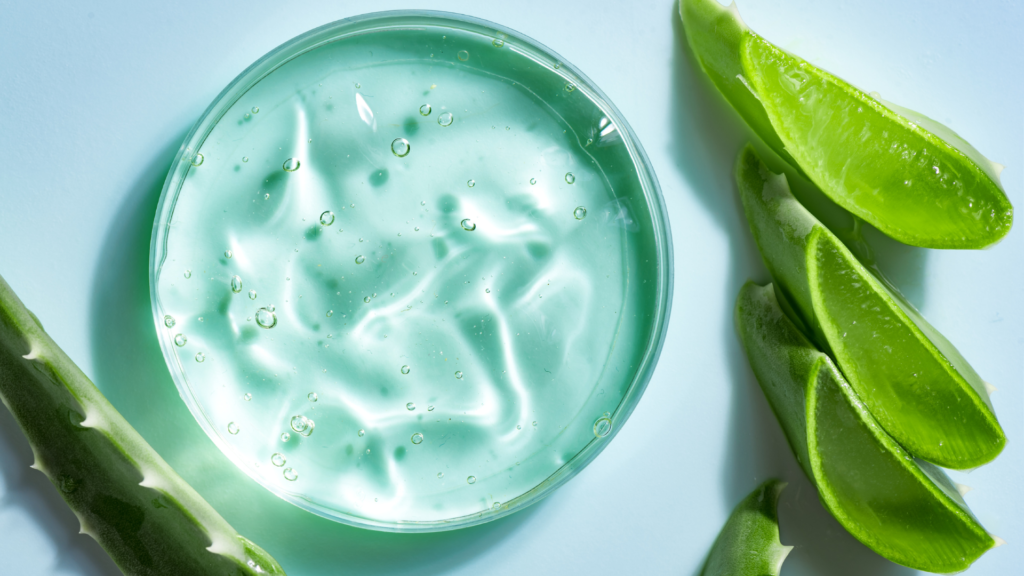
Aloe vera has soothing and healing properties that can help reduce redness, swelling, and irritation after microneedling. Applying aloe vera gel to the treated area can help calm the skin and promote faster healing.

Aloe Vera

4. Arnica

Arnica is a natural herb that is known for its anti-inflammatory and pain-relieving properties. Using arnica gel or cream can help reduce swelling and bruising after microneedling, allowing the skin to heal more quickly.

5. Copper Peptides

Copper peptides are small protein fragments that can help stimulate collagen production and promote skin regeneration. Using a copper peptide serum or cream can help enhance the results of microneedling and speed up the healing process.

Post-Microneedling Skincare Routine

After undergoing a microneedling treatment, it is essential to establish a post-treatment skincare routine to support the healing process and maximize the results. Here is a simple and effective post-microneedling skincare routine to follow:

Morning Routine

  • Cleanse the skin with a gentle cleanser.
  • Apply a vitamin C serum to promote collagen production and reduce inflammation.
  • Follow up with a hyaluronic acid serum or moisturizer to hydrate and nourish the skin.
  • Finish with a broad-spectrum sunscreen with an SPF of 30 or higher to protect the skin from UV damage.

Evening Routine

  • Cleanse the skin with a gentle cleanser to remove impurities and makeup.
  • Apply a retinol or peptide serum to support collagen production and skin regeneration.
  • Follow up with a rich moisturizer to hydrate and repair the skin overnight.
  • Optionally, use a facial oil or overnight mask for added hydration and nourishment.

Weekly Treatments

By following a consistent and targeted skincare routine, I can speed up the healing process after microneedling and achieve optimal results. It is essential to be patient and diligent with my skincare routine to ensure that my skin heals properly and looks its best.

Conclusion

Microneedling is a popular cosmetic procedure that can help improve skin texture, reduce scarring, and rejuvenate the complexion. By taking proper care of the skin and following a comprehensive skincare routine, I can speed up the healing process after microneedling and enjoy the full benefits of the treatment. Remember to consult with a skincare professional before undergoing microneedling to ensure that it is the right option for you and to receive personalized advice on how to care for your skin post-treatment. With the right approach and commitment to skincare, I can achieve smooth, radiant, and healthy skin after microneedling.

How To Remove Dead Skin After Microneedling?

Microneedling is a popular skincare treatment that involves using a device with tiny needles to create micro-injuries in the skin. This process stimulates collagen production and can improve the appearance of fine lines, wrinkles, acne scars, and other skin concerns. However, after microneedling, it is common to experience some dead skin that needs to be removed for optimal results. In this article, I will share some tips on how to safely and effectively remove dead skin after microneedling.

Why is it important to remove dead skin after microneedling?

Removing dead skin after microneedling is crucial for several reasons. First, dead skin can clog pores and lead to breakouts, preventing your skin from looking its best. Additionally, removing dead skin allows for better absorption of skincare products, maximizing the benefits of your post-microneedling routine. Finally, by exfoliating dead skin, you can reveal fresh, radiant skin underneath, enhancing the overall results of your microneedling treatment.

Gentle Cleansing

After undergoing microneedling, it is essential to keep your skin clean to prevent infection and expedite the healing process. However, it is crucial to avoid harsh exfoliants and abrasive scrubs that can further irritate your skin. Instead, opt for a gentle cleanser that is suitable for your skin type. Look for a non-comedogenic formula that will cleanse your skin without clogging your pores.

I recommend washing your face with lukewarm water and a mild cleanser twice a day, morning and night. Be sure to use gentle, circular motions to avoid disrupting your skin’s healing process. Pat your skin dry with a soft towel, as rubbing can cause unnecessary irritation.

Microneedling on Lips

Hydration is Key

After microneedling, your skin may feel dry and tight as it begins to heal. Hydrating your skin is essential to maintain its moisture balance and promote healing. Opt for a lightweight, non-comedogenic moisturizer to nourish and soothe your skin without clogging your pores. Look for ingredients like hyaluronic acid, ceramides, and glycerin, which can help hydrate and repair your skin barrier.

I recommend applying a moisturizer to your skin morning and night after cleansing. Focus on gently massaging the product into your skin to enhance absorption and promote healing. Remember to avoid heavy creams or greasy formulas, as these can potentially exacerbate congestion and breakouts.

Exfoliate with Caution

While gentle exfoliation is essential for removing dead skin after microneedling, it is crucial to approach this step with caution. Avoid using harsh physical exfoliants, such as scrubs or brushes, as these can damage your skin and compromise your results. Instead, opt for a chemical exfoliant with gentle ingredients like alpha hydroxy acids (AHAs) or beta hydroxy acids (BHAs).

I recommend incorporating a mild exfoliant into your skincare routine 1-2 times a week after microneedling. Start with a low concentration of the product and gradually increase frequency as your skin tolerates it. Be sure to follow the instructions provided by the manufacturer and discontinue use if you experience any irritation or sensitivity.

Steam and Mask

Steaming your face can help loosen dead skin cells and impurities, making it easier to remove them effectively. Fill a bowl with hot water, place a towel over your head, and lean over the steam for a few minutes to open up your pores. This step can enhance the exfoliation process and promote a deeper cleanse of your skin.

After steaming, apply a hydrating and soothing mask to replenish your skin’s moisture and promote healing. Look for masks with ingredients like aloe vera, chamomile, or oatmeal, which can calm irritation and reduce redness. Leave the mask on for the recommended time, then rinse it off with lukewarm water.

How Many Microneedling Sessions For Wrinkles?

Use a Soft Cloth or Konjac Sponge

To physically remove dead skin after microneedling, consider using a soft cloth or a konjac sponge. These gentle tools can help slough off dead skin cells without causing irritation or damage to your skin. Wet the cloth or sponge with warm water and use gentle circular motions to exfoliate your skin, focusing on areas with dead skin buildup.

I recommend using these tools 1-2 times a week to maintain smooth, radiant skin after microneedling. Be sure to rinse the cloth or sponge thoroughly after each use and allow it to air dry to prevent bacterial growth. Replace these tools regularly to avoid potential skin issues.

Opt for Professional Help

If you are unsure about how to safely remove dead skin after microneedling or if you experience any adverse reactions, consider seeking professional help. A dermatologist or skincare professional can assess your skin’s condition and recommend suitable treatments to address your concerns. They can provide personalized advice and guidance based on your individual skin type and desired outcomes.

When seeking professional help, be sure to research the qualifications and experience of the skincare professional you choose. Ask for recommendations from trusted sources or read reviews to ensure that you are receiving safe and effective care for your skin. Remember that your skin’s health and appearance are worth investing in professional help when needed.

how-long-does-microneedling-take

Conclusion

Removing dead skin after microneedling is a crucial step in maintaining healthy, radiant skin and optimizing the results of your treatment. By following these tips and techniques, you can safely and effectively exfoliate your skin without causing damage or irritation. Remember to prioritize gentle cleansing, hydration, and exfoliation in your post-microneedling routine to achieve the best possible outcomes. If you have any concerns or questions about removing dead skin after microneedling, don’t hesitate to seek professional help for personalized guidance and support. Your skin deserves the best care, so take the time to nurture and protect it for a glowing complexion.

en_USEnglish