
google.com, pub-2032008856654686, DIRECT, f08c47fec0942fa0

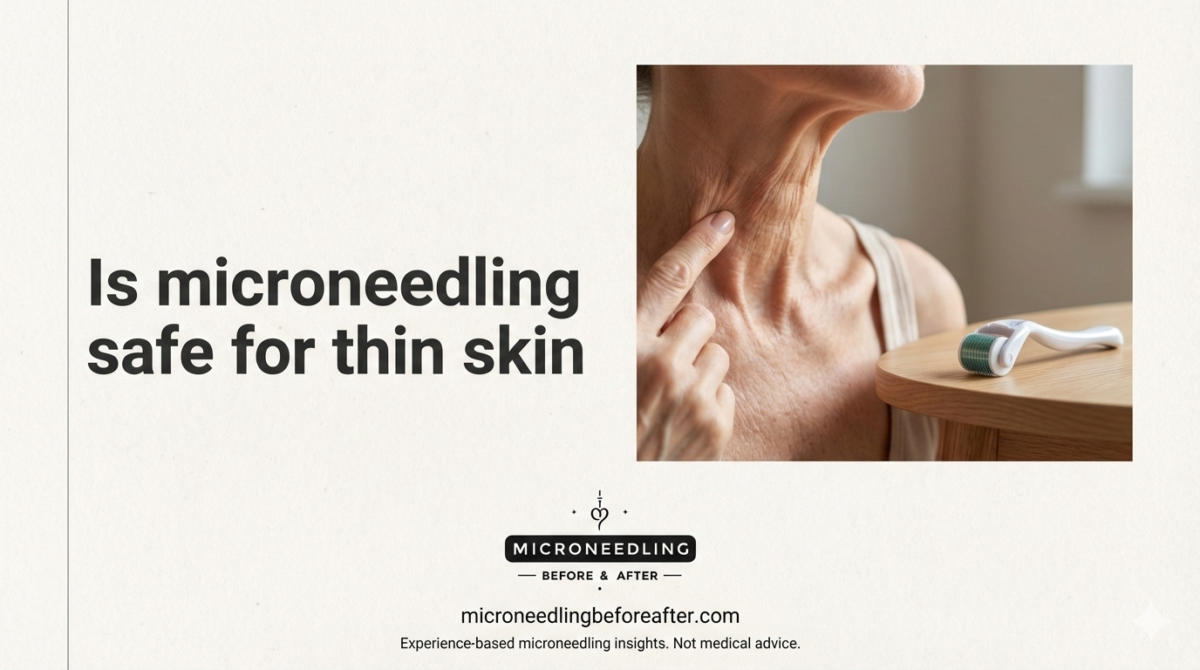
Is Microneedling Safe For Thin Skin

Explore whether microneedling is safe for thin skin-risks, benefits, conservative settings, pro vs at-home, and how to prepare, protect, and choose a provider…

? Am I putting my thin skin at risk if I try microneedling, or can I safely get the benefits without compromising my skin barrier?

Is Microneedling Safe For Thin Skin

I get asked this question a lot, and I want to walk through it carefully so you can make an informed decision. I’ll explain what microneedling does, why thin skin matters, and how to make a safe plan if you decide to proceed.

What is microneedling?

Microneedling is a skin procedure that uses tiny needles to create controlled micro-injuries in the skin. I think of it as a way to stimulate the skin’s natural repair response—collagen and elastin production—rather than an aggressive resurfacing.

How microneedling works

When the needles puncture the skin, the controlled trauma triggers inflammation followed by tissue remodeling and collagen synthesis. I find it helpful to remember that the goal is controlled repair: the needles are shallow enough to avoid major damage but deep enough to kickstart healing mechanisms.

What I mean by “thin skin”

When I refer to thin skin, I mean skin with decreased dermal thickness, often with increased translucency, visible blood vessels, fine wrinkles, and a fragile-looking texture. Thin skin can be a natural trait, the result of sun damage, age-related collagen loss, long-term topical steroid use, or certain medical conditions.

Why thin skin matters for microneedling

Thin skin has less cushion and fewer structural proteins, so it may respond differently and be more easily injured by mechanical procedures. I treat thin-skin cases with extra caution because the risk of prolonged redness, bruising, or even atrophic scarring can be higher.

Benefits of microneedling for thin skin

Microneedling’s main benefits—stimulating collagen and improving texture—can still apply to thin skin, and many people with thin skin report smoother, firmer results over a course of treatments. I’ve seen thin-skin clients benefit, especially when microneedling is adapted (shallower needle depths, longer intervals) and combined with protective aftercare.

Risks and complications specific to thin skin

Risks I worry most about are prolonged erythema (redness), purpura (bruising), persistent sensitivity, broken capillaries, and in rare cases atrophic scarring or hyperpigmentation. I also watch for poor wound healing in people with underlying conditions, and I emphasize that even minor infection risk is more consequential when the barrier is fragile.

Typical complications and what they look like

Minor complications include redness, pinpoint bleeding, swelling, and temporary sensitivity that usually resolves in days. Major or persistent complications—scarring, prolonged hyperpigmentation, or significant infection—are uncommon but can be more problematic on thin skin if not managed promptly.

How skin thickness is measured

Dermatologists or providers often estimate skin thickness clinically by inspection and palpation, and more precise measurement can be done using ultrasound or high-resolution imaging. I recommend an objective assessment when the skin looks unusually thin or when steroid use or other risk factors are present.

Causes of thin skin I check for

I always ask about long-term topical or systemic steroid use, significant sun exposure, aging, medical history (like connective tissue disorders), and history of cosmetic procedures. I find that addressing reversible causes and optimizing skin health before microneedling lowers the chance of complications.

Who should avoid microneedling

I advise people to postpone or avoid microneedling if they have active skin infections, severe acne, keloid tendency, uncontrolled diabetes, recent isotretinoin use (within 6–12 months in many protocols), or untreated clotting disorders. If I suspect thin skin secondary to steroid misuse or an underlying systemic issue, I want those factors managed first.

Professional microneedling vs at-home devices

I prefer professional microneedling for people with thin skin because professionals can adjust needle depth, technique, and use sterile protocols that lower complication risks. At-home rollers and pens generally have shallower needles but carry infection and technique risks; I’m cautious about recommending them for fragile skin.

Table: Professional vs At-Home Microneedling — Considerations for Thin Skin

Feature Professional Microneedling At-Home Derma-Rollers / Pens
Needle depth control Precise, adjustable (0.25–3.0 mm) Typically shallower, variable control
Sterility Performed under sterile conditions Higher contamination risk
Provider assessment Pre-screening and tailored protocol No professional assessment
Pain control Topical anesthesia optional Limited pain control
Post-care supervision Professional follow-up Self-managed
Safety for thin skin Safer when adjusted by pro Higher risk if misused

Needle depth and settings — recommendations for thin skin

For thin skin, I recommend conservative needle depths, generally between 0.25 mm and 0.5 mm for cosmetic improvement without deep dermal trauma. If a provider considers deeper treatment (0.75–1.5 mm), I expect clear justification and a very careful patient selection process—sometimes starting with test spots.

How many sessions and spacing I usually recommend

I often suggest an initial series of 3–6 sessions spaced 4–8 weeks apart, depending on response and tolerance. For thin skin, I tend to increase the interval between sessions to allow full recovery and to monitor for delayed adverse reactions.

Pre-treatment assessment and testing I recommend

Before I agree to microneedling, I take a full medical and medication history, assess skin condition, look for signs of thinning, and sometimes request a dermatologist consultation or ultrasound in uncertain cases. If recent isotretinoin use or systemic steroids are present, I delay treatment according to safety guidelines.

Preparing the skin before microneedling

I advise improving skin barrier function pre-procedure: stop irritant actives (like retinoids and exfoliants) for a week or more, maintain hydration with gentle moisturizers, and use sun protection. I sometimes recommend topical growth-factor–free serums and barrier-supporting ingredients, but I avoid introducing too many new products right before a session.

The procedure: what happens during a session

During a professional session the provider will cleanse the skin, apply topical numbing if needed, and pass a sterile needle device across the treatment area in controlled passes. I remind people that slight pinpoint bleeding and fresh redness are expected and that the provider should use gentle pressure and appropriate settings for thin skin.

Pain, anesthesia, and comfort measures

I tend to use topical anesthetic for comfort when deeper settings are required, and I explain that shallower treatments may only cause minor stinging. I also suggest stress-relieving measures like breathwork and distraction because less anxiety can improve tolerance and reduce involuntary movement.

Aftercare and recovery for thin skin

My aftercare recommendations emphasize protecting the compromised barrier: gentle cleansing, fragrance-free moisturizers, and broad-spectrum sunscreen starting immediately when the skin is no longer weeping. I counsel patients to avoid exfoliants, active ingredients (retinoids, acids), saunas, and vigorous exercise for several days to limit irritation and infection risk.

Typical recovery timeline I discuss

In most cases, redness and tightness improve within 48–72 hours, with continued improvement over a week; I tell patients to expect some change in texture and mild flaking for up to two weeks. For thin skin, I monitor for longer-lasting redness or sensitivity and adjust subsequent session timing accordingly.

Managing complications if they occur

If I see signs of infection—increasing pain, pus, fever—I instruct immediate medical attention and usually start appropriate antibiotics. For prolonged redness, bruising, or post-inflammatory hyperpigmentation, I consider topical anti-inflammatories, light-based therapies, and pigment-directed treatments once the skin barrier is adequate.

Table: Common Complications and My Typical Interventions

Complication Timeframe Intervention I Recommend
Prolonged redness >7–14 days Anti-inflammatory topicals, cooling, extended observation
Bruising/purpura 1–2 weeks Cold compresses initially; time and avoidance of blood thinners
Infection Any time post-procedure Urgent evaluation; topical/systemic antibiotics as needed
Hyperpigmentation Weeks to months Sun protection, topical bleaching agents, or light therapy
Scarring Weeks–months Early referral to dermatology; intralesional steroids for hypertrophic scars

At-home microneedling: is it worth the risk for thin skin?

I rarely recommend at-home microneedling tools for thin skin because of the variability in needle quality, hygiene, and technique. If someone insists, I require strict instructions—safe needle length (≤0.25–0.3 mm), rigorous sterilization, and immediate cessation if there’s excessive redness or bleeding.

Combining microneedling with PRP or topical serums

I’ve seen microneedling paired with platelet-rich plasma (PRP) or topical serums to potentially enhance healing and collagen stimulation, but I’m cautious combining active biologicals on thin skin without clear safety data. If PRP is used, I want it prepared and applied under sterile conditions and at shallow depths; for topical serums, I choose those that support barrier repair rather than increase inflammation.

Timing after other cosmetic procedures

I delay microneedling after lasers, chemical peels, or surgical procedures until the skin has fully healed. I also wait appropriate intervals after filler injections or neuromodulator treatments unless the provider is experienced in combining modalities safely.

Alternatives for thin skin that I consider

When microneedling seems risky, I consider gentler collagen-stimulating options: low-strength chemical peels, topical peptides, prescription retinoids in controlled doses, light therapies (LED, low-energy lasers), and cosmeceuticals to rebuild the dermal matrix. I also sometimes recommend collagen-boosting injectables or biostimulatory fillers done very conservatively.

Table: Alternatives to Microneedling — Pros and Cons for Thin Skin

Treatment Pros Cons
LED light therapy Non-invasive, reduces inflammation, supports healing Slower, milder results
Low-strength chemical peels Can improve texture with controlled exfoliation Risk of irritation if skin is very thin
Topical retinoids (low dose) Stimulate collagen with careful use Can initially irritate and thin barrier if misused
PRP alone (no microneedling) Autologous growth factors, lower mechanical trauma Variable evidence, procedural requirements
Biostimulatory injectables (very conservative) Stimulate collagen without epidermal puncture Risk of nodules, requires experienced injector

Combining microneedling with other therapies: timing and safety

If I plan to combine treatments, I schedule microneedling at least several weeks away from thermal or ablative procedures and consult with the other treating clinicians. Careful timing reduces overlapping inflammation and minimizes cumulative risk to thin skin.

How I choose a provider for microneedling

I look for providers with medical training—dermatologists, physician assistants, or experienced nurses—who show knowledge about skin thickness, have strict sterile practices, and tailor protocols. I also value before-and-after photos of similar skin types and clear explanations of contingency plans for complications.

Questions I always ask my provider

I ask about their sterilization protocols, specific needle depths they plan to use, how they assess thin skin, the exact post-care regimen, and whether they will perform a test spot if I have risk factors. I also ask about emergency procedures and follow-up scheduling.

Cost considerations and value

Costs vary widely depending on location, provider credentials, and whether adjuncts like PRP are included; I usually weigh price against provider expertise rather than looking for the cheapest option. For thin skin, I’m willing to pay more for an experienced clinician because careful technique and follow-up reduce downstream costs and complications.

Realistic expectations I set for results

I tell people that microneedling can improve fine lines, texture, and superficial scarring, but results are gradual and depend on skin biology and adherence to aftercare. For thin skin, I emphasize modest goals: improved texture and tone without aggressive changes that could compromise the barrier.

When to stop or pause treatment

If I encounter persistent redness, repeated delayed healing, or spreading broken capillaries after a session, I pause further treatments and reassess. I also stop if there’s an acute medical issue that could impair healing, like new systemic steroid use or uncontrolled blood sugar.

My practical checklist before booking a session

I make sure I’ve disclosed all medical history, stopped irritant topicals in time, confirmed my provider’s credentials and sterile practice, and arranged for sensible aftercare (time off, gentle products). I also plan to document my skin’s baseline condition with photos to track changes.

Final verdict: Is microneedling safe for thin skin?

I believe microneedling can be safe for thin skin when done conservatively by experienced providers who tailor needle depth, spacing, and aftercare to individual risk. However, I also recognize that thin skin increases sensitivity to complications, so careful assessment, conservative settings, and strict post-procedure care are essential.

Frequently Asked Questions

Can microneedling make thin skin worse?

Yes—if performed too aggressively or without consideration for thin-skin characteristics, microneedling can prolong redness, cause bruising, or in rare cases lead to scarring. I stress gentle protocols and staged treatment to minimize that risk.

Can microneedling cause permanent damage to thin skin?

Permanent damage is uncommon but possible if there’s infection, poor healing, or inappropriate depth and frequency. I reduce that risk by screening for contraindications and monitoring healing closely.

Is microneedling with PRP safe for thin skin?

PRP may enhance healing, but combining microneedling with PRP on thin skin should be done by clinicians experienced with both procedures. I want PRP applied under sterile conditions and would likely use shallower depths to reduce mechanical trauma.

Is at-home derma rolling safe if my skin is thin?

I generally do not recommend at-home derma rollers for thin skin because of hygiene, uncontrolled pressure, and variable needle quality. If someone insists, I set strict limits: very shallow needles, impeccable sterilization, and immediate cessation for excessive redness.

How long before I see improvements?

Some textural improvement may appear within weeks, but most people notice meaningful results after a series of 3–6 sessions over several months. I encourage patience and consistent aftercare to let collagen remodeling occur.

Will microneedling reduce thinness or actually thicken my skin?

Microneedling stimulates collagen production and can modestly increase dermal thickness over time, but it won’t restore dramatically lost tissue in a single session. I recommend realistic goals—incremental improvement rather than full reversal of severe thinning.

What if I’m on topical steroids or had recent steroid use?

Topical and systemic steroids can thin skin and impair healing; I prefer a steroid-free interval and sometimes dermatology consultation before proceeding. If steroid therapy is ongoing for a medical reason, I coordinate with the prescribing clinician.

How should I protect my skin immediately after treatment?

I use gentle cleansing, a bland moisturizer, and physical sunscreen once skin has stopped oozing; I avoid active ingredients until the skin is fully healed. I also avoid makeup for at least 24–48 hours, depending on provider instructions.

Can microneedling help with visible blood vessels and translucency?

Microneedling may reduce the appearance of fine lines and improve texture, but visible blood vessels are often better treated with vascular-targeted therapies like pulsed dye laser or IPL. I sometimes combine approaches, but vascular treatments must be chosen carefully for thin skin.

When should I seek medical attention after microneedling?

I seek urgent care if I see spreading redness, increasing pain, pus, fever, or signs of systemic infection. For persistent redness, hyperpigmentation, or scarring, I consult dermatology for targeted interventions.


I hope this gives you a clear, practical framework to decide whether microneedling is right for thin skin. If you want, I can help you prepare a list of questions to bring to a consultation or walk you through an individualized risk checklist based on your medical history and skin exam.
Microneedling On Compromised Skin Barrier

Safe microneedling on compromised skin: assessment, contraindications, conservative techniques and barrier-repair after-care for clinicians & informed patients.

Can microneedling be safely performed on skin that already has a compromised barrier, and if so, under what conditions and precautions?

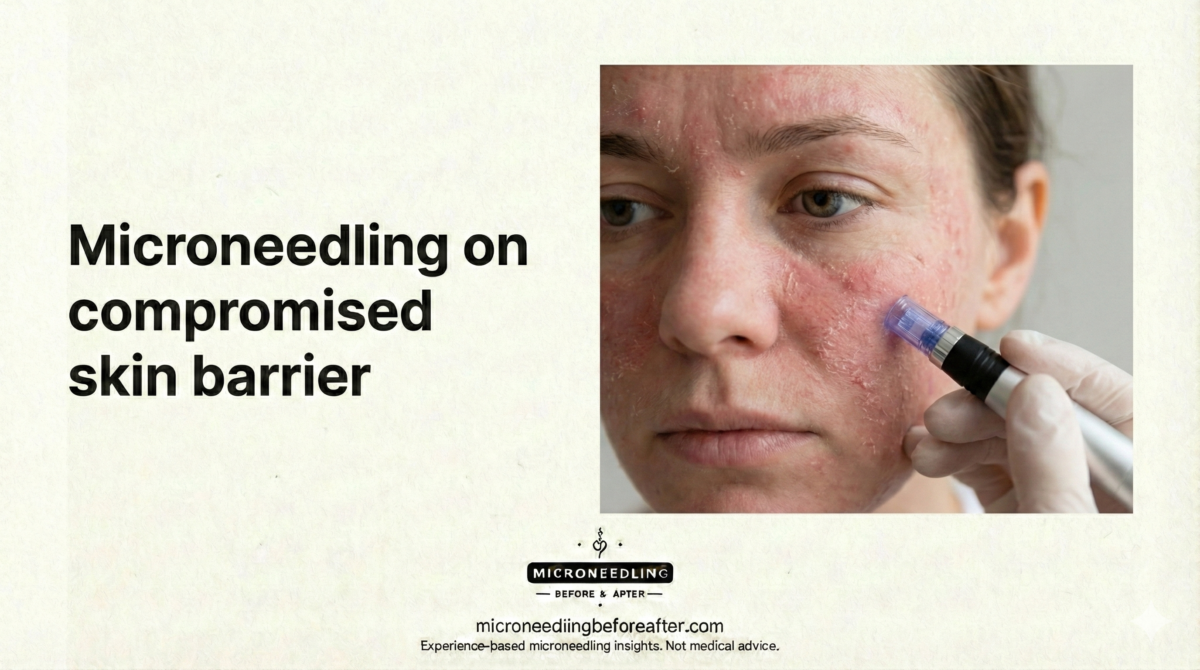
Microneedling On Compromised Skin Barrier

I will explain the intersections between microneedling procedures and a compromised skin barrier and provide pragmatic, evidence-informed guidance for assessment, treatment planning, and aftercare. My aim is to give clinicians, aesthetic practitioners, and informed patients a comprehensive framework for safe decision-making and measured risk management.

Why this topic matters

I recognize that microneedling is widely used to improve texture, scars, and tone, but it intentionally creates controlled micro-injury. When the skin barrier is impaired, those microchannels change risk profiles for infection, prolonged inflammation, and barrier destabilization. I will therefore prioritize safety, clear contraindication criteria, and strategies to rehabilitate the barrier before any invasive interventions.

Fundamentals of the stratum corneum and barrier function

I will briefly review the relevant skin physiology so the later recommendations are grounded in mechanism. The stratum corneum, lipids, and corneocytes provide a dynamic barrier that controls transepidermal water loss, microbial defense, and chemical penetration.

The three main functions I emphasize are: preventing water loss, blocking pathogen entry, and regulating penetration of topical agents. When these functions are compromised, both the local immune environment and the skin’s repair capacity are altered, which affects the response to microneedling.

What I mean by “compromised barrier”

I use “compromised barrier” to describe skin that has reduced structural integrity or altered physiology resulting in increased permeability and heightened sensitivity. Typical clinical presentations include dryness with fissures, erythema and stinging, recurrent infections, and chronic inflammation.

A compromised barrier may be transient (post-chemical peel, acute dermatitis) or chronic (atopic dermatitis, long-term corticosteroid damage). The duration and cause influence whether microneedling is deferred, modified, or considered after restoration.

How microneedling works and why barrier status matters

I will summarize the mechanism of microneedling and then connect that to barrier implications. Microneedles create microchannels that stimulate controlled wound-healing cascades, including platelet activation, cytokine release, fibroblast recruitment, and collagen remodeling.

Those same microchannels also bypass the outer barrier, dramatically increasing topical penetration and allowing microbes entry if sterility is not maintained. In compromised skin, the inflammatory response may be exaggerated or dysregulated, increasing the potential for adverse outcomes like persistent inflammation, infection, post-inflammatory hyperpigmentation, and delayed healing.

Depth, device type, and biological response

I explain that needle length, device type (roller, stamp, pen), and treatment intensity determine the depth and amount of tissue disruption. I consider shorter needles (<0.5 mm) largely epidermal and longer needles (>1.5 mm) dermal.

In compromised skin, even shorter needles can provoke unwanted reactivity because the epidermis may already be thin or inflamed. I recommend tailoring technique to minimal effective depth and considering non-invasive alternatives while the barrier recovers.

Common causes of a compromised skin barrier

I will list and describe common contributors so readers can identify relevant scenarios. Factors include inflammatory dermatoses, iatrogenic damage, environmental insults, overuse of stripping products, and infections.

  • Atopic dermatitis and chronic eczematous conditions reduce lipid content and alter immune signaling.
  • Overuse of exfoliants (AHAs, BHAs, retinoids, physical scrubs) can cause barrier stripping.
  • Topical corticosteroid misuse can thin the epidermis and impair repair mechanisms.
  • Recent facial procedures (chemical peels, laser, aggressive microdermabrasion) leave the barrier acutely vulnerable.
  • Active infection (herpes simplex, impetigo) represents a clear contraindication until resolved.

Signs and symptoms indicating barrier compromise

I want you to be able to recognize bedside indicators. Look for stinging/burning on application of benign products, persistent dryness with flaking, erythema beyond baseline, visible fissures, recurrent infections, and hyperreactivity to topical ingredients. Objective measures like transepidermal water loss (TEWL) and corneometry support assessment where available.

If I detect clustered signs—especially active infection or corticoid-induced atrophy—I will categorize the barrier as compromised and avoid needling until recovery.

Risks of performing microneedling on compromised skin

I will outline the principal risks and explain their mechanisms. Risks include infection, prolonged inflammation, scarring, pigmentary changes, chronic sensitivity, and exacerbation of underlying dermatoses.

Infection: Microchannels bypass protective layers, enabling pathogens to colonize the dermis if asepsis is imperfect or the resident microbiome is imbalanced.
Inflammation and scarring: An exaggerated or dysregulated wound response in compromised skin may lead to hypertrophic scarring or delayed healing.
Pigmentation: Post-inflammatory hyperpigmentation (PIH) is more likely when baseline inflammation is present, particularly in higher Fitzpatrick skin types.
Exacerbation: Conditions like rosacea or eczema may flare post-procedure, prolonging recovery and potentially causing systemic steroid need.

Relative versus absolute contraindications

I separate contraindications into absolute (conditions that should exclude the procedure) and relative (conditions needing modification or deferral). Absolute contraindications include active infection (HSV, bacterial), uncontrolled autoimmune disease flares, active isotretinoin use within the recommended safe interval, and recent ablative procedures. Relative contraindications include mild eczema in remission, recent topical steroid use without atrophy, and history of poor wound healing or keloid tendency—these require individualized assessment.

Pre-procedure assessment and decision-making

I will provide a checklist-based framework I use before offering microneedling. A thorough history, skin exam, and risk–benefit discussion are essential. I evaluate disease history (atopic dermatitis, rosacea), recent procedures, current topical/systemic medications, signs of infection, and patient expectations.

I document baseline skin status, including erythema, scale, fissures, and any areas of atrophy. When in doubt, I either defer the procedure or conduct a conservative test area to observe immediate reactivity.

Practical assessment checklist (table)

I include a table to clarify the items I routinely check before performing microneedling.

Assessment item What I look for Action if positive
Active infection (HSV, impetigo) Vesicles, crusts, pain Defer until resolved; antivirals/antibiotics as indicated
Recent isotretinoin use Isotretinoin within 6–12 months Defer per practice guidelines
Topical steroid-related atrophy Thinning, telangiectasia, easy bruising Defer or limit to non-invasive therapies; refer
Eczema/psoriasis activity Erythema, scale, pruritus Treat and stabilize before needling
Recent aggressive resurfacing Peeling skin, open wounds Defer until full re-epithelialization
Patient skin type Fitzpatrick classification and history of PIH Modify depth; counsel on PIH risk
Patient expectations and adherence Understanding of downtime and aftercare Educate; obtain consent

Clinical strategies when considering microneedling on marginally compromised skin

I will describe how I modify techniques when the barrier is marginally impaired and microneedling remains appropriate. My goals are to minimize trauma, reduce infection risk, and support rapid barrier restoration.

  • Reduce needle depth and session intensity; prefer 0.25–0.5 mm for epidermal stimulation.
  • Extend intervals between sessions to allow more complete recovery.
  • Use single-use sterile cartridges and strict aseptic technique.
  • Avoid adjunctive chemical or physical resurfacing in the same session.
  • Consider topical agents that promote barrier repair but avoid those that are highly permeable and potentially irritating.

When to use topical anesthetics and serums

I am cautious with topical anesthetics because they can contain alcohol or preservatives that further disrupt the barrier. If topical anesthetics are necessary, I use preservative-free formulations and minimize contact time. For serums, I select sterile, simple formulations (growth factors or hyaluronic acid in sterile, preservative-free vehicles) only if the skin shows no signs of active infection.

Aftercare: rehabilitation of the barrier

I place a strong emphasis on aftercare for barrier repair. My aftercare priorities are: maintain hydration, prevent infection, minimize inflammation, and avoid irritants. I instruct patients to use gentle, fragrance-free cleansers, occlusive emollients, and SPF.

I recommend layering a humectant (e.g., hyaluronic acid) with an occlusive (e.g., petrolatum or a ceramide-rich ointment) to lock in moisture. Sunscreen is essential because UV exposure can worsen PIH and delay epidermal repair.

Detailed aftercare timeline

I provide a practical timeline I favor for uncomplicated sessions that can be adjusted for compromised skin.

  • Immediate (0–12 hours): Gentle cleansing with sterile saline or mild cleanser; apply sterile, preservative-free hyaluronic serum if tolerated, then occlusive emollient. Avoid makeup.
  • 12–72 hours: Continue gentle cleansing twice daily, frequent emollients, avoid active ingredients (retinoids, acids), use physical or mineral SPF once re-epithelialized.
  • Day 3–14: Gradual reintroduction of barrier-supportive actives (niacinamide, ceramides); return to stronger actives only after full barrier recovery and clinician clearance.
  • Ongoing: Emphasize regular barrier-supportive skincare and sun protection.

Ingredients and product selection: what I use and avoid

I find a clear list of preferred and contraindicated ingredients helps reduce confusion. I emphasize sterile, non-irritating, barrier-repairing formulations and avoidance of alcohol, fragrances, high-concentration acids, and potentially photosensitizing agents.

Recommended versus avoid list (table)

This table summarizes common ingredients I recommend or avoid in the immediate peri-procedure window.

Use immediately post-procedure Avoid immediately post-procedure
Sterile hyaluronic acid (low molecular weight) Alcohol-containing toners
Petrolatum or occlusive ointments High-strength AHAs/BHAs
Ceramide-rich creams Retinoids (for 7–14 days)
Niacinamide (after 48–72 hours if tolerated) Benzoyl peroxide (irritating)
Gentle, fragrance-free cleansers Exfoliating scrubs
Mineral sunscreen once re-epithelialized Chemical sunscreens with potential irritation if skin reactive

Device choices: professional clinic versus at-home units

I always advise caution with at-home microneedling devices, particularly on compromised skin. Professional devices deliver controlled depths, disposable sterile cartridges, and are applied in an aseptic environment by trained practitioners.

At-home rollers often lack consistent depth control, may be reused between sessions, and increase the risk of microtrauma and infection. If patients insist on at-home maintenance, I recommend short needles (<0.25 mm), rigorous hygiene, and only after full barrier recovery.< />>

Comparative table: clinic-based vs at-home microneedling

I provide a simple comparison to clarify differences and safety considerations.

Feature Clinic-based microneedling At-home microneedling
Needle depth control Precise, adjustable Often fixed, inconsistent
Sterility Single-use sterile cartridges, trained aseptic technique Reusable devices, variable cleaning
Clinical assessment Pre-procedure evaluation possible Self-assessment only
Ability to treat complications Immediate professional care Delay to seek help may worsen outcomes
Suitability for compromised skin Conditional with modifications Generally discouraged

Contraindications and special populations

I state clear contraindications and note special considerations for patients with certain systemic conditions. Absolute contraindications include active skin infection, recent isotretinoin within safe timeframe, uncontrolled autoimmune disease flares, keloid history with active scarring tendencies, and pregnancy for some devices or adjuncts.

For immunosuppressed patients or those on systemic steroids, I proceed with extreme caution or defer to alternative therapies. For darker Fitzpatrick skin types, I counsel extensively on PIH risk and consider conservative approaches or alternative modalities with lower inflammatory potential.

Pregnancy, breastfeeding, and medications

I explain that while microneedling itself is not universally contraindicated in pregnancy, adjunctive topical agents, local anesthetics, and associated procedures may be. I evaluate each case individually and often defer elective cosmetic needling during pregnancy or breastfeeding until after consultation with obstetric care.

Medications like systemic retinoids require established washout periods; I adhere to guideline-recommended intervals to reduce risks of delayed healing and scarring.

Managing complications: early detection and treatment

I outline an algorithmic approach I use for the most common complications. Prompt recognition short-circuits escalation.

  • Infection: If local erythema, increasing pain, purulence, or systemic symptoms appear, I initiate culture-directed topical or systemic antibiotics and consider incision/ drainage if abscess forms.
  • Herpes simplex reactivation: For known HSV-positive patients, prophylactic antivirals around the procedure reduce risk; treat active outbreaks with systemic antivirals and defer needling.
  • Persistent inflammation/flare: I treat with topical anti-inflammatory strategies (low-potency steroids short-term if indicated, or non-steroidal anti-inflammatories like topical calcineurin inhibitors in some scenarios), guided by dermatology when needed.
  • PIH: Early use of sun protection, topical brightening agents after re-epithelialization (azelaic acid, niacinamide), and avoid further trauma. I may refer for targeted pigment therapies if persistent.

When to refer to dermatology or specialty care

I am quick to refer if there is any uncertainty about healing, evidence of severe infection, unexpected scarring, or systemic symptoms. For complex dermatologic conditions (e.g., severe atopic dermatitis, autoimmune blistering diseases), I coordinate care and prefer dermatology-directed timing and protocols.

Rehabilitation protocols to restore barrier pre-procedure

I provide an evidence-informed plan for rehabilitating a compromised barrier before any elective microneedling. The goal is objective improvement in hydration, reduction of inflammation, and normalization of TEWL when possible.

  • Short course of topical emollients rich in ceramides and cholesterol to rebuild lipid matrix.
  • Reduce or pause active exfoliants and retinoids for 2–4 weeks or until tolerance returns.
  • If inflammatory dermatosis is active, treat with targeted therapies (topical steroids, calcineurin inhibitors, or systemic agents as indicated) until controlled.
  • Consider patch testing or supervised reintroduction of sensitizing actives when the patient is ready.

I typically wait at least 2–6 weeks of documented clinical improvement before reconsidering needling, with longer intervals for severe or chronic conditions.

Practical product and regimen example

I often recommend: twice-daily gentle cleansing, immediate post-cleanse application of a humectant serum, thick ceramide-rich cream morning and evening, and petrolatum occlusive at night for 1–2 weeks. I monitor clinical signs weekly and reassess readiness using a checklist that includes absence of active inflammation, reduced TEWL symptoms, and improved tolerance.

Evidence summary and knowledge gaps

I summarize key evidence while acknowledging limitations. Clinical studies show microneedling effectively treats scars and photoaging with generally favorable safety profiles in healthy skin. However, there is sparse high-quality evidence specifically addressing outcomes in pre-existing barrier compromise.

Randomized trials rarely enroll patients with active dermatitis or recent barrier injury; therefore, recommendations often derive from mechanism-based reasoning, expert consensus, and smaller observational studies. I therefore practice conservative modifications and prioritize individualized assessment.

Areas needing more research

I identify actionable research gaps that matter clinically. These include randomized controlled trials on microneedling safety in mild-to-moderate barrier dysfunction, optimal device settings for compromised skin, and the role of specific barrier-repair adjuncts in improving outcomes.

Practical recommendations — step-by-step summary

I provide a concise stepwise approach clinicians or informed patients can apply.

  1. Assess barrier status thoroughly and document findings.
  2. Classify risk: absolute contraindication, relative contraindication, or acceptable with modifications.
  3. If marginally compromised, rehabilitate barrier with emollients and anti-inflammatory therapy until improved.
  4. If proceeding, use conservative needle depths, sterile technique, and single-use cartridges.
  5. Avoid combining with other resurfacing treatments in the same session.
  6. Use sterile, gentle post-procedure emollients and occlusion; avoid irritants.
  7. Monitor closely for infection, prolonged inflammation, or pigmentary changes and act early.
  8. Refer to dermatology for any uncertainties or complications.

Case scenarios to illustrate application

I present brief hypothetical cases to apply principles.

Case 1: A 35-year-old with mild eczema well-controlled on emollients requests microneedling for acne scarring. I treat and stabilize the eczema for 4–6 weeks, confirm clinical remission, then proceed with shallow needle depths and extended recovery intervals.

Case 2: A 28-year-old who used topical isotretinoin two months ago presents for needling. I defer until the recommended washout period has passed (commonly 6–12 months depending on dosing and guidelines) due to impaired healing risk.

Case 3: A 45-year-old with recent chemical peel and visible peeling asks to combine treatments. I defer microneedling until complete re-epithelialization to avoid compounding barrier injury and infection risk.

Final considerations and conclusion

I prioritize patient safety and realistic outcome expectations. Microneedling can be valuable but is not without risk when the skin barrier is compromised. Clinicians should balance therapeutic intent with a conservative, evidence-informed approach that emphasizes barrier restoration, aseptic technique, individualized device settings, and close follow-up.

I recommend documenting counseling, performing a thorough pre-procedure assessment, and avoiding shortcuts with at-home devices in compromised skin. When in doubt, I prefer to delay the procedure and restore the barrier rather than treat preventable complications.

If you would like, I can provide a printable pre-procedure checklist, a tailored rehabilitation regimen based on a specific clinical scenario, or references to clinical guidelines that I use in practice.

How Professionals Layer Serums During Microneedling

Learn how pros layer serums during microneedling: evidence-based sequencing, safety, ideal picks (HA, PRP, peptides), timing to boost results and cut irritation

?Have you ever wondered how professionals layer serums during microneedling to maximize efficacy while limiting irritation and risk?

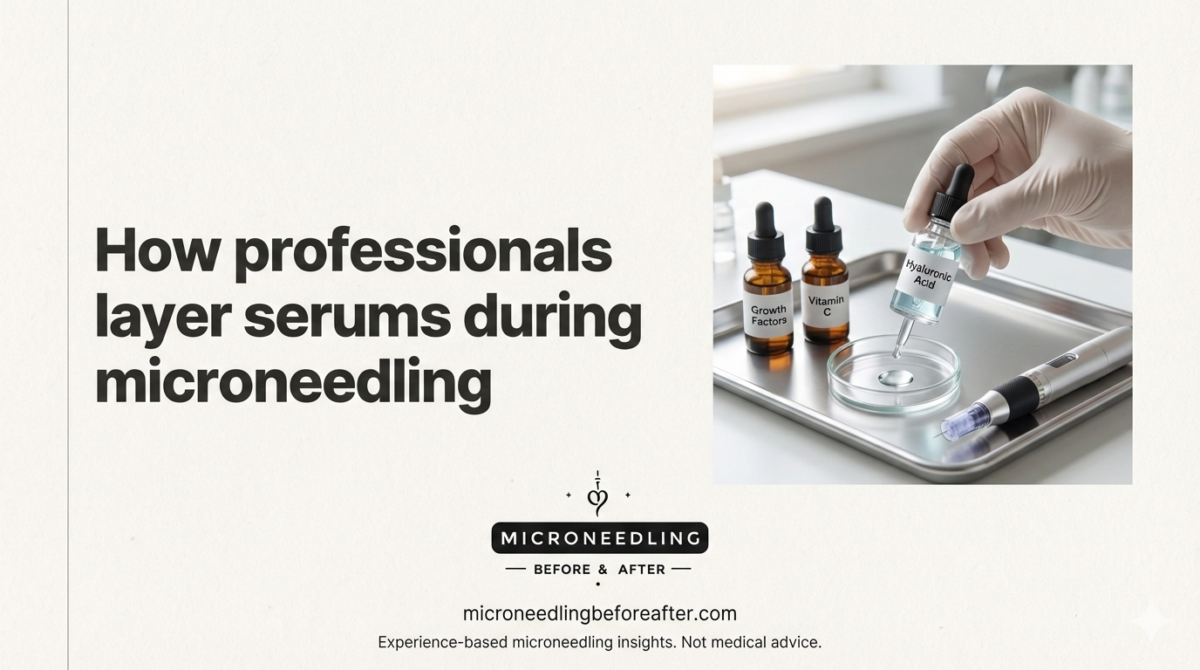
How Professionals Layer Serums During Microneedling

I will explain the clinical reasoning, practical steps, and safety considerations I use when layering serums during microneedling so you can understand both the science and the technique behind effective protocols. I draw on evidence-based principles and clinical practice norms to outline step-by-step approaches, common serum choices, and contraindications.

What microneedling is and why serum layering matters

Microneedling uses controlled micro-injuries to stimulate skin repair pathways and create transient channels that increase topical penetration. I emphasize serum selection and sequencing because those transient channels change absorption dynamics dramatically, and the wrong products or order can increase irritation or risk.

My approach to evidence and safety

I rely on peer-reviewed studies, product pharmacology, and dermatologic safety guidelines to shape my recommendations. I prioritize sterility, appropriate concentrations, and compatibility to reduce complications and optimize outcomes.

Basic physiology relevant to serum penetration

I outline the skin structure and how microneedling alters barrier function so layering decisions make mechanistic sense. Understanding penetration pathways, molecular size limits, and inflammatory responses informs safe serum selection.

Stratum corneum, epidermis, and dermis: barriers and targets

The stratum corneum is the primary barrier to topical actives, and microneedling breaches this layer to allow access to the viable epidermis and dermis. I consider the target layer (epidermal remodeling, dermal collagen induction, follicular delivery) when choosing serums.

Transient channels: duration and implications

Microchannels created by microneedling close over hours to days depending on needle depth; most enhanced penetration occurs within the first 24 hours. I therefore prioritize low-irritant, sterile, and clinically appropriate agents immediately after treatment and defer aggressive actives until healing is underway.

Pre-treatment assessment and planning

I always start with a comprehensive assessment to individualize the protocol. This reduces risk and tailors serum layering to skin type, indications, and history.

Medical history and medications

I check for contraindications such as isotretinoin use, bleeding disorders, active infection, and autoimmune conditions. I document medications like anticoagulants, immunosuppressants, and topical retinoids that influence timing and risk.

Skin type, conditions, and goals

I assess phototype, rosacea, acne activity, scarring depth, and signs of barrier dysfunction. My choice of serums differs for rejuvenation, scar remodeling, pigment management, or hair restoration.

Device selection and needle depth planning

I match needle length and device type (manual dermaroller vs. automated pen) to indication: shorter needles (0.25–0.5 mm) for topical enhancement and longer needles (1.5–3.0 mm) for scar remodeling. My serum layering choices reflect the expected penetration for the selected depth.

Skin preparation and in-clinic technique

Preparation minimizes infection risk and optimizes serum delivery. I outline each step I perform before introducing serums.

Cleansing and antisepsis

I use a gentle cleanser followed by an appropriate antiseptic (e.g., chlorhexidine or isopropyl alcohol) to reduce microbial load. I cautiously avoid stronger chemical peels or exfoliants immediately prior to needling.

Analgesia and anesthesia

I apply topical anesthetic when needed for comfort, ensuring the anesthetic is removed or neutralized according to product instructions before needling. I avoid applying thick ointments that obscure the epidermis or interfere with microneedling mechanics.

Numbing removal and re-cleansing

I wipe off the anesthetic thoroughly and perform a final antiseptic pass to reduce contamination risk. I only begin serum application once the skin surface is clean and dry.

Order of serum layering: principles and practical sequence

I follow a principle-driven order: low-irritant hydrating bases first, followed by targeted actives that are safe for delivery into deeper layers, and conservative timing for potentially irritating agents. Below I describe the typical sequence I use and why.

General sequencing principle

I prioritize non-irritating, sterile vehicles first (e.g., hyaluronic acid) to provide immediate hydration and act as a carrier. Next, I layer peptides, growth factors, or platelet-rich products if indicated, and I postpone potent acids, vitamin C, and retinoids until the acute wound-healing period has passed.

Typical immediate post-needling order

I commonly follow this immediate order:

  • Sterile saline or hyaluronic acid to rehydrate and facilitate glide.
  • Platelet-rich plasma (PRP), growth factors, or peptide serums for regenerative stimulation.
  • Topical antibiotics only if clinically indicated for infection risk (rare routine use). I avoid acidic or highly alkaline preparations immediately after needling.

Table: Recommended immediate post-needling serum order and rationale

Order Product type Typical concentration/form Rationale
1 Sterile saline / low-molecular-weight hyaluronic acid 0.1–1% HA solutions or sterile saline Hydration, lubrication, carrier for subsequent serums, immediate soothing
2 PRP / growth factor serums / peptides Autologous PRP or clinical-grade GF blends Stimulate collagen, enhance healing via biological mediators
3 Copper peptides / amino-acid blends Formulations optimized for dermal repair Support matrix remodeling; generally low irritation
4 Barrier-repair ceramides / emollients (light) Post-procedure emollient after initial phase Restore barrier, reduce TEWL; applied after initial acute phase

Choosing specific serums and their scientific rationale

I detail common serums used in professional microneedling, including indications, mechanisms, and safety considerations. This helps explain why certain agents are preferred in-clinic.

Hyaluronic acid (HA)

HA is my go-to immediate post-needling serum for hydration and as a carrier for other actives. I prefer sterile, low- to medium-molecular-weight HA for rapid penetration and minimal irritation.

  • Rationale: HA binds water, reduces transepidermal water loss, and provides a viscous medium for other topicals.
  • Safety: HA is typically well tolerated; ensure sterility and avoid cross-contamination.

Platelet-rich plasma (PRP) and growth factors

When available, I use PRP or commercially prepared growth factor serums to enhance collagen induction and wound healing. These biologics are applied immediately after needling to take advantage of open microchannels.

  • Rationale: PRP supplies autologous growth factors (PDGF, TGF-β, VEGF) that modulate repair and neocollagenesis.
  • Safety: I use aseptic technique and avoid PRP in active infection or certain hematologic disorders.

Peptides and Matrix-supporting serums

Peptides (e.g., palmitoyl peptides, oligopeptides) and amino-acid blends support collagen synthesis and signaling pathways.

  • Rationale: Small peptides can act as messengers to upregulate matrix proteins and improve skin texture.
  • Safety: Generally low irritation; assess product purity and preservative systems.

Vitamin C (ascorbic acid)

I use vitamin C cautiously; it is potent but can be irritating, especially when delivered into the dermis immediately after needling.

  • Rationale: Vitamin C is an antioxidant and cofactor for collagen synthesis, beneficial for pigmentation and photodamage.
  • Safety: I often postpone intradermal delivery of high-concentration L-ascorbic acid until the epidermis has had some recovery (24–72+ hours) or use stabilized derivatives at lower concentrations immediately.

Retinoids and alpha-hydroxy acids (AHAs)

I avoid retinoids and strong AHAs immediately post-needling due to their potential to exacerbate irritation and inflammation.

  • Rationale: These agents increase cellular turnover and can compound injury in the acute wound-healing phase.
  • Safety: I typically recommend resuming retinoids only after re-epithelialization (usually 3–7 days depending on depth) and at reduced frequency initially.

Timing between layers and re-application intervals

Proper timing between layers and for subsequent home-care applications is essential to balance delivery with safety. I explain my timing strategy below.

Immediate layering during the procedure

I apply a small amount of the initial carrier (HA or saline) before needling to improve glide and reduce drag. After passing the device over a zone, I apply PRP or peptides while channels are still patent. I limit total serum volume to avoid pooling.

Intervals for potentially irritating actives

For vitamin C, benzoyl peroxide, retinoids, and strong acids, I generally delay application for 24–72 hours or longer based on depth, skin sensitivity, and the product’s pH. I reintroduce them gradually under observation.

Follow-up sessions and cumulative layering

I space microneedling sessions according to needle depth and healing: superficial sessions may be repeated every 2–4 weeks, deeper scar-focused sessions every 4–8 weeks. I tailor serum use across sessions to cumulative outcomes and tolerance.

Practical application techniques

Technique matters as much as product choice. I describe the practical steps I use for applying and layering serums during microneedling.

Quantity and distribution

I use minimal but adequate product volume: a thin, even layer that allows device movement and avoids excess pooling. Excess fluid short-circuits needle penetration and increases runoff risk.

Sterile technique and single-use vials

I prefer single-use sterile vials or aliquots of serums to avoid contamination. I don sterile gloves and use sterile syringes or pipettes to apply biologics like PRP.

Avoiding cross-contamination

I never re-dip applicators into product containers after touching skin. I use fresh applicators or single-use droppers to maintain asepsis.

Massage and absorption

After initial application of regenerative serums, I may lightly spread product to ensure even distribution, then allow natural absorption. I avoid vigorous massage that might push product into unintended tissue planes.

Needle depth considerations and serum compatibility

Needle depth affects which layers are accessed and which serums are appropriate to deliver. I match products to the intended tissue target.

Table: Needle depth, tissue target, and recommended serums

Needle depth (mm) Target tissue Typical clinical purpose Recommended serums
0.25–0.5 Superficial epidermis Enhance topical absorption, hydration HA, light peptides, stabilized vitamin derivatives
0.75–1.0 Upper dermis Collagen stimulation, pigmentation PRP, peptides, growth factors, low-irritant vitamin C derivatives
1.5–2.0 Mid dermis Scar remodeling, stretch marks PRP, collagen-stimulating serums, careful peptide/growth factor use
2.5–3.0 Deep dermis (select areas) Significant scar revision, deep remodeling Autologous biologics under strict aseptic conditions, clinical-grade regenerative molecules

Rationale for depth-specific choices

Deeper penetration increases systemic exposure and inflammatory response, so I restrict potent or irritant actives to superficial procedures or delay their use until healing. For deep treatments, autologous biologics and clinically validated growth factor blends are preferred.

Contraindications, precautions, and patient selection

Safety is critical. I screen patients rigorously and modify serum layering when red flags are present.

Absolute and relative contraindications

I avoid microneedling in active infection, uncontrolled diabetes, recent isotretinoin use (within 6–12 months per some guidelines), keloid tendency, and certain autoimmune conditions. I also assess pregnancy/breastfeeding status and medication interactions.

Special populations: rosacea, acne, and hyperpigmentation

For rosacea or active acne, I proceed cautiously or avoid needling until inflammation is controlled. For patients prone to PIH (post-inflammatory hyperpigmentation), I prioritize gentler protocols and use adjunctive pigment-stabilizing measures (e.g., tranexamic acid, careful sun protection).

Allergies and intolerances

I confirm allergies to serum components (e.g., bovine-derived products, preservatives) and opt for hypoallergenic or preservative-free formulations when needed.

Post-procedure care and home regimen

I provide a clear post-procedure protocol to support healing and prevent complications. Proper home care reinforces the clinical layering choices I make in-office.

Immediate aftercare (first 24–48 hours)

I instruct patients to avoid hot showers, saunas, makeup, and harsh products for at least 24–48 hours. I recommend gentle cleansing and the use of sterile, soothing serums such as low-molecular-weight HA and barrier-support emollients.

Reintroducing active ingredients

I advise waiting 48–72+ hours before resuming vitamin C and longer for retinoids and strong acids, depending on clinical judgment and observed healing. I recommend sunscreen from day one and strict photoprotection for several weeks.

Infection signs and when to contact me

I teach patients to look for spreading erythema, increased pain, purulent discharge, fever, or worsening swelling—signs that warrant immediate contact. Early recognition and treatment prevent more serious complications.

Evidence and clinical outcomes

I summarize the evidence base for serum-enhanced microneedling and realistic expectations for outcomes.

Efficacy data highlights

Multiple studies show improved outcomes for scars, wrinkles, and pigment when microneedling is combined with PRP or growth factors versus microneedling alone. Evidence is strongest for PRP in scar remodeling and for HA to improve comfort and immediate hydration.

Limitations of evidence

Variability in study designs, serum formulations, and device parameters makes direct comparisons challenging. I emphasize that product quality, aseptic technique, and practitioner skill significantly influence results.

Troubleshooting common problems

I outline typical adverse events and how I manage them, to provide a practical safety net.

Irritation and prolonged erythema

If a patient experiences excessive erythema beyond expected timelines, I assess for allergic reaction, product sensitivity, or infection. I provide topical anti-inflammatory strategies (e.g., azelaic acid, topical corticosteroids short-term in select cases) and supportive care.

Infection and biofilm risk

For suspected infection I consider culture, empirical antibiotics, and potential device/device-handling review. I reinforce the requirement for sterile technique and single-use products to reduce risk.

Post-inflammatory hyperpigmentation (PIH)

If PIH develops, I use bleaching agents (hydroquinone alternatives, tranexamic acid), laser avoidance until stable, and strict photoprotection. Prevention is preferable, so I tailor initial protocols for at-risk skin types.

Sample professional protocols (case-based)

I provide concrete, practical protocols I use for common indications to illustrate how layering is implemented.

Protocol A: Rejuvenation (superficial, 0.5 mm)

I cleanse and apply topical anesthetic as needed, wipe and antiseptic the area, then apply a thin layer of sterile HA before performing microneedling. Immediately after, I apply a peptide/growth factor serum and finish with a light barrier emollient and SPF.

Protocol B: Scar remodeling (1.5 mm)

I harvest PRP if available, prepare the field with antiseptic technique, and perform needling. After each pass, I apply small aliquots of PRP across treated zones to enhance regenerative signaling. Post-procedure I recommend gentle HA and delayed introduction of retinoids until re-epithelialization.

Protocol C: Alopecia adjunct (scalp, 1.5–2.5 mm)

I use local anesthesia or topical numbing, then perform needling across the affected scalp. I apply PRP or peptide formulations aimed at hair growth immediately after to reach follicular units. I repeat sessions every 4–8 weeks as tolerated.

Frequently asked questions (concise answers)

I include concise responses to common practitioner and patient queries to clarify expectations and practice points.

Can I mix serums in one syringe for delivery?

I avoid premixing unless the products are validated to be compatible; mixing can alter pH, stability, or sterility.

Is it safe to use vitamin C during microneedling?

I generally avoid high-concentration, low-pH L-ascorbic acid immediately post-needling; stabilized derivatives at low concentrations may be used cautiously.

How soon can patients wear makeup?

I advise avoiding makeup for at least 24 hours, and longer if there is residual erythema or open micro-channels.

Final considerations and my practice principles

I adhere to conservative, patient-specific protocols emphasizing sterility, appropriate sequencing, and evidence-based additions like PRP for regenerative goals. Layering serums during microneedling is powerful but demands respect for wound-healing biology and product safety.

Continuous learning and documentation

I document the exact products, lot numbers, and volumes used for each procedure and follow outcomes carefully to refine protocols. Ongoing education and adherence to updated guidelines protect patients and improve outcomes.

Summary of core rules I follow

  • Use sterile, single-use products whenever possible.
  • Start with hydrating, low-irritant carriers (HA/saline).
  • Apply regenerative biologics (PRP/growth factors) while channels are patent.
  • Delay potent acids and retinoids until sufficient re-epithelialization.
  • Individualize by skin type, indication, and needle depth.
  • Maintain strict aseptic technique and patient counseling.

By following these structured principles, I can safely enhance microneedling outcomes with targeted serums while minimizing complications. If you would like, I can provide printable protocols, concentration tables for specific products, or evidence summaries for individual serums used in practice.

en_USEnglish