
google.com, pub-2032008856654686, DIRECT, f08c47fec0942fa0

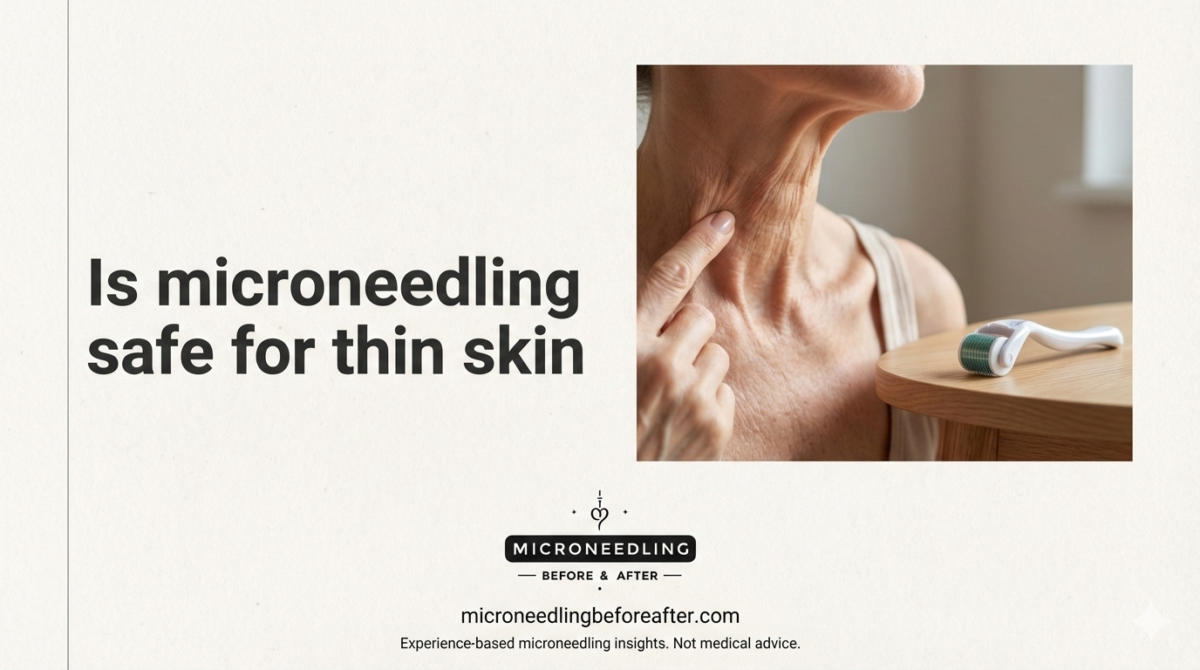
Is Microneedling Safe For Thin Skin

Explore whether microneedling is safe for thin skin-risks, benefits, conservative settings, pro vs at-home, and how to prepare, protect, and choose a provider…

? Am I putting my thin skin at risk if I try microneedling, or can I safely get the benefits without compromising my skin barrier?

Is Microneedling Safe For Thin Skin

I get asked this question a lot, and I want to walk through it carefully so you can make an informed decision. I’ll explain what microneedling does, why thin skin matters, and how to make a safe plan if you decide to proceed.

What is microneedling?

Microneedling is a skin procedure that uses tiny needles to create controlled micro-injuries in the skin. I think of it as a way to stimulate the skin’s natural repair response—collagen and elastin production—rather than an aggressive resurfacing.

How microneedling works

When the needles puncture the skin, the controlled trauma triggers inflammation followed by tissue remodeling and collagen synthesis. I find it helpful to remember that the goal is controlled repair: the needles are shallow enough to avoid major damage but deep enough to kickstart healing mechanisms.

What I mean by “thin skin”

When I refer to thin skin, I mean skin with decreased dermal thickness, often with increased translucency, visible blood vessels, fine wrinkles, and a fragile-looking texture. Thin skin can be a natural trait, the result of sun damage, age-related collagen loss, long-term topical steroid use, or certain medical conditions.

Why thin skin matters for microneedling

Thin skin has less cushion and fewer structural proteins, so it may respond differently and be more easily injured by mechanical procedures. I treat thin-skin cases with extra caution because the risk of prolonged redness, bruising, or even atrophic scarring can be higher.

Benefits of microneedling for thin skin

Microneedling’s main benefits—stimulating collagen and improving texture—can still apply to thin skin, and many people with thin skin report smoother, firmer results over a course of treatments. I’ve seen thin-skin clients benefit, especially when microneedling is adapted (shallower needle depths, longer intervals) and combined with protective aftercare.

Risks and complications specific to thin skin

Risks I worry most about are prolonged erythema (redness), purpura (bruising), persistent sensitivity, broken capillaries, and in rare cases atrophic scarring or hyperpigmentation. I also watch for poor wound healing in people with underlying conditions, and I emphasize that even minor infection risk is more consequential when the barrier is fragile.

Typical complications and what they look like

Minor complications include redness, pinpoint bleeding, swelling, and temporary sensitivity that usually resolves in days. Major or persistent complications—scarring, prolonged hyperpigmentation, or significant infection—are uncommon but can be more problematic on thin skin if not managed promptly.

How skin thickness is measured

Dermatologists or providers often estimate skin thickness clinically by inspection and palpation, and more precise measurement can be done using ultrasound or high-resolution imaging. I recommend an objective assessment when the skin looks unusually thin or when steroid use or other risk factors are present.

Causes of thin skin I check for

I always ask about long-term topical or systemic steroid use, significant sun exposure, aging, medical history (like connective tissue disorders), and history of cosmetic procedures. I find that addressing reversible causes and optimizing skin health before microneedling lowers the chance of complications.

Who should avoid microneedling

I advise people to postpone or avoid microneedling if they have active skin infections, severe acne, keloid tendency, uncontrolled diabetes, recent isotretinoin use (within 6–12 months in many protocols), or untreated clotting disorders. If I suspect thin skin secondary to steroid misuse or an underlying systemic issue, I want those factors managed first.

Professional microneedling vs at-home devices

I prefer professional microneedling for people with thin skin because professionals can adjust needle depth, technique, and use sterile protocols that lower complication risks. At-home rollers and pens generally have shallower needles but carry infection and technique risks; I’m cautious about recommending them for fragile skin.

Table: Professional vs At-Home Microneedling — Considerations for Thin Skin

Feature Professional Microneedling At-Home Derma-Rollers / Pens
Needle depth control Precise, adjustable (0.25–3.0 mm) Typically shallower, variable control
Sterility Performed under sterile conditions Higher contamination risk
Provider assessment Pre-screening and tailored protocol No professional assessment
Pain control Topical anesthesia optional Limited pain control
Post-care supervision Professional follow-up Self-managed
Safety for thin skin Safer when adjusted by pro Higher risk if misused

Needle depth and settings — recommendations for thin skin

For thin skin, I recommend conservative needle depths, generally between 0.25 mm and 0.5 mm for cosmetic improvement without deep dermal trauma. If a provider considers deeper treatment (0.75–1.5 mm), I expect clear justification and a very careful patient selection process—sometimes starting with test spots.

How many sessions and spacing I usually recommend

I often suggest an initial series of 3–6 sessions spaced 4–8 weeks apart, depending on response and tolerance. For thin skin, I tend to increase the interval between sessions to allow full recovery and to monitor for delayed adverse reactions.

Pre-treatment assessment and testing I recommend

Before I agree to microneedling, I take a full medical and medication history, assess skin condition, look for signs of thinning, and sometimes request a dermatologist consultation or ultrasound in uncertain cases. If recent isotretinoin use or systemic steroids are present, I delay treatment according to safety guidelines.

Preparing the skin before microneedling

I advise improving skin barrier function pre-procedure: stop irritant actives (like retinoids and exfoliants) for a week or more, maintain hydration with gentle moisturizers, and use sun protection. I sometimes recommend topical growth-factor–free serums and barrier-supporting ingredients, but I avoid introducing too many new products right before a session.

The procedure: what happens during a session

During a professional session the provider will cleanse the skin, apply topical numbing if needed, and pass a sterile needle device across the treatment area in controlled passes. I remind people that slight pinpoint bleeding and fresh redness are expected and that the provider should use gentle pressure and appropriate settings for thin skin.

Pain, anesthesia, and comfort measures

I tend to use topical anesthetic for comfort when deeper settings are required, and I explain that shallower treatments may only cause minor stinging. I also suggest stress-relieving measures like breathwork and distraction because less anxiety can improve tolerance and reduce involuntary movement.

Aftercare and recovery for thin skin

My aftercare recommendations emphasize protecting the compromised barrier: gentle cleansing, fragrance-free moisturizers, and broad-spectrum sunscreen starting immediately when the skin is no longer weeping. I counsel patients to avoid exfoliants, active ingredients (retinoids, acids), saunas, and vigorous exercise for several days to limit irritation and infection risk.

Typical recovery timeline I discuss

In most cases, redness and tightness improve within 48–72 hours, with continued improvement over a week; I tell patients to expect some change in texture and mild flaking for up to two weeks. For thin skin, I monitor for longer-lasting redness or sensitivity and adjust subsequent session timing accordingly.

Managing complications if they occur

If I see signs of infection—increasing pain, pus, fever—I instruct immediate medical attention and usually start appropriate antibiotics. For prolonged redness, bruising, or post-inflammatory hyperpigmentation, I consider topical anti-inflammatories, light-based therapies, and pigment-directed treatments once the skin barrier is adequate.

Table: Common Complications and My Typical Interventions

Complication Timeframe Intervention I Recommend
Prolonged redness >7–14 days Anti-inflammatory topicals, cooling, extended observation
Bruising/purpura 1–2 weeks Cold compresses initially; time and avoidance of blood thinners
Infection Any time post-procedure Urgent evaluation; topical/systemic antibiotics as needed
Hyperpigmentation Weeks to months Sun protection, topical bleaching agents, or light therapy
Scarring Weeks–months Early referral to dermatology; intralesional steroids for hypertrophic scars

At-home microneedling: is it worth the risk for thin skin?

I rarely recommend at-home microneedling tools for thin skin because of the variability in needle quality, hygiene, and technique. If someone insists, I require strict instructions—safe needle length (≤0.25–0.3 mm), rigorous sterilization, and immediate cessation if there’s excessive redness or bleeding.

Combining microneedling with PRP or topical serums

I’ve seen microneedling paired with platelet-rich plasma (PRP) or topical serums to potentially enhance healing and collagen stimulation, but I’m cautious combining active biologicals on thin skin without clear safety data. If PRP is used, I want it prepared and applied under sterile conditions and at shallow depths; for topical serums, I choose those that support barrier repair rather than increase inflammation.

Timing after other cosmetic procedures

I delay microneedling after lasers, chemical peels, or surgical procedures until the skin has fully healed. I also wait appropriate intervals after filler injections or neuromodulator treatments unless the provider is experienced in combining modalities safely.

Alternatives for thin skin that I consider

When microneedling seems risky, I consider gentler collagen-stimulating options: low-strength chemical peels, topical peptides, prescription retinoids in controlled doses, light therapies (LED, low-energy lasers), and cosmeceuticals to rebuild the dermal matrix. I also sometimes recommend collagen-boosting injectables or biostimulatory fillers done very conservatively.

Table: Alternatives to Microneedling — Pros and Cons for Thin Skin

Treatment Pros Cons
LED light therapy Non-invasive, reduces inflammation, supports healing Slower, milder results
Low-strength chemical peels Can improve texture with controlled exfoliation Risk of irritation if skin is very thin
Topical retinoids (low dose) Stimulate collagen with careful use Can initially irritate and thin barrier if misused
PRP alone (no microneedling) Autologous growth factors, lower mechanical trauma Variable evidence, procedural requirements
Biostimulatory injectables (very conservative) Stimulate collagen without epidermal puncture Risk of nodules, requires experienced injector

Combining microneedling with other therapies: timing and safety

If I plan to combine treatments, I schedule microneedling at least several weeks away from thermal or ablative procedures and consult with the other treating clinicians. Careful timing reduces overlapping inflammation and minimizes cumulative risk to thin skin.

How I choose a provider for microneedling

I look for providers with medical training—dermatologists, physician assistants, or experienced nurses—who show knowledge about skin thickness, have strict sterile practices, and tailor protocols. I also value before-and-after photos of similar skin types and clear explanations of contingency plans for complications.

Questions I always ask my provider

I ask about their sterilization protocols, specific needle depths they plan to use, how they assess thin skin, the exact post-care regimen, and whether they will perform a test spot if I have risk factors. I also ask about emergency procedures and follow-up scheduling.

Cost considerations and value

Costs vary widely depending on location, provider credentials, and whether adjuncts like PRP are included; I usually weigh price against provider expertise rather than looking for the cheapest option. For thin skin, I’m willing to pay more for an experienced clinician because careful technique and follow-up reduce downstream costs and complications.

Realistic expectations I set for results

I tell people that microneedling can improve fine lines, texture, and superficial scarring, but results are gradual and depend on skin biology and adherence to aftercare. For thin skin, I emphasize modest goals: improved texture and tone without aggressive changes that could compromise the barrier.

When to stop or pause treatment

If I encounter persistent redness, repeated delayed healing, or spreading broken capillaries after a session, I pause further treatments and reassess. I also stop if there’s an acute medical issue that could impair healing, like new systemic steroid use or uncontrolled blood sugar.

My practical checklist before booking a session

I make sure I’ve disclosed all medical history, stopped irritant topicals in time, confirmed my provider’s credentials and sterile practice, and arranged for sensible aftercare (time off, gentle products). I also plan to document my skin’s baseline condition with photos to track changes.

Final verdict: Is microneedling safe for thin skin?

I believe microneedling can be safe for thin skin when done conservatively by experienced providers who tailor needle depth, spacing, and aftercare to individual risk. However, I also recognize that thin skin increases sensitivity to complications, so careful assessment, conservative settings, and strict post-procedure care are essential.

Frequently Asked Questions

Can microneedling make thin skin worse?

Yes—if performed too aggressively or without consideration for thin-skin characteristics, microneedling can prolong redness, cause bruising, or in rare cases lead to scarring. I stress gentle protocols and staged treatment to minimize that risk.

Can microneedling cause permanent damage to thin skin?

Permanent damage is uncommon but possible if there’s infection, poor healing, or inappropriate depth and frequency. I reduce that risk by screening for contraindications and monitoring healing closely.

Is microneedling with PRP safe for thin skin?

PRP may enhance healing, but combining microneedling with PRP on thin skin should be done by clinicians experienced with both procedures. I want PRP applied under sterile conditions and would likely use shallower depths to reduce mechanical trauma.

Is at-home derma rolling safe if my skin is thin?

I generally do not recommend at-home derma rollers for thin skin because of hygiene, uncontrolled pressure, and variable needle quality. If someone insists, I set strict limits: very shallow needles, impeccable sterilization, and immediate cessation for excessive redness.

How long before I see improvements?

Some textural improvement may appear within weeks, but most people notice meaningful results after a series of 3–6 sessions over several months. I encourage patience and consistent aftercare to let collagen remodeling occur.

Will microneedling reduce thinness or actually thicken my skin?

Microneedling stimulates collagen production and can modestly increase dermal thickness over time, but it won’t restore dramatically lost tissue in a single session. I recommend realistic goals—incremental improvement rather than full reversal of severe thinning.

What if I’m on topical steroids or had recent steroid use?

Topical and systemic steroids can thin skin and impair healing; I prefer a steroid-free interval and sometimes dermatology consultation before proceeding. If steroid therapy is ongoing for a medical reason, I coordinate with the prescribing clinician.

How should I protect my skin immediately after treatment?

I use gentle cleansing, a bland moisturizer, and physical sunscreen once skin has stopped oozing; I avoid active ingredients until the skin is fully healed. I also avoid makeup for at least 24–48 hours, depending on provider instructions.

Can microneedling help with visible blood vessels and translucency?

Microneedling may reduce the appearance of fine lines and improve texture, but visible blood vessels are often better treated with vascular-targeted therapies like pulsed dye laser or IPL. I sometimes combine approaches, but vascular treatments must be chosen carefully for thin skin.

When should I seek medical attention after microneedling?

I seek urgent care if I see spreading redness, increasing pain, pus, fever, or signs of systemic infection. For persistent redness, hyperpigmentation, or scarring, I consult dermatology for targeted interventions.


I hope this gives you a clear, practical framework to decide whether microneedling is right for thin skin. If you want, I can help you prepare a list of questions to bring to a consultation or walk you through an individualized risk checklist based on your medical history and skin exam.
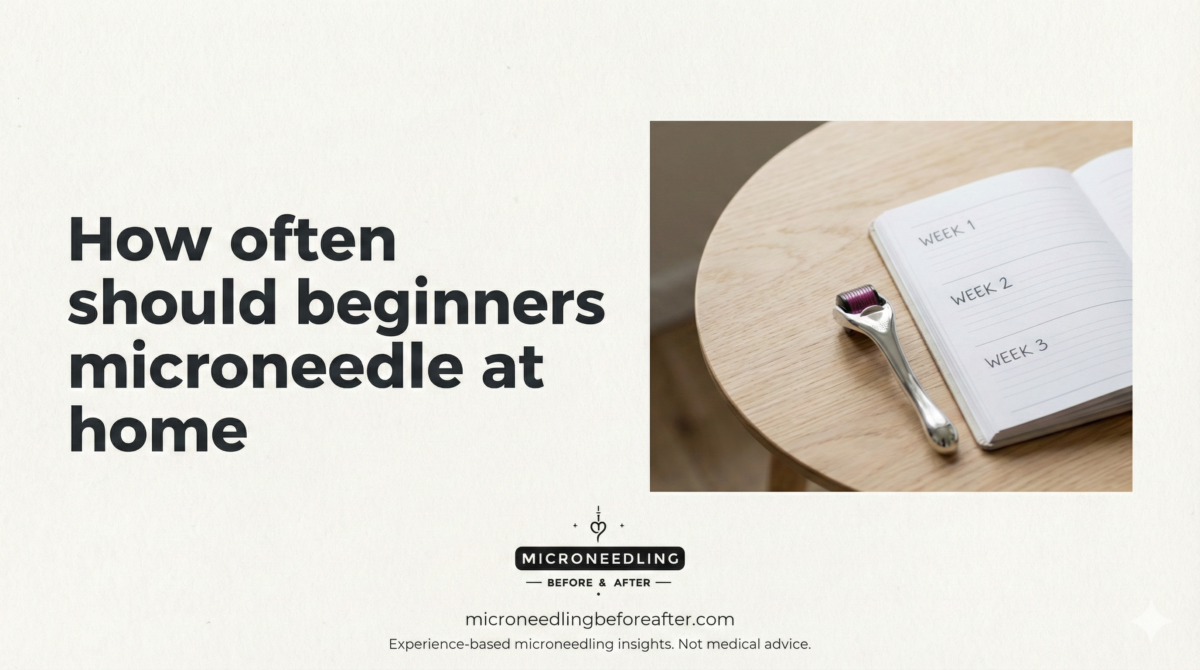
How Often Should Beginners Microneedle At Home

Beginner’s guide to at-home microneedling: safe frequencies, needle lengths, aftercare, and schedules to get results without damaging your skin. Start safely.!!

Have I ever told you how often a beginner should microneedle at home?

How Often Should Beginners Microneedle At Home

I’m going to walk through everything I’ve learned and recommend about at-home microneedling frequency, safety, and practical steps. I’ll explain how needle length, skin condition, device type, and aftercare all affect how often I think someone should treat their skin. My goal is to give a clear, realistic plan so a beginner can start safely and get results without causing harm.

Understanding Microneedling and Why Frequency Matters

I see microneedling as a controlled way of encouraging the skin to repair itself by creating tiny micro-injuries that trigger collagen and elastin production. The frequency matters because the skin needs time to repair, rebuild, and respond to the procedure. If I microneedle too often, I risk chronic inflammation, barrier damage, and impaired results.

I want to emphasize that frequency isn’t a one-size-fits-all answer. I always consider needle length, skin sensitivity, existing conditions, and the goal of treatment before recommending how often to microneedle.

How microneedling works (in plain terms)

I think of microneedling as sending a short-term signal for long-term repair. The needles create microchannels that prompt inflammation, then remodeling, then strengthening of the skin’s structure. That whole cycle takes time, which is why timing between sessions is critical.

I also consider that different results—like product absorption, collagen induction, or treating scars—have different optimal protocols. I tailor frequency to those goals.

Needle Length, Device Type, and Recommended Frequency

I believe the most important determinants of safety and frequency are needle length and whether the device is a dermaroller or a microneedling pen (dermapen). Shorter needles cause less trauma and can be used more often; longer needles require more recovery time and professional oversight.

Below I provide a practical table I use when deciding on frequency. This is a general guide and not a substitute for medical advice.

Needle length (mm) Typical at-home device Typical use / goals Recommended interval for beginners Expected downtime
0.15–0.25 mm Cosmetic rollers/pens Improve product absorption, light texture Every 2–3 days or up to 2–3 times per week Minimal (a little redness)
0.3–0.5 mm Dermaroller / dermapen Texture, fine lines, mild pigmentation Every 1–2 weeks (start every 2 weeks) 24–48 hours redness/sensitivity
0.5–1.0 mm Dermapen (some claim at-home use) Scar improvement, deeper texture Every 3–4 weeks (start every 4 weeks) 2–4 days of redness, mild swelling
1.0–1.5 mm Advanced devices (often professional) Moderate scarring, stretching Usually professional use; if at home, >6 weeks 4–7+ days
>1.5 mm Professional only Deep scarring, stretch marks Professional only; spaced 6–12 weeks 1–2 weeks or more

I personally recommend beginners start at the shorter end of this range, often with 0.25–0.5 mm, and err on the side of longer recovery between sessions until they understand their skin’s response.

Why I Recommend Starting Conservatively

When I coach someone new to microneedling, I always recommend starting conservatively. The reasons I do this are simple: the skin barrier is delicate, inflammation can linger, and cumulative damage is the main risk of overdoing it. I’d rather a beginner take more time to see safe, steady improvements than push too hard and need to pause treatments because of irritation or infection.

I also find that many people see meaningful product-absorption benefits and mild texture improvement from the gentlest settings, so there’s little reason to start aggressive.

A Beginner’s Microneedling Schedule I Use

I typically suggest the following starter schedule for someone who’s never microneedled and wants to do it safely at home:

  • Weeks 1–4: Use a 0.25 mm device once every 5–7 days (or 2–3 times in the first month). I do this to assess tolerance and reduce risk.
  • Weeks 5–12: If skin tolerated the first month with no prolonged redness or irritation, I might step up to 0.5 mm once every 2–3 weeks for one or two sessions to address texture or fine lines.
  • After 3 months: If I see good response and minimal side effects, I either continue 0.5 mm every 3–4 weeks or consider a professional session for deeper work. I avoid doing 0.5 mm more frequently than every 2 weeks unless supervised by a professional.

I always advise keeping a log of each session, including needle length, device, areas treated, and reactions. That helps me make safe adjustments.

Preparing to Microneedle: My Pre-Session Checklist

I prepare carefully before every session, and I recommend other beginners do the same. Good preparation reduces infection risk and improves outcomes.

My checklist:

  • Clean skin thoroughly with a gentle cleanser to remove makeup, sunscreen, and oils.
  • Disinfect the device per manufacturer instructions (typically with 70% isopropyl alcohol for rollers and pens).
  • Avoid microneedling if I have active acne, cold sores, open wounds, sunburn, or infection on the treatment area.
  • Avoid blood-thinning medications (aspirin, NSAIDs) within a day or two if medically safe—though I always advise checking with a healthcare provider.
  • Have post-care products ready: gentle cleanser, sterile saline or hydrating serum (low-irritant hyaluronic acid), and a sunscreen.

I also clean my hands and work on a sterile surface. I never microneedle after drinking alcohol or when very tired, because my immune response can be altered.

Device preparation and hygiene

I take sterilization seriously. I replace rollers or heads according to the manufacturer’s timeline and never share devices. For disposable needle cartridges I use a fresh one each session. For reusable rollers, I clean and store them in a clean case.

I’m careful about storage—humidity and dust can contaminate devices. I keep mine dry and in a sealed container.

How I Perform a Simple At-Home Microneedling Session

I’ll describe the basic steps I use when treating my face with a 0.25–0.5 mm device. I follow a gentle technique and track the time on each zone to avoid overworking one area.

  1. Cleanse: I wash my face with a mild, non-exfoliating cleanser and pat dry.
  2. Disinfect device: I wipe the roller or pen head with 70% isopropyl alcohol and let it air dry.
  3. Section the face: I mentally divide my face into zones—forehead, cheeks, nose, chin—and treat each zone systematically.
  4. Technique: I roll or stamp in one direction over each zone 4–6 times, then rotate direction (horizontal/vertical/diagonal) for even coverage. I avoid pressing hard; a light, even pressure is enough.
  5. Time per zone: I limit each zone to 1–2 minutes for 0.25–0.5 mm to prevent excess trauma.
  6. Post-session: I rinse the face with sterile saline or cool water and apply a clean hydrating serum (I typically choose a simple hyaluronic acid serum without fragrances or irritation potential). I avoid active ingredients immediately after treatment.
  7. Clean device again: I disinfect and dry the device before storage.

I record the session details in my log so I can adjust frequency and settings later.

Aftercare I Follow (and Strongly Recommend)

Aftercare is as important as the microneedling itself. I spend a lot of time explaining this to beginners because poor aftercare raises the risk of irritation or infection.

My aftercare routine:

  • For the first 24–48 hours I avoid active skincare ingredients like retinoids, vitamin C, AHAs, BHAs, and benzoyl peroxide.
  • I use a gentle, fragrance-free moisturizer and a simple hyaluronic acid serum to support hydration.
  • I apply a broad-spectrum sunscreen each morning with at least SPF 30 and avoid direct sun exposure for several days.
  • I avoid makeup for at least 24 hours to reduce the chance of introducing bacteria to the microchannels.
  • I don’t exercise intensely or swim for 24–48 hours because sweat and pool chemicals can irritate freshly treated skin.

I also monitor for signs of infection (increasing warmth, spreading redness, pus) and contact a provider if I see any concerning symptoms.

How long does redness last?

I find that with 0.25–0.5 mm treatments, redness typically fades within a few hours to 48 hours. With deeper settings, redness can last several days. If redness persists beyond the expected window or is accompanied by pain or swelling, I stop treating and seek medical advice.

Products I Use Immediately After Microneedling (and Those I Avoid)

I prefer simple, sterile, and hydrating products right after microneedling. I avoid active or potentially irritating ingredients for at least 48–72 hours.

Products I use:

  • Sterile saline or very clean water to rinse.
  • Hyaluronic acid serum (low molecular weight might sting; I choose formulations that have been gentle for me).
  • Fragrance-free, non-comedogenic moisturizer.
  • Broad-spectrum physical sunscreen (zinc oxide) during the day.

Products I avoid immediately after:

  • Retinoids (prescription or OTC) for 72 hours or until skin is calm.
  • Vitamin C serums (can be irritating on fresh microchannels).
  • Chemical exfoliants (AHA/BHA) for at least a week after deeper treatments.
  • Any potentially contaminated cosmetic or makeup.

I also avoid applying topical antibiotics unless advised by a physician.

Who Should NOT Microneedle at Home (My Contraindications List)

I think it’s essential to be honest about risks. There are situations where I would not microneedle at home at all, and I advise seeking a professional or medical input.

I avoid microneedling if:

  • I have active acne, cysts, or open sores on the treatment area.
  • I have an active skin infection (bacterial, fungal, viral—like cold sores).
  • I’m on isotretinoin (Accutane) or have used it within the past 6–12 months without medical clearance.
  • I have keloid or hypertrophic scarring tendencies.
  • I have uncontrolled rosacea or very sensitive skin that flares easily.
  • I have certain autoimmune conditions or are on immunosuppressive medications—then I consult my doctor.
  • I’m pregnant or breastfeeding—many professionals recommend avoiding aggressive treatments until after.

I check my medical history and medications before starting any microneedling regimen.

Common Mistakes I See Beginners Make

I’ve noticed patterns that cause more problems than they solve. I want beginners to avoid these traps I’ve seen many people fall into.

Common mistakes:

  • Using too-long needles at home. I advise keeping home needles short and letting professionals handle deeper therapy.
  • Microneedling too frequently. More isn’t better; the skin needs time to rebuild.
  • Using active serums immediately after a session, which can cause burning or irritation.
  • Not disinfecting or reusing devices past their usable life.
  • Treating acne or infected areas and spreading bacteria.
  • Not protecting skin from sun exposure after treatment.

I find that awareness of these pitfalls prevents setbacks and improves outcomes.

Combining Microneedling with Other Treatments (My Practical Approach)

I personally like to blend microneedling with sensible skincare, but timing matters. I’ll share how I combine it safely with retinoids, chemical peels, lasers, and professional sessions.

  • Retinoids: I stop retinoids 48–72 hours before a gentle at-home session and reintroduce them 5–7 days after, depending on redness and tolerance. For deeper treatments, I may pause longer.
  • Chemical peels: I don’t combine peels and microneedling in the same week. I prefer to space them at least 2–4 weeks apart.
  • Lasers or injections: I consult with my dermatologist before combining modalities. These treatments can compound inflammation and require coordinated timing.
  • Professional microneedling: I consider at-home treatments maintenance between professional treatments. If I plan a professional session, I stop at-home needling for several weeks beforehand and follow the pro’s guidance after.

I always prioritize skin barrier health and minimize overlapping irritation.

Results Timeline: What I Expect and When

I set realistic expectations. I think it helps to understand the timeline so progress doesn’t feel too slow or too fast.

  • Immediate: Slight redness and increased glow may be visible; I notice improved product absorption right away.
  • 1–2 weeks: I often see smoother texture and slightly diminished inflammation.
  • 4–8 weeks: Collagen remodeling begins—fine lines, mild scarring, and texture can start showing improvement.
  • 3–6 months: That’s when I typically evaluate cumulative results for collagen induction. Persistent or deep scarring may require professional sessions.
  • Maintenance: I recommend periodic maintenance sessions depending on how the skin responds. For many people, quarterly or monthly schedules using conservative settings are reasonable.

I track changes with photos taken under consistent lighting to assess real progress.

Signs I Stop Microneedling and Seek Help

I stop treating immediately and seek medical advice if I notice:

  • Increasingly painful swelling or spreading redness.
  • Pus, crusting, or areas that feel warm and tender.
  • Prolonged irritation beyond the expected healing time.
  • Signs of unusual hyperpigmentation after sessions.

I find early intervention prevents more serious complications.

Tracking and Adjusting: How I Personalize Frequency Over Time

I adjust frequency based on the skin’s response and my goals. I keep a simple log with date, needle length, device, pressure level, areas treated, products used, and reactions. After three sessions, I review the pattern and decide whether to increase needle length, change interval, or stop.

I also test one small area first for beginners—treating a cheek quadrant only—and then evaluate reaction before treating the full face.

Practical Tips I Follow to Make Microneedling Easier and Safer

I use a few routines that make microneedling less stressful and more effective.

  • Start with one zone or a patch test before doing the whole face.
  • Avoid alcohol, spicy foods, and hot showers immediately after treatment if I’m prone to flushing.
  • Use a cold compress if I notice excessive warmth or swelling.
  • Be patient—collagen-building is slow, but steady treatments can be transformative.
  • Keep sessions logged so I don’t overdo it.

I believe small habits prevent big mistakes.

Frequently Asked Questions I Hear Most Often

I get similar questions from beginners. Below I answer the ones I hear the most.

Q: How long before I can wear makeup? A: I usually wait at least 24 hours and longer if redness persists. If I must wear makeup, I use mineral makeup and an antiseptic routine, but I prefer to give skin a break.

Q: Will microneedling remove acne scars completely? A: I don’t promise complete removal. I’ve seen meaningful improvement, especially with deeper or professional sessions, but many scars require multiple sessions and sometimes combined modalities.

Q: Can I microneedle daily with 0.25 mm? A: I’m cautious about daily microneedling. Even 0.25 mm benefits from rest days; I recommend a few times per week at most and listening to skin response.

Q: How do I know if my device is still safe to use? A: If needles are bent, discolored, or feel dull, I replace the head. I follow manufacturer guidance for the number of uses and store the device properly.

Common Myths I Want to Clear Up

I like to correct misinformation so beginners avoid unnecessary risks.

  • Myth: “Microneedling permanently opens pores.” I’m confident that microneedling does not permanently enlarge pores when done properly; it can actually improve skin texture.
  • Myth: “More needles or pressure = better results.” I disagree. Excessive pressure increases trauma without improving outcomes.
  • Myth: “Home devices are just as powerful as professional ones.” Home devices are safer at lower depths; professional treatments can safely use longer needles and adjunct therapies.

I encourage critical thinking when reading advice online.

When I Recommend Seeing a Professional Instead of DIY

I always tell people to see a dermatologist or licensed practitioner if their goals or skin concerns are beyond what safe at-home devices can address.

I recommend a professional when:

  • Scars are deep or extensive.
  • There’s significant skin laxity or deeper structural concerns.
  • The person wants combined therapies (PRP, professional-grade peels, or lasers).
  • They have a history of keloids or impaired wound healing.

A pro can safely use longer needles and adjuncts while managing downtime and results.

Safety First: My Bottom Line

I put safety first. I believe beginners should start with shorter needles, longer intervals, meticulous hygiene, and conservative home routines. I think that approach offers the best balance of benefit and safety.

I also recommend regular check-ins with a dermatologist if someone is using microneedling to treat acne scars, hyperpigmentation, or other significant concerns.

Final Thoughts and a Practical Starter Plan I Use

If I had to give a concise starter plan based on everything above, it would be:

  • Start with a 0.25 mm device and treat once every 5–7 days for the first month.
  • After demonstrating good tolerance, switch to 0.5 mm and treat once every 2–4 weeks depending on recovery.
  • Keep sessions gentle, prioritize sterilization, avoid actives for 48–72 hours, and protect the skin from sun.
  • Log reactions and consult a professional for deeper issues or if doubt arises.

I’ve guided many beginners through this process and seen great results when people are patient and cautious. If I follow these steps myself, I feel confident the treatment will be effective and safe.

en_USEnglish