
google.com, pub-2032008856654686, DIRECT, f08c47fec0942fa0

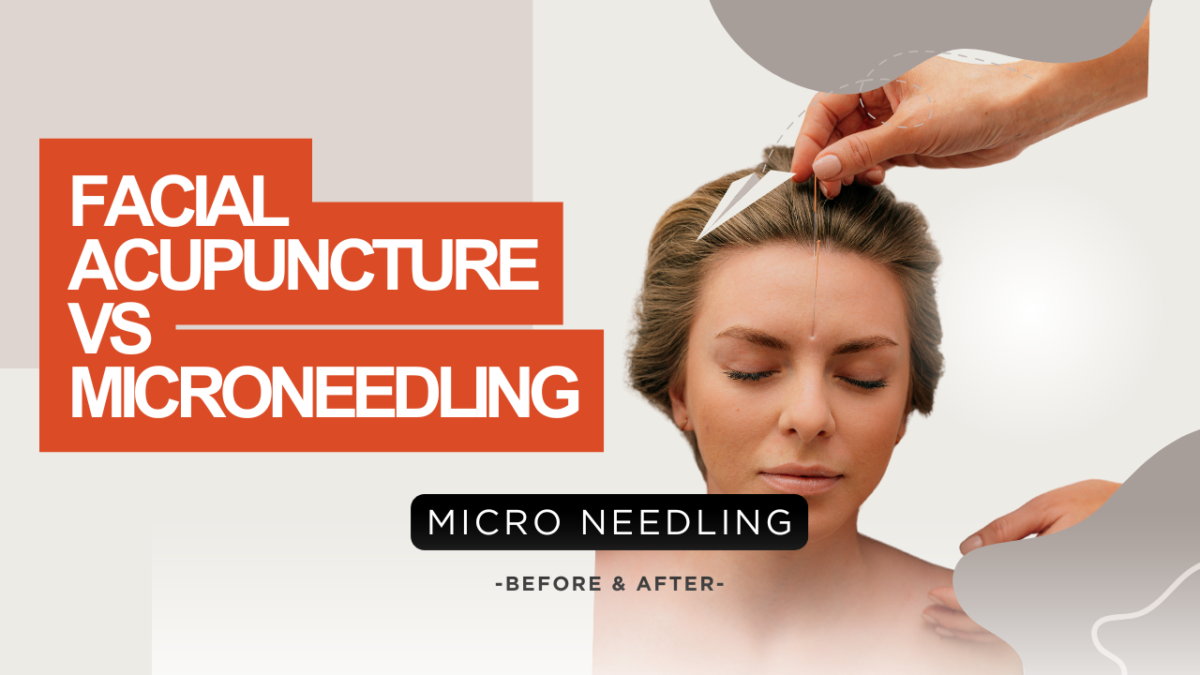
Facial Acupuncture Vs Microneedling

In the world of skincare and beauty treatments, there are numerous options available to target specific concerns and achieve desired results. Two popular treatments that are gaining attention are facial acupuncture and microneedling. Both treatments offer unique benefits and can be effective in addressing various skin issues, but how do you know which one is right for you? In this article, I will discuss the differences between facial acupuncture and microneedling to help you make an informed decision about which treatment may be best suited for your skin concerns.

Facial Acupuncture

Facial acupuncture is a traditional Chinese medicine practice that dates back thousands of years. This treatment involves inserting thin needles into specific points on the face to stimulate circulation, increase collagen production, and promote overall skin health. Facial acupuncture is often referred to as a natural facelift, as it can improve skin tone, reduce fine lines and wrinkles, and enhance the overall appearance of the skin.

Microneedling

Microneedling, on the other hand, is a more modern skincare treatment that involves using a device with tiny needles to create micro-injuries in the skin. These micro-injuries stimulate the body’s natural healing process, triggering collagen and elastin production, leading to improved skin texture, tone, and firmness. Microneedling is commonly used to address acne scars, hyperpigmentation, and fine lines, making it a versatile option for those looking to rejuvenate their skin.

Key Differences

While both facial acupuncture and microneedling can deliver impressive results, there are key differences between the two treatments that may influence your decision.

Criteria Facial Acupuncture Microneedling
Treatment Process Involves inserting needles at specific acupuncture points on the face Utilizes a device with tiny needles to create micro-injuries in the skin
Targeted Concerns Focuses on improving skin health, reducing signs of aging, and enhancing overall skin tone Effective for treating acne scars, hyperpigmentation, fine lines, and wrinkles
Recovery Time Minimal downtime, with some redness or bruising that typically fades within a few days Requires downtime for skin to heal and recover, usually a few days to a week depending on the intensity of treatment
Pain Level Generally painless or may cause mild discomfort Can range from mild to moderate discomfort, depending on the depth and intensity of the treatment
Number of Sessions Recommended as a series of treatments, with maintenance sessions for long-term results Typically requires multiple sessions spaced several weeks apart, with results becoming more noticeable over time
Cost Can vary depending on the practitioner and location, generally on the higher end Cost-effective in comparison to other skin rejuvenation treatments, with prices varying based on the provider and location

Which Treatment is Right for You?

Choosing between facial acupuncture and microneedling ultimately depends on your skin concerns, goals, and preferences. If you are looking to improve overall skin health, reduce signs of aging, and achieve a natural facelift effect, facial acupuncture may be the ideal choice for you. On the other hand, if you are targeting specific concerns such as acne scars, hyperpigmentation, or fine lines, microneedling could be more suitable for your needs.

When deciding between the two treatments, it is essential to consult with a skincare professional or dermatologist who can assess your skin condition, discuss your goals, and recommend the most appropriate treatment option. Keep in mind that individual results may vary, and a customized treatment plan can help you achieve optimal outcomes based on your unique skin type and concerns.

Conclusion

In conclusion, both facial acupuncture and microneedling are effective skincare treatments with their own set of benefits and considerations. Whether you choose facial acupuncture for its holistic approach to skin health or opt for microneedling to target specific skin concerns, it’s essential to prioritize your skincare needs and work with a qualified professional to achieve the best results.

Remember to do your research, ask questions, and consider factors such as downtime, cost, pain level, and desired outcomes when selecting a skincare treatment. By understanding the key differences between facial acupuncture and microneedling, you can make an informed decision that aligns with your skincare goals and preferences. Your skin deserves the best care, so choose wisely and enjoy the transformative results these treatments can offer.
Face Burning After Microneedling

Face Burning After Microneedling

I recently experienced a burning sensation on my face after undergoing a microneedling procedure, and I was left feeling concerned and unsure about what was happening to my skin. In this article, I will delve into the reasons why your face may be burning after microneedling, what you can do to alleviate the discomfort, and when it may be necessary to seek medical advice.

Understanding Microneedling

Microneedling is a popular cosmetic procedure that involves using fine needles to create tiny punctures in the skin. These micro-injuries stimulate the body’s natural healing processes, leading to increased collagen production and skin rejuvenation. While microneedling can help improve the appearance of wrinkles, acne scars, and uneven skin tone, the procedure can also cause temporary side effects such as redness, swelling, and sensitivity.

Possible Causes of Face Burning After Microneedling

If you are experiencing a burning sensation on your face after microneedling, it is essential to understand the possible causes of this discomfort. While some level of redness and sensitivity is normal after the procedure, persistent burning may indicate an underlying issue that needs to be addressed.

Skin Irritation

One common cause of face burning after microneedling is skin irritation. The tiny punctures created by the microneedles can make your skin more sensitive and prone to irritation from skincare products, sun exposure, or other external factors. If you have sensitive skin or a history of allergic reactions, you may be more susceptible to skin irritation following a microneedling session.

Inflammation

Inflammation is another factor that can contribute to a burning sensation on the skin after microneedling. The body’s natural response to the micro-injuries caused by the procedure can lead to redness, swelling, and discomfort. In some cases, the inflammation may be more severe, causing a burning or stinging sensation that lingers for an extended period.

Allergic Reaction

In rare cases, a burning sensation after microneedling may be due to an allergic reaction to the products used during the procedure. Some topical serums or numbing creams applied before or after microneedling may contain ingredients that your skin is sensitive to, leading to irritation, redness, and burning. If you suspect that you are having an allergic reaction, it is essential to seek medical attention immediately.

Tips to Alleviate Burning Sensation

If you are experiencing a burning sensation on your face after microneedling, there are several steps you can take to alleviate the discomfort and promote healing. While some level of redness and sensitivity is normal after the procedure, persistent burning may require additional care and attention.

Apply a Cooling Mask

To soothe the burning sensation on your skin, consider applying a cooling mask or gel. Products containing aloe vera, cucumber extract, or hyaluronic acid can help reduce inflammation and provide relief from discomfort. Place the cooling mask in the refrigerator before use to enhance its soothing effects.

Avoid Harsh Skincare Products

After microneedling, it is essential to avoid using harsh skincare products that may further irritate your skin. Opt for gentle, hydrating cleansers, serums, and moisturizers that are free of fragrances, dyes, and alcohol. Look for products specifically formulated for post-microneedling care to help maintain the skin’s barrier function and promote healing.

Protect Your Skin from the Sun

Exposure to sunlight can exacerbate the burning sensation on your face after microneedling. Wear a broad-spectrum sunscreen with an SPF of 30 or higher to protect your skin from harmful UV rays. Avoid direct sun exposure, especially during peak hours, and consider wearing a wide-brimmed hat or sunglasses for added protection.

Stay Hydrated

Drinking an adequate amount of water is essential for maintaining skin hydration and promoting healing after microneedling. Dehydrated skin is more prone to irritation, redness, and discomfort, so be sure to drink plenty of water throughout the day. Consider using a humidifier to add moisture to the air and prevent dryness in your skin.

When to Seek Medical Advice

While some level of redness and sensitivity is normal after microneedling, persistent burning or discomfort may indicate a more serious issue that requires medical attention. If you are experiencing severe pain, blistering, itching, or unusual swelling, it is essential to seek advice from a dermatologist or healthcare provider.

Signs of Infection

In rare cases, a burning sensation after microneedling may be a sign of infection in the skin. Symptoms of infection include redness, warmth, tenderness, pus or discharge, and fever. If you suspect that your skin may be infected, seek medical attention immediately for proper diagnosis and treatment.

Delayed Healing

While some redness and sensitivity are normal after microneedling, the skin should start to heal within a few days of the procedure. If you notice that your skin is not improving or that the burning sensation is worsening over time, consult with a healthcare provider to assess the underlying cause and determine the best course of action.

Allergic Reaction

If you suspect that you are having an allergic reaction to the products used during microneedling, it is crucial to seek medical advice promptly. Allergic reactions can range from mild irritation to severe swelling and difficulty breathing, so it is essential to receive proper care and treatment to prevent further complications.

Conclusion

Experiencing a burning sensation on your face after microneedling can be concerning, but by understanding the possible causes and following the tips mentioned in this article, you can alleviate the discomfort and promote healing. Remember to apply a cooling mask, avoid harsh skincare products, protect your skin from the sun, and stay hydrated to help your skin recover from the procedure. If the burning sensation persists or worsens, seek medical advice to address any underlying issues and ensure proper care and treatment.

Are You Supposed To Tip For Microneedling

As a professional in the beauty and skincare industry, the question of tipping can often be a complicated one. Microneedling is a popular skincare treatment that involves using tiny needles to create micro-injuries in the skin, stimulating collagen production and improving the overall texture and appearance of the skin. If you’ve ever wondered whether or not you are supposed to tip for microneedling, you’re not alone. In this article, I will break down the etiquette surrounding tipping for microneedling treatments and provide you with some guidance on how to handle this aspect of your skincare routine.

What is Microneedling?

Microneedling, also known as collagen induction therapy, is a minimally invasive skin rejuvenation treatment that involves using a device with fine needles to create tiny punctures in the skin. These micro-injuries stimulate the body’s natural wound healing processes, resulting in increased collagen and elastin production. This leads to improved skin texture, reduced scarring, and overall skin rejuvenation.

The microneedling process typically involves cleansing the skin, applying a topical numbing cream, and then using a handheld device to create controlled micro-injuries in the skin. After the treatment, the skin may appear slightly red and feel sensitive, similar to a mild sunburn. Over the following days, the skin will begin to heal and regenerate, resulting in smoother, more youthful-looking skin.

Factors to Consider When Deciding Whether to Tip

When deciding whether or not to tip for microneedling, there are a few factors to consider. The first is the location of your treatment. If you are receiving microneedling at a medical spa or dermatologist’s office, tipping may not be expected or even allowed, as these locations are typically considered medical settings. On the other hand, if you are receiving microneedling at a salon or spa, tipping may be more common, as these locations are often considered service-based businesses.

Another factor to consider is the cost of the treatment. If your microneedling treatment is on the more expensive side, tipping may be less expected, as the price of the treatment likely already includes a professional fee. However, if your treatment is on the lower end of the price spectrum, tipping may be more common, as it is a way to show appreciation for the service provided.

Etiquette Surrounding Tipping for Microneedling

In general, tipping for medical procedures such as microneedling is not common or expected. However, if you are receiving microneedling at a spa or salon, tipping may be more commonplace. When deciding whether or not to tip for microneedling, it is always a good idea to consider the following etiquette guidelines:

  • Check the policy: Before your microneedling treatment, it is a good idea to check with the establishment to see what their tipping policy is. Some spas and salons include a service charge in the cost of the treatment, while others leave it up to the client to decide whether or not to tip.
  • Consider the service: If you feel that your microneedling provider went above and beyond to make your experience enjoyable and comfortable, tipping is a nice way to show your appreciation. However, if the service was simply standard, tipping may not be necessary.
  • Tip accordingly: If you do decide to tip for your microneedling treatment, the standard tipping etiquette of 15-20% of the total cost of the treatment applies. You can give the tip directly to your provider or leave it at the front desk when you check out.

Alternatives to Tipping for Microneedling

If you prefer not to tip for your microneedling treatment, there are alternative ways to show your appreciation for the service provided. Here are a few suggestions:

  • Leave a positive review: Leaving a positive review online or on social media is a great way to show your appreciation for your microneedling provider. This not only boosts their reputation but also helps other potential clients make informed decisions about their skincare treatments.
  • Refer a friend: If you were happy with your microneedling treatment, consider referring a friend or family member to the same provider. Word-of-mouth referrals are incredibly valuable to small businesses and can help them attract new clients.
  • Purchase products: If your microneedling provider sells skincare products or other beauty items, consider making a purchase to support their business. This not only benefits the provider but also allows you to continue your skincare routine at home.

Conclusion

In conclusion, the etiquette surrounding tipping for microneedling treatments can be somewhat ambiguous. While tipping is not typically expected for medical procedures, it may be more common in spa or salon settings. When deciding whether or not to tip for your microneedling treatment, it is important to consider factors such as the location of the treatment, the cost of the service, and the quality of the service provided.

Ultimately, the decision to tip for microneedling is a personal one and may vary depending on your individual circumstances. If you do choose to tip, remember to do so in accordance with standard tipping etiquette, and consider alternative ways to show your appreciation if tipping is not your preference.

Thank you for taking the time to read this article on tipping for microneedling treatments. I hope that you found the information provided helpful in navigating this aspect of your skincare routine. If you have any further questions or concerns, please do not hesitate to reach out to me for more information.

en_USEnglish