google.com, pub-2032008856654686, DIRECT, f08c47fec0942fa0

Microneedling Under Eyes Side Effects

Discover the possible side effects of microneedling under the eyes and how to mitigate them. Learn about redness, swelling, bruising, and more.

Microneedling, a popular cosmetic procedure, has gained attention for its potential benefits in rejuvenating the skin. However, when it comes to the delicate area under the eyes, it is important to be aware of the potential side effects that may arise. Microneedling under eyes can lead to temporary redness, swelling, and even bruising, as the skin in this area is particularly thin and sensitive. While microneedling can offer significant improvements in the appearance of fine lines and wrinkles, it is crucial to consult with a trained professional who can assess your specific needs and ensure the procedure is performed safely and effectively. In this article, we will explore the potential side effects of microneedling under the eyes and provide guidance on how to mitigate any discomfort or complications that may arise.

Microneedling Under Eyes Side Effects

Causes of Microneedling Under Eyes Side Effects

Improper technique

One of the main causes of side effects when undergoing microneedling under the eyes is the use of improper technique. Microneedling is a delicate procedure, and it requires skilled hands and precise movements. If the technician performing the treatment uses excessive pressure or fails to follow the correct procedure, it can result in adverse effects. For instance, if the needles are inserted too deeply or at the wrong angle, it can cause damage to the skin, leading to complications such as scarring or hyperpigmentation.

Low quality tools

Another cause of microneedling under eyes side effects is the use of low-quality tools. Microneedling requires the use of specialized devices that have fine needles. These needles should be properly sterilized and made from high-quality materials to ensure safety and efficiency. If low-quality needles are used, they may cause skin irritation, infection, or discomfort during the procedure. It is essential to choose a reputable clinic that uses top-notch tools to minimize the risk of complications.

Product sensitivity

The products used during microneedling under the eyes can also contribute to side effects. Some individuals may have skin sensitivities or allergies to certain ingredients commonly found in skincare products. If these products are used during the microneedling procedure, it can lead to redness, inflammation, or even allergic reactions. It is crucial to inform the technician about any known allergies or sensitivities before the treatment to ensure that suitable products are used.

Common Microneedling Under Eyes Side Effects

Redness and inflammation

One of the most common side effects experienced after microneedling under the eyes is redness and inflammation. This occurs because the procedure involves creating controlled micro-injuries to the skin, which stimulates the body’s natural healing response. As a result, blood flow increases in the treated area, causing redness. While this is a normal reaction, it typically subsides within a few days.

Swelling and bruising

Swelling and bruising are also commonly experienced side effects after microneedling under the eyes. The micro-injuries created during the procedure can lead to fluid buildup, resulting in swelling. Additionally, some individuals may have a tendency to bruise more easily, which can be exacerbated by the microneedling process. Swelling and bruising usually resolve within a week or two but can vary depending on an individual’s healing process.

Dryness and flaking

After microneedling under the eyes, it is not uncommon to experience dryness and flaking of the skin. The micro-injuries can disrupt the skin’s natural moisture barrier, leading to temporary dryness. As part of the healing process, the treated area may also start to shed dead skin cells, resulting in flaking. It is important to keep the skin moisturized during this time and avoid using harsh products that can further dry out the skin.

Sensitivity and tenderness

Following microneedling under the eyes, some individuals may experience increased sensitivity and tenderness in the treated area. This is a normal response as the skin is in the process of healing. During this time, it is essential to avoid any excessive rubbing or touching of the area to prevent further irritation. Applying a gentle moisturizer can help soothe the skin and alleviate discomfort.

Serious Microneedling Under Eyes Side Effects

Infection

Although rare, there is a risk of infection after microneedling under the eyes. The micro-injuries created during the procedure can introduce bacteria into the skin, leading to infection. It is crucial to ensure that the treatment is performed in a sterile environment using sterile instruments. Additionally, proper aftercare, including regular cleaning and the application of prescribed antibiotics or antiseptics, can help minimize the risk of infection.

Scarring

Scarring is another serious side effect that can occur after microneedling under the eyes. Improper technique, excessive pressure, or inadequate aftercare can contribute to the formation of scars. It is imperative to choose a qualified professional who has experience in performing microneedling treatments to minimize the risk of scarring. If scarring does occur, various treatment options, such as laser therapy or scar creams, may be available to improve their appearance.

Hyperpigmentation

Hyperpigmentation, or the darkening of the skin, can be a potential side effect of microneedling under the eyes. This is more common in individuals with darker skin tones. The micro-injuries caused by the procedure can stimulate the production of melanin, resulting in uneven skin pigmentation. Proper sun protection and the use of skin-lightening products can help reduce the risk and appearance of hyperpigmentation.

Eye irritation

Microneedling under the eyes can sometimes lead to eye irritation, particularly if the procedure is not performed with precision. The close proximity of the needle to the delicate eye area can cause discomfort, redness, or even damage to the eyes. It is crucial for the technician to take extra care when working around the eyes and for the patient to communicate any discomfort or concerns during the procedure.

Preventing Microneedling Under Eyes Side Effects

Choose a qualified professional

To prevent microneedling under eyes side effects, it is essential to choose a qualified professional who has expertise in performing the procedure. Look for technicians who have received proper training and certification in microneedling. Additionally, consider their experience and reputation by reading online reviews or asking for personal recommendations. Consulting with a qualified professional will ensure that the procedure is performed safely and effectively.

Use high-quality tools and products

To minimize the risk of side effects, ensure that high-quality tools and products are used during the microneedling under the eyes procedure. This includes using sterile needles that are made from top-notch materials. Similarly, the products applied before, during, and after the treatment should be suitable for the individual’s skin type and free from harsh chemicals or irritants. High-quality tools and products will contribute to a safer and more effective treatment.

Follow aftercare instructions

Proper aftercare is crucial to prevent and minimize microneedling under eyes side effects. The technician should provide detailed aftercare instructions that should be followed diligently. This may include avoiding excessive sun exposure, using prescribed skincare products, and refraining from using makeup or other potentially irritating products immediately after the procedure. Following these instructions will promote faster healing and reduce the risk of complications.

Avoid sun exposure and harsh products

After microneedling under the eyes, it is important to avoid prolonged sun exposure and the use of harsh skincare products. The skin is more vulnerable and sensitive during the healing process, and sun exposure can further damage the skin and increase the risk of hyperpigmentation. Additionally, using harsh products that contain strong chemicals can irritate the skin and hinder the healing process. Opt for gentle and soothing skincare products until the skin has fully recovered.

Treating Microneedling Under Eyes Side Effects

Apply cold compresses

To alleviate any discomfort or swelling after microneedling under the eyes, applying cold compresses can be helpful. Cold temperatures help reduce inflammation and constrict blood vessels, which helps minimize swelling. Wrap a clean cloth or ice pack in a thin towel and gently place it on the treated area for about 10-15 minutes at a time, taking breaks in between. Avoid applying ice directly to the skin to prevent ice burns.

Use gentle moisturizers

Dryness and flaking are common side effects after microneedling, and using gentle moisturizers can help alleviate these symptoms. Look for moisturizers that are specifically formulated for sensitive or post-procedure skin. Choose products that are fragrance-free, hypoallergenic, and non-comedogenic to avoid further irritation. Apply a thin layer of moisturizer to the treated area and gently massage it into the skin, allowing it to absorb completely.

Avoid rubbing or touching the area

After microneedling under the eyes, it is crucial to avoid rubbing or touching the treated area. The skin is in the process of healing and is susceptible to damage or infection. Rubbing or scratching the area can also exacerbate redness, swelling, and tenderness. If you experience any itching or discomfort, try gently tapping or patting the skin instead of rubbing it. Be mindful not to pick at any scabs that may form.

Seek professional advice

If you experience any severe or prolonged side effects after microneedling under the eyes, it is essential to seek professional advice. Reach out to the technician who performed the treatment or consult with a dermatologist. They can assess your condition, provide appropriate guidance, and recommend any necessary treatments or medications. Seeking professional advice will ensure that any complications are addressed promptly and effectively.

Microneedling Under Eyes Vs. Other Treatments

Microneedling versus chemical peels

Microneedling and chemical peels are both popular treatments for various skin concerns, including under-eye issues. While chemical peels involve the application of chemical solutions to exfoliate and improve the skin’s appearance, microneedling utilizes tiny needles to create controlled injuries and stimulate collagen production. Microneedling is generally more suitable for sensitive areas, such as under the eyes, as it allows for greater precision and customization.

Microneedling versus laser resurfacing

Laser resurfacing and microneedling are both effective treatments for improving the appearance of the under-eye area. Laser resurfacing uses laser technology to remove damaged skin layers, while microneedling stimulates collagen production through controlled micro-injuries. Each treatment has its own benefits and considerations. Microneedling is typically less invasive, has minimal downtime, and is suitable for all skin types, whereas laser resurfacing may be more suitable for specific concerns or skin types.

Microneedling versus dermal fillers

Microneedling and dermal fillers are different approaches to addressing under-eye concerns. Microneedling works by stimulating the body’s natural collagen production, leading to improved skin texture and appearance. On the other hand, dermal fillers involve injecting hyaluronic acid or other fillers to add volume and smooth out wrinkles or hollows under the eyes. The choice between microneedling and dermal fillers depends on the individual’s specific concerns, desired outcomes, and the advice of a qualified professional.

Microneedling Under Eyes Side Effects

When to Avoid Microneedling Under Eyes

Active acne or skin infections

If you have active acne or skin infections in the area where microneedling under the eyes would be performed, it is best to avoid the treatment. Microneedling can spread bacteria and potentially worsen the existing condition. It is important to treat any active acne or infections before considering microneedling to ensure a safer and more effective procedure.

Recent use of Accutane

If you have recently used Accutane or any other medication containing isotretinoin, it is advisable to avoid microneedling under the eyes. These medications can thin the skin and make it more susceptible to injury or complications during the procedure. It is crucial to consult with a dermatologist and follow their recommendations regarding the appropriate timeline between stopping Accutane and undergoing microneedling.

Pregnancy or breastfeeding

During pregnancy or while breastfeeding, it is generally recommended to avoid microneedling under the eyes. The hormonal changes that occur during these periods can affect the skin’s sensitivity and healing process. Additionally, some topical numbing creams or skincare products used during the procedure may not be suitable for pregnant or breastfeeding individuals. It is best to consult with a healthcare professional before undergoing any cosmetic treatments during this time.

Certain medical conditions

Individuals with certain medical conditions should exercise caution or avoid microneedling under the eyes altogether. Conditions such as bleeding disorders, keloid scarring, active skin infections, or immunosuppressive disorders may increase the risk of complications during or after the procedure. It is crucial to disclose any relevant medical information to the technician or dermatologist to ensure a safe and suitable treatment plan.

Consulting a Professional

Importance of consultation

Consulting with a professional before undergoing microneedling under the eyes is of utmost importance. This initial consultation allows the technician or dermatologist to evaluate your skin, discuss your concerns, and determine whether you are a suitable candidate for the procedure. During the consultation, they can also provide detailed information about the treatment process, potential risks, and expected results. This allows you to make an informed decision and ensures that your treatment plan is tailored to your individual needs.

Finding a qualified professional

When searching for a qualified professional to perform microneedling under the eyes, it is essential to consider their credentials and experience. Look for technicians or dermatologists who have undergone specific training in microneedling and have a proven track record of successful treatments. You can verify their qualifications by asking for certifications, reading reviews or testimonials, or seeking recommendations from trusted sources. Choosing a qualified professional will give you peace of mind and increase the likelihood of achieving satisfactory results.

Questions to ask during the consultation

During the consultation for microneedling under the eyes, it is important to ask relevant questions to clarify any concerns or uncertainties you may have. Some questions you may consider asking include:

  • What qualifications or certifications do you have in performing microneedling?
  • How many microneedling procedures have you performed, specifically under the eyes?
  • What are the potential side effects and risks associated with microneedling under the eyes?
  • What is the expected downtime and recovery process?
  • Can you provide before and after photos of previous patients who have undergone microneedling under the eyes?
  • What are the alternatives to microneedling for addressing under-eye concerns?
  • Can you provide a detailed cost breakdown for the treatment?
  • What is the recommended aftercare routine?
  • Do you offer any guarantees or revision options in case of unsatisfactory results?
  • What are the long-term effects of microneedling under the eyes?

By asking these questions and addressing any concerns, you can ensure that you have all the necessary information to make an informed decision about your microneedling treatment.

Microneedling Under Eyes Side Effects

Real-Life Experiences and Testimonials

Positive experiences

Many individuals have had positive experiences with microneedling under the eyes, reporting improvements in the appearance of fine lines, wrinkles, and dark circles. They have found that microneedling has helped tighten and rejuvenate the delicate skin around the eyes, resulting in a more youthful and refreshed look. These individuals often emphasize the importance of choosing a qualified professional, following proper aftercare instructions, and having realistic expectations when undergoing the treatment.

Negative experiences

While microneedling under the eyes can yield positive outcomes, negative experiences have also been reported. Some individuals have experienced prolonged redness, swelling, or irritation after the procedure. Others have found that their under-eye concerns were not adequately addressed or worsened after microneedling. These negative experiences often stem from the use of improper technique, low-quality tools, or inadequate aftercare. It is crucial to thoroughly research and choose a reputable professional to minimize the risk of negative outcomes.

Importance of individual variations

It is essential to recognize that individual responses to microneedling under the eyes can vary. Factors such as skin type, the severity of under-eye concerns, and an individual’s overall health can impact the treatment’s effectiveness and side effects. What may work well for one person may not yield the same results for another. It is important to consult with a qualified professional who can assess your specific needs and recommend a customized treatment plan based on your unique circumstances.

Conclusion

Microneedling under the eyes is an increasingly popular aesthetic treatment that can help improve the appearance of various under-eye concerns. While the procedure can yield positive results, it is essential to be aware of the potential side effects and take necessary precautions to minimize any risks. Choosing a qualified professional, using high-quality tools and products, and following proper aftercare instructions are crucial in ensuring a safe and effective treatment. By consulting with a professional and discussing your concerns, you can make an informed decision and achieve the desired outcomes while minimizing the chances of adverse effects. Remember, individual experiences can vary, and it is vital to approach microneedling under the eyes with realistic expectations and a commitment to proper care.

Can You Microneedle Under Eyes?

Can you microneedle under eyes? Learn about the benefits, risks, and expert opinions on microneedling in this delicate area. Discover the techniques and products for under-eye microneedling for specific concerns. Get ready to rejuvenate your under-eye skin!

Are you curious about the potential of microneedling for under-eye areas? In this article, we will explore the question: Can You Microneedle Under Eyes? Delving into the topic, we will discuss the benefits and considerations of microneedling in this delicate area, providing you with valuable insights and information. So, prepare to discover the fascinating world of microneedling and its possibilities for rejuvenating your under-eye skin!

Can You Microneedle Under Eyes?

What is Microneedling?

Microneedling, also known as collagen induction therapy, is a minimally invasive cosmetic procedure that involves the use of tiny needles to create small punctures in the skin. These micro-injuries stimulate the skin’s natural healing process, resulting in the production of new collagen and elastin. Microneedling can be performed on various parts of the body, including the face, to improve the appearance of scars, wrinkles, and uneven skin texture.

Definition of Microneedling

Microneedling is a cosmetic procedure that uses a handheld device with tiny needles to create controlled punctures in the skin. These punctures trigger the body’s natural healing response, stimulating the production of collagen and elastin. The newly formed collagen helps to repair and rejuvenate the skin, resulting in a smoother, firmer, and more youthful appearance.

Benefits of Microneedling

Microneedling offers a range of benefits for the skin. By promoting collagen production and increasing cell turnover, it can help improve the overall texture and tone. Some of the key benefits of microneedling include:

  1. Reduction of fine lines and wrinkles: Microneedling stimulates collagen production, which can help fill in fine lines and wrinkles, resulting in a smoother and more youthful-looking complexion.
  2. Improvement in scars: Microneedling can help minimize the appearance of acne scars, surgical scars, and other types of scars by promoting the growth of new, healthy skin cells.
  3. Enhanced absorption of skincare products: The tiny micro-channels created by microneedling allow skincare products to penetrate more deeply into the skin, maximizing their effectiveness.
  4. Reduction of hyperpigmentation: Microneedling can help lighten dark spots and hyperpigmentation by promoting the turnover of skin cells and encouraging a more even distribution of melanin.
  5. Tightening of loose skin: By stimulating collagen production, microneedling can improve skin elasticity and firmness, resulting in a tighter and more lifted appearance.

Procedure of Microneedling

During a microneedling session, a trained professional will cleanse the skin and apply a numbing cream if needed. They will then use a handheld device with fine needles to create controlled punctures in the skin. The depth of the needles may vary depending on the specific concerns and target area. The procedure is usually well-tolerated and typically takes around 30 minutes to an hour, depending on the area being treated.

After the microneedling session, the skin may appear slightly red or irritated, similar to a mild sunburn. This is a normal and temporary side effect. A skincare professional may apply soothing serums or moisturizers to calm the skin and promote healing. Multiple sessions may be recommended for optimal results, usually spaced several weeks apart to allow for proper collagen regeneration.

Microneedling on the Face

Target Areas of Microneedling on the Face

Microneedling on the face can be performed on various target areas to address specific concerns. Some common target areas include:

  1. Forehead: Microneedling the forehead can help reduce the appearance of forehead lines, wrinkles, and frown lines.
  2. Cheeks: Microneedling the cheeks can improve the texture and tone, minimize the appearance of enlarged pores, and promote a more youthful-looking complexion.
  3. Nasolabial folds: Microneedling the nasolabial folds, also known as smile lines, can help soften their appearance and reduce the signs of aging.
  4. Chin: Microneedling the chin area can target fine lines, wrinkles, and sagging skin, resulting in a more lifted and defined jawline.
  5. Lip lines: Microneedling around the lips can help diminish the appearance of vertical lip lines, also known as smoker’s lines, and improve the overall texture of the lips.

Safety Precautions

While microneedling is generally considered safe, there are a few precautions to keep in mind when undergoing the procedure on the face:

  1. Avoid active breakouts: It is best to avoid microneedling over active acne or inflamed skin, as it can potentially spread bacteria and worsen the condition. It is advisable to wait until the acne is under control before considering the procedure.
  2. Use a clean device: Ensure that the microneedling device is properly cleaned and sterilized before each use to minimize the risk of infection or cross-contamination.
  3. Sun protection: Following microneedling, the skin may be more sensitive to the sun’s rays. It is essential to apply a broad-spectrum sunscreen of SPF 30 or higher and limit sun exposure for a few days after the procedure.
  4. Seek professional guidance: Microneedling should be performed by a trained and experienced professional to ensure proper technique and safety. DIY microneedling at home is not recommended, as it can increase the risk of complications and may not yield optimal results.

Results on the Face

Microneedling on the face can yield noticeable improvements in the overall skin texture, tone, and appearance. While individual results may vary, many people experience the following benefits:

  1. Smoother skin: Microneedling stimulates collagen production, which can help reduce the appearance of fine lines, wrinkles, and acne scars, resulting in smoother and more evenly textured skin.
  2. Improved skin radiance: The increased cell turnover and collagen production can lead to a brighter and more radiant complexion.
  3. Reduced pore size: Microneedling can help minimize the appearance of enlarged pores, making the skin appear smoother and more refined.
  4. Enhanced skincare product absorption: The creation of micro-channels in the skin allows skincare products to penetrate deeper, maximizing their effectiveness in addressing specific concerns.

While microneedling can provide significant improvements, it is important to maintain realistic expectations and understand that multiple sessions may be required to achieve the desired results.

Can You Microneedle Under Eyes?

Concerns with Microneedling Under Eyes

Delicate Skin under the Eyes

The skin under the eyes is thinner and more delicate compared to the rest of the face. Therefore, special care must be taken when considering microneedling in this area. The delicate nature of the under-eye skin raises concerns about the potential risks and side effects associated with microneedling.

Risks and Side Effects

Microneedling under the eyes carries certain risks and side effects that need to be considered. These may include:

  1. Increased sensitivity: The delicate under-eye skin may be more sensitive and prone to irritation following microneedling, leading to temporary redness, swelling, or mild discomfort.
  2. Bruising: The superficial blood vessels present in the under-eye area may be more prone to bruising during the microneedling process.
  3. Prolonged downtime: Compared to other areas of the face, the under-eye area may require more downtime for proper healing and recovery.
  4. Infection: If proper sterilization protocols are not followed or if the skin is not adequately cleansed before the procedure, there is a risk of infection.

Expert Opinions

When it comes to microneedling under the eyes, it is advisable to seek the opinion and guidance of a skincare professional or dermatologist. Their expertise and experience will help determine whether microneedling is suitable for your specific under-eye concerns and skin type. They can provide personalized recommendations and treatment plans to address your individual needs, minimizing the risk of potential complications.

Using Microneedling for Under Eye Concerns

Specific Under Eye Issues

Microneedling can be used to address a variety of under-eye concerns, including:

  1. Fine lines and wrinkles: Microneedling can help stimulate collagen production in the under-eye area, reducing the appearance of fine lines and wrinkles.
  2. Dark circles: By promoting cell turnover and improving blood circulation, microneedling may help minimize the appearance of dark circles under the eyes.
  3. Under-eye bags or puffiness: Microneedling can stimulate lymphatic drainage and help reduce fluid retention, leading to a reduction in under-eye bags or puffiness.

Different Techniques for Under Eye Microneedling

Due to the delicate nature of the under-eye area, different techniques may be employed when performing microneedling in this specific region. These techniques include:

  1. Adjusted needle length: The length of the microneedles used for under-eye microneedling is typically shorter than those used for other areas of the face. This helps ensure optimal penetration without causing excessive trauma to the delicate skin.
  2. Gentle pressure: Skincare professionals may apply less pressure during under-eye microneedling to minimize discomfort and potential side effects.
  3. Cross-hatch pattern: To address specific concerns like fine lines under the eyes, a cross-hatch pattern may be used during microneedling to stimulate collagen production and improve overall skin texture.

Products for Under Eye Microneedling

Certain specialty products can enhance the effectiveness of microneedling for under-eye concerns. These may include:

  1. Nourishing eye creams: After microneedling, it is important to use gentle and nourishing eye creams or serums specifically formulated for the under-eye area. Look for products that contain hyaluronic acid, vitamin C, or peptides to promote healing and hydration.
  2. Cooling and calming masks: Applying a cooling or calming mask after under-eye microneedling can help soothe the skin, reduce redness, and promote healing.

When using any products after microneedling, it is crucial to ensure that they are suitable for use on the delicate under-eye skin and do not contain potentially irritating ingredients.

Can You Microneedle Under Eyes?

Benefits of Microneedling Under Eyes

Improvement in Fine Lines and Wrinkles

Microneedling can stimulate collagen production in the under-eye area, which can help reduce the appearance of fine lines and wrinkles. The growth of new collagen fibers can enhance the skin’s elasticity and smoothness, resulting in a more youthful and rejuvenated look.

Reduced Appearance of Dark Circles

Microneedling may also help minimize the appearance of dark circles under the eyes. By promoting cell turnover and stimulating blood circulation, it can address the underlying causes of dark circles, such as thinning skin and poor microcirculation.

Boosting Collagen Production

Collagen is a key protein responsible for maintaining the skin’s structure and elasticity. Microneedling triggers the production of new collagen, which can improve the overall quality and texture of the under-eye area. The increased collagen production can help plump the skin, fill in fine lines, and create a smoother appearance.

Preparation for Under Eye Microneedling

Consultation with a Professional

Before undergoing microneedling on the under-eye area, it is important to have a consultation with a skincare professional or dermatologist. They will assess your specific concerns, evaluate your skin type, and recommend the most appropriate treatment plan. During the consultation, be sure to discuss any medical conditions, allergies, or current medications that may affect the procedure.

Pre-Treatment Preparations

To ensure the best possible results and minimize the risk of complications, it is essential to follow any pre-treatment preparations recommended by your skincare professional. These may include:

  1. Avoiding certain skincare products: Your skincare professional may advise you to discontinue the use of retinoids, exfoliants, or any other potentially irritating products in the days leading up to the treatment.
  2. Staying hydrated: Proper hydration is crucial for optimal skin health and healing. Drinking an adequate amount of water in the days prior to microneedling can help promote better results and faster recovery.
  3. Avoiding sun exposure: Protecting your skin from the sun’s harmful UV rays is important before and after microneedling. Minimize sun exposure and use a broad-spectrum sunscreen of at least SPF 30 to shield the skin from damage.

Numbing Cream for Comfort

To ensure a comfortable experience during under-eye microneedling, a numbing cream or gel may be applied to the treated area. This helps reduce any potential discomfort that may occur during the procedure. However, it is important to note that different individuals have varying pain thresholds, and while numbing cream can help minimize discomfort, it may not completely eliminate it.

Procedure for Microneedling Under Eyes

Step-by-Step Guide

When undergoing microneedling on the under-eye area, the following steps are typically involved:

  1. Cleansing: The under-eye area will be thoroughly cleansed to remove any makeup, dirt, or oils from the skin.
  2. Numbing: If a numbing cream or gel is recommended, it will be applied to the area and left on for the specified duration to ensure optimal numbing effect.
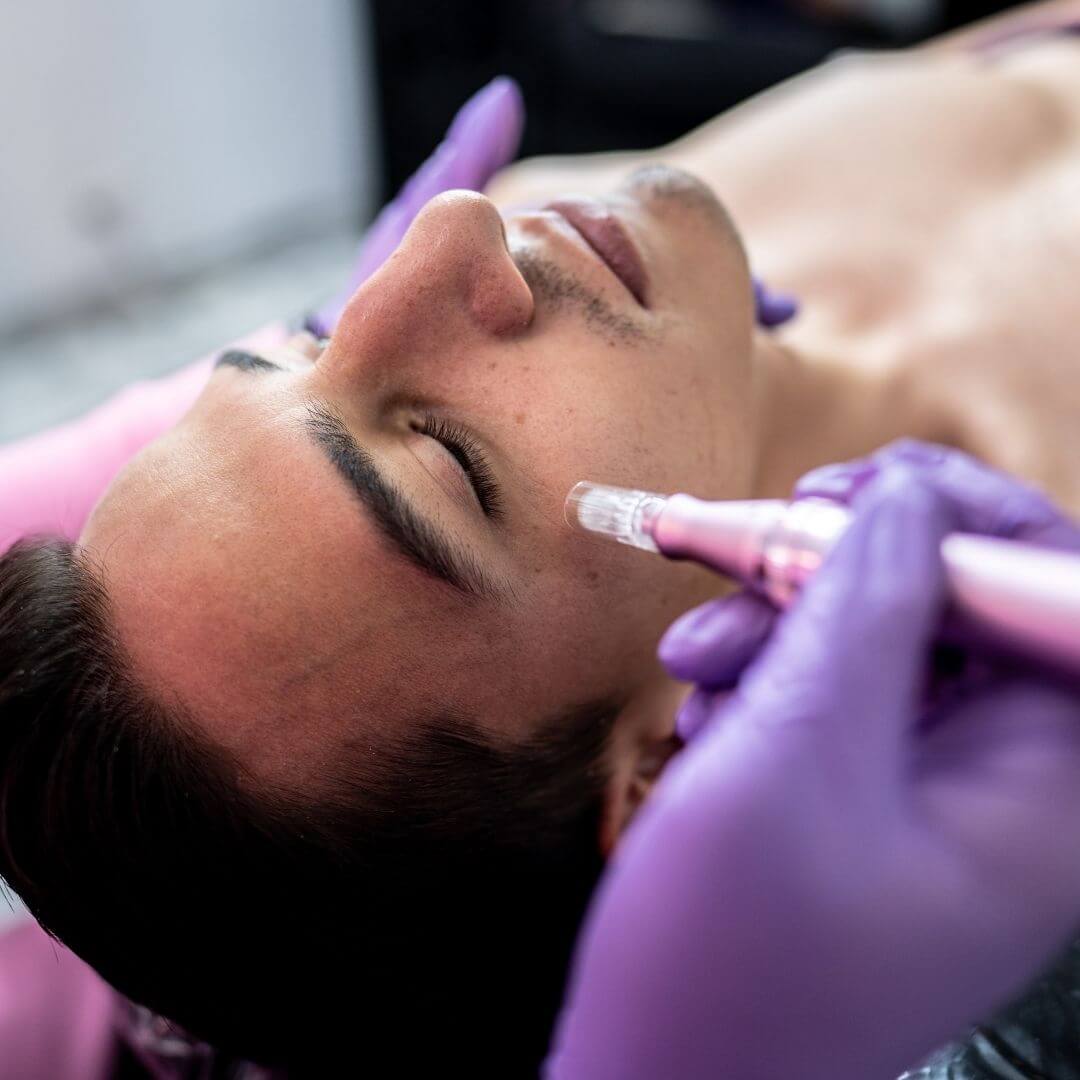
  3. Microneedling: The skincare professional will use a handheld device with fine needles to create controlled punctures in the under-eye area. The depth of the needles will be adjusted according to your specific needs and concerns.
  4. Serums or creams: After microneedling, soothing serums or creams may be applied to calm and hydrate the treated area.

Application of Microneedling Device

To perform microneedling on the under-eye area, a handheld device with fine needles is used. The device is gently rolled or pressed onto the skin, creating micro-injuries that trigger the skin’s healing response. By adjusting the depth and pressure, the skincare professional can ensure that the microneedling is performed effectively and safely in this delicate area.

Post-Treatment Care

After microneedling under the eyes, it is vital to follow specific post-treatment care instructions to promote healing and minimize potential side effects. These may include:

  1. Avoiding makeup: It is recommended to avoid applying makeup to the under-eye area immediately after microneedling to allow the skin to breathe and heal properly.
  2. Gentle skincare routine: Use gentle, fragrance-free skincare products specifically formulated for sensitive skin during the initial healing period. Avoid using harsh products or exfoliants that may irritate the skin.
  3. Avoiding excessive rubbing or touching: To prevent infection or further irritation, refrain from rubbing or touching the treated area unnecessarily.

Potential Side Effects of Under Eye Microneedling

Temporary Redness and Swelling

Following under-eye microneedling, temporary redness and swelling are common side effects. The skin may appear slightly irritated, similar to a mild sunburn. These side effects usually subside within a few hours to a couple of days. Applying a cool compress or using a gentle recovery serum can help soothe the redness and reduce swelling.

Mild Discomfort or Pain

While numbing cream can minimize discomfort during the procedure, it is normal to experience some mild discomfort or pain during and after under-eye microneedling. This discomfort is typically temporary and can be managed with over-the-counter pain relievers if needed. However, if the pain is severe or persists for an extended period, it is important to contact your skincare professional.

Risk of Infection

There is a risk of infection with any invasive treatment, including microneedling. To minimize this risk, it is crucial to ensure that the microneedling device, as well as the treated area, are properly cleansed and sterilized before the procedure. Following post-treatment care instructions and avoiding touching the treated area with dirty hands can also help reduce the risk of infection. If any signs of infection, such as increased redness, swelling, or pus, occur, it is essential to seek medical attention.

Aftercare Tips for Microneedling Under Eyes

Avoiding Exposure to Sunlight

After under-eye microneedling, it is crucial to protect the treated area from excessive sunlight. The skin will be more sensitive to UV rays, and sun exposure can potentially cause damage and delay the healing process. To protect the skin, use a broad-spectrum sunscreen with at least SPF 30 and wear sunglasses or a hat to provide additional shade.

Using Gentle Skincare Products

During the healing process, it is important to use gentle skincare products that are specifically formulated for sensitive or post-treatment skin. Avoid harsh exfoliants, fragrances, and potentially irritating ingredients that can further irritate the delicate under-eye skin. Look for products with hydrating and soothing ingredients like hyaluronic acid, aloe vera, or chamomile.

Monitoring the Healing Process

Observe how your skin reacts and heals after under-eye microneedling. While some redness and mild swelling are normal, it is important to pay attention to any abnormal or prolonged side effects. If you notice excessive redness, persistent swelling, pain, or signs of infection, contact your skincare professional for further evaluation and guidance.

Consultation with a Professional

Importance of Professional Guidance

When considering microneedling, especially in sensitive areas like under the eyes, it is vital to seek professional guidance from a skincare professional or dermatologist. They have the knowledge and experience to assess your specific concerns, determine the appropriate treatment plan, and ensure your safety.

Finding an Experienced Practitioner

To ensure the best possible outcome and minimize the risk of complications, it is crucial to find an experienced microneedling practitioner. Look for professionals who have undergone proper training and certification specifically for microneedling. Reading reviews, seeking recommendations, and scheduling consultations with multiple practitioners can help you make an informed decision.

Discussing Individual Concerns

During the consultation with a skincare professional, it is important to openly discuss your individual concerns and expectations. This will allow the practitioner to assess whether microneedling is suitable for your specific under-eye issues and to tailor the treatment plan accordingly. Clear communication ensures that your needs are properly addressed and increases the likelihood of achieving your desired results.

Microneedling under the eyes can be an effective way to address specific concerns and improve the overall appearance of your under-eye area. However, it is important to remember that every individual’s skin is unique, and results may vary. By seeking professional guidance, following aftercare instructions, and maintaining realistic expectations, you can make the most out of your microneedling journey and enjoy the potential benefits it offers.

en_USEnglish