When it comes to skincare procedures, two popular options that individuals often consider are microneedling and laser treatments. Microneedling involves the use of fine needles to create small punctures in the skin, stimulating collagen production and promoting skin rejuvenation. On the other hand, laser treatments utilize focused light to address various skin issues, such as pigmentation, wrinkles, and scars. It’s essential to understand the key differences between these treatments to make an informed decision about the best approach for your skincare needs.
Comparison of Benefits and Drawbacks
A. Microneedling offers several benefits, including the stimulation of collagen production, which can improve skin texture and reduce the appearance of scars and fine lines. However, some individuals may experience discomfort during the procedure, and multiple sessions may be required to achieve desired results.
B. In contrast, laser treatments have the advantage of precision and effectiveness in targeting specific skin concerns. They are particularly effective in addressing pigmentation issues and promoting skin tightening. Nevertheless, drawbacks of laser treatments may include the potential risk of skin damage and a longer recovery time compared to microneedling.
Microneedling: A Minimally Invasive Marvel
Microneedling, also known as collagen induction therapy, is a cutting-edge procedure that harnesses the body’s natural healing mechanisms.
By creating controlled micro-injuries in the skin using tiny, sterile needles, microneedling triggers the production of new collagen and elastin fibers. This process not only minimizes the appearance of fine lines, wrinkles, and acne scars but also improves skin texture and tone, resulting in a more youthful, luminous complexion.
Laser Resurfacing: Precision and Power
Laser resurfacing, on the other hand, employs concentrated beams of light to remove the outermost layers of damaged or aged skin. This advanced technique precisely targets and eliminates imperfections, promoting the growth of new, healthier skin cells. With a range of laser types available, from ablative to non-ablative, laser resurfacing can address a variety of concerns, including sun damage, age spots, uneven texture, and deep wrinkles, revealing a smoother, more evenly toned complexion.
Effectiveness and Results of Microneedling vs Laser
A. Research has shown that microneedling is effective in improving skin texture and reducing fine lines, providing noticeable results for individuals seeking skin rejuvenation techniques.
B. Laser treatments have demonstrated effectiveness in addressing pigmentation issues and promoting skin tightening, offering visible results for individuals looking to enhance their skin’s appearance.
C. When comparing the longevity of results, both microneedling and laser treatments can provide long-term benefits, depending on individual skincare needs and maintenance routines.
Microneedling and Laser Cost Considerations and Recovery Time
B. Laser treatments may involve different types of procedures, each with varying costs. It’s essential for individuals to consider the financial aspects when deciding on the most suitable treatment for their skincare needs.
C. Recovery time for microneedling and laser treatments should be taken into account, as it may impact individuals’ daily routines and activities. Understanding the recovery process is crucial for planning and making informed decisions about the treatment options.
Professional Opinions and Recommendations
A. Skincare professionals often identify ideal candidates for microneedling and laser treatments based on specific skin concerns or conditions. Their expert opinions can help individuals determine the most suitable approach for their skincare goals.
B. Recommendations for individuals with particular skin concerns or conditions can provide valuable insights into the benefits of microneedling or laser treatments, guiding individuals towards the most appropriate treatment option.
C. Insights from skincare professionals on the long-term benefits of each treatment option can offer individuals a comprehensive understanding of how microneedling and laser treatments can contribute to their overall skincare and rejuvenation goals.
Discover how Exosome Microneedling can transform your skin, minimize wrinkles, improve texture, and promote a youthful glow. This breakthrough skincare treatment combines the regenerative power of exosomes with the effectiveness of microneedling. Learn more about the procedure, benefits, preparation, and aftercare. Find a qualified professional and make an informed decision for non-surgical skin rejuvenation. Affordable pricing range available.
Exosome Microneedling is the latest breakthrough in skincare treatments, combining the power of exosomes with the effectiveness of microneedling. This innovative procedure harnesses the regenerative capabilities of exosomes, extracellular vesicles responsible for cell-to-cell communication, to stimulate collagen production and rejuvenate the skin. By delicately puncturing the skin’s surface with microscopic needles, the exosomes are able to penetrate deeper layers, delivering essential nutrients and growth factors precisely where they are needed. In this article, you will discover how exosome microneedling can transform your skin by minimizing wrinkles, improving texture, and promoting a youthful glow.
Exosome microneedling is a cosmetic procedure that combines the benefits of exosomes and microneedling to rejuvenate and improve the appearance of the skin. Exosomes are tiny extracellular vesicles that contain various growth factors, cytokines, and other signaling molecules. Microneedling, on the other hand, involves puncturing the skin with fine needles to stimulate collagen production and enhance the absorption of topical products. Together, exosome microneedling enhances the skin’s natural healing processes and promotes revitalization from within.
How does it work?
During an exosome microneedling procedure, exosomes are applied topically to the skin and then penetrated into the deeper dermal layers using microneedles. The microscopic punctures created by the needles allow the exosomes to reach the target cells more effectively, stimulating cellular rejuvenation and promoting collagen production. The exosomes work by delivering growth factors and other molecules to the skin cells, improving their function and supporting the skin’s overall health. This combination of exosomes and microneedling helps to reduce the appearance of wrinkles, fine lines, acne scars, and hyperpigmentation, resulting in smoother, more youthful-looking skin.
Benefits
Exosome microneedling offers numerous benefits for the skin.
Firstly, it promotes collagen production, which helps to improve the skin’s elasticity and firmness, reducing the appearance of fine lines and wrinkles.
Additionally, it can help to reduce the visibility of acne scars and other types of scars, as the stimulation of collagen production can aid in the remodeling and regeneration of damaged skin.
Exosome microneedling also improves the overall texture and tone of the skin, making it appear smoother and more even.
The procedure can also enhance the absorption and effectiveness of topical products, allowing for better penetration of skincare ingredients.
Unlike more invasive procedures, exosome microneedling has minimal downtime and side effects, making it an attractive option for those seeking non-surgical skin rejuvenation.
Preparing for Exosome Microneedling
Choosing a qualified professional
When considering exosome microneedling, it is crucial to choose a qualified professional who has the necessary training and experience to perform the procedure safely and effectively. Look for practitioners who specialize in aesthetic medicine or dermatology and have a proven track record of delivering excellent results. Verify their credentials and certifications to ensure they have undergone the appropriate training for exosome microneedling.
Consultation and assessment
Before undergoing exosome microneedling, it is essential to schedule a consultation with your chosen provider. During this consultation, the professional will assess your skin’s condition, discuss your desired results, and determine if you are a suitable candidate for the procedure. They will explain the procedure in detail, including the potential risks and benefits, and address any questions or concerns you may have. This consultation will help you and the provider establish clear expectations and ensure your safety and satisfaction.
Pre-treatment instructions
To prepare for exosome microneedling, your provider may provide you with specific pre-treatment instructions. These instructions may include avoiding:
Sun exposure: Protecting your skin from the sun is crucial before the procedure, as it can increase sensitivity and risk of complications.
Certain skincare products: You may be advised to discontinue the use of certain skincare products, such as retinoids or acids, as they can increase the skin’s sensitivity.
Blood-thinning medications: If you are taking any blood-thinning medications or supplements, your provider may ask you to discontinue them temporarily to minimize the risk of excessive bleeding or bruising.
Following these pre-treatment instructions will help optimize the results of your exosome microneedling procedure and minimize any potential complications.
The Exosome Microneedling Procedure
Step 1: Cleansing and numbing the skin
Before beginning the exosome microneedling procedure, the skin is thoroughly cleansed to remove any impurities. The provider may use a gentle cleanser or an antiseptic solution to prepare the treatment area. Once the skin is clean, a topical numbing cream or local anesthesia is applied to ensure your comfort throughout the procedure.
Step 2: Exosome application
After the skin is adequately numbed, the exosome solution is applied to the treatment area. The exosomes are carefully spread onto the skin, ensuring even distribution across the targeted areas. The exosome solution contains a high concentration of growth factors and other bioactive molecules that will penetrate the skin during the microneedling process.
Step 3: Microneedling process
Once the exosome solution is applied, the provider will use a microneedling device to create controlled micro-injuries in the skin. This device consists of multiple fine needles that penetrate the skin at various depths, depending on the specific needs of each area. The microneedling process stimulates collagen production, enhances the absorption of the exosomes, and promotes skin rejuvenation. The provider will carefully maneuver the device across the treatment area, ensuring thorough and even coverage.
Step 4: Optional post-treatment enhancements
Following the microneedling process, the provider may offer optional post-treatment enhancements, depending on your individual needs and preferences. These enhancements may include the use of serums, masks, or cold therapy to soothe and hydrate the skin. The provider will recommend the most suitable enhancement based on your skin condition and desired outcome.
Aftercare and Recovery
Immediate aftercare instructions
After your exosome microneedling procedure, your provider will provide you with specific aftercare instructions to promote optimal healing and recovery. These instructions may include:
Avoiding direct sun exposure and wearing adequate sun protection
Using gentle skincare products and avoiding harsh chemicals or exfoliants
Applying a moisturizer to keep the skin hydrated
Avoiding intensive physical activities and excessive sweating
Refraining from picking or scratching the treated area
Following these aftercare instructions diligently will help minimize any potential side effects and support the healing process.
Managing post-treatment effects
After the procedure, it is common to experience some mild redness, swelling, and sensitivity in the treated area. These effects are temporary and typically subside within a few days. You can manage these effects by applying a cold compress or ice pack to the treated area for short periods, taking over-the-counter pain relievers if necessary, and following your provider’s recommendations for skincare products and practices.
Expected downtime and recovery period
Compared to more invasive procedures, exosome microneedling has minimal downtime. You can typically resume your normal activities immediately after the procedure, although it is best to avoid intense physical activities and sun exposure for a few days. The recovery period can vary depending on individual factors such as skin type and the intensity of the treatment. However, most individuals experience complete recovery within one to two weeks.
Results and Expected Outcomes
Immediate effects
After the exosome microneedling procedure, you may notice immediate effects such as a glowing complexion, improved skin texture, and a reduction in the appearance of fine lines and wrinkles. The microneedling process stimulates collagen production, instantly improving the skin’s firmness and elasticity. These immediate effects will continue to develop and improve over time as the skin’s natural healing process is activated.
Long-term benefits
One of the significant advantages of exosome microneedling is the long-term benefits it provides. As the exosomes stimulate collagen production and improve cellular function, the skin continues to rejuvenate and improve in the weeks and months following the procedure. Long-term benefits may include reduced fine lines and wrinkles, improved skin texture and tone, and a more youthful and radiant appearance.
Number of sessions required
The number of exosome microneedling sessions required to achieve optimal results can vary depending on individual factors and desired outcomes. Generally, most individuals undergo a series of treatments spaced several weeks apart to allow for proper healing and collagen remodeling. Your provider will assess your skin’s condition, discuss your goals, and recommend a treatment plan tailored to your specific needs.
Safety and Risks
Potential side effects
Exosome microneedling is considered a safe procedure when performed by a qualified professional. However, like any cosmetic procedure, there are potential side effects to be aware of, although they are generally mild and temporary. These may include redness, swelling, bruising, and minor skin irritation in the treated area. Serious complications and adverse reactions are rare but can include infection, scarring, or pigmentary changes. Adhering to proper aftercare instructions and choosing a reputable provider minimize the risk of experiencing adverse effects.
Contradictions and precautions
While exosome microneedling is generally safe, there are certain contradictions and precautions to consider. The procedure is not recommended for individuals with active skin infections, open wounds, cold sores, or sunburned skin in the treatment area. Pregnant or breastfeeding individuals should also avoid exosome microneedling. If you have a history of keloids or are prone to excessive scarring, it is essential to discuss your concerns with the provider before undergoing the procedure. Additionally, certain medications or medical conditions may affect your suitability for exosome microneedling, so disclosing your complete medical history and any medications you are taking is crucial during the consultation process.
Comparing Exosome Microneedling to Other Treatments
Microneedling vs. traditional treatment
Compared to traditional microneedling, which involves the use of fine needles to create micro-injuries in the skin, exosome microneedling offers an additional layer of benefits. While both procedures stimulate collagen production and promote skin rejuvenation, the use of exosomes in exosome microneedling further enhances the healing and regenerative processes of the skin cells. The exosomes deliver growth factors and other signaling molecules directly to the targeted cells, optimizing the results of microneedling and improving the overall appearance of the skin.
Exosome Microneedling vs. PRP Microneedling
Platelet-rich plasma (PRP) microneedling, like exosome microneedling, combines microneedling with a specific substance to enhance skin rejuvenation. PRP microneedling involves using the patient’s own blood plasma, which contains platelets rich in growth factors, to promote collagen production and cellular regeneration. While both procedures have benefits, exosome microneedling offers certain advantages. Exosomes are derived from mesenchymal stem cells, which have a higher concentration of growth factors than platelets. Additionally, exosomes can be obtained from a variety of sources, providing a wider range of treatment options.
Cost and Affordability
Factors affecting the cost
The cost of exosome microneedling can vary depending on several factors. These may include the location of the provider, the provider’s expertise and reputation, the complexity of the treatment, the number of sessions required, and any additional enhancements or treatments included in the package. The cost may also vary according to the geographical area and local market competition.
Discover how Exosome Microneedling can transform your skin, minimize wrinkles, improve texture, and promote a youthful glow. This breakthrough skincare treatment combines the regenerative power of exosomes with the effectiveness of microneedling. Learn more about the procedure, benefits, preparation, and aftercare. Find a qualified professional and make an informed decision for non-surgical skin rejuvenation. Affordable pricing range available.
Product Currency:
USD
Product Price:
270
Product In-Stock:
InStock
Editor's Rating: 5
Choosing the Right Exosome Microneedling Provider
Research and credentials
When selecting an exosome microneedling provider, conducting thorough research is essential. Look for professionals with extensive training and experience in cosmetic dermatology or aesthetic medicine. Verify their credentials, certifications, and memberships to professional organizations. It is also beneficial to read reviews and testimonials from previous clients to gauge the provider’s expertise and the satisfaction of their patients.
Testimonials and reviews
Reading testimonials and reviews from previous clients can provide valuable insights into the quality of service and results offered by the provider. Look for reviews on trusted platforms such as the provider’s website, social media pages, and reputable third-party review websites. Pay attention to reviewers who have similar skin concerns to yours and evaluate whether the provider’s approach aligns with your expectations.
Facility and equipment
The facility and equipment used by the exosome microneedling provider are important factors to consider. The facility should be clean, well-maintained, and adhere to appropriate safety and hygiene protocols. Additionally, the provider should use high-quality microneedling devices and verified exosome products to ensure the safety and efficacy of the procedure. When evaluating potential providers, inquire about their facility’s standards, safety measures, and the sources of their exosome products.
Discover the differences between microchanneling and microneedling in this informational post. Learn about their procedures, tools used, treatment areas, depth of needle penetration, collagen production, results, downtime, recommended candidates, and cost. Find the best treatment for your unique skincare needs.
In the realm of skin rejuvenation, two popular treatments have emerged as frontrunners: microchanneling and microneedling. While both methods aim to improve the appearance of the skin, they differ in their approach and results. Microchanneling utilizes a specialized device to create tiny channels in the skin, allowing for better absorption of serums and triggering collagen production. On the other hand, microneedling employs small needles to puncture the skin, stimulating the body’s natural healing response and promoting smoother, more youthful-looking skin. Understanding the nuances and benefits of each technique is crucial in determining the best treatment for your individual needs.
Microchanneling is a non-invasive cosmetic procedure that involves creating tiny channels or microchannels in the skin to enhance the penetration and effectiveness of topical skincare products. These microchannels are created using a special device with small needles that gently puncture the skin, stimulating the body’s natural healing response and promoting collagen production.
Microneedling
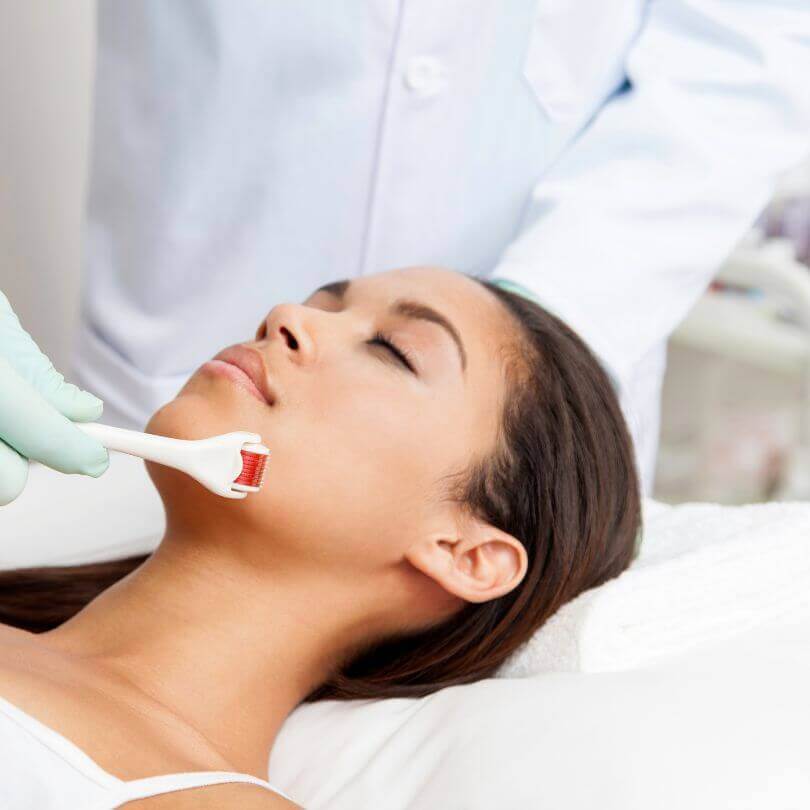
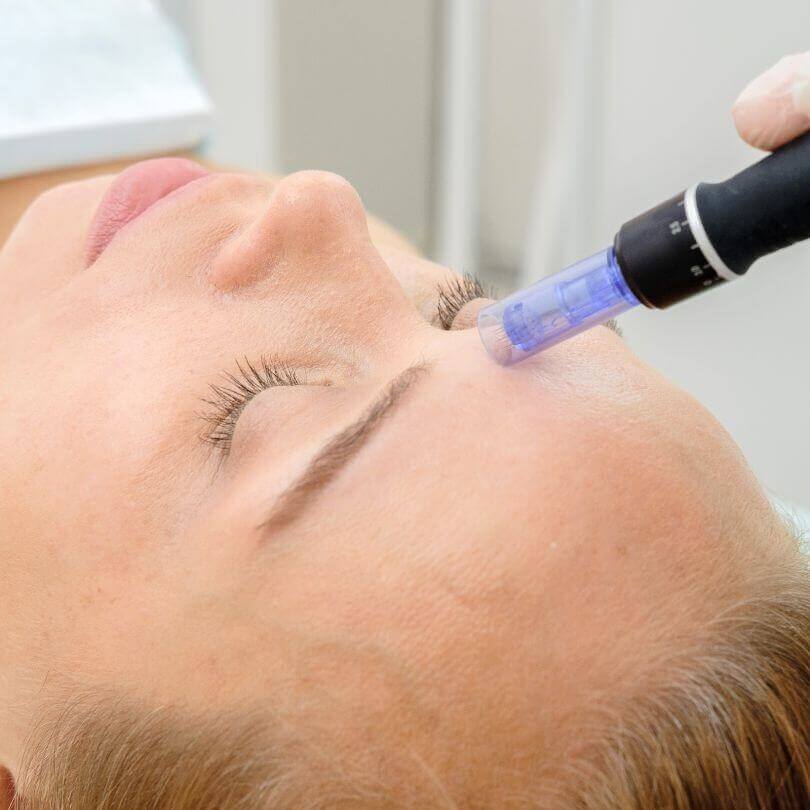
Microneedling, also known as collagen induction therapy, is a minimally invasive cosmetic procedure that involves using a pen-like device with fine needles to create tiny puncture wounds in the skin. These controlled injuries stimulate collagen production and promote skin rejuvenation, treating various skin concerns such as wrinkles, fine lines, scars, and hyperpigmentation.
Procedure
Microchanneling
During a microchanneling procedure, the skin is thoroughly cleansed and prepared. A topical numbing cream may be applied to minimize any discomfort. The microchanneling device is then gently pressed onto the skin, creating microchannels without causing damage to the surrounding tissue. These microchannels allow for increased absorption of specialized serums or skincare products, delivering them directly to the deeper layers of the skin where they can be most effective.
Microneedling
The microneedling procedure begins with the application of a numbing cream to ensure comfort during the treatment. The microneedling device, equipped with a cluster of fine needles, is then rolled or pressed onto the skin, creating controlled puncture wounds. These small injuries trigger the body’s natural healing process, stimulating the production of collagen and elastin. The procedure is typically performed by a trained skincare professional.
Tools Used
Microchanneling
Microchanneling devices typically consist of a pen-like device with multiple fine needle cartridges. These needles can range in length depending on the desired treatment depth. The devices are designed to create precise and controlled microchannels in the skin, allowing for easy and efficient absorption of topical skincare products.
Microneedling
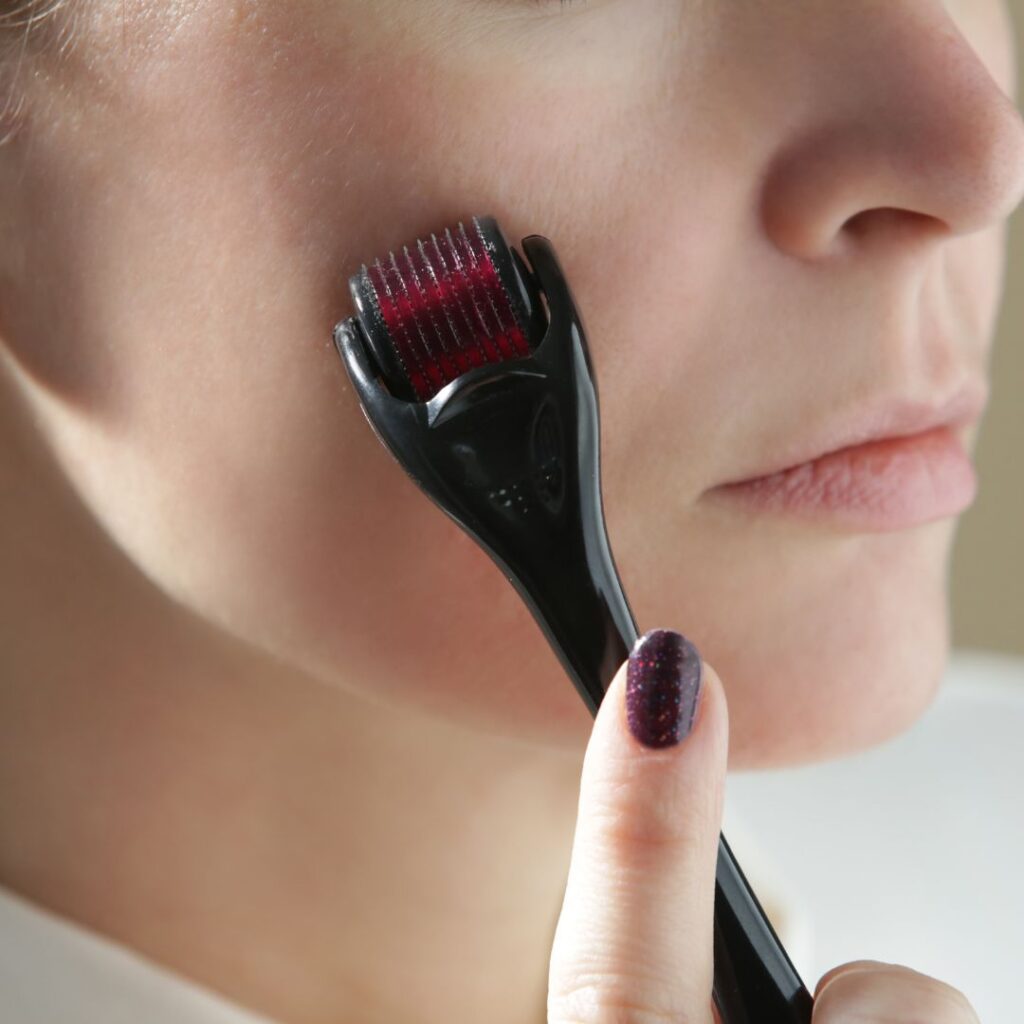
Microneedling devices vary in design, but they generally consist of a handheld device with a roller or a set of needles. The needles can be either fixed or adjustable in length, allowing for customization based on the treatment area and desired depth of penetration. Some advanced microneedling devices also incorporate technologies such as radiofrequency or LED lights for enhanced results.
Treatment Areas
Microchanneling
Microchanneling can be performed on various areas of the body, including the face, neck, décolleté, hands, and even the scalp. This versatility makes it suitable for addressing a wide range of skin concerns, such as fine lines, wrinkles, acne scars, sun damage, and uneven skin tone or texture.
Microneedling
Microneedling can also be used on multiple areas of the body, including the face, neck, hands, and body. It is especially effective for treating concerns like fine lines, wrinkles, acne scars, stretch marks, and age spots.
Depth of Needle Penetration
Microchanneling
Microchanneling devices offer adjustable needle depths, allowing skincare professionals to customize the treatment based on individual needs. The needle lengths typically range from 0.5mm to 3.0mm, ensuring precise targeting of different skin layers. Deeper needle penetration may be suitable for targeting scars or promoting maximum collagen production.
Microneedling
The depth of needle penetration in microneedling also varies, typically ranging from 0.5mm to 2.5mm. The chosen needle length depends on the treatment area and the specific skin concern being addressed. Deeper needle penetration is often utilized to target deeper skin layers, such as for the treatment of acne scars or skin tightening.
Collagen Production
Microchanneling
Microchanneling stimulates collagen production by triggering the body’s natural healing response. The microchannels created during the procedure prompt the release of growth factors, signaling the production of new collagen and elastin fibers. This increase in collagen helps to improve skin elasticity, firmness, and overall appearance.
Microneedling
Microneedling is known for its ability to stimulate collagen production. The controlled puncture wounds made by the microneedling device activate the body’s wound healing process, which includes the production of collagen. This increase in collagen helps to smooth out fine lines and wrinkles, improve skin texture and tone, and diminish the appearance of scars.
Treatment Results
Microchanneling
Microchanneling treatments offer a range of potential results, depending on the specific skincare products used and the individual’s skin concerns. Some common benefits include improved skin texture and tone, reduced appearance of fine lines and wrinkles, diminished acne scars, and overall skin rejuvenation. Multiple treatments may be necessary to achieve optimal results.
Microneedling
Microneedling can deliver noticeable results in skin rejuvenation. Over time, the increased collagen production helps to reduce the appearance of fine lines and wrinkles, improve skin texture, minimize the appearance of scars and stretch marks, and enhance overall skin quality. A series of treatments, spaced several weeks apart, is usually recommended for the best outcomes.
Downtime and Recovery
Microchanneling
Microchanneling is a minimally invasive procedure with minimal downtime. Following the treatment, the skin may appear slightly red or flushed, similar to a mild sunburn. This redness typically subsides within a few hours to a couple of days. Patients can resume normal activities immediately after the treatment, although it is important to follow any specific aftercare instructions provided by the skincare professional.
Microneedling
While the downtime associated with microneedling varies from person to person, it is generally minimal. After the treatment, the skin may appear slightly red and feel sensitive, similar to a mild sunburn. This redness typically subsides within a day or two. It is advisable to avoid direct sun exposure and apply sunscreen following the treatment. Some minor swelling or bruising may also occur but typically resolves within a few days.
Recommended Candidates
Microchanneling
Microchanneling is suitable for individuals looking to improve the texture, tone, and appearance of their skin. It can be used on all skin types and is an excellent option for those who prefer non-invasive treatments. It is particularly beneficial for those with fine lines and wrinkles, acne scars, sun-damaged skin, or uneven pigmentation.
Microneedling
Microneedling is a versatile treatment suitable for most skin types. It is beneficial for individuals looking to address aging concerns such as fine lines, wrinkles, and sagging skin, as well as those with acne scars, stretch marks, or hyperpigmentation. It is important to consult with a skincare professional to determine if microneedling is the right treatment option for specific skin concerns.
Cost
Microchanneling
The cost of microchanneling treatments varies depending on various factors, including the location, the experience of the skincare professional, the number of treatments required, and any additional products or serums used during the procedure. On average, a single microchanneling treatment can range from $200 to $500.
Microneedling
The cost of microneedling treatments also varies depending on factors such as location, the reputation of the skincare professional, and the number of sessions required. On average, a single microneedling session can range from $200 to $700. It is essential to discuss pricing and any package deals with the skincare professional during the initial consultation.
In conclusion, both microchanneling and microneedling are effective cosmetic procedures that can help improve various skin concerns. While microchanneling focuses on creating microchannels for improved product absorption, microneedling primarily promotes collagen production for overall skin rejuvenation. Consulting with a skincare professional will ensure the selection of the most appropriate treatment for individual needs and desires.




 English
  Spanish