
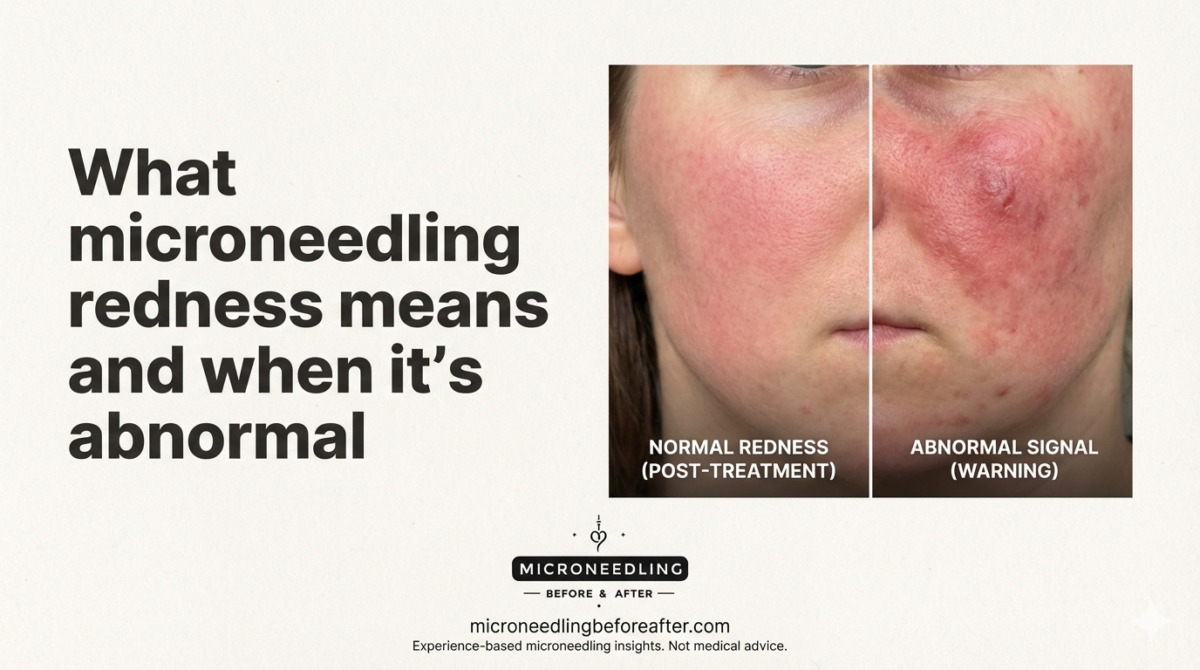
Have you ever wondered whether the redness after microneedling is just normal healing or a sign that something is wrong?
What Microneedling Redness Means And When It’s Abnormal
I’ll go through what causes the redness you see and feel after microneedling, explain the normal patterns of healing, and tell you when redness is a reason to contact a clinician. I’ll also share practical aftercare steps and prevention measures I use or recommend so you can feel confident about recovery and know when to seek help.
What is microneedling and why does it cause redness?
Microneedling is a controlled skin injury created by tiny needles to stimulate collagen production and skin remodeling. I find it useful to think of the redness as the visible part of the body’s repair process in response to those micro-injuries.
The basic mechanics
When needles penetrate the epidermis and sometimes the dermis, they create microchannels and tiny areas of trauma. I know that trauma triggers blood flow, immune cell recruitment, and fluid accumulation — all of which contribute to redness and warmth.
The role of inflammation
Inflammation is the body’s natural response to injury and is essential for tissue repair and collagen remodeling. I expect the inflammatory response to produce transient redness (erythema), mild swelling, and occasional pinpoint bleeding as part of normal healing.
How needle depth and technique affect redness
Needle depth, speed, and pressure determine how much tissue is injured, so deeper treatments typically cause more pronounced redness and longer recovery. I always emphasize that devices, technique, and practitioner skill are major factors in both the intensity and duration of redness.
Typical timeline of redness after microneedling
Knowing what to expect day by day helps me decide whether my own redness is normal. The timeline varies by depth and individual skin sensitivity, but there is a predictable pattern I rely on when counseling people.
| Time after treatment | Expected appearance | Typical symptoms |
|---|---|---|
| Immediate (0–6 hours) | Bright, uniform redness and pinpoint bleeding in deeper treatments | Warmth, tightness, minimal pain |
| 6–48 hours | Erythema persists, swelling peaks, possible light crusting | Mild tenderness, tingling |
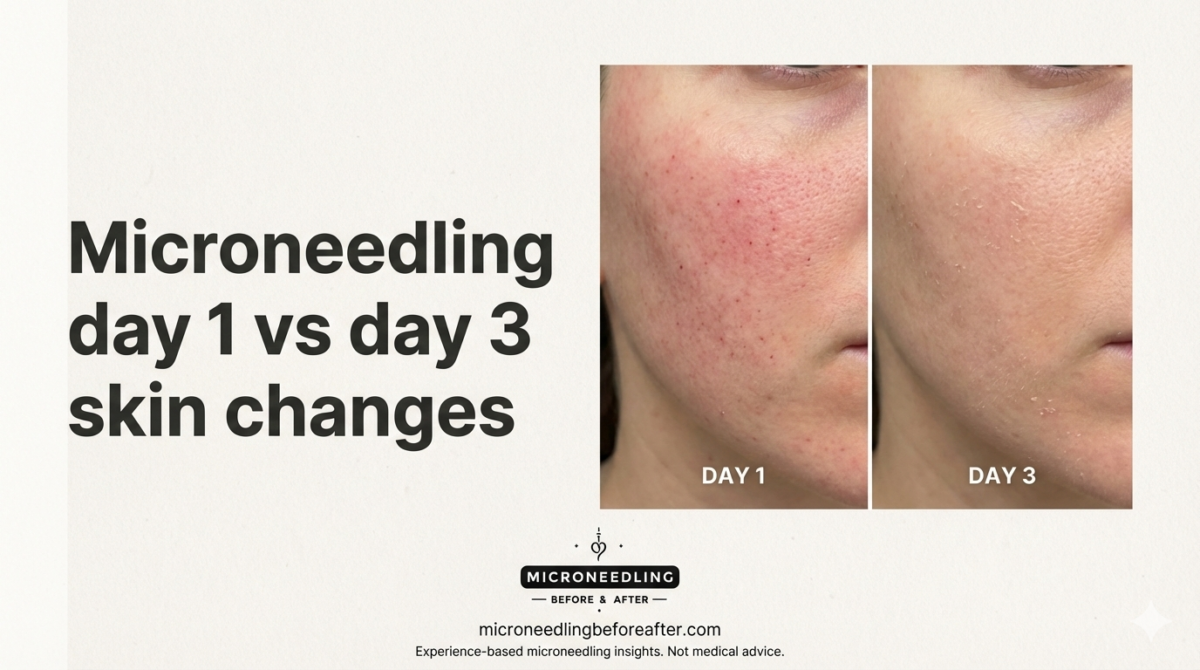
| 48–72 hours | Redness begins to fade; flaky skin or micro-crusts may appear | Itchiness as healing progresses |
| 3–7 days | Redness continues to reduce substantially; most return-to-work times | Dryness, scaling |
| 7–14 days | Residual mild pinkness may remain, especially with deeper treatments | Normal activity resumed, sun protection important |
| >14 days | Redness usually resolved; any persistent intense redness is concerning | If still red or worsening, seek evaluation |
I use this table to set realistic expectations and to decide when redness is outside the normal window.
Types and appearances of normal redness
The way redness looks can tell me a lot about the healing stage. Recognizing the normal variants helps me avoid unnecessary worry.
Uniform erythema
Uniform, diffuse redness across treated areas is the most common immediate reaction and signals increased blood flow. I expect this to be brightest right after the session and start fading within a day or two.
Pinpoint bleeding or petechiae
Tiny pinprick bleeding or pinpoint red dots occur when capillaries are briefly disrupted, particularly with deeper needling. I consider this normal as long as it stops quickly and does not progress to heavy bleeding.
Mild swelling and warmth
Some edema and heat are normal signs of inflammation and usually peak within the first 48 hours. I treat these symptoms conservatively with cold compresses and elevation when practical.
Factors that increase redness intensity and duration
Several variables influence how red and how long redness lasts, and I always review these before and after treatments.
Needle depth and device type
Deeper penetration and motorized pens often produce more intense and longer-lasting redness compared with shallow manual rollers. I advise clients that aggressive depth settings will extend recovery time.
Skin type and tone
Fitzpatrick skin types with more pigment may have different inflammatory responses and higher risk for pigment changes. I take a more cautious approach with darker skin tones to reduce prolonged inflammation and hyperpigmentation risk.
Pre-treatment skin condition
If the skin is inflamed, sunburned, actively acneic, or irritated at the time of needling, redness can be exaggerated and healing prolonged. I always counsel avoiding treatment on actively inflamed skin.
Medications and recent topical products
Retinoids, recent isotretinoin use, or blood thinners can increase sensitivity, bleeding, and healing time. I ensure these factors are disclosed before microneedling to tailor the plan and reduce complication risk.
Practitioner technique and sterility
Technique, hygiene, and device maintenance matter. Poor technique, reused needles, or inadequate sterility can increase trauma and risk of complications like infection — both of which prolong redness. I prefer experienced providers who follow strict protocols.
When redness becomes abnormal
Redness moves from normal to abnormal when it is excessive, worsens instead of improving, or is accompanied by concerning signs. I use specific criteria to determine whether to escalate care.
Red flags for abnormal redness
I consider these red flags:
- Increasing intensity of redness after 48–72 hours rather than gradual fading.
- Severe pain or worsening tenderness not explained by expected inflammation.
- Foul-smelling or excessive purulent discharge.
- Widespread swelling, blister formation, or spreading red streaks.
- Systemic signs like fever, chills, or swollen lymph nodes. When any of these occur, I contact a clinician promptly.
Persistent discoloration beyond expected timeline
If redness remains pronounced past two weeks or evolves into dark brown or blue discoloration, I treat this as abnormal and investigate causes like post-inflammatory hyperpigmentation or vascular changes.
Causes of abnormal or prolonged redness
Understanding potential causes helps me identify the problem quickly and select appropriate treatment paths.
Infection (bacterial, fungal, or viral)
Infections can cause escalating redness, pain, pus, and systemic symptoms. I look for localized signs like warmth, increased tenderness, and purulent drainage and do not hesitate to seek medical care when I suspect infection.
Allergic contact dermatitis or topical reaction
Some products used after microneedling (actives, fragrances, preservatives) can cause allergic or irritant dermatitis that presents as persistent redness, swelling, and itch. I often suspect a reaction when redness is itchy and coincides with new product application.
Rosacea or inflammatory conditions flare
Microneedling can trigger flare-ups in rosacea-prone skin, leading to prolonged facial redness, telangiectasia, and burning sensations. I screen for rosacea history before recommending treatments and adjust protocols accordingly.
Post-inflammatory hyperpigmentation (PIH)
Prolonged inflammation can cause the skin to produce excess pigment, turning red areas brown or blue over time. I watch closely in darker skin and treat inflammation aggressively to lower PIH risk.
Hypertrophic scarring or keloid formation
Over-aggressive treatments, genetic predisposition, or trauma in susceptible individuals can lead to raised, red scar tissue. I consider prior history of keloids a strong contraindication and avoid deep needling in those cases.
Granulomatous or delayed hypersensitivity reactions
Rarely, a delayed immune reaction to materials (topical agents, particulate contaminants) can produce persistent redness, small nodules, and induration. I assess for nodular changes and refer to dermatology when necessary.
How to tell infection versus normal healing
Distinguishing infection from normal post-procedural inflammation is critical. I use specific comparisons to help me decide.
| Feature | Normal healing | Infection |
|---|---|---|
| Timing | Peaks within 48 hours, then improves | Worsens after 48–72 hours |
| Pain | Mild-to-moderate, improving | Increasing, severe pain |
| Discharge | Clear or minimal serous fluid | Purulent, yellow/green, or foul-smelling |
| Systemic signs | None | Fever, chills, malaise |
| Skin warmth | Mild local warmth | Intense warmth spreading beyond treated area |
| Lymphadenopathy | None | Tender swollen lymph nodes may be present |
If I see patterns matching the “Infection” column, I seek medical evaluation and often start empiric treatment after assessment.
Immediate steps if abnormal redness appears
If my redness looks concerning, I have a clear, conservative checklist I follow before things escalate.
Stop topical products
I immediately stop any active serums, exfoliants, or fragranced products. I switch to a bland, fragrance-free barrier moisturizer and avoid unknown or new products until evaluated.
Keep the area clean and gentle
I cleanse with a mild, non-irritating cleanser and avoid scrubbing. I use clean hands, pat dry, and apply a sterile or clean dressing if drainage is present.
Apply cold compresses and avoid heat
Cold compresses can reduce swelling and transiently lessen redness and discomfort. I avoid hot showers, saunas, and exercise that increases blood flow to the face.
Contact the provider if worsening
If redness intensifies, drainage appears, or systemic symptoms develop, I contact the treating clinician or a dermatologist promptly for evaluation and possible testing (cultures, KOH, or biopsy).
When to seek urgent care
I seek urgent care if I have a fever, severe pain, rapidly spreading redness, or signs of systemic infection. I don’t delay because infections can progress quickly.
Treatments clinicians may use for abnormal redness
Treatment depends on the cause of prolonged redness, and I find that early targeted therapy often prevents long-term issues.
Topical or oral antibiotics
If a bacterial infection is suspected, clinicians may prescribe topical or oral antibiotics based on severity and culture results. I follow prescriptions exactly as directed to ensure eradication.
Topical steroids or antihistamines
For allergic or inflammatory reactions, a short course of topical steroids (under clinician guidance) or oral antihistamines can reduce inflammation and itch. I avoid unprescribed steroid use on infected areas.
Antifungal or antiviral therapy
If fungal or viral causes are suspected (e.g., herpes simplex reactivation), specific antifungal or antiviral medications are required. I obtain appropriate testing if the presentation is atypical.
Intralesional steroids or silicone for scarring
Raised hypertrophic scars or keloids may benefit from intralesional steroid injections, pressure therapy, or silicone sheets. I consult a dermatologist early if scarring is a concern.
Light-based therapies
Vascular lasers or IPL can address persistent redness and telangiectasia after inflammation has fully settled. I prefer waiting until active inflammation is gone before using lasers.
Diagnostic biopsy
If the lesion is unusual or not responding to standard treatments, a skin biopsy can clarify granulomatous or other pathologies. I recommend a biopsy when a diagnosis is unclear.
Preventing abnormal redness: pre-treatment screening and preparation
Most abnormal outcomes can be minimized with careful preparation and prudent treatment planning, and I make this a priority.
Medical and medication review
I ask about isotretinoin use, anticoagulants, immunosuppressants, and antibiotics before treatment. I postpone microneedling if someone has been on isotretinoin in the past 6–12 months or is actively immunosuppressed.
Skin assessment and treatment customization
I evaluate active acne, rosacea, or open lesions and avoid treating compromised skin. I tailor needle depth and session frequency to skin type and healing ability.
Patch testing for topical add-ons
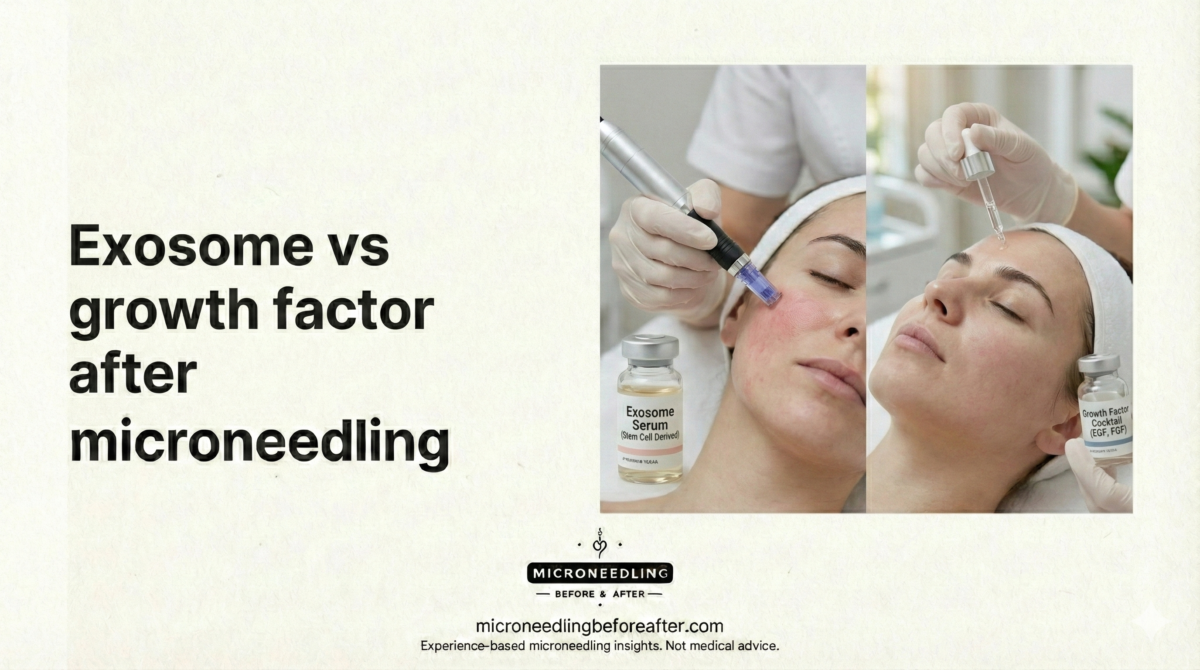
When using platelet-rich plasma (PRP) or topical growth factors, I consider patch testing or conservative application to reduce the risk of allergic or bio-reactive issues. I also confirm sterile preparation to reduce infection risk.
Pre-treatment skincare adjustments
I advise stopping retinoids and strong exfoliants at least 3–7 days before, depending on tolerance and clinician guidance. I also recommend optimizing skin hydration and sun protection in the weeks prior.
My aftercare routine that I recommend
Good aftercare is the most important determinant of whether redness resolves quickly and without complication. This is the stepwise routine I usually recommend.
| Timeframe | Do | Don’t |
|---|---|---|
| Immediate (0–24 hours) | Gently cleanse with lukewarm water and a mild cleanser; apply a sterile, bland moisturizer or healing ointment | Use active serums, makeup, exfoliants, or harsh soaps |
| 24–72 hours | Continue gentle cleansing; cold compresses for swelling; sleep on clean pillows | Sauna, heavy exercise, direct sun, and swimming |
| 3–7 days | Use fragrance-free barrier creams; avoid retinoids and acids | Apply strong topicals, pick or peel at crusts |
| 7–14 days | Reintroduce gentle actives gradually if cleared by provider; always use SPF | Aggressive resurfacing or deeper treatments |
I recommend SPF 30+ mineral sunscreen and physical sun avoidance for several weeks, as UV exposure worsens inflammation and increases PIH risk.
Recommended product types
I prefer fragrance-free cleansers, ceramide-rich moisturizers, and occlusive ointments (like petrolatum) if needed. I avoid vitamin C, AHAs, BHAs, and retinoids for at least 1–2 weeks post-treatment unless cleared by the clinician.
Special populations and considerations
Certain groups need additional caution because their skin reacts differently or underlying conditions change the risk profile. I address these proactively.
Darker skin tones (Fitzpatrick IV–VI)
The risk of PIH is higher in darker skin, so I use more conservative depths and emphasize quick inflammation control. I also monitor post-procedure pigment changes and treat early to minimize long-term discoloration.
Rosacea-prone skin
I screen for rosacea and either avoid microneedling or use gentler protocols, because needling can exacerbate flushing and persistent redness. If someone has rosacea, I coordinate with their dermatologist on pre- and post-treatment measures.
Sensitive or reactive skin
Those with sensitive skin require slower, milder approaches and patch testing for topical adjuncts. I often recommend one superficial session first to assess tolerance.
Pregnant or breastfeeding people
I generally advise delaying elective microneedling during pregnancy due to limited data and potential for systemic absorption of topical adjuncts. I recommend discussing timing with obstetric care providers.
Immunocompromised individuals
People on immunosuppressants or with immune conditions have higher infection risk and delayed healing; I avoid microneedling or proceed only with careful medical clearance and strict aseptic technique.
How long until redness fully resolves and skin looks normal?
The endpoint depends on depth, skin type, and any complications, but I can give a practical framework.
Short-term procedures (superficial)
If needles were shallow, most redness resolves in 1–3 days, with occasional light pinkness up to a week. I allow makeup after 24–48 hours if the skin is intact.
Deeper procedures (medical or aggressive)
Deeper sessions can produce visible pinkness for 1–2 weeks and subtle residual pink undertones for several months as collagen remodeling continues. I warn clients that full remodeling outcomes occur over months, so some color variations are expected during that time.
Persistent or chronic redness
If redness persists beyond 2–4 weeks or increases after initial improvement, I evaluate for infection, ongoing inflammation, PIH, or vascular changes. I treat the cause rather than ignoring persistent redness.
Frequently asked questions (FAQs)
I answer common questions I hear to help you make informed choices and manage expectations.
Can I put makeup on after microneedling?
I generally recommend waiting at least 24–48 hours before applying non-mineral makeup, and only if the skin has no open wounds or heavy discharge. Mineral makeup may be better tolerated earlier, but less is more during early healing.
Is it normal to have scabs?
Small micro-crusts or scabs from superficial bleeding are normal and should not be forcibly removed. I let them fall off naturally while keeping the area moist with bland ointments.
Will redness always lead to scarring?
No. Normal post-procedure redness does not mean scarring, and most scarring is related to infection, aggressive treatment, or individual predisposition like keloids. I monitor healing to prevent scarring and treat early if it begins.
How long should I avoid exercise and sweating?
I recommend avoiding strenuous exercise and heavy sweating for 48–72 hours because sweat and increased blood flow can exacerbate redness and infection risk. Light activity is usually fine once redness and open areas have settled.
Can microneedling cause permanent redness?
Permanent redness is uncommon but can occur with vascular damage, rosacea exacerbation, or scar formation. I minimize this risk through conservative protocols and by addressing complications early.
My checklist before booking a microneedling session
I use a simple pre-treatment checklist to reduce the chance of abnormal redness and complications. I encourage others to adopt a similar approach.
- Disclose medications and acne/isotretinoin history.
- Avoid retinoids and exfoliants for several days before.
- Assess for active infections, cold sores, or inflamed acne.
- Discuss depth, needle type, and realistic downtime with the provider.
- Plan sun avoidance and arrange post-procedure care.
I find that following these steps prevents many of the issues that cause abnormal redness.
When to see a dermatologist versus returning to your treatment provider
If the redness seems like a straightforward extension of normal healing, I call the original provider first for advice. If there are signs of infection, systemic symptoms, nodules, unusual pigment changes, or if the provider cannot confidently manage the problem, I seek a dermatologist for specialized assessment and interventions.
Final thoughts
Redness after microneedling is typically a normal sign of healing, and most cases settle with simple, gentle care. I take persistent, worsening, or unusual redness seriously and recommend early contact with a clinician when I see red flags — addressing problems early prevents long-term consequences and speeds recovery.
 English
  Spanish