
Microneedling, once hailed as a revolutionary skin treatment, has now become a subject of concern for many individuals who have endured unfortunate experiences. In this article, we address the alarming issue that countless people have faced: microneedling damaged their skin. Despite its promises of improved texture and rejuvenation, this once coveted procedure has left individuals dealing with unexpected complications and in some cases, unsightly scars. As we explore the reasons behind these skin damages, it becomes evident that caution and thorough research are necessary before undergoing any cosmetic treatment.
Understanding Microneedling
What is microneedling?
Microneedling is a cosmetic procedure that involves the use of small, fine needles to create tiny puncture wounds in the skin’s surface. These controlled micro-injuries stimulate the body’s natural healing response, leading to collagen and elastin production. It is commonly used to improve the appearance of scars, fine lines, wrinkles, hyperpigmentation, and overall skin texture.
How does microneedling work?
During a microneedling procedure, the tiny needles penetrate the uppermost layer of the skin, known as the epidermis. This process triggers a wound healing response, causing an increase in blood flow, the release of growth factors, and the production of new collagen and elastin fibers. As the skin heals, it becomes firmer, smoother, and more rejuvenated.
Benefits of microneedling
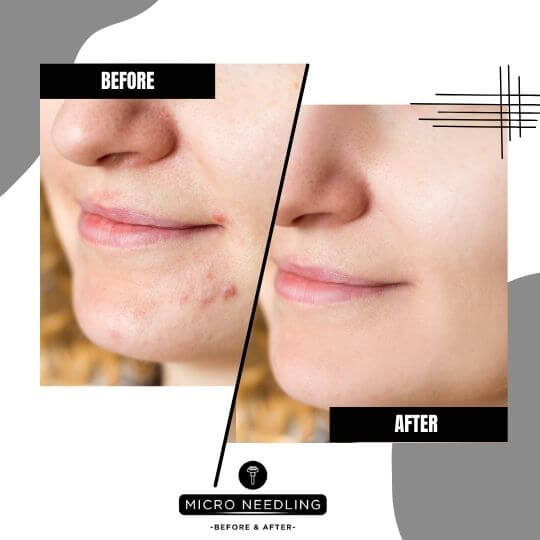
Microneedling offers several benefits for your skin. First and foremost, it can significantly improve the appearance of scars, including acne scars, surgical scars, and stretch marks. Additionally, it can reduce the appearance of fine lines and wrinkles, promoting a more youthful complexion. Microneedling has also been found to be effective in addressing hyperpigmentation concerns, such as age spots and sun damage. Furthermore, it can enhance the absorption and efficacy of skincare products by creating microchannels in the skin, allowing for better penetration of active ingredients.
Common skin concerns addressed by microneedling
Microneedling is a versatile treatment that can effectively address numerous skin concerns. Some of the common concerns that can be improved with microneedling include:
- Acne scars: Microneedling promotes collagen remodeling, which helps to reduce the appearance of acne scars and improve overall skin texture.
- Fine lines and wrinkles: By stimulating collagen and elastin production, microneedling can smoothen and reduce the depth of fine lines and wrinkles, giving a more youthful appearance.
- Hyperpigmentation: Microneedling can help to fade hyperpigmentation by encouraging the turnover of skin cells and promoting a more even skin tone.
- Skin laxity: The increased production of collagen and elastin fibers can lead to firmer and tighter skin, addressing issues of sagging or loose skin.
- Uneven skin texture: Microneedling can refine the skin’s texture, making it smoother and more even in appearance.
With its ability to target multiple skin concerns, microneedling has gained popularity as a minimally invasive treatment option.
The Potential for Skin Damage
Possible negative effects of microneedling
While microneedling can provide significant benefits to the skin, it is essential to be aware of the potential for skin damage. Improper technique, incorrect needle depth, or inadequate aftercare can lead to adverse effects. Some of the possible negative effects of microneedling include:
- Redness and swelling: It is common to experience temporary redness and swelling immediately after a microneedling session. However, if these symptoms persist for an extended period or worsen over time, it may indicate skin damage.
- Pain and discomfort: Mild discomfort during the procedure is expected, but excessive pain may be a sign of skin damage.
- Infections: If the needles or the skin’s surface are not properly sanitized, there is a risk of bacterial or fungal infections.
- Hyperpigmentation: In some cases, microneedling may trigger an overproduction of melanin, resulting in dark spots or patches.
- Scarring: Although rare, severe skin damage from microneedling can lead to scarring, especially if the procedure is performed incorrectly or on sensitive skin.
Factors that contribute to skin damage
Several factors can contribute to skin damage during or after a microneedling treatment. These factors include:
- Inadequate training and experience: Microneedling should be performed by a trained and experienced professional who understands the correct techniques and safety precautions.
- Incorrect needle depth: Using needles that are too long or applying excessive pressure can cause excessive damage to the skin, leading to complications.
- Poor hygiene: Proper sanitization of the needles and the treatment area is crucial to prevent the risk of infections.
- Skin sensitivity: Individuals with sensitive skin may be more prone to adverse reactions and skin damage from microneedling.
- Compromised skin barrier: If the skin’s natural barrier is compromised due to conditions like eczema or dermatitis, it may be more susceptible to damage during microneedling.
Identifying skin damage caused by microneedling
It is important to be able to identify signs of skin damage following a microneedling treatment to take appropriate action promptly. Some signs of skin damage include:
- Prolonged redness and swelling: While some redness and swelling are normal immediately after the procedure, if these symptoms persist or worsen after a few days, it may indicate skin damage.
- Excessive pain or discomfort: If you are experiencing severe pain or discomfort that is not subsiding, it is essential to seek medical attention.
- Open wounds or bleeding: Microneedling should not cause open wounds or profuse bleeding. If you notice these symptoms, it is crucial to consult with a healthcare professional.
- Infections: Look out for signs of infection, such as increased redness, pus or fluid-filled bumps, warmth or tenderness, and fever. These symptoms warrant prompt medical evaluation.
- Darkening of the skin: If you notice areas of darkened skin or hyperpigmentation that persist beyond the expected healing period, it may indicate skin damage.
Treating and preventing further damage
If you suspect skin damage after microneedling, it is crucial to seek medical attention from a dermatologist or healthcare professional. They can assess the extent of the damage and provide appropriate treatment. In some cases, prescription creams, antibiotics, or other interventions may be necessary to promote healing and prevent infection. To prevent further damage, follow the post-treatment instructions provided by your healthcare professional, which may include avoiding excessive sun exposure, using gentle skincare products, and refraining from picking or scratching the treated area.

Infections and Allergic Reactions
Understanding the risk of infection
Infections are a potential risk associated with microneedling, but with proper precautions, they can be minimized. The penetration of the skin by needles creates microchannels, which can serve as entry points for bacteria or fungi. It is essential to ensure that the needles and the treatment area are thoroughly sanitized to reduce the risk of infection.
Symptoms of infections after microneedling
If an infection occurs after microneedling, it is crucial to identify the signs early on and seek medical attention promptly. Some common symptoms of infections after microneedling include:
- Increased redness and warmth: If the treated area becomes more red or warmer than expected, it may indicate an infection.
- Pus or fluid-filled bumps: The presence of pus or fluid-filled bumps may suggest a bacterial or fungal infection.
- Swelling and tenderness: If you experience excessive swelling or tenderness that worsens over time, it could be a sign of an infection.
- Fever: A fever, accompanied by other signs of infection, may indicate a systemic response to the infection and should be taken seriously.
Preventing infections during microneedling
To minimize the risk of infections during microneedling, certain precautions should be followed:
- Use sterile, single-use needles: Ensure that the needles used in the procedure are sterile and intended for single-use only. Reusing needles can introduce bacteria or fungi into the skin, increasing the risk of infection.
- Sanitize the treatment area: Thoroughly cleanse and sanitize the treatment area before the procedure to eliminate any bacteria or other microorganisms.
- Follow proper aftercare instructions: After the procedure, adhere to the recommended aftercare regimen provided by your healthcare professional. This may include avoiding touching the treated area, using gentle cleansing products, and applying topical antibiotics if directed.
Addressing allergic reactions
Allergic reactions can occur following microneedling, especially if you have a known allergy to any of the products or substances used during the procedure. Common signs of allergic reactions include itching, rash, hives, swelling, and difficulty breathing. If you experience any of these symptoms, seek medical attention immediately. Your healthcare professional will be able to assess the situation, provide appropriate treatment, and advise you on future considerations for microneedling.
Hyperpigmentation and Skin Sensitivity
Hyperpigmentation as a side effect
Although microneedling is known to improve various skin concerns, including hyperpigmentation, there is a risk of temporary or prolonged hyperpigmentation as a side effect. In some cases, the treatment can trigger an overproduction of melanin, resulting in darkened areas on the skin. This can be particularly concerning for individuals with darker skin tones, as the pigmentation changes may be more noticeable.
Skin sensitivity and its impact on damage
Skin sensitivity can impact the potential for skin damage during microneedling. Individuals with sensitive skin may have a lower tolerance for the procedure and be more prone to adverse reactions. It is important to undergo a thorough assessment of your skin’s sensitivity before proceeding with microneedling. This will help determine the most appropriate treatment and minimize the risk of complications.
Minimizing hyperpigmentation risks
To minimize the risk of hyperpigmentation following microneedling, it is crucial to take certain precautions:
- Avoid sun exposure: Sun exposure can worsen hyperpigmentation and hinder the healing process. Protect the treated area from UV rays by wearing sunscreen with a high SPF and covering it with clothing or a wide-brimmed hat.
- Opt for gentle skincare products: Use gentle, non-irritating skincare products during the healing process to minimize the risk of irritation and potential hyperpigmentation.
- Follow post-treatment instructions: Adhere to the post-treatment instructions provided by your healthcare professional. This may include avoiding exfoliation, retinol-based products, or harsh chemicals for a designated period.
Soothing and caring for sensitive skin
If you have sensitive skin, it is important to take extra care when undergoing microneedling. Consider the following tips to soothe and care for your skin:
- Communicate with your practitioner: Inform your healthcare professional about your skin sensitivity and any previous adverse reactions you may have experienced. They can customize the procedure and aftercare instructions to minimize the risk of further sensitivity.
- Cold compresses: Applying a cold compress to the treated area can help reduce inflammation and discomfort. Wrap ice cubes in a cloth and gently press it against the skin for short intervals.
- Gentle skincare routine: Use gentle cleansers and moisturizers specifically formulated for sensitive skin. Avoid products with potentially irritating ingredients such as fragrance, alcohol, or harsh exfoliants.
- Patch testing: If you are introducing new skincare products, perform a patch test on a small area of your skin to check for any adverse reactions before applying them to the entire face.
- Consult a dermatologist: If you have persistent skin sensitivity or concerns, consult a dermatologist who can offer further guidance and recommendations specific to your skin’s needs.
Microneedling Techniques and Equipment
Professional microneedling procedures
Professional microneedling procedures are typically performed in a clinical or spa-like setting by trained and licensed professionals. The practitioner will use a specialized microneedling device, often in the form of a pen or roller, to create controlled injuries on the skin’s surface. This ensures consistency, safety, and optimal results. Professional microneedling techniques offer the advantage of being performed by experienced practitioners who can tailor the treatment to your specific needs and skin concerns.
At-home microneedling practices
At-home microneedling has gained popularity in recent years, with various devices available for consumer use. These devices often feature shorter needles and are designed for self-administered treatments. While at-home microneedling can be convenient and more cost-effective, it carries certain risks. Without the expertise of a trained professional, there is a higher risk of improper technique, inadequate sterilization, and potential damage to the skin. It is important to exercise caution when considering at-home microneedling and consult with a healthcare professional if unsure.
Choosing the right microneedling device
When choosing a microneedling device, it is important to consider several factors:
- Needle length: Different needle lengths are suitable for various skin concerns. Shorter needle lengths (0.2-0.5 mm) are generally used for enhancing product absorption, while longer needle lengths (0.5-2.5 mm) are more appropriate for treating scars and wrinkles. Consult with a healthcare professional to determine the most suitable needle length for your specific needs.
- Needle material: Needles can be made from various materials, such as stainless steel or titanium. Stainless steel needles are more cost-effective, while titanium needles are often considered to be more durable and hypoallergenic.
- Quality and safety features: Look for a device that meets safety standards and has built-in features to reduce the risk of infection, such as disposable or replaceable needle cartridges.
- Brand reputation: Research various brands and read reviews from trusted sources to ensure you choose a reputable microneedling device.
Understanding the depth of needles
The depth of needles used in microneedling plays a crucial role in achieving the desired outcomes and ensuring safety. Here are some key points to understand about needle depth:
- Superficial microneedling: Superficial microneedling involves shorter needles (0.2-0.5 mm) and is generally used for enhancing product penetration, addressing mild skin concerns, and improving overall skin texture. This technique is often performed more frequently, with shorter recovery times.
- Medium-depth microneedling: Medium-depth microneedling typically involves needles in the range of 0.5-1.5 mm. It is commonly used to address moderate skin concerns, such as acne scars, wrinkles, and hyperpigmentation. This technique requires longer recovery times and may involve a series of treatments.
- Deep microneedling: Deep microneedling involves longer needles (1.5-2.5 mm) and is typically used for more severe skin concerns, such as deep scars. This technique requires extensive recovery time and is often performed under the supervision of a healthcare professional.
It is crucial to consult with a trained professional to determine the most appropriate needle depth for your specific needs and to ensure optimal results while minimizing the risk of complications.
Pre-Existing Skin Conditions
Skin conditions that can be exacerbated
Microneedling may exacerbate certain pre-existing skin conditions. Individuals with any of the following conditions should exercise caution when considering microneedling:
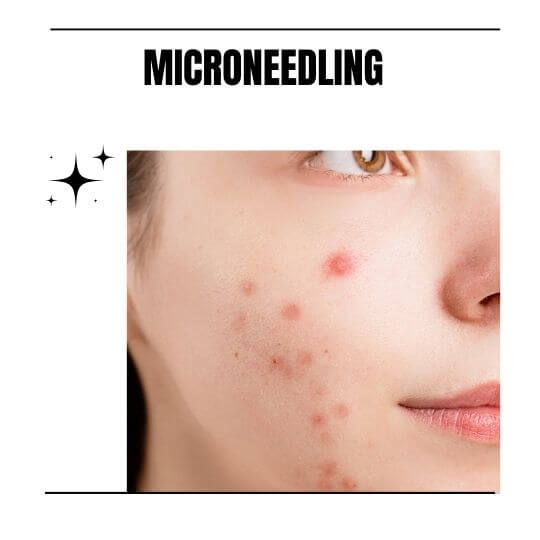
- Active acne: Microneedling can potentially spread bacteria and worsen active acne. It is generally recommended to wait until the acne is under control before proceeding with microneedling.
- Psoriasis or eczema: Microneedling may aggravate these conditions and potentially trigger flare-ups. Individuals with psoriasis or eczema should consult with a dermatologist to determine if microneedling is appropriate for them.
- Herpes simplex virus (cold sores): Microneedling in the lip area can potentially trigger the reactivation of the herpes simplex virus, leading to cold sore outbreaks. Antiviral prophylaxis may be recommended to minimize the risk.
- Rosacea: Microneedling can potentially worsen rosacea symptoms, such as redness and flushing. Individuals with rosacea should consult with a dermatologist to assess the suitability of microneedling for their specific situation.
Consulting a dermatologist beforehand
Before undergoing microneedling, it is advisable to consult with a dermatologist or healthcare professional, especially if you have pre-existing skin conditions or concerns. A dermatologist will assess your skin health, discuss your goals and concerns, and determine if microneedling is suitable for you. They can also provide personalized recommendations, address any potential risks, and guide you on the most appropriate treatment plan.
Alternative treatments for vulnerable skin
If microneedling is deemed unsuitable for your skin due to pre-existing conditions, there are alternative treatments available. Some potential alternatives include:
- Chemical peels: Chemical peels involve the application of a chemical solution to the skin, which exfoliates the outer layers and promotes a fresher, smoother complexion. Various peels are available, ranging from superficial to deep, and can address specific skin concerns.
- Laser resurfacing: Laser resurfacing uses controlled laser beams to remove damaged skin layers and stimulate collagen production. It can effectively address scars, wrinkles, and hyperpigmentation.
- Topical treatments: Depending on your skin concerns, your dermatologist may recommend topical treatments, such as prescription creams or serums, to improve your skin’s condition.
Precautions to take for specific conditions
For individuals with specific pre-existing conditions, it is important to take additional precautions before undergoing microneedling:
- Acne-prone skin: Ensure that active acne is well-controlled before proceeding with microneedling. Consult with a dermatologist to determine the most suitable treatment plan and address any underlying causes of acne.
- Sensitive or compromised skin barrier: If you have sensitive or compromised skin due to conditions like eczema or dermatitis, additional care should be taken to optimize your skin’s health before microneedling. Follow a skincare routine recommended by your dermatologist to improve the skin barrier function and minimize potential complications.

Post-Microneedling Skincare
Proper aftercare to promote healing
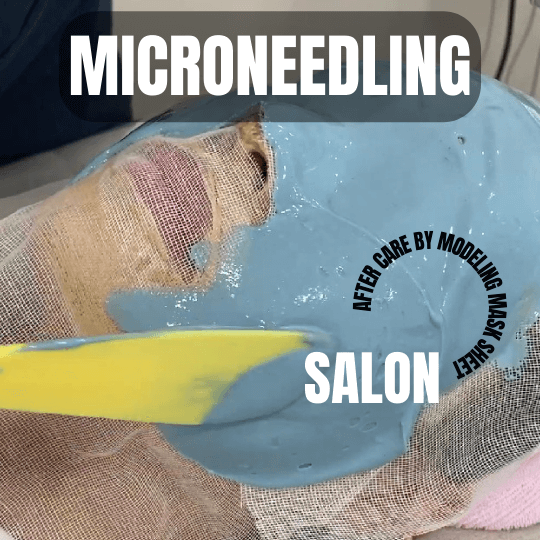
Following proper aftercare is essential for promoting healing and minimizing the risk of complications after microneedling. Here are general guidelines for post-microneedling skincare:
- Cleanse gently: Use a gentle cleanser to clean the treated area twice a day. Avoid harsh scrubbing or exfoliation to prevent further irritation.
- Moisturize regularly: Apply a soothing moisturizer to keep the skin hydrated and aid in the healing process. Look for products specifically formulated for post-procedure use and free from potentially irritating ingredients.
- Avoid direct sunlight: Protect the treated area from sun exposure by wearing protective clothing, hats, and using sunscreen with a high SPF. Sun exposure can worsen hyperpigmentation and delay the healing process.
- Avoid makeup and harsh products: Refrain from using makeup or any skincare products that may contain potentially irritating ingredients immediately after microneedling. Opt for gentle, non-comedogenic, and fragrance-free products.
- Avoid excessive sweating and strenuous exercise: Engaging in activities that cause excessive sweating or increased blood flow to the face can hinder the healing process. It is advisable to avoid strenuous exercise for at least 24-48 hours after the procedure.
- Follow post-treatment guidelines: Your healthcare professional will provide specific aftercare instructions based on your unique situation. It is crucial to follow these guidelines closely to optimize results and minimize the risk of complications.
Avoiding skincare products that aggravate skin
Post-microneedling, it is important to avoid skincare products that may aggravate the skin or hinder the healing process. Some ingredients to avoid immediately after microneedling include:
- Retinol: Retinol and other vitamin A derivatives can be too harsh for the freshly treated skin and may cause excessive dryness, redness, or irritation.
- Acids: Alpha-hydroxy acids (AHAs), beta-hydroxy acids (BHAs), and other exfoliating acids can be irritating and may disrupt the skin’s healing process. Avoid products that contain these ingredients for at least a few days after microneedling.
- Fragrances and essential oils: Fragrances and essential oils are known skin irritants and can potentially worsen irritation or sensitivity after microneedling. Opt for fragrance-free products to minimize the risk of adverse reactions.
It is crucial to consult with your healthcare professional or dermatologist to determine your specific post-microneedling skincare regimen and identify any potential irritants.
Usage of sunscreen and sun protection
Protecting your skin from the sun is crucial after microneedling to minimize the risk of hyperpigmentation and promote proper healing. Here are some sun protection recommendations:
- Apply a broad-spectrum sunscreen: Use a sunscreen with a high SPF (at least SPF 30) and broad-spectrum protection to shield your skin from UVA and UVB rays. Apply it generously to the treated area, ensuring full coverage.
- Reapply regularly: Reapply sunscreen every two hours, or more frequently if you are sweating or engaging in water-related activities.
- Seek shade: Limit direct sun exposure, especially during peak hours when the sun’s rays are the strongest. Seek shade or wear protective clothing, hats, and sunglasses when outdoors.
Following proper sun protection measures after microneedling is crucial to prevent potential complications and maintain the desired results.
When to seek professional advice
While microneedling is generally a safe procedure, it is essential to be aware of any concerning symptoms that may require professional advice. Consult with a healthcare professional if you experience:
- Excessive pain or discomfort that persists beyond the expected recovery period.
- Prolonged redness, swelling, or irritation that does not improve.
- Signs of infection, such as pus, increased redness, warmth, or fever.
- Darkening of the skin that persists or worsens after the expected healing period.
By seeking professional advice promptly, you can ensure that any potential complications are addressed promptly and effectively.
Common Misconceptions
Misconception: Microneedling can never cause damage
Contrary to this belief, microneedling does carry a risk of skin damage if not performed correctly or if aftercare instructions are not followed. It is crucial to choose a qualified professional and adhere to proper post-treatment care to minimize the potential for complications.
Misconception: The more needles, the better
The number of needles used during microneedling does not necessarily correlate with better results. It is the controlled micro-injuries and the body’s healing response that stimulate collagen production and improve the skin’s appearance. Skilled practitioners focus on technique and needle depth rather than the sheer number of needles used.
Misconception: At-home microneedling is risk-free
While at-home microneedling may be appealing due to its convenience and cost-effectiveness, it carries certain risks. Without the training and expertise of a professional, there is an increased risk of inadequate sterilization, improper technique, and potential skin damage. It is important to exercise caution and consult with a healthcare professional if considering at-home microneedling.
Misconception: Microneedling can fix any skin issue
Microneedling is a versatile treatment that can address numerous skin concerns. However, it is not a one-size-fits-all solution for every skin issue. Some conditions may require alternative treatments, and individuals with certain pre-existing skin conditions may not be suitable candidates for microneedling. Consulting with a healthcare professional will help determine the best course of action for your specific concerns.

Consulting a Professional
Importance of professional assessment
Seeking a professional assessment before undergoing microneedling is essential for several reasons. A professional assessment allows for a thorough evaluation of your skin’s condition, the identification of potential risks or contraindications, and the development of a personalized treatment plan. It ensures that the procedure is performed safely and effectively, optimizing results and minimizing the risk of complications.
Finding a reputable and experienced practitioner
When seeking a microneedling practitioner, it is crucial to choose a reputable and experienced professional. Consider the following tips to find the right practitioner for your needs:
- Research qualifications and credentials: Look for a practitioner who is trained, certified, and licensed to perform microneedling. Check their credentials and any additional certifications they may have.
- Read reviews and testimonials: Seek feedback from previous clients to gauge their satisfaction and overall experience with the practitioner. This can provide insights into the practitioner’s expertise and professionalism.
- Schedule a consultation: Request a consultation with the practitioner to discuss your goals, concerns, and expectations. Use this opportunity to assess their knowledge, communication skills, and how comfortable you feel with them.
By conducting thorough research and choosing a reputable practitioner, you can have confidence in the quality and safety of your microneedling treatment.
Discussing expected outcomes and potential risks
During the consultation with your chosen practitioner, it is important to discuss the expected outcomes and potential risks associated with microneedling. Openly communicate your goals, concerns, and any pre-existing skin conditions to ensure a comprehensive understanding of the procedure and its implications. The practitioner should provide you with all the necessary information and answer any questions or doubts you may have.
Considering alternatives and assessing suitability
Microneedling is not suitable for everyone, and there may be alternative treatments available for certain skin concerns. Your practitioner should assess your suitability for microneedling based on your skin condition, medical history, and individual goals. If microneedling is deemed unsuitable, they can provide guidance on alternative treatments that may better address your specific concerns.
Conclusion
Microneedling is a popular cosmetic procedure that offers various benefits for improving the appearance of scars, fine lines, wrinkles, hyperpigmentation, and overall skin texture. However, it is crucial to understand the potential risks and take appropriate precautions to minimize the chance of skin damage, infections, allergic reactions, and other complications. Consultation with a reputable professional is of paramount importance to assess your suitability for microneedling, discuss potential risks, and ensure optimal results. By following proper aftercare and avoiding common misconceptions, you can safely and effectively incorporate microneedling into your skincare routine to achieve the desired outcomes.



 English
  Spanish