
google.com, pub-2032008856654686, DIRECT, f08c47fec0942fa0

How Painful Is Microneedling?

Learn how painful microneedling is and how to manage discomfort. Understand the procedure, pain factors, and post-care tips for optimal results.

How Painful Is Microneedling?

Have you been considering microneedling but are hesitant due to concerns about the pain level involved? I will provide you with a comprehensive overview of the pain experience during microneedling procedures to help you make an informed decision.

Understanding Microneedling
Microneedling, also known as collagen induction therapy, is a minimally invasive cosmetic procedure that involves using a device with fine needles to create tiny punctures in the top layer of the skin. These micro-injuries stimulate the body’s natural wound healing process, resulting in increased collagen and elastin production, which helps improve skin texture, tone, and overall appearance.

Microneedling is commonly used to address concerns such as acne scars, fine lines and wrinkles, enlarged pores, hyperpigmentation, and uneven skin texture. The procedure can be performed on the face, neck, chest, hands, and other areas of the body.

Pain Perception During Microneedling
During microneedling, the depth of penetration of the needles into the skin can vary depending on the specific concerns being addressed and the device used. The sensation experienced during the procedure is often described as a mild to moderate stinging or pricking sensation. However, pain perception is highly subjective and can vary from person to person.

The experience of pain during microneedling can be influenced by factors such as individual pain threshold, area being treated, needle length, and the use of topical numbing creams or anesthesia. Some people may find the pain level to be tolerable, while others may experience more discomfort.

Factors Affecting Pain Level
Individual Pain Threshold
Everyone’s pain tolerance is different, so what may feel uncomfortable to one person may be manageable for another. It is important to communicate your pain tolerance and comfort level with your skincare provider before the procedure to ensure a positive experience.

Area Being Treated
Certain areas of the face and body may be more sensitive than others, leading to variations in pain perception during microneedling. For example, the skin on the forehead and around the eyes may be more delicate and prone to increased sensitivity.

Needle Length
The depth of penetration of the needles into the skin can impact the level of pain experienced during microneedling. Longer needles may result in more discomfort compared to shorter needles, as they reach deeper layers of the skin where nerve endings are more abundant.

Topical Numbing Creams
Many skincare providers offer the option of applying a topical numbing cream to the skin prior to the microneedling procedure to help minimize discomfort. Numbing creams contain ingredients such as lidocaine or benzocaine that temporarily numb the skin, making the procedure more tolerable.

Pain Management Strategies
If you are concerned about the pain level during microneedling, there are several strategies you can discuss with your skincare provider to help manage discomfort and ensure a more pleasant experience.

Topical Numbing Cream
As mentioned earlier, applying a topical numbing cream to the skin before the procedure can help reduce pain perception during microneedling. The cream is typically applied 30-60 minutes before the treatment begins to allow sufficient time for the numbing effect to take place.

Cooling Devices
Some skincare providers use cooling devices or ice packs to help numb the skin and reduce pain sensation during microneedling. Cold temperatures can help constrict blood vessels, which may decrease sensitivity and discomfort.

Distraction Techniques
Engaging in conversation with your skincare provider or listening to music during the procedure can serve as effective distraction techniques to help take your mind off the sensations of microneedling. Focusing on something other than the pain can make the experience more bearable.

Deep Breathing Exercises
Practicing deep breathing exercises before and during the microneedling procedure can help relax your body and mind, reducing tension and discomfort. Take slow, deep breaths in through your nose and out through your mouth to promote relaxation.

Communicate with Your Provider
It is essential to communicate openly and honestly with your skincare provider about your pain tolerance, concerns, and preferences during the microneedling procedure. They can adjust the treatment parameters, use additional numbing techniques, or take breaks as needed to ensure your comfort.

Post-Procedure Care
After your microneedling treatment, it is crucial to follow the recommended post-procedure care instructions provided by your skincare provider to promote healing, reduce the risk of complications, and optimize results.

Moisturization
Use a gentle, hydrating moisturizer to soothe and hydrate the skin following microneedling. Hyaluronic acid-based serums are excellent choices, as they help retain moisture in the skin and promote healing.

Sun Protection
Protect your skin from sun exposure by applying a broad-spectrum sunscreen with an SPF of 30 or higher daily. Ultraviolet rays can cause damage to the skin post-microneedling, leading to hyperpigmentation and compromised healing.

Avoid Harsh Products
Refrain from using harsh skincare products, such as exfoliants, retinoids, and acids, for a few days after microneedling. These products can irritate the skin and disrupt the healing process, potentially leading to inflammation and complications.

Gentle Cleansing
Cleanse your skin gently with a mild, non-abrasive cleanser to remove impurities and maintain skin health post-microneedling. Avoid scrubbing or rubbing the skin vigorously to prevent irritation and damage to the treated area.

Follow-up Appointments
Schedule follow-up appointments with your skincare provider as recommended to assess your skin’s progress, address any concerns, and determine the need for additional treatments. Consistency in treatment and adherence to the post-procedure care regimen are essential for achieving optimal results.

Conclusion
In conclusion, the pain level experienced during microneedling can vary depending on individual factors, such as pain threshold, area being treated, and pain management strategies employed. By understanding the procedure, communicating with your skincare provider, and following post-procedure care guidelines, you can help minimize discomfort and achieve the desired skin improvements effectively. If you have concerns about the pain associated with microneedling, discuss them with your skincare provider to determine the best approach for your needs.

How Many Sessions Of Microneedling?

Discover how many sessions of microneedling are needed to see results. Factors affecting the number of sessions and what to expect during each session.

How Many Sessions Of Microneedling?

Microneedling has become increasingly popular in the skincare industry for its ability to improve skin texture, reduce acne scars, and promote collagen production. One of the most common questions people have is how many sessions of microneedling are needed to see results. In this article, I will provide a detailed guide on the number of sessions required for optimal results, factors that may influence the number of sessions needed, and what to expect during each session.

Factors Affecting the Number of Microneedling Sessions
When determining how many sessions of microneedling are needed, it is important to consider several factors that can influence the outcome. These factors include the desired results, the severity of skin concerns, skin type, age, and overall skin health.

Desired Results
The number of microneedling sessions required will vary depending on the desired results. For mild skin concerns such as fine lines and light scarring, fewer sessions may be needed compared to more severe issues like deep wrinkles or acne scars. It is essential to have realistic expectations and consult with a skincare professional to determine the number of sessions needed to achieve your goals.

Severity of Skin Concerns
The severity of skin concerns plays a significant role in determining the number of microneedling sessions required. For minor skin issues, such as uneven skin texture or mild acne scars, fewer sessions may be needed to see improvement. In contrast, more severe skin conditions like deep wrinkles or significant scarring may require multiple sessions to achieve noticeable results.

Skin Type
Different skin types respond differently to microneedling treatments. Individuals with sensitive skin may require fewer sessions to avoid irritation, while those with oily or acne-prone skin may need additional sessions to address specific concerns. Your skincare professional will assess your skin type and tailor the treatment plan accordingly to achieve the best results.

Age
Age can also impact the number of microneedling sessions needed to see visible improvement in skin texture and tone. Younger individuals with fewer signs of aging may require fewer sessions to maintain skin health, while older individuals may need more sessions to target deep wrinkles and age-related concerns.

Overall Skin Health
The overall health of your skin plays a crucial role in determining the number of microneedling sessions needed. Individuals with well-maintained skin may require fewer sessions to achieve desired results, while those with compromised skin health may need additional sessions to address specific concerns. It is essential to follow a consistent skincare routine and practice good skin habits to optimize the results of microneedling treatments.

Recommended Number of Microneedling Sessions
While the number of microneedling sessions needed can vary based on individual factors, skincare professionals typically recommend a series of treatments to achieve optimal results. The recommended number of microneedling sessions often ranges from 3 to 6 sessions, spaced 4 to 6 weeks apart.

Initial Consultation
During the initial consultation, your skincare professional will assess your skin concerns, goals, and overall skin health to determine the number of microneedling sessions needed. They will also discuss the treatment plan, expected results, and post-care instructions to ensure a successful outcome.

Initial Series of Treatments
A common approach to microneedling treatments is to start with an initial series of 3 to 4 sessions, spaced 4 to 6 weeks apart. This series of treatments allows for targeted improvement in skin texture, tone, and collagen production to address specific concerns effectively.

Maintenance Sessions
After completing the initial series of microneedling sessions, maintenance sessions are often recommended to prolong the results and maintain skin health. Maintenance sessions are typically scheduled every 3 to 6 months, depending on individual skin concerns and goals.

Customized Treatment Plan
Your skincare professional will create a customized treatment plan based on your skin type, concerns, and goals. They will adjust the number of microneedling sessions as needed to achieve the desired results and provide post-care recommendations to optimize the outcome.

What to Expect During Microneedling Sessions
Microneedling sessions typically follow a specific protocol to ensure safe and effective treatment. Understanding what to expect during each session can help you prepare and feel more comfortable with the process.

Pre-Treatment Preparation
Before the microneedling session, your skincare professional will cleanse your skin and apply a numbing cream to minimize discomfort during the treatment. They will also discuss any specific concerns or areas of focus to tailor the treatment to your individual needs.

Microneedling Procedure
During the Microneedling Procedure, a handheld device with fine needles is used to create controlled micro-injuries in the skin. This process stimulates collagen production, improves skin texture, and enhances the absorption of skincare products. The treatment is generally well-tolerated, with minimal discomfort and downtime.

Post-Treatment Care
After the microneedling session, your skincare professional will apply a soothing serum or moisturizer to calm the skin and promote healing. It is essential to follow post-care instructions, including avoiding sun exposure, using gentle skincare products, and staying hydrated to optimize the results of the treatment.

Recovery Period
The recovery period following a microneedling session is relatively short, with most individuals experiencing mild redness and swelling for 1 to 2 days. Over the next few days, the skin may feel tight and dry as it heals and regenerates. It is crucial to protect the skin and avoid harsh ingredients to support the healing process.

Results and Follow-Up
Visible results from microneedling treatments can be seen within a few weeks following the initial session, with continued improvement over the following months. Follow-up sessions are scheduled based on your skincare professional’s recommendations to maintain the results and address any ongoing skin concerns.

Conclusion
Microneedling is a versatile treatment option for improving skin texture, reducing acne scars, and promoting collagen production. The number of microneedling sessions needed to achieve optimal results varies based on individual factors such as desired outcomes, skin concerns, age, and skin health. By consulting with a skincare professional and following a customized treatment plan, you can experience the transformative benefits of microneedling for healthier, more radiant skin.

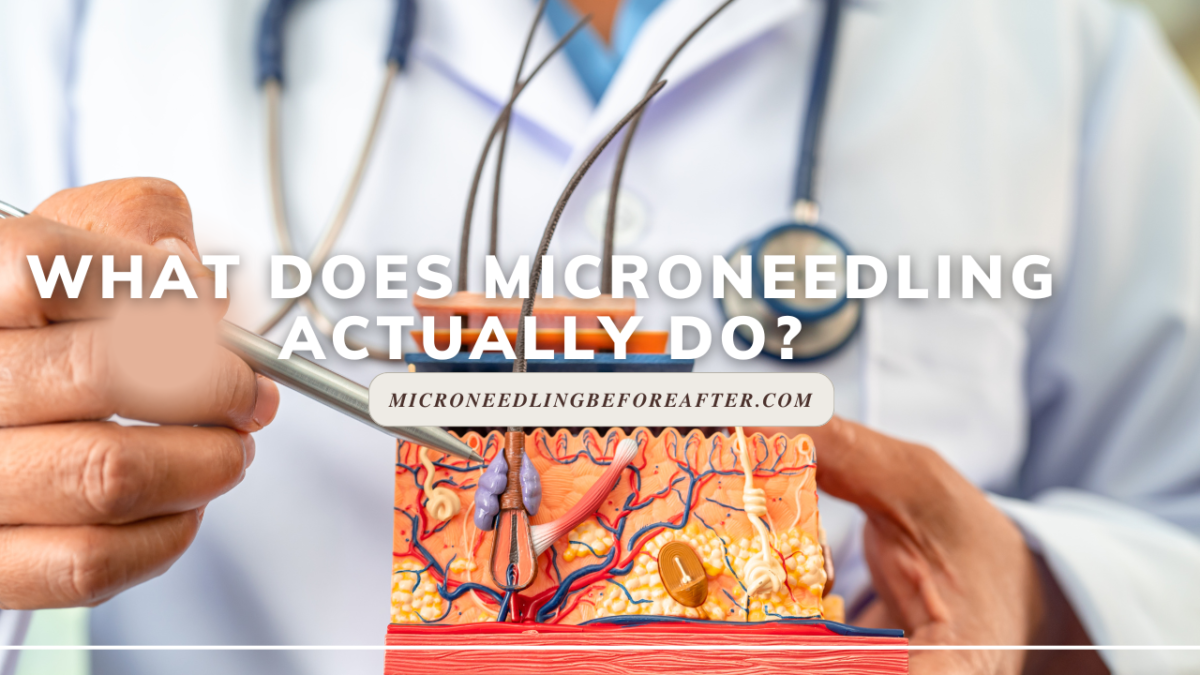
What Does Microneedling Actually Do?

Discover the benefits of microneedling for your skin. Learn how this popular skincare treatment can improve texture, tone, and reduce scars.

What Does Microneedling Actually Do?

Microneedling is a popular skincare treatment that involves using a device with fine needles to create micro-injuries in the skin. But what does microneedling actually do for your skin? In this article, I will delve into the benefits, process, and results of microneedling to help you understand its impact on your skin.

Understanding Microneedling
Microneedling, also known as collagen induction therapy, is a minimally invasive cosmetic procedure that is used to treat various skin concerns, including wrinkles, acne scars, large pores, and uneven skin tone. During the microneedling procedure, a device called a dermaroller or a microneedling pen is used to create controlled micro-injuries in the skin’s surface.

How Microneedling Works
By creating these tiny punctures in the skin, microneedling stimulates the skin’s natural healing process, triggering the production of collagen and elastin. Collagen is a protein that helps maintain the skin’s firmness and elasticity, while elastin is responsible for skin resilience and flexibility. The production of these two essential proteins helps improve the overall texture and appearance of the skin.

Benefits of Microneedling
The primary Benefits of Microneedling include:

Reducing the appearance of fine lines and wrinkles
Improving skin texture and tone
Minimizing the appearance of acne scars
Shrinking enlarged pores
Enhancing the absorption and efficacy of skincare products

Is Microneedling Safe?
Microneedling is considered a safe and effective treatment when performed by a trained and licensed skincare professional. However, there are some risks associated with microneedling, such as infection, scarring, and pigmentation changes. It is essential to consult with a skincare professional to determine if microneedling is suitable for your skin type and concerns.

The Microneedling Process
Before the Procedure
Before undergoing a microneedling treatment, it is essential to prepare your skin to maximize the results and minimize any potential risks. Your skincare professional will provide you with pre-treatment instructions, which may include avoiding certain skincare products or medications that can increase skin sensitivity.

During the Procedure
The microneedling procedure typically takes about 30-60 minutes, depending on the size of the treatment area. Your skincare professional will apply a numbing cream to your skin to minimize discomfort during the treatment. The microneedling device is then passed over the skin in a controlled manner to create micro-injuries.

Aftercare
After the microneedling procedure, your skin may appear red and slightly swollen, similar to a mild sunburn. Your skincare professional will provide you with post-treatment instructions to help your skin heal properly and maximize the results. It is essential to avoid direct sun exposure and use gentle skincare products to support the healing process.

Microneedling Results
Immediate Results
After a microneedling treatment, you may notice immediate improvements in your skin’s texture and tone. The micro-injuries created during the procedure stimulate collagen production, giving your skin a natural glow and radiance. Many patients report smoother, firmer skin immediately after their microneedling session.

Long-Term Results
The full benefits of microneedling are typically seen in the weeks following the procedure as collagen production continues to increase. Over time, you may notice a reduction in the appearance of fine lines, wrinkles, acne scars, and enlarged pores. With regular microneedling sessions, you can maintain healthy, youthful-looking skin.

Number of Sessions
The number of microneedling sessions needed to achieve optimal results may vary depending on your skin concerns and goals. Most skincare professionals recommend a series of 3-6 treatments spaced 4-6 weeks apart for best results. Maintenance treatments every 6-12 months can help prolong the benefits of microneedling.

Conclusion
Microneedling is a versatile skincare treatment that offers numerous benefits for a variety of skin concerns. By stimulating collagen production and improving skin texture, microneedling can help you achieve smoother, firmer, and more youthful-looking skin. If you are considering microneedling as part of your skincare routine, consult with a licensed skincare professional to assess your skin’s needs and create a customized treatment plan.

en_USEnglish