
google.com, pub-2032008856654686, DIRECT, f08c47fec0942fa0

Rf Microneedling Downtime

Learn about the downtime associated with Rf Microneedling treatments. Understand factors, typical recovery periods & ways to manage downtime effectively.

Rf Microneedling Downtime
When it comes to undergoing rf microneedling treatments, one of the key factors to consider is the downtime associated with the procedure. Understanding how much downtime to expect can help you plan accordingly and ensure a smooth recovery process. In this article, I will discuss the typical rf microneedling downtime, factors that can affect it, and how to best manage and minimize it.

What is Rf Microneedling Downtime?
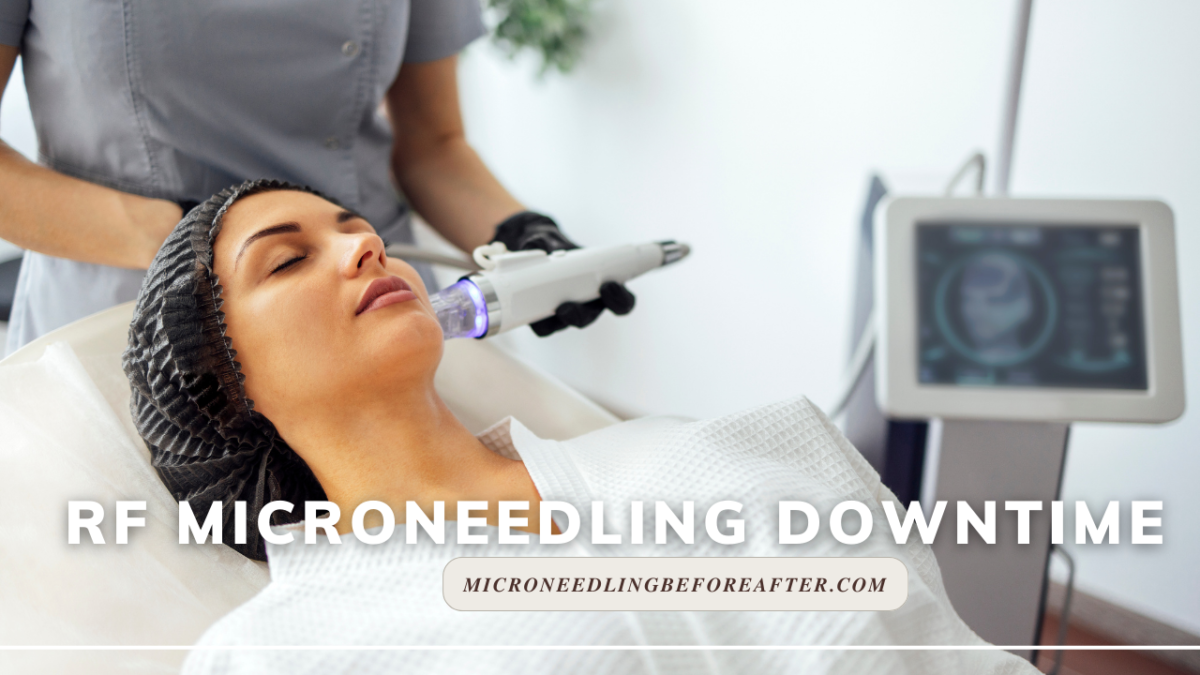
Rf microneedling, also known as radiofrequency microneedling, is a minimally invasive cosmetic procedure that utilizes a combination of microneedling and radiofrequency energy to target various skin concerns such as wrinkles, fine lines, acne scars, and uneven skin texture. Downtime refers to the period of time following the treatment when you may experience side effects such as redness, swelling, and skin sensitivity.

Understanding the expected downtime associated with rf microneedling can help you prepare for the recovery process and manage your expectations in terms of when you can resume your normal activities.

Factors That Can Affect Rf Microneedling Downtime
Several factors can influence the duration and severity of rf microneedling downtime. It’s important to consider these factors when planning for your procedure:

Treatment Intensity: The intensity of the rf microneedling treatment can affect the level of downtime you experience. Higher intensity treatments may result in more significant side effects and a longer recovery period.

Skin Sensitivity: Individuals with sensitive skin may experience more pronounced side effects and a longer downtime compared to those with less sensitive skin.

Skin Type: Different skin types react differently to rf microneedling treatments. Darker skin tones may be more prone to post-treatment hyperpigmentation, which can extend the downtime.

Preparation and aftercare: Proper preparation before the procedure and diligent aftercare following the treatment can help minimize downtime and promote faster healing.

Considering these factors can help you better understand how your individual characteristics and choices may impact the downtime associated with rf microneedling.

Typical Rf Microneedling Downtime
The typical downtime associated with rf microneedling can vary from person to person and depends on the factors mentioned above. In general, here is what you can expect in terms of downtime following the procedure:

Redness: Mild to moderate redness of the treated area is common immediately after rf microneedling and may persist for a few days.

Swelling: Swelling, particularly around the eyes and cheeks, may occur post-treatment and usually subsides within a few days.

Skin Sensitivity: The treated skin may feel sensitive, tight, or slightly uncomfortable for a few days following rf microneedling.

Peeling: Some individuals may experience mild peeling of the skin a few days after the treatment as the skin undergoes the healing process.

While these are general guidelines, your actual downtime may vary based on your unique characteristics and how well you follow the recommended aftercare instructions.

Managing Rf Microneedling Downtime
While some downtime is expected following rf microneedling, there are steps you can take to manage and minimize it:

Follow Aftercare Instructions: Be sure to carefully follow the post-treatment instructions provided by your skincare professional. This may include using specific skincare products, avoiding direct sunlight, and refraining from certain activities for a period of time.

Keep Skin Hydrated: Keeping your skin well-hydrated can help promote healing and reduce the appearance of dryness or peeling.

Avoid Harsh Products: During the downtime period, avoid using harsh skincare products or treatments that could irritate the skin or interfere with the healing process.

Protect Your Skin: Protect your skin from the sun by wearing a broad-spectrum sunscreen with SPF 30 or higher and avoiding prolonged sun exposure.

By following these tips and recommendations, you can help ensure a smooth recovery process and minimize the downtime associated with rf microneedling.

Conclusion
In conclusion, understanding rf microneedling downtime is an important aspect of preparing for and undergoing this popular cosmetic procedure. By considering factors that can affect the downtime, knowing what to expect in terms of typical recovery periods, and following recommended aftercare practices, you can help manage and minimize the downtime associated with rf microneedling.

If you are considering rf microneedling treatment, consulting with a qualified skincare professional can provide you with personalized advice and guidance on how to best prepare for and recover from the procedure. Remember that everyone’s skin is unique, and your individual characteristics may influence the duration and severity of downtime you experience. By being informed and proactive, you can enjoy the benefits of rf microneedling while minimizing any temporary side effects.

Rf Microneedling Acne Scars Before And After

Discover the amazing results of RF Microneedling for acne scars before and after treatment. Learn about the benefits and transformative effects in this informative post.

Rf Microneedling Acne Scars Before And After
As a professional in the skincare industry, I often get asked about the effectiveness of RF microneedling for acne scars. In this article, I will delve into the before and after results of RF microneedling treatment for acne scars.

Understanding Acne Scars
Before discussing the before and after results of RF microneedling, it is essential to understand the different types of acne scars. Acne scars can be classified into two main categories: atrophic scars and hypertrophic or keloid scars.

Atrophic scars are caused by a loss of tissue and are the most common type of acne scars. These scars appear as depressions on the skin and can be further classified into three subtypes: icepick, boxcar, and rolling scars.

Hypertrophic or keloid scars, on the other hand, are caused by an overproduction of collagen during the healing process. These scars appear as raised bumps on the skin and are less common than atrophic scars.

What is RF Microneedling?
RF microneedling is a minimally invasive cosmetic procedure that combines traditional microneedling with radiofrequency technology. During the treatment, a device with tiny needles creates micro-injuries in the skin, stimulating the production of collagen and elastin to promote skin regeneration.

The addition of radiofrequency energy helps to further tighten and firm the skin, making RF microneedling an effective treatment for a wide range of skin concerns, including acne scars, fine lines, and wrinkles.

Before and After Results of RF Microneedling for Acne Scars
Now, let’s discuss the before and after results of RF microneedling specifically for acne scars. One of the key benefits of RF microneedling is its ability to target both the surface and deeper layers of the skin, making it an effective treatment for various types of acne scars.

Before RF Microneedling Treatment
Before undergoing RF microneedling treatment for acne scars, it is essential to have a consultation with a qualified skincare professional to assess your skin concerns and determine if you are a suitable candidate for the procedure. During the consultation, the skincare professional will discuss your medical history, skincare routine, and expected results from the treatment.

It is crucial to follow any pre-treatment instructions provided by the skincare professional to ensure optimal results from the RF microneedling procedure. These instructions may include avoiding certain skincare products or medications that can increase the risk of complications during the treatment.

After RF Microneedling Treatment
After undergoing RF microneedling treatment for acne scars, it is essential to follow post-treatment care instructions to promote optimal healing and results. These instructions may include avoiding sun exposure, using gentle skincare products, and staying hydrated to support the skin’s recovery process.

In the days following the RF microneedling procedure, it is normal to experience some redness, swelling, and mild discomfort in the treated areas. These side effects typically subside within a few days, and the skin will begin to show signs of improvement as collagen and elastin production are stimulated.

Case Studies: RF Microneedling Before And After Results
To further illustrate the effectiveness of RF microneedling for acne scars, let’s take a look at some before and after results from real-life case studies.

Case Study
Before Treatment
After Treatment

Case 1
Deep icepick scars on cheeks
Significant reduction in scar depth and improvement in skin texture

Case 2
Rolling scars on forehead
Smoother skin texture and reduced appearance of scars

Case 3
Boxcar scars on chin
Improved skin firmness and reduction in scar size

These case studies demonstrate the transformative effects of RF microneedling for acne scars and highlight the potential for significant improvement in skin texture and appearance.

Benefits of RF Microneedling for Acne Scars
RF microneedling offers several key benefits for treating acne scars, making it a popular choice among skincare professionals and patients alike. Some of the benefits of RF microneedling for acne scars include:

Improved skin texture and tone
Reduction in scar depth and size
Increased collagen and elastin production
Minimal downtime and post-treatment discomfort
Safe and effective for all skin types

By targeting both the surface and deeper layers of the skin, RF microneedling can address a wide range of acne scars and skin concerns with long-lasting results.

Conclusion
In conclusion, RF microneedling is a highly effective treatment for acne scars, offering significant improvements in skin texture, tone, and appearance. By stimulating collagen and elastin production, RF microneedling promotes skin regeneration and rejuvenation, resulting in smoother, firmer skin with reduced scarring.

If you are considering RF microneedling for acne scars, it is essential to consult with a qualified skincare professional to discuss your treatment options and expectations. With proper care and maintenance, RF microneedling can help you achieve lasting results and regain your confidence in your skin.

Remember, the key to successful treatment lies in choosing a reputable skincare clinic and following pre- and post-treatment care instructions to ensure optimal results. By taking the necessary steps to care for your skin, you can enjoy the benefits of RF microneedling and achieve the clear, smooth complexion you desire.

Different Types Of Microneedling

Learn about the different types of microneedling techniques and their unique benefits in this comprehensive guide. Make an informed decision on the best treatment for your skin.

Microneedling: A Comprehensive Guide
In recent years, microneedling has gained popularity as a minimally invasive cosmetic procedure that promotes skin rejuvenation. As I delve into the world of microneedling treatments, one question that comes to mind is: what are the different types of microneedling available? In this article, I will explore the various types of microneedling techniques and their unique benefits to help you make an informed decision on which treatment may be best suited for your skincare needs.

The Basics of Microneedling
Before diving into the different types of microneedling, it’s important to understand the basic concept of this procedure. Microneedling, also known as collagen induction therapy, involves the use of tiny needles to create controlled micro-injuries on the skin’s surface. These micro-injuries stimulate the body’s natural healing process, leading to increased collagen and elastin production. The result is smoother, firmer, and more youthful-looking skin.

Microneedling can be used to treat a variety of skin concerns, including acne scars, fine lines and wrinkles, enlarged pores, and hyperpigmentation. The procedure is typically performed by a licensed skincare professional using a handheld device with fine needles that penetrate the upper layers of the skin.

Types of Microneedling
When it comes to microneedling treatments, not all procedures are created equal. There are several types of microneedling techniques available, each with its own unique approach and benefits. Let’s explore some of the most popular types of microneedling:

1. Traditional Microneedling
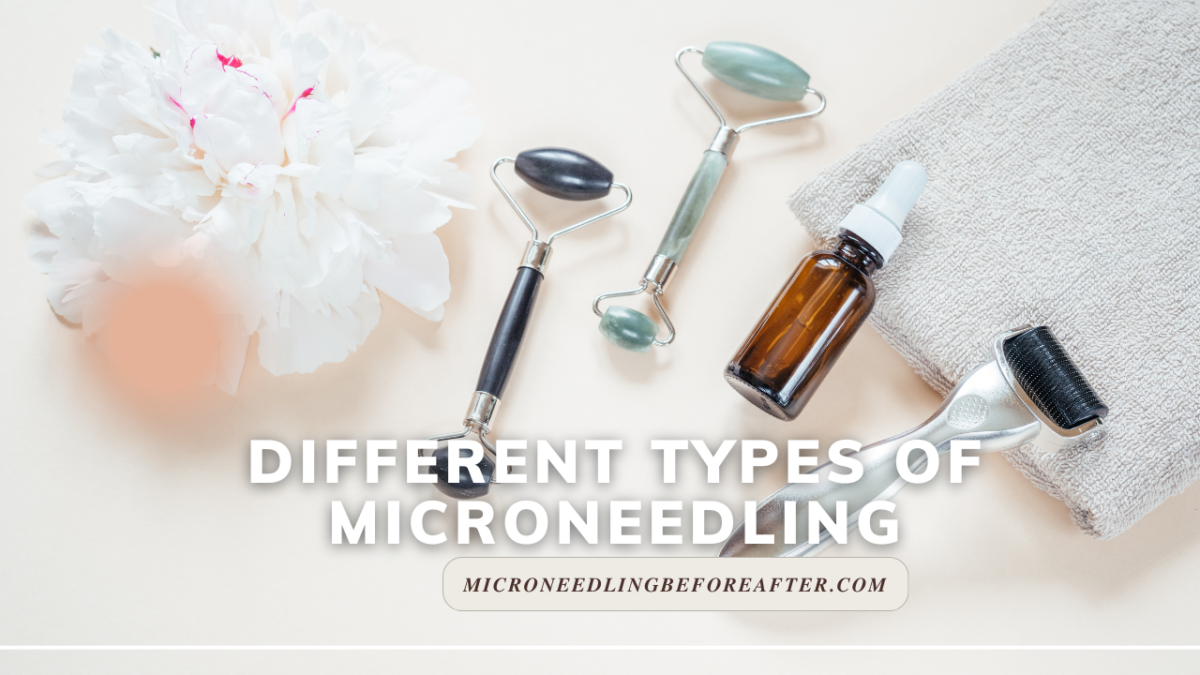
Traditional microneedling, also known as dermarolling, involves the use of a handheld device with a roller containing fine needles. The device is rolled over the skin’s surface, creating hundreds of micro-injuries. This mechanical stimulation triggers the skin’s natural healing response, leading to collagen and elastin production.

Traditional microneedling is effective in improving the overall texture and tone of the skin, reducing the appearance of fine lines and wrinkles, and minimizing the size of pores. However, multiple sessions may be required to achieve optimal results.

2. Automated Microneedling
Automated microneedling, also known as micropen or microneedling pen, involves the use of a device with a disposable needle cartridge that oscillates at a high speed. The device is moved over the skin in a stamping motion, creating controlled micro-injuries.

Automated microneedling is a more precise and consistent technique compared to traditional dermarolling. The adjustable needle depth allows for customized treatment based on the patient’s specific skincare concerns. This type of microneedling is ideal for treating acne scars, stretch marks, and uneven skin texture.

3. Radiofrequency Microneedling
Radiofrequency (RF) microneedling combines the benefits of traditional microneedling with the skin tightening effects of radiofrequency energy. This innovative technique involves the use of a microneedling device that delivers RF energy deep into the skin’s layers, stimulating collagen and elastin production.

RF microneedling is highly effective in tightening sagging skin, reducing the appearance of wrinkles, and improving skin laxity. The combination of microneedling and RF energy results in enhanced skin rejuvenation and long-lasting anti-aging benefits.

4. Platelet-Rich Plasma (PRP) Microneedling
Platelet-rich plasma (PRP) microneedling, also known as the “vampire facial,” combines the regenerative properties of PRP with the skin rejuvenating effects of microneedling. This treatment involves the extraction of the patient’s blood, which is then processed to isolate the platelet-rich plasma. The PRP is applied to the skin before microneedling, enhancing the healing and rejuvenation process.

PRP microneedling is effective in improving skin texture, promoting collagen production, and reducing the appearance of fine lines and wrinkles. This treatment is often recommended for patients seeking natural skin rejuvenation with minimal downtime.

5. Combination Microneedling
Combination microneedling involves the use of multiple modalities to address specific skincare concerns. This technique combines traditional microneedling with other treatments such as PRP, growth factors, or serums to enhance the overall results.

Combination microneedling is highly customizable and can be tailored to target a wide range of skin conditions, including acne scarring, hyperpigmentation, and sun damage. By combining different treatments, patients can achieve more comprehensive results and address multiple skin concerns in a single session.

Selecting the Right Microneedling Treatment
With several types of microneedling techniques available, choosing the right treatment for your skincare needs can be overwhelming. Here are some factors to consider when selecting a microneedling procedure:

Skin Concerns: Identify your specific skin concerns, whether it’s acne scars, fine lines, or uneven skin texture. Different microneedling techniques are designed to address specific concerns, so choose a treatment that targets your primary skincare goals.

Budget: Consider your budget when selecting a microneedling treatment, as prices can vary depending on the type of procedure and number of sessions required. Keep in mind that some treatments may require multiple sessions for optimal results.

Downtime: Evaluate the downtime associated with each microneedling treatment, as some procedures may require a few days of recovery time. If you have a busy schedule, opt for a treatment with minimal downtime to accommodate your lifestyle.

Consultation: Schedule a consultation with a licensed skincare professional to discuss your skincare goals and determine which microneedling treatment is best suited for your needs. A skincare expert can provide personalized recommendations based on your skin type and concerns.

In Conclusion
Microneedling is a versatile and effective cosmetic procedure that can address a wide range of skincare concerns. By exploring the different types of microneedling techniques and their unique benefits, you can make an informed decision on which treatment may be best suited for your skin. Whether you opt for traditional microneedling, automated microneedling, RF microneedling, PRP microneedling, or combination microneedling, one thing is certain – microneedling can help you achieve smoother, firmer, and more youthful-looking skin. So, why wait? Take the first step towards radiant skin with a microneedling treatment tailored to your specific skincare needs.

en_USEnglish