google.com, pub-2032008856654686, DIRECT, f08c47fec0942fa0

How To Remove Dead Skin After Microneedling?

Learn how to remove dead skin after microneedling in this comprehensive guide. Discover gentle cleansers, mild exfoliants, and proper hydration techniques to achieve a refreshed and rejuvenated complexion. Avoid harsh products, protect your skin from the sun, and take care of scabs for optimal healing. Follow these tips to maintain the results of your microneedling treatment.

Are you wondering how to effectively remove dead skin after microneedling? Look no further! In this article, we will guide you through the simple steps to help you achieve a refreshed and rejuvenated complexion. Microneedling, a popular skin treatment, involves creating tiny microchannels in the skin to stimulate collagen production and promote skin renewal. However, after the treatment, the dead skin cells may accumulate, making it essential to follow proper post-care procedures. So, let’s explore the techniques that will leave your skin feeling brand new!
How To Remove Dead Skin After Microneedling

Using Gentle Cleansers

Choosing the Right Cleanser

When it comes to cleansing your skin after microneedling, it’s important to choose a gentle cleanser that won’t irritate or further damage your skin. Look for cleansers that are free from harsh chemicals, fragrances, and exfoliating particles. Opt for mild, pH-balanced cleansers that are specifically designed for sensitive or post-treatment skin. These cleansers will effectively remove impurities without stripping away the skin’s natural moisture.

Using Lukewarm Water

In addition to selecting the right cleanser, it’s essential to use lukewarm water when washing your face after microneedling. Extremely hot water can cause redness and irritation, while cold water may constrict the blood vessels and hinder the healing process. Lukewarm water helps to gently cleanse the skin without causing excessive dryness or sensitivity.

Gentle Exfoliation

After microneedling, your skin may experience some flakiness as it starts to shed dead skin cells. Gentle exfoliation can help accelerate this process and reveal healthier, smoother skin underneath. However, it’s crucial to avoid abrasive scrubs or harsh exfoliating tools, as they can cause further irritation or even disrupt the healing process. Instead, opt for mild exfoliants such as enzyme-based or chemical exfoliants that gently dissolve dead skin cells without causing any physical trauma to the skin.

Using Mild Exfoliants

Avoiding Harsh Scrubs

While exfoliation is beneficial after microneedling, it’s important to steer clear of harsh scrubs or exfoliating brushes. These abrasive methods can irritate your skin and potentially cause damage to the delicate new skin cells that are forming. Instead, opt for mild exfoliants that contain gentle ingredients like fruit enzymes or alpha-hydroxy acids (AHAs). These help to slough off dead skin cells without the need for physical scrubbing.

Opting for Chemical Exfoliants

Chemical exfoliants, such as AHAs or beta-hydroxy acids (BHAs), can be extremely effective in removing dead skin cells and promoting cellular turnover. These exfoliants work by dissolving the bonds between dead skin cells, allowing them to be easily shed from the surface of the skin. When using chemical exfoliants after microneedling, it’s essential to start with a low concentration and gradually increase as your skin adjusts. Always follow the instructions provided by the product and do a patch test beforehand to ensure your skin doesn’t react negatively.

Patch Testing

Before using any new exfoliant or skincare product, it’s crucial to perform a patch test. Apply a small amount of the product behind your ear or on your inner arm and leave it on for 24 hours to see if any adverse reactions occur. This step is especially important after microneedling, as your skin may be more sensitive and prone to reactions. If you experience any redness, itching, or irritation, refrain from using the product on your face.

How To Remove Dead Skin After Microneedling?

Hydrating and Moisturizing

Importance of Hydration

After microneedling, your skin needs proper hydration to heal and regenerate effectively. Hydration helps to maintain skin elasticity, improve the appearance of fine lines and wrinkles, and create a protective barrier against external pollutants. Ensuring your skin is adequately hydrated can also help reduce the chances of excessive peeling or dryness after the procedure.

Choosing the Right Moisturizer

Selecting the right moisturizer is crucial for maintaining the health and integrity of your skin after microneedling. Look for moisturizers that are specifically formulated for post-treatment or sensitive skin. These moisturizers usually contain gentle and nourishing ingredients like hyaluronic acid, ceramides, and peptides. Avoid heavy creams or occlusive moisturizers that may clog your pores or hinder the healing process.

Applying Hydrating Masks

In addition to using a moisturizer, incorporating hydrating masks into your skincare routine can provide an extra boost of moisture to your skin. Look for masks that are rich in hyaluronic acid, a humectant that attracts and retains moisture. Applying a hydrating mask once or twice a week can help replenish your skin’s hydration levels and promote a healthy, glowing complexion.

Avoiding Sun Exposure

Protecting the Skin from UV Rays

Protecting your skin from harmful UV rays is crucial at all times, but it becomes even more important after microneedling. The tiny punctures created during the procedure make your skin more susceptible to sun damage. Unprotected sun exposure not only increases the risk of dark spots and pigmentation but also slows down the healing process. So, it’s essential to shield your skin from the sun’s harmful rays to maintain the results of your microneedling treatment.

Wearing Sunscreen

One of the most effective ways to protect your skin from the sun is by wearing a broad-spectrum sunscreen with an SPF of 30 or higher. Apply an adequate amount of sunscreen to your face, neck, and any other exposed areas before stepping outside. Remember to reapply every two hours, especially if you’re spending an extended period outdoors or are exposed to water or sweat.

Seeking Shade

While sunscreen is crucial, it’s also important to seek shade whenever possible after microneedling. This can help minimize sun exposure, especially during peak hours when the sun’s rays are the strongest. Stay under an umbrella, wear protective clothing like wide-brimmed hats or lightweight long sleeves, and try to plan your outdoor activities during the early morning or late afternoon to reduce UV exposure.

How To Remove Dead Skin After Microneedling

Avoiding Harsh Products

Alcohol-Based Products

After microneedling, it’s best to avoid skincare products that contain high concentrations of alcohol. Alcohol can strip away the skin’s natural oils, leading to dryness and irritation. Opt for alcohol-free toners, serums, and moisturizers to help maintain the moisture balance of your skin and promote a healthy healing process.

Fragrance-Loaded Products

Fragrances can often contain allergens and irritants that can be harsh on your skin, especially after microneedling. Fragrance-loaded products may cause itching, redness, or even allergic reactions. Choose fragrance-free or hypoallergenic skincare products that are gentle and safe for post-procedure use. These products are less likely to cause irritation or compromise the healing process.

Strong Acids or Retinols

Strong acids, like salicylic acid or glycolic acid, and retinol-based products should be avoided immediately after microneedling. These ingredients can be too harsh for the skin and may cause excessive dryness, redness, or peeling. It’s best to wait until the skin has fully healed before reintroducing such potent ingredients into your skincare routine.

Keeping the Skin Clean

Using Clean Towels and Sheets

Maintain a clean environment for your skin by using freshly washed towels and sheets. Dirty linens can harbor bacteria and other impurities that may cause breakouts or infections, especially after microneedling. Wash your towels and sheets regularly with fragrance-free, hypoallergenic detergents to ensure they’re free from irritants that could potentially aggravate your skin.

Avoiding Touching the Face

While it may be tempting to touch or scratch your skin after microneedling, it’s important to avoid touching your face as much as possible. Your hands come into contact with various germs and bacteria throughout the day, and touching your face can transfer those impurities to the freshly treated skin. Keep your hands clean and avoid unnecessary contact, allowing your skin to heal undisturbed.

Regularly Washing Pillowcases

Pillowcases can accumulate sweat, oil, and bacteria over time, which can potentially worsen breakouts or lead to other skin issues. It’s recommended to change your pillowcases regularly, ideally every two to three days, to ensure a clean sleeping environment. Opt for soft, hypoallergenic pillowcases made from natural fibers to reduce any potential skin irritations.

Taking Care of Scabs

Not Picking or Scratching

After microneedling, scabs may form as part of the healing process. It’s essential to resist the urge to pick or scratch these scabs, as doing so can cause scarring or infections. Allow the scabs to naturally fall off on their own, and avoid applying excessive pressure or manipulating the treated area.

Applying Antibiotic Ointment

To prevent infections and promote healing, you can apply a thin layer of antibiotic ointment on the scabs. This can help keep the area clean and nourished, facilitating the natural healing process. However, always consult with your skincare professional before applying any ointments or creams to ensure they are suitable for your specific aftercare needs.

Using a Healing Balm

Using a healing balm or ointment can also provide additional nourishment and protection for the healing skin after microneedling. Look for products that contain soothing ingredients like aloe vera, calendula, or chamomile. Gently apply a thin layer of the healing balm to the treated areas, being careful not to disrupt the scabs or newly forming skin.

Using Gentle Moisturizers

Avoiding Heavy Creams

While moisturizing is important after microneedling, it’s best to avoid heavy creams or occlusive moisturizers that can clog your pores or hinder the healing process. Opt for lightweight, non-greasy moisturizers that are easily absorbed by the skin. These moisturizers can effectively hydrate your skin without causing any congestion or breakouts.

Oil-Free Options

If you have oily or acne-prone skin, consider using oil-free moisturizers after microneedling. These moisturizers provide hydration without adding any excess oil or shine to your skin. Look for oil-free formulations that are specifically designed for post-treatment or sensitive skin.

Non-Comedogenic Products

Choosing non-comedogenic products is essential, especially after microneedling. Non-comedogenic products are formulated to not clog pores or cause breakouts, making them suitable for use on freshly treated skin. Ensure that the moisturizer you choose is labeled as non-comedogenic to minimize the risk of pore blockage and promote a clear complexion.

Avoiding Hot Baths and Saunas

Excessive Heat and Sweating

After microneedling, it’s important to avoid exposing your skin to excessive heat and sweating. Hot baths, saunas, or steam rooms can lead to increased blood flow, perspiration, and potential inflammation, which can interfere with the healing process. Opt for lukewarm or cool showers instead and avoid activities that cause excessive sweating for a few days after the procedure.

Potential Skin Irritation

Hot water and steam can also cause skin irritation, particularly to the newly treated and sensitive areas. It’s best to keep your skin cool and avoid anything that may further irritate or compromise the healing process. Choose gentle skincare products and follow a soothing and calming skincare routine to ensure optimal healing.

Cooling Down the Skin

To help soothe and cool down the skin after microneedling, you can apply a cold compress or ice pack to the treated areas. This can help reduce any immediate redness, swelling, or discomfort. Be sure to wrap the ice pack in a clean towel or cloth and avoid applying ice directly to the skin to prevent potential damage.

Additional Tips for Microneedling

Avoiding Makeup for a Few Days

To give your skin ample time to heal and recover, it’s recommended to avoid wearing makeup for a few days after microneedling. Makeup can contain ingredients that may irritate or clog your pores, hindering the healing process. Allow your skin to breathe and recover naturally before reintroducing makeup to your routine.

Do Not Use Harsh Toners

Harsh toners or astringents that contain alcohol or strong acids should be avoided immediately after microneedling. These products can be extremely drying and irritating to the skin, which can interfere with the healing process. Opt for gentle, alcohol-free toners that help balance the skin’s pH levels without causing further dryness or irritation.

Avoiding Intense Physical Activities

Engaging in intense physical activities or workouts can increase blood flow and sweating, which can potentially disrupt the healing process after microneedling. It’s best to avoid vigorous exercises, such as weightlifting or high-intensity cardio, for a few days after the procedure. Instead, opt for low-impact activities like yoga or walking until your skin has fully healed.

Following these tips and recommendations can help ensure optimal results and a smooth recovery after microneedling. Remember that everyone’s skin is unique, so it’s important to consult with a skincare professional for personalized guidance and aftercare instructions based on your individual needs and treatment plan. With proper care, your skin will be on its way to a healthier, rejuvenated complexion in no time.
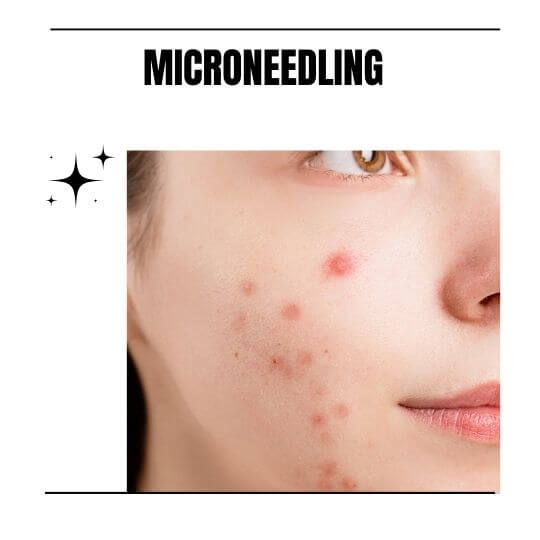
Is Microneedling Good For Acne?

Is microneedling good for acne? Discover how this popular skincare treatment can stimulate collagen, reduce acne scars, and improve overall skin texture. Find out if microneedling is the non-invasive solution you’ve been searching for.

Microneedling, a highly sought-after skincare treatment, is gaining popularity among those who struggle with acne. With its ability to stimulate collagen and rejuvenate the skin, many wonder if microneedling is truly effective in combating acne. Through the use of tiny, sterile needles, this procedure creates controlled injuries on the skin’s surface, promoting collagen production and cellular turnover. By targeting acne-prone areas, microneedling helps reduce the appearance of acne scars, regulate oil production, and improve overall skin texture. If you’re looking for a non-invasive solution that can promote clearer, smoother skin, microneedling may just be the answer you’ve been searching for.

Is Microneedling Good For Acne?

What is Microneedling

Microneedling is a minimally invasive cosmetic procedure that involves creating tiny, controlled micro-injuries on the skin’s surface using a device equipped with tiny needles. These micro-injuries stimulate the natural healing process of the skin, leading to the production of collagen and elastin, which are essential for maintaining the skin’s elasticity and smoothness.

Definition of Microneedling

Microneedling, also known as collagen induction therapy or dermarolling, is a procedure in which a device with tiny needles is used to create micro-injuries on the skin’s surface. These controlled injuries stimulate the body’s natural healing process, resulting in the production of collagen and elastin, leading to improved skin texture and appearance.

How Microneedling Works

During a microneedling procedure, the device with tiny needles is gently rolled over the skin, creating microscopic punctures or channels. These channels then trigger the skin’s healing process, stimulating collagen and elastin production. The newly generated collagen helps in plumping up the skin, reducing the appearance of scars, wrinkles, and fine lines. Additionally, the micro-injuries created by microneedling also enhance the absorption of skincare products, allowing for maximum effectiveness.

Common Uses of Microneedling

Microneedling has a wide range of applications beyond just improving the appearance of the skin. It is commonly used for anti-aging purposes to reduce the appearance of wrinkles and fine lines. Additionally, microneedling is effective in treating scars, including acne scars, surgical scars, and stretch marks. Furthermore, it can help reduce hyperpigmentation, improve skin texture, and address concerns related to skin laxity.

Understanding Acne

Acne is a common skin condition that occurs when the hair follicles on the skin become clogged with oil, dead skin cells, and bacteria. It often leads to the development of pimples, blackheads, whiteheads, and in severe cases, cysts and nodules. Acne is most commonly associated with adolescence due to hormonal changes, but it can also affect adults.

Definition of Acne

Acne is a skin condition characterized by the formation of pimples, blackheads, whiteheads, and other types of blemishes. It occurs when the hair follicles become clogged with oil, dead skin cells, and bacteria. Acne can affect various parts of the body, including the face, chest, back, and shoulders.

Causes of Acne

The primary cause of acne is excess oil production by the sebaceous glands. Hormonal changes, especially during puberty, can increase sebum production, leading to the development of acne. Other factors that contribute to acne include the presence of bacteria on the skin, clogged hair follicles, and an overproduction of dead skin cells.

Types of Acne

Acne can manifest in different forms, each with its specific characteristics and severity. The most common types of acne include:

  • Whiteheads: Small white bumps that are closed and occur when the hair follicles are clogged.
  • Blackheads: Open comedones that appear as dark spots on the skin’s surface.
  • Papules: Small, red bumps that are tender to the touch.
  • Pustules: Pimples with a visible white or yellowish center.
  • Nodules: Large, painful, and deep-seated bumps beneath the skin.
  • Cysts: Painful, pus-filled lesions that can cause scarring.
Is Microneedling Good For Acne?

Microneedling and Acne

Microneedling can be an effective treatment option for individuals dealing with acne. While it may not directly address the root cause of acne, it can help alleviate the symptoms and improve the appearance of acne-prone skin.

How Microneedling Can Help with Acne

Microneedling aids in treating acne by stimulating collagen production, promoting skin healing, reducing inflammation, and improving absorption of anti-acne products. By creating microscopic channels in the skin, microneedling enhances the penetration and effectiveness of acne-fighting ingredients, allowing them to reach deeper layers of the skin.

Effects of Microneedling on Acne

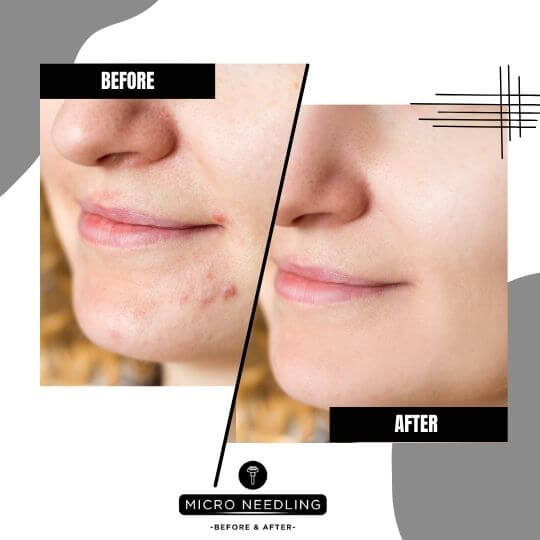
Microneedling can have several positive effects on acne-prone skin. It helps to reduce the appearance of acne scars, smooth out uneven skin texture, and minimize the size of active breakouts. Additionally, microneedling can regulate oil production, which is beneficial for individuals with oily skin and active acne.

Is Microneedling Suitable for All Types of Acne?

While microneedling can be beneficial for various types of acne, it may not be suitable for all cases. It is generally recommended for individuals with mild to moderate acne or acne scars. Individuals with severe cystic acne may require alternative treatment options. Consulting with a dermatologist is essential to determine the most appropriate treatment plan for your specific acne condition.

Benefits of Microneedling for Acne-Prone Skin

Microneedling offers several advantages for individuals with acne-prone skin. It can help reduce the appearance of acne scars and hyperpigmentation while improving overall skin texture and tone. The procedure also allows for better product absorption, enhancing the effectiveness of anti-acne medications and skincare products.

The Science Behind Microneedling for Acne

Microneedling for acne treatment involves several scientific mechanisms that contribute to its effectiveness in improving the skin’s condition.

Stimulating Collagen Production

Microneedling creates micro-injuries in the skin, which triggers the body’s natural healing response. This response includes the production of collagen, a protein necessary for maintaining skin elasticity and firmness. By increasing collagen production, microneedling can help diminish the appearance of acne scars and improve overall skin texture.

Promoting Skin Healing

The controlled micro-injuries created during microneedling activate the body’s healing mechanisms. This leads to the development of new skin cells, replacing damaged or scarred tissue. As a result, microneedling can contribute to faster healing of acne lesions and reduce the likelihood of post-inflammatory hyperpigmentation.

Reducing Inflammation

Acne is often accompanied by inflammation. Microneedling can help reduce inflammation by stimulating blood flow and lymphatic drainage. This can result in a decrease in redness, swelling, and the overall severity of acne breakouts.

Improving Absorption of Anti-Acne Products

Microneedling creates small channels in the skin, allowing for better penetration and absorption of topical anti-acne medications and skincare products. This increased absorption helps deliver the active ingredients deeper into the skin layers, targeting the root causes of acne, such as excess oil production and bacterial overgrowth.

Is Microneedling Good For Acne?

Microneedling Procedure for Acne Treatment

Microneedling for acne treatment typically involves several steps, including consultation and skin assessment, preparation, the microneedling process itself, and post-treatment care.

Consultation and Skin Assessment

Before undergoing microneedling, it is crucial to consult with a dermatologist or skincare professional. During this consultation, your skin will be assessed for its suitability for microneedling, and the professional will determine the most appropriate treatment plan based on your specific needs and concerns.

Preparation for Microneedling

Prior to the microneedling procedure, your skin will be cleansed and prepped. Depending on the specific recommendations of the skincare professional, a topical numbing cream may be applied to minimize any discomfort during the procedure. It is essential to follow any pre-treatment instructions provided by the professional to ensure optimal results.

Microneedling Process

During the microneedling process, a device equipped with tiny needles will be gently rolled or stamped over the skin’s surface. The depth of needle penetration will depend on your specific skin concerns and needs. The procedure itself may take around 20-30 minutes, depending on the area being treated.

Post-Treatment Care

After microneedling, your skin may appear slightly red and feel sensitive. The skincare professional will provide post-treatment care instructions, which may include avoiding sun exposure, applying a soothing serum or moisturizer, and refraining from using harsh skincare products for a few days. It is essential to follow these guidelines to promote proper healing and maximize the benefits of the treatment.

Effectiveness of Microneedling for Acne

The effectiveness of microneedling for acne has been studied extensively through clinical research and documented patient reviews.

Clinical Studies and Research Findings

Numerous clinical studies have demonstrated the positive effects of microneedling on acne and acne scars. One study published in the Journal of Cutaneous and Aesthetic Surgery showed that microneedling led to significant improvement in acne scars after multiple sessions. Another study in the Journal of Dermatological Treatment found that microneedling resulted in a significant reduction in the number of inflammatory acne lesions.

Patient Reviews and Testimonials

In addition to clinical studies, many individuals have shared their positive experiences with microneedling for acne. Patients have reported a reduction in acne breakouts, improvement in acne scars, and overall enhanced skin quality. However, individual results may vary, and it is important to consult with a dermatologist or skincare professional to determine the suitability of microneedling for your specific condition.

Safety Considerations

When considering microneedling for acne treatment, it is important to be aware of the potential side effects, suitability for different skin types, and the difference between professional and DIY microneedling.

Potential Side Effects

While microneedling is generally considered safe, there are potential side effects to be aware of. These can include temporary redness, swelling, bruising, and peeling of the skin. Following post-treatment care instructions and seeking treatment from a trained professional can minimize the risk of complications.

Suitability for Different Skin Types

Microneedling can be performed on various skin types, including sensitive and acne-prone skin. However, individuals with certain skin conditions, such as active infections, eczema, or rosacea, may not be suitable candidates for microneedling. Consulting with a dermatologist or skincare professional will help determine whether microneedling is appropriate for your specific skin type and condition.

Microneedling with Active Acne

While microneedling can help improve the appearance of acne, it is generally not recommended for individuals with active acne breakouts. Performing microneedling on active acne can potentially worsen the condition, spread bacteria, and lead to further inflammation. It is best to wait until the active acne has subsided before undergoing microneedling.

Professional vs. Home Microneedling

It is important to distinguish between professional microneedling performed by trained skincare professionals and DIY microneedling procedures at home. Professional microneedling ensures proper technique, use of sterile needles, and appropriate treatment settings tailored to your skin’s needs. DIY microneedling at home carries a higher risk of infection, scarring, and other complications. It is strongly recommended to seek professional assistance for safe and effective microneedling.

Combination Therapies for Acne

Microneedling can be combined with other acne treatment modalities to enhance its effectiveness. Two commonly used combination therapies are microneedling with topical medications and microneedling with platelet-rich plasma (PRP).

Microneedling with Topical Medications

Combining microneedling with topical medications, such as retinoids or benzoyl peroxide, can enhance their absorption and efficacy. The microscopic channels created by microneedling allow these medications to penetrate deeper into the skin, targeting the underlying causes of acne.

Microneedling with Platelet-Rich Plasma (PRP)

Platelet-Rich Plasma, or PRP, is a treatment that utilizes the healing properties of the patient’s blood. PRP is derived from the patient’s own blood through a simple collection process and contains a high concentration of platelets and growth factors. When combined with microneedling, PRP can further promote collagen production, accelerate healing, and enhance the overall results of microneedling for acne treatment.

Microneedling with Chemical Peels

Chemical peels can also be combined with microneedling to address acne concerns. Chemical peels help exfoliate the skin and unclog pores, while microneedling improves the absorption and effectiveness of the peel. This combination can lead to a significant reduction in acne breakouts, improved skin texture, and a more even complexion.

Professional Microneedling vs. DIY Microneedling

While microneedling can be performed both professionally and as a DIY procedure at home, there are notable differences to consider.

Benefits of Professional Microneedling

Professional microneedling offers several advantages over DIY procedures. Trained skincare professionals have the knowledge and expertise to perform the procedure safely and effectively, minimizing the risk of complications. They use sterile needles and cutting-edge technologies to deliver consistent and precise results. Professional microneedling also often includes additional treatments and post-treatment care to optimize the overall outcome.

Risks and Challenges of DIY Microneedling

DIY microneedling can be risky and potentially harmful. The use of non-sterile needles or improper technique can increase the risk of infection and scarring. Additionally, without the guidance of a skincare professional, it may be challenging to determine the appropriate needle depth and treatment settings for your specific skin concerns. To ensure safety and maximize the benefits of microneedling, it is strongly recommended to seek professional assistance.

When to Consult a Dermatologist

If you are considering microneedling for acne treatment or have severe or persistent acne, it is advisable to consult with a dermatologist. A dermatologist can accurately diagnose your condition, assess the suitability of microneedling, and recommend the most appropriate treatment plan based on your unique needs. Dermatologists have the expertise and experience to address complex skin concerns and ensure optimal results.

Conclusion

Microneedling can be a valuable treatment option for individuals struggling with acne. By stimulating collagen production, promoting skin healing, reducing inflammation, and improving absorption of anti-acne products, microneedling can help diminish the appearance of acne scars, regulate oil production, and improve overall skin texture. However, it is essential to consult with a dermatologist or skincare professional to determine the suitability of microneedling for your specific skin type and condition. Safety considerations, such as potential side effects, professional vs. DIY microneedling, and combination therapies, should also be carefully evaluated. With the guidance of a skincare professional, microneedling can be an effective tool in your journey towards clearer, smoother, and healthier skin.

Can I Wear Makeup After Microneedling?

Discover if it’s safe to wear makeup after microneedling. Learn guidelines for applying makeup post-treatment and choosing the right products for optimal results.

After undergoing microneedling treatment, many people wonder if it is safe to wear makeup. The answer is yes, you can definitely wear makeup after microneedling, but there are a few important guidelines to follow to ensure the best results. In this article, we will explore why it is safe to wear makeup post-microneedling, what steps you should take before applying makeup, and some tips for choosing the right makeup products to enhance your post-treatment glow. So, if you’re curious about how to incorporate makeup into your microneedling routine, read on!

Can I Wear Makeup After Microneedling?

Can I Wear Makeup After Microneedling?

What is microneedling?

Microneedling is a non-invasive cosmetic procedure that involves using tiny needles to create small punctures in the skin. These controlled injuries stimulate the skin’s natural healing process and promote the production of collagen and elastin. As a result, microneedling can improve the appearance of fine lines, wrinkles, acne scars, and hyperpigmentation.

What happens to the skin during microneedling?

During the microneedling procedure, the tiny needles penetrate the upper layers of the skin, creating microscopic channels. These channels allow skincare products to penetrate deeper into the skin, enhancing their effectiveness. Additionally, the micro-injuries trigger the body’s wound healing response, leading to the production of new collagen and elastin fibers.

Why would someone want to wear makeup after microneedling?

While the aim of microneedling is to improve the overall condition and appearance of the skin, it is natural to still desire a little makeup coverage after the procedure. Makeup can help camouflage any redness or skin imperfections that may occur as a response to the microneedling treatment. Additionally, wearing makeup can help individuals feel more confident and comfortable as their skin recovers.

How long should you wait before applying makeup?

The time to wait before applying makeup after microneedling can vary depending on the individual and the severity of the treatment. In most cases, it is recommended to wait at least 24 hours before applying makeup to allow the skin to go through its initial healing phase. However, it is essential to follow the specific instructions provided by your skincare professional, as they will be able to advise you on the best timeline for your particular situation.

Can I Wear Makeup After Microneedling?

What kind of makeup should be used after microneedling?

After microneedling, it is important to choose makeup products that are gentle, non-irritating, and suitable for sensitive skin. Look for makeup that is labeled as hypoallergenic, non-comedogenic, and fragrance-free. These types of products are less likely to clog the pores or cause further irritation to the treated skin. Additionally, mineral-based makeup can be a good option as it tends to be more breathable and less likely to cause adverse reactions.

What ingredients should be avoided in makeup after microneedling?

When choosing makeup products to use after microneedling, it is advisable to avoid certain ingredients that may be harsh or irritating to the skin. These include alcohol, fragrance, salicylic acid, retinol, and alpha hydroxy acids (AHAs). These ingredients can be found in some foundations, concealers, and powders, so it is important to carefully read the product labels and opt for formulations that are gentle and skin-friendly.

How can you prepare your skin before applying makeup?

Before applying makeup after microneedling, it is crucial to properly cleanse and hydrate the skin. Start by gently cleansing the face with a mild, non-abrasive cleanser to remove any residual serum or debris from the microneedling treatment. Follow up with a nourishing moisturizer to hydrate the skin and create a smooth base for makeup application. This step is essential in ensuring that makeup adheres well and looks flawless.

What are some tips for applying makeup after microneedling?

To achieve the best results when applying makeup after microneedling, follow these tips:

  1. Use a clean makeup brush or sponge to avoid introducing bacteria to the treated skin.
  2. Apply a primer to help create a smooth canvas for makeup application and enhance its longevity.
  3. Opt for lightweight, water-based foundations or BB creams to allow the skin to breathe and heal properly.
  4. Gently tap on concealer only where necessary, avoiding excessive rubbing or pulling on the skin.
  5. Set the makeup with a light dusting of translucent powder to minimize shine without clogging the pores.
  6. Avoid overloading the skin with heavy powders, blushes, or bronzers that may irritate the treated area.
  7. Remember to remove your makeup gently and thoroughly at the end of the day to allow the skin to continue its healing process overnight.

Are there any risks associated with wearing makeup after microneedling?

When wearing makeup after microneedling, there are a few potential risks to be aware of. Firstly, if the makeup products used are not suitable for sensitive or healing skin, they may cause irritation or allergic reactions. Secondly, if the makeup is not properly removed at the end of the day, it can clog the pores and hinder the skin’s healing process. However, by choosing the right makeup products and following the proper skincare routine, these risks can be minimized.

Can makeup affect the results of microneedling?

When applied correctly and with appropriate products, makeup should not significantly affect the results of microneedling. However, it is important to remember that the skin needs time to heal and regenerate after microneedling. Therefore, using heavy or pore-clogging makeup products may slow down the healing process. To ensure the best possible outcome, it is recommended to consult with your skincare professional and follow their guidance on the use of makeup during the recovery period.

en_USEnglish