google.com, pub-2032008856654686, DIRECT, f08c47fec0942fa0

How long can skin heal after microneedling

As someone who’s experienced microneedling firsthand and spent countless hours researching the different varieties of this popular treatment, I want to share my insights about the healing process. Whether you’re considering traditional microneedling, RF microneedling, or PRP microneedling, understanding the recovery timeline is crucial for setting realistic expectations and planning your post-treatment schedule.

The Basics of Skin Healing After Microneedling

Microneedling creates controlled micro-injuries to stimulate your skin’s natural healing response. This process triggers collagen and elastin production, which ultimately leads to smoother, firmer, and more youthful-looking skin. But how long does this healing journey actually take?

I’ve found that the healing timeline varies depending on several factors: the type of microneedling procedure, the depth of the needles used, your skin type, and how diligently you follow aftercare instructions.

Traditional Microneedling Recovery Timeline

For standard microneedling, I typically experience the following healing stages:

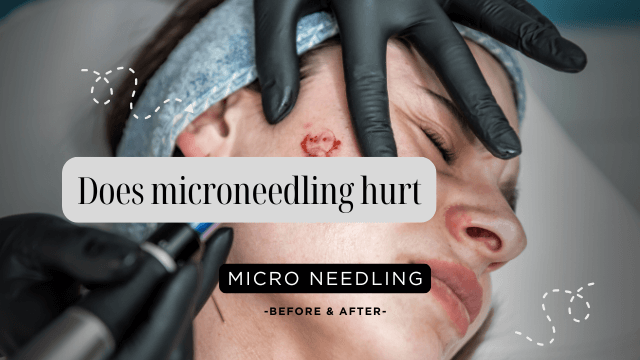
Days 1-3: Immediately after treatment, my skin looks sunburned with some redness and mild swelling. This is completely normal! Some pinpoint bleeding might occur during the first 24 hours, especially with deeper treatments.

Days 3-5: The initial redness subsides, but my skin feels rough and tight. Some flaking or peeling might occur as the micro-channels close and the skin renews itself.

Days 5-7: By this point, most visible signs of the treatment have disappeared. My skin typically feels smoother, and the initial benefits begin to show.

Weeks 2-4: This is when I notice the real magic happening beneath the surface. Collagen production ramps up, and my skin continues to improve in texture and firmness.

Weeks 4-6: The full results of the treatment become apparent as collagen remodeling completes. My skin looks noticeably more radiant and youthful.

RF Microneedling vs. Traditional: Is There a Difference in Healing Time?

When comparing microneedling vs RF microneedling, I’ve noticed some distinct differences in the healing process. RF (radiofrequency) microneedling combines traditional needling with heat energy, which penetrates deeper into the skin.

Because of this added thermal component, I find that RF microneedling typically has a slightly longer initial recovery period:

Days 1-4: Redness, swelling, and sensitivity may be more pronounced compared to traditional microneedling.

Days 4-7: The visible signs of treatment gradually subside, though some redness may persist around areas that received more intense treatment.

However, the tradeoff is worth it in my experience. RF microneedling often requires fewer sessions to achieve similar or better results than traditional microneedling, as the radiofrequency component enhances collagen stimulation.

PRP Microneedling: Does It Speed Up Healing?

PRP (Platelet-Rich Plasma) microneedling has become my personal favorite variation of this treatment. By combining microneedling with your body’s own growth factors from PRP, this procedure not only enhances results but can actually expedite healing:

Days 1-2: Initial redness and swelling are similar to traditional microneedling, but I’ve found they often resolve more quickly with PRP.

Days 3-5: The healing process seems accelerated, with less peeling and faster transition to that smooth, glowing skin we’re all after.

The growth factors in PRP help to repair tissue and promote faster healing, which explains why many people (myself included) experience a quicker recovery with PRP microneedling vs. regular microneedling.

Microneedling Aftercare: Critical for Optimal Healing

Regardless of which type of microneedling you choose, proper aftercare dramatically affects your healing time. Here are my tried-and-true microneedling recovery tips:

  1. Stay hydrated: Drinking plenty of water helps support your skin’s natural healing processes.
  2. Gentle cleansing: For the first 72 hours, I only use lukewarm water and a gentle, non-active cleanser.
  3. Moisturize frequently: Keep your skin hydrated with a gentle, fragrance-free moisturizer to support barrier repair.
  4. Sun protection: I’m religious about wearing SPF 30+ and avoiding direct sun exposure for at least two weeks after treatment.
  5. Avoid makeup: Give your skin at least 24-48 hours makeup-free to prevent introducing bacteria into the micro-channels.
  6. Skip the active ingredients: I temporarily pause using retinoids, alpha hydroxy acids, and vitamin C for about a week after treatment.

Understanding Your State’s Regulations

Something that surprised me when researching microneedling was learning about esthetician microneedling regulations and how microneedling state laws vary significantly across the US. In some states, only medical professionals can perform microneedling, while in others, estheticians can provide the service with proper training and certification.

Before booking your appointment, I recommend verifying that your provider is operating legally according to your state’s regulations. This ensures not only your safety but optimal results since properly trained providers understand how to customize treatment depths and techniques to minimize healing time.

While complete skin healing after microneedling generally takes 4-6 weeks for full collagen remodeling to occur, the visible recovery period is typically just 5-7 days for traditional microneedling, potentially slightly longer for RF microneedling, and sometimes shorter for PRP microneedling.

Remember that each person’s skin is unique, and factors like age, skin type, and treatment intensity all influence healing time. Be patient with your skin during this remarkable regeneration process—the results are absolutely worth the wait!

How many prp microneedling treatments are needed

As someone who’s always been passionate about skincare, I’ve tried countless treatments over the years. However, nothing has transformed my skin quite like PRP microneedling. When I first heard about this revolutionary treatment combining microneedling with platelet-rich plasma from your own blood, I was both intrigued and skeptical. Today, I want to share my personal experience and insights on one of the most common questions I receive: how often should you get these treatments done?

Understanding PRP Microneedling

Before diving into the frequency discussion, let me briefly explain what PRP microneedling involves. The procedure combines traditional microneedling (creating tiny punctures in the skin with fine needles) with platelet-rich plasma derived from your own blood. These platelets contain growth factors that stimulate collagen production and tissue regeneration when reintroduced to your skin.

I was amazed to learn that this treatment addresses multiple concerns simultaneously:

  • Fine lines and wrinkles
  • Acne scars and surgical scars
  • Uneven skin tone and texture
  • Sun damage
  • Enlarged pores

My Personal Experience with Recommended PRP Sessions

When I started my PRP microneedling journey, my dermatologist recommended an initial series of treatments rather than a one-and-done approach. This made sense to me since lasting skin changes require consistent stimulation of collagen production.

For my moderate acne scarring and early signs of aging, my treatment plan looked like this:

  1. Initial series of 3 treatments, spaced 4-6 weeks apart
  2. Assessment of results
  3. Maintenance treatments thereafter

This initial series was crucial. After the first session, I noticed subtle improvements in skin texture, but the real magic happened after completing the third treatment. My acne scars had visibly faded, and my skin had a glow that no cream or serum had ever provided.

Finding the Right PRP Microneedling Frequency

What I’ve learned through research and personal experience is that there’s no one-size-fits-all answer to how often you should get PRP microneedling. The ideal PRP microneedling frequency depends on several factors:

1. Your Specific Skin Concerns

For deeper issues like significant scarring or advanced signs of aging, you might need more frequent treatments initially. My moderate concerns required three initial treatments, but some of my friends with deeper acne scars benefited from 4-6 initial sessions.

2. Your Skin’s Response

I noticed my skin responded extremely well after the second treatment, showing accelerated healing and collagen production. This positive response allowed me to space out my maintenance treatments a bit more. Everyone’s skin responds differently, which is why customization is key.

3. Your Age

As I’ve gotten older, I’ve increased my maintenance recommended PRP sessions slightly. In your 20s and early 30s, the collagen-boosting effects tend to last longer because your body naturally produces more collagen. After 40, more frequent maintenance may be beneficial.

My Maintenance Schedule

After completing my initial series, I worked with my dermatologist to establish a maintenance schedule. For my skin needs, I’ve found that maintenance treatments every 6-9 months work perfectly to sustain results.

What I love about this schedule is that it’s manageable both time-wise and financially. Each treatment requires about a week of “social downtime” (minor redness and flaking), so planning this twice a year fits well into my lifestyle.

Benefits of Proper Spacing Between Treatments

Finding the right PRP microneedling frequency for your skin isn’t just about maximizing results—it’s also about safety and cost-effectiveness. Here’s what I’ve learned:

  1. Allowing Full Healing: Your skin needs time to fully heal and regenerate between sessions. Rushing this process can potentially damage your skin and negate benefits.
  2. Collagen Production Timeline: Collagen production continues for weeks after each treatment. I noticed continued improvements in my skin for up to 3 months following each session.
  3. Economic Considerations: These treatments represent an investment. Finding the optimal frequency helps maximize value without unnecessary spending.

Signs It’s Time for Another Treatment

Rather than rigidly sticking to a calendar, I’ve learned to watch for certain signs that indicate it’s time for my next recommended PRP session:

  • When my skin starts looking duller
  • When fine lines begin to reappear more noticeably
  • When texture issues I’d previously addressed start returning

Final Thoughts

My PRP microneedling journey has taught me that consistency, patience, and personalization are key. While I generally follow the initial series of 3-4 treatments followed by bi-annual maintenance schedule, I always consult with my dermatologist to adjust as needed.

If you’re considering PRP microneedling, I encourage you to consult with a qualified professional who can assess your specific needs and create a treatment plan tailored to your skin. Finding your ideal PRP microneedling frequency will ensure you get the most beautiful, lasting results from this remarkable treatment.

Where Can Estheticians Legally Perform Microneedling?

Microneedling, a collagen induction therapy involving controlled skin punctures, has become a cornerstone of modern aesthetic treatments. However, its regulatory landscape remains highly fragmented across U.S. states, with significant variations in permitted practices, supervision requirements, and certification standards. This analysis synthesizes the latest regulatory updates and institutional guidelines to clarify where licensed estheticians can legally perform microneedling.

Federal Framework: FDA Guidelines

The U.S. Food and Drug Administration (FDA) classifies microneedling devices with needles exceeding 0.3 mm as Class 1 medical devices31421. Estheticians nationwide are restricted to devices under this threshold unless operating under medical supervision. Furthermore, devices making therapeutic claims (e.g., scar reduction) face stricter oversight, limiting their use to medical professionals316.

State-Specific Regulations

Permissive States

  1. Arizona
    • Licensed estheticians may perform microneedling at depths ≤0.5 mm without medical oversight. Deeper penetration requires supervision by nurses or physicians19.
    • Dual licensing from the Arizona Barbering and Cosmetology Board and the Department of Health Services is mandatory1.
  2. Utah
    • Master estheticians (requiring 600 additional training hours) may administer treatments at depths up to 1.5 mm. General estheticians are prohibited12.
  3. Texas
    • Permitted only in medical spas under a medical director’s supervision. Estheticians must complete device-specific certifications711.
  4. Washington State
    • Master estheticians (1,200 training hours) may perform microneedling, while standard licensees are limited to nanoneedling (epidermal penetration only)7.
  5. Minnesota
    • Advanced Practice Estheticians (APEs) with 500 additional curriculum hours can perform “skin needling” on the epidermal layer. Standard estheticians are excluded1215.
  6. Georgia
    • Estheticians may operate under physician, nurse, or PA supervision in medical spas. Independent practice is prohibited611.

Restrictive States

  1. California
    • Explicitly prohibits estheticians from microneedling, classifying it as invasive. Only nurses or physicians may perform the procedure218.
  2. Florida
    • Recent regulatory shifts mandate a tattoo license for microneedling practitioners, regardless of needle depth. Estheticians must apply through county health departments after completing a state-approved course51719.
  3. Ohio
    • The Ohio Dermatological Association bans estheticians from using devices that “alter living cells,” including microneedling tools211.
  4. Illinois
    • Restricted to medical professionals (physicians, NPs, RNs) with documented training. Non-physicians require prescriber oversight16.
  5. New York
    • Currently limits microneedling to acupuncturists. Pending legislation (Assembly Bill 2548) may expand access to estheticians post-training11.

Certification and Supervision Requirements

States permitting microneedling universally mandate:

  • State-approved training (e.g., Florida’s 24-hour tattoo license course5).
  • Medical oversight in settings where needles exceed 0.3 mm316.
  • Liability insurance covering microneedling-specific risks11.

For example, Tennessee requires estheticians to partner with a Medical Director for protocol development and emergency support20.

Compliance Strategies for Practitioners

  1. Verify State Boards: Directly contact cosmetology or medical boards for updated rules, as online resources often lag516.
  2. Advanced Credentials: Pursue master esthetician licenses in states like Utah or Washington to expand service offerings17.
  3. Device Compliance: Use FDA-cleared tools under 0.3 mm for non-medical settings1421.
  4. Documentation: Maintain records of client consent, training certificates, and supervision agreements to mitigate legal risks920.
  • Regulatory Expansion: States like North Carolina (2022) and New York (pending) are revising laws to accommodate estheticians, reflecting demand for non-physician providers11.
  • Technology Limitations: The FDA’s strict device classifications may increasingly push deeper-needle treatments into medical settings316.

Conclusion

The legality of esthetician-performed microneedling hinges on nuanced state policies, with Arizona, Utah, Texas, Washington, Minnesota, and Georgia currently offering pathways under specific conditions. Practitioners must prioritize ongoing education and institutional compliance to navigate this evolving landscape safely. As legislative trends shift toward expanded scopes of practice, proactive engagement with licensing boards remains critical for career growth in aesthetics.

en_USEnglish