google.com, pub-2032008856654686, DIRECT, f08c47fec0942fa0

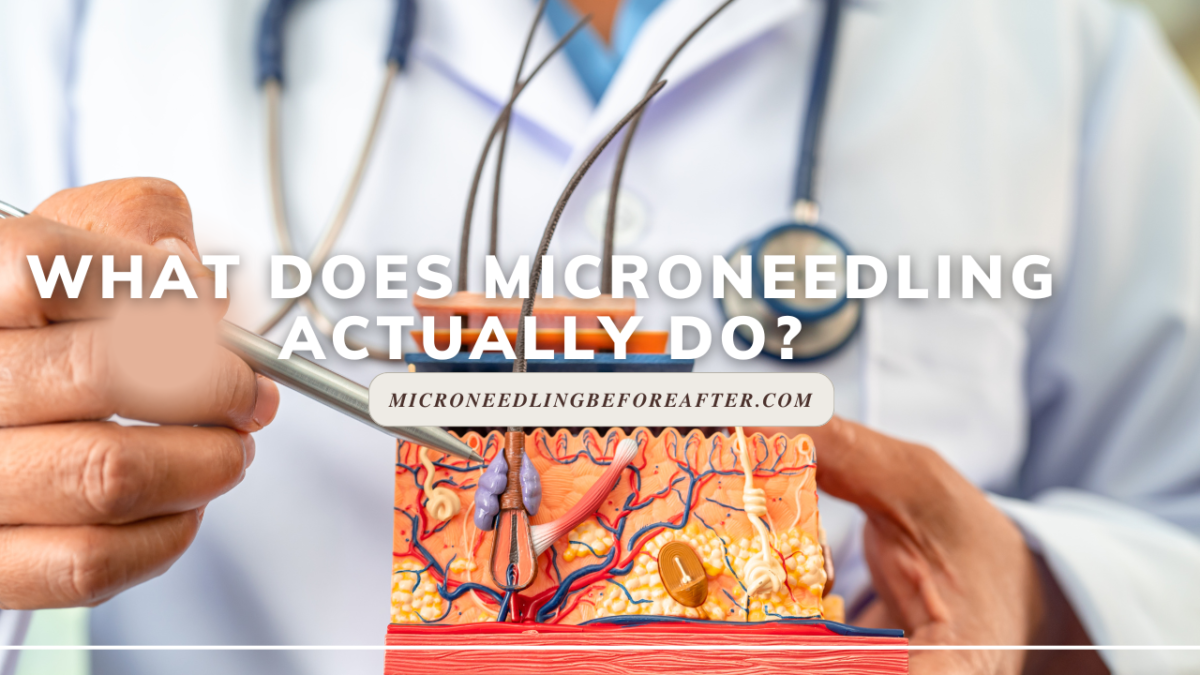
What Does Microneedling Actually Do?

Discover the benefits of microneedling for your skin. Learn how this popular skincare treatment can improve texture, tone, and reduce scars.

What Does Microneedling Actually Do?

Microneedling is a popular skincare treatment that involves using a device with fine needles to create micro-injuries in the skin. But what does microneedling actually do for your skin? In this article, I will delve into the benefits, process, and results of microneedling to help you understand its impact on your skin.

Understanding Microneedling
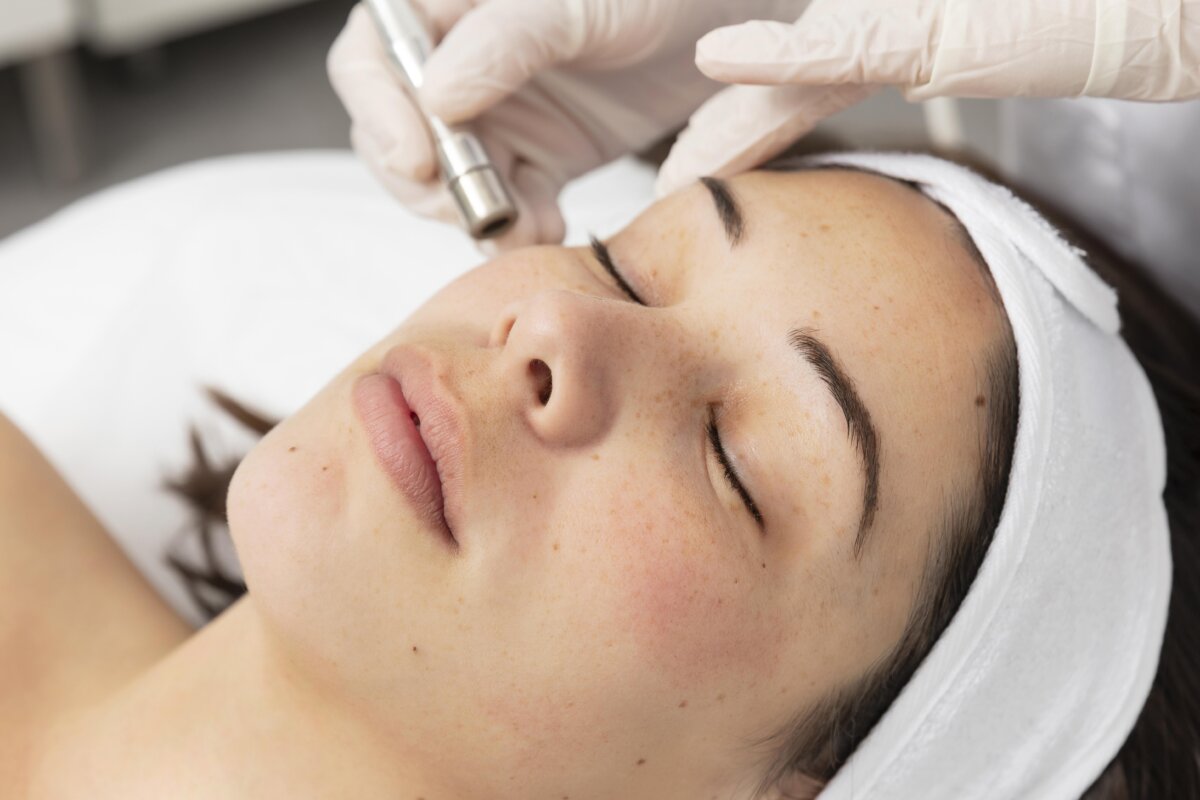
Microneedling, also known as collagen induction therapy, is a minimally invasive cosmetic procedure that is used to treat various skin concerns, including wrinkles, acne scars, large pores, and uneven skin tone. During the microneedling procedure, a device called a dermaroller or a microneedling pen is used to create controlled micro-injuries in the skin’s surface.

How Microneedling Works
By creating these tiny punctures in the skin, microneedling stimulates the skin’s natural healing process, triggering the production of collagen and elastin. Collagen is a protein that helps maintain the skin’s firmness and elasticity, while elastin is responsible for skin resilience and flexibility. The production of these two essential proteins helps improve the overall texture and appearance of the skin.

Benefits of Microneedling
The primary Benefits of Microneedling include:

Reducing the appearance of fine lines and wrinkles
Improving skin texture and tone
Minimizing the appearance of acne scars
Shrinking enlarged pores
Enhancing the absorption and efficacy of skincare products

Is Microneedling Safe?
Microneedling is considered a safe and effective treatment when performed by a trained and licensed skincare professional. However, there are some risks associated with microneedling, such as infection, scarring, and pigmentation changes. It is essential to consult with a skincare professional to determine if microneedling is suitable for your skin type and concerns.

The Microneedling Process
Before the Procedure
Before undergoing a microneedling treatment, it is essential to prepare your skin to maximize the results and minimize any potential risks. Your skincare professional will provide you with pre-treatment instructions, which may include avoiding certain skincare products or medications that can increase skin sensitivity.

During the Procedure
The microneedling procedure typically takes about 30-60 minutes, depending on the size of the treatment area. Your skincare professional will apply a numbing cream to your skin to minimize discomfort during the treatment. The microneedling device is then passed over the skin in a controlled manner to create micro-injuries.

Aftercare
After the microneedling procedure, your skin may appear red and slightly swollen, similar to a mild sunburn. Your skincare professional will provide you with post-treatment instructions to help your skin heal properly and maximize the results. It is essential to avoid direct sun exposure and use gentle skincare products to support the healing process.

Microneedling Results
Immediate Results
After a microneedling treatment, you may notice immediate improvements in your skin’s texture and tone. The micro-injuries created during the procedure stimulate collagen production, giving your skin a natural glow and radiance. Many patients report smoother, firmer skin immediately after their microneedling session.

Long-Term Results
The full benefits of microneedling are typically seen in the weeks following the procedure as collagen production continues to increase. Over time, you may notice a reduction in the appearance of fine lines, wrinkles, acne scars, and enlarged pores. With regular microneedling sessions, you can maintain healthy, youthful-looking skin.

Number of Sessions
The number of microneedling sessions needed to achieve optimal results may vary depending on your skin concerns and goals. Most skincare professionals recommend a series of 3-6 treatments spaced 4-6 weeks apart for best results. Maintenance treatments every 6-12 months can help prolong the benefits of microneedling.

Conclusion
Microneedling is a versatile skincare treatment that offers numerous benefits for a variety of skin concerns. By stimulating collagen production and improving skin texture, microneedling can help you achieve smoother, firmer, and more youthful-looking skin. If you are considering microneedling as part of your skincare routine, consult with a licensed skincare professional to assess your skin’s needs and create a customized treatment plan.

How Often Should I Microneedle My Face?

Microneedling has become a popular skincare treatment that can help improve the appearance of scars, wrinkles, and overall skin texture. But how often should you actually be microneedling your face to see the best results? In this article, I will provide you with a professional guide on the recommended frequency of microneedling sessions for optimal outcomes.

Understanding Microneedling

Microneedling, also known as collagen induction therapy, is a minimally invasive cosmetic procedure that involves the use of fine needles to create tiny punctures in the skin. These micro-injuries stimulate the body’s natural healing process, triggering the production of new collagen and elastin. As a result, microneedling can help improve skin texture, reduce the appearance of scars, and enhance overall skin tone.

Benefits of Microneedling

Microneedling offers a wide range of benefits for the skin, making it a popular treatment choice for individuals looking to improve their overall complexion. Some of the key advantages of microneedling include:

  • Stimulates collagen production
  • Improves skin texture and tone
  • Reduces the appearance of scars and fine lines
  • Enhances the absorption of skincare products

By understanding the benefits of microneedling, you can better appreciate why this treatment is regarded as an effective way to rejuvenate the skin.

How Often Should I Microneedle My Face?

One of the most common questions among individuals considering microneedling is how often they should undergo treatment to achieve optimal results. The frequency of microneedling sessions will vary depending on the individual’s skin type, age, and desired outcomes.

Professional Recommendation

As a professional in the skincare industry, I recommend spacing out microneedling sessions every 4 to 6 weeks for most individuals. This timeframe allows the skin to fully heal and regenerate between treatments, ensuring that you see noticeable improvements with each session.

Skin Type Considerations

It’s essential to consider your skin type when determining how often you should microneedle your face. For individuals with sensitive skin, it may be best to wait closer to 6 weeks between treatments to avoid overstimulating the skin. On the other hand, those with more resilient skin may benefit from more frequent sessions every 4 weeks to maintain results.

Expected Results

When deciding on the frequency of microneedling, it’s essential to have realistic expectations regarding the results you hope to achieve. While some individuals may see improvements in skin texture and tone after just one session, a series of treatments is typically required for more significant changes.

Aftercare Tips for Microneedling

Proper aftercare is crucial to ensure the best results from your microneedling treatments. By following these professional tips, you can promote skin healing and enhance the overall effectiveness of the procedure.

Avoid Sun Exposure

After microneedling, it’s vital to protect your skin from the sun’s harmful UV rays. Be sure to wear sunscreen with at least SPF 30 and limit your time outdoors to prevent sun damage and pigmentation issues.

Moisturize Regularly

Hydrating and moisturizing the skin is essential post-microneedling to keep the skin barrier intact and promote healing. Use a gentle, hydrating moisturizer to soothe and nourish the skin after treatment.

Avoid Harsh Skincare Products

Refrain from using harsh skincare products, such as exfoliants or acids, immediately after microneedling. These products can irritate the skin and hinder the healing process, leading to potential complications.

Follow Up with Your Skincare Professional

Consult with your skincare professional or dermatologist for personalized aftercare recommendations following your microneedling session. They can provide specific advice based on your skin type and individual needs to ensure optimal results.

Potential Side Effects of Microneedling

While microneedling is generally a safe and effective procedure, there are potential side effects that individuals should be aware of before undergoing treatment. By understanding these risks, you can make an informed decision about whether microneedling is right for you.

Temporary Redness

It’s common to experience redness and mild swelling immediately after microneedling, which typically subsides within a few days. This side effect is a normal part of the skin’s healing process and should not cause concern.

Skin Sensitivity

Following microneedling, your skin may be more sensitive to certain skincare products or ingredients. Avoid using harsh or abrasive products that could irritate the skin and opt for gentle, soothing formulations instead.

Risk of Infection

Proper hygiene and aftercare are essential to prevent the risk of infection after microneedling. Follow your skincare professional’s instructions carefully and avoid touching or picking at the treated area to minimize the chance of complications.

Pigmentation Changes

In rare cases, microneedling can trigger temporary changes in skin pigmentation, leading to darkening or lightening of the skin. These effects are usually temporary and can be managed with appropriate skincare and sun protection.

Customized Treatment Plans

To determine the ideal frequency of microneedling sessions for your skin, consider consulting with a skincare professional or dermatologist for a personalized treatment plan. By assessing your skin type, concerns, and goals, they can recommend a tailored approach to help you achieve the best possible results.

Conclusion

In conclusion, finding the right balance and frequency for microneedling your face is key to achieving the desired outcomes while minimizing the risk of adverse effects. By following professional recommendations, practicing proper aftercare, and consulting with skincare experts, you can optimize the benefits of microneedling for healthier, rejuvenated skin. Remember that consistency and patience are essential when undergoing microneedling treatments, as long-lasting results often require multiple sessions spaced out over time. If you’re considering microneedling, be sure to do thorough research, seek reputable skincare professionals, and prioritize your skin’s health and well-being.

How Can I Speed Up The Healing Process After Microneedling?

As an individual who has undergone microneedling treatment, I understand the importance of taking proper care of my skin to expedite the healing process. In this article, I will explore various strategies and techniques that can help me speed up the healing process after microneedling. By following these tips, I can ensure that my skin recovers quickly and effectively, allowing me to enjoy the full benefits of the treatment.

Understanding the Microneedling Healing Process

Microneedling is a minimally invasive cosmetic procedure that involves using a device covered with tiny needles to create controlled micro-injuries on the skin. These micro-injuries stimulate the body’s natural healing process, leading to increased collagen production and improved skin texture.

What to Expect After Microneedling

After a microneedling treatment, it is normal to experience some degree of redness, swelling, and sensitivity in the treated area. These side effects typically subside within a few days, but it is essential to take proper care of the skin to ensure a speedy recovery.

Tips for Speeding Up the Healing Process After Microneedling

To speed up the healing process after microneedling and promote optimal results, it is crucial to follow a comprehensive skincare routine. Here are some tips to help me achieve a quick and effective recovery:

1. Keep the Skin Clean and Hydrated

After a microneedling treatment, it is essential to keep the skin clean and hydrated to prevent infections and promote healing. Use a gentle cleanser to cleanse the skin twice a day, followed by a rich moisturizer to hydrate and nourish the skin.

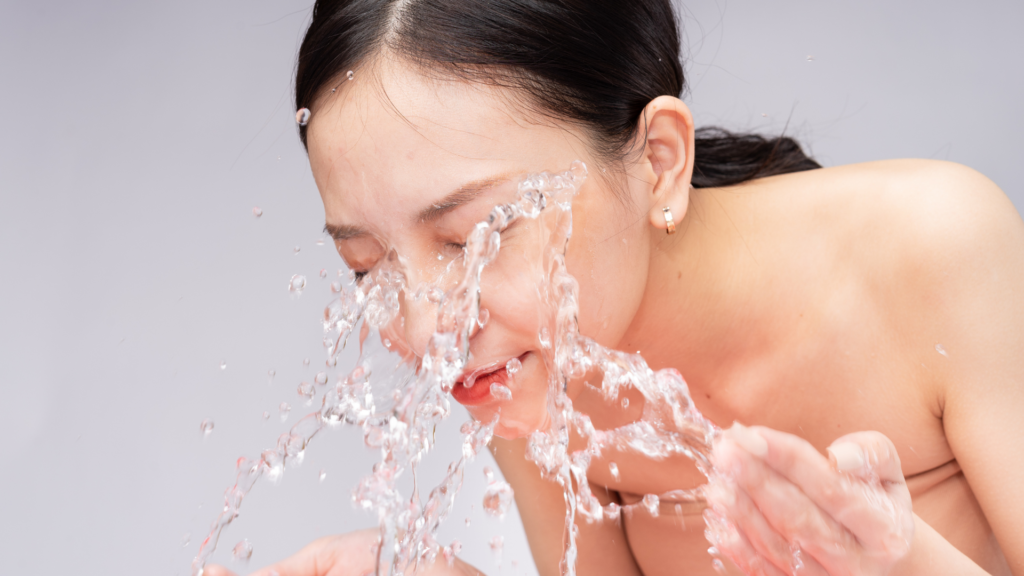
After Microneedling Can I Wash My Face

2. Avoid Sun Exposure

Exposure to the sun’s harmful UV rays can slow down the healing process and increase the risk of complications after microneedling. Make sure to wear a broad-spectrum sunscreen with an SPF of 30 or higher whenever you go outside, even on cloudy days.

3. Avoid Harsh Skincare Products

During the healing process, it is crucial to avoid using harsh skincare products that can irritate the skin. Opt for gentle, non-comedogenic products that are free of fragrances, dyes, and other potential irritants.

4. Stay Hydrated and Eat a Balanced Diet

Proper hydration and nutrition are essential for promoting skin health and speeding up the healing process after microneedling. Drink plenty of water throughout the day and eat a balanced diet rich in fruits, vegetables, lean proteins, and healthy fats.

5. Use a Gentle Cleanser and Moisturizer

To prevent irritation and promote healing, use a gentle cleanser and moisturizer that are specifically formulated for sensitive skin. Look for products that contain soothing ingredients like aloe vera, chamomile, and hyaluronic acid.

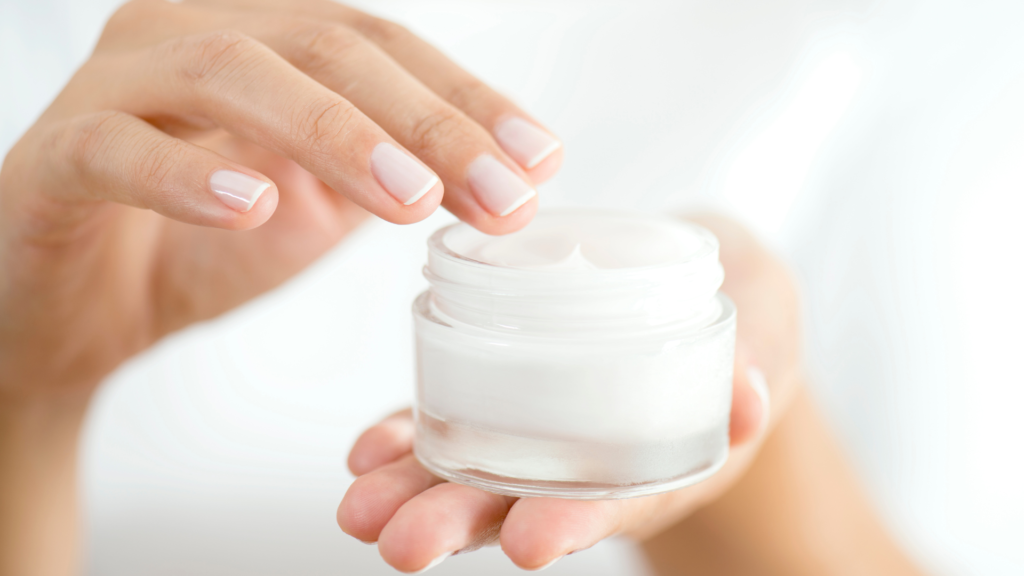
Gentle Cleanser and Moisturizer

6. Avoid Touching or Picking at the Skin

During the healing process, it is essential to avoid touching or picking at the skin to prevent infection and scarring. Let the skin heal naturally and resist the urge to scratch or peel off any scabs that may form.

7. Follow Your Post-Treatment Instructions

Your skincare provider will provide you with specific post-treatment instructions to follow after microneedling. Make sure to adhere to these guidelines carefully to ensure a smooth and successful recovery.

Supplements and Topical Treatments to Speed Up Healing After Microneedling

In addition to following a comprehensive skincare routine, certain supplements and topical treatments can help speed up the healing process after microneedling. Here are some options to consider:

1. Vitamin C

Vitamin C is a powerful antioxidant that can help promote collagen production and reduce inflammation in the skin. Taking a vitamin C supplement or using a topical vitamin C serum can help accelerate the healing process after microneedling.

2. Hyaluronic Acid

Hyaluronic acid is a natural substance found in the skin that helps retain moisture and promote tissue repair. Using a hyaluronic acid serum or moisturizer can help hydrate the skin and support the healing process after microneedling.

3. Aloe Vera

Aloe vera has soothing and healing properties that can help reduce redness, swelling, and irritation after microneedling. Applying aloe vera gel to the treated area can help calm the skin and promote faster healing.

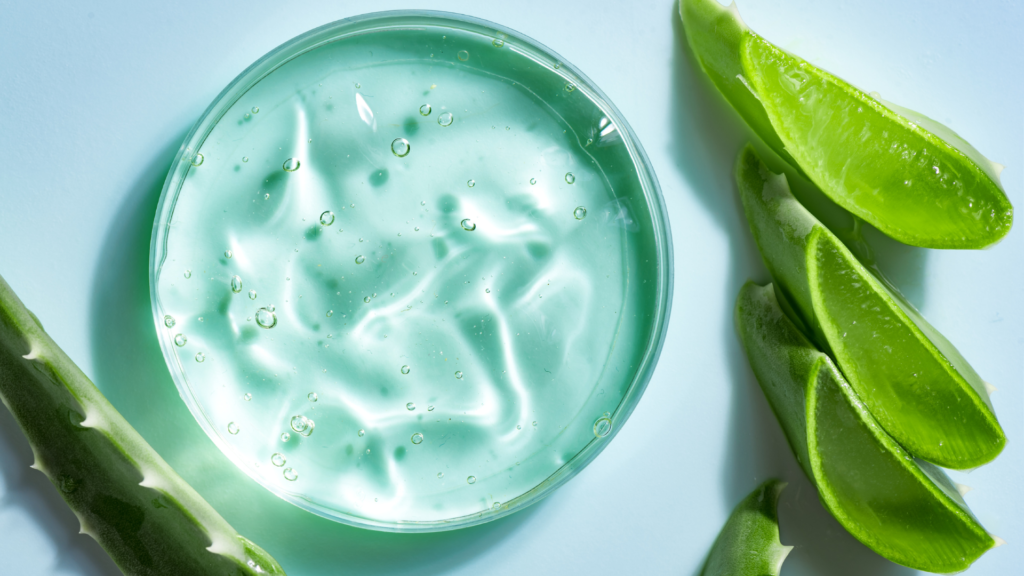
Aloe Vera

4. Arnica

Arnica is a natural herb that is known for its anti-inflammatory and pain-relieving properties. Using arnica gel or cream can help reduce swelling and bruising after microneedling, allowing the skin to heal more quickly.

5. Copper Peptides

Copper peptides are small protein fragments that can help stimulate collagen production and promote skin regeneration. Using a copper peptide serum or cream can help enhance the results of microneedling and speed up the healing process.

Post-Microneedling Skincare Routine

After undergoing a microneedling treatment, it is essential to establish a post-treatment skincare routine to support the healing process and maximize the results. Here is a simple and effective post-microneedling skincare routine to follow:

Morning Routine

  • Cleanse the skin with a gentle cleanser.
  • Apply a vitamin C serum to promote collagen production and reduce inflammation.
  • Follow up with a hyaluronic acid serum or moisturizer to hydrate and nourish the skin.
  • Finish with a broad-spectrum sunscreen with an SPF of 30 or higher to protect the skin from UV damage.

Evening Routine

  • Cleanse the skin with a gentle cleanser to remove impurities and makeup.
  • Apply a retinol or peptide serum to support collagen production and skin regeneration.
  • Follow up with a rich moisturizer to hydrate and repair the skin overnight.
  • Optionally, use a facial oil or overnight mask for added hydration and nourishment.

Weekly Treatments

By following a consistent and targeted skincare routine, I can speed up the healing process after microneedling and achieve optimal results. It is essential to be patient and diligent with my skincare routine to ensure that my skin heals properly and looks its best.

Conclusion

Microneedling is a popular cosmetic procedure that can help improve skin texture, reduce scarring, and rejuvenate the complexion. By taking proper care of the skin and following a comprehensive skincare routine, I can speed up the healing process after microneedling and enjoy the full benefits of the treatment. Remember to consult with a skincare professional before undergoing microneedling to ensure that it is the right option for you and to receive personalized advice on how to care for your skin post-treatment. With the right approach and commitment to skincare, I can achieve smooth, radiant, and healthy skin after microneedling.

en_USEnglish