
google.com, pub-2032008856654686, DIRECT, f08c47fec0942fa0

Do microneedle patches hurt?

As someone who’s tried nearly every skincare treatment under the sun, I’ve fielded countless questions about microneedling from curious friends. One question always tops the list: “Do microneedle patches hurt?” Today, I’ll share my personal experience with microneedle patches and address this common concern.

What Are Microneedle Patches?

Before diving into the pain factor, let’s clarify what we’re talking about. Microneedle patches are small adhesive patches covered with tiny needles (typically between 0.1-0.5mm in length) made from hyaluronic acid or other dissolvable materials. Unlike professional microneedling procedures performed by estheticians, these at-home patches are designed for targeted treatment of specific skin concerns.

The Pain Question: What to Really Expect

So, do they hurt? In my experience, microneedle patches cause minimal discomfort that I’d describe as a slight tingling or prickling sensation rather than actual pain. The first time I applied one to my forehead to target a stubborn fine line, I braced myself for pain but was pleasantly surprised by how manageable it felt.

The sensation is notably different from professional microneedling treatments I’ve had at med spas, which use longer needles and can cause more discomfort (though those treatments also typically include numbing cream).

How Microneedle Patches Compare to Professional Treatments

It’s worth clarifying where microneedle patches fit in the broader microneedling universe:

  • At-home microneedle patches: Minimal discomfort, very short needles, targeted treatment, no downtime
  • Traditional microneedling: Moderate discomfort (with numbing), performed by professionals, treats larger areas, some downtime
  • RF microneedling: Similar to traditional but adds radiofrequency energy for enhanced results, slightly more discomfort
  • PRP microneedling: Combines microneedling with platelet-rich plasma from your blood for enhanced healing, similar discomfort level to traditional

As someone who’s experienced all these treatments, I can confidently say that microneedle patches rank lowest on the pain scale by far.

Factors That Affect Comfort Levels

I’ve found that several factors influence how uncomfortable microneedle patches might feel:

  1. Patch location: Applying patches to sensitive areas like around the eyes tends to cause more sensation than applying to thicker skin like the forehead.
  2. Needle length: Most consumer patches use very short needles (0.3mm or less), which minimizes discomfort.
  3. Skin sensitivity: If you have naturally sensitive skin like I do, you might experience slightly more sensation.
  4. Brand quality: I’ve tried numerous brands and found significant differences in comfort levels. Higher-quality patches often have better-engineered microneedles that cause less irritation.

Benefits That Make the Minimal Discomfort Worthwhile

The slight tingling sensation of microneedle patches is easily outweighed by their benefits:

  • Enhanced product absorption: The tiny channels created help your skincare penetrate deeper
  • Collagen stimulation: Though less dramatic than professional microneedling, patches can still stimulate collagen production
  • Convenience: Unlike a professional session, you can apply these at home with no appointment necessary
  • No downtime: Unlike traditional microneedling which can leave your skin red for 1-2 days

Tips for Minimizing Discomfort

Over the years, I’ve developed some strategies to make the microneedle patch experience even more comfortable:

  1. Start with clean, dry skin: This prevents any stinging from product residue
  2. Apply at night: I find applying before bed means any mild sensation dissipates while I sleep
  3. Avoid active ingredients afterward: I skip retinol and vitamin C right after using patches
  4. Store patches in the refrigerator: The cooling effect makes application more comfortable
  5. Begin with less sensitive areas: If you’re nervous, try your first patch on the forehead rather than under eyes

Are Microneedle Patches Right for Everyone?

While I’ve had great experiences with microneedle patches, they’re not suitable for everyone. I’d avoid them if you:

  • Have active acne breakouts
  • Experience rosacea flare-ups
  • Have extremely sensitive skin
  • Have open wounds or irritated skin

My Final Verdict

After incorporating microneedle patches into my skincare routine for several years, I can confidently say that the discomfort is minimal and well worth the benefits. The sensation is more accurately described as “awareness” rather than pain – you feel something happening, but it’s rarely uncomfortable enough to be distracting.

If you’re curious about microneedling but hesitant to commit to a professional treatment with its associated recovery time and higher discomfort level, microneedle patches offer an excellent entry point. They provide a taste of microneedling’s benefits with significantly less intensity, making them perfect for beginners in the world of advanced skincare.
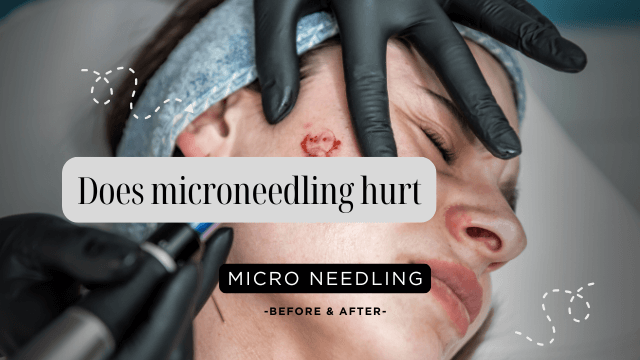
Does microneedling hurt

Let’s face it – we all want glowing, rejuvenated skin, but the big question on everyone’s mind when considering microneedling is: does it hurt? As someone who’s both experienced and researched various forms of microneedling, I’m here to give you the honest truth about what to expect pain-wise when tiny needles meet your skin.

The Truth About Microneedling Pain

The short answer is yes, microneedling can cause some discomfort – but it’s probably not as bad as you’re imagining. The sensation varies depending on several factors including the type of microneedling procedure (traditional, RF, or PRP), the area being treated, and your personal pain tolerance.

When I first tried traditional microneedling with a dermatologist, I’d describe the feeling as a prickly, warm sensation rather than sharp pain. Most clients compare it to light sandpaper being moved across the skin. The forehead, scalp, and areas around the nose tend to be more sensitive than cheeks or chin.

Pain Differences: Traditional vs. RF vs. PRP Microneedling

Understanding the pain variations between different types of microneedling can help set proper expectations:

Traditional Microneedling: This involves a microneedle roller or pen creating tiny punctures in your skin. Most providers apply a topical numbing cream 30 minutes before the procedure, which significantly reduces discomfort. On a scale of 1-10, most of my clients rate it around a 3-4 when properly numbed.

RF Microneedling: Radio-frequency microneedling combines traditional needling with heat energy, which can slightly increase discomfort. The heat sensation is unique – a warm buzzing feeling beneath the skin. However, the numbing cream works equally well here, and the additional discomfort is minimal compared to the enhanced results.

PRP Microneedling: When platelet-rich plasma is added to the mix, the actual needling pain remains similar, but you’ll experience the additional step of having blood drawn for PRP extraction. The application of PRP afterward typically feels soothing rather than painful.

Special Considerations for Sensitive Areas

Thinking about microneedling in more sensitive regions like the bikini area? Yes, it can be done (often for stretch marks or scarring), but expect increased sensitivity. I always recommend discussing pain management options with your provider if you’re treating sensitive areas.

What Influences Pain Level During Microneedling?

Several factors affect how uncomfortable your treatment might be:

  1. Needle Depth: Deeper penetration (often used for scarring) naturally causes more sensation
  2. Your Pain Tolerance: Everyone’s threshold is different
  3. Skin Sensitivity: Those with sensitive skin conditions may experience more discomfort
  4. Provider Experience: A skilled esthetician or dermatologist can make a world of difference
  5. Pre-treatment Preparation: Proper numbing protocol is essential

State Regulations and Pain Management

It’s worth noting that esthetician microneedling regulations vary by state, which can affect the depth of needling allowed and pain management options available. In some states, deeper microneedling procedures must be performed by medical professionals, while estheticians are limited to more superficial treatments.

Before booking, I always recommend checking microneedling state laws to understand who can legally perform your procedure and what pain management they can provide.

Post-Procedure Discomfort

After your session, you might experience:

  • Redness similar to a moderate sunburn
  • Tight, warm skin
  • Mild swelling
  • Occasional tiny whiteheads after microneedling (don’t pick!)

This typically subsides within 24-72 hours. Following proper microneedling aftercare instructions dramatically improves comfort during recovery.

My Personal Pain Management Tips

As someone who’s been through the process, here are my top tips for minimizing discomfort:

  1. Don’t skip the numbing cream and ensure it has adequate time to work
  2. Communicate with your provider if you’re experiencing too much pain
  3. Take a pain reliever (like acetaminophen) 30 minutes before your appointment if approved by your provider
  4. Avoid caffeine before your appointment as it can increase sensitivity
  5. Practice deep breathing during treatment
  6. Consider starting with a less aggressive treatment like a gentler microneedle roller before working up to professional-depth treatments

Is It Worth It?

Despite the temporary discomfort, the benefits of microneedling – whether traditional, RF, or combined with PRP or newer options like PRF and light therapy – are usually well worth it. The collagen induction, improved skin texture, reduced scarring, and overall rejuvenation provide lasting results that most clients find justify the brief discomfort.

When I weigh the temporary sensation against the glowing, youthful skin I achieve afterward, there’s really no contest. And remember – that first treatment is always the most intimidating. Once you know what to expect, subsequent sessions typically feel much more manageable!

coxir INTENSIVE EGF PEPTIDE SERUM review

Why does it seem like finding the perfect skincare product is as elusive as tracking down Bigfoot or convincing my cat to wear a sweater? But lo and behold, my quest led me to the holy grail I didn’t know I was searching for: the “coxir INTENSIVE EGF PEPTIDE SERUM l Day&Night Nourishing Serum for damaged, aged skin l EGF, Polypeptide, Niacinamide, Collagen l Lightweight, Lifting, Firming l Korean Skincare [50ml/1.69 fl.oz]”. Yes, the name is a mouthful, but trust me, it’s worth it.

coxir INTENSIVE EGF PEPTIDE SERUM l DayNight Nourishing Serum for damaged, aged skin l EGF, Polypeptide, Niacinamide, Collagen l Lightweight, Lifting, Firming l Korean Skincare[50ml/1.69 fl.oz]

The Ingredients: The Backbone of the Serum

EGF (Epidermal Growth Factor)

EGF stands for Epidermal Growth Factor, a protein naturally occurring in your skin to encourage cell growth. Now, before you think, “Oh great, another jargon-filled pitch,” let me break it down. EGF is like that overachieving friend who brings snacks to every get-together and still manages to look amazing. It helps heal scars, boosts cell turnover, and basically has your skin looking like it’s ready for its closeup.

Peptides

Peptides are the bodybuilders of skincare ingredients. These amino acid chains help restore damaged skin by stimulating collagen production. So, if wrinkles had a worst enemy, it would be peptides.

Niacinamide

Niacinamide, or Vitamin B3, is that friend who brings balance to the group. It reduces fine lines, evens skin tone, and keeps everything in check. If your skin was having a bad day, Niacinamide would be the one handing it a hot cup of chamomile tea, telling it to take a deep breath.

Betaine

An often-overlooked but very essential ingredient, Betaine improves skin texture. It’s like the Marie Kondo of skincare, getting rid of what doesn’t spark joy and leaving you with smooth, happy skin.

Features: The Perks of Using This Serum

Lightweight and Nourishing

The serum is lightweight and absorbs quickly into the skin. There’s nothing worse than applying a product that makes you feel like you’ve dipped your face in a vat full of honey. With this one, there’s no sticky residue, and it doesn’t leave you looking like you just ran a marathon.

Suitable for Day and Night Use

Ever bought a serum and then found out it’s only for daytime use or just for the night? Well, this one doesn’t discriminate. It’s your round-the-clock buddy, ready to nourish your skin at any hour.

Versatile for All Skin Types

Whether you have dry, oily, or combination skin, this serum won’t throw a tantrum and create havoc. It’s free of harsh alcohols, parabens, and silicon. Also, it’s cruelty-free, so you can use it without picturing a sad bunny.

coxir INTENSIVE EGF PEPTIDE SERUM l DayNight Nourishing Serum for damaged, aged skin l EGF, Polypeptide, Niacinamide, Collagen l Lightweight, Lifting, Firming l Korean Skincare[50ml/1.69 fl.oz]

Application Process: How to Get the Most Out of It

Daytime Routine

Wash your face, pat it dry, and then apply the serum. Follow it up with your moisturizer and sunscreen. Yes, my friend, sunscreen is that non-negotiable step.

Nighttime Routine

The evening application is as simple as the morning one. Cleanse, apply the serum, and then layer on your night cream or moisturizer. Your skin repairs itself at night, so it’s the ideal time for these ingredients to work their magic.

Here’s the application process broken down in a neat table for you:

Time of DayStepsAdditional Products
MorningCleanseMoisturizer, Sunscreen
Apply Serum
NightCleanseMoisturizer/Night Cream
Apply Serum

Immediate Effects: The First Few Days

Day One: Initial Impressions

Upon the first application, I felt like my skin just drank a tall glass of water. It felt hydrated but not sticky, which is a win in my book. No immediate breakouts, which is often the tale of my life with new skincare products.

Day Three: Notable Changes

After a few days, my skin seemed plumper, and there was a newfound vitality. The dullness that usually greets me in the mirror every morning seemed less pronounced. The fine lines around my eyes and mouth appeared to soften, like they were smudged out by a Photoshop tool.

coxir INTENSIVE EGF PEPTIDE SERUM l DayNight Nourishing Serum for damaged, aged skin l EGF, Polypeptide, Niacinamide, Collagen l Lightweight, Lifting, Firming l Korean Skincare[50ml/1.69 fl.oz]

Long-term Effects: What to Expect Over Time

Week Two: Texture and Tone

Two weeks in, the texture of my skin feels like it’s had a minor renovation. Smoother, more even, and definitely more hydrated. The stubborn dark spots? They’re lighter, almost as if the serum has a personal vendetta against them.

Month One: Firmness and Elasticity

A month in, and it’s like my skin decided to take a Pilates class. It feels firmer, more lifted, and those fine lines? Minimized to the point where I don’t have to squint to imagine them gone. My skin’s elasticity seems rejuvenated, like it’s gotten a second wind.

Final Verdict: The Long and Short of It

Pros and Cons

Pros

  1. Enhances Skin Elasticity: Thanks to the EGF and Peptides, my skin has never felt this firm and springy.
  2. Strengthens Skin Barrier: Niacinamide and Betaine make sure my skin barrier is on point, shielding me from environmental stressors like a pro.
  3. Lightweight: Quick absorption means I’m not left feeling like I’ve applied glue to my face.
  4. Day & Night Use: No need for two separate serums, making my skincare routine more manageable.
  5. Cruelty-Free and Free of Harsh Chemicals: I can feel good about using this product, knowing it’s kind to animals and my skin.

Cons

  1. Price Point: It’s a bit on the higher end, but you get what you pay for.
  2. Availability: Sometimes it’s a task to find it in local stores, making online shopping my go-to.
  3. Smell: While not overpowering, it’s not fragrance-free—something to consider if you’re scent-sensitive.

Is It Worth the Hype?

Absolutely. After trying countless serums that promised me the moon and delivered pebbles, the coxir INTENSIVE EGF PEPTIDE SERUM delivered results without the drama. My skin feels nourished, looks brighter, and the improvement in texture and elasticity is palpable.

Who Should Try It?

If you have dry, dull, or aging skin, this serum is a solid gold ticket. Even if you just want to give your skin a little extra love, it’s versatile enough to cater to various skin needs.

coxir INTENSIVE EGF PEPTIDE SERUM l DayNight Nourishing Serum for damaged, aged skin l EGF, Polypeptide, Niacinamide, Collagen l Lightweight, Lifting, Firming l Korean Skincare[50ml/1.69 fl.oz]

Frequently Asked Questions

Can I Use This Serum with Other Skincare Products?

Yes, the serum plays well with others. Just make sure to follow up with a moisturizer and, in the daytime, sunscreen. If you’re layering multiple serums, apply this one first since it’s lightweight and absorbs quickly.

How Long Until I See Results?

While some effects can be noticed in just a few days, the best results usually show up after a few weeks of consistent use. Trust the process, your patience will pay off.

  • EGF + Peptide Skin Renewal Formula A concentrated blend of epidermal growth factor and peptides that helps improve visib…
  • [7-Peptide Complex] Formulated with seven types of peptides (including Copper Peptide) to help plump and smooth the look…
  • [Korean Growth Factor Complex] Inspired by advanced K-beauty science, this serum helps enhance firmness, skin bounce, an…
en_USEnglish