Microneedling is a skincare procedure that involves the use of a small, handheld device with tiny needles that create micro-injuries in the skin. This process stimulates collagen production and promotes skin rejuvenation.
The Importance of Aftercare
After undergoing microneedling, it is crucial to follow the recommended aftercare instructions to ensure optimal results and prevent any complications. This includes knowing when it is safe to reintroduce moisturizer into your skincare routine.
Immediate Post-Microneedling Care
Immediately after your microneedling session, your skin may appear red and feel slightly irritated. At this stage, it is essential to allow your skin to heal naturally without applying any products that could potentially irritate it further.
Avoiding Certain Skincare Products
In the hours following your microneedling treatment, it is best to avoid using any skincare products that contain harsh or irritating ingredients. This includes exfoliants, retinol, and acidic products that could aggravate your skin.
When Can I Start Using Moisturizer?
Once your skin has had time to settle and the redness has subsided, you may be wondering when it is safe to reintroduce moisturizer into your skincare routine.
Timing is Key
The timing of when you can start using moisturizer after microneedling depends on the individual healing process. In general, it is recommended to wait at least 24 hours post-treatment before applying any moisturizer to the treated area.
Consult with Your Skincare Professional
It is essential to consult with your skincare professional before incorporating any products into your post-microneedling skincare routine. They will be able to provide personalized advice based on your skin type and the specific microneedling procedure you underwent.
Choosing the Right Moisturizer
When it comes to selecting a moisturizer to use after microneedling, there are a few key factors to consider to ensure the best results.
Opt for a Gentle Formula
After microneedling, your skin may be more sensitive than usual, so it is crucial to choose a gentle, non-irritating moisturizer. Look for products that are fragrance-free, hypoallergenic, and formulated for sensitive skin.
Hydrating Ingredients
To help soothe and moisturize your skin post-microneedling, opt for a moisturizer that contains hydrating ingredients such as hyaluronic acid, glycerin, or ceramides. These ingredients will help replenish moisture and support the healing process.
Portrait of white woman doing her daily skincare routine
How to Apply Moisturizer After Microneedling
When it comes to applying moisturizer after microneedling, there are specific techniques to keep in mind to ensure optimal results.
Cleanse Gently
Before applying moisturizer, make sure to cleanse your skin gently to remove any debris or impurities. Use a gentle cleanser that is suitable for sensitive skin to avoid further irritation.
Pat Dry
After cleansing, pat your skin dry with a soft, clean towel. Avoid rubbing the skin, as this could cause additional irritation, especially after microneedling.
Apply Moisturizer Lightly
When applying moisturizer post-microneedling, use a light touch and avoid rubbing or tugging at the skin. Gently pat the moisturizer onto the treated area to ensure even coverage without causing any discomfort.
Potential Risks of Using Moisturizer Too Soon
While it is essential to keep your skin hydrated after microneedling, using moisturizer too soon can pose risks and potentially interfere with the healing process.
Pore Clogging
If you apply moisturizer too soon after microneedling, there is a risk of clogging your pores, which can lead to breakouts and other skin issues. It is essential to allow your skin time to heal naturally before reintroducing products.
Irritation
Using moisturizer too soon after microneedling can also cause irritation, redness, or discomfort. To prevent any adverse reactions, it is best to wait until your skin has fully healed before incorporating moisturizer into your skincare routine.
Signs That Indicate It’s Safe to Use Moisturizer
To determine when it is safe to start using moisturizer after microneedling, there are specific signs to look out for that indicate your skin is ready for hydration.
Absence of Redness and Irritation
One of the key signs that it is safe to use moisturizer after microneedling is the absence of redness and irritation on your skin. Once the redness has subsided, and your skin feels more comfortable, you can consider reintroducing moisturizer.
Skin Feels Calm and Soothed
Another indicator that it is safe to use moisturizer post-microneedling is when your skin feels calm and soothed. If your skin no longer feels sensitive or tender to the touch, it is likely ready for hydration.
Conclusion
In conclusion, the timing of when you can start using moisturizer after microneedling is crucial for optimal results and skin healing. By waiting at least 24 hours post-treatment and following the advice of your skincare professional, you can ensure that your skin remains healthy and nourished throughout the recovery process. Remember to choose a gentle, hydrating moisturizer and apply it with care to support your skin’s healing and rejuvenation after microneedling.
Microneedling Depth Chart: Mastering the Art of Precision
In the realm of microneedling, precision is paramount. This innovative skincare treatment harnesses the power of controlled micro-injuries to stimulate collagen production and promote skin rejuvenation.
However, achieving optimal results hinges on selecting the appropriate needle depth – a delicate balance between efficacy and safety.
Enter the microneedling depth chart: your guide to unlocking the full potential of this transformative procedure.
Understanding the Microneedling Depth Chart
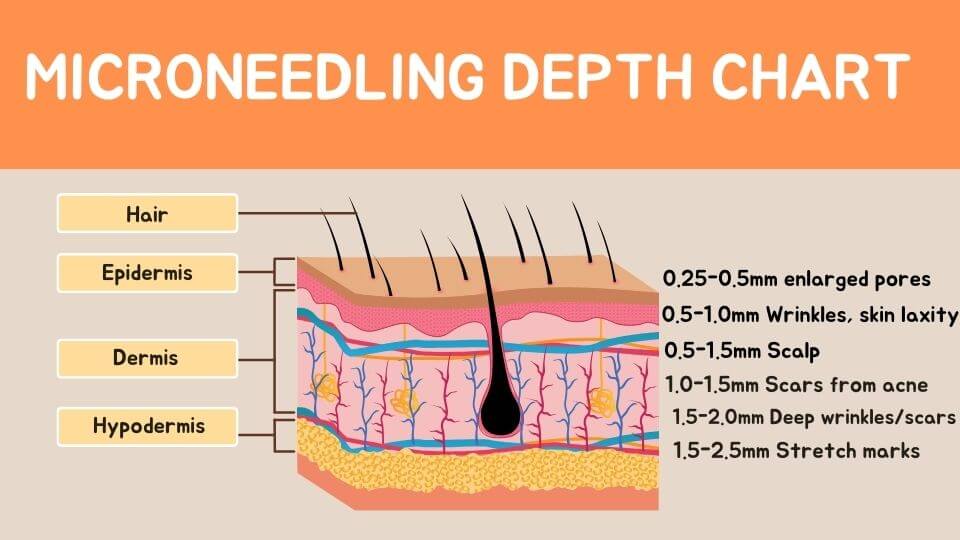
The microneedling depth chart is a comprehensive visual tool that outlines the recommended needle lengths for various skin concerns and treatment areas.
It serves as an invaluable resource for both professionals and individuals seeking to maximize the benefits of microneedling while minimizing potential risks.
The chart typically features a range of needle depths, often ranging from 0.25mm to 3mm, each tailored to address specific skin issues and target areas.
Skin Condition
Needle Depth (mm)
Fine lines and wrinkles, including crow’s feet and forehead lines
Needle depth plays a crucial role in determining the effectiveness of microneedling.
Deeper needles can penetrate further into the skin, triggering more robust collagen production and addressing concerns such as deep wrinkles, acne scars, and texture irregularities.
Conversely, shallower needle depths are better suited for more superficial concerns like fine lines, hyperpigmentation, and overall skin rejuvenation.
For instance, the depth chart may recommend needles between 0.25-0.5mm for targeting minor imperfections like fine lines or mild texture issues.
On the other hand, severe acne scarring or deep-set wrinkles may require needles ranging from 2-3mm in depth to effectively stimulate collagen remodeling in the deeper layers of the skin.
Benefits and Highlights
Adhering to the microneedling depth chart offers numerous advantages:
Optimized collagen stimulation for targeted skin concerns
Minimized risks of excessive skin trauma or discomfort
Consistent and predictable results across treatment areas
Enhanced safety by avoiding inadvertent injuries to delicate structures
Professional Opinions and Recommendations
Expertise and Personalization
While the microneedling depth chart serves as a general guideline, it is essential to seek the expertise of licensed professionals.
Experienced practitioners can evaluate individual factors, such as skin type, concerns, and treatment goals, to personalize the needle depth and ensure optimal outcomes.
They may also adjust the depth based on the specific microneedling device or technique used.
Gradual Depth Progression
Professionals often recommend a gradual approach to increasing needle depths, particularly for those new to microneedling.
This progressive strategy allows the skin to adapt and minimizes potential side effects, such as excessive redness, swelling, or discomfort. Starting with shallower depths and gradually increasing over subsequent sessions can help build tolerance and achieve desired results safely.
Complementary Treatments and Aftercare
To maximize the benefits of microneedling, professionals may recommend incorporating complementary treatments, such as skin-nourishing serums or specialized products containing active ingredients like vitamin C, retinol, or hyaluronic acid.
These can be applied immediately after the treatment to enhance product absorption and optimize results.
Additionally, proper aftercare, including sun protection, hydration, and gentle skincare, is crucial for optimal healing and long-lasting results.
By mastering the art of precision through the microneedling depth chart, you can unlock the full potential of this innovative treatment, achieving a revitalized, youthful complexion while minimizing risks and ensuring a safe and effective experience under the guidance of experienced professionals.
Are you wondering how often you should microneedle for hair growth? Learn about the ideal frequency and factors to consider in this informational post.
Are you wondering how often you should microneedle for hair growth? If you’re looking to boost hair growth and improve the overall health of your locks, microneedling could be the solution you’ve been searching for. Microneedling is a technique that involves using small needles to create tiny puncture wounds on the scalp, stimulating the production of collagen and increasing blood flow. But how frequently should you perform this treatment to achieve the best results? In this article, we will explore the ideal frequency for microneedling sessions to maximize hair growth and address any concerns you may have.
Understanding Microneedling for Hair Growth
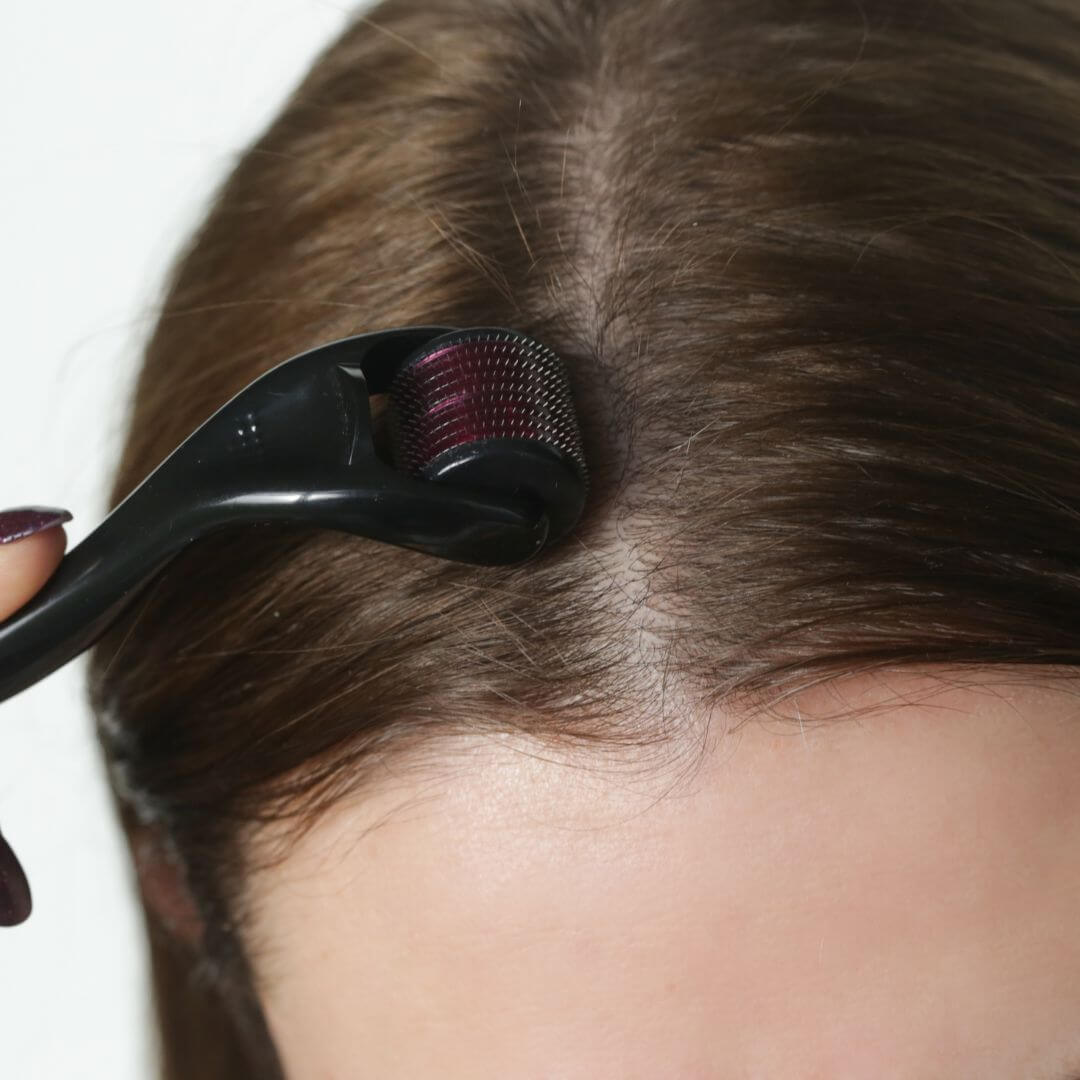
Microneedling is a non-invasive procedure that has gained popularity in recent years for its potential to promote hair growth. This treatment involves using a small handheld device, embedded with tiny needles, to create controlled micro-injuries on the scalp. These micro-injuries stimulate the body’s natural healing process, leading to increased blood circulation and the production of new hair follicles. It is important to understand the benefits and considerations of microneedling before incorporating it into your hair growth routine.
What is Microneedling?
Microneedling, also known as collagen induction therapy, has been utilized for various skincare concerns, such as reducing wrinkles and scars. However, it has also shown promising results in improving hair growth. The procedure works by puncturing the top layer of the scalp with the needles, creating microscopic channels. This process triggers the release of growth factors and stimulates the production of new collagen, leading to overall scalp rejuvenation and hair follicle stimulation.
What are the Benefits of Microneedling for Hair Growth?
Microneedling offers several benefits for promoting hair growth. Firstly, it enhances blood circulation to the scalp, ensuring that vital nutrients and oxygen reach the hair follicles. This improved circulation nourishes the hair follicles, promoting healthy hair growth. Additionally, microneedling increases the effectiveness of topical hair growth treatments, allowing for better absorption and penetration into the scalp. This synergy between microneedling and topical treatments can boost their overall efficacy and provide more noticeable results. Lastly, microneedling helps to improve the thickness and quality of existing hair, making it an appealing option for individuals looking to enhance their hair’s overall appearance.
Determining the Frequency of Microneedling
While microneedling offers numerous benefits for hair growth, determining the ideal frequency of the procedure is crucial for maximizing results and minimizing potential risks. Several factors contribute to the frequency at which you should undergo microneedling sessions.
Consider Your Hair Growth Goals
The frequency of microneedling largely depends on your specific hair growth goals. If you are looking to promote general hair health and thickness, a lower frequency of treatments may be sufficient. On the other hand, if you are dealing with hair loss or baldness, more frequent sessions may be necessary to stimulate dormant hair follicles and encourage regrowth.
Take into Account the Microneedling Device Used
Different microneedling devices have varying needle lengths and specifications, which can influence the recommended frequency of treatment. Devices with longer needles may require more time between sessions to allow the scalp to fully recover. Conversely, devices with shorter needles may allow for more frequent microneedling sessions due to the milder impact on the scalp.
Refer to Professional Recommendations
Professional recommendations play a vital role in determining the optimal frequency of microneedling. Dermatologists and other trained professionals are knowledgeable about hair growth treatments and can provide personalized advice based on your specific needs. Consulting with a professional will ensure that you receive reliable guidance on the ideal frequency for microneedling.
Understanding Your Scalp’s Sensitivity
Your scalp’s sensitivity is another factor to consider when determining how often you should undergo microneedling for hair growth. Some individuals may have a more sensitive scalp that requires longer recovery periods between sessions. It is important to pay attention to any signs of irritation or discomfort and adjust the frequency accordingly to avoid any adverse effects.
Frequency Recommendations Based on Hair Growth Goals
The frequency of microneedling sessions varies depending on your specific hair growth goals. Let’s explore some general guidelines for promoting overall hair health and treating hair loss or baldness.
Promoting General Hair Health and Thickness
If you are primarily focused on enhancing the overall health and thickness of your hair, microneedling sessions can be performed every 1 to 2 weeks. This frequency allows for optimal scalp stimulation and collagen production, leading to improved hair quality and texture over time. Consistency is key in achieving the desired results, so sticking to a regular schedule is essential.
Treating Hair Loss or Baldness
Individuals dealing with hair loss or baldness may require more frequent microneedling sessions. To effectively stimulate dormant hair follicles and promote regrowth, it is recommended to undergo microneedling treatments once every 7 to 10 days. This higher frequency helps to jumpstart the hair growth process and encourages the body’s natural healing mechanisms to kick into action.
It is important to note that these frequency recommendations are general guidelines and may need to be adjusted based on individual factors and professional advice.
Factors to Consider When Choosing the Right Microneedling Device
Choosing the right microneedling device is crucial for ensuring effective and safe hair growth treatments. Consider the following factors when selecting a device:
Needle Length
Microneedling devices come with varying needle lengths, typically ranging from 0.25mm to 2.5mm. The needle length selected depends on the extent of the hair loss and the desired level of scalp penetration. For general hair health, shorter needle lengths may be suitable, while longer needle lengths are often used for treating more severe cases of hair loss.
Quality and Sterility of the Needles
To avoid any risk of infection or contamination, it is important to choose a microneedling device with high-quality and sterile needles. Check for FDA approval or other relevant certifications to ensure that the device meets the necessary safety standards.
Adjustable Needle Depth
Having control over the needle depth allows for customization and precision during microneedling sessions. Opting for a device with adjustable needle depth settings ensures that you can tailor the treatment according to your specific needs and scalp condition.
Additional Features and Technology
Some microneedling devices come with additional features, such as LED lights or vibrating functions. While not essential, these features can provide added benefits such as improved blood circulation or enhanced collagen production. Consider your individual preferences and budget when evaluating the available options.
Professional Recommendations and Guidelines
When it comes to microneedling for hair growth, it is always advisable to consult with a dermatologist or other trained professionals. These experts have in-depth knowledge and experience in hair treatments, enabling them to provide personalized recommendations and guidelines based on your unique situation. Professional guidance ensures that you are pursuing the most effective and safe course of action for your hair growth goals.
Consulting with a Dermatologist
A dermatologist can assess your specific hair loss condition, evaluate the underlying causes, and determine the most suitable treatment plan, including microneedling frequency. They can also provide guidance on potential combination therapies or medications that may complement microneedling to achieve optimal hair regrowth results.
Following the Advice of Trained Professionals
Apart from dermatologists, other professionals such as trichologists or hair loss specialists can offer valuable insights and recommendations regarding microneedling for hair growth. These specialists are well-versed in the intricacies of hair and scalp health, ensuring that you receive accurate advice tailored to your unique circumstances.
Avoiding Harsh Hair Products and Chemical Treatments
In the days following a microneedling session, it is advisable to avoid using harsh hair products or undergoing chemical treatments on your hair. These may irritate the scalp and hinder the healing process. Opt for gentle, sulfate-free shampoos and conditioners to maintain a healthy and nourished scalp.
Protecting Your Scalp from the Sun
Exposing your scalp to the sun’s harmful rays immediately after microneedling can increase the risk of sunburn and potential complications. It is crucial to protect your scalp with a hat or sunscreen with a high SPF to shield it from UV radiation. This precautionary measure helps to maintain the integrity of the treated scalp and prevent any adverse effects.
Focusing on a Healthy Diet and Lifestyle
Good nutrition plays a vital role in promoting overall hair health and growth. Ensure your diet is rich in vitamins, minerals, and proteins to provide the necessary building blocks for healthy hair. Additionally, maintaining a healthy lifestyle that includes regular exercise and stress management can contribute to optimal hair growth and scalp health.
Potential Risks and Precautions
While microneedling is generally safe and well-tolerated, it is essential to be aware of potential risks and take necessary precautions to minimize them. Some common risks associated with microneedling for hair growth include:
Adverse Reactions and Irritation
After microneedling, it is normal to experience some redness, mild irritation, or sensitivity on the scalp. These side effects are usually temporary and should subside within a day or two. However, if you experience severe or prolonged symptoms, it is recommended to consult a professional for further evaluation.
Skin Infections and Contamination
Improper sterilization of microneedling devices or inadequate hygiene practices can increase the risk of skin infections and contamination. It is crucial to follow proper cleaning and maintenance protocols for your microneedling device to minimize the chances of infection. Regularly disinfecting the device and replacing the needles as recommended by the manufacturer is essential for safe and effective treatments.
Proper Cleaning and Maintenance of Microneedling Devices
To ensure optimal results and reduce the risk of infection, it is vital to clean and maintain your microneedling device properly. Following the manufacturer’s instructions on cleaning and disinfecting the device is crucial for safe and effective treatments. Additionally, replacing the needles as recommended by the manufacturer helps maintain their optimal sharpness and effectiveness.
Personalized Factors to Consider
In addition to the general guidelines, several personalized factors should be taken into account when determining the frequency of microneedling for hair growth.
Individual Scalp Sensitivity and Tolerance
Each individual’s scalp has unique sensitivity and tolerance levels. If you find that your scalp becomes easily irritated or experiences prolonged redness after microneedling, it may be necessary to space out the sessions or reduce the intensity of the treatment. Pay attention to your scalp’s response and adjust the frequency accordingly to ensure optimal results without any discomfort.
Frequency of Other Hair Treatments
If you are already undergoing other hair treatments, such as laser therapy or topical solutions, it is essential to consider their frequency and potential interactions with microneedling. Consult with a professional or follow the guidelines provided by the manufacturer of each treatment to determine the best scheduling for optimal results.
Time Availability and Convenience
Microneedling requires consistency to achieve desired results. It is essential to consider your schedule and factors such as travel or other commitments that may affect your ability to adhere to a specific microneedling regimen. Select a frequency that aligns with your lifestyle and ensures that you can accommodate the necessary time and effort for the treatment.
Keeping Track of Microneedling Sessions
To stay organized and ensure that you are consistently adhering to your microneedling routine, it can be helpful to create a schedule and reminder system. Consider the following tips:
Creating a Schedule and Reminder System
Mark your calendar or set reminders on your phone for the designated microneedling days. Having a visual representation of the schedule helps keep you motivated and accountable. By following a set routine, you are more likely to achieve your desired hair growth goals.
Monitoring Your Scalp’s Response
Throughout your microneedling journey, it is important to closely monitor your scalp’s response to the treatments. Pay attention to any changes in hair texture, density, or overall scalp health. By regularly assessing your scalp’s response, you can make informed decisions on the frequency and intensity of future microneedling sessions.




 English
  Spanish