
google.com, pub-2032008856654686, DIRECT, f08c47fec0942fa0

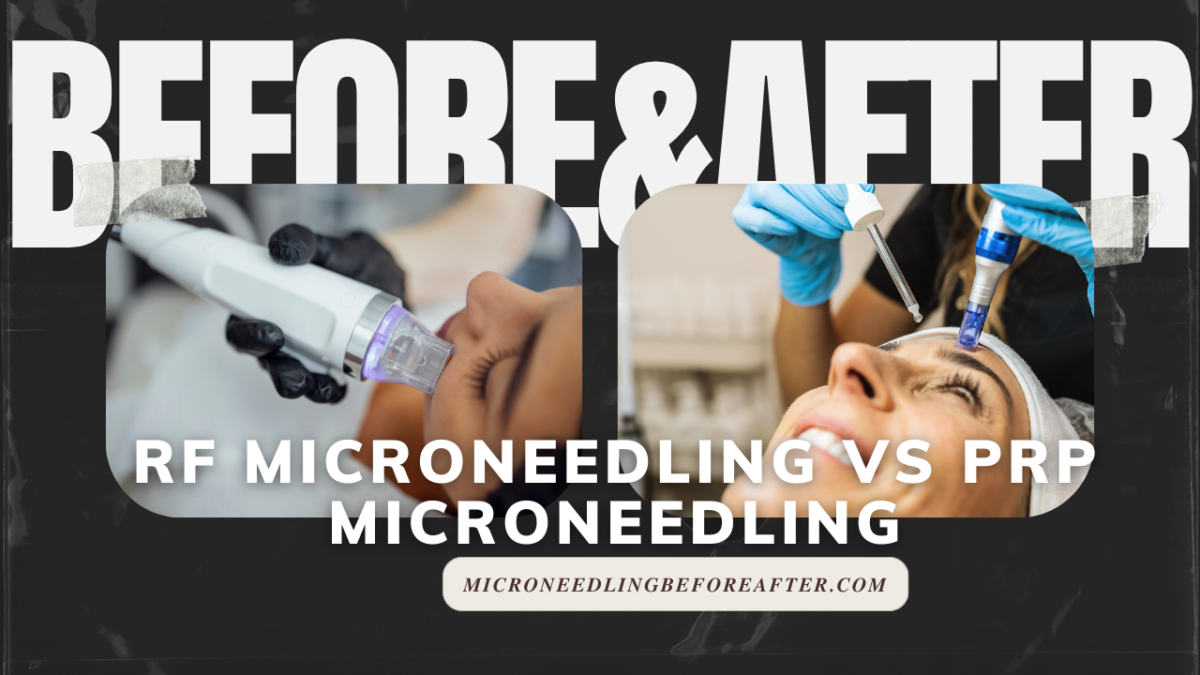
Rf Microneedling Vs Prp Microneedling

Learn about the key differences between RF Microneedling and PRP Microneedling for skin rejuvenation. Discover which treatment is best for your skin concerns.

Introduction
As an individual considering microneedling treatments, it is essential to understand the difference between RF (Radiofrequency) Microneedling and PRP (Platelet-Rich Plasma) Microneedling. Both treatments have gained popularity in the cosmetic industry for their ability to rejuvenate the skin. In this article, I will delve into the details of RF Microneedling and PRP Microneedling to help you make an informed decision about which treatment may be best for your skin concerns.

Understanding RF Microneedling
RF Microneedling is a minimally invasive cosmetic procedure that uses radiofrequency technology to rejuvenate the skin. It involves the use of tiny needles that deliver radiofrequency energy into the deeper layers of the skin, stimulating collagen production and promoting skin tightening.

RF Microneedling is effective in addressing various skin concerns such as fine lines, wrinkles, acne scars, and skin laxity. The radiofrequency energy heats the skin tissues, causing micro-injuries that trigger the body’s natural healing process, resulting in smoother, firmer, and more youthful-looking skin.

Exploring PRP Microneedling
PRP Microneedling, on the other hand, combines the benefits of microneedling with the regenerative properties of platelet-rich plasma (PRP). PRP is derived from the patient’s blood and contains growth factors that promote tissue repair and regeneration.

During a PRP Microneedling treatment, the patient’s blood is drawn and processed to isolate the PRP. The PRP is then applied topically to the skin during the microneedling procedure, allowing for deeper penetration of the growth factors into the skin.

PRP Microneedling is known for its ability to improve skin texture, tone, and elasticity. It is particularly effective in treating acne scars, hyperpigmentation, and signs of aging. The combination of microneedling and PRP accelerates the skin’s natural healing process and results in overall skin rejuvenation.

Key Differences Between RF Microneedling and PRP Microneedling
When comparing RF Microneedling and PRP Microneedling, there are several key differences to consider. Understanding these differences can help you determine which treatment may be more suitable for your specific skin concerns.

Treatment Mechanism

RF Microneedling uses radiofrequency energy to stimulate collagen production and tighten the skin.
PRP Microneedling combines microneedling with the application of platelet-rich plasma to promote tissue repair and regeneration.

RF Microneedling targets skin tightening and collagen production, while PRP Microneedling focuses on skin rejuvenation and regeneration.

Targeted Skin Concerns

RF Microneedling is effective in addressing fine lines, wrinkles, acne scars, and skin laxity.
PRP Microneedling is known for improving skin texture, tone, hyperpigmentation, and signs of aging.

The choice between RF Microneedling and PRP Microneedling may depend on the specific skin concerns you wish to target.

Downtime and Recovery

RF Microneedling may have minimal downtime, with patients experiencing redness and mild swelling that typically subside within a few days.
PRP Microneedling may require a longer recovery period, as the skin may be more sensitive due to the application of PRP.

Consider your schedule and lifestyle when deciding between RF Microneedling and PRP Microneedling to allow for adequate downtime and recovery.

Cost Comparison
Cost is a significant factor to consider when choosing between RF Microneedling and PRP Microneedling. The prices of these treatments can vary based on several factors, including the provider’s expertise, location, and the number of sessions required.

RF Microneedling
RF Microneedling treatments typically range from $200 to $1000 per session, depending on the area being treated and the provider’s fees. Multiple sessions may be recommended for optimal results, leading to a higher overall cost for the treatment.

PRP Microneedling
PRP Microneedling treatments generally cost between $500 to $2500 per session, as the process involves drawing the patient’s blood, processing the PRP, and applying it during the microneedling procedure. Additional costs may be incurred for follow-up appointments and maintenance treatments.

When considering the cost of RF Microneedling and PRP Microneedling, it is essential to factor in the long-term benefits and results of each treatment to determine the most cost-effective option for your skin concerns.

Efficacy and Results
Both RF Microneedling and PRP Microneedling are effective in rejuvenating the skin and improving various skin concerns. However, the efficacy and results of each treatment may vary based on individual factors such as skin type, age, and the specific concerns being addressed.

RF Microneedling

RF Microneedling stimulates collagen production and skin tightening, resulting in smoother, firmer skin.
Results from RF Microneedling treatments may be visible within a few weeks, with optimal results seen after multiple sessions.

PRP Microneedling

PRP Microneedling promotes tissue repair and regeneration, leading to improved skin texture, tone, and elasticity.
Results from PRP Microneedling treatments may appear gradually over several weeks, with continued improvement over time as the skin heals and rejuvenates.

The choice between RF Microneedling and PRP Microneedling may depend on your desired results and expectations for skin rejuvenation.

Considerations Before Choosing a Microneedling Treatment
Before deciding on a microneedling treatment, it is essential to consider several factors to ensure the best outcome for your skin concerns.

Skin Type and Concerns

Consider your skin type and specific concerns you wish to address, such as fine lines, wrinkles, acne scars, or hyperpigmentation.
Consult with a skincare professional or dermatologist to assess your skin needs and determine the most suitable treatment option for optimal results.

Treatment Experience

Research the treatment process, expected results, and potential side effects of RF Microneedling and PRP Microneedling.
Choose a reputable provider with experience in performing microneedling treatments to ensure safe and effective results.

Budget and Affordability

Determine your budget for microneedling treatments and factor in the costs of multiple sessions, follow-up appointments, and maintenance treatments.
Compare prices from different providers and consider the overall value and long-term benefits of each treatment option.

Conclusion
In conclusion, RF Microneedling and PRP Microneedling are both effective treatments for skin rejuvenation and improvement of various skin concerns. Understanding the differences between these treatments, including the treatment mechanism, targeted skin concerns, cost, efficacy, and results, can help you make an informed decision on which treatment may be best suited for your skin needs.

Before undergoing a microneedling treatment, consult with a skincare professional or dermatologist to assess your skin concerns and determine the most appropriate treatment option for achieving your desired results. Whether you choose RF Microneedling or PRP Microneedling, both treatments offer benefits for enhancing skin texture, tone, and elasticity, resulting in a more youthful and radiant complexion.

Microneedling Stem Cells

Can microneedling enhance the effects of stem cell therapy for skin rejuvenation? This article will delve into the science behind microneedling and stem cell therapy, as well as how combining these two treatments can lead to optimal results.

Microneedling: A Brief Overview

Microneedling, also known as collagen induction therapy, is a minimally invasive procedure that involves creating tiny punctures in the skin using fine needles. This process stimulates the body’s natural wound healing response, leading to the production of collagen and elastin.

How does microneedling work?

Microneedling works by creating controlled micro-injuries to the skin, which triggers the body’s healing process. This results in increased collagen production, improved skin texture, and reduced signs of aging.

Stem Cell Therapy: An Introduction

Stem cell therapy involves using stem cells to promote tissue repair and regeneration. Stem cells have the unique ability to develop into different types of cells in the body, making them an ideal treatment for a variety of conditions, including skin rejuvenation.

What are stem cells?

Stem cells are undifferentiated cells that have the potential to differentiate into specialized cells and regenerate damaged tissues. They play a crucial role in the body’s healing process and have been used in various medical treatments, including skin rejuvenation.

The Benefits of Microneedling with Stem Cells

Combining microneedling with stem cell therapy can enhance the benefits of both treatments, leading to improved skin texture, tone, and overall appearance. The micro-injuries created by microneedling allow for better absorption and penetration of stem cells into the skin, boosting their regenerative properties.

How does microneedling enhance the effects of stem cell therapy?

Microneedling creates channels in the skin that allow for better delivery of stem cells. This leads to increased collagen production, improved skin hydration, and enhanced overall skin rejuvenation.

Clinical Studies on Microneedling Stem Cells

Several studies have been conducted to evaluate the efficacy of combining microneedling with stem cell therapy for various skin conditions. These studies have shown promising results, indicating that this combination treatment can lead to significant improvements in skin texture, tone, and elasticity.

What do clinical studies say about microneedling stem cells?

Clinical studies have demonstrated that combining microneedling with stem cell therapy can lead to increased collagen production, improved skin texture, and reduced signs of aging. These results suggest that this combination treatment may be beneficial for individuals looking to rejuvenate their skin.

Potential Side Effects and Risks

While microneedling with stem cells is generally considered safe, there are some potential side effects and risks that individuals should be aware of before undergoing this treatment. These may include redness, swelling, bruising, and infection.

How can individuals minimize the risk of side effects?

To minimize the risk of side effects, individuals should follow the post-treatment care instructions provided by their healthcare provider. This may include avoiding sun exposure, using gentle skincare products, and staying hydrated to promote healing and reduce inflammation.

Who is a Candidate for Microneedling Stem Cells?

Microneedling with stem cells is a suitable treatment option for individuals looking to improve the texture, tone, and overall appearance of their skin. Candidates for this treatment may include those with fine lines, wrinkles, acne scars, and uneven skin tone.

How can individuals determine if they are a candidate for this treatment?

Individuals interested in microneedling with stem cells should consult with a qualified healthcare provider to determine if they are a suitable candidate for this treatment. Factors such as skin type, age, and medical history may influence candidacy for this procedure.

Cost Considerations for Microneedling Stem Cells

The cost of microneedling with stem cells can vary depending on the provider, location, and specific treatment plan. While this treatment may be more expensive than traditional microneedling or stem cell therapy alone, the combined benefits may justify the investment for many individuals.

How can individuals determine the cost of microneedling stem cells?

To determine the cost of microneedling with stem cells, individuals should schedule a consultation with a healthcare provider to discuss their specific treatment goals and receive a customized treatment plan. This plan will outline the estimated cost of the procedure and any associated fees.

In conclusion, microneedling with stem cells is a cutting-edge treatment that offers significant benefits for skin rejuvenation. By combining the regenerative properties of stem cells with the collagen-stimulating effects of microneedling, individuals can achieve smoother, firmer, and more youthful-looking skin. For those looking to enhance the effects of their skin rejuvenation treatment, microneedling with stem cells may be a promising option to consider.

Microneedling Depth For Collagen Production

Learn how microneedling depth impacts collagen production for healthier skin. Discover the ideal needle lengths for optimal results. Consult a professional for personalized advice.

Understanding Microneedling Depth for Optimal Collagen Production
As someone deeply interested in skincare, I often wonder about the most effective techniques to improve collagen production and skin rejuvenation. One popular method that has been gaining attention in the beauty industry is microneedling. I have spent a significant amount of time researching the ideal microneedling depth for collagen production. In this article, I will delve into the depths of microneedling and its impact on collagen synthesis.

What is Microneedling?
Microneedling, also known as collagen induction therapy, is a minimally invasive cosmetic procedure that involves using a pen-like device with fine needles to create micro-injuries on the skin. These micro-injuries stimulate the body’s natural wound healing process, leading to increased collagen and elastin production. The result is smoother, firmer, and more youthful-looking skin.

I find microneedling fascinating because of its ability to promote collagen synthesis, which is crucial for maintaining healthy and youthful skin. However, the effectiveness of microneedling largely depends on the depth at which the needles penetrate the skin. Let us explore the relationship between microneedling depth and collagen production in more detail.

Microneedling Depths
Microneedling devices come with different needle lengths that can penetrate the skin at various depths. The most common needle lengths are 0.5mm, 1.0mm, and 1.5mm. Each depth targets specific skin concerns and can have different effects on collagen production.

I have discovered that understanding the ideal microneedling depth for collagen production is crucial to achieve optimal results. Choosing the right needle length based on your skin concerns and treatment goals is essential for successful microneedling sessions.

Effects of Microneedling Depths on Collagen Production
The depth at which the microneedles penetrate the skin determines the level of collagen production and skin rejuvenation. Here is a breakdown of the effects of different microneedling depths on collagen synthesis:

Microneedling Depth
Collagen Production

0.5mm
Mild stimulation of collagen production, suitable for superficial skin concerns and maintenance treatments.

1.0mm
Moderate stimulation of collagen production, ideal for addressing wrinkles, hyperpigmentation, and acne scars.

1.5mm
Significant stimulation of collagen production, effective for deeper scars, stretch marks, and advanced signs of aging.

By understanding the effects of microneedling depths on collagen production, you can choose the most appropriate depth for your specific skin concerns and treatment goals.

Factors to Consider When Choosing Microneedling Depth
Several factors influence the selection of microneedling depth for collagen production. These factors play a crucial role in determining the effectiveness and safety of the treatment. Here are some key considerations to keep in mind:

Skin Concerns: The depth of microneedling should be tailored to address specific skin concerns such as wrinkles, acne scars, hyperpigmentation, and skin texture.

Treatment Goals: Your desired outcomes, whether it is skin rejuvenation, scar reduction, or overall skin improvement, will guide the selection of the appropriate microneedling depth.

Skin Type: Different skin types (e.g., sensitive, oily, dry) react differently to microneedling depths. Consult with a skincare professional to determine the best depth for your skin type.

Pain Tolerance: Deeper microneedling depths may cause more discomfort during the treatment. Consider your pain tolerance level when choosing the needle length.

Downtime: The recovery time after microneedling varies depending on the depth of the treatment. Deeper microneedling depths may require more downtime for skin healing.

Considering these factors will help you make an informed decision when selecting the microneedling depth for collagen production.

The Science Behind Collagen Production in Microneedling
Collagen is a structural protein found in the skin that provides support, firmness, and elasticity. During microneedling, the micro-injuries created by the fine needles trigger the skin’s natural healing response. This response includes increased collagen production, which helps repair and rejuvenate the skin.

I find the science behind collagen synthesis fascinating because it highlights the body’s remarkable ability to regenerate and repair damaged skin. By understanding how microneedling promotes collagen production, we can harness its benefits for improving skin health and appearance.

Benefits of Collagen in Skin Health
Collagen plays a fundamental role in maintaining skin health and appearance. Here are some key benefits of collagen in the skin:

Skin Firmness: Collagen provides structural support to the skin, promoting firmness and preventing sagging.

Skin Elasticity: Collagen contributes to skin elasticity, allowing it to stretch and bounce back without losing its shape.

Skin Hydration: Collagen helps retain moisture in the skin, keeping it hydrated and plump.

Wrinkle Reduction: Increased collagen levels can help reduce the appearance of fine lines and wrinkles, leading to smoother and more youthful-looking skin.

Understanding the benefits of collagen underscores the importance of promoting collagen production through techniques like microneedling for healthier and more vibrant skin.

Microneedling Depth Recommendations
Based on my research and experience, here are some general recommendations for microneedling depths according to skin concerns and treatment goals:

Mild Skin Concerns (e.g., fine lines, mild acne scars, uneven texture):

Recommended Depth: 0.5mm
Benefits: Mild stimulation of collagen, suitable for maintenance treatments and superficial skin concerns.

Moderate Skin Concerns (e.g., wrinkles, hyperpigmentation, moderate acne scars):

Recommended Depth: 1.0mm
Benefits: Moderate stimulation of collagen, ideal for addressing deeper skin issues and improving skin texture.

Severe Skin Concerns (e.g., deep scars, stretch marks, advanced signs of aging):

Recommended Depth: 1.5mm
Benefits: Significant stimulation of collagen, effective for treating deeper scars and advanced skin conditions.

Following these recommendations can help you achieve optimal results in collagen production and skin rejuvenation through microneedling treatments.

Conclusion
In conclusion, microneedling is a powerful technique for stimulating collagen production and improving skin health. Understanding the relationship between microneedling depth and collagen synthesis is essential for achieving the desired outcomes of the treatment. By choosing the right needle length based on your skin concerns and treatment goals, you can enhance collagen production, reduce signs of aging, and rejuvenate your skin effectively.

I hope this article has provided you with valuable insights into microneedling depth for collagen production and its impact on skin rejuvenation. Remember to consult with a skincare professional to determine the most suitable microneedling depth for your individual needs and goals. By harnessing the power of microneedling at the optimal depth, you can unlock the potential of collagen synthesis for healthier, firmer, and more radiant skin.

en_USEnglish