google.com, pub-2032008856654686, DIRECT, f08c47fec0942fa0

When To Stop Retinol Before Microneedling?

When to stop retinol before microneedling? Discover the ideal timing to maximize the benefits of your microneedling treatment and avoid potential side effects.

If you’re a fan of both retinol and microneedling, it’s important to know the right timing to pause your retinol routine before undergoing a microneedling session. Before you reach for that microneedling tool, be sure to read on as we discuss the ideal time to stop using retinol to maximize the benefits and effectiveness of your microneedling treatment.

retinol-vitamin-A
retinol-vitamin-A

When to Stop Using Retinol

Understanding Retinol

Retinol is a widely popular skincare ingredient known for its anti-aging properties. It belongs to the retinoid family and is a derivative of vitamin A. Retinol works by promoting cell turnover, stimulating collagen production, and improving the overall texture and appearance of the skin. Many people incorporate retinol into their skincare routine to address concerns such as fine lines, wrinkles, and uneven skin tone.

Benefits of Retinol

Using retinol consistently and correctly can bring about numerous benefits for your skin. It helps to reduce the appearance of wrinkles and fine lines, smooth out rough patches, and improve the overall clarity of the skin. Retinol also aids in fading hyperpigmentation and acne scars, giving you a more even complexion. Additionally, it can help to unclog pores and reduce the occurrence of acne breakouts, making it a versatile ingredient for various skin concerns.

Effects of Retinol on the Skin

Retinol is a potent ingredient that can cause some initial side effects when first incorporated into your skincare routine. This is often referred to as the “retinization” period and may include symptoms such as peeling, redness, and dryness. However, with consistent usage, your skin typically adapts and these side effects subside. It is important to note that retinol can increase the skin’s sensitivity to the sun, so it is crucial to use sunscreen daily when using retinol products.

Why Stop Retinol Before Microneedling?

Microneedling is a cosmetic procedure that involves using a device with fine needles to create tiny punctures on the skin’s surface. This stimulates collagen production and enhances the absorption of skincare products. While retinol can provide significant benefits for the skin, it is generally recommended to discontinue its use before undergoing microneedling. This is to minimize potential side effects and ensure the best possible results from the procedure.

Factors to Consider

Microneedling Process

During microneedling, the tiny needles create small channels in the skin, allowing for better absorption of topical products. Retinol, being a potent ingredient, can cause increased sensitivity and potential skin reactions when combined with the microneedling process. Stopping retinol usage beforehand gives your skin a chance to recover and reduces the risk of adverse reactions.

Skin Sensitivity

Some individuals may naturally have more sensitive skin, making them more prone to experiencing side effects from retinol. If you fall into this category, it is particularly important to discontinue retinol usage before microneedling. This will help minimize any potential discomfort or irritation during and after the procedure.

Retinol Strength and Usage

The strength of the retinol product you are using, as well as the frequency and duration of usage, can impact your skin’s response to both retinol and microneedling. Stronger retinol formulations are more likely to cause skin irritation and may require a longer discontinuation period before microneedling. It is advisable to consult with a dermatologist or skincare professional to determine the best approach based on your specific retinol usage.

Skin Conditions

Individuals with certain skin conditions, such as eczema or rosacea, may be more prone to adverse reactions when combining retinol with microneedling. These conditions can already compromise the skin’s barrier function and increase its sensitivity. It is essential to discuss your specific skin condition with a professional and follow their guidance on whether to discontinue retinol before microneedling.

Professional Advice

When contemplating the use of retinol before microneedling, it is always advisable to seek professional advice. A dermatologist or skincare professional can assess your skin’s condition, review your current skincare routine, and provide personalized recommendations. They have the expertise and knowledge to guide you on the best course of action for optimal results and minimal risk.

when-to-stop-retinol-before-microneedling-6

Recommended Time Frame

General Guidelines

While the exact duration to stop using retinol before microneedling may vary depending on individual factors, there are some general guidelines to consider. It is typically recommended to discontinue retinol usage at least one to two weeks before the scheduled microneedling procedure. This allows your skin enough time to recover from any potential irritation or sensitivity caused by the retinol.

Sensitive Skin

If you have sensitive skin or have experienced significant irritation from retinol in the past, you may need to stop using retinol even earlier before microneedling. Four weeks before the procedure is often suggested for individuals with heightened sensitivity. This extended timeframe gives your skin an opportunity to heal and reduces the risk of adverse reactions.

Strong Retinol Products

If you are using a higher strength retinol product, it may be necessary to stop its usage for a longer period before microneedling. Stronger formulations can be more aggressive on the skin and require additional time for your skin to recover. Consult with a dermatologist or skincare professional to determine the appropriate timeframe based on your retinol strength.

Peeling and Irritation

If you are experiencing significant peeling, irritation, or other side effects from retinol usage, it may be a sign that your skin needs more time to recover. In such cases, it is advisable to prolong the discontinuation period and focus on soothing and hydrating the skin before proceeding with microneedling.

Preparing for Microneedling

Consultation with a Dermatologist

Before undergoing microneedling, it is crucial to schedule a consultation with a dermatologist. They will evaluate your skin’s condition, discuss your skincare goals, and determine whether it is the right time for microneedling. During this consultation, inform your dermatologist about your retinol usage, and they will provide personalized advice tailored to your specific needs.

Reviewing Your Skincare Routine

In preparation for microneedling, it is essential to review your entire skincare routine, not just your retinol usage. Ensure that you are using gentle, non-irritating products that will not interfere with the healing process after microneedling. Avoid any harsh exfoliants or potentially irritating ingredients such as alcohol or fragrances.

Gradually Reducing Retinol Usage

Instead of abruptly stopping retinol usage, it is recommended to gradually reduce the frequency of application. Start by using it every other night, then every three nights, until you eventually discontinue it completely. This method helps minimize the risk of potential irritation or withdrawal effects from abruptly stopping retinol.

Alternative Skincare Products

While you are temporarily discontinuing retinol, you can incorporate alternative skincare products that promote skin healing and hydration. Look for ingredients like hyaluronic acid, ceramides, peptides, and antioxidants. These can help soothe the skin and prep it for the microneedling procedure.

When To Stop Retinol Before Microneedling?

Potential Risks of Using Retinol before Microneedling

Skin Irritation and Discomfort

Combining retinol usage with microneedling can increase the risk of skin irritation and discomfort. The skin may become more sensitive and reactive, leading to redness, itching, and burning sensations. Discontinuing retinol before microneedling helps reduce these potential side effects and ensures a more comfortable experience.

Delayed Healing Process

Microneedling induces controlled micro-injuries to stimulate collagen production and rejuvenate the skin. Using retinol immediately before or after the procedure can disrupt the healing process and potentially delay recovery. It is important to allow your skin time to heal and regenerate without the interference of retinol.

Increased Sensitivity

Retinol itself can make the skin more sensitive to external factors, such as the sun. Combining this increased sensitivity with the micro-injuries caused by microneedling can lead to heightened reactions and discomfort. Stopping retinol usage prior to the procedure helps mitigate this increased sensitivity and allows for a safer and more effective procedure.

Unpredictable Results

Using retinol too close to the microneedling procedure can lead to unpredictable results. The combination of these two treatments can cause adverse reactions, uneven healing, or scarring. To ensure the best possible outcome from microneedling, it is advisable to follow the recommended guidelines and discontinue retinol within the appropriate timeframe.

Post-Microneedling Care

Avoiding Retinol After Microneedling

After undergoing microneedling, it is generally recommended to avoid using retinol for a certain period, based on individual factors and the recommendation of your dermatologist. This allows your skin to fully heal and recover before reintroducing retinol into your skincare routine.

Skincare Routine Recommendation

In the immediate aftermath of microneedling, it is crucial to follow a gentle and nurturing skincare routine. Focus on hydration, soothing ingredients, and avoiding any potentially irritating products. Opt for mild cleansers, hydrating serums, and occlusive moisturizers to promote healing and keep your skin hydrated.

Reintroducing Retinol

Once your skin has fully healed from the microneedling procedure, you can gradually reintroduce retinol into your skincare routine. Start with low concentrations and apply it every few nights to assess your skin’s tolerance. If any signs of irritation occur, reduce the frequency of usage or consult with a dermatologist for further guidance.

Consulting a Professional

Expert Advice

When it comes to making decisions about your skincare routine, it is always beneficial to consult with a professional. Dermatologists and skincare experts have a deep understanding of skin biology, treatments, and product interactions. They can provide expert advice and guidance tailored to your specific needs and goals.

Individual Considerations

Individual factors, such as skin type, sensitivity, retinol usage, and skincare goals, should all be taken into account when deciding when to stop using retinol before microneedling. A personalized approach ensures that your skincare routine is optimized for the best possible outcomes and minimizes potential risks.

Personalizing Your Skincare Plan

Working with a professional allows you to personalize your skincare plan based on your unique circumstances. They can assess the condition of your skin, review your current products, and make recommendations specific to your needs. This personalized approach not only ensures safe and effective results but also helps you achieve your skincare goals more efficiently.

Importance of a Patch Test

Patch Testing Process

Before incorporating any new skincare products into your routine, including retinol or alternative products, it is essential to perform a patch test. This involves applying a small amount of the product to a discreet area of your skin, such as behind the ear or on the inner forearm. Observe the area for at least 24 hours for any signs of allergic reactions or irritation.

Identifying Skin Reactions

Patch testing allows you to identify potential adverse reactions before applying the product to your entire face. It is especially crucial for individuals with sensitive skin or known allergies. By conducting a patch test, you can avoid unnecessary discomfort or complications and ensure the suitability of the product for your skin.

Alternatives to Retinol Before Microneedling

Gentle Moisturizers

During the period of discontinuing retinol before microneedling, it is important to maintain hydration and nourishment for your skin. Look for gentle and nourishing moisturizers that contain ingredients like hyaluronic acid, ceramides, and shea butter. These moisturizers can help restore and soothe the skin, promoting a healthy complexion.

Niacinamide

Niacinamide is a versatile skincare ingredient known for its multiple benefits, including reducing fine lines, boosting collagen production, and enhancing skin barrier function. It is an effective alternative to retinol, especially when preparing for microneedling. Niacinamide helps improve skin texture and appearance without the potential side effects associated with retinol.

Antioxidants

Incorporating antioxidant-rich products into your skincare routine can provide numerous benefits, especially before microneedling. Antioxidants help protect the skin from free radicals and oxidative stress, promote healing, and enhance the overall health of your skin. Look for ingredients like vitamin C, green tea extract, and resveratrol to provide your skin with a powerful dose of antioxidants.

Conclusion

Retinol is undoubtedly a beneficial ingredient for addressing various skin concerns. However, when considering microneedling, it is important to discontinue retinol usage before the procedure. By taking the necessary steps to prepare your skin properly and consult with a professional, you can minimize potential risks, maximize the efficacy of microneedling, and achieve the healthy, glowing skin you desire. Remember, the key to successful skincare is a thoughtful and personalized approach, so take the time to assess your individual needs and follow expert advice.

Microneedling Downtime

Learn about microneedling downtime, including what to expect, how to minimize it, and the importance of proper aftercare. Achieve optimal results from your microneedling journey.

Microneedling, the innovative cosmetic procedure that involves using tiny needles to stimulate the skin’s natural healing process, has gained popularity for its ability to address various skin concerns. However, one aspect of this treatment that tends to be overlooked is the potential downtime associated with it. In this article, we will shed light on the microneedling downtime, exploring what it entails, how to minimize it, and what to expect during the healing process. By understanding the importance of proper aftercare and allowing yourself the necessary recovery time, you can ensure optimal results from your microneedling journey.

Microneedling Downtime

What is Microneedling?

Microneedling is a minimally invasive cosmetic procedure that involves the use of a small device with tiny needles to create controlled micro-injuries on the skin’s surface. These micro-injuries stimulate the skin’s natural healing response, leading to the production of collagen and elastin, which are essential for maintaining skin elasticity and texture.

The procedure can effectively treat various skin concerns, including wrinkles, fine lines, acne scars, hyperpigmentation, and uneven skin texture. Microneedling is becoming increasingly popular due to its ability to rejuvenate the skin and improve its overall appearance.

However, like any cosmetic procedure, microneedling requires some downtime for optimal recovery and results. Understanding the downtime after microneedling is crucial for individuals considering this treatment.

Understanding Downtime after Microneedling

Microneedling Downtime

Factors affecting downtime

Several factors can influence the duration and severity of downtime after microneedling. These factors include the depth of the treatment, the individual’s healing capacity, the intensity of the procedure, and the aftercare routine.

Deeper treatments, which involve longer needles and penetrate the skin more extensively, may result in more significant downtime. Similarly, individuals with compromised immune systems or slower healing processes may experience a more extended recovery period.

Expected duration of downtime

The downtime after microneedling typically varies from person to person. On average, most individuals experience redness and skin sensitivity for about 24 to 48 hours after the procedure. However, some people may have minimal downtime, while others may require a few days for their skin to fully recover.

What happens during the downtime

During the downtime after microneedling, it is essential to give your skin time to heal and regenerate. The micro-injuries created during the procedure stimulate the production of collagen, and this process continues during the recovery period. As a result, your skin may feel slightly tender and appear red or flushed. It is crucial to be patient and allow your skin to go through the natural healing process.

Preparation for Microneedling

Preparing for your microneedling appointment is crucial for achieving optimal results and minimizing any potential risks or complications. Here are some essential steps to take before undergoing the procedure:

Consultation with a professional

Before scheduling your microneedling procedure, it is important to have a consultation with a professional. They will assess your skin concerns, evaluate your suitability for the treatment, and discuss your expectations. This consultation will also allow the professional to determine the appropriate treatment intensity and plan for your specific needs.

Discontinuation of certain medications

Certain medications, such as blood thinners or acne medications like Accutane, may increase the risk of complications during and after microneedling. It is crucial to inform your provider about all medications, both prescription and over-the-counter, that you are currently taking. They will guide you on which medications need to be discontinued before the treatment.

Avoidance of sun exposure

Excessive sun exposure can compromise the skin’s integrity and increase the risk of complications during the microneedling procedure. It is strongly recommended to avoid direct sun exposure and tanning beds for at least two weeks before your scheduled treatment. If sun exposure is unavoidable, ensure you apply a broad-spectrum sunscreen with a high SPF to protect your skin.

Skin preparation

Properly preparing your skin before microneedling can enhance the treatment’s effectiveness and promote better recovery. Your provider may recommend a skincare routine leading up to the procedure, which may include gentle exfoliation or the application of specific topical products. These preparations help remove any dead skin cells, debris, or impurities, enabling the microneedling device to penetrate the skin more effectively.

During the Microneedling Procedure

During the microneedling procedure, you can expect the following steps:

Application of numbing cream

Before starting the procedure, a topical numbing cream may be applied to the treatment area to minimize any discomfort. The numbing cream usually takes about 20 to 30 minutes to become effective, ensuring a more comfortable experience during the microneedling process.

Microneedling device and technique

The microneedling device, often in the form of a pen or roller, is then gently applied to the skin’s surface. The tiny needles create controlled micro-injuries, which stimulate collagen production and trigger the skin’s natural healing process. The depth of the needles and the number of passes made over the treatment area will depend on the individual’s skin concerns and the treatment plan discussed during the consultation.

Post-procedure soothing treatments

After the microneedling procedure is complete, your provider will apply soothing treatments to your skin. These treatments may include calming serums, hydrating masks, or other products specifically formulated to aid in the recovery process. The goal is to minimize any potential inflammation or irritation and promote optimal healing.

Immediate Post-Procedure Care

Proper care immediately after the microneedling procedure can significantly impact your skin’s recovery and results. Here are some crucial steps to follow:

Avoidance of makeup and excessive touching

To allow your skin to heal and avoid any potential infections, it is important to avoid applying makeup directly after the procedure. Furthermore, refrain from touching or scratching the treated area, as this can introduce bacteria and impede the healing process.

Application of recommended post-care products

Your provider will typically recommend specific post-care products for you to apply to the treated area. These products are designed to soothe the skin, minimize redness, and promote healing. Follow your provider’s instructions regarding the application frequency and techniques to ensure optimal results.

Protection from direct sunlight

Protecting your skin from direct sunlight is crucial during the immediate post-procedure period. The freshly treated skin is more vulnerable to sun damage, and exposure to ultraviolet (UV) radiation can delay the healing process or cause pigmentation issues. Use a broad-spectrum sunscreen with a minimum SPF of 30, and consider wearing a wide-brimmed hat or using an umbrella when outdoors.

Managing any discomfort or swelling

It is common to experience mild discomfort, redness, and swelling immediately after microneedling. Your provider may recommend applying a cold compress or ice pack to reduce inflammation and soothe the skin. Over-the-counter pain relievers can also be used to manage any discomfort, but consult with your provider before taking any medication.

First Few Days after Microneedling

During the first few days after microneedling, you may notice some changes in your skin’s appearance and texture. These changes are part of the natural healing process and can include the following:

Skin redness

Redness is a common immediate post-procedure side effect and typically subsides within a few days. The intensity and duration of the redness vary based on the individual’s skin type, treatment depth, and healing capacity.

Skin sensitivity

Your skin may also feel more sensitive than usual after microneedling, especially when exposed to extreme temperatures or certain skincare products. Use gentle cleansers, moisturizers, and sunscreen during this time to avoid aggravating the sensitivity.

Minor swelling

Some individuals may experience mild swelling around the treated area, similar to the effect of a mild sunburn. This swelling usually resolves on its own within a few days.

Possibility of pinpoint bleeding

In rare cases, pinpoint bleeding may occur during the microneedling procedure, especially if deeper needle depths are used. This bleeding is minor and generally stops on its own. Your provider will ensure proper disinfection and aftercare instructions for any areas where bleeding occurs.

Recovery Period

The recovery period after microneedling usually extends beyond the immediate post-procedure phase. Here are some aspects to consider during this period:

Peeling or flaking

As part of the skin’s natural healing process, you may experience mild peeling or flaking a few days after microneedling. This typically occurs as dead skin cells are shed, revealing a fresher and brighter complexion underneath.

Temporary dryness

During the recovery period, it is common for the skin to feel temporarily dry or dehydrated. Be sure to consistently moisturize your skin with a gentle, non-irritating moisturizer to alleviate any dryness.

Avoidance of strenuous activities

Engaging in strenuous activities that cause excessive sweating can be detrimental to the healing process. It is advisable to avoid such activities for at least 48 hours after the procedure to prevent any complications or potential damage to the treated skin.

Follow-up appointments

Your provider may schedule follow-up appointments to monitor your skin’s progress and make any necessary adjustments to your post-care routine. These appointments are essential for ensuring optimal results and addressing any concerns or questions you may have.

Expected Results

Microneedling is known for its ability to improve various skin concerns and provide transformative results. Here are some benefits you can expect after completing the recommended treatment sessions:

Improvement in skin texture and tone

Microneedling stimulates collagen production, resulting in smoother, more refined skin texture and a more even skin tone. Over time, you may notice a reduction in the appearance of acne scars, sunspots, and other textural irregularities.

Reduction in fine lines and wrinkles

By promoting collagen and elastin production, microneedling can help reduce the appearance of fine lines and wrinkles. The increased collagen levels contribute to enhanced skin elasticity and firmer, more youthful-looking skin.

Minimization of scars and acne marks

Microneedling has shown promising results in minimizing the appearance of scars, including those caused by acne. As the skin heals and regenerates after the procedure, collagen is produced, gradually reducing the depth and visibility of scars and acne marks.

Enhanced absorption of skincare products

One significant advantage of microneedling is its ability to enhance the penetration and absorption of topical skincare products. The micro-injuries created during the procedure allow active ingredients to penetrate deeper into the skin, making your skincare routine more effective.

Factors That May Prolong Downtime

While microneedling downtime is generally minimal, certain factors may prolong the recovery period or increase the risk of complications. It is essential to be aware of these factors to ensure a smooth and successful healing process. Some factors include:

Aggressive treatment intensity

Deeper or more aggressive microneedling treatments may lead to a more prolonged recovery period. It is crucial to follow your provider’s recommendations regarding treatment depth and frequency to avoid unnecessary complications.

Individual healing capacity

Each individual’s healing process is unique, and some individuals naturally heal faster than others. Factors such as age, overall health, and genetics can influence how quickly your skin recovers after microneedling.

Compromised immune system

Individuals with compromised immune systems may experience a more extended recovery period. Conditions such as autoimmune diseases, diabetes, or other chronic illnesses can affect the body’s ability to heal efficiently.

Improper aftercare

Neglecting or improperly following the recommended aftercare instructions can potentially prolong downtime. It is crucial to diligently adhere to your provider’s guidelines to ensure proper healing and avoid any unnecessary complications.

Tips for Minimizing Downtime

While downtime is a normal part of the microneedling process, here are some tips to help minimize its duration and ensure a smooth recovery:

Using recommended post-care products

Following your provider’s recommendations regarding post-care products can significantly aid in the healing process. These products are specifically formulated to soothe the skin, reduce redness and inflammation, and promote optimal recovery.

Keeping the treated area clean and moisturized

After microneedling, maintain proper hygiene by keeping the treated area clean and moisturized. Use a gentle cleanser and lukewarm water to cleanse the skin twice a day, followed by an application of a non-irritating moisturizer to keep the skin hydrated.

Avoiding harsh skincare products

During the recovery period, it is crucial to avoid using harsh skincare products that contain potentially irritating ingredients. This includes products with strong fragrances, alcohol, or exfoliating agents. Stick to gentle, non-irritating skincare formulations to avoid further irritation or damage.

Protecting the skin from environmental factors

Shielding the treated area from environmental factors is essential to promote optimal healing. Avoid exposure to excessive sun, extreme temperatures, and pollutants. Wear protective clothing, apply sunscreen regularly, and use a hat or umbrella when outdoors to protect your delicate skin.

In conclusion, understanding the downtime after microneedling and taking the necessary steps for proper preparation and aftercare are crucial for the success of the procedure. Following these guidelines and working closely with a professional will help ensure optimal results and a smooth recovery process. Microneedling can be a transformative treatment, improving skin texture, reducing wrinkles, and enhancing overall complexion, making it a popular choice for those seeking skin rejuvenation.

Is Microneedling Good For Rosacea?

Discover the potential benefits of microneedling for rosacea. Say goodbye to redness and hello to a clearer, more radiant complexion. Learn more here.

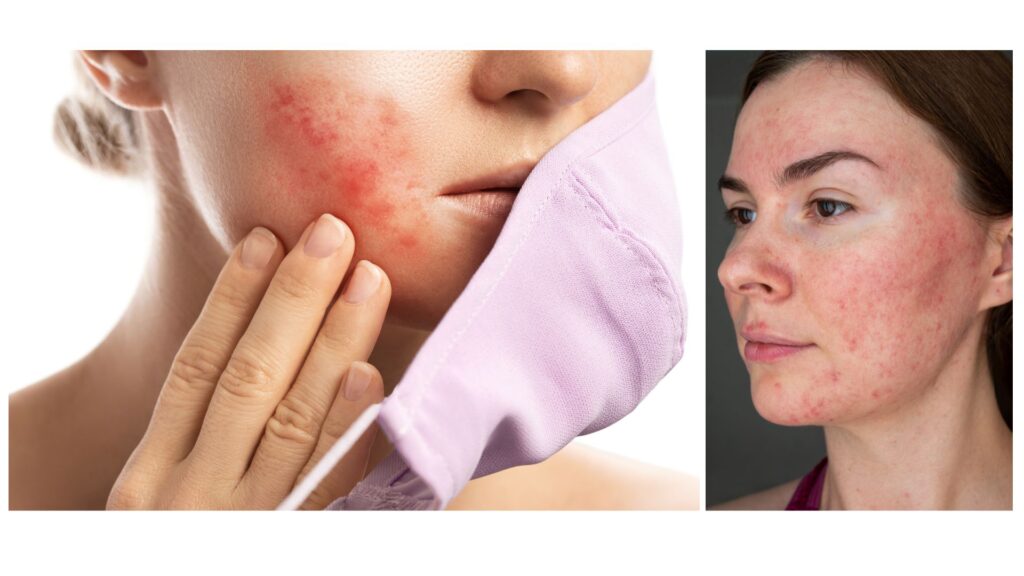
Are you tired of dealing with the redness and inflammation caused by rosacea? If so, you may have wondered if microneedling could offer a solution. In this article, we explore the potential benefits of microneedling for rosacea. By understanding how this innovative treatment works and its effects on the skin, you’ll be better equipped to make an informed decision about whether microneedling is the right choice for your rosacea concerns. Say goodbye to unwanted redness and hello to a clearer, more radiant complexion.

Rosacea

Overview of Rosacea

Rosacea is a chronic skin condition that primarily affects the face, causing redness, flushing, and visible blood vessels. It can also be accompanied by bumps, acne-like breakouts, and even eye irritation. While the exact cause of rosacea is unknown, factors such as genetics, sun exposure, and certain triggers like alcohol, spicy foods, and stress are thought to contribute to its development. Managing rosacea can be a challenge, but there are various treatment options available, including microneedling.

Understanding Microneedling

Microneedling, also known as collagen induction therapy, is a minimally invasive procedure that involves the use of a device with tiny needles to create controlled micro-injuries to the skin. These micro-injuries stimulate the body’s natural healing process and encourage the production of collagen and elastin, which are essential for healthy skin. The procedure can be performed by a dermatologist or skincare professional and is typically done using a handheld device or a derma roller.

Benefits of Microneedling for the Skin

Stimulation of Collagen Production

One of the key benefits of microneedling is its ability to stimulate collagen production in the skin. Collagen is a protein that provides structure and support to our skin, keeping it firm and youthful. As we age, collagen production naturally slows down, leading to the appearance of fine lines and wrinkles. Microneedling helps to jumpstart the production of collagen, resulting in improved skin texture and reduced signs of aging.

Improvement in Skin Texture

Microneedling can also improve the overall texture of the skin. The tiny needles create micro-channels in the skin, allowing for better absorption of skincare products. This can enhance the effectiveness of topical treatments and lead to a smoother, more even complexion. Additionally, microneedling can help reduce the appearance of enlarged pores and acne scars, giving the skin a more refined and polished look.

Reduced Appearance of Scars

For individuals with rosacea, scarring can be a common concern. Microneedling has been shown to help reduce the appearance of scars, including those caused by acne or injuries. By creating controlled micro-injuries, microneedling stimulates the production of new collagen and elastin fibers, which can help to minimize the appearance of scars over time. This is particularly beneficial for those with rosacea who may have visible scars due to ongoing inflammation and irritation.

Enhanced Absorption of Skincare Products

Another advantage of microneedling is its ability to enhance the absorption of skincare products. The micro-channels created during the procedure allow for better penetration of active ingredients, such as antioxidants, peptides, and hyaluronic acid. This can maximize the benefits of your skincare routine and help address specific concerns related to rosacea, such as redness, inflammation, and sensitivity.

Effects of Microneedling on Rosacea

Reduction in Redness and Flushing

One of the primary symptoms of rosacea is redness and flushing of the skin. Microneedling can help reduce these symptoms by promoting healthier blood flow and reducing inflammation. The micro-injuries created during the procedure stimulate the healing process, leading to a decrease in redness and a more even skin tone. However, it is important to note that microneedling should be performed by a qualified professional who is experienced in treating rosacea to ensure safety and effectiveness.

Improved Texture and Tone

Microneedling can also improve the overall texture and tone of the skin affected by rosacea. By stimulating collagen production and increasing cell turnover, microneedling can help smooth out rough patches and soften the skin’s texture. This can result in a more refined and balanced complexion, reducing the appearance of bumps and unevenness commonly associated with rosacea.

Minimization of Visible Blood Vessels

One of the hallmark signs of rosacea is the visibility of blood vessels on the face. Microneedling can help minimize the appearance of these visible blood vessels by promoting collagen production and strengthening the walls of the blood vessels. Over time, this can lead to a reduction in the visibility of blood vessels and a more even and uniform skin tone.

Safety and Considerations

Before undergoing microneedling for rosacea, it is essential to consult with a dermatologist or skincare professional who specializes in treating this condition. They can assess your skin and determine whether microneedling is an appropriate treatment option for you. While microneedling is generally safe, there are some potential side effects to be aware of, such as redness, swelling, and mild discomfort, which typically subside within a few days. It is also important to consider any contraindications for microneedling, such as active infections, open wounds, or certain medical conditions that may affect the healing process.

Microneedling Procedure for Rosacea

Consultation and Skin Analysis

The first step in the microneedling procedure for rosacea is a thorough consultation and skin analysis. During this consultation, the skincare professional will assess your rosacea symptoms, skin type, and overall health to determine if microneedling is suitable for you. They will explain the procedure, discuss any potential risks or side effects, and answer any questions or concerns you may have.

Preparation and Application of Topical Anesthetic

Prior to the microneedling treatment, a topical anesthetic may be applied to minimize any discomfort. The skincare professional will thoroughly cleanse your skin and then apply the anesthetic cream or gel. This will help numb the area being treated and ensure your comfort during the procedure.

Microneedling Treatment

Once the topical anesthetic has taken effect, the microneedling treatment can begin. The skincare professional will gently glide the microneedling device or derma roller over the affected areas of your face, creating controlled micro-injuries. The depth of the needles will be adjusted according to your specific needs and skin condition. The procedure is typically well-tolerated and generally takes around 30 minutes to an hour, depending on the size of the treatment area.

Aftercare and Recovery

After the microneedling treatment, your skin may appear red and feel slightly sensitive, similar to a mild sunburn. The skincare professional will provide you with specific aftercare instructions, which may include avoiding sun exposure, using gentle skincare products, and avoiding strenuous activities or other treatments for a few days. It is important to follow these instructions to ensure proper healing and to minimize the risk of any complications.

Combination Therapies for Rosacea

In some cases, combining microneedling with other treatments or medications may provide enhanced results for rosacea. Two common combination therapies for rosacea include microneedling with topical medications and microneedling with Platelet-Rich Plasma (PRP) therapy.

Microneedling with Topical Medications

Topical medications, such as prescription creams or gels, can be applied immediately after the microneedling treatment. The micro-channels created by the needles allow for better absorption of these medications, enhancing their effectiveness in managing rosacea symptoms.

Microneedling with Platelet-Rich Plasma (PRP)

Platelet-Rich Plasma (PRP) therapy involves using your own blood to extract platelets rich in growth factors. These growth factors are then applied to the skin during the microneedling treatment, further stimulating collagen production and promoting healing. This combination therapy can provide additional benefits for individuals with rosacea by accelerating the reduction of redness and improving the overall appearance of the skin.

Platelet-Rich-Plasma
PRP

Case Studies and Research

Numerous case studies and research have been conducted to evaluate the effectiveness of microneedling for rosacea. Clinical studies have shown promising results, demonstrating a reduction in redness, improved skin texture, and overall satisfaction among patients. Additionally, many individuals with rosacea have shared their experiences and testimonials, highlighting the positive impact that microneedling has had on their skin and self-confidence.

Is Microneedling Good For Rosacea?

Frequently Asked Questions

Is Microneedling Painful?

While everyone’s pain tolerance may vary, microneedling is generally well-tolerated and is often described as a mild discomfort. The application of a topical anesthetic before the procedure can help minimize any potential pain or discomfort.

How Many Microneedling Sessions are Required?

The number of microneedling sessions required for rosacea can vary depending on the severity of the condition and individual response to treatment. Typically, a series of sessions spaced several weeks apart is recommended to achieve optimal results. Your skincare professional will assess your progress and adjust the treatment plan accordingly.

Can Microneedling Make Rosacea Worse?

When performed by a skilled professional, microneedling is generally safe and effective for individuals with rosacea. However, it is important to follow proper aftercare instructions and avoid any potential triggers that may aggravate your rosacea symptoms. Consulting with a dermatologist or skincare professional who specializes in treating rosacea is crucial to ensure that microneedling is appropriate for your specific condition.

Is Microneedling Suitable for All Skin Types?

Microneedling is generally suitable for all skin types, including individuals with rosacea. However, it is essential to consult with a qualified professional to evaluate your skin and determine if microneedling is the right treatment option for you. They will consider factors such as the severity of your rosacea, any other skin conditions or sensitivities you may have, and your overall skin health before recommending microneedling as a treatment option.

Conclusion

Microneedling offers several benefits for individuals with rosacea, including a reduction in redness and flushing, improved skin texture and tone, and the minimization of visible blood vessels. By stimulating collagen production and enhancing the absorption of skincare products, microneedling can assist in managing the symptoms of rosacea and improving overall skin health. However, it is important to consult with a qualified dermatologist or skincare professional specializing in rosacea to ensure the safety and suitability of microneedling for your specific condition.

en_USEnglish