google.com, pub-2032008856654686, DIRECT, f08c47fec0942fa0

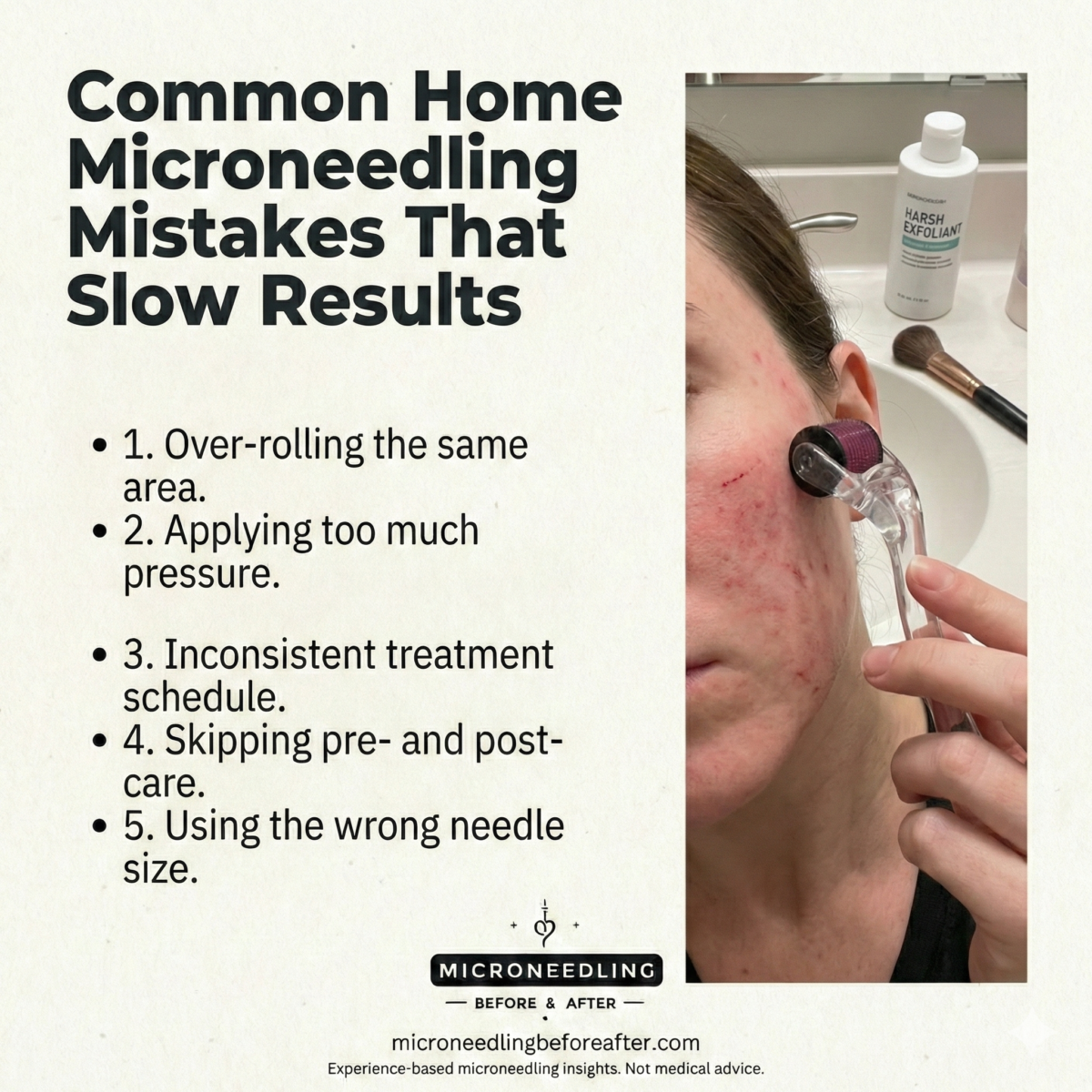
Common Home Microneedling Mistakes That Slow Results

Avoid common at-home microneedling mistakes that stall results. Learn proper needle lengths, timing, hygiene, aftercare, and fixes to speed visible progress. Now

Have you ever wondered why my at-home microneedling sessions didn’t give me the dramatic results I expected?

Common Home Microneedling Mistakes That Slow Results

I wrote this so I can share the pitfalls I’ve seen and made myself, and the straightforward fixes that actually speed up visible progress. Microneedling can be powerful when done correctly, but small errors at home often cost weeks or months of progress — and sometimes create setbacks.

What microneedling does and why technique matters

I’ll start with a quick primer: microneedling uses tiny needles to create controlled micro-injuries in the skin, prompting a wound-healing response and new collagen and elastin production. Because the process relies on a biological repair cascade, technique, timing, hygiene, and aftercare all shape how well and how fast those changes take hold.

How fast should I expect results?

I like to set realistic timelines so I don’t get discouraged. I usually tell people to expect subtle improvements within 2–4 weeks and more noticeable texture and firmness changes after 3 months, since collagen remodeling takes time. If I don’t see any change after several months, that’s a sign something in my routine is off.

The most common mistakes that slow results

I’ll walk through the typical errors in detail, explain why they matter, and give practical fixes I’ve used or recommended.

Using the wrong needle length

Many people think longer needles equal faster results. I know I used to think that too. Needle length should match the skin issue: shorter needles for surface concerns and longer ones for scarring or deeper wrinkles. Using too-short needles won’t trigger enough collagen response; too-long needles increase risk of bleeding, scarring, and infection.

  • Fix: Follow a needle-length guideline based on your goal (see table below). If I’m unsure, I start conservative and consult a pro for longer lengths.
Needle length (mm) Typical use Risk if misused
0.25 mm Boosting product absorption, superficial texture Minimal collagen stimulation if overused
0.5 mm Fine lines, mild texture issues Safe at home with proper prep
0.75–1.0 mm Deeper texture, light scars More discomfort; consider professional advice for >0.75
1.5 mm Moderate scars and stretch marks Usually best left to professionals
>1.5 mm Deep scarring and medical indications Higher risk; professional setting recommended

Going too often or not spacing sessions correctly

I’ve seen people microneedle every few days hoping to speed results, which actually hinders progress. Collagen formation needs time — rushing sessions just irritates the skin repeatedly and prevents proper healing.

  • Fix: For 0.25–0.5 mm I typically recommend every 1–3 weeks; for 0.75–1.0 mm every 4–6 weeks; longer needles require longer recovery. I track sessions in my calendar to avoid overdoing it.

Applying strong actives immediately after needling

When the skin is freshly needle-treated, it’s more permeable. That’s useful for hydrating peptides and hyaluronic acid, but potentially dangerous for harsh actives like retinoids, acids, or high-strength vitamin C. I learned the hard way that applying these right after treatment causes stinging, inflammation, or even chemical burns.

  • Fix: I use gentle, sterile hyaluronic acid serums and calming peptides post-treatment. I avoid retinoids and exfoliating acids for at least 3–7 days depending on the needle length and skin sensitivity.

Poor sanitation and reusing disposable tools

Infections are one of the fastest ways to derail progress. When I started, I underestimated the germ risk. Unclean rollers, pens, or hands can introduce bacteria into microchannels, causing prolonged redness, pustules, or scarring that can set me back months.

  • Fix: I only use single-use needles or sterile cartridge systems designed for pens. I sanitize non-disposable tools correctly, follow manufacturer guidance, and always wash my hands and face before treatment.

Not prepping the skin properly

Skipping a thorough cleanse, or microneedling with makeup residue or sunscreen on, means I’m pushing contaminants into the skin. I used to rush this step and paid for it with irritation.

  • Fix: I cleanse twice (oil-based if needed, then gentle foaming or micellar), and if I plan to use numbing cream I apply it to clean, dry skin. I also avoid alcohol-based toners right before needling to prevent extra irritation.

Skipping a patch test for new serums or devices

I learned that allergies and sensitivities sometimes show up only when skin is compromised. Trying a new serum immediately after needling once caused me intense redness and itching.

  • Fix: I always patch-test products on the inner forearm and wait 24–48 hours. For a new device, I test a small area on my jawline or forearm to gauge reaction before treating the whole face.

Incorrect technique — too many passes or wrong direction

Technique affects both safety and effectiveness. I used to make the mistake of repeatedly going over the same area or changing angles randomly, which led to more inflammation and uneven results.

  • Fix: I use a methodical pattern (horizontal, vertical, then diagonal) and limit passes per area (usually 2–4 passes per direction). I maintain consistent pressure and avoid overworking one patch of skin.

Overestimating the benefits for certain skin types or conditions

Microneedling is not a cure-all. I once thought it would erase deep icepick acne scars overnight. That mindset led to disappointment. Some conditions like active acne, certain inflammatory skin diseases, or keloid propensity are contraindications or require professional supervision.

  • Fix: I consult a dermatologist for severe scarring, active rosacea, or inflammatory acne. I avoid needling over active lesions and defer treatment until the skin is calm.

Not managing sun exposure and SPF

Sun damage and inflammation together amplify pigmentation and slow healing. If I microneedle and then don’t protect my skin, I can see hyperpigmentation or prolonged redness.

  • Fix: I avoid direct sun for at least 48–72 hours post-treatment and use a broad-spectrum SPF 30+ daily. I wear a hat and sunglasses when heading outside.

Using poor-quality or unregulated devices

I’ve learned that cheaper, low-quality rollers and pens can have irregular needles that tear the skin instead of creating clean microchannels. That leads to more trauma and a slower healing response.

  • Fix: I buy devices from reputable brands that provide sterilized, medical-grade cartridges. I read reviews and check for CE/FDA clearance where applicable.

Numbing cream misuse

Numbing creams can be helpful for comfort, but improper use (too thick, left on too long, or over large areas) can cause irritation or systemic absorption issues. I once left numbing cream on too long and had a red, swollen face.

  • Fix: I follow recommended application time, use the correct percentage ingredient, and avoid occlusion that increases absorption unless instructed by a professional.

Ignoring post-needling inflammation signals

Some inflammation is expected, but persistent swelling, warmth, pus, or increased pain suggests infection or adverse reaction. I used to downplay prolonged redness and only later realized it was more serious.

  • Fix: I monitor symptoms closely for 48–72 hours. If symptoms worsen or don’t improve, I contact a healthcare professional immediately.

Mixing treatments improperly (chemical peels, waxing, laser)

Combining microneedling with other strong treatments too soon can amplify irritation and damage. I once layered a chemical peel into a routine without adequate spacing and created excessive inflammation that slowed results.

  • Fix: I space out aggressive treatments. Typically, I allow at least 2 weeks after a peel or laser before needling, but I follow device and treatment-specific guidance and speak with clinicians if unsure.

Expecting immediate collagen miracles

People often expect overnight transformations. I’ve heard “I did it once and nothing happened” many times. Collagen remodeling is slow and cumulative; one session rarely produces dramatic change unless it’s a professional, deeper treatment.

  • Fix: I set a realistic plan: consistent, spaced treatments with good aftercare. I track progress with photos every 2–4 weeks so I can actually see subtle improvements.

Not tailoring aftercare to needle depth

Aftercare for a 0.25 mm session differs from a 1.0 mm session. I used to treat all sessions the same and that led to unnecessary irritation after deeper treatments.

  • Fix: For shallow sessions I use gentle hydration and SPF; for deeper sessions I extend downtime measures, avoid active ingredients longer, and prioritize rest and barrier repair.

Microneedling over active infections or open wounds

This is a non-negotiable mistake. Needling over cold sores, bacterial infections, or inflamed acne pushes pathogens deeper and risks spreading.

  • Fix: I delay treatments until lesions are fully healed and sometimes use antiviral or antibacterial management first if needed.

Is microneedling better than facial massage for collagen?

I get asked this a lot, so I’ll be direct: microneedling and facial massage work differently, and “better” depends on the goal.

  • Microneedling creates controlled micro-injury that directly stimulates the wound-healing cascade, leading to increased collagen and elastin in the dermis. For measurable collagen induction — especially when treating scars, deep texture, or significant laxity — microneedling is more effective than massage.
  • Facial massage improves circulation, lymphatic drainage, and muscle tone, and it can temporarily plump the skin by increasing fluid and blood flow. Over time it may contribute to healthier-looking skin and some collagen maintenance, but it does not produce the same degree of collagen remodeling as microneedling.

I like to think of it this way: if my goal is structural collagen change for scars or wrinkles, I choose microneedling. If my goal is immediate glow, relaxation, or aiding lymphatic flow, massage is a great tool. Combining both — using microneedling for remodeling and massage for maintenance and circulation — often gives the most balanced results.

Here’s a quick comparison table I use to explain the differences:

Factor Microneedling Facial massage
Primary mechanism Micro-injury → collagen remodeling Mechanical stimulation → circulation & lymph flow
Collagen induction High (especially with appropriate depth) Low to moderate (maintenance)
Immediate results Redness and swelling; longer-term texture/firmness Instant glow and reduced puffiness
Downtime 24 hours to several days (depending on depth) Minimal to none
Risk Infection, scarring if misused Low (bruising possible)
Best for Scars, deep wrinkles, laxity Relaxation, circulation, temporary plumping

Needle length guide and when to see a professional

I already mentioned some lengths, but here’s a clearer breakdown I follow, with guidance on when to get professional help.

My needle-length recommendations and rationale

I find this table helpful to share with friends or clients who ask what they can safely do at home versus when to see a clinic.

Needle length Use at home? Typical use When to see a pro
0.25 mm Yes Product absorption, mild texture Home use is fine
0.5 mm Yes Fine lines, mild scarring Home use ok with caution
0.75 mm Yes for experienced users Moderate scarring, deeper lines Consider pro if unsure
1.0 mm Caution Deeper scars, more significant remodeling I usually recommend professional sessions
1.5 mm and above No Significant scarring, stretch marks Professional-only

Aftercare checklist I use every time

I keep a simple checklist to minimize mistakes and optimize results. You can copy this for your own routine.

  • Cleanse thoroughly before treatment (double cleanse if needed).
  • Use sterile device/cartridge and clean hands.
  • Limit to recommended passes and directions.
  • Post-treatment: apply gentle, sterile hyaluronic acid or peptide serum.
  • Avoid retinoids and acids for 3–7 days (longer for deeper needling).
  • Keep out of sun and use SPF 30+ daily.
  • Avoid heavy workouts, saunas, and swimming for 48–72 hours.
  • Don’t pick, scratch, or exfoliate until fully healed.
  • Monitor for signs of infection and contact a provider if present.

Troubleshooting slow or poor results

If my progress stalls, I run through this checklist:

  • Am I using the correct needle length and frequency?
  • Are my tools sterile and in good condition?
  • Do I have consistent, gentle technique (not overworking the skin)?
  • Are active ingredients being applied too soon or too often?
  • Am I protecting the skin from sun exposure?
  • Do I have an underlying condition (active acne, rosacea, pigmentation) that requires medical guidance?
  • Have I tracked results with photos to objectively measure change?

If multiple answers are “no,” I correct them and wait the appropriate timeframe before continuing. If the answers are “yes” and results are still lacking after several months, I consult a dermatologist for a professional assessment and potential in-clinic microneedling or adjunct therapies.

Combining microneedling with topical actives responsibly

I love the idea of enhancing penetration, but caution is key. I routinely use low-risk serums like hyaluronic acid, peptides, or growth-factor serums after treatment. High-concentration vitamin C, strong retinoids, or AHA/BHA acids need to be reintroduced later once the barrier has recovered.

  • Practical sequence I follow: Immediately after — sterile, calming hydrating serum. 24–72 hours later — gentle products. After a full week (longer for deeper treatments) — resume actives gradually, watching for sensitivity.

When to stop and seek medical help

I always tell people — and remind myself — that worsening symptoms require professional care. If I see spreading redness, intense pain, fever, pus, or any sign that the skin is not healing, I stop self-treatment and contact a clinician. Early intervention prevents long-term damage.

Realistic expectations and long-term strategy

Microneedling is most effective as part of a sustained plan. I commit to a series of treatments, spaced properly, while supporting the skin with good daily care: sunscreen, a gentle cleanser, barrier-supporting moisturizers, and targeted actives used sensibly.

I also recommend tracking progress with standardized photos and notes about device settings, serums used, and any side effects. That way I can pinpoint what’s working and what’s not.

Frequently asked questions I get asked a lot

I’ll answer a few common questions briefly, the way I usually explain them to friends.

How many sessions will I need to see meaningful results?

I usually recommend at least 3–6 sessions spaced appropriately, with maintenance treatments thereafter. Some improvements appear earlier, but structural collagen changes take multiple treatments and time.

Can I use retinol between sessions?

I avoid retinol for several days after treatment (3–7 days depending on depth). Between sessions, I gradually reintroduce retinol if my skin tolerates it, but I never layer strong retinoids immediately following needling.

Is microneedling painful?

Pain varies. 0.25–0.5 mm is typically tolerable without numbing; longer needles are more uncomfortable and may benefit from topical anesthetic. I weigh comfort against safety and follow recommended numbing protocols if I use them.

Can microneedling cause hyperpigmentation?

Yes, if not done correctly or if I don’t protect the skin from sun exposure afterward. People with darker skin tones should be particularly cautious and often benefit from professional guidance to minimize post-inflammatory hyperpigmentation.

Are derma rollers as good as microneedling pens?

Derma pens with disposable cartridges are generally safer and deliver more consistent needle penetration. I avoid traditional rollers for facial areas because they can traumatize skin unevenly and are harder to sterilize.

Final thoughts and my top tips

I’ll close with the practical, easy-to-remember tips I use myself:

  • Start conservative with needle length and frequency.
  • Prioritize hygiene and sterile devices.
  • Use gentle, hydrating serums immediately after treatment.
  • Protect your skin from sun and avoid harsh actives for an appropriate window.
  • Track sessions and outcomes with photos.
  • Don’t be afraid to ask a professional for help if you have significant scarring, active skin disease, or unusual reactions.

If I follow these guidelines, I reduce the chance of slow or stalled results and make each session count. Microneedling can be a highly effective tool when treated with respect, patience, and consistency.
What Microneedling Redness Means And When It’s Abnormal

Understand microneedling redness: what normal healing looks like, warning signs of infection or complications, and practical aftercare and prevention tips. Now!

Have you ever wondered whether the redness after microneedling is just normal healing or a sign that something is wrong?

What Microneedling Redness Means And When It’s Abnormal

I’ll go through what causes the redness you see and feel after microneedling, explain the normal patterns of healing, and tell you when redness is a reason to contact a clinician. I’ll also share practical aftercare steps and prevention measures I use or recommend so you can feel confident about recovery and know when to seek help.

What is microneedling and why does it cause redness?

Microneedling is a controlled skin injury created by tiny needles to stimulate collagen production and skin remodeling. I find it useful to think of the redness as the visible part of the body’s repair process in response to those micro-injuries.

The basic mechanics

When needles penetrate the epidermis and sometimes the dermis, they create microchannels and tiny areas of trauma. I know that trauma triggers blood flow, immune cell recruitment, and fluid accumulation — all of which contribute to redness and warmth.

The role of inflammation

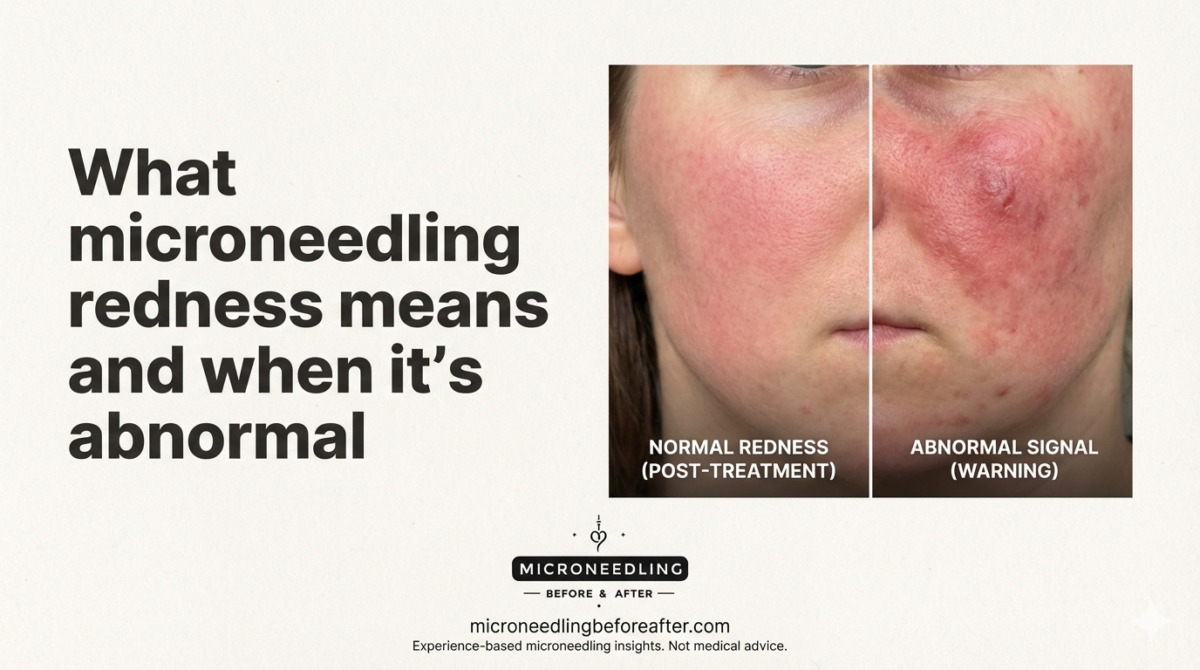
Inflammation is the body’s natural response to injury and is essential for tissue repair and collagen remodeling. I expect the inflammatory response to produce transient redness (erythema), mild swelling, and occasional pinpoint bleeding as part of normal healing.

How needle depth and technique affect redness

Needle depth, speed, and pressure determine how much tissue is injured, so deeper treatments typically cause more pronounced redness and longer recovery. I always emphasize that devices, technique, and practitioner skill are major factors in both the intensity and duration of redness.

Typical timeline of redness after microneedling

Knowing what to expect day by day helps me decide whether my own redness is normal. The timeline varies by depth and individual skin sensitivity, but there is a predictable pattern I rely on when counseling people.

Time after treatment Expected appearance Typical symptoms
Immediate (0–6 hours) Bright, uniform redness and pinpoint bleeding in deeper treatments Warmth, tightness, minimal pain
6–48 hours Erythema persists, swelling peaks, possible light crusting Mild tenderness, tingling
48–72 hours Redness begins to fade; flaky skin or micro-crusts may appear Itchiness as healing progresses
3–7 days Redness continues to reduce substantially; most return-to-work times Dryness, scaling
7–14 days Residual mild pinkness may remain, especially with deeper treatments Normal activity resumed, sun protection important
>14 days Redness usually resolved; any persistent intense redness is concerning If still red or worsening, seek evaluation

I use this table to set realistic expectations and to decide when redness is outside the normal window.

Types and appearances of normal redness

The way redness looks can tell me a lot about the healing stage. Recognizing the normal variants helps me avoid unnecessary worry.

Uniform erythema

Uniform, diffuse redness across treated areas is the most common immediate reaction and signals increased blood flow. I expect this to be brightest right after the session and start fading within a day or two.

Pinpoint bleeding or petechiae

Tiny pinprick bleeding or pinpoint red dots occur when capillaries are briefly disrupted, particularly with deeper needling. I consider this normal as long as it stops quickly and does not progress to heavy bleeding.

Mild swelling and warmth

Some edema and heat are normal signs of inflammation and usually peak within the first 48 hours. I treat these symptoms conservatively with cold compresses and elevation when practical.

Factors that increase redness intensity and duration

Several variables influence how red and how long redness lasts, and I always review these before and after treatments.

Needle depth and device type

Deeper penetration and motorized pens often produce more intense and longer-lasting redness compared with shallow manual rollers. I advise clients that aggressive depth settings will extend recovery time.

Skin type and tone

Fitzpatrick skin types with more pigment may have different inflammatory responses and higher risk for pigment changes. I take a more cautious approach with darker skin tones to reduce prolonged inflammation and hyperpigmentation risk.

Pre-treatment skin condition

If the skin is inflamed, sunburned, actively acneic, or irritated at the time of needling, redness can be exaggerated and healing prolonged. I always counsel avoiding treatment on actively inflamed skin.

Medications and recent topical products

Retinoids, recent isotretinoin use, or blood thinners can increase sensitivity, bleeding, and healing time. I ensure these factors are disclosed before microneedling to tailor the plan and reduce complication risk.

Practitioner technique and sterility

Technique, hygiene, and device maintenance matter. Poor technique, reused needles, or inadequate sterility can increase trauma and risk of complications like infection — both of which prolong redness. I prefer experienced providers who follow strict protocols.

When redness becomes abnormal

Redness moves from normal to abnormal when it is excessive, worsens instead of improving, or is accompanied by concerning signs. I use specific criteria to determine whether to escalate care.

Red flags for abnormal redness

I consider these red flags:

  • Increasing intensity of redness after 48–72 hours rather than gradual fading.
  • Severe pain or worsening tenderness not explained by expected inflammation.
  • Foul-smelling or excessive purulent discharge.
  • Widespread swelling, blister formation, or spreading red streaks.
  • Systemic signs like fever, chills, or swollen lymph nodes. When any of these occur, I contact a clinician promptly.

Persistent discoloration beyond expected timeline

If redness remains pronounced past two weeks or evolves into dark brown or blue discoloration, I treat this as abnormal and investigate causes like post-inflammatory hyperpigmentation or vascular changes.

Causes of abnormal or prolonged redness

Understanding potential causes helps me identify the problem quickly and select appropriate treatment paths.

Infection (bacterial, fungal, or viral)

Infections can cause escalating redness, pain, pus, and systemic symptoms. I look for localized signs like warmth, increased tenderness, and purulent drainage and do not hesitate to seek medical care when I suspect infection.

Allergic contact dermatitis or topical reaction

Some products used after microneedling (actives, fragrances, preservatives) can cause allergic or irritant dermatitis that presents as persistent redness, swelling, and itch. I often suspect a reaction when redness is itchy and coincides with new product application.

Rosacea or inflammatory conditions flare

Microneedling can trigger flare-ups in rosacea-prone skin, leading to prolonged facial redness, telangiectasia, and burning sensations. I screen for rosacea history before recommending treatments and adjust protocols accordingly.

Post-inflammatory hyperpigmentation (PIH)

Prolonged inflammation can cause the skin to produce excess pigment, turning red areas brown or blue over time. I watch closely in darker skin and treat inflammation aggressively to lower PIH risk.

Hypertrophic scarring or keloid formation

Over-aggressive treatments, genetic predisposition, or trauma in susceptible individuals can lead to raised, red scar tissue. I consider prior history of keloids a strong contraindication and avoid deep needling in those cases.

Granulomatous or delayed hypersensitivity reactions

Rarely, a delayed immune reaction to materials (topical agents, particulate contaminants) can produce persistent redness, small nodules, and induration. I assess for nodular changes and refer to dermatology when necessary.

How to tell infection versus normal healing

Distinguishing infection from normal post-procedural inflammation is critical. I use specific comparisons to help me decide.

Feature Normal healing Infection
Timing Peaks within 48 hours, then improves Worsens after 48–72 hours
Pain Mild-to-moderate, improving Increasing, severe pain
Discharge Clear or minimal serous fluid Purulent, yellow/green, or foul-smelling
Systemic signs None Fever, chills, malaise
Skin warmth Mild local warmth Intense warmth spreading beyond treated area
Lymphadenopathy None Tender swollen lymph nodes may be present

If I see patterns matching the “Infection” column, I seek medical evaluation and often start empiric treatment after assessment.

Immediate steps if abnormal redness appears

If my redness looks concerning, I have a clear, conservative checklist I follow before things escalate.

Stop topical products

I immediately stop any active serums, exfoliants, or fragranced products. I switch to a bland, fragrance-free barrier moisturizer and avoid unknown or new products until evaluated.

Keep the area clean and gentle

I cleanse with a mild, non-irritating cleanser and avoid scrubbing. I use clean hands, pat dry, and apply a sterile or clean dressing if drainage is present.

Apply cold compresses and avoid heat

Cold compresses can reduce swelling and transiently lessen redness and discomfort. I avoid hot showers, saunas, and exercise that increases blood flow to the face.

Contact the provider if worsening

If redness intensifies, drainage appears, or systemic symptoms develop, I contact the treating clinician or a dermatologist promptly for evaluation and possible testing (cultures, KOH, or biopsy).

When to seek urgent care

I seek urgent care if I have a fever, severe pain, rapidly spreading redness, or signs of systemic infection. I don’t delay because infections can progress quickly.

Treatments clinicians may use for abnormal redness

Treatment depends on the cause of prolonged redness, and I find that early targeted therapy often prevents long-term issues.

Topical or oral antibiotics

If a bacterial infection is suspected, clinicians may prescribe topical or oral antibiotics based on severity and culture results. I follow prescriptions exactly as directed to ensure eradication.

Topical steroids or antihistamines

For allergic or inflammatory reactions, a short course of topical steroids (under clinician guidance) or oral antihistamines can reduce inflammation and itch. I avoid unprescribed steroid use on infected areas.

Antifungal or antiviral therapy

If fungal or viral causes are suspected (e.g., herpes simplex reactivation), specific antifungal or antiviral medications are required. I obtain appropriate testing if the presentation is atypical.

Intralesional steroids or silicone for scarring

Raised hypertrophic scars or keloids may benefit from intralesional steroid injections, pressure therapy, or silicone sheets. I consult a dermatologist early if scarring is a concern.

Light-based therapies

Vascular lasers or IPL can address persistent redness and telangiectasia after inflammation has fully settled. I prefer waiting until active inflammation is gone before using lasers.

Diagnostic biopsy

If the lesion is unusual or not responding to standard treatments, a skin biopsy can clarify granulomatous or other pathologies. I recommend a biopsy when a diagnosis is unclear.

Preventing abnormal redness: pre-treatment screening and preparation

Most abnormal outcomes can be minimized with careful preparation and prudent treatment planning, and I make this a priority.

Medical and medication review

I ask about isotretinoin use, anticoagulants, immunosuppressants, and antibiotics before treatment. I postpone microneedling if someone has been on isotretinoin in the past 6–12 months or is actively immunosuppressed.

Skin assessment and treatment customization

I evaluate active acne, rosacea, or open lesions and avoid treating compromised skin. I tailor needle depth and session frequency to skin type and healing ability.

Patch testing for topical add-ons

When using platelet-rich plasma (PRP) or topical growth factors, I consider patch testing or conservative application to reduce the risk of allergic or bio-reactive issues. I also confirm sterile preparation to reduce infection risk.

Pre-treatment skincare adjustments

I advise stopping retinoids and strong exfoliants at least 3–7 days before, depending on tolerance and clinician guidance. I also recommend optimizing skin hydration and sun protection in the weeks prior.

My aftercare routine that I recommend

Good aftercare is the most important determinant of whether redness resolves quickly and without complication. This is the stepwise routine I usually recommend.

Timeframe Do Don’t
Immediate (0–24 hours) Gently cleanse with lukewarm water and a mild cleanser; apply a sterile, bland moisturizer or healing ointment Use active serums, makeup, exfoliants, or harsh soaps
24–72 hours Continue gentle cleansing; cold compresses for swelling; sleep on clean pillows Sauna, heavy exercise, direct sun, and swimming
3–7 days Use fragrance-free barrier creams; avoid retinoids and acids Apply strong topicals, pick or peel at crusts
7–14 days Reintroduce gentle actives gradually if cleared by provider; always use SPF Aggressive resurfacing or deeper treatments

I recommend SPF 30+ mineral sunscreen and physical sun avoidance for several weeks, as UV exposure worsens inflammation and increases PIH risk.

Recommended product types

I prefer fragrance-free cleansers, ceramide-rich moisturizers, and occlusive ointments (like petrolatum) if needed. I avoid vitamin C, AHAs, BHAs, and retinoids for at least 1–2 weeks post-treatment unless cleared by the clinician.

Special populations and considerations

Certain groups need additional caution because their skin reacts differently or underlying conditions change the risk profile. I address these proactively.

Darker skin tones (Fitzpatrick IV–VI)

The risk of PIH is higher in darker skin, so I use more conservative depths and emphasize quick inflammation control. I also monitor post-procedure pigment changes and treat early to minimize long-term discoloration.

Rosacea-prone skin

I screen for rosacea and either avoid microneedling or use gentler protocols, because needling can exacerbate flushing and persistent redness. If someone has rosacea, I coordinate with their dermatologist on pre- and post-treatment measures.

Sensitive or reactive skin

Those with sensitive skin require slower, milder approaches and patch testing for topical adjuncts. I often recommend one superficial session first to assess tolerance.

Pregnant or breastfeeding people

I generally advise delaying elective microneedling during pregnancy due to limited data and potential for systemic absorption of topical adjuncts. I recommend discussing timing with obstetric care providers.

Immunocompromised individuals

People on immunosuppressants or with immune conditions have higher infection risk and delayed healing; I avoid microneedling or proceed only with careful medical clearance and strict aseptic technique.

How long until redness fully resolves and skin looks normal?

The endpoint depends on depth, skin type, and any complications, but I can give a practical framework.

Short-term procedures (superficial)

If needles were shallow, most redness resolves in 1–3 days, with occasional light pinkness up to a week. I allow makeup after 24–48 hours if the skin is intact.

Deeper procedures (medical or aggressive)

Deeper sessions can produce visible pinkness for 1–2 weeks and subtle residual pink undertones for several months as collagen remodeling continues. I warn clients that full remodeling outcomes occur over months, so some color variations are expected during that time.

Persistent or chronic redness

If redness persists beyond 2–4 weeks or increases after initial improvement, I evaluate for infection, ongoing inflammation, PIH, or vascular changes. I treat the cause rather than ignoring persistent redness.

Frequently asked questions (FAQs)

I answer common questions I hear to help you make informed choices and manage expectations.

Can I put makeup on after microneedling?

I generally recommend waiting at least 24–48 hours before applying non-mineral makeup, and only if the skin has no open wounds or heavy discharge. Mineral makeup may be better tolerated earlier, but less is more during early healing.

Is it normal to have scabs?

Small micro-crusts or scabs from superficial bleeding are normal and should not be forcibly removed. I let them fall off naturally while keeping the area moist with bland ointments.

Will redness always lead to scarring?

No. Normal post-procedure redness does not mean scarring, and most scarring is related to infection, aggressive treatment, or individual predisposition like keloids. I monitor healing to prevent scarring and treat early if it begins.

How long should I avoid exercise and sweating?

I recommend avoiding strenuous exercise and heavy sweating for 48–72 hours because sweat and increased blood flow can exacerbate redness and infection risk. Light activity is usually fine once redness and open areas have settled.

Can microneedling cause permanent redness?

Permanent redness is uncommon but can occur with vascular damage, rosacea exacerbation, or scar formation. I minimize this risk through conservative protocols and by addressing complications early.

My checklist before booking a microneedling session

I use a simple pre-treatment checklist to reduce the chance of abnormal redness and complications. I encourage others to adopt a similar approach.

  • Disclose medications and acne/isotretinoin history.
  • Avoid retinoids and exfoliants for several days before.
  • Assess for active infections, cold sores, or inflamed acne.
  • Discuss depth, needle type, and realistic downtime with the provider.
  • Plan sun avoidance and arrange post-procedure care.

I find that following these steps prevents many of the issues that cause abnormal redness.

When to see a dermatologist versus returning to your treatment provider

If the redness seems like a straightforward extension of normal healing, I call the original provider first for advice. If there are signs of infection, systemic symptoms, nodules, unusual pigment changes, or if the provider cannot confidently manage the problem, I seek a dermatologist for specialized assessment and interventions.

Final thoughts

Redness after microneedling is typically a normal sign of healing, and most cases settle with simple, gentle care. I take persistent, worsening, or unusual redness seriously and recommend early contact with a clinician when I see red flags — addressing problems early prevents long-term consequences and speeds recovery.

Best skincare after microneedling for hyperpigmentation and brightening

Discover the best serums for post-microneedling care! Explore top picks like XY Professional PDRN, JEU’DEMEURE, and Seranova for brighter, healthier skin.

I’ve always been a sucker for skincare products, especially when they promise to turn back the hands of time—or at the very least, give me the skin of a twenty-something. It seems every other week, a new serum comes out of Korea, stuffed to the brim with ingredients I can barely pronounce. I must admit, I’m both overwhelmed and enchanted by the array of choices available. Today, I’m putting four contenders to the test: the XY Professional PDRN Peptides Serum, the JEU’DEMEURE DermiShuttle Lifting Kit, Seranova Micro Infusion, and BACHERI Vitamin C Face Serum. Each promises some pretty lofty goals, from hydration to wrinkle reduction. The question is, which one will actually deliver?

Skincare serums, especially those from South Korea, have been all the rage in the beauty community for quite some time now. This isn’t just a fad; there’s a robust history of research behind these innovative products, often featuring potent ingredients like peptides, hyaluronic acid, and vitamin C—all of which have earned their reputation for revitalizing dull and aging skin. Owning a good serum feels like having a secret weapon in my beauty arsenal, allowing me to tackle dryness, dark spots, and fine lines without breaking the bank on elaborate treatments. You can think of them as the little elves that work overnight while I sleep, promising a brighter, firmer complexion by morning. In this article, I’ll take a closer look at each product to see which one might just be my secret skincare elf.

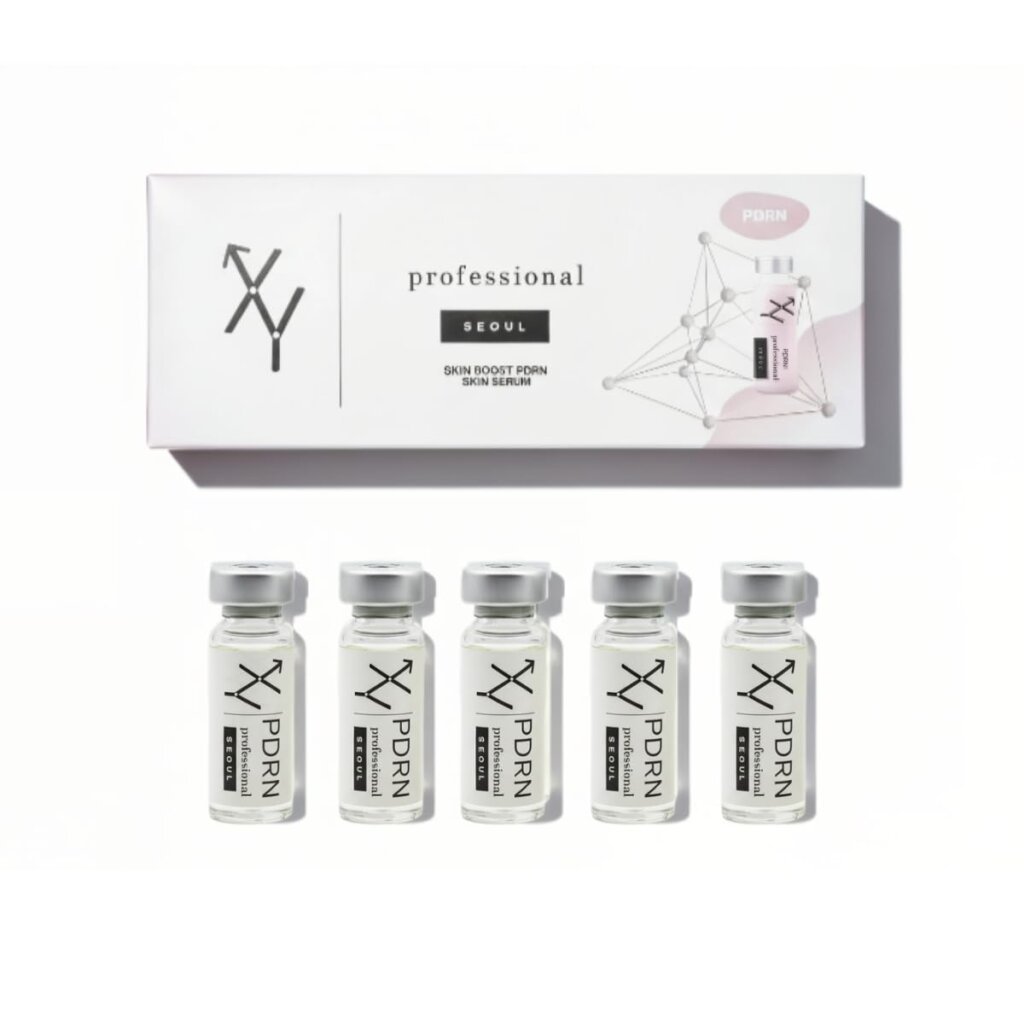
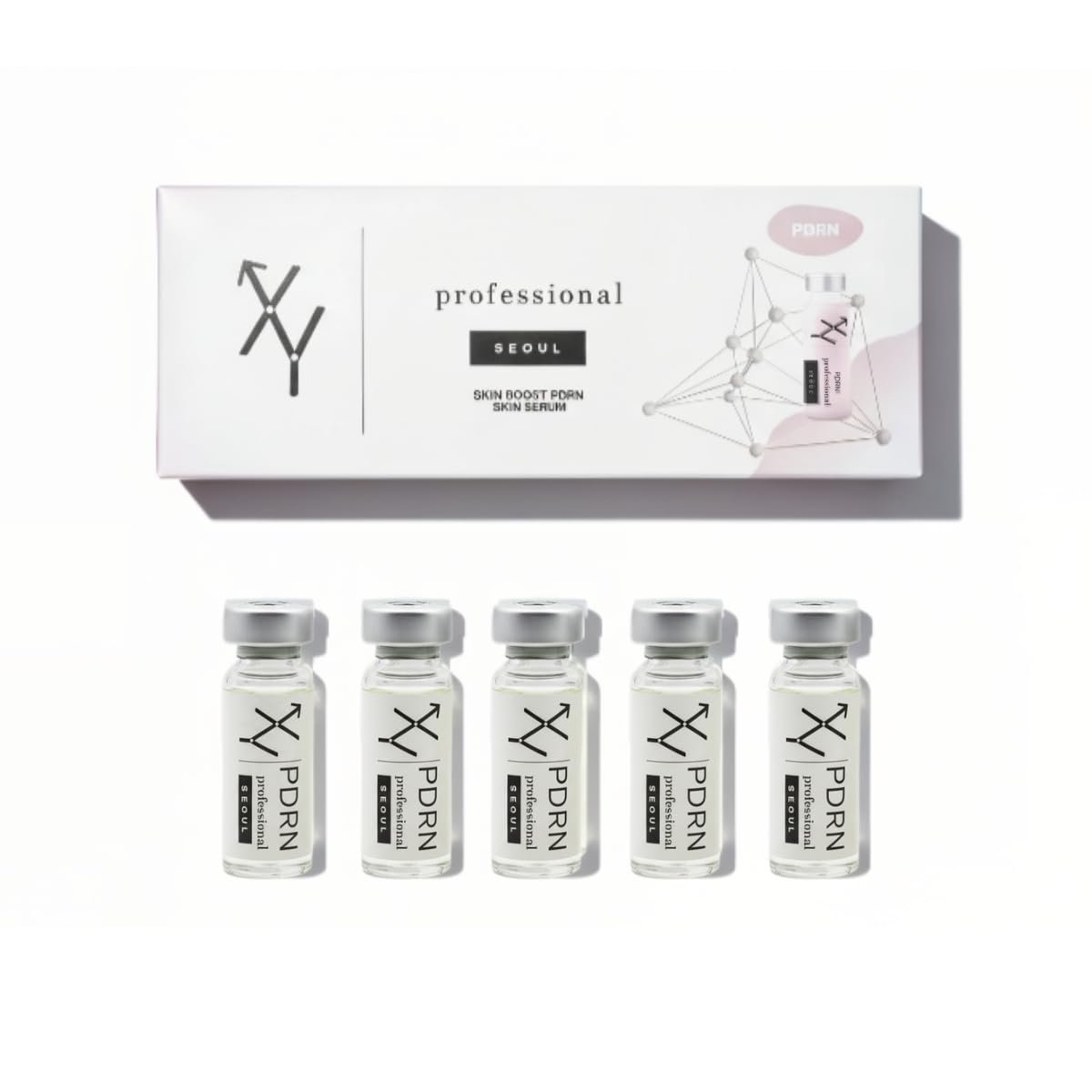
XY Professional PDRN Peptides Face Serum with Copper Peptide, Niacinamide, and Hyaluronic Acid – Suitable for All Skin Types | Korean Microneedling Supplies

XY Professional PDRN Peptides Serum Korean Face Serum with Copper Peptide, Niacinamide  Hyaluronic Acid Ampoule for All Skin Types |KOREA Microneedling academy supplies

After my recent microneedling session, I was on the lookout for the perfect post-treatment skincare routine to combat hyperpigmentation and promote a radiant glow. Enter the XY Professional PDRN Peptides Serum, a product that seemed to have everything I was looking for, especially with its impressive ingredient list and promises of enhanced skin vitality. Here’s my experience and thoughts on this fabulous serum from the Korea Microneedling Academy supplies.

The primary purpose of the XY Professional PDRN Peptides Serum is to rejuvenate the skin following microneedling treatments. The serum is formulated to aid in the skin’s natural renewal process, making it ideal for anyone like me who is trying to enhance brightness and tackle hyperpigmentation. Not only does it cater to post-procedure needs, but it also serves as a great daily serum for maintaining overall skin health.

What attracted me to this serum is its powerful blend of ingredients. When looking for a post-microneedling skincare product, I needed something that would provide not just moisture, but also enhance skin texture and overall appearance. The XY Professional Serum promises that and more. The light texture, combined with its easy absorption, made it a delightful addition to my skincare regimen after my microneedling sessions.

At the heart of this serum is the PDRN Skin Renewal Complex, which contains Hydrolyzed Sodium DNA (PDRN). This compound is known to help kickstart the skin’s renewal process, which is crucial after microneedling. I found this aspect particularly beneficial in my quest to reduce uneven skin tone and promote healing.

Additionally, the Copper Peptide Complex—infused with Copper Tripeptide-1—aims to improve skin elasticity and firmness. As I applied the serum, I could feel my skin becoming noticeably tighter yet still maintaining a fresh, hydrated feel.

I noticed that the ingredients, such as Sodium Hyaluronate, Beta-Glucan, and Hydrolyzed Collagen, provided deep moisture that helped strengthen my skin barrier. For someone like me, who has struggled with dry patches post-microneedling, this element was a game-changer.

Finally, let’s talk about Niacinamide. This powerful ingredient has a reputation for refining skin texture, and it certainly didn’t disappoint. I could visibly see the improvement in my skin’s evenness and overall tone after consistent use.

What I truly appreciate is the lightweight, non-sticky formula of this Korean serum. It absorbed quickly into my skin, which means I could easily layer it with other products without feeling bogged down.

In terms of quality, I found the XY Professional PDRN Peptides Serum to be exceptional. From the packaging to the efficacy of the product, everything felt high-end. The light scent is subtle yet pleasant, adding to the overall luxurious experience without being overpowering.

  • Accelerates skin renewal: Thanks to PDRN and its healing properties, I noticed my skin’s recovery time post-microneedling reduced significantly.
  • Deep hydration: My skin felt well-hydrated throughout the day without any greasiness.
  • Improves skin texture: The inclusion of Niacinamide really helped balance out my skin tone and texture, making it suitable for daily use.
  • Lightweight: The non-sticky formula made it easy to incorporate into my skincare routine without feeling heavy or oily.
  • Price point: For some, the cost of specialized skincare might be on the higher end, especially compared to drugstore products.
  • Availability: Depending on where you live, finding a reliable supplier for this product, like the Korea Microneedling Academy, might be a bit challenging.
  • Results vary: While I had a positive experience, results can differ based on individual skin types and concerns.

Incorporating the XY Professional PDRN Peptides Serum into my post-microneedling routine has been a pleasant endeavor. I have seen noticeable improvements with my hyperpigmentation, and my skin has never felt so bright and alive. If you are on the same journey as I am, this serum might just become your skin’s new best friend!

XY Professional PDRN Peptides Face Serum with Copper Peptide, Niacinamide, and Hyaluronic Acid - Suitable for All Skin Types | Korean Microneedling Supplies

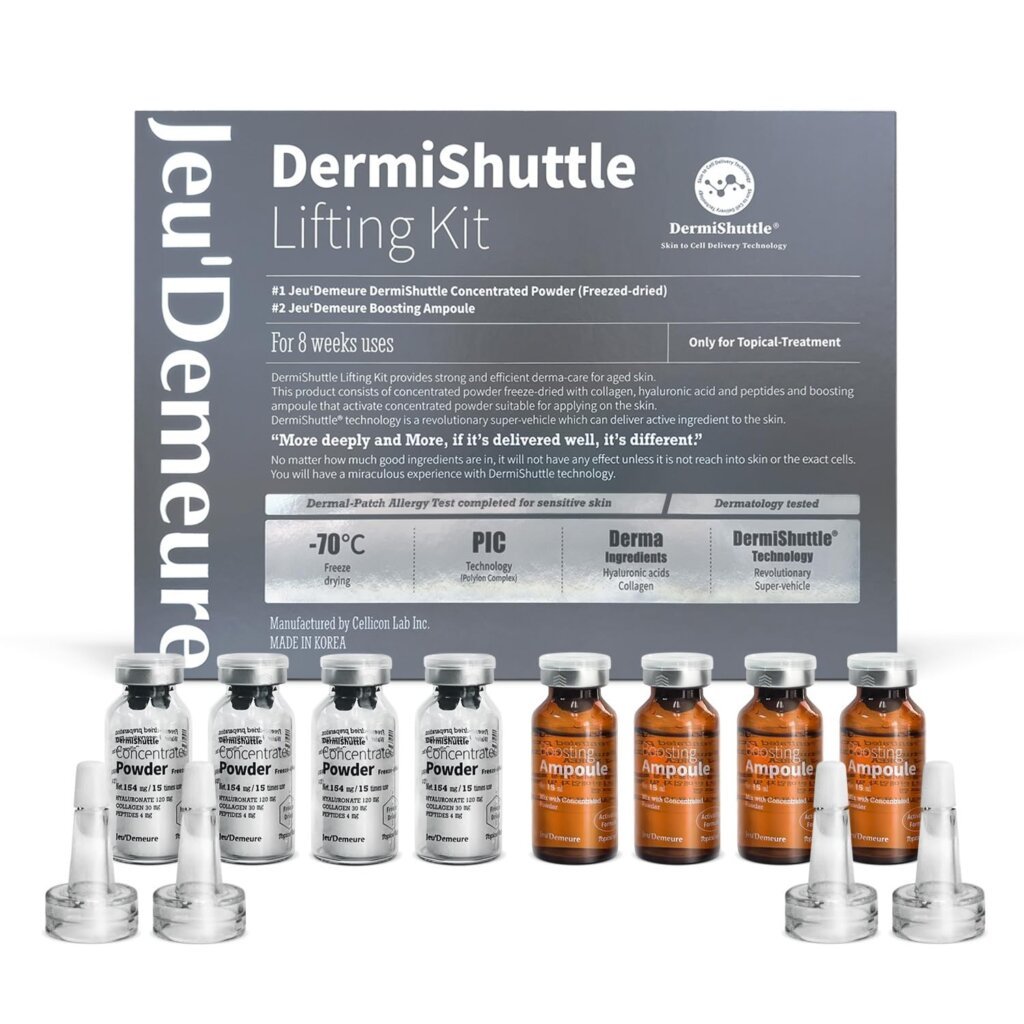
JEU’DEMEURE DermiShuttle Lifting Kit – Anti-Aging Firming Face Serum with Collagen and Peptides (8 Weeks)

JEUDEMEURE DermiShuttle Lifting Kit - Anti Aging Serum, Face Serum for Firming, Anti Wrinkle, Skin Elasticity, Hydrating with Collagen, Peptides, Korean Skincare (8 Weeks)

I’ve been on the lookout for a stellar serum to enhance my skincare routine post-microneedling, particularly targeting hyperpigmentation and boosting my skin’s overall radiance. Enter the JEU’DEMEURE DermiShuttle Lifting Kit. This innovative product claims to not only reduce the appearance of wrinkles but also tackle dullness, making it an excellent choice as part of my recovery regimen after microneedling sessions.

What impresses me most about the DermiShuttle Lifting Kit is its professional-level effectiveness that can be enjoyed from the comfort of my home. The fact that it’s formulated by dermatologists adds an extra layer of confidence. I appreciate that I can mix the serum fresh before use; this ensures that I’m applying a potent solution packed with active ingredients. There’s something satisfying about knowing I’m getting maximum potency with each application.

At the heart of the JEU’DEMEURE DermiShuttle Lifting Kit is its commitment to addressing the signs of aging and rejuvenating the skin. Its 8-week visible lifting and anti-aging treatment supports my skin health effectively, showing promising results in the areas I’m most concerned about. Here are some key features that I find particularly beneficial:

  • Freshly Activated Serum Mix: Each kit consists of 4 freeze-dried powder vials and 4 liquid ampoules. I mix them right before application, ensuring that I’m getting the most concentrated and effective formula.
  • Triple-Potent Ingredients: The blend includes peptides for collagen stimulation, ceramides for amplifying the skin barrier, and hyaluronic acid for intense hydration. Together, these ingredients work wonders to lift, firm, and plump my skin.
  • Dermatologist-Approved: The serum is fragrance-free, non-comedogenic, and safe for sensitive skin. I’ve dealt with reactive skin in the past, making this feature a lifesaver for me.
  • DermiShuttle Technology: This patent-pending system enhances delivery deep into my skin’s dermis, which is crucial for real collagen stimulation and rejuvenation.

The overall quality of the DermiShuttle Lifting Kit has impressed me significantly. Its unique combination of Korean skincare innovation and scientifically-supported ingredients delivers impressive results that I can genuinely feel and see. After a few weeks of consistent use, I’ve noticed both a smoother texture and a certain glow that I had been lacking before. My skin feels firmer and looks more youthful, which is always a win in my book!

Like any product, the DermiShuttle Lifting Kit has its strengths and weaknesses. Here’s what I’ve found:

  • Visible Results: Within weeks, I noticed reduced wrinkles and enhanced skin elasticity.
  • Convenience: The fact that I can mix and activate the serum on my own makes it feel fresh and potent every time.
  • Dermatologist-Approved: I appreciate that it’s safe for sensitive skin, which gives me peace of mind while using it.
  • Effective Ingredients: The combination of peptides, ceramides, and hyaluronic acid is nothing short of a powerhouse for driving real results in firmness and hydration.
  • Price Point: While the effectiveness is nearly undeniable, this kit is on the pricier side. It might not fit all budgets, especially for those looking for budget-friendly skincare options.
  • Mixing Process: Although I enjoy the freshness of mixing the serum myself, it can feel a bit tedious if I’m in a rush or just want a quick skincare routine.
  • Limited Application: The kit contains a specific number of vials, meaning I have to reorder it regularly if I want to maintain the results.

The JEU’DEMEURE DermiShuttle Lifting Kit has stood out to me as an effective post-microneedling treatment for tackling hyperpigmentation and achieving that desired radiance. While it may have a few downsides, the results I’ve experienced make it a product I’m excited to incorporate into my skincare routine.

JEUDEMEURE DermiShuttle Lifting Kit - Anti-Aging Firming Face Serum with Collagen and Peptides (8 Weeks)

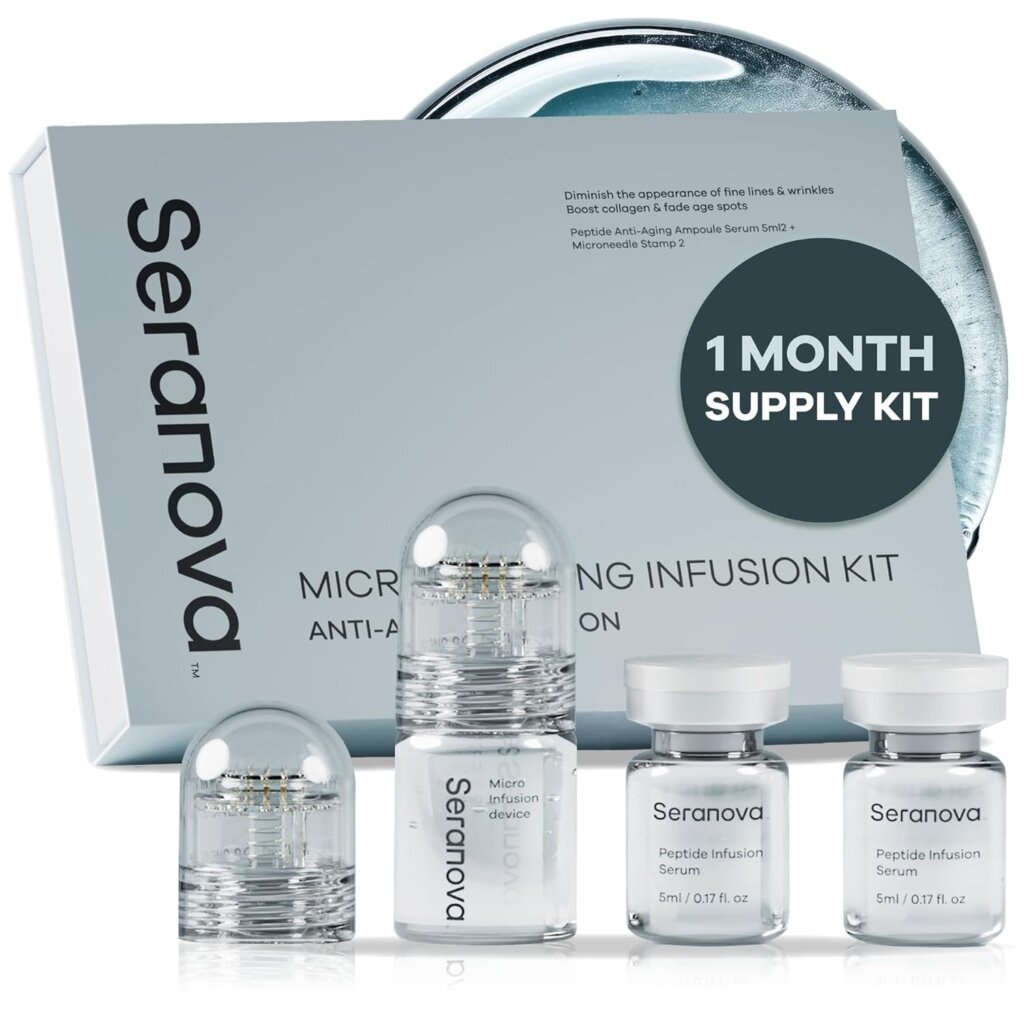
Seranova Micro Infusion Skin Care Serum, Moisturizer for All Skin Types, 1-Month Supply

Seranova Micro Infusion for Skin Care, Facial Moisturizing Essence, Serum Smooth Skin Facial Serum for All Skin Types, 1-Month Supply

When it comes to microneedling, I’ve learned that choosing the right products for post-treatment care is crucial for achieving the best results, especially when targeting hyperpigmentation and achieving brighter skin. One product that’s caught my attention is the Seranova Micro Infusion kit. Let’s dive into what makes this skincare essential perfect for post-microneedling treatment!

The primary use of the Seranova Micro Infusion kit is to enhance serum absorption following microneedling treatments. Designed specifically for at-home facials, this microinfusion system allows me to target various skin issues, including dryness, lack of hydration, and aging signs. It’s suitable for my entire face, neck, and even lips, making it an incredibly versatile addition to my skincare routine.

I love the Seranova Micro Infusion kit because it combines innovation with convenience. After microneedling, my skin craves hydration, and this kit provides just that. The easy-to-use design and effective ingredients make it a winning combination for anyone looking to enhance their skincare game. I appreciate how it fits seamlessly into my routine—just a few minutes every two weeks, and I’m good to go!

The purpose of the Seranova Micro Infusion kit is to facilitate the absorption of a hydrating serum into the skin effectively. Here are some key features I find particularly beneficial:

  1. Designed for Easy Absorption: The micro infusion system promotes better serum penetration, which is essential after microneedling. My skin feels rejuvenated and refreshed after each use.
  2. 5-Minute At-Home Facial Kit: It’s incredibly user-friendly. All I have to do is fill in the hydrating serum, gently press the 0.05mm stamp onto my face and neck, and voila—an at-home facial in under five minutes!
  3. Gentle & Safe Skin Care Tool: The ultra-thin, sterile single-use stamps are ideal for all skin types. I’ve used it on my sensitive skin without any irritation—just a pleasant tingling sensation.
  4. Serum with Hyaluronic Acid & Peptides: Each vial blends collagen peptides, hyaluronic acid, bitter orange oil, and glycerin, which delivers intense hydration and supports firmer, smoother-looking skin. This combination fuels my skin’s recovery after microneedling.
  5. Complete 1-Month Micro Infusion Kit: With two sterile stamps and vials included, I have a convenient, complete month’s supply at my fingertips.

When it comes to the overall quality of the Seranova Micro Infusion kit, I’m honestly impressed. The materials feel premium, and the technology used in the stamps is top-notch. Each component is designed with care and precision to ensure maximum effectiveness, leaving me feeling confident in my skincare choices. After using it regularly, I’ve noticed a visible improvement in my skin texture and hydration levels. Definitely a win in my book!

While I’m a big fan of the Seranova Micro Infusion, no product is perfect. Here’s a quick rundown of the pros and cons based on my experience:

  • Easy to use: The steps are straightforward, making it approachable for anyone, even beginners.
  • Results-driven: I’ve experienced noticeable improvements in hydration and skin smoothness after just a few uses.
  • Safe for all skin types: This is a significant plus, especially for those like me with sensitive skin.
  • Compact and portable: The kit is easy to store or take on the go, so I never miss a session.
  • Need for consistency: To achieve the best results, I must be diligent with my routine, using it every two weeks.
  • Only a month’s supply at a time: While there’s enough for a month, I find myself wanting more as I enjoy using it!

I genuinely believe that the Seranova Micro Infusion kit is a fantastic investment for anyone looking to enhance their skincare routine, particularly after microneedling. Its thoughtful design and potent ingredients align perfectly with my skincare goals, especially when it comes to addressing hyperpigmentation and overall brightness. Whether you’re experienced with microneedling or just starting, this product could be your new best friend!

Seranova Micro Infusion Skin Care Serum, Moisturizer for All Skin Types, 1-Month Supply

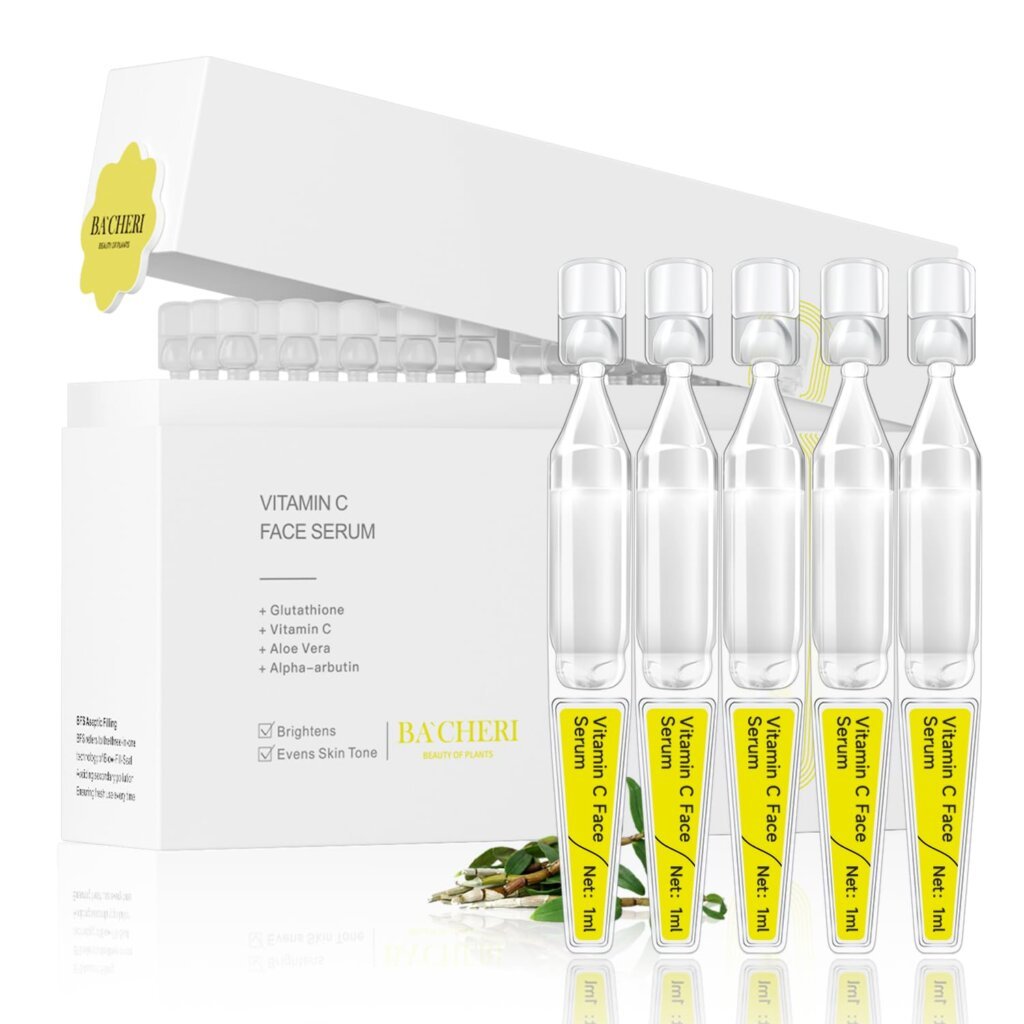
BACHERI Vitamin C Face Serum with Glutathione and Hyaluronic Acid – Lightweight Brightening and Hydrating Serum for Daily Use, Suitable for Sensitive Skin – (30 Vials of 1.0 ml)

BACHERI Vitamin C Face Serum with Glutathione, 4D Hyaluronic Acid  Aloe Vera – Lightweight Brightening  Hydrating Ampoule for Daily Skincare, Dark Spots, Sensitive Skin Friendly - (1.0 ml)*30 Vials

After experiencing the transformative effects of microneedling on my skin, I knew I needed a stellar follow-up product to maintain that glow and tackle my hyperpigmentation. Enter the BACHERI Vitamin C Face Serum with Glutathione, a lightweight ampoule that has quickly become my favorite in my skincare routine.

The main function of this serum is to target dark spots and even out the skin tone. With its unique combination of Vitamin C, Glutathione, and Alpha Arbutin, it’s designed to promote a brighter complexion. After microneedling, my skin often needs an extra dose of hydration and healing, and this ampoule fits the bill perfectly. I apply it both in the morning and evening after cleansing and toning, enhancing my skin’s natural radiance while prepping it for the day or night ahead.

I’m always on the lookout for products that meld effectiveness with gentle formulations, especially after a microneedling session, where my skin feels a bit more sensitive. The BACHERI Vitamin C Face Serum checks all the boxes. It’s non-irritating and works harmoniously with my sensitive skin, thanks to its plant-based ingredients. The convenience of the ampoules also means I can carry them around easily and use them without worrying about contamination or oxidation—a big win!

The BACHERI Vitamin C Face Serum serves a multi-faceted purpose:

  • Targeted Brightening & Dark Spot Support: With a potent mix of Vitamin C, Glutathione, and Alpha Arbutin, it effectively works to combat dark spots, creating a more luminous appearance.
  • Daytime Brightening & Hydration: This serum is designed for morning use, where it offers hydration and prepares my skin for moisturizer and sunscreen, adding an extra layer of protection.
  • Nighttime Antioxidant & Repair: At night, it helps in the skin’s repair process. It fights off oxidative stress while keeping my skin hydrated throughout the night.
  • Multi-Layer Hydration System: The inclusion of 4D Hyaluronic Acid, Aloe Vera, and Tremella Mushroom Extract ensures that my skin is deeply hydrated, making it feel suppler and comfortable.
  • Plant-Based Formula for Sensitive Skin: It’s also incredible that it’s suitable for all skin types, including sensitive skin like mine, thanks to its soothing ingredients.

The overall quality of the BACHERI Vitamin C Face Serum is impressive. Each ampoule contains a precise dose, which minimizes oxidation and ensures that I’m applying just the right amount each time. I’ve noticed that my skin feels noticeably brighter and more hydrated after using this serum consistently. It absorbs quickly without leaving any sticky residue, which is crucial for me since I often layer products. The fact that it’s housed in single-use vials means that I’m not wasting any product and it stays fresher longer, which I absolutely love.

Pros:

  • Effective Brightening: After consistent use, I’ve seen a marked improvement in the brightness of my complexion and a reduction in dark spots.
  • Hydrating Formula: Contains multiple sources of hydration, making it perfect for layering under moisturizers.
  • Sensitive Skin Friendly: The formula sits well with my sensitive skin, never causing irritation despite frequent use.
  • Convenient Packaging: The ampoules make it easy to travel with without worrying about spills or degradation of the product.

Cons:

  • Price Point: Depending on my budget at the time, the cost might be a bit high for everyday use, especially if I seem to go through them quickly.
  • Single-Use Limitations: While the single-use ampoule is great for freshness, I do find it a bit wasteful for those who don’t use the entire ampoule in one go, particularly with a serum that has a shorter shelf life once opened.

In my journey to combat hyperpigmentation post-microneedling, the BACHERI Vitamin C Face Serum has become an essential part of my skincare routine. It’s effective, gentle on my skin, and has truly helped brighten my complexion like I never thought possible. If you’re looking for a reliable serum to enhance your microneedling results, I wholeheartedly recommend giving this one a try!

BACHERI Vitamin C Face Serum with Glutathione and Hyaluronic Acid – Lightweight Brightening and Hydrating Serum for Daily Use, Suitable for Sensitive Skin - (30 Vials of 1.0 ml)

Product Comparison: Serums for Radiant Skin

When it comes to serums, there’s a veritable smorgasbord of options available, each claiming to be the elixir of youth or the magic bullet for all skin woes. I’ve rounded up four intriguing contenders: the XY Professional PDRN Peptides Serum, the JEU’DEMEURE DermiShuttle Lifting Kit, the Seranova Micro Infusion System, and the BACHERI Vitamin C Face Serum. Let’s dive into the details and see how they stack up against each other—like a skincare showdown that you didn’t know you needed.

Specifications Breakdown

Here’s a breakdown of what each serum brings to the table—think of it as your skincare shopping guide:

Product Name Key Ingredients Skin Type Unique Features Supply Duration
XY Professional PDRN Peptides Serum Copper Peptide, Niacinamide, Hyaluronic Acid All skin types Non-sticky, quick absorption; boosts skin renewal and moisture N/A
JEU’DEMEURE DermiShuttle Lifting Kit Peptides, Ceramides, Hyaluronic Acid Sensitive skin Mix-on-demand for maximum potency; clinically backed 8 Weeks
Seranova Micro Infusion System Hyaluronic Acid, Peptides, Bitter Orange Oil All skin types At-home micro-infusion treatment; easy application 1 Month
BACHERI Vitamin C Face Serum Vitamin C, Glutathione, 4D Hyaluronic Acid, Aloe Vera Sensitive skin Brightens and hydrates; designed for morning and night use 30 Single-use vials

A Closer Look at Each Product

  1. XY Professional PDRN Peptides Serum
    This serum feels like it was plucked right from a K-drama, promising a fresh-faced, dewy glow with the help of peptides and niacinamide. It’s like a drink of water for your skin—non-sticky, fast-absorbing, and gentle enough for all skin types. It tackles a medley of skin concerns from elasticity to hydration without the heavy commitment of a long-term regime.
  2. JEU’DEMEURE DermiShuttle Lifting Kit
    Talk about high stakes! Jeudemeure turns skincare into a culinary performance with its mix-it-yourself approach. This serum claims to lift and firm in just eight weeks, using a blend of peptides and ceramides to let your skin feel exquisite. It’s like giving your face a little workout, all under the supervision of dermatologists!
  3. Seranova Micro Infusion System
    If you’re after something a little different, Seranova introduces a unique micro-infuser that’s all about supporting absorption. It’s like a spa day in a box that’ll leave your skin feeling refreshed and, let’s be honest, a tad fancy. The easy application makes it a go-to for those of us seeking results without a battle.
  4. BACHERI Vitamin C Face Serum
    Last but not least, the BACHERI packs a punch with its vitamin C goodness. It’s light as air and tailored more for the daytime—think of it as your skin’s morning coffee. It’s loaded with brightening agents perfect for combatting those pesky dark spots and ushering in an energized, radiant complexion.

Wrapping It Up

So, what’s the verdict? Each serum has its delightful quirks and benefits that cater to different skin needs. If I had to pick, I’d say each is worthy of a spot in my skincare lineup, depending on whether I need lifting, hydration, brightening, or just plain fun! Give them a whirl and see which one charms your socks off—your skin (and maybe your selfie game) will thank you for it!

Wrapping Up My Skincare Adventure

Having dabbled in the world of serums recently, I’ve had my fair share of highs and lows with the four products I tried: the XY Professional PDRN Peptides Serum, JEU’DEMEURE DermiShuttle Lifting Kit, Seranova Micro Infusion for Skin Care, and BACHERI Vitamin C Face Serum. Each of these little bottles came with promises of youthful skin and miraculous transformations, and let me tell you, there’s plenty to say about them.

The Highlights

Let’s start with the XY Professional PDRN Peptides Serum. With its fusion of copper peptides and niacinamide, I found it quite efficacious at giving my skin that plump, hydrated look without feeling heavy. It’s like a tall drink of water after a walk in the desert!

Then there’s the JEU’DEMEURE DermiShuttle Lifting Kit, which practically set me on a quest for eternal youth. After eight weeks, I did notice some firming action, which felt great. It’s the kind of product that makes you feel a bit like a skincare alchemist; mix, apply, and marvel at how you’re turning back time.

Next up, Seranova Micro Infusion fluid was ideal for my busy lifestyle—who doesn’t love a one-month supply of moisture? This little gem kept my skin feeling smooth without a cocktail-party-worthy preamble.

Lastly, the BACHERI Vitamin C Face Serum shone bright like a diamond (thanks, Rihanna). It was excellent for brightening and tackling those pesky dark spots—even if I had to remind myself that it was not a panacea for all skin woes.

The Low Points

However, every silver lining tends to have a cloud following it. For instance, the XY serum felt a tad sticky post-application, which made me wonder if I had used too much. And while JEU’DEMEURE showed impressive results, the price point was a little frightening—like staring into the abyss and wondering who goes there.

Seranova, while efficient, lacked that wow factor; it felt more like a trusty friend—not a full-blown knight in shining armor. The same went for BACHERI, which, while refreshing, didn’t exactly leave me gasping at the mirror in awe.

My Recommendations

These products each bring something unique to the table, and I think they’d best suit folks like me—those of us who’ve spent years experimenting with skincare but haven’t yet found our holy grail. If you’re always on the lookout for targeted moisture or specific anti-aging perks, give these a shot.

But if you’re just beginning your skincare journey, you might want to start with something simpler and perhaps more budget-friendly. After all, diving into the world of serums can feel a bit like being thrown into the deep end of a swimming pool with no floaties. You might just prefer a gentle wade in the shallow end for now.

In summary, I’m excited about the potential these serums represent. While they each have their quirks, they are certainly worth exploring for anyone ready to take their skincare game up a notch. Who knows? You might just find the bottle that changes your routine for the better.

Disclosure: As an Amazon Associate, I earn from qualifying purchases.

en_USEnglish