
google.com, pub-2032008856654686, DIRECT, f08c47fec0942fa0

What Is The Best Face Wash After Microneedling?

After undergoing microneedling, it is crucial to take proper care of your skin to maximize results and minimize any potential side effects. One essential step in post-microneedling skincare is choosing the right face wash that will help maintain the health and appearance of your skin. In this article, I will provide detailed information on the best face wash options after microneedling to help you make an informed decision.

Importance of Using the Right Face Wash After Microneedling

Using the right face wash after microneedling is crucial for several reasons. Firstly, the skin is more sensitive and vulnerable after microneedling treatment, making it essential to use gentle and non-irritating products to avoid further irritation or inflammation. Secondly, the face wash plays a critical role in cleansing the skin without stripping away essential oils or disrupting the skin’s natural barrier, which can hinder the healing process and impact the results of microneedling.

Why Regular Face Washes May Not Be Suitable After Microneedling

Regular face washes that contain harsh ingredients or exfoliants may not be suitable for use after microneedling. These products can be too abrasive on the skin, leading to increased redness, irritation, or even complications such as infection. It is important to opt for a gentle and hydrating face wash specifically formulated for sensitive and post-procedure skin to ensure optimal healing and results.

Characteristics of the Best Face Wash After Microneedling

The best face wash after microneedling should possess certain characteristics to promote healing, maintain skin health, and enhance the results of the treatment.

Gentle and Non-Irritating

A gentle and non-irritating face wash is essential after microneedling to avoid aggravating the skin and causing discomfort. Look for products that are free of harsh chemicals, artificial fragrances, and known irritants to ensure a soothing and calm cleansing experience.

Hydrating and Moisturizing

Microneedling can temporarily disrupt the skin barrier, leading to increased dryness and sensitivity. Therefore, it is important to choose a hydrating and moisturizing face wash that can replenish moisture, nourish the skin, and support the healing process. Ingredients such as hyaluronic acid, glycerin, and ceramides are beneficial for maintaining hydration and restoring skin barrier function.

Anti-Inflammatory and Soothing

To reduce redness, inflammation, and irritation after microneedling, opt for a face wash with anti-inflammatory and soothing properties. Ingredients like aloe vera, chamomile, and green tea can help calm and comfort the skin, promoting faster healing and minimizing side effects.

Best Face Wash Options After Microneedling

When selecting the best face wash after microneedling, consider the following options that are formulated to address the specific needs of post-procedure skin.

CeraVe Hydrating Facial Cleanser

CeraVe Hydrating Facial Cleanser is a dermatologist-recommended, non-comedogenic face wash that effectively cleanses the skin without stripping its natural moisture. Formulated with ceramides and hyaluronic acid, this gentle cleanser hydrates and restores the skin barrier, making it ideal for post-microneedling care.
benefits-of-microneedling

La Roche-Posay Toleriane Hydrating Gentle Cleanser

La Roche-Posay Toleriane Hydrating Gentle Cleanser is a fragrance-free, non-foaming face wash that is suitable for sensitive and reactive skin. Enriched with prebiotic thermal water and niacinamide, this hydrating cleanser soothes and protects the skin, making it a gentle option for post-microneedling cleansing.

Aveeno Ultra-Calming Hydrating Gel Cleanser

Aveeno Ultra-Calming Hydrating Gel Cleanser is a soap-free, hypoallergenic face wash that cleanses and calms sensitive skin. Infused with feverfew extract and chamomile, this gel cleanser gently removes impurities while reducing redness and irritation, making it a suitable choice for skin in need of post-microneedling care.

How to Properly Cleanse the Skin After Microneedling

Properly cleansing the skin after microneedling is essential to maintain skin health, promote healing, and enhance the results of the treatment. Follow these steps to ensure effective and gentle cleansing after microneedling:

  1. Gently Cleanse Twice a Day: Wash your face with a gentle cleanser morning and night to remove impurities, excess oil, and skincare products without over-cleansing or irritating the skin.
  2. Use Lukewarm Water: Avoid hot water that can strip the skin of moisture and exacerbate sensitivity. Opt for lukewarm water to cleanse the skin without causing discomfort or inflammation.
  3. Pat Dry with a Soft Towel: After cleansing, pat your skin dry with a soft, clean towel to avoid rubbing or tugging on the skin, which can lead to irritation or damage.
  4. Follow with Post-Procedure Skincare: After cleansing, apply any post-procedure skincare products recommended by your skincare professional, such as serums, moisturizers, or sunscreen, to protect and support the healing process.
  5. Avoid Harsh Ingredients: Steer clear of skincare products with harsh ingredients, exfoliants, or fragrances that can irritate or inflame the skin after microneedling.
After Microneedling Can I Wash My Face

Conclusion

Choosing the best face wash after microneedling is a critical step in post-procedure skincare to ensure optimal healing, maintain skin health, and enhance the results of the treatment. By selecting a gentle, hydrating, and soothing face wash formulated for sensitive and post-procedure skin, you can effectively cleanse the skin without compromising its integrity or impeding the healing process. Prioritize ingredients that support hydration, restore the skin barrier, and reduce inflammation to promote a smooth and successful recovery after microneedling.

How Often Should I Microneedle My Face?

Microneedling has become a popular skincare treatment that can help improve the appearance of scars, wrinkles, and overall skin texture. But how often should you actually be microneedling your face to see the best results? In this article, I will provide you with a professional guide on the recommended frequency of microneedling sessions for optimal outcomes.

Understanding Microneedling

Microneedling, also known as collagen induction therapy, is a minimally invasive cosmetic procedure that involves the use of fine needles to create tiny punctures in the skin. These micro-injuries stimulate the body’s natural healing process, triggering the production of new collagen and elastin. As a result, microneedling can help improve skin texture, reduce the appearance of scars, and enhance overall skin tone.

Benefits of Microneedling

Microneedling offers a wide range of benefits for the skin, making it a popular treatment choice for individuals looking to improve their overall complexion. Some of the key advantages of microneedling include:

  • Stimulates collagen production
  • Improves skin texture and tone
  • Reduces the appearance of scars and fine lines
  • Enhances the absorption of skincare products

By understanding the benefits of microneedling, you can better appreciate why this treatment is regarded as an effective way to rejuvenate the skin.

How Often Should I Microneedle My Face?

One of the most common questions among individuals considering microneedling is how often they should undergo treatment to achieve optimal results. The frequency of microneedling sessions will vary depending on the individual’s skin type, age, and desired outcomes.

Professional Recommendation

As a professional in the skincare industry, I recommend spacing out microneedling sessions every 4 to 6 weeks for most individuals. This timeframe allows the skin to fully heal and regenerate between treatments, ensuring that you see noticeable improvements with each session.

Skin Type Considerations

It’s essential to consider your skin type when determining how often you should microneedle your face. For individuals with sensitive skin, it may be best to wait closer to 6 weeks between treatments to avoid overstimulating the skin. On the other hand, those with more resilient skin may benefit from more frequent sessions every 4 weeks to maintain results.

Expected Results

When deciding on the frequency of microneedling, it’s essential to have realistic expectations regarding the results you hope to achieve. While some individuals may see improvements in skin texture and tone after just one session, a series of treatments is typically required for more significant changes.

Aftercare Tips for Microneedling

Proper aftercare is crucial to ensure the best results from your microneedling treatments. By following these professional tips, you can promote skin healing and enhance the overall effectiveness of the procedure.

Avoid Sun Exposure

After microneedling, it’s vital to protect your skin from the sun’s harmful UV rays. Be sure to wear sunscreen with at least SPF 30 and limit your time outdoors to prevent sun damage and pigmentation issues.

Moisturize Regularly

Hydrating and moisturizing the skin is essential post-microneedling to keep the skin barrier intact and promote healing. Use a gentle, hydrating moisturizer to soothe and nourish the skin after treatment.

Avoid Harsh Skincare Products

Refrain from using harsh skincare products, such as exfoliants or acids, immediately after microneedling. These products can irritate the skin and hinder the healing process, leading to potential complications.

Follow Up with Your Skincare Professional

Consult with your skincare professional or dermatologist for personalized aftercare recommendations following your microneedling session. They can provide specific advice based on your skin type and individual needs to ensure optimal results.

Potential Side Effects of Microneedling

While microneedling is generally a safe and effective procedure, there are potential side effects that individuals should be aware of before undergoing treatment. By understanding these risks, you can make an informed decision about whether microneedling is right for you.

Temporary Redness

It’s common to experience redness and mild swelling immediately after microneedling, which typically subsides within a few days. This side effect is a normal part of the skin’s healing process and should not cause concern.

Skin Sensitivity

Following microneedling, your skin may be more sensitive to certain skincare products or ingredients. Avoid using harsh or abrasive products that could irritate the skin and opt for gentle, soothing formulations instead.

Risk of Infection

Proper hygiene and aftercare are essential to prevent the risk of infection after microneedling. Follow your skincare professional’s instructions carefully and avoid touching or picking at the treated area to minimize the chance of complications.

Pigmentation Changes

In rare cases, microneedling can trigger temporary changes in skin pigmentation, leading to darkening or lightening of the skin. These effects are usually temporary and can be managed with appropriate skincare and sun protection.

Customized Treatment Plans

To determine the ideal frequency of microneedling sessions for your skin, consider consulting with a skincare professional or dermatologist for a personalized treatment plan. By assessing your skin type, concerns, and goals, they can recommend a tailored approach to help you achieve the best possible results.

Conclusion

In conclusion, finding the right balance and frequency for microneedling your face is key to achieving the desired outcomes while minimizing the risk of adverse effects. By following professional recommendations, practicing proper aftercare, and consulting with skincare experts, you can optimize the benefits of microneedling for healthier, rejuvenated skin. Remember that consistency and patience are essential when undergoing microneedling treatments, as long-lasting results often require multiple sessions spaced out over time. If you’re considering microneedling, be sure to do thorough research, seek reputable skincare professionals, and prioritize your skin’s health and well-being.

What qualification do I need to microneedle?

What qualification do I need to microneedle?

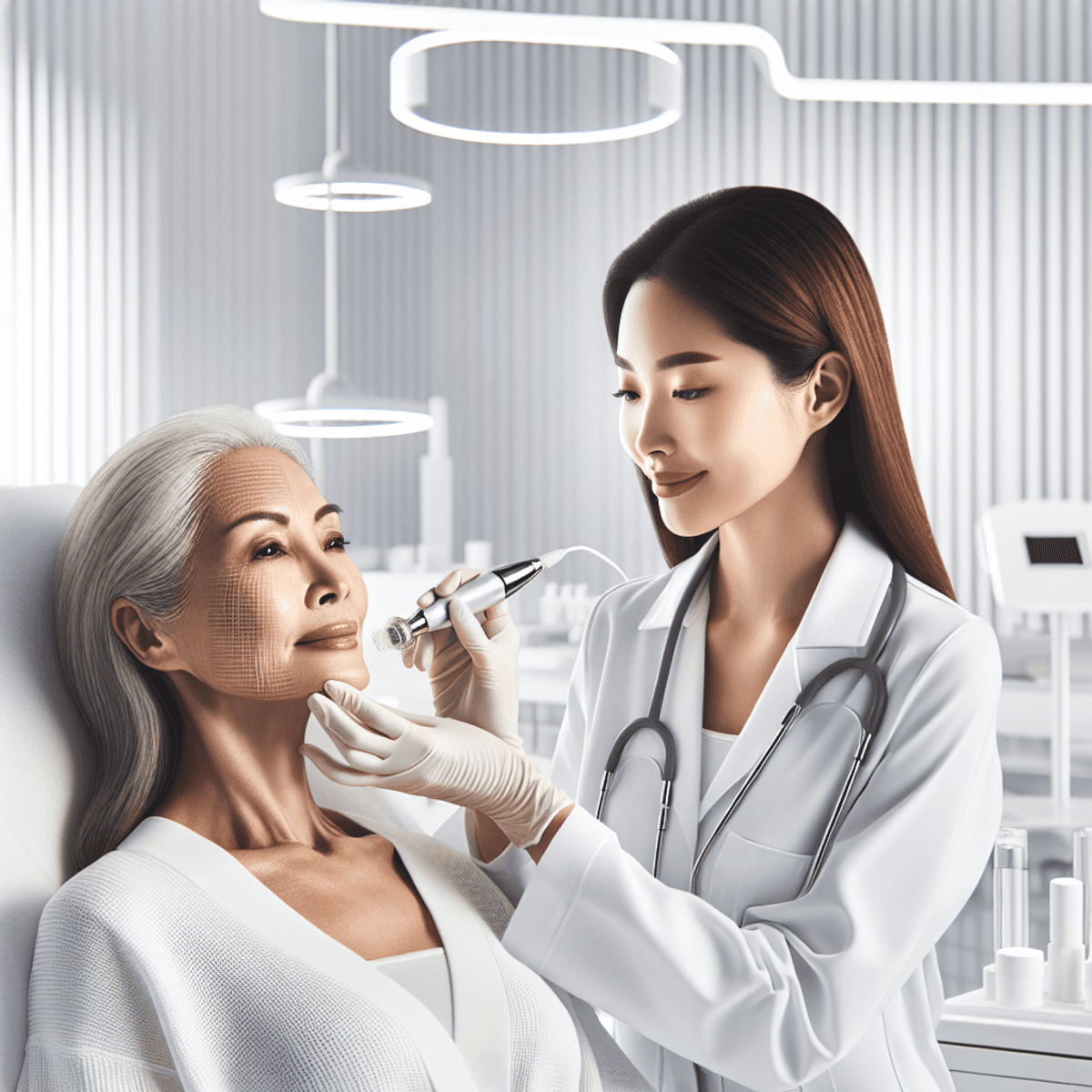
A professional Asian woman in a white lab coat and gloves performs microneedling on the face of a Caucasian patient in a bright, modern skincare clinic. The practitioner holds a visible microneedling device, demonstrating careful expertise. The patient has a healthy, radiant complexion, highlighting the rejuvenating effects of the treatment. The scene conveys a sense of attentiveness and professionalism within a sophisticated environment.

Introduction

Microneedling has become a popular skin treatment technique. It is known for its ability to rejuvenate the skin by reducing fine lines, improving texture, and addressing various skincare concerns. This minimally invasive procedure involves using small needles to create micro-injuries on the skin’s surface, stimulating collagen production and enhancing skin health.

Proper qualifications are crucial for practitioners to ensure that microneedling procedures are both safe and effective. Without adequate training and certification, there is a heightened risk of complications and suboptimal results.

This article provides a comprehensive guide on the qualifications required for microneedling practitioners, offering insights into recommended training programs and certifications in different regions. Whether you are an aspiring practitioner or seeking information on microneedling qualifications, this guide will equip you with essential knowledge to navigate this field.

Understanding Microneedling

What is Microneedling and How Does It Work?

Microneedling, a popular skin treatment, involves the use of fine needles to create micro-injuries in the skin. These controlled injuries stimulate the body’s natural wound healing process, promoting collagen and elastin production. This process is known as collagen induction therapy (CIT) and aims to improve skin texture and firmness.

Benefits of Microneedling

Microneedling offers numerous benefits for skin health:

  • Reduction of Fine Lines and Wrinkles: By stimulating collagen production, microneedling helps in reducing the appearance of fine lines and wrinkles.
  • Improvement in Skin Texture: The procedure promotes smoother skin by addressing issues like uneven texture and enlarged pores.
  • Minimization of Scars: Effective for treating acne scars, surgical scars, and other types of scars by breaking down old tissue and triggering new tissue formation.

Common Applications in Skincare Concerns

Microneedling is versatile in addressing various skincare concerns:

  • Hyperpigmentation: Helps in reducing pigmentation issues by promoting even skin tone.
  • Stretch Marks: Can improve the appearance of stretch marks by regenerating the affected skin.
  • Hair Loss: Used as a treatment for hair restoration by stimulating hair follicles.

The microneedling procedure’s effectiveness across these different applications makes it a sought-after option for individuals looking to enhance their skin’s overall health and appearance.

Qualifications Required for Microneedling Practitioners

Microneedling Qualifications in the UK

In the United Kingdom, there are no mandatory qualifications required for microneedling practitioners. However, industry experts and regulatory bodies like Health Education England strongly recommend specific qualifications to ensure both safety and efficacy in treatments.

Recommended Qualifications:

  • Level 4 Qualification: Designed for needle depths up to 0.5mm, this level typically covers basic techniques and protocols. Practitioners at this level should have a foundational understanding of skin anatomy, device usage, and infection control.
  • Level 5 Qualification: Suitable for needle depths up to 1.0mm, Level 5 training delves deeper into more advanced techniques. This qualification often includes comprehensive modules on patient assessment, contraindications, and post-procedure care.
  • Level 6 Qualification: For needle depths extending up to 1.5mm, Level 6 qualifications offer an in-depth exploration of microneedling procedures. Practitioners will gain expertise in treating more complex skin concerns and managing potential complications.

For needle depths exceeding 2mm, practitioners are usually required to have a higher level of training or operate under healthcare supervision. Specific courses often cover:

  • Device Usage: Training on different microneedling devices and their applications.
  • Infection Control Protocols: Emphasizing sterilization techniques and minimizing risks.
  • Patient Assessment: Guidelines on evaluating patient suitability for microneedling.
  • Post-Procedure Care: Instructions on aftercare to ensure optimal results and patient satisfaction.

Industry Recommendations:

Health Education England has set forth guidelines that align with these qualification levels. Although not legally enforced, adhering to these recommendations helps build credibility and trust with clients, ensuring that treatments are performed safely and effectively.

By attaining these qualifications, practitioners demonstrate a commitment to maintaining high standards in their practice. This not only enhances their professional standing but also significantly improves client outcomes by ensuring procedures are carried out with precision and care.

Ensuring compliance with recommended qualifications helps mitigate risks associated with microneedling while promoting best practices within the industry.

Microneedling Qualifications in the United States

Microneedling regulations in the United States vary significantly across different states. While some states require practitioners to be licensed medical professionals, others permit aestheticians to perform the procedure under specific conditions.

1. Licensed Medical Professionals

In many states, microneedling is considered a medical procedure. Therefore, only licensed medical professionals such as dermatologists or physicians can perform it. These professionals typically have extensive training and are well-versed in skin anatomy, ensuring safe and effective treatments.

2. Aestheticians

Some states allow licensed aestheticians to perform microneedling, but usually under the supervision of a physician. For example, an aesthetician may need to work within a medical spa or clinic where a physician is present or available for consultation. It is crucial for aestheticians to understand local laws and ensure they operate within legal guidelines to avoid penalties and ensure client safety.

Adhering to local laws not only ensures compliance but also helps maintain high standards of care. Practitioners should consult state-specific regulations and possibly seek legal advice to confirm they meet all necessary requirements before offering microneedling services. This approach aligns with best practices observed in regions like the UK, where Health Education England provides a framework for practitioner qualifications and safety protocols.

Choosing a Microneedling Training Program

When selecting a reputable microneedling training program or certification course, aspiring practitioners should consider several crucial factors:

  1. Comprehensive Content Coverage: Ensure the program covers essential areas such as device usage, skin anatomy, infection control protocols, patient assessment, and post-procedure care.
  2. Hands-On Practice Opportunities: Look for programs that offer practical training sessions. Real-world practice is invaluable for mastering techniques and building confidence.
  3. Accreditation and Certification: Verify if the course is accredited by recognized industry bodies. Accredited programs often meet higher standards of education and training.
  4. Experienced Instructors: Opt for courses led by experienced professionals who have a proven track record in microneedling.
  5. Support and Resources: Choose a program that provides ongoing support and access to resources even after the training is completed.

Investing time in selecting the right training can significantly impact the quality and safety of microneedling treatments offered.

The Importance of Proper Training and Certification in Microneedling

Proper training and certification in microneedling are essential for several critical reasons.

Ensuring Safety in Microneedling

Ensuring practitioner competence through formal education helps maintain high standards of safety in microneedling. Trained practitioners are better equipped to handle the devices correctly, adhere to infection control protocols, and assess patient suitability, minimizing risks such as infections or adverse reactions.

Delivering Effective Treatments

Qualified practitioners deliver more effective treatments, leading to improved client satisfaction. Knowledge gained from comprehensive training programs allows practitioners to tailor treatments to individual skin concerns, optimizing results such as reducing fine lines or improving skin texture.

Thus, investing in proper qualifications not only enhances the practitioner’s skills but also builds client trust and loyalty by ensuring both safety and efficacy in every procedure.

Conclusion

Prioritizing relevant training and certification is critical for aspiring microneedling practitioners. Comprehensive education ensures not only practitioner competence but also client safety and satisfaction. By obtaining the appropriate qualifications, professionals can effectively deliver microneedling treatments, adhering to best practices and industry standards.

The importance of training in microneedling cannot be overstated; it lays the foundation for successful and ethical practice in this increasingly popular skincare technique.

FAQs (Frequently Asked Questions)

What is microneedling and how does it work?

Microneedling is a popular skin treatment technique that involves using fine needles to create micro-injuries in the skin. This process stimulates the body’s natural healing response, leading to improved skin health, reduced fine lines, and enhanced skin texture.

Are there mandatory qualifications for microneedling practitioners in the UK?

In the UK, there are currently no mandatory qualifications for microneedling practitioners. However, industry experts recommend obtaining specific qualifications, such as Level 4, Level 5, and Level 6 certifications, which indicate varying depths of training and competency.

What should I look for in a microneedling training program?

When selecting a microneedling training program or certification course, aspiring practitioners should look for comprehensive content coverage that includes device usage, infection control protocols, and ample opportunities for hands-on practice to ensure they are well-prepared for performing procedures safely.

Do microneedling regulations vary by region in the United States?

Yes, qualifications for microneedling practitioners can vary significantly by region in the United States. Some states require practitioners to be licensed medical professionals while others allow aestheticians to perform the procedure under supervision. It is crucial to adhere to local laws to ensure client safety and legal compliance.

Why is proper training and certification important in microneedling?

Proper training and certification are vital in microneedling as they not only ensure practitioner competence but also contribute significantly to client safety and satisfaction with treatment outcomes. Well-trained practitioners are better equipped to handle various skin types and concerns effectively.

What are the common applications of microneedling?

Microneedling is commonly used for various skincare concerns including reducing fine lines and wrinkles, improving skin texture, treating acne scars, and enhancing overall skin tone. Its versatility makes it a popular choice among skincare professionals.

en_USEnglish