
google.com, pub-2032008856654686, DIRECT, f08c47fec0942fa0

What To Expect After Microneedling?

Discover the post-microneedling journey filled with benefits for your skin. From reduced lines and improved texture to a rejuvenated complexion and increased radiance, this article guides you on what to expect after microneedling. Embrace the transformative effects and enjoy a renewed version of yourself!

So you’ve just had a microneedling treatment done, and now you’re wondering what comes next? Well, prepare yourself for a post-microneedling journey that is filled with incredible benefits and a rejuvenated complexion. From reduced fine lines and wrinkles to improved skin texture and tone, this article will guide you on what to expect after microneedling and help you navigate the exciting results that lie ahead. Get ready to embrace a renewed and refreshed version of yourself!

Skin Redness and Inflammation

Temporary redness

After undergoing microneedling, one of the common side effects you may experience is temporary redness in the treated area. This redness is a result of the micro-injuries created by the tiny needles used during the procedure. The redness typically lasts for a few hours or up to a couple of days, depending on the individual’s skin sensitivity.

Swelling

Along with the temporary redness, you may also notice some swelling in the treated area. This swelling is a natural response of the body to the micro-injuries caused by the microneedling process. It is important to note that the swelling usually subsides within a few days, allowing you to fully enjoy the benefits of microneedling.

Possible itching

In some cases, you may experience itching in the treated area post-microneedling. This itchiness is a common side effect that occurs as the skin goes through the healing process. However, it is crucial not to scratch or rub the area, as this can aggravate the skin and potentially lead to complications. Instead, follow the aftercare instructions provided by your skincare professional to ensure optimal healing and minimize any discomfort.

Skin Sensitivity

Increased sensitivity to skincare products

Following microneedling, your skin may become more sensitive to skincare products. This increased sensitivity is due to the micro-injuries that the procedure induces, making your skin more receptive to the ingredients in skincare products. It is important to choose gentle, non-irritating products to avoid any adverse reactions. Consult with your skincare specialist to determine which products are best suited for your post-microneedling skincare routine.

Potential dryness or flakiness

Another common effect of microneedling is temporary dryness or flakiness in the treated area. This occurs as the skin repairs itself and sheds any dead skin cells. It is crucial to keep your skin hydrated by using moisturizers or serums recommended by your skincare professional. These products can help soothe dryness and promote healthy skin regeneration, ensuring a smooth and radiant complexion.

What To Expect After Microneedling?

Skin Tightness

Feeling of tightness

After microneedling, it is normal to experience a temporary feeling of tightness in the treated area. This sensation occurs due to the stimulation of collagen production, which helps to improve the overall texture and elasticity of the skin. Embrace the feeling of tightness as a sign that the microneedling process is working to promote healthier, firmer skin.

Possible mild discomfort

While microneedling is generally a well-tolerated procedure, you may experience mild discomfort during and after the treatment. The sensation can vary from person to person, with some individuals describing it as a tingling or pricking feeling. Don’t worry, though, as any discomfort should subside within a short period of time, leaving you with the desired results of microneedling.

Peeling and Dryness

Dryness and flakiness

You may notice some dryness and flakiness in the treated area after microneedling. This is a natural part of the skin’s healing process and occurs as the top layer of skin renews itself. It is crucial to avoid picking or peeling the skin, as this can disrupt the healing process and potentially lead to skin damage or infections. Instead, use gentle cleansers and moisturizers to keep your skin hydrated and promote healthy skin cell turnover.

Mild peeling of the skin

As your skin regenerates, you may experience mild peeling in the treated area. This peeling is a positive sign that the microneedling treatment has stimulated the renewal process, leading to the shedding of old and damaged skin cells. Embrace this phase as your skin rejuvenates itself, revealing a more radiant and refreshed complexion.

What To Expect After Microneedling?

Skin Discoloration

Temporary skin discoloration

It is not uncommon to notice temporary skin discoloration following a microneedling treatment. The discoloration may appear as a slight change in skin tone or red or brown patches in the treated area. This is a normal reaction and is usually a result of the increased blood flow and healing response triggered by microneedling. The skin discoloration typically fades within a few days or weeks, revealing a more even and rejuvenated complexion.

Possible appearance of small bruises

In some cases, you may notice the appearance of small bruises after microneedling. These bruises are typically mild and occur as a result of the micro-injuries induced during the treatment. The bruising usually subsides on its own within a week or so. If you are concerned about the bruises, consult with your skincare professional for appropriate guidance and reassurance.

Appearance of Fine Puncture Marks

Temporary presence of tiny puncture marks

Following microneedling, you may notice the temporary presence of tiny puncture marks in the treated area. These marks are a natural result of the microneedling process, where the controlled punctures are made using fine needles. However, as the skin heals, these puncture marks gradually fade away, leaving behind smoother and more rejuvenated-looking skin.

Marks may take some time to fade

It is important to note that the amount of time it takes for the puncture marks to fade can vary from person to person. Factors such as skin type, healing rate, and aftercare practices can influence the duration of the marks’ visibility. Be patient and consistent with your skincare routine, and over time, you will notice the puncture marks becoming less noticeable, ultimately revealing the improved texture and appearance of your skin.
What To Expect After Microneedling?

Improved Skin Texture

Smooth and refined skin texture

One of the exciting benefits of microneedling is an improvement in skin texture. As the tiny needles create controlled micro-injuries, the skin’s natural healing process is triggered, stimulating collagen and elastin production. This increased production of these essential proteins helps to smooth and refine the texture of your skin, diminishing the appearance of fine lines, wrinkles, and acne scars.

Visible reduction in pore size

Microneedling can also lead to a visible reduction in pore size. As new collagen is produced and the skin’s texture improves, your pores may appear smaller and less noticeable. This can result in a more even complexion and a smoother canvas for your makeup application. Embrace the benefits of microneedling as you enjoy a rejuvenated and refined skin texture.

Increased Radiance and Glow

Enhanced skin radiance and natural glow

One of the wonderful outcomes of microneedling is the enhanced skin radiance and natural glow that it can bring. As the micro-injuries during the treatment stimulate blood circulation and collagen production, your skin will appear brighter and more luminous. Over time, you will notice that your complexion looks healthier and rejuvenated, with a radiant glow that boosts your confidence and natural beauty.

Improved overall complexion

In addition to the increased radiance and glow, microneedling can also contribute to an improved overall complexion. The renewal of skin cells, boosted collagen production, and reduction in imperfections such as scars or hyperpigmentation can result in a more even skin tone and texture. Embrace the transformative effects of microneedling as your complexion becomes more vibrant, youthful, and balanced.

Slight Breakouts

Possible occurrence of minor breakouts

While it may sound counterintuitive, it is possible to experience minor breakouts after microneedling. This is known as the purging process, where the skin expels impurities and toxins, resulting in temporary acne-like breakouts. It is essential to maintain a consistent skincare routine and avoid using harsh or irritating products during this phase. As your skin adjusts and the purging process subsides, you will notice clearer and healthier skin emerging.

Skin may go through a purging process

During the purging process, you may notice an increase in blemishes or pimples on the treated area. It is important not to be discouraged by these temporary breakouts, as they are a natural response of the skin purging built-up impurities. Stick to a gentle cleansing routine and consult with your skincare professional for any concerns or guidance. The purging phase will pass, leaving you with a clearer and more radiant complexion.

Gradual Collagen Stimulation

Results not immediately visible

It’s important to understand that the results of microneedling are not immediately visible. While you may notice some immediate improvements in your skin’s texture and radiance, the full effects of collagen stimulation will gradually become more apparent over time. Your skin will continue to rebuild and strengthen its collagen and elastin fibers, resulting in long-lasting and natural-looking improvements.

Collagen production gradually increases over time

The microneedling process stimulates collagen production within the skin, but this process takes time. As the weeks and months pass, you will gradually notice a reduction in fine lines, wrinkles, and other skin concerns. Patience is key when it comes to seeing the full benefits of microneedling, as collagen production is a gradual and ongoing process. Trust in the procedure and enjoy the journey of seeing your skin transform and rejuvenate.

In conclusion, microneedling can bring about a range of visible improvements to your skin, from enhanced radiance and texture to a reduction in fine lines and pore size. While it is important to be aware of the temporary side effects such as redness, swelling, and possible breakouts, these are all part of the skin’s natural healing process. With proper aftercare and a consistent skincare routine, you can support your skin’s rejuvenation and enjoy the long-lasting benefits of microneedling. Embrace the journey toward healthier, more vibrant skin as you discover the transformative effects of this innovative skincare treatment.

How Many Microneedling Sessions For Wrinkles?

Looking to reduce wrinkles? Learn how many microneedling sessions you may need for smoother, younger-looking skin. Find all the information you need in this article.

Ready to say goodbye to those pesky wrinkles? If you’re considering microneedling as a solution, you may be wondering just how many sessions it will take to achieve smoother, younger-looking skin. Look no further, because we’ve got the answer for you. In this article, we will explore the optimal number of microneedling sessions needed to effectively reduce wrinkles, leaving you with all the information you need to make the best decision for your skin. Get ready to say hello to a more radiant and youthful complexion!

The Basics of Microneedling

What is microneedling?

Microneedling, also known as collagen induction therapy, is a non-invasive cosmetic procedure that involves using a device with small needles to create micro-injuries on the skin’s surface. These controlled micro-injuries stimulate the body’s natural healing process, leading to increased collagen and elastin production. As a result, microneedling can improve the appearance of wrinkles, fine lines, scars, and overall skin texture.

How does microneedling work?

During a microneedling session, a trained professional will use a device with small, sterile needles to create tiny punctures in the top layer of your skin. These punctures, or micro-channels, trigger your body’s healing response. As a result, collagen and elastin production increase, leading to the formation of new skin cells and healthier, younger-looking skin.

Benefits of microneedling for wrinkles

Microneedling offers several benefits for reducing the appearance of wrinkles. Firstly, it stimulates collagen and elastin production, which helps to plump and tighten the skin, reducing the depth of wrinkles. Additionally, microneedling can improve skin texture and tone, resulting in a more youthful and radiant complexion. It is a safe and effective treatment option for wrinkles, suitable for individuals of all skin types and ages.

Factors That Determine the Number of Sessions

Severity of wrinkles

The severity of your wrinkles plays a significant role in determining the number of microneedling sessions you may need. Mild to moderate wrinkles may require fewer sessions, while deeper wrinkles may require more treatment sessions to achieve optimal results. A consultation with a skincare professional will help determine the severity of your wrinkles and the appropriate treatment plan.

Skin type

Your skin type can influence the number of microneedling sessions required for wrinkle reduction. Individuals with thicker and more resilient skin may require fewer sessions, as their skin may respond more quickly to the treatment. On the other hand, individuals with thinner or more sensitive skin may need additional sessions to achieve the desired results. A skincare professional will assess your skin type and customize the treatment plan accordingly.

Age

Age also plays a role in determining the number of microneedling sessions needed for wrinkles. Younger individuals may require fewer sessions as their skin tends to be more responsive to collagen stimulation. Older individuals with more pronounced signs of aging may need additional sessions to achieve significant wrinkle reduction. Your skincare professional will consider your age when designing the treatment plan.

Overall health

Your overall health can impact the number of microneedling sessions required. Certain health conditions or medications may affect the healing process and the skin’s response to the treatment. Consult with a healthcare professional or your dermatologist to ensure that microneedling is a safe and suitable option for you.

Lifestyle habits

Lifestyle habits, such as smoking, sun exposure, and skincare routines, can also influence the number of microneedling sessions needed for wrinkle reduction. Individuals who engage in unhealthy habits or fail to protect their skin from sun damage may require additional sessions to achieve optimal results. It is essential to follow a healthy lifestyle and practice good skincare habits to maximize the benefits of microneedling.

How Many Microneedling Sessions For Wrinkles?

Typical Number of Microneedling Sessions

General recommendation

On average, a series of three to six microneedling sessions spaced four to six weeks apart is recommended for wrinkles. This timeframe allows for optimal collagen production and gradual improvement in the appearance of wrinkles. However, the exact number of sessions may vary based on individual factors and desired outcomes.

Variances based on individual factors

Individual factors, such as the severity of wrinkles, skin type, age, overall health, and lifestyle habits, can influence the number of microneedling sessions required. Some individuals may see significant improvements after just a few sessions, while others may require additional treatments for optimal results. Your skincare professional will assess these factors and customize the treatment plan accordingly.

Results and Progression

Noticeable improvement

Microneedling can lead to noticeable improvements in wrinkles and overall skin texture. While individual results may vary, most individuals experience a reduction in the depth of wrinkles and an overall rejuvenation of the skin. The skin may appear smoother, firmer, and more youthful.

Timeframe for results

Results from microneedling sessions are not immediate, as the skin’s healing process takes time. It typically takes several weeks to see noticeable improvements in wrinkles. Collagen production continues to stimulate over several months, leading to further enhancements in skin texture and tone. Patience and consistency with the recommended treatment plan are key to achieving optimal results.

Maintenance sessions

After completing the initial series of microneedling sessions, maintenance sessions are recommended to sustain the results. These maintenance sessions can be scheduled every three to six months, depending on individual needs. Regular maintenance sessions help to prolong the benefits of microneedling and maintain healthy, youthful-looking skin.

How Many Microneedling Sessions For Wrinkles?

Choosing a Professional for Microneedling

Certification and experience

When choosing a professional for microneedling, it is essential to consider their certification and experience. Look for skincare professionals who are certified in microneedling and have extensive experience performing the procedure. This ensures that you are receiving treatment from a qualified and knowledgeable practitioner.

Reputable clinic or spa

Selecting a reputable clinic or spa is crucial for the safety and effectiveness of your microneedling sessions. Research and read reviews to ensure that the establishment follows best practices, maintains high standards of hygiene, and provides a comfortable and professional environment for the treatment.

Safety precautions

A reliable professional will prioritize safety during microneedling sessions. They should use sterilized needles and adhere to strict hygiene practices. The professional should also discuss any potential risks or side effects before the treatment, and provide guidance on post-treatment care and recovery.

Consultation process

A thorough consultation process is key to a successful microneedling treatment. The professional should assess your skin condition, discuss your concerns and goals, and explain the recommended treatment plan. They should also address any questions or doubts you may have, ensuring that you are well-informed and comfortable with the procedure.

Preparing for Microneedling Sessions

Avoid sun exposure

Before your microneedling session, it is crucial to avoid excessive sun exposure. Sunburned or sun-damaged skin may be more sensitive and prone to complications during the treatment. Protect your skin from the sun by wearing sunscreen and seeking shade in the weeks leading up to your appointment.

Discontinue certain skincare products

Your skincare professional may advise you to discontinue using certain skincare products before your microneedling session. This may include retinol creams, exfoliants, or harsh cleansers, as these products can cause skin irritation during the procedure. Follow the recommended skincare routine provided by your professional for optimal results.

Informing the technician about medical conditions or medications

It is vital to inform your skincare professional about any existing medical conditions or medications you are taking. Certain health conditions and medications may affect your skin’s healing response or increase the risk of complications during the procedure. Transparency about your medical history ensures that the treatment plan is tailored to your specific needs and safety.

Arriving with clean skin

Before your microneedling session, ensure that your skin is clean and free of any makeup, lotions, or oils. This allows for better product penetration and reduces the risk of irritation or infection. Cleanse your face gently with a mild cleanser and avoid applying any products before the procedure.

How Many Microneedling Sessions For Wrinkles?

During the Microneedling Session

Numbing cream application

To minimize discomfort during the microneedling procedure, a topical numbing cream may be applied to your skin beforehand. The numbing cream helps to alleviate any potential pain or discomfort caused by the tiny needles. Your skincare professional will ensure that you are comfortable throughout the treatment.

Microneedling procedure

During the microneedling procedure, the professional will gently glide the device over your skin, creating micro-channels. The depth and intensity of the treatment will be adjusted based on your specific needs and tolerance. The procedure is generally well-tolerated, and any discomfort is usually minimal.

Monitoring by the professional

Throughout the microneedling session, the professional will closely monitor your skin’s response and ensure that the treatment is administered safely and effectively. They will apply appropriate pressure and adjust the device as needed. Your comfort and safety are the top priorities during the procedure.

Aftercare and Recovery

Post-treatment skincare routine

After your microneedling session, your skincare professional will provide you with a post-treatment skincare routine. This may include gentle cleansers, moisturizers, and serums that support the healing process and enhance the results of the treatment. It is crucial to follow these instructions carefully for optimal recovery and long-term benefits.

Avoiding certain activities

To promote proper healing and prevent complications, it is important to avoid certain activities after microneedling. This may include avoiding excessive sun exposure, intense physical activities, hot showers, and saunas for a few days following the procedure. Your skincare professional will provide specific guidelines tailored to your needs.

Duration of recovery

The recovery time after microneedling is generally minimal. Most individuals experience redness and mild swelling for a day or two, similar to a mild sunburn. This can be easily covered with makeup. The skin may feel slightly sensitive during this time. However, the recovery time may vary depending on individual factors and the intensity of the treatment.

Possible side effects and how to manage them

While microneedling is a safe procedure, some potential side effects may occur. These can include temporary redness, swelling, and possible pinpoint bleeding. These side effects are typically mild and subside within a few days. Your skincare professional will provide guidance on how to manage these side effects and may recommend products or post-treatment care to alleviate any discomfort.

Follow-up Consultations

Assessing progress

Follow-up consultations with your skincare professional are essential to assess the progress of your microneedling treatment. These consultations allow the professional to evaluate the improvement in your wrinkles, address any concerns or questions you may have, and make any necessary adjustments to your treatment plan. Regular assessments ensure that you achieve the desired results and maintain healthy skin.

Adjusting treatment plan

Based on the progress and assessment during follow-up consultations, your skincare professional may recommend adjusting your treatment plan. This may include altering the number of future sessions, adjusting the intensity of the treatment, or incorporating additional skincare products or procedures to maximize the benefits. Your professional will customize the treatment plan based on your individual needs and goals.

Addressing any concerns or questions

Follow-up consultations provide an opportunity for open communication between you and your skincare professional. During these appointments, you can address any concerns or questions you may have about the treatment, aftercare, or long-term skincare. Your professional will provide guidance and reassurance, ensuring that you are well-informed and confident in your skincare journey.

Alternative Treatments for Wrinkles

Injectables (Botox, dermal fillers)

Injectables, such as Botox and dermal fillers, are popular non-surgical treatments for wrinkles. Botox temporarily relaxes the facial muscles, reducing the appearance of dynamic wrinkles, while dermal fillers restore volume and smooth out static wrinkles. These treatments can complement microneedling or serve as alternative options, depending on your specific needs and goals.

Chemical peels

Chemical peels involve applying a chemical solution to the skin, which promotes exfoliation and reveals fresher, smoother skin. They can be effective in reducing the appearance of wrinkles, improving skin texture, and enhancing overall skin tone. Chemical peels can be a viable alternative or adjunctive treatment to microneedling for wrinkles.

Laser resurfacing

Laser resurfacing treatments use laser technology to target the deeper layers of the skin, stimulating collagen production and reducing the appearance of wrinkles. This procedure offers more precise and customizable results, making it a popular choice for individuals with moderate to severe wrinkles. Laser resurfacing can be an alternative or complementary treatment to microneedling.

Microdermabrasion

Microdermabrasion is a gentle exfoliating technique that removes the outermost layer of dead skin cells, revealing smoother and brighter skin. While it may not directly target deep wrinkles, it can improve skin texture, diminish fine lines, and promote overall skin rejuvenation. Microdermabrasion can be considered as a maintenance or supplementary treatment alongside microneedling.

In conclusion, microneedling is a versatile and effective treatment option for reducing wrinkles. The number of microneedling sessions needed varies based on individual factors such as the severity of wrinkles, skin type, age, overall health, and lifestyle habits. Results and progression take time, and maintenance sessions are recommended to sustain the benefits. It is crucial to choose a certified professional, follow pre-and post-treatment guidelines, and attend follow-up consultations for optimal results. Additionally, alternative treatments like injectables, chemical peels, laser resurfacing, and microdermabrasion can be considered for wrinkle reduction. Consult with a skincare professional to determine the best treatment plan for your specific needs and achieve a more youthful, radiant complexion.

How Often To Microneedle At Home?

Learn about the optimal frequency for microneedling at home. Discover expert recommendations and insights to achieve the best results for your skin.

You’re eager to incorporate microneedling into your at-home skincare routine, but you’re unsure of how frequently it should be done. In this article, we’ll unravel the mystery of how often to microneedle at home and provide you with some valuable insights. Whether you’re a novice or a seasoned pro, we’ve got you covered with expert recommendations to ensure you achieve optimum results without compromising the health of your skin. So, let’s dive in and discover the perfect microneedling frequency for you!

Understanding Microneedling

Microneedling is a popular skincare procedure that involves using a device with tiny needles to create micro punctures in the skin. These controlled injuries stimulate collagen production and promote skin rejuvenation. It is a non-invasive treatment that can be done at home or by a professional.

What is Microneedling?

Microneedling, also known as collagen induction therapy, is a cosmetic procedure that aims to improve the appearance of the skin. This technique involves making tiny punctures in the skin using a microneedling device. The needles create micro channels that trigger the body’s natural healing process, resulting in increased collagen and elastin production.

How Does Microneedling Work?

Microneedling works by breaking down the skin’s surface and stimulating the production of new collagen and elastin fibers. The tiny punctures created by the microneedling device activate the body’s natural healing process, which leads to rejuvenated and improved skin texture and appearance. Additionally, these microchannels allow for better absorption of skincare products.

Benefits of Microneedling

Microneedling offers numerous benefits for the skin. First and foremost, it stimulates collagen production, which helps improve the skin’s elasticity and firmness. This can lead to a reduction in the appearance of fine lines, wrinkles, and acne scars. Microneedling also enhances the absorption of skincare products, making them more effective. Additionally, it can improve the overall texture and tone of the skin, resulting in a more youthful and radiant complexion.

Microneedling Frequency

Determining the frequency of microneedling treatments is crucial to achieve optimal results without causing harm to your skin. Several factors should be considered when deciding how often to perform microneedling at home.

Skin Type and Condition

Your skin type and condition play a significant role in determining the frequency of microneedling. If you have sensitive or easily irritated skin, it is advisable to space out your treatments to avoid excessive irritation. On the other hand, if you have resilient skin, you may be able to tolerate more frequent treatments.

Professional Guidance

It is always recommended to seek professional guidance before embarking on a microneedling routine, especially if you are a beginner. A skincare professional can assess your skin’s needs and provide personalized recommendations on the frequency that would be best suited for you. They can also guide you on the appropriate needle length and technique to ensure optimal results.

General Recommendations

As a general guideline, it is advisable to start slowly and gradually increase the frequency of your microneedling sessions. This allows your skin to adapt to the treatment and minimizes the risk of adverse reactions. Monitoring your skin’s reactivity after each session is essential in determining the optimal frequency for your specific skin type and condition.

How Often To Microneedle At Home?

Determining Your Microneedling Schedule

Establishing a microneedling schedule that works for you requires a careful approach. By starting slowly and building up frequency, you can find the balance that yields the best results for your skin.

Starting Slowly

If you are new to microneedling, it is best to start with less frequent treatments. Begin with a once-every-four-weeks schedule to allow your skin to adjust to the procedure. This will also give you time to assess how your skin reacts and heals after each session.

Building up Frequency

After a few initial sessions, you can gradually increase the frequency of your microneedling treatments. Some individuals find that having a session every two to three weeks is sufficient to achieve their desired results. However, it is essential to listen to your skin and adjust the frequency accordingly.

Monitoring Skin Reactivity

During the course of your microneedling journey, closely monitor how your skin reacts to the treatments. If you notice excessive redness, inflammation, or prolonged downtime, it may be a sign that you need to reduce the frequency of your sessions. Adjusting the schedule based on your skin’s response will help maintain its health and prevent overuse.

Microneedling Schedule Recommendations

Depending on individual needs and goals, different microneedling schedules can be recommended for optimal results.

Once Every 4 Weeks

For those with sensitive or easily irritated skin, starting slow and opting for a once-every-four-weeks schedule is a safe choice. This frequency allows for ample time for your skin to recover and limits the risk of irritation or adverse reactions.

Once Every 2-3 Weeks

If your skin is more resilient and can tolerate regular treatments, scheduling microneedling once every two to three weeks may be suitable. This frequency provides closer maintenance for the beneficial effects of the treatment and can lead to noticeable improvements in the skin’s texture and appearance.

Once a Week or More

Intensive microneedling schedules, such as once a week or more, are typically reserved for individuals with specific skin concerns or under the guidance of a skincare professional. This frequency should only be adopted after careful consideration and assessment of your skin’s reaction to the treatment.

Factors to Consider

When determining your microneedling schedule, it is essential to take into account various factors that can influence the frequency and intensity of the treatments.

Skin Sensitivity

Individuals with sensitive skin should proceed with caution when it comes to microneedling. Higher frequencies or longer needle lengths can potentially cause irritation, redness, or even damage the skin’s barrier. It is crucial to prioritize the health and comfort of your skin over achieving quick results.

Skin Condition

The condition of your skin also plays a role in determining how often you should undergo microneedling. For individuals with severe acne, active skin infections, or open wounds, it is advisable to avoid microneedling until the condition improves. Microneedling can exacerbate these issues and hinder the healing process.

Targeted Concerns

The specific concerns you are targeting with microneedling can influence the frequency of your treatments. For example, if you are primarily focusing on reducing the appearance of fine lines and wrinkles, a more intensive schedule may be required. However, if you are using microneedling to improve overall skin texture and tone, a less frequent schedule might suffice.

Avoiding Overuse and Side Effects

While microneedling can deliver remarkable results, it is crucial to avoid overuse and potential side effects. This can be achieved by following guidelines and seeking professional advice.

Potential Side Effects

Microneedling, when done correctly, is generally safe. However, there are potential side effects that can occur if the procedure is performed too frequently or with improper technique. These side effects can include redness, swelling, bruising, and infection. It is crucial to always follow proper hygiene practices and use a clean and sterilized microneedling device.

Importance of Following Guidelines

Following guidelines for microneedling is essential to prevent complications and maximize results. This includes using the appropriate needle length for your specific skin concerns, avoiding aggressive treatments, and properly cleaning and caring for your skin before and after each session. Adhering to these guidelines will minimize the risk of adverse reactions and ensure safe and effective treatments.

Consulting a Professional

If you are unsure about how often to perform microneedling at home or if you have any concerns about potential side effects, it is advisable to consult a skincare professional. They can assess your skin’s needs, provide personalized recommendations, and guide you through the microneedling process. Professional supervision and expertise can greatly enhance your microneedling experience and help you achieve the best possible results.

How Often To Microneedle At Home?

Aftercare and Recovery

Proper aftercare and post-treatment skincare are crucial to ensure optimal healing and maximize the benefits of microneedling.

Post-Treatment Skincare

After a microneedling session, your skin needs time to recover and heal. It is essential to follow a gentle and nourishing skincare routine to aid in the healing process. This may include using a mild cleanser, a hydrating serum, and a moisturizer to keep the skin hydrated and protected. Additionally, avoid using harsh or irritating products, including exfoliants or retinol, immediately after microneedling.

Avoiding Sun Exposure

Following microneedling, it is crucial to protect your skin from excessive sun exposure. The treated skin becomes more vulnerable to UV damage, which can hinder the healing process and potentially cause pigmentation issues. Apply a broad-spectrum sunscreen with a high SPF and wear protective clothing or a wide-brimmed hat when going outdoors.

Monitoring Healing Process

As your skin heals after microneedling, closely monitor its progress and any potential side effects. Keep an eye out for signs of infection, prolonged redness, or any other lingering skin issues. If you are concerned about the healing process, reach out to a skincare professional for guidance and reassurance.

Alternate Microneedling Methods

In addition to traditional microneedling, there are alternative methods that can be used to achieve similar results.

Derma-rolling

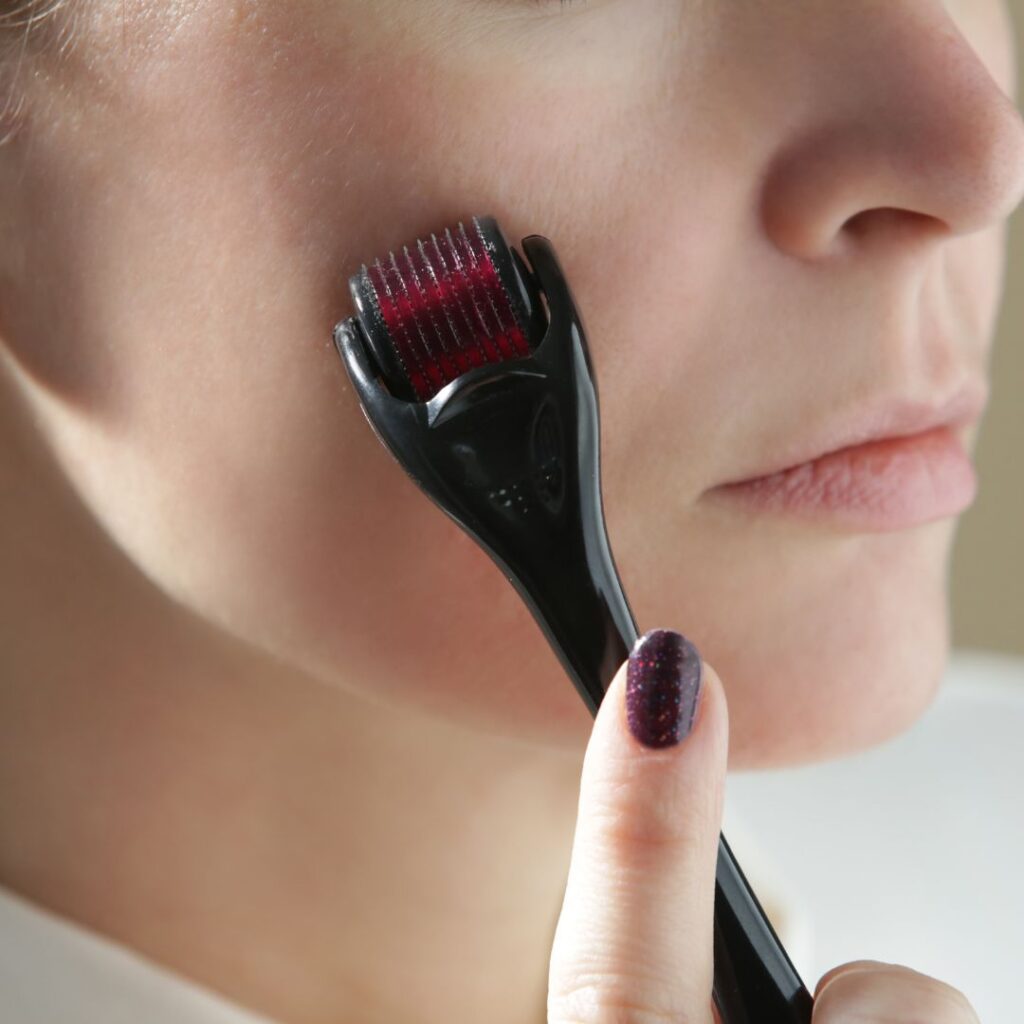
Derma-rolling, or using a derma roller, is a variation of microneedling that involves a rolling device with multiple needles. This method works similarly to microneedling but covers a larger area in a shorter amount of time. The frequency of derma-rolling sessions can follow the same guidelines as microneedling, taking into consideration your skin type and condition.

Stamping Devices

Microneedling stamping devices feature a smaller head with a concentrated cluster of needles. This allows for more precise targeting of specific areas on the skin. Stamping devices are particularly beneficial for concerns such as acne scars, deep wrinkles, or stretch marks. The frequency of treatments will depend on the specific skin concerns and should be discussed with a skincare professional.

Microneedling Pens

Microneedling pens, also known as electronic or automated devices, are handheld devices that rapidly and vertically move the microneedles into the skin. This results in more controlled and consistent punctures compared to manual methods. The frequency of microneedling pen treatments can generally follow the same guidelines as traditional microneedling.

How to Maximize Results

To maximize the results of microneedling, it is beneficial to incorporate certain practices and considerations into your skincare routine.

Using Serums or Topical Products

After microneedling, your skin is primed to absorb topical products more effectively. Take advantage of this by applying serums or other targeted skincare products immediately after your treatment. Ingredients like hyaluronic acid, vitamin C, or peptides can provide additional benefits to support collagen production and skin rejuvenation.

Personalized Skincare Routine

Microneedling is most effective when combined with a personalized skincare routine tailored to your skin’s specific needs. This may include using products that target your concerns, such as acne, hyperpigmentation, or dryness. Additionally, maintaining a consistent and comprehensive skincare routine will help support the results of microneedling treatments.

Combining with Other Treatments

Microneedling can be combined with other aesthetic treatments to enhance the overall results. For example, pairing microneedling with radiofrequency or LED therapy can further boost collagen production and tighten the skin. However, it is crucial to consult with a skincare professional to ensure compatibility and safety when combining treatments.

en_USEnglish