
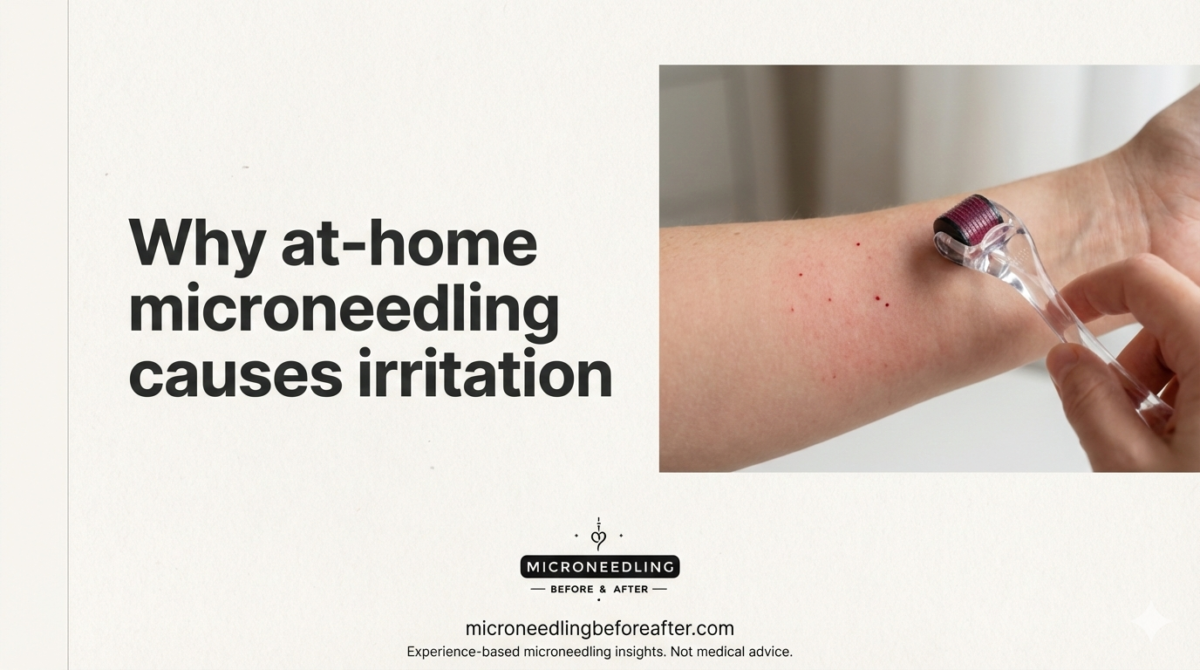
Have I ever used an at-home microneedling tool and wondered why my skin reacted so strongly afterward?
Why At-home Microneedling Causes Irritation
I want to explain clearly why at-home microneedling often leads to irritation, because I’ve seen and heard many stories from people who expected calm recovery and instead got redness, stinging, or worse. I’ll break down the mechanics, the common mistakes, and realistic ways I use (or recommend) to reduce the risk of problems.
My perspective and why this matters
I’ve researched microneedling and followed clinical guidance, and I’ve also talked with people who tried derma rollers and pens at home. I care that readers understand both the benefits and the hazards, so they can make safer decisions.
What microneedling is
Microneedling intentionally creates tiny controlled injuries in the skin using fine needles to stimulate collagen, elastin, and wound-healing responses. I find it helpful to think of it as a controlled reset for the skin’s repair mechanisms that can improve texture, scarring, and product absorption.
How at-home devices differ from professional treatments
Professional microneedling is performed by trained clinicians using medical-grade pens, sterile technique, and appropriate needle lengths tailored to the treatment. I want to stress that at-home devices are typically shorter in needle length and lower in quality control, and they lack the clinical judgment that prevents over-treatment or unsafe use.
Common types of at-home devices
I often see three main categories of devices people use at home: derma rollers (manual rolling devices), battery-powered microneedle pens, and disposable single-use rollers or stamp-style tools. Each one carries different risks in terms of pressure control, sterility, and consistency of treatment.
How microneedling affects the skin
When the skin is punctured by needles, keratinocytes and fibroblasts respond by releasing growth factors and cytokines that promote collagen remodeling and repair. I emphasize that this process is beneficial in controlled settings, but if the injury is excessive or contaminated, it becomes a pathway to irritation, prolonged inflammation, or infection.
Major reasons at-home microneedling causes irritation
I’ll list and explain the most common reasons I see for irritation after at-home use, and I’ll describe how each factor contributes to the problem in a practical way. I want you to be able to identify which factors apply to your situation.
Improper needle length for home use
I know people often think longer needles equal better results, but longer needles increase the depth of injury and the risk of irritation, bleeding, and scarring. I recommend cautious selection and understanding that in many cases, shorter needles (0.25–0.5 mm) are appropriate for improving product absorption and texture without excessive trauma.
Excessive treatment frequency
I’ve seen people microneedle daily or several times a week, believing quicker results will come from more treatments. The skin needs time to heal, and over-treating causes cumulative inflammation, barrier breakdown, and persistent redness.
Poor device quality and non-sterile tools
Low-quality needles that are blunt or uneven can tear the skin rather than create precise punctures, and reused rollers that aren’t sterilized become a breeding ground for bacteria. I always say: the device’s quality and cleanliness are fundamental; a cheap or dirty tool is likely to cause irritation or infection.
Inadequate hygiene and contamination risk
If I don’t clean my tool properly or if I use it on wet or unclean skin, I increase the chance of introducing microbes into microchannels. I’ve seen fungal, bacterial, and herpetic reactivations after microneedling because the barrier was breached while pathogens were present.
Incorrect pressure and poor technique
Applying too much pressure or dragging the device unevenly causes excessive trauma in focal areas. When I press hard or use inconsistent strokes, I see pinpoint bleeding and prolonged inflammation—both of which are common causes of longer-lasting irritation.
Treating active acne, rosacea, or inflammatory skin issues
If I microneedle through an active inflammatory lesion such as acne or a rosacea flare, I risk spreading bacteria and increasing inflammation. I avoid needling through active disease because it provokes worsening of the condition and more irritation.
Combining microneedling with active topical ingredients incorrectly
Some ingredients like retinoids, AHAs, and high-concentration vitamin C used immediately before or after microneedling amplify irritation. I make sure to pause strong actives before treatment and postpone introducing them again until the barrier is restored, because otherwise they increase stinging and sensitivity.
Underlying sensitivity or allergy to products used post-procedure
I’ve seen products marketed as “soothing” that contain fragrances, alcohol, or botanical extracts that trigger allergic or irritant reactions on freshly punctured skin. I recommend using minimal, well-tolerated post-care products because the compromised skin is more reactive.
Lack of knowledge about anatomy and contraindications
I’ve noticed that without understanding areas like thin periorbital skin or lesions prone to scarring, people may treat risky zones inappropriately. I argue that education about safe zones and contraindications is critical to avoid permanent irritation or pigment changes.
Sun exposure before and after treatment
If I expose my treated skin to UV radiation soon after microneedling, I increase the risk of hyperpigmentation and prolonged inflammation. I always plan treatments around sun protection and avoid outdoor exposure for several days.
Sharing devices and reusing single-use tools
Using someone else’s device or reusing single-use tools dramatically raises infection risk. I’m clear: microneedling tools are personal and, for many devices, should not be reused without professional-level sterilization.
Needle length, intended use, and irritation risk
I’ll present a table that summarizes typical needle lengths used at home versus professional use, their common applications, and the relative irritation and safety risk I associate with each option. I find visual summaries help when choosing a device.
| Needle length | Typical home/professional use | Common results | Relative irritation/risk |
|---|---|---|---|
| 0.15–0.25 mm | At-home use for product absorption | Minimal injury, transient redness | Low |
| 0.3–0.5 mm | At-home devices; improve texture and serum penetration | Mild micro-injury, short recovery | Low–Moderate |
| 0.6–1.0 mm | Advanced home devices or professional superficial treatments | More collagen stimulation, higher potential for bleeding | Moderate–High |
| 1.0–2.5 mm | Professional-only for deep scars, wrinkles | Significant tissue injury, requires anesthesia | High; not for home |
I created this table to help me recommend that most people stick to the lower end of the at-home range, because the risk-benefit profile becomes unfavorable as needle length increases.
Signs and symptoms of irritation and when I get concerned
I want you to recognize the difference between expected transient redness and signs that require stopping treatment or seeing a clinician. I’ll list symptoms and urgency so you can make informed decisions about care.
Common, expected immediate effects
I typically expect mild erythema (redness), slight swelling, and tightness for a day or two after an appropriate at-home session. These symptoms should gradually improve and respond to gentle soothing care.
Concerning or severe symptoms
If I see increasing pain, spreading redness, pus, fever, dark discoloration, or blisters, I consider these red flags that suggest infection, herpetic reactivation, or a severe reaction. I seek medical evaluation promptly whenever those signs appear.
Table: Symptoms and action to take
| Symptom | Likely cause | What I would do |
|---|---|---|
| Mild redness, warmth, slight swelling | Normal inflammatory response | Continue gentle care; observe |
| Persistent redness >72 hours | Prolonged inflammation or irritant reaction | Pause treatments; use soothing regimen; consult if not improving |
| Increasing pain, pustules, fever | Infection | Stop treatments; see medical provider urgently |
| Blistering, dark hyperpigmentation | Severe reaction or post-inflammatory change | Stop treatments; see dermatologist |
| Intense itching with rash | Allergic contact dermatitis | Discontinue products; consider antihistamine; see clinician if severe |
I put this table together so I—and you—can quickly decide whether a reaction is routine or requires professional help.
How product selection and timing contribute to irritation
Choosing the right post-procedure products and timing their use is something I take seriously because it impacts healing and irritation risk. I’ll explain which ingredients I avoid and which I find safe.
Ingredients to avoid immediately after microneedling
I avoid retinoids, high-concentration AHAs/BHAs, strong vitamin C formulations, alcohol-based toners, and fragrances directly after needling because they worsen stinging and barrier disruption. I recommend waiting several days to a week, depending on the needle length and how the skin looks.
Ingredients I typically recommend for soothing and healing
I usually select simple ingredients: sterile saline, hyaluronic acid (low concentration), barrier-repair ceramides, panthenol (pro-vitamin B5), and non-fragranced mineral sunscreen after initial recovery. I find these promote hydration and barrier repair without provoking irritation.
Timing: when I reintroduce actives
I generally reintroduce gentle actives like low-strength vitamin C or azelaic acid after 3–7 days if the skin looks healed, but I delay retinoids and strong acids for at least 7–14 days, or until my clinician advises. I also recommend doing a patch test on an uninjured area before returning to a full-face routine.
Prevention: how I reduce the chance of irritation
I’ll outline a practical protocol I follow or recommend to minimize irritation when using at-home microneedling. I prefer clear steps that people can realistically implement.
Device selection and quality check
I choose a reputable brand, preferably with disposable needle cartridges for pens or sterilizable single-use rollers that are confirmed medical-grade stainless steel. I check that needles are thin, sharp, and consistent; blunt or bent needles are unacceptable in my view.
Pre-treatment skin prep I use
I make sure my skin is clean, free of active infections, and not recently exposed to strong exfoliants or retinoids. I cleanse with a gentle, non-irritating cleanser, pat dry, and avoid topical actives for several days leading up to the session.
Technique and pressure control I practice
I use gentle, even pressure, and I never force the device into the skin. I work section by section and stop if I note pinpoint bleeding, because bleeding indicates I’ve gone too deep or pressed too hard.
Hygiene and sterilization routine I follow
I sterilize tools with isopropyl alcohol according to manufacturer guidance, and I do not reuse disposable rollers. I also clean my hands, use fresh towels, and store devices in a clean case to reduce contamination risk.
Frequency and realistic expectations I set
I schedule microneedling sessions at an interval appropriate for the needle length—0.25–0.5 mm sessions every 2–4 weeks as a conservative approach, and longer intervals if using deeper needles. I temper expectations by noting that cumulative improvements take months, and more frequent treatments do not accelerate safe progress.
Aftercare: a step-by-step routine I recommend
I’ll provide a stepwise aftercare routine that I find effective in most cases to minimize irritation and promote healthy healing. Consistency matters more than fancy products.
Immediate (first 24 hours) care
Immediately after treatment I apply sterile saline or a non-sensitizing hydrating serum and avoid makeup, strong topical actives, and hot water. I also avoid sweating and strenuous exercise to reduce infection risk.
Short-term (24–72 hours) care
During days 1–3 I keep my routine simple: gentle cleansing, a simple hydrating cream with ceramides and panthenol, and sunscreen if I must go outside. I avoid exfoliants, retinoids, and alcohol-containing products during this period.
Mid-term (3–7 days) care
Between days 3 and 7 I slowly reintroduce mild products and avoid physical or chemical exfoliation until the skin feels normal. If any signs of irritation persist, I extend the soothing phase and delay active ingredients.
Long-term (>7 days) care
After a week or more—depending on how the skin looks—I gradually reintroduce my full routine, starting with the least irritating active and monitoring for reaction. I maintain daily sun protection to prevent post-inflammatory hyperpigmentation.
Table: Quick aftercare checklist
| Timeframe | Do | Don’t |
|---|---|---|
| 0–24 hrs | Sterile saline, gentle hydration, no makeup | Avoid actives, makeup, sweating |
| 24–72 hrs | Gentle cleansing, barrier repair creams, sunscreen if needed | No retinoids, AHAs/BHAs, or alcohol |
| 3–7 days | Reintroduce gentle actives if healed | No aggressive exfoliation |
| >7 days | Return to normal routine gradually | Avoid harsh procedures until fully recovered |
I use this checklist to keep post-treatment care simple and consistent for safer recovery.
Specific populations and special considerations I watch for
Not every skin type tolerates microneedling the same way, and I pay attention to individual differences that change the risk profile. I’ll describe people who should generally avoid at-home microneedling or take extra precautions.
Sensitive skin and rosacea
If I have sensitive skin or active rosacea, I avoid microneedling at home because the procedure can trigger prolonged flushing, inflammation, and worsening symptoms. I usually refer people with these conditions to a dermatologist for tailored, gentler in-office approaches.
Darker skin tones (risk of hyperpigmentation)
For darker skin tones, I’m cautious because any inflammation increases the risk of post-inflammatory hyperpigmentation (PIH). I recommend conservative needle lengths, excellent sun protection, and pre-treatment guidance from a dermatologist.
Acne-prone or infected skin
When I have active acne or open lesions, I skip microneedling because needling through inflamed pustules spreads bacteria and worsens infection. I treat the underlying acne first and reconsider microneedling only when inflammation is controlled.
History of keloids or hypertrophic scarring
If I know I’m prone to keloids or hypertrophic scars, I generally avoid microneedling at home because trauma can provoke abnormal scarring. I involve a specialist to assess safety before proceeding.
Use during pregnancy or breastfeeding
I exercise caution during pregnancy and breastfeeding because the hormonal changes can affect skin sensitivity and healing, and because many topical actives need to be avoided. I often recommend postponing elective at-home procedures during these times.
What to do if irritation develops despite precautions
I’ll give practical steps I follow or advise if irritation happens, because early and appropriate response can prevent escalation. I aim to provide a simple escalation plan.
Immediate steps I take
I stop microneedling immediately and halt potentially irritating products. I switch to a simple soothing regimen: gentle cleanser, sterile saline, and a bland moisturizer with ceramides and panthenol.
When to use antibiotics or antivirals
If I see signs of bacterial infection (increasing pain, pus, fever), I seek medical evaluation because topical or oral antibiotics may be necessary. If I have a history of cold sores and I notice grouped vesicles, I contact my clinician for possible antiviral therapy promptly.
When to use anti-inflammatory treatments
For persistent inflammation, a clinician may recommend topical corticosteroids for a short period or other anti-inflammatory therapies; I follow medical guidance because steroids have risks if used incorrectly. I personally avoid self-prescribing potent steroids on compromised skin without professional advice.
When to expect gradual recovery
I expect most mild irritations to settle over several days with conservative care, but I allow up to 2 weeks for full resolution depending on needle depth and skin response. If symptoms worsen or do not improve, I don’t hesitate to seek dermatologic evaluation.
Alternatives to at-home microneedling I sometimes recommend
When I’m concerned about risks or if someone has a condition that makes at-home needling inadvisable, I suggest safe alternatives that offer many benefits without the same level of risk.
Professional microneedling (medical setting)
I often recommend professional microneedling because clinicians can safely use longer needles, sterile technique, and adjunctive therapies, and they can manage complications. A professional setting reduces many of the key risks associated with unsupervised treatments.
Non-needling options for collagen stimulation
I suggest options like fractional radiofrequency, chemical peels (with clinician oversight), or topical retinoid programs for people who want gradual improvement without puncturing the skin. I find these alternatives can be effective when matched to skin type and tolerance.
Superficial home treatments that aid texture and absorption
For daily maintenance, I recommend gentle exfoliants used correctly, low-concentration vitamin C serums, and niacinamide-based moisturizers that help texture and tone with less barrier disruption. I emphasize consistency over aggressive home procedures.
Practical checklist I use before attempting at-home microneedling
I provide a concise checklist that I follow before each session to make sure I’m minimizing risk. Having a checklist prevents impulsive or unsafe treatments.
- Confirm skin is free of active infection, open lesions, or acne flares.
- Verify the device is medical-grade, needles are intact, and storage is clean.
- Avoid retinoids and strong acids for at least 3–7 days prior.
- Cleanse thoroughly and work in a clean, low-contamination area.
- Use conservative needle length and gentle pressure.
- Prepare a simple post-care kit: sterile saline, bland moisturizer, sunscreen.
- Plan schedule to avoid sun exposure and strenuous activity for several days.
I use this checklist to keep treatments safe and reproducible.
Common myths I dispel from my experience
I want to correct a few widespread beliefs that lead to problems during at-home microneedling, because misinformation increases risk. I’ll clarify the facts I rely on.
Myth: Longer needles always give better results
I disagree with this—longer needles increase risks and should be reserved for clinicians. I prioritize safe, gradual improvements with minimal complications over aggressive self-treatment.
Myth: More frequent treatments speed results
I find that over-treatment impairs healing and counteracts collagen formation. I recommend reasonable intervals that respect the skin’s healing timeline.
Myth: Disinfecting with quick sprays is enough
I insist on proper sterilization protocols; quick surface sprays may not eliminate all organisms. I follow manufacturer sterilization steps and discard single-use devices.
When I recommend stopping at-home microneedling altogether
I’ll list clear situations where I stop recommending at-home microneedling and direct people to see professionals instead. Safety comes first in my guidance.
- Persistent or worsening skin irritation despite conservative care.
- History of severe scarring or keloid formation.
- Active inflammatory skin disease (severe acne, uncontrolled rosacea, eczema flares).
- Pregnancy with unstable skin sensitivity or clinician advice to avoid elective procedures.
- Recurrent infections or poor wound healing. I prefer medical oversight when any of these factors are present.
Final thoughts and practical takeaways
I hope this detailed guide helps you understand why at-home microneedling often causes irritation and how I work to reduce those risks. I encourage careful device selection, conservative technique, excellent hygiene, and a simple post-care routine—and I don’t hesitate to recommend professional care when needed.
Quick summary I keep in mind
Start with short needles, space treatments sensibly, avoid active actives around the session, keep everything immaculately clean, and stop if unusual symptoms arise. I believe that with the right precautions, at-home microneedling can be used safely by some, but it’s not risk-free and demands respect for the skin’s healing process.


 English
  Spanish