
google.com, pub-2032008856654686, DIRECT, f08c47fec0942fa0

Red Light Therapy After Microneedling

Discover the benefits of incorporating red light therapy after microneedling in your skincare routine. Learn how it can enhance collagen production, reduce inflammation, and accelerate healing for smoother, more youthful-looking skin. Find out how to choose the right device and follow proper precautions for optimal results.

After undergoing microneedling treatments, many individuals turn to red light therapy as a follow-up treatment. But what exactly is red light therapy, and how does it complement microneedling? In this article, I will delve into the benefits of incorporating red light therapy into your post-microneedling skincare routine.

What is red light therapy?

Red light therapy, also known as low-level light therapy (LLLT) or photobiomodulation, is a non-invasive treatment that utilizes specific wavelengths of red light to promote healing and rejuvenation in the skin. This therapy has been studied for its positive effects on accelerating tissue repair, reducing inflammation, and stimulating collagen production.

Benefits of red light therapy after microneedling

Red light therapy can be an excellent addition to your post-microneedling skincare routine due to its numerous benefits.

Enhanced collagen production

By stimulating collagen production, red light therapy can help improve the elasticity and firmness of your skin. This is crucial after microneedling, as the treatment creates micro-injuries in the skin that trigger the body’s natural healing process, leading to increased collagen production. Red light therapy can further enhance this effect, promoting smoother and more youthful-looking skin.

Reduced inflammation and redness

Microneedling can leave the skin temporarily inflamed and red, especially right after the treatment. Red light therapy’s anti-inflammatory properties can help soothe the skin, reducing redness and inflammation. This can lead to quicker healing and a more comfortable post-treatment experience.

Accelerated healing

The combination of microneedling and red light therapy can speed up the skin’s healing process. Red light therapy has been shown to enhance cell regeneration and tissue repair, helping the skin recover faster from the micro-injuries caused by microneedling. This can result in reduced downtime and faster visible results.

Improved skin texture and tone

Red light therapy can help improve the overall texture and tone of your skin. By promoting circulation and increasing oxygen flow to the skin cells, this therapy can enhance the skin’s radiance and vitality. When combined with microneedling, which already improves skin texture by stimulating collagen production, red light therapy can further enhance the results, leaving your skin looking smoother and more even-toned.

Long-term anti-aging benefits

Both microneedling and red light therapy are known for their anti-aging benefits. Microneedling helps reduce fine lines, wrinkles, and sagging skin by stimulating collagen production, while red light therapy promotes collagen synthesis and skin rejuvenation. By combining these two treatments, you can achieve long-lasting anti-aging effects, maintaining a youthful and radiant complexion.

How to incorporate red light therapy into your post-microneedling skincare routine

Now that you understand the benefits of red light therapy after microneedling, you may be wondering how to incorporate this treatment into your skincare routine effectively.

Timing of red light therapy

It is essential to wait a few days after microneedling before starting red light therapy. Give your skin some time to heal from the microneedling treatment before introducing red light therapy. Typically, it is recommended to wait 3-5 days before starting red light therapy post-microneedling.

Frequency of red light therapy sessions

The frequency of red light therapy sessions can vary depending on your skin’s needs and the specific device you are using. In general, it is recommended to start with 2-3 sessions per week for the first few weeks, then gradually reduce the frequency to 1-2 sessions per week for maintenance. Consistency is key when it comes to seeing optimal results, so make sure to stick to a regular schedule.

Duration of red light therapy sessions

The duration of each red light therapy session can range from a few minutes to 20-30 minutes, depending on the intensity of the device and the specific treatment protocol. Follow the instructions provided with your red light therapy device for the recommended session duration. It is essential not to overdo it, as excessive exposure to red light can have adverse effects on the skin.

Follow-up skincare routine

In addition to red light therapy, it is crucial to maintain a proper skincare routine after microneedling. This includes gentle cleansing, moisturizing, and sun protection to aid in the skin’s healing process and protect it from environmental damage. Make sure to use products that are suitable for post-microneedling care, as your skin may be more sensitive during this time.

Choosing the right red light therapy device

When incorporating red light therapy into your post-microneedling skincare routine, it is essential to choose the right device for your needs. There are various red light therapy devices available on the market, ranging from handheld devices to professional-grade panels.

Handheld red light therapy devices

Handheld red light therapy devices are convenient and easy to use, making them ideal for at-home treatments. These devices typically emit low-level red light and can be used on specific areas of the skin. They are portable and cost-effective, making them a popular choice for personal skincare routines.

Professional-grade red light therapy panels

Professional-grade red light therapy panels are more powerful and cover a larger surface area, making them suitable for full-body treatments. These panels are often used in professional settings, such as spas and dermatology clinics, but some individuals choose to invest in them for at-home use. Professional-grade panels can provide more intense red light therapy sessions, leading to potentially faster and more significant results.

Combination red light therapy devices

Some red light therapy devices combine red light with other wavelengths, such as near-infrared or blue light. These combination devices offer a broader range of benefits, targeting different skin concerns. Depending on your specific skincare needs, you may opt for a combination device that can address multiple issues simultaneously.

Consultation with a skincare professional

If you are unsure about which red light therapy device is best for you, consider consulting with a skincare professional or dermatologist. They can assess your skin type, concerns, and treatment goals to recommend the most suitable device for your needs. A skincare professional can also provide guidance on how to incorporate red light therapy into your skincare routine effectively.

Potential side effects and precautions

While red light therapy is generally considered safe and well-tolerated, there are some potential side effects and precautions to keep in mind when using this treatment after microneedling.

Skin sensitivity

After microneedling, your skin may be more sensitive than usual. When starting red light therapy, it is essential to adjust the intensity and duration of the sessions to avoid irritating the skin. If you experience any discomfort or increased sensitivity, reduce the frequency or duration of the sessions until your skin adjusts.

Eye protection

Red light therapy devices emit bright light that can be harmful to your eyes. It is crucial to wear proper eye protection, such as goggles or glasses, when using red light therapy to shield your eyes from exposure. This precaution is especially important when using high-intensity red light therapy devices or professional-grade panels.

Consultation with a healthcare provider

If you have any underlying health conditions or concerns about using red light therapy after microneedling, it is advisable to consult with a healthcare provider before starting this treatment. They can provide personalized guidance based on your medical history and ensure that red light therapy is safe for you to use.

Conclusion

Incorporating red light therapy into your post-microneedling skincare routine can enhance the benefits of both treatments, leading to improved skin texture, tone, and overall quality. By understanding the benefits of red light therapy, choosing the right device, and following proper precautions, you can maximize the results of your skincare routine and maintain healthy, radiant skin. If you are considering adding red light therapy to your post-microneedling regimen, consult with a skincare professional for personalized recommendations and guidance.

Red Bumps After Microneedling

Learn why you might get red bumps after microneedling, possible causes, prevention tips, and when to seek medical attention in this informative post.

Red Bumps After Microneedling
Microneedling is a popular cosmetic procedure that involves puncturing the skin with tiny, sterile needles to stimulate collagen production. While this treatment can have many benefits for the skin, some individuals may experience red bumps after undergoing microneedling. In this article, we will explore the potential causes of red bumps after microneedling, how to prevent them, and when to seek medical attention.

Understanding Microneedling and its Effects on the Skin
Before delving into the issue of red bumps post-microneedling, it’s essential to understand how microneedling works and its impact on the skin. During a microneedling session, a device with tiny needles is used to create controlled micro-injuries to the skin. This process triggers the skin’s natural healing response, stimulating collagen and elastin production and promoting skin rejuvenation.

While microneedling can lead to improvements in skin texture, tone, and overall appearance, it is not uncommon for individuals to experience redness, swelling, and sensitivity immediately following the treatment. These are normal side effects of the procedure and typically subside within a few days as the skin undergoes the healing process.

Possible Causes of Red Bumps After Microneedling
If you notice red bumps on your skin after microneedling, several factors could be contributing to this reaction. It’s essential to consider these potential causes to determine the best course of action to address the issue effectively.

1. Skin Sensitivity and Irritation
One common cause of red bumps after microneedling is Skin Sensitivity and Irritation. The skin may react to the microneedling process, leading to redness, inflammation, and the formation of small bumps. This reaction can be more pronounced in individuals with sensitive skin or those prone to reactive responses.

2. Allergic Reaction to Products
Another possible cause of red bumps after microneedling is an allergic reaction to skincare products used during or after the treatment. Some individuals may be sensitive to certain ingredients, leading to irritation, redness, and the development of bumps on the skin. It’s important to review the skincare products used before and after microneedling to identify any potential allergens.

3. Microbial Infection
In rare cases, red bumps after microneedling may be a sign of microbial infection. If proper sterilization protocols are not followed during the procedure or if the skin is not adequately cleaned and cared for post-treatment, bacteria can enter the micro-injuries created by the needles, leading to infection. This can manifest as red, inflamed bumps that may be warm to the touch and tender.

How to Prevent Red Bumps After Microneedling
While experiencing red bumps after microneedling can be concerning, there are steps you can take to prevent this issue and promote optimal healing and skin rejuvenation. By following these guidelines, you can minimize the risk of red bumps and other adverse reactions post-microneedling.

1. Choose a Qualified and Experienced Professional
One of the most critical factors in preventing red bumps after microneedling is choosing a qualified and experienced professional to perform the procedure. A skilled practitioner will follow strict hygiene protocols, use high-quality equipment, and customize the treatment based on your skin type and concerns. By selecting a reputable provider, you can ensure a safe and effective microneedling experience.

2. Follow Pre- and Post-Treatment Guidelines
To reduce the likelihood of red bumps and other skin reactions after microneedling, it’s essential to follow pre- and post-treatment guidelines provided by your skincare specialist. This may include avoiding certain skincare products, sun exposure, and strenuous activities before and after the procedure. Additionally, adhere to the recommended aftercare routine, which may involve gentle cleansing, moisturizing, and sun protection to support skin healing.

3. Use Gentle and Non-Irritating Skincare Products
Incorporating gentle and non-irritating skincare products into your routine can help prevent red bumps and irritation after microneedling. Opt for fragrance-free, hypoallergenic products that are suitable for sensitive skin to minimize the risk of allergic reactions. Avoid harsh exfoliants, acids, and retinoids immediately following microneedling to prevent further irritation.

4. Maintain Proper Hygiene Practices
Proper hygiene practices are essential for preventing infections and complications after microneedling. Ensure that your skin is clean before the procedure, and follow any disinfection protocols recommended by your skincare specialist. After microneedling, avoid touching your face with unwashed hands and use clean towels and pillowcases to prevent the introduction of bacteria to the skin.

When to Seek Medical Attention
While red bumps after microneedling are typically a temporary and benign side effect, there are instances where seeking medical attention is warranted. If you experience severe pain, worsening redness, pus drainage, or signs of infection such as fever or chills, contact your healthcare provider promptly. These symptoms may indicate a more serious complication that requires professional evaluation and treatment.

In conclusion, red bumps after microneedling can occur for various reasons, ranging from skin sensitivity and irritation to microbial infection. By understanding the potential causes and taking preventive measures, you can reduce the likelihood of experiencing red bumps post-microneedling and promote optimal skin healing. If you have concerns about red bumps or other adverse reactions after microneedling, consult with your skincare specialist or healthcare provider for proper evaluation and guidance.

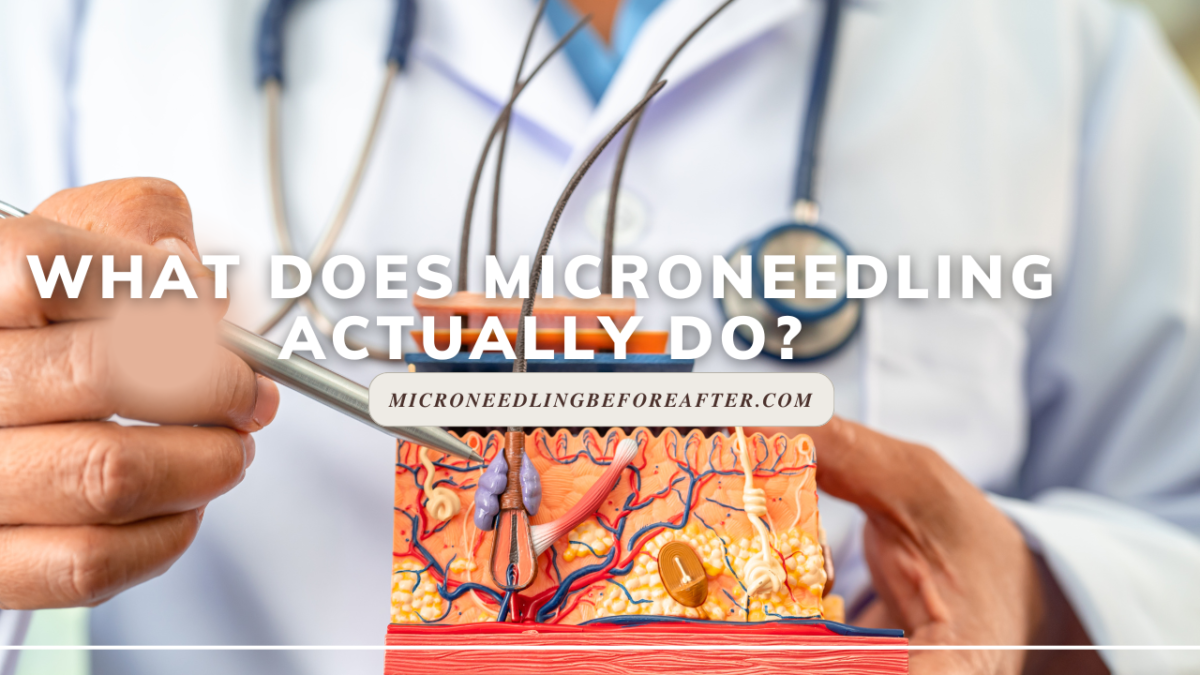
What Does Microneedling Actually Do?

Discover the benefits of microneedling for your skin. Learn how this popular skincare treatment can improve texture, tone, and reduce scars.

What Does Microneedling Actually Do?

Microneedling is a popular skincare treatment that involves using a device with fine needles to create micro-injuries in the skin. But what does microneedling actually do for your skin? In this article, I will delve into the benefits, process, and results of microneedling to help you understand its impact on your skin.

Understanding Microneedling
Microneedling, also known as collagen induction therapy, is a minimally invasive cosmetic procedure that is used to treat various skin concerns, including wrinkles, acne scars, large pores, and uneven skin tone. During the microneedling procedure, a device called a dermaroller or a microneedling pen is used to create controlled micro-injuries in the skin’s surface.

How Microneedling Works
By creating these tiny punctures in the skin, microneedling stimulates the skin’s natural healing process, triggering the production of collagen and elastin. Collagen is a protein that helps maintain the skin’s firmness and elasticity, while elastin is responsible for skin resilience and flexibility. The production of these two essential proteins helps improve the overall texture and appearance of the skin.

Benefits of Microneedling
The primary Benefits of Microneedling include:

Reducing the appearance of fine lines and wrinkles
Improving skin texture and tone
Minimizing the appearance of acne scars
Shrinking enlarged pores
Enhancing the absorption and efficacy of skincare products

Is Microneedling Safe?
Microneedling is considered a safe and effective treatment when performed by a trained and licensed skincare professional. However, there are some risks associated with microneedling, such as infection, scarring, and pigmentation changes. It is essential to consult with a skincare professional to determine if microneedling is suitable for your skin type and concerns.

The Microneedling Process
Before the Procedure
Before undergoing a microneedling treatment, it is essential to prepare your skin to maximize the results and minimize any potential risks. Your skincare professional will provide you with pre-treatment instructions, which may include avoiding certain skincare products or medications that can increase skin sensitivity.

During the Procedure
The microneedling procedure typically takes about 30-60 minutes, depending on the size of the treatment area. Your skincare professional will apply a numbing cream to your skin to minimize discomfort during the treatment. The microneedling device is then passed over the skin in a controlled manner to create micro-injuries.

Aftercare
After the microneedling procedure, your skin may appear red and slightly swollen, similar to a mild sunburn. Your skincare professional will provide you with post-treatment instructions to help your skin heal properly and maximize the results. It is essential to avoid direct sun exposure and use gentle skincare products to support the healing process.

Microneedling Results
Immediate Results
After a microneedling treatment, you may notice immediate improvements in your skin’s texture and tone. The micro-injuries created during the procedure stimulate collagen production, giving your skin a natural glow and radiance. Many patients report smoother, firmer skin immediately after their microneedling session.

Long-Term Results
The full benefits of microneedling are typically seen in the weeks following the procedure as collagen production continues to increase. Over time, you may notice a reduction in the appearance of fine lines, wrinkles, acne scars, and enlarged pores. With regular microneedling sessions, you can maintain healthy, youthful-looking skin.

Number of Sessions
The number of microneedling sessions needed to achieve optimal results may vary depending on your skin concerns and goals. Most skincare professionals recommend a series of 3-6 treatments spaced 4-6 weeks apart for best results. Maintenance treatments every 6-12 months can help prolong the benefits of microneedling.

Conclusion
Microneedling is a versatile skincare treatment that offers numerous benefits for a variety of skin concerns. By stimulating collagen production and improving skin texture, microneedling can help you achieve smoother, firmer, and more youthful-looking skin. If you are considering microneedling as part of your skincare routine, consult with a licensed skincare professional to assess your skin’s needs and create a customized treatment plan.

en_USEnglish