google.com, pub-2032008856654686, DIRECT, f08c47fec0942fa0

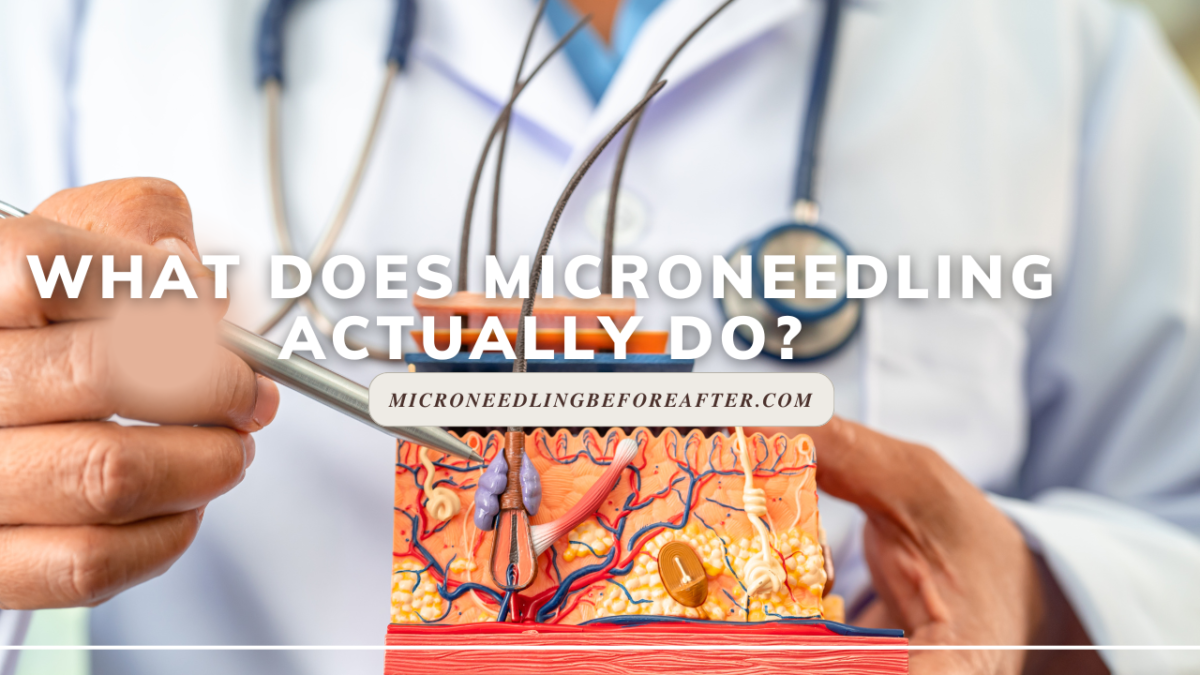
What Does Microneedling Actually Do?

Discover the benefits of microneedling for your skin. Learn how this popular skincare treatment can improve texture, tone, and reduce scars.

What Does Microneedling Actually Do?

Microneedling is a popular skincare treatment that involves using a device with fine needles to create micro-injuries in the skin. But what does microneedling actually do for your skin? In this article, I will delve into the benefits, process, and results of microneedling to help you understand its impact on your skin.

Understanding Microneedling
Microneedling, also known as collagen induction therapy, is a minimally invasive cosmetic procedure that is used to treat various skin concerns, including wrinkles, acne scars, large pores, and uneven skin tone. During the microneedling procedure, a device called a dermaroller or a microneedling pen is used to create controlled micro-injuries in the skin’s surface.

How Microneedling Works
By creating these tiny punctures in the skin, microneedling stimulates the skin’s natural healing process, triggering the production of collagen and elastin. Collagen is a protein that helps maintain the skin’s firmness and elasticity, while elastin is responsible for skin resilience and flexibility. The production of these two essential proteins helps improve the overall texture and appearance of the skin.

Benefits of Microneedling
The primary Benefits of Microneedling include:

Reducing the appearance of fine lines and wrinkles
Improving skin texture and tone
Minimizing the appearance of acne scars
Shrinking enlarged pores
Enhancing the absorption and efficacy of skincare products

Is Microneedling Safe?
Microneedling is considered a safe and effective treatment when performed by a trained and licensed skincare professional. However, there are some risks associated with microneedling, such as infection, scarring, and pigmentation changes. It is essential to consult with a skincare professional to determine if microneedling is suitable for your skin type and concerns.

The Microneedling Process
Before the Procedure
Before undergoing a microneedling treatment, it is essential to prepare your skin to maximize the results and minimize any potential risks. Your skincare professional will provide you with pre-treatment instructions, which may include avoiding certain skincare products or medications that can increase skin sensitivity.

During the Procedure
The microneedling procedure typically takes about 30-60 minutes, depending on the size of the treatment area. Your skincare professional will apply a numbing cream to your skin to minimize discomfort during the treatment. The microneedling device is then passed over the skin in a controlled manner to create micro-injuries.

Aftercare
After the microneedling procedure, your skin may appear red and slightly swollen, similar to a mild sunburn. Your skincare professional will provide you with post-treatment instructions to help your skin heal properly and maximize the results. It is essential to avoid direct sun exposure and use gentle skincare products to support the healing process.

Microneedling Results
Immediate Results
After a microneedling treatment, you may notice immediate improvements in your skin’s texture and tone. The micro-injuries created during the procedure stimulate collagen production, giving your skin a natural glow and radiance. Many patients report smoother, firmer skin immediately after their microneedling session.

Long-Term Results
The full benefits of microneedling are typically seen in the weeks following the procedure as collagen production continues to increase. Over time, you may notice a reduction in the appearance of fine lines, wrinkles, acne scars, and enlarged pores. With regular microneedling sessions, you can maintain healthy, youthful-looking skin.

Number of Sessions
The number of microneedling sessions needed to achieve optimal results may vary depending on your skin concerns and goals. Most skincare professionals recommend a series of 3-6 treatments spaced 4-6 weeks apart for best results. Maintenance treatments every 6-12 months can help prolong the benefits of microneedling.

Conclusion
Microneedling is a versatile skincare treatment that offers numerous benefits for a variety of skin concerns. By stimulating collagen production and improving skin texture, microneedling can help you achieve smoother, firmer, and more youthful-looking skin. If you are considering microneedling as part of your skincare routine, consult with a licensed skincare professional to assess your skin’s needs and create a customized treatment plan.

Why Is My Skin Darker After Microneedling

“Why Is My Skin Darker After Microneedling?

Learn why your skin appears darker after microneedling and how to address it. Understand the causes, duration, prevention, and treatment of skin discoloration.

Understanding Microneedling and Skin Discoloration

Microneedling is a popular skin rejuvenation treatment that involves the use of small needles to create microscopic injuries in the skin, promoting collagen production and skin cell turnover. While microneedling is generally safe and effective, some patients may experience temporary skin discoloration following the procedure. In this article, I will explore the reasons why your skin may appear darker after microneedling and what you can do to address this concern.

What Causes Skin Darkening After Microneedling?

The skin darkening that some individuals experience after microneedling is known as post-inflammatory hyperpigmentation (PIH). PIH occurs when the skin produces excess melanin in response to injury or inflammation. In the case of microneedling, the tiny punctures made in the skin can trigger this melanin production, leading to a darkening of the skin in the treated areas.

How Long Does Skin Darkening Last?

The duration of skin darkening after microneedling can vary from person to person. In most cases, the discoloration should fade within a few days to a week. However, some individuals may experience prolonged skin darkening that can last for several weeks or even months. It’s essential to be patient and allow your skin time to heal and regenerate properly.

Preventing Skin Darkening After Microneedling

If you are concerned about experiencing skin darkening after microneedling, there are several steps you can take to minimize the risk of developing PIH. Here are some strategies to help prevent skin discoloration post-treatment:

Avoid Sun Exposure

One of the most critical steps you can take to prevent skin darkening after microneedling is to protect your skin from sun exposure. Ultraviolet (UV) rays can exacerbate pigmentation issues and slow down the skin’s healing process. Make sure to wear sunscreen with a high SPF, seek shade when outdoors, and wear protective clothing to shield your skin from the sun.

Use Gentle Skincare Products

Following microneedling, it’s essential to use gentle skincare products that will not irritate or inflame the skin further. Avoid using harsh exfoliants, acids, or abrasive cleansers that can aggravate the skin and trigger melanin production. Instead, opt for soothing and hydrating skincare products that will help support the skin’s healing process.

Follow Your Post-Care Instructions

Your skincare provider will provide you with detailed post-care instructions to follow after your microneedling treatment. These instructions may include specific guidelines on how to cleanse your skin, which skincare products to use, and how to protect your skin from external factors. By following these instructions diligently, you can help ensure optimal healing and reduce the risk of skin darkening.

Addressing Skin Darkening After Microneedling

If you have already experienced skin darkening following microneedling, there are several steps you can take to address this concern and promote skin lightening. Here are some strategies to help fade discoloration and restore a more even complexion:

Use Skin-Lightening Agents

Skin-lightening agents can help reduce melanin production and fade dark spots on the skin. Ingredients such as hydroquinone, kojic acid, arbutin, and vitamin C are known to have skin-brightening properties and can help even out skin tone. Consult with your skincare provider to determine the most suitable skin-lightening products for your skin type.

Incorporate Retinol Into Your Skincare Routine

Retinol, a derivative of vitamin A, is known for its skin-renewing and exfoliating properties. By incorporating retinol into your skincare routine, you can promote cell turnover, fade dark spots, and improve overall skin texture. Start with a low concentration of retinol and gradually increase the strength to minimize irritation and maximize results.

Consider Professional Skin Treatments

If over-the-counter skincare products are not providing the desired results, you may consider undergoing professional skin treatments to address skin darkening after microneedling. Procedures such as chemical peels, laser therapy, and microdermabrasion can help lighten dark spots, improve skin tone, and promote collagen production. Consult with a dermatologist or skincare provider to determine the most appropriate treatment option for your specific concerns.

Conclusion

In conclusion, experiencing skin darkening after microneedling is a common concern that can be addressed with the right approach. By understanding the causes of skin discoloration post-treatment and implementing preventive measures, you can minimize the risk of developing post-inflammatory hyperpigmentation (PIH). If skin darkening does occur, there are several strategies you can employ to fade discoloration and restore a more even complexion. Remember to be patient, consistent with your skincare routine, and consult with a skincare professional for personalized recommendations. With time and proper care, your skin can regain its natural glow and radiance.

Can I Use Vitamin A Serum After Microneedling?

When it comes to skincare routines, the combination of microneedling and vitamin A serum is becoming increasingly popular. But can you use vitamin A serum immediately after microneedling? In this article, I will provide detailed information on the benefits and risks of incorporating vitamin A serum into your post-microneedling skincare regimen.

Understanding Microneedling

Microneedling, also known as collagen induction therapy, is a cosmetic procedure that involves the use of small, fine needles to create tiny punctures in the skin. These micro-injuries stimulate the skin’s natural healing process, promoting the production of collagen and elastin. Microneedling can improve the appearance of fine lines, wrinkles, acne scars, hyperpigmentation, and overall skin texture.

The Science behind Microneedling

Microneedling works by triggering the skin’s healing response. The controlled injury caused by the tiny needles stimulates the production of collagen and elastin, which are essential for maintaining the skin’s firmness and elasticity. As the skin heals, new skin cells are generated, resulting in smoother, more youthful-looking skin.

Benefits of Using Vitamin A Serum

Vitamin A, also known as retinol, is a potent ingredient that offers a wide range of benefits for the skin. When used topically, vitamin A can help improve skin texture, reduce the appearance of fine lines and wrinkles, and promote overall skin health. Incorporating vitamin A serum into your skincare routine can enhance the results of microneedling and support the skin’s healing process.

How Vitamin A Works

Vitamin A is a powerful antioxidant that can help neutralize free radicals, which can cause damage to the skin cells. It also promotes cell turnover, which can help improve the skin’s texture and tone. By stimulating collagen production, vitamin A can help reduce the appearance of wrinkles and fine lines, giving the skin a more youthful appearance.

Can I Use Vitamin A Serum After Microneedling?

After undergoing a microneedling treatment, it is crucial to follow the post-care instructions provided by your skincare professional. In general, it is safe to use vitamin A serum after microneedling, but there are a few important considerations to keep in mind.

Timing is Key

It is recommended to wait at least 24 hours after microneedling before applying vitamin A serum to the skin. This waiting period allows the skin to heal and reduces the risk of irritation or inflammation. Starting vitamin A serum too soon after microneedling can increase the likelihood of adverse reactions, such as redness, peeling, or sensitivity.

Patch Test

Before applying vitamin A serum to the entire face, it is advisable to perform a patch test to determine how the skin will react. Apply a small amount of the serum to a discreet area, such as the jawline, and monitor the skin for any signs of redness, itching, or irritation. If no adverse reactions occur, it is safe to use the serum on the rest of the face.

Consult with a Professional

If you have any concerns about using vitamin A serum after microneedling, it is best to consult with your skincare professional. They can provide personalized recommendations based on your skin type, tolerance to active ingredients, and the specific microneedling treatment you received. Your skincare professional can also recommend the appropriate concentration of vitamin A serum for your skincare goals.

Microneedling Certification

Tips for Using Vitamin A Serum After Microneedling

To maximize the benefits of vitamin A serum after microneedling, it is essential to use the product correctly. Here are some tips to consider when incorporating vitamin A serum into your post-microneedling skincare routine.

Start Slow

If you are new to using vitamin A serum, it is essential to start slow and gradually increase the frequency of application. Begin by using the serum once or twice a week and then gradually increase to every other night, depending on how your skin responds. This gradual approach can help minimize the risk of irritation or skin sensitivity.

Use Sun Protection

Vitamin A can increase the skin’s sensitivity to sunlight, making it more prone to sun damage. It is crucial to use a broad-spectrum sunscreen with SPF 30 or higher to protect the skin from harmful UV rays. Apply sunscreen daily, even on cloudy days, to prevent sunburn, premature aging, and other skin damage.

Hydrate the Skin

Vitamin A serum can be drying to the skin, especially if you are using a high concentration of retinol. To prevent dryness and irritation, it is essential to hydrate the skin with a moisturizer that is suitable for your skin type. Look for a moisturizer that contains hydrating ingredients, such as hyaluronic acid or ceramides, to maintain the skin’s moisture barrier.

Potential Risks of Using Vitamin A Serum After Microneedling

While using vitamin A serum after microneedling can offer numerous benefits for the skin, there are some potential risks to consider. It is essential to be aware of these risks and take the necessary precautions to minimize them.

Skin Irritation

Vitamin A serum, particularly those with higher concentrations of retinol, can cause skin irritation, redness, peeling, or sensitivity. These side effects are more likely to occur if the serum is applied too soon after microneedling or if the skin is not adequately hydrated. If you experience any adverse reactions, discontinue the use of the serum and consult with your skincare professional.

Increased Sensitivity

Microneedling can increase the skin’s sensitivity, making it more vulnerable to active ingredients in skincare products. Using vitamin A serum immediately after microneedling can exacerbate this sensitivity and lead to irritation or inflammation. It is essential to wait until the skin has fully healed before introducing vitamin A serum into your skincare routine.

Over-Exfoliation

Vitamin A serum has exfoliating properties that can help improve the skin’s texture and tone. However, using vitamin A serum too frequently or in combination with other exfoliating products, such as scrubs or acids, can lead to over-exfoliation. Over-exfoliation can compromise the skin’s barrier function, resulting in redness, irritation, or increased sensitivity. It is essential to use vitamin A serum as directed and avoid overdoing it.

Conclusion

In conclusion, using vitamin A serum after microneedling can be beneficial for improving the skin’s texture, reducing the appearance of wrinkles, and promoting overall skin health. By following the guidelines provided in this article, you can safely incorporate vitamin A serum into your post-microneedling skincare routine and achieve glowing, youthful-looking skin. Remember to be patient, start slow, and listen to your skin’s needs to ensure a successful and effective skincare regimen. If you have any concerns or questions about using vitamin A serum after microneedling, do not hesitate to consult with your skincare professional for personalized recommendations and guidance.

en_USEnglish