
google.com, pub-2032008856654686, DIRECT, f08c47fec0942fa0

How Painful Is Microneedling?

Discover the truth about the pain levels of microneedling in this informative post. From understanding the procedure to managing discomfort and exploring patient experiences, learn all about the potential pain associated with this popular skincare treatment.

Microneedling has been gaining popularity as a skincare treatment, but have you ever wondered just how painful it can be? Whether you’re considering trying it for the first time or curious about the sensations involved, this article will shed light on the true level of discomfort microneedling may cause. From a friendly perspective, get ready to learn about the potential pain associated with this innovative cosmetic procedure.
How Painful Is Microneedling?

Understanding Microneedling

Definition of microneedling

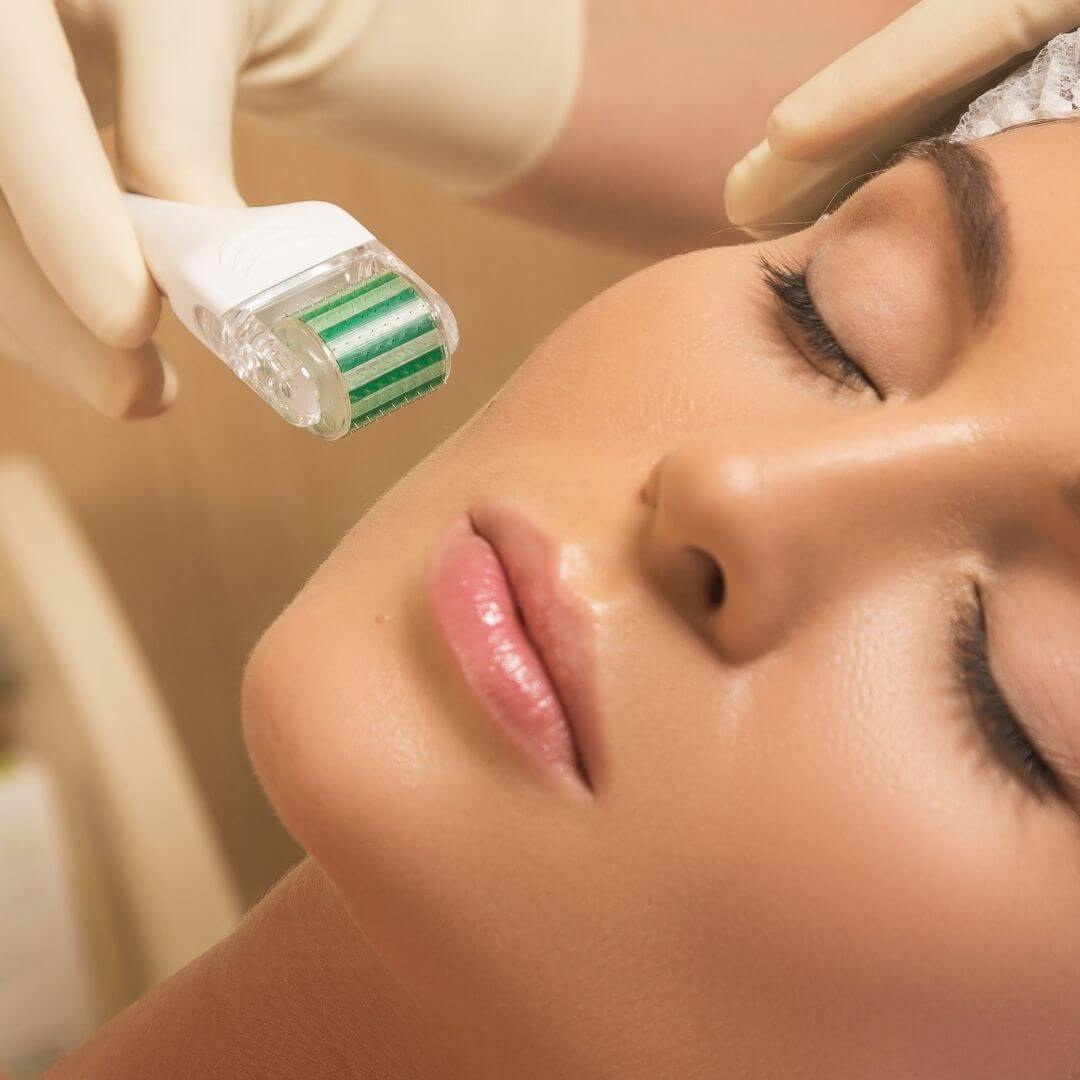
Microneedling is a cosmetic procedure that involves the use of a small handheld device with tiny needles. These needles create controlled micro-injuries to the skin, stimulating the body’s natural healing process and promoting the production of collagen and elastin. The procedure is also known as collagen induction therapy.

Purpose of microneedling

The main purpose of microneedling is to improve the overall appearance and health of the skin. By creating micro-channels in the skin, microneedling allows for better absorption of skincare products, enhancing their effectiveness. It can address various skin concerns, such as wrinkles, fine lines, acne scars, hyperpigmentation, and uneven skin texture.

Microneedling process

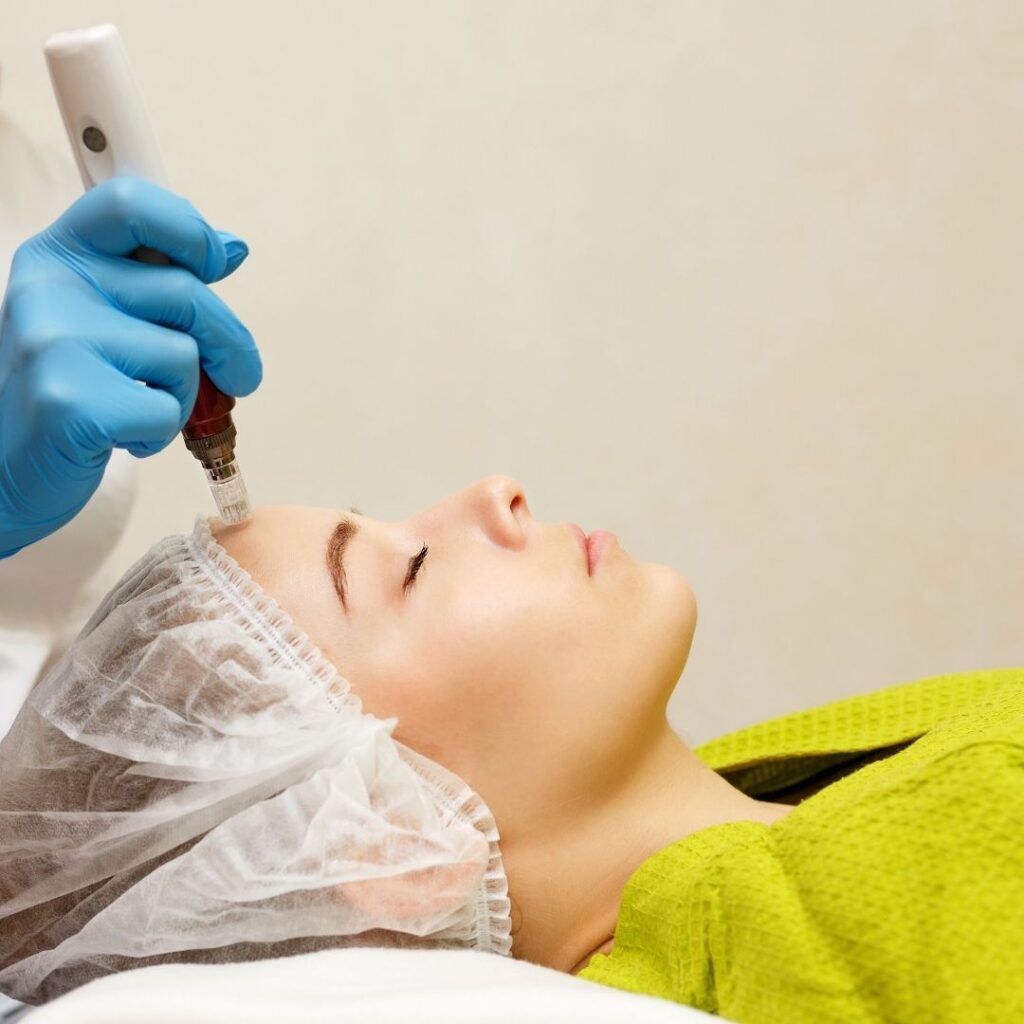
During a microneedling session, a certified professional will carefully glide the device with tiny needles over the skin, creating controlled micro-injuries. These micro-injuries trigger the skin’s repair mechanism, stimulating collagen and elastin production. The procedure typically takes about 30 minutes to an hour, depending on the size of the treated area. The skin may appear slightly red and feel sensitive immediately after the procedure, but it usually subsides within a few hours.

Factors Affecting Pain Perception

Individual pain tolerance

The level of pain experienced during microneedling can vary from person to person due to individual pain tolerance. Some individuals may have a higher pain threshold and perceive the procedure as mildly uncomfortable, while others may experience more significant discomfort. Understanding your own pain threshold can help manage expectations and determine the best approach to alleviate any potential pain.

Size of the needles

The size of the needles used during microneedling can impact the level of pain experienced. Generally, smaller needles (around 0.25mm to 0.5mm) are used for superficial treatments, while longer needles (around 1.0mm to 2.5mm) are used for deeper penetration. The shorter needles are generally associated with less discomfort, while the longer needles may cause more noticeable sensations.

Depth of needle penetration

The depth of needle penetration also plays a role in pain perception during microneedling. Deeper penetration can result in more significant discomfort, as the needles reach closer to the nerve endings in the skin. However, it is important to note that deeper needle penetration may be necessary for certain skin concerns, such as acne scars or deep wrinkles. Discussing the appropriate depth with a certified professional can help ensure optimal results while minimizing discomfort.

Numbing creams or anesthesia

To manage pain during microneedling, numbing creams or anesthesia can be used. Numbing creams are applied topically before the procedure to desensitize the skin and minimize any discomfort. Some professionals may also offer the option of local anesthesia injections for more extensive treatments, ensuring a pain-free experience. Discussing these options with your specialist can help determine the most suitable approach for your specific needs.

How Painful Is Microneedling?

Mild Discomfort or Pain?

Mild discomfort during microneedling

Many individuals describe the sensation experienced during microneedling as mild discomfort rather than pain. The feeling is often likened to a slight scratch or tingling sensation on the skin. Some areas of the face may be more sensitive than others, such as the forehead or upper lip. However, the discomfort is usually tolerable for most individuals, and the potential benefits outweigh the temporary sensations.

Potential pain during microneedling

While most individuals experience mild discomfort during microneedling, it is also possible to experience pain, especially when deeper needle penetration is required. Pain during the procedure can range from a stinging sensation to a more intense pricking feeling. It is essential to communicate any discomfort with the specialist performing the treatment so that adjustments can be made to ensure a more comfortable experience.

Differences in pain perception

It is important to remember that pain perception is subjective and can vary from person to person. Factors such as individual pain tolerance, anxiety levels, and the specific areas being treated can influence the way pain is experienced during microneedling. It is helpful to manage expectations and approach the procedure with a positive mindset, knowing that any potential discomfort is temporary and outweighed by the desired skin improvements.

Professional Microneedling vs. At-Home Microneedling

Professional microneedling procedure

Professional microneedling is typically performed in a controlled environment by certified professionals. These professionals have received training and have experience in administering the procedure effectively and safely. They use high-quality devices with sterile needles to ensure optimal results and minimize the risk of complications. The treatment is customized to individual needs, and the depth and speed of needle penetration can be adjusted as required.

Experience with a certified professional

Having a microneedling procedure performed by a certified professional can provide peace of mind and ensure a higher level of safety and efficacy. These professionals are knowledgeable about proper hygiene practices, take appropriate precautions, and have the expertise to address any concerns that may arise during or after the treatment. Their experience can also contribute to a more comfortable experience by minimizing pain and maximizing results.

At-home microneedling devices

At-home microneedling devices have gained popularity as a more affordable and convenient alternative to professional treatments. These devices typically have shorter needles (usually up to 0.5mm) and are designed for superficial treatments. While they can provide some benefits, it is crucial to understand the limitations and risks associated with at-home use. Without the proper training and expertise, there is a higher risk of improper technique, infection, and potential injury.

Safety precautions for at-home use

If you choose to try at-home microneedling, it is essential to prioritize safety. Ensure that the device you use is FDA-approved, sterile, and of high quality. Thoroughly clean and disinfect your skin and the device before each use to minimize the risk of infection. Follow the instructions carefully and avoid excessive pressure or repetitive motion to prevent injury. If you have any concerns or experience unusual pain or discomfort, it is advisable to consult with a healthcare professional.

How Painful Is Microneedling?

Managing Pain during Microneedling

Effects of topical numbing creams

Topical numbing creams can be applied before the microneedling procedure to minimize any potential pain or discomfort. These creams contain ingredients such as lidocaine or benzocaine, which temporarily numb the skin and desensitize the nerve endings. Applying the cream about 30 minutes before the procedure allows it to take effect and provide a more comfortable experience during microneedling.

Alternatives to manage pain

In addition to numbing creams, other alternatives can help manage pain during microneedling. Taking over-the-counter pain relievers, such as ibuprofen or acetaminophen, before the procedure can help reduce any pain or discomfort. Applying cold packs or using a cooling device after the treatment can also provide relief and minimize inflammation. Discussing these options with your specialist can help determine the most suitable approach for your specific needs.

Communication with the specialist

Effective communication with the specialist performing the microneedling procedure is crucial in managing pain. Before the treatment, discuss any concerns or previous experiences with pain during cosmetic procedures. It is important to voice your comfort level and ask any questions you may have. The specialist can then adjust the techniques used, such as needle depth or speed, to ensure a more comfortable experience while still achieving your desired results.

Aftercare to Minimize Discomfort

Post-treatment skincare routine

Following a proper post-treatment skincare routine can help minimize discomfort and promote healing after microneedling. It is essential to follow the specialist’s instructions regarding skincare products and techniques. This usually involves using gentle cleansers, avoiding harsh exfoliants or acids, and hydrating the skin with appropriate moisturizers. Applying a soothing, non-irritating serum or cream can also help calm the skin and reduce any temporary redness or sensitivity.

Avoiding irritants and sun exposure

To minimize discomfort after microneedling, it is important to avoid irritants and sun exposure. Skincare products containing fragrances, alcohol, or harsh chemicals should be avoided, as they can further irritate the skin. Additionally, protecting the treated areas from excessive sun exposure is crucial. Apply sunscreen with a high SPF regularly and wear protective clothing to prevent UV damage, which can prolong discomfort and hinder the healing process.

Potential side effects

While microneedling is generally a safe procedure, there are potential side effects that can cause discomfort. These can include temporary redness, swelling, or bruising, which usually subside within a few days. Dryness, flakiness, and mild itching can also occur as the skin starts its healing process. These side effects are typically mild and can be managed with proper aftercare, but it is important to be aware of them and address any concerns with the specialist.

Duration of discomfort

The duration of discomfort after microneedling may vary from person to person. Mild symptoms such as redness or sensitivity can typically resolve within a day or two, while more significant side effects may take a few days to a week to subside. It is crucial to be patient and gentle with the skin during this period, avoiding abrasive skincare products or aggressive treatments. Following the specialist’s aftercare instructions and maintaining a consistent skincare routine can help minimize discomfort and promote optimal healing.

Microneedling Techniques to Reduce Pain

Innovations in microneedling technology

Advancements in microneedling technology have led to the development of devices that aim to reduce pain and increase comfort during the procedure. Some devices now feature innovative mechanisms such as vibrating or pulsating needles, which can help distract from any discomfort. These advancements aim to improve the overall patient experience by minimizing pain while maintaining the efficacy of the treatment.

Benefits of advanced microneedling techniques

Advanced microneedling techniques, such as fractional or radiofrequency microneedling, offer additional benefits that can reduce pain. Fractional microneedling creates micro-injuries in a carefully controlled pattern, maximizing collagen production while minimizing pain. Radiofrequency microneedling delivers heat energy to the deeper layers of the skin, which can stimulate collagen remodeling and provide a tightening effect, potentially reducing discomfort.

Adjusting needle depth and speed

Customizing the needle depth and speed during the microneedling procedure can significantly impact pain perception. By adjusting the depth and speed according to individual needs and comfort levels, the specialist can ensure a more comfortable experience. Shallower needle penetration or slower movement may be suitable for individuals with lower pain tolerance, while deeper penetration or faster movement may be necessary for those with specific skin concerns. Open communication with the specialist is essential for achieving optimal results with minimal pain.

Patient Testimonials and Experiences

Variation in pain perception

Patient testimonials and experiences regarding microneedling often highlight the variation in pain perception. While some individuals describe the procedure as painless or mildly uncomfortable, others may share experiences of moderate discomfort or pain. These differing accounts emphasize the subjective nature of pain and the importance of considering individual factors such as pain tolerance, anxiety levels, and the specific areas being treated.

Real-life experiences

Real-life experiences shared by patients can provide valuable insights into the pain levels associated with microneedling. Reading about others’ experiences, whether positive or negative, can help set expectations and gain a better understanding of what to anticipate during the procedure. However, it is crucial to note that everyone’s experience is unique, and personal comfort levels and pain thresholds may differ significantly.

Factors influencing pain levels

Various factors influence pain levels during microneedling, as highlighted in patient testimonials. These factors can include the specific areas being treated, the depth and speed of needle penetration, individual pain tolerance, and the techniques used. It is essential to remember that pain perception is subjective, and what may be uncomfortable for one person may be tolerable for another. Consulting with a certified professional and sharing concerns can help tailor the treatment for individual comfort.

Comparisons with Other Cosmetic Procedures

Microneedling vs. laser resurfacing

Compared to laser resurfacing, microneedling is generally considered to be less painful. Laser resurfacing procedures can cause a burning sensation or intense heat on the skin, leading to discomfort during and after the treatment. Microneedling, on the other hand, typically involves mild discomfort or a tingling sensation. However, it is important to consult with a specialist to determine the most suitable procedure based on individual needs, pain tolerance, and desired results.

Microneedling vs. chemical peels

When comparing microneedling to chemical peels, microneedling is often considered to be less painful. Chemical peels involve the application of chemical solutions that penetrate the skin to exfoliate and rejuvenate it. The sensation experienced during chemical peels can range from a mild stinging or burning sensation to more intense discomfort. In contrast, microneedling is known for its milder sensation, making it a preferred choice for individuals with lower pain tolerance.

Comparison of pain levels

While pain levels can vary depending on individual factors and personal experiences, microneedling is generally considered to be a relatively less painful cosmetic procedure. Compared to other treatments such as laser resurfacing or chemical peels, microneedling’s mild discomfort is often manageable for most individuals. However, it is essential to keep in mind that pain perception is subjective and can differ from person to person. Open communication with a specialist can help determine the best course of action based on individual comfort levels.

Conclusion

In conclusion, microneedling is a cosmetic procedure that can improve the appearance and health of the skin by stimulating collagen production through controlled micro-injuries. Pain perception during microneedling can vary depending on individual factors such as pain tolerance, size of needles, depth of needle penetration, and the use of numbing creams or anesthesia. While some individuals may experience mild discomfort, others may feel more noticeable sensations. Professional microneedling performed by a certified specialist typically provides a higher level of safety and efficacy compared to at-home devices. Managing pain during microneedling can involve the use of topical numbing creams, pain relievers, or effective communication with the specialist. Proper aftercare and adherence to a skincare routine can minimize discomfort and promote optimal healing. Advanced microneedling techniques and customization of needle depth and speed can further reduce pain levels. Real-life experiences and patient testimonials highlight the variation in pain perception and emphasize the need for individualized care. Comparisons with other cosmetic procedures show that microneedling is generally considered to be less painful. However, it is important to consult with a specialist to determine the most suitable approach based on individual needs and comfort levels. Overall, understanding pain perception in microneedling can help you make informed decisions and achieve desirable results while maintaining a friendly and positive approach towards the procedure.
How Often Can You Microneedle At Home?

Discover how often you can safely microneedle at home to achieve the best results without causing harm. Learn about the benefits, recommended frequency, and tips to get the most out of this transformative skincare practice.

Microneedling is an increasingly popular skincare technique that involves using tiny needles to create micro-injuries on the skin’s surface, stimulating collagen production. But, just how often can you safely microneedle at home? With the growing accessibility of at-home microneedling devices, it’s important to understand the optimal frequency to achieve the best results without causing harm. In this article, we will explore the recommended frequency of microneedling at home and provide tips to ensure you get the most out of this transformative skincare practice.

Benefits of Microneedling

Improves Skin Texture

Microneedling is a fantastic treatment that can help improve the texture of your skin. By creating tiny micro-channels in the skin’s surface, the treatment stimulates the production of collagen and elastin, two proteins that are crucial for maintaining the skin’s elasticity and firmness. As a result, you can expect to see an improvement in the overall texture of your skin, making it smoother and more even.

Reduces Fine Lines and Wrinkles

One of the most noticeable benefits of microneedling is its ability to reduce the appearance of fine lines and wrinkles. As we age, our skin naturally loses collagen and elastin, leading to the formation of wrinkles. However, microneedling works by promoting the production of these proteins, thus helping to plump up the skin and reduce the depth and severity of wrinkles. With regular microneedling treatments, you can enjoy a more youthful and rejuvenated appearance.

Promotes Collagen Production

Collagen is an essential protein responsible for maintaining the skin’s strength, elasticity, and youthful appearance. Unfortunately, as we age, our natural collagen production declines. Microneedling is highly effective in promoting the production of new collagen, as the tiny needles create micro-injuries that trigger the body’s natural healing response. This healing process involves the production of new collagen fibers, leading to smoother, firmer, and more resilient skin.

Treats Acne Scars

Microneedling is a powerful tool for treating acne scars. The treatment stimulates collagen production, which can help to fill in the depressed areas of the skin caused by acne scarring. Over time, microneedling can significantly reduce the appearance of acne scars, giving you a smoother complexion and more even skin texture. It is important to note that multiple treatments may be needed to achieve the best results, depending on the severity of the scarring.

Enhances Absorption of Skincare Products

The tiny micro-channels created by microneedling not only stimulate the production of collagen but also improve the absorption of skincare products. Following a microneedling treatment, your skin becomes more receptive to active ingredients present in serums and creams. This means that any products applied immediately after microneedling will penetrate deeper into the skin, maximizing their effectiveness. By enhancing the absorption of skincare products, you can optimize the benefits and achieve better overall skincare results.

Understanding Microneedling

What is Microneedling?

Microneedling, also known as collagen induction therapy, is a minimally invasive cosmetic procedure that involves using a device equipped with tiny needles to create micro-injuries in the skin. These micro-injuries stimulate the body’s natural healing process, triggering collagen and elastin production, resulting in improved skin texture and a reduction in various skin concerns.

How Does Microneedling Work?

During a microneedling treatment, a device equipped with small, sterile needles is gently rolled over the skin. The needles puncture the skin’s surface, creating micro-channels that stimulate the production of collagen and elastin. As the skin heals, new collagen fibers are formed, helping to improve the overall texture, firmness, and appearance of the skin. Additionally, the micro-channels created during the treatment enhance the absorption of skincare products, making them more effective.

Different Microneedling Devices

There are various types of microneedling devices available, each with its own unique features and benefits. The most common and popular devices include roller microneedling devices and pen-like devices. Roller devices have a wheel with multiple needles attached, while pen-like devices feature a tip with disposable needle cartridges. These devices differ in needle length, speed, and level of control, making them suitable for different skin concerns and treatment areas.

How Often Can You Microneedle At Home

Frequency of Microneedling at Home

Consulting a Dermatologist

Before starting a microneedling regimen at home, it is essential to consult with a dermatologist. A dermatologist can assess your skin’s condition, determine whether microneedling is suitable for you, and provide guidance on the appropriate frequency and technique for your specific needs. They can also recommend the best devices and skincare products to use to enhance your results.

Microneedling Treatment Schedule

The frequency of microneedling treatments at home depends on several factors, including your skin’s tolerance and the length of the needles being used. Generally, it is recommended to start with a once-a-month treatment and gradually increase the frequency if your skin tolerates it well. However, it is important to note that individual results may vary, and it is crucial to listen to your skin’s response and adjust the frequency accordingly.

Skin Type and Sensitivity

Your skin type and sensitivity play a significant role in determining the frequency of microneedling at home. If you have sensitive or reactive skin, you may need to space out your treatments and use shorter needle lengths to avoid irritation. On the other hand, individuals with more resilient skin may be able to tolerate more frequent treatments. It is crucial to be attentive to your skin’s needs and adjust the frequency accordingly to ensure optimal results without causing damage or irritation.

Consideration for Different Parts of the Body

Different parts of the body may have varying sensitivities and require different treatment frequencies. For example, the skin on the face is generally more sensitive than the skin on the arms or legs. Therefore, it is important to consider the specific needs of each area when determining the frequency of microneedling treatments. Always follow the recommendations provided by your dermatologist and consider any specific instructions for different body parts to ensure safe and effective treatments.

Preparation and Aftercare

Preparing the Skin

To prepare your skin for a microneedling treatment at home, it is crucial to ensure that your skin is clean and free of any makeup, dirt, or impurities. Start by thoroughly cleansing your face and pat it dry. Additionally, it is beneficial to gently exfoliate the skin a day or two before your treatment to remove any dead skin cells, allowing the microneedling device to penetrate more effectively.

Choosing the Right Microneedling Device

Selecting the right microneedling device is essential for a safe and effective treatment at home. Consider factors such as needle length, device quality, and brand reputation when making your choice. It is generally recommended to start with shorter needle lengths (between 0.25mm to 0.5mm) for at-home use to minimize the risk of injury and skin irritation. Always choose a device from a reputable brand and follow the manufacturer’s instructions for safe usage.

Applying Numbing Cream

If you have concerns about discomfort during the microneedling treatment, applying a numbing cream to the treatment area can help alleviate any potential pain or discomfort. Numbing creams containing lidocaine or other numbing agents can be applied approximately 30 minutes before the treatment to ensure a more comfortable experience.

Post-Treatment Skincare Routine

Once you have completed your microneedling treatment at home, it is important to follow a post-treatment skincare routine to promote healing and maximize the benefits of the treatment. After rinsing your face with water, gently pat it dry and apply a hydrating serum or moisturizer to soothe the skin and support its healing process. It is also crucial to protect your skin from the sun by applying a broad-spectrum sunscreen with at least SPF 30.

How Often Can You Microneedle At Home

Signs of Over-Microneedling

Skin Irritation and Redness

Over-microneedling can lead to skin irritation and redness. If you notice persistent redness and inflammation that lasts longer than a day or two after your treatment, it might be a sign that you have overdone it. In such cases, it is important to give your skin time to heal and recover before considering another treatment.

Increased Sensitivity

Excessive microneedling can make your skin more sensitive than usual. If you find that your skin becomes increasingly sensitive to skincare products, sunlight, or other external factors, it may be a sign that you need to decrease the frequency or intensity of your treatments.

Formation of Dark Spots

Prolonged or aggressive microneedling can cause the formation of dark spots or hyperpigmentation. These spots may appear as a result of post-inflammatory hyperpigmentation or from the increased melanin production in response to the micro-injuries. If you notice the formation of dark spots, it is important to discontinue or adjust your microneedling routine and consult with a dermatologist for further guidance.

Delayed Healing

In some cases, over-microneedling can disrupt the skin’s natural healing process, leading to delayed healing. If you notice that your skin takes longer than usual to heal after a treatment, it may be an indication that you are microneedling too frequently or using excessive pressure. Allow your skin ample time to heal before considering another treatment and seek professional advice if needed.

Common Questions about Microneedling

Can I Microneedle Every Day?

While it may be tempting to microneedle every day for quicker results, it is generally not recommended. Microneedling creates micro-injuries in the skin, and the healing process requires time. Overusing microneedling can damage the skin’s natural barrier and lead to skin irritation and other adverse effects. It is best to follow the recommended treatment schedule provided by your dermatologist and allow your skin adequate time to heal between treatments.

How Long Should I Wait Between Treatments?

The length of time to wait between microneedling treatments can vary depending on your skin’s tolerance and the length of needles used. As a general guideline, it is often recommended to wait at least 4 to 6 weeks between treatments to allow the skin to fully recover and rebuild collagen. However, it is crucial to listen to your skin’s response and adjust the waiting period accordingly. Consult with your dermatologist for personalized recommendations.

Can I Microneedle with Active Acne?

Microneedling can be effective for treating acne scars and improving overall skin texture, but it is generally not recommended to microneedle directly over active acne lesions. The needles can further aggravate the inflammation and potentially spread bacteria, leading to more breakouts. It is best to wait until active acne has subsided before considering microneedling or consult with a dermatologist for personalized advice.

Is At-Home Microneedling Effective?

When done correctly and with the right tools, at-home microneedling can be an effective treatment for various skin concerns. However, it is important to note that professional microneedling treatments performed by experienced dermatologists or aesthetic professionals may offer more significant and consistent results. At-home microneedling can complement professional treatments and be an excellent option for maintaining and prolonging the effects of professional sessions.

Alternative Skincare Treatments

Chemical Peels

Chemical peels are a popular skincare treatment that involves the application of a chemical solution to exfoliate the skin and encourage the growth of new, healthier skin cells. Chemical peels can improve skin texture, reduce acne scars, and minimize the appearance of fine lines and wrinkles. However, they can be more aggressive than microneedling and may involve downtime for the skin to heal.

Laser Resurfacing

Laser resurfacing is a non-surgical procedure that uses laser technology to remove damaged skin cells and stimulate collagen production. It can effectively treat wrinkles, sun damage, acne scars, and uneven skin tone. Laser resurfacing treatments are highly customizable and can be tailored to target specific skin concerns. However, they may require multiple sessions and may involve a longer recovery period compared to microneedling.

Microdermabrasion

Microdermabrasion is a gentle exfoliation treatment that uses a handheld device to remove dead skin cells and stimulate cell turnover. It can improve the appearance of fine lines, sun damage, and mild acne scars. Microdermabrasion treatments are typically less invasive than microneedling and can be suitable for individuals with sensitive skin. However, they may require multiple sessions and offer more subtle results compared to microneedling.

Conclusion

Microneedling is a versatile and effective skincare treatment that offers numerous benefits for improving skin texture, reducing fine lines and wrinkles, promoting collagen production, treating acne scars, and enhancing the absorption of skincare products. By understanding how microneedling works, considering the frequency for home treatments, and following proper preparation and aftercare, you can achieve optimal results. It is important to be aware of the signs of over-microneedling and consult with a dermatologist for personalized guidance. Additionally, exploring alternative skincare treatments such as chemical peels, laser resurfacing, and microdermabrasion can provide additional options for addressing specific skin concerns. Remember, consistency, patience, and professional advice are key to achieving healthy and radiant skin.

Laser Microneedling

Transform your skin with laser microneedling. This cutting-edge cosmetic procedure combines lasers and microscopic needles to target wrinkles, acne scars, and uneven texture. Stimulate collagen production, address hyperpigmentation, and reduce pore size for a smoother, more youthful appearance. Safe, non-invasive, and minimal downtime. Experience the benefits of laser microneedling today.

Laser microneedling is a cutting-edge cosmetic procedure that combines the power of lasers with the gentle precision of microscopic needles. This innovative treatment effectively targets a variety of skin concerns, including wrinkles, acne scars, and uneven texture. By creating controlled micro-injuries to the skin, the procedure stimulates collagen production, resulting in a rejuvenated and radiant complexion. With the added advantage of laser technology, laser microneedling not only promotes skin regeneration but also addresses hyperpigmentation and reduces pore size. Experience the transformative effects of laser microneedling for a smoother, more youthful appearance.

Benefits of Laser Microneedling

Collagen Production

Laser microneedling is a highly effective procedure that stimulates collagen production in the skin. Collagen is a protein that provides structure and elasticity to the skin. As we age, our natural collagen production decreases, leading to sagging and wrinkles. Laser microneedling helps to kickstart the body’s collagen production process, resulting in firmer, more youthful-looking skin.

Reduced Wrinkles and Fine Lines

One of the key benefits of laser microneedling is the significant reduction in wrinkles and fine lines on the skin. The precise laser technology used during the procedure prompts the skin to produce new collagen fibers, which help to plump and smooth out the appearance of wrinkles. Over time, regular laser microneedling sessions can lead to a noticeable improvement in the reduction of wrinkles and fine lines.

Improved Skin Texture

Laser microneedling also enhances the overall texture and tone of the skin. By creating controlled microchannels with the microneedles, the laser delivers targeted energy deep into the skin layers. This stimulates the production of new skin cells and promotes the turnover of damaged or dull skin cells, resulting in a smoother, more even complexion.

Reduced Scarring

For individuals dealing with acne scars or other types of scars, laser microneedling can offer significant improvement. The combination of laser technology and microneedling helps to break down scar tissue and stimulate the production of new, healthy collagen. As the skin heals, the appearance of scars becomes less noticeable, leading to smoother and more even-looking skin.

Hyperpigmentation Treatment

Hyperpigmentation, such as sunspots or age spots, can be effectively treated with laser microneedling. The laser energy targets melanin-producing cells, which are responsible for the dark spots on the skin. By breaking down the excess melanin and promoting cell turnover, laser microneedling helps to fade hyperpigmentation, revealing a more uniform and radiant complexion.

Tightened Skin

Another benefit of laser microneedling is the tightening effect it has on the skin. The combination of laser energy and microneedling stimulates the production of collagen and elastin fibers, which are responsible for the skin’s firmness and elasticity. This results in a noticeable tightening of the skin, particularly in areas prone to sagging, such as the cheeks and jawline.

Reduced Pore Size

Enlarged pores can be a frustrating skin concern for many individuals. Laser microneedling helps to minimize the appearance of pores by stimulating collagen production and promoting the growth of new skin cells. As the skin becomes firmer and more supple, the pores naturally tighten, resulting in a smoother and more refined complexion.

Improved Absorption of Skincare Products

By creating microchannels in the skin, laser microneedling enhances the absorption of skincare products. This means that the active ingredients found in serums, moisturizers, and other products penetrate more deeply into the skin, maximizing their effectiveness. This allows for better hydration, increased nourishment, and improved overall skin health.

Non-Invasive Procedure

Unlike some other skin rejuvenation treatments, laser microneedling is a non-invasive procedure. This means that it does not require any surgical incisions or extensive downtime. The laser and microneedles gently stimulate the skin without causing any damage to the outermost layer. This makes it a popular choice for individuals seeking effective results with minimal risk or discomfort.

Minimal Downtime

One of the advantages of laser microneedling is that it has minimal downtime compared to more invasive procedures. While some redness and mild swelling may be experienced immediately after the treatment, these effects typically subside within a day or two. Patients can usually resume their normal activities and skincare routine shortly after the procedure, making it a convenient option for those with busy lifestyles.

How Laser Microneedling Works

The Role of Lasers

In laser microneedling, lasers play a crucial role in delivering targeted energy to the deeper layers of the skin. The laser device emits a specific wavelength of light that is absorbed by the skin’s chromophores, such as water or melanin. This energy creates controlled microscopic thermal injuries, stimulating the skin’s natural healing process and promoting collagen production.

The Role of Microneedling

Microneedling, also known as collagen induction therapy, involves the use of fine, sterile needles to create tiny channels in the skin’s surface. These microchannels encourage the production of collagen and elastin fibers, leading to skin rejuvenation and improved texture. Additionally, the micro-injuries caused by the microneedles allow for better absorption of topical products.

Combining Laser and Microneedling

By combining laser technology and microneedling, the benefits of both treatments are maximized. The laser energy targets specific skin concerns while the microneedles create microchannels that enhance the delivery and absorption of the laser energy. This dual-action approach results in more significant improvements in collagen production, skin texture, and overall skin appearance.

Procedure Steps

During a laser microneedling procedure, the skin is typically cleansed and a topical numbing cream may be applied to minimize any discomfort. The laser is then passed over the treatment area, delivering precise energy pulses deep into the skin. Simultaneously, the microneedles penetrate the skin’s surface, creating controlled micro-injuries. This combination of laser and microneedling stimulates the skin’s healing response and triggers collagen production. The entire procedure is usually completed within a few hours, depending on the size of the treatment area.

Laser Microneedling

Different Types of Laser Microneedling

Fractional Laser Microneedling

Fractional laser microneedling is a specialized technique that involves fractional laser technology combined with microneedling. Fractional lasers create very tiny, evenly spaced thermal injuries in the skin, targeting a fraction of the total treatment area. This approach allows for faster healing and minimal downtime compared to traditional laser resurfacing. Fractional laser microneedling is particularly effective for treating wrinkles, acne scars, and hyperpigmentation.

Non-Fractional Laser Microneedling

Non-fractional laser microneedling, also known as ablative laser microneedling, utilizes a laser device that delivers energy to the entire treatment area without fractionation. This technique is typically more aggressive and provides deeper penetration into the skin. Non-fractional laser microneedling is often recommended for individuals with severe scarring, deeper wrinkles, or advanced signs of aging. However, it may require more downtime and recovery compared to fractional laser microneedling.

Choosing the Right Laser Microneedling Device

Considerations for Device Selection

When choosing a laser microneedling device, several factors should be considered to ensure optimal results and safety. It is essential to choose a device that is FDA-approved, as this ensures that it has undergone rigorous testing and meets the necessary safety standards. Additionally, the device should be reputable, well-established, and have a track record of delivering consistent results. It is also crucial to consider the specific skin concerns you wish to address and ensure that the device chosen is suitable for treating those concerns.

Safety and Efficacy

Safety and efficacy are paramount when selecting a laser microneedling device. Look for devices that offer various safety features, such as adjustable needle depths, precise energy control, and built-in cooling mechanisms to minimize discomfort and reduce the risk of adverse effects. Additionally, consider the device’s efficacy in delivering consistent results. Look for clinical studies, before and after photos, and patient testimonials that demonstrate the device’s effectiveness in treating the specific skin concerns you have.

Expert Recommendation

It is advisable to consult with a qualified dermatologist or skincare professional before choosing a laser microneedling device. These experts have extensive knowledge of various devices and can provide personalized recommendations based on your specific needs and skin condition. They can assess factors such as the depth of treatment required, the degree of skin laxity, and the severity of any skin concerns to help determine the most suitable laser microneedling device for you.

Laser Microneedling

Preparation and Aftercare

Initial Consultation

Before undergoing laser microneedling, an initial consultation with a qualified professional is essential. During this consultation, your skin will be assessed, and a personalized treatment plan will be created. The professional will take into consideration your skin type, specific concerns, and any existing conditions or medications that may affect the procedure. They will explain the benefits, risks, and expected outcomes of laser microneedling and address any questions or concerns you may have.

Pre-Treatment Instructions

To prepare for laser microneedling, you may be given specific pre-treatment instructions to follow. These instructions may include avoiding sun exposure, discontinuing certain skincare products or medications, or using prescribed topical creams to prepare your skin for the procedure. It is crucial to follow these instructions carefully to ensure optimal results and minimize the risk of complications.

Post-Treatment Care

After laser microneedling, it is important to follow the recommended post-treatment care instructions provided by your skincare professional. These instructions may include keeping the treated area clean and moisturized, avoiding excessive sun exposure, and refraining from picking or scratching the skin. Additionally, your skincare professional may recommend specific products or ingredients to use during the recovery phase to promote healing and enhance results.

Expected Downtime

While laser microneedling has minimal downtime compared to more invasive procedures, some temporary side effects can be expected. Immediately after the treatment, you may experience redness, mild swelling, and sensitivity in the treated area. These effects typically subside within a day or two. Depending on the intensity of the treatment and your skin’s natural healing process, you may experience some peeling or flaking of the skin during the recovery period. Your skincare professional will provide guidance on what to expect and how to manage any post-treatment effects.

Who Can Benefit from Laser Microneedling

Age Considerations

Laser microneedling can benefit individuals of various age groups. Younger individuals may benefit from laser microneedling as a preventive measure to maintain and enhance their skin’s health and youthfulness. For older individuals, laser microneedling can help address existing signs of aging, such as wrinkles, sagging skin, and uneven texture. In both cases, laser microneedling promotes collagen production and overall skin rejuvenation.

Skin Concerns

Laser microneedling is a versatile treatment that can address a wide range of skin concerns. It is particularly effective in treating wrinkles, fine lines, acne scars, hyperpigmentation, and enlarged pores. Laser microneedling can also improve overall skin texture, radiance, and firmness. Individuals with specific skin concerns can benefit from laser microneedling by targeting those concerns during the treatment process.

Suitability for Different Skin Types

Laser microneedling is generally suitable for various skin types, including light to darker skin tones. However, it is essential to consult with a qualified professional who can evaluate your specific skin type and condition to determine if laser microneedling is right for you. They can assess factors such as skin sensitivity, potential pigmentation concerns, and any underlying skin conditions to ensure that laser microneedling is a safe and effective option for you.

Comparison with Other Skin Rejuvenation Techniques

Traditional Microneedling

While traditional microneedling and laser microneedling both involve the use of needles, the addition of lasers in the latter provides enhanced benefits. Traditional microneedling creates microchannels in the skin, stimulating collagen production and allowing for better absorption of skincare products. Laser microneedling takes this a step further by delivering targeted energy deep into the skin, promoting more significant collagen production and addressing specific skin concerns such as wrinkles, scarring, and hyperpigmentation.

Laser Skin Resurfacing

Laser skin resurfacing is a more intensive procedure that removes the top layers of skin to promote collagen production and skin rejuvenation. Unlike laser skin resurfacing, laser microneedling is a less invasive treatment that creates controlled micro-injuries and delivers laser energy deep into the skin without removing the entire outer layer. Both procedures offer similar benefits, but laser microneedling typically has a shorter recovery time and a reduced risk of complications.

Chemical Peels

Chemical peels involve the application of a chemical solution to remove the top layers of skin, promoting skin regeneration and rejuvenation. While chemical peels can be effective for improving skin tone and texture, laser microneedling offers additional benefits. By combining lasers and microneedling, laser microneedling stimulates collagen production, minimizes scars, tightens the skin, and provides a more targeted treatment approach for specific skin concerns. Laser microneedling may be a preferred option for individuals who want more comprehensive and long-term improvements.

Safety and Side Effects

Minimal Side Effects

Laser microneedling is a generally safe procedure with minimal side effects. Immediately after the treatment, there may be some redness, mild swelling, and sensitivity in the treated area. These effects are typically temporary and subside within a couple of days. It is crucial to follow proper aftercare instructions to minimize the risk of side effects and promote optimal healing.

Possible Risks

While laser microneedling is considered safe, there are some potential risks associated with the procedure. These risks include infection, scarring, hyperpigmentation, and allergic reactions to numbing creams or post-treatment products. However, when performed by a qualified professional using FDA-approved devices and following proper protocols, the risk of complications is significantly minimized.

Post-Treatment Symptoms

After laser microneedling, it is common to experience some post-treatment symptoms. These can include redness, swelling, tenderness, and a tingling or prickling sensation in the treated area. These symptoms are typically mild and should resolve within a few days. The use of prescribed post-treatment products and following proper aftercare instructions will help alleviate these symptoms.

Adverse Reactions

While rare, adverse reactions can occur after laser microneedling. These reactions may include severe redness, prolonged swelling, severe pain, persistent heat or discomfort, or any signs of infection such as pus or fever. If you experience any of these symptoms or are concerned about your recovery, it is crucial to contact your skincare professional immediately for further evaluation and guidance.

Laser Microneedling

Frequently Asked Questions

How Many Sessions are Required?

The number of laser microneedling sessions required can vary depending on individual skin concerns and treatment goals. On average, a series of three to six sessions, spaced four to six weeks apart, is recommended for optimal results. However, your skincare professional will create a personalized treatment plan based on your specific needs and assess the progress at each session to determine the ideal number of treatments.

Does Laser Microneedling Hurt?

Laser microneedling is generally well-tolerated, and most individuals experience minimal discomfort during the procedure. Prior to the treatment, a topical numbing cream is typically applied to the treatment area to ensure maximum comfort. The sensation during the procedure is often described as a mild prickling or vibrating sensation. The depth of the needles and laser energy levels can be adjusted to ensure a comfortable experience for each patient.

Is Laser Microneedling Suitable for Sensitive Skin?

Laser microneedling can be suitable for individuals with sensitive skin; however, it is crucial to consult with a qualified professional who can assess your skin’s specific needs and condition. By adjusting the laser and microneedle settings, the treatment can be customized to ensure maximum results while minimizing the risk of irritation or adverse reactions. Additionally, using gentle skincare products and following proper aftercare instructions can help maintain skin health and minimize sensitivity.

Can Laser Microneedling be Combined with Other Treatments?

Yes, laser microneedling can be combined with other treatments to enhance results or address specific skin concerns. For example, it is common to combine laser microneedling with the application of serums or growth factors immediately after the procedure to promote healing and maximize the benefits of the treatment. Your skincare professional can recommend additional treatments or procedures that can complement laser microneedling and meet your specific skincare goals.

Conclusion

In conclusion, laser microneedling is a highly beneficial procedure for individuals looking to improve their skin’s appearance and address various skin concerns. The stimulation of collagen production, reduction of wrinkles and fine lines, improved skin texture, and treatment of scarring and hyperpigmentation are just a few of the many benefits of laser microneedling. Its non-invasive nature, minimal downtime, and compatibility with different skin types make it a preferred choice for those seeking effective and safe skin rejuvenation. By understanding the procedure, device selection, preparation, aftercare, and potential side effects, individuals can make informed decisions and consult with skincare professionals to ensure optimal results and a comprehensive treatment experience. Consultation with an expert and personalized advice are key factors in achieving the desired outcomes and maintaining healthy, youthful-looking skin.

en_USEnglish