
google.com, pub-2032008856654686, DIRECT, f08c47fec0942fa0

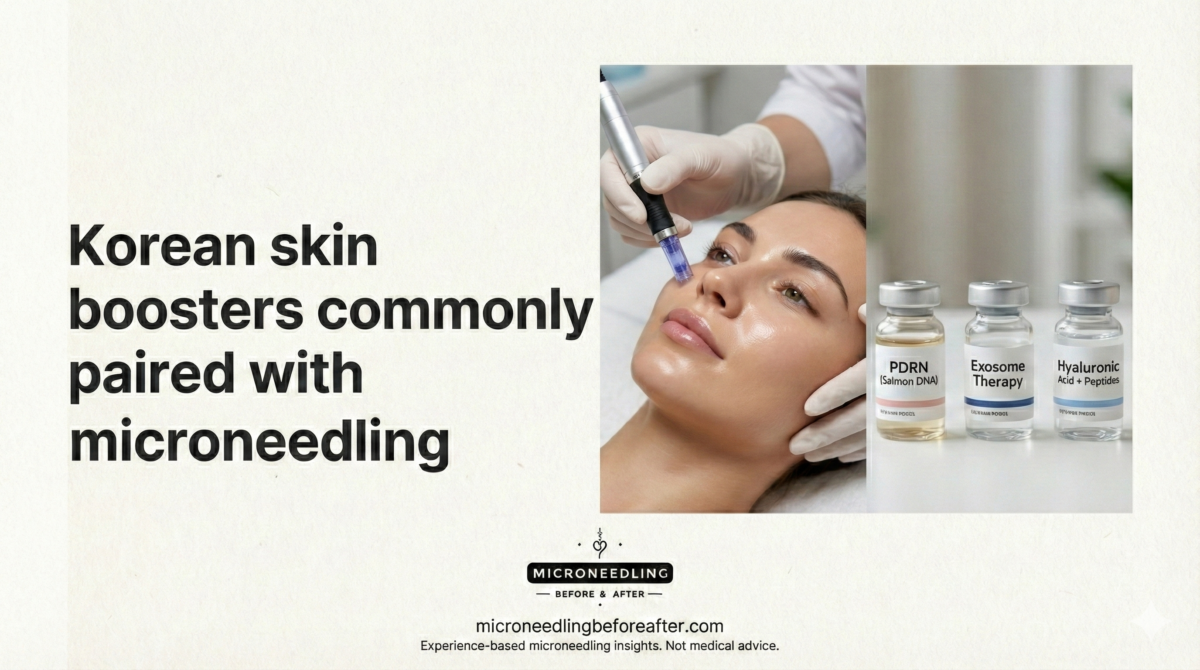
Korean Skin Boosters Commonly Paired With Microneedling

Clinician guide to Korean skin boosters paired with microneedling: ingredients, protocols, safety, and products to improve outcomes and hasten skin restoration.

Which Korean skin boosters do I commonly pair with microneedling to improve patient outcomes and accelerate skin restoration?

Korean Skin Boosters Commonly Paired With Microneedling

I will explain which Korean skin boosters I pair with microneedling, why I choose them, and how I use them safely and effectively. I combine clinical rationale, product-type guidance, and practical protocols so clinicians and advanced aesthetic practitioners can implement these pairings with confidence.

What I mean by “skin boosters” and how microneedling works

By “skin boosters” I refer to concentrated topical formulations—ampoules, serums, and single-use concentrates—containing active hydrating, regenerative, or brightening ingredients intended to augment skin function. Microneedling creates controlled micro-injuries in the epidermis and superficial dermis that stimulate collagen and elastin formation and transiently increase transdermal permeability. I use microneedling not only for structural remodeling (scars, texture, laxity) but also as a vehicle to improve the penetration and clinical effect of topical actives when indicated.

Why Korean boosters are commonly chosen

Korean cosmeceuticals are known for high-potency ampoules, advanced vehicles, and formulations designed for rapid absorption and minimal irritation. I appreciate that many Korean boosters come in ampoule formats that allow for single-session use and targeted actives such as hyaluronic acid variants, peptide complexes, stabilized vitamin C derivatives, and tranexamic acid. These qualities make them attractive for pairing with microneedling when sterility and compatibility are managed appropriately.

Key Ingredients in Korean Skin Boosters and Their Roles

I will describe each major ingredient group, explain the role it plays after microneedling, and provide clinical notes on use and safety.

Hyaluronic Acid (HA)

Hyaluronic acid is a glycosaminoglycan that provides immediate hydration and tissue turgor. I use HA post-needling to reduce transepidermal water loss, improve patient comfort, and provide a scaffold that supports early dermal remodeling.

Polyglutamic Acid (PGA)

Polyglutamic acid is a film-forming, humectant peptide-like polymer that enhances hydration and boosts the skin’s water retention beyond HA. I favor PGA as an adjunct when prolonged surface hydration is desired and the patient has sensitive skin prone to dehydration.

Peptides and Growth Factors (EGF, Copper Peptides)

Peptides and recombinant growth factors signal fibroblast activity and collagen synthesis. I integrate EGF or copper peptide-containing boosters post-needling to amplify collagen and elastin remodeling, particularly for atrophic scars and photoaged skin.

Tranexamic Acid (TXA)

Tranexamic acid is an antifibrinolytic agent with proven benefit in reducing hyperpigmentation and melasma. I pair stable TXA serums with superficial microneedling to enhance penetration into the epidermis and superficial dermis for pigment modulation while minimizing irritation.

Vitamin C Derivatives (MAP, 3-O-Ethyl Ascorbic Acid, Ascorbyl Glucoside)

Stabilized vitamin C derivatives provide antioxidant protection and inhibit tyrosinase, offering brightening effects with less irritation than L-ascorbic acid. I prefer MAP or ethylated derivatives immediately post-needling because they are gentler and less likely to provoke stinging on disrupted skin.

Niacinamide

Niacinamide reduces pigment transfer, strengthens the epidermal barrier, and offers anti-inflammatory benefits. I use niacinamide-rich boosters after microneedling for patients with rosacea-prone or sensitive skin to support barrier repair and decrease post-procedure inflammation.

Snail Mucin and Placental Extracts

Snail mucin and placenta-derived ingredients are regenerative and hydrating, with bioactive components that may support wound-healing. I occasionally use snail mucin-containing ampoules for repair-focused sessions, as they tend to be soothing and promote re-epithelialization.

Centella Asiatica (Cica), Panthenol, and Beta-Glucan

These calming and reparative actives reduce inflammation and accelerate healing. For reactive or sensitive skin types, I select boosters rich in Cica, panthenol, or beta-glucan immediately after needling to reduce prolonged erythema and discomfort.

Glutathione and Skin Brightening Antioxidants

Glutathione is an intracellular antioxidant used for depigmentation effects. I sometimes use glutathione-containing ampoules after cautious microneedling sessions, but I ensure formulations are appropriate for post-procedure application and avoid aggressive penetration when the epidermis is highly compromised.

Ceramides and Lipid-Replenishing Complexes

Ceramide-containing boosters restore barrier lipids and minimize TEWL during the early healing period. I apply these as part of post-care in patients with barrier dysfunction or atopic tendencies.

Summary Table: Common Ingredients, Roles, and Post-Needling Notes

Ingredient / Class Primary Role Why I Use It Post-Needling Clinical Notes
Hyaluronic Acid (various MW) Hydration, turgor Immediate comfort and hydration Prefer sterile ampoules; avoid contaminated multi-use jars
Polyglutamic Acid (PGA) Prolonged hydration Enhances water retention beyond HA Good for dehydrated and sensitive skin
EGF / Growth Factors / Peptides Regenerative signaling Stimulates collagen/elastin synthesis Use in scar remodeling and photoaging; ensure sterile single-use
Tranexamic Acid (TXA) Anti-pigment Enhances epidermal/dermal delivery for pigment control Use stabilized form; patch test for irritation
Vitamin C derivatives (MAP, ethyl) Antioxidant & brightening Antioxidant protection and tyrosinase inhibition Prefer derivatives for lower irritation post-needling
Niacinamide Barrier support, anti-inflammatory Soothes, reduces PIH risk Well tolerated; helps barrier repair
Snail mucin / Placenta Repair and hydration Promotes re-epithelialization Choose reputable formulations, monitor for sensitivity
Centella / Panthenol / Beta-glucan Calming, repair Reduces erythema and speeds healing Ideal for reactive skin after needling
Glutathione Antioxidant, brightening Antioxidant supplementation Use cautiously; efficacy data variable
Ceramides Barrier lipid restoration Restores lipid matrix to reduce TEWL Important in maintenance phase

Common Korean Booster Product Types I Recommend

I categorize product choices rather than focusing exclusively on brand names, because product formulations change and availability varies. I emphasize sterile single-use ampoules whenever possible.

Ampoules and Single-Use Concentrates

Ampoules deliver a high concentration of actives in a single-use container that reduces contamination risk. I prefer ampoules for in-office post-needling application because they are often more sterile and specifically formulated for treatment sessions.

Lightweight Serums and Essence-Style Boosters

Essences and lightweight serums with low irritation potential work well when I want rapid absorption without heavy occlusion. When I use these after needling, I choose derivatives of key actives (e.g., vitamin C derivatives) rather than raw, unstable L-ascorbic acid.

Peptide Complex Serums

Peptide complexes are frequently packaged as booster vials that target regeneration. I use these in a course for scar remodeling or anti-aging when combined with deeper needling protocols.

Hydration-Focused Sheets and Soothing Masks (Adjunct)

While not applied directly with the needling device, single-use sterile sheet masks or cooling pads infused with hydrating or calming agents can be applied immediately post-needling to augment comfort. I make sure the product is sterile and suitable for application to compromised skin.

Protocols: How I Combine Korean Boosters With Microneedling

I follow evidence-informed steps to ensure safety and maximize outcomes. Below I outline a typical clinical workflow with practical points.

Pre-Treatment Assessment and Planning

I assess patient history, skin type, medications (especially isotretinoin), history of keloids or PIH, and current topical regimen. I perform a patch test when a novel booster is planned and obtain informed consent discussing risks and expected recovery.

Skin Preparation and Antisepsis

I remove makeup and cleanse thoroughly, then apply a broad antiseptic (e.g., chlorhexidine or povidone-iodine depending on tolerance) to the treatment area. I avoid aggressive alcohol wipes that can overly dry the skin immediately prior to needling.

Anesthesia and Pain Management

Topical anesthetics may be used for patient comfort depending on the depth and area. I allow sufficient contact time for anesthesia, then remove or neutralize the agent completely before needling to reduce risk of contamination and to ensure consistent needle penetration.

Microneedling Parameters and Technique

I tailor needle depth to the indication: superficial textural concerns 0.25–0.5 mm, pigment or mild scarring 0.5–1.5 mm, deeper acne scarring 1.5–3.0 mm. I use controlled passes with medical-grade devices and avoid excessive overlapping to minimize prolonged inflammation. I document settings and number of passes for each area.

Immediate Post-Needling Application of Booster

Once bleeding is minimal and hemostasis is adequate, I apply the chosen booster under sterile technique. I prefer single-use ampoules or sterile vials to reduce infection risk. I gently massage the booster into the microchannels, often using a sterile gloved finger or single-use sterile applicator.

Occlusion and Adjuncts

For certain boosters (e.g., peptides, growth factors), I may apply a sterile occlusive dressing for a short period to enhance absorption, but I avoid long occlusion if the product contains preservatives that could trap bacteria. For hydrating boosters, short-term occlusion can improve hydration without increasing infection risk when done correctly.

Post-Procedure Instructions and Products

I give written post-care that emphasizes gentle cleansing, regular application of a barrier-repair moisturizer, strict photoprotection with physical SPF, and avoidance of active exfoliants or retinoids for 3–7 days depending on depth. I advise patients to contact me for signs of infection or prolonged adverse effects.

Table: Needle Depth, Indications, and Booster Preferences

Needle Depth Typical Indication Booster Types I Prefer Frequency (Typical)
0.25–0.5 mm Surface texture, superficial lines, glow HA (low MW), PGA, vitamin C derivatives, niacinamide Every 2–4 weeks for 3–6 sessions
0.5–1.5 mm Superficial scars, pigment modulation TXA (stabilized), peptides, HA, MAP Every 4–6 weeks for 3–6 sessions
1.5–2.5 mm Moderate acne scarring, remodeling EGF, peptide complexes, PRP (if used) Every 6–8 weeks for 3–6 sessions
>2.5 mm Deep scars (rare) Physician-only protocols; consider PRP, growth factors Rare; individualized

Safety, Risks, and Contraindications

I treat microneedling combined with topical boosters as a medical procedure that requires attention to sterility, ingredient compatibility, and patient selection.

Infection Risk and Sterility Considerations

Applying non-sterile cosmetics into open microchannels increases infection risk. I mitigate this by using sterile single-use ampoules, sterile applicators, and ensuring skin antisepsis pre-needling. I avoid multi-use jars and contaminated products on freshly needled skin.

Sensitization and Allergic Reactions

Needling enhances penetration, which can increase antigen exposure and risk of contact dermatitis. I always review ingredients for known allergens and perform a patch test if any suspicion exists, particularly for botanical extracts or novel complexes.

Contraindications

I avoid microneedling in patients on isotretinoin within the prior 6–12 months (or per current guideline), those with active infections (herpetic lesions, bacterial infections), uncontrolled acne with nodulocystic lesions, active skin cancer in the area, or a history of hypertrophic scarring/keloids. I also exercise caution in pregnant patients with respect to certain actives.

Specific Ingredient Cautions Post-Needling

I advise against immediate use of raw L-ascorbic acid at high concentrations due to stinging and potential irritation. Strong acids, aggressive retinoids, and concentrated AHAs/BHAs should be deferred until the epidermis has re-epithelialized. I prefer stabilized derivatives and lower-irritation actives in the first 72 hours.

Managing Complications

If infection occurs (persistent pain, purulent discharge, systemic signs), I prescribe appropriate antibiotics and consider culture. For PIH, I use conservative pigment-targeting protocols with tranexamic acid, low-strength topicals, and strict photoprotection. For prolonged erythema or hypersensitivity, I recommend topical steroids only when appropriate and short-course oral anti-inflammatories if needed.

Evidence and Clinical Rationale

Research supports that microneedling increases transdermal drug delivery and stimulates collagen remodeling. I base my practice on the premise that microneedling creates microchannels allowing enhanced penetration of active molecules that otherwise have limited dermal access. Clinical studies of hyaluronic acid, peptides, and growth factors combined with microneedling have shown improved hydration, reduced scar depth, and enhanced skin quality—though study designs vary. I remain critical and choose boosters with plausible mechanisms and acceptable safety profiles.

Patient Selection and Counseling

I select patients with realistic expectations who understand that improvements are incremental and often require a series of treatments. I counsel about downtime (erythema, mild edema, crusting), the timeline for collagen remodeling (visible changes often occur weeks to months), and maintenance options. I also discuss costs and alternative options including laser, subcision, PRP, or injectable skin boosters.

My Recommended Combinations and Sample Protocols

I provide sample pairings I use in practice, with details on needle depth, booster type, frequency, and clinical notes.

Hydration and Immediate Comfort (Quick Rejuvenation)

  • Needle depth: 0.25–0.5 mm (face)
  • Booster: Sterile low-molecular-weight HA ampoule ± PGA
  • Frequency: Every 2–4 weeks, 3–6 sessions
  • Notes: Ideal for “red carpet” hydrative sessions and patients seeking luminosity with minimal downtime. I avoid occlusion beyond 1–2 hours unless single-use sterile masks are employed.

Brightening and PIH Prevention (Superficial Pigment)

  • Needle depth: 0.5–1.0 mm
  • Booster: Stabilized tranexamic acid serum or MAP (vitamin C derivative) plus niacinamide
  • Frequency: Every 4–6 weeks, 4–6 sessions
  • Notes: I emphasize photoprotection and often combine with topical nighttime regimens after re-epithelialization to maintain results.

Acne Scar Remodeling (Moderate Atrophic Scars)

  • Needle depth: 1.5–2.5 mm (area-dependent)
  • Booster: EGF or peptide complex; consider PRP if available and appropriate
  • Frequency: Every 6–8 weeks, 3–6 sessions
  • Notes: I use deeper passes with caution, adjust for thickness of skin and scar maturity, and counsel that full remodeling may take 3–6 months.

Sensitive or Reactive Skin (Soothing and Repair)

  • Needle depth: 0.25–0.75 mm
  • Booster: Centella/asiatica, panthenol, beta-glucan serum or snail mucin ampoule
  • Frequency: Every 3–4 weeks, 3–6 sessions
  • Notes: I prioritize barrier repair and avoid aggressive actives. These sessions aim to strengthen the barrier rather than aggressive rejuvenation.

Photoaging and Fine Lines (Structural Improvement)

  • Needle depth: 1.0–1.5 mm
  • Booster: Peptide complex with HA and antioxidant derivatives
  • Frequency: Every 4–6 weeks, 4–6 sessions
  • Notes: I combine with homecare retinoids after a suitable healing interval and maintain a strong Sunscreen regimen.

Aftercare and Homecare Protocols I Recommend

I emphasize simple, evidence-based aftercare to promote healing and reduce complications.

Immediate 0–72 Hours

  • Use gentle, pH-balanced cleanser and water; avoid scrubbing. Apply sterile booster as directed in-office and transition to a repair cream with ceramides and panthenol.
  • Avoid makeup for at least 24 hours and avoid vigorous exercise or sweating for 48 hours where possible to reduce infection risk.

3–7 Days

  • Avoid retinoids and chemical exfoliants for at least 3–7 days depending on needle depth and re-epithelialization.
  • Continue barrier repair moisturizers and apply broad-spectrum SPF 30+ (physical sunscreens are preferred during early healing).

Long-Term Maintenance

  • Continue a home regimen of antioxidant serums, retinoids as tolerated after re-epithelialization, and sunscreen. I recommend maintenance microneedling sessions every 3–6 months depending on goals.

Practical Product Selection Tips I Use

I look for these practical qualities when choosing a Korean booster to pair with microneedling:

  • Single-use ampoules or sterile packaging to reduce contamination risk.
  • Stabilized active forms (e.g., derivatives of vitamin C) that minimize post-procedure irritation.
  • Minimal fragrances and fewer allergenic botanical extracts in the immediate post-needling formulation.
  • Clear active concentrations and ingredient transparency so I can anticipate efficacy and risk.
  • Clinical or manufacturing quality controls (e.g., GMP manufacturing, sterility statements for single-use vials).

Cost, Accessibility, and Patient Acceptance

I discuss costs and set expectations regarding the investment in a course of treatments. Korean ampoules vary widely in price; I prioritize products that combine safety and efficacy even if slightly higher in cost because patient safety and outcomes justify the expense. I also counsel patients on at-home ampoule use versus in-clinic sterile application—there are important differences in sterility and contamination risk.

Final Thoughts

I integrate Korean skin boosters into microneedling protocols when the product selection is appropriate for the patient’s indication and when sterility and ingredient compatibility are assured. When used thoughtfully, these boosters can enhance hydration, accelerate repair, and target pigment and texture concerns more effectively than needling alone. I emphasize individualized planning, conservative initial parameters, and careful monitoring to achieve safe and reproducible results.

If you would like sample product lists, printable protocols for clinic use, or a decision tree to match boosters to specific patient presentations, I can prepare those resources tailored to your practice setting.
Can You Use PDRN Immediately After Microneedling

Learn whether sterile PDRN can be used immediately after microneedling – benefits, risks, protocols, and when to wait for safe, optimal results.

Can I apply PDRN right after microneedling, or should I wait?

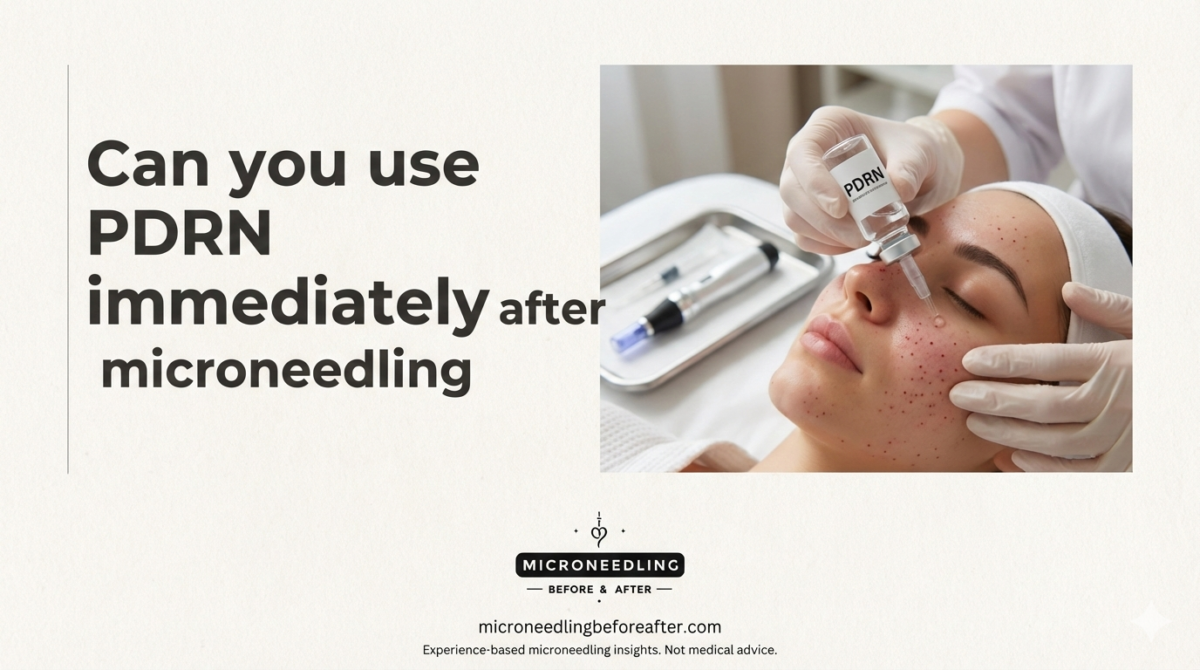
Can You Use PDRN Immediately After Microneedling

I often get asked whether PDRN (polydeoxyribonucleotide) can be used immediately after microneedling. In this article I’ll walk through the science, the practical protocols, the benefits and the risks, and what I would personally do if I were getting a microneedling treatment and wanted to add PDRN.

What I mean by PDRN and why it matters

I’ll start with a plain explanation: PDRN is a preparation of DNA fragments derived from fish (commonly salmon) that’s used in aesthetic and regenerative medicine to promote tissue repair. It’s thought to work through several mechanisms including stimulation of fibroblasts, angiogenesis (new vessel growth), and modulation of inflammation. Because microneedling creates controlled micro-injuries that trigger repair pathways, combining it with regenerative agents like PDRN seems logical, but there are practical and safety considerations.

How microneedling works and why topicals matter

I want to make sure the basics are clear. Microneedling creates microchannels in the skin, which do three things: stimulate a wound-healing response, increase collagen and elastin production, and temporarily increase skin permeability so topical products can penetrate more deeply.

I often explain to patients that the skin barrier becomes more permissive for a short window after needling. That window can improve absorption of beneficial substances—if the product is appropriate and sterile.

The window of enhanced absorption

The microchannels created by microneedling typically remain open for minutes to hours, with some increased permeability lasting up to 24–48 hours depending on needle depth, device, and individual healing. I emphasize that this window is a double-edged sword: it can help deliver active ingredients but can also let in contaminants or cause excessive systemic absorption of inappropriate formulations.

Why clinicians consider combining PDRN with microneedling

I’ll be candid: combining PDRN with microneedling has become a common practice in many clinics because the conditions are favorable for delivery. Microneedling’s microchannels allow PDRN to reach deeper layers where it can influence fibroblasts and vascular endothelial cells.

From my perspective, the major reasons clinicians add PDRN are:

  • Enhanced delivery: more PDRN reaches the dermis than with intact skin.
  • Synergy: microneedling itself stimulates collagen; PDRN may amplify regeneration and reduce downtime.
  • Anti-inflammatory and angiogenic effects: PDRN may speed recovery and improve tissue quality.

Evidence base: what the literature and clinical reports say

I want to be transparent: while there are promising preclinical and clinical reports supporting PDRN’s regenerative effect and its use with microneedling, the quantity of high-quality randomized controlled trials specific to immediate post-needling application is limited. Many trials show PDRN promotes wound healing, improves skin texture, and reduces inflammation when used in injections or as topical mesotherapy. Case series and pilot studies often report improved outcomes when PDRN is applied with microneedling, but more rigorous comparative trials would strengthen the recommendations.

What clinicians commonly report

In my experience and according to many practitioners’ reports, immediate application of sterile PDRN (either as injectable solution administered intradermally or as a sterile topical serum applied onto needled skin) often results in reduced erythema, faster recovery, and better clinical improvement than microneedling alone. However, these observations are usually within clinical practice settings rather than large randomized trials.

Is it safe to use PDRN immediately after microneedling?

Safety is my top concern when combining treatments. The short answer is: yes—if certain conditions are met. I will only recommend immediate application if the product is medical-grade, sterile, and intended for transdermal or intradermal use. I would avoid any non-sterile cosmetic serums, essential oils, or unknown compounds immediately after needling.

Key safety conditions I insist on

  • Sterility: PDRN must be sterile. Injectable PDRN or medical-grade sterile topical formulations are the only options I’ll consider.
  • Intended route: Use formulations labeled for injection or post-procedure topical use. Don’t use oral supplements or household skincare products for this purpose.
  • Clean technique: The procedure area must be appropriately prepped and the clinic should follow aseptic technique.
  • Patient screening: I screen for active infection, recent isotretinoin use, bleeding disorders, pregnancy, and severe autoimmune disease before combining therapies.

Pros and cons of immediate PDRN application

I like to weigh benefits against risks so patients can make an informed choice.

Pros (Immediate Application) Cons (Immediate Application)
Improved dermal delivery through microchannels Increased risk if product is non-sterile or improperly handled
Potentially faster healing and reduced redness Possible hypersensitivity or unexpected irritation (rare)
Possible enhancement of collagen and angiogenesis Cost and need for clinical-grade product/skill
Can be applied by injection or sterile topical means Unclear long-term comparative superiority vs delayed application

I use this table when deciding with patients whether to proceed immediately or stage treatments.

Immediate application vs delayed application: practical considerations

I usually consider two main approaches: immediate application (during the same appointment, directly after microneedling) or delayed application (waiting hours to days). Each approach has logic.

Why I might apply PDRN immediately

I apply PDRN immediately when:

  • The PDRN is an intended part of the treatment protocol and sterile.
  • I want maximum dermal delivery during the period of highest permeability.
  • The patient has no contraindications and understands the risks and benefits.

In such cases I may administer PDRN intradermally by mesotherapy needles or apply a sterile topical PDRN serum and use needling to enhance deeper penetration.

Why I might delay PDRN application

I might delay application when:

  • The product is not certified for immediate post-procedure use.
  • The patient has a history of sensitive skin, allergic reactions, or uncertain fish allergies.
  • I want to avoid any risk of irritation from combining treatments immediately.
  • The clinic lacks sterile PDRN or proper aseptic protocols.

Delaying by 24–72 hours can still allow good outcomes while minimizing certain risks, particularly with less-studied formulations.

Practical protocols I use (step-by-step)

I’ll share practical protocols in first-person so you can see how I’d do this in clinic. Always follow local regulations and product instructions.

Pre-procedure

I ask patients to:

  • Avoid topical retinoids and exfoliants for 3–7 days.
  • Avoid NSAIDs or supplements that increase bleeding (unless medically required).
  • Report any active cold sores, infections, recent isotretinoin use, or pregnancy.
  • Patch test the PDRN product if there’s a history of allergies or uncertain source material.

I cleanse and disinfect the area thoroughly, use topical anesthetic if appropriate, and set up sterile supplies.

During microneedling

I select needle depth based on area and condition—shallower for superficial texture, deeper for scars. I perform microneedling under sterile conditions.

If I plan to apply PDRN immediately:

  • Option 1: Topical sterile PDRN applied over the area and allowed to be absorbed via open microchannels.
  • Option 2: Intradermal microinjections (mesotherapy) of PDRN into the dermis either immediately after or during the session, depending on protocol.

I make sure the PDRN formulation is indicated for dermal application, is from a reputable source, and stored/handled aseptically.

Post-procedure

I instruct patients to:

  • Keep the area clean and avoid makeup for 24 hours if possible.
  • Use gentle cleansers and avoid active agents for several days.
  • Expect redness, mild swelling, and pinpoint bleeding immediately—these are typical.
  • Use sunscreen once the skin begins to re-epithelialize.

I often recommend continuing topical sterile PDRN products for several days to weeks after the procedure to support regeneration.

Delivery methods: injection versus topical application

I find it helpful to compare delivery options in a table so patients understand choices.

Delivery Method How I use it Pros Cons
Intradermal injections (mesotherapy) Small-volume injections into the dermis right after needling or in a separate pass Direct delivery to target layers; controlled dosing Requires injection skills; more invasive; potential for bruising
Sterile topical serum applied immediately Apply sterile PDRN serum onto needled skin, occlude briefly if needed Non-invasive; easy to apply; good dermal penetration via channels Dependent on molecular size/formulation; must be sterile
Combination (topical + injection) Inject where needed (scars) and topically apply elsewhere Customized approach; maximal coverage More complex; cost and time

In my practice I choose based on the patient’s goals, tolerance, and cost considerations.

Contraindications and precautions I never ignore

I take contraindications seriously. I won’t use PDRN immediately after microneedling in patients with:

  • Active skin infection at the treatment site (bacterial, viral, or fungal)
  • Recent systemic isotretinoin (depending on timing per specialist guidance)
  • Known hypersensitivity to any component of the PDRN product or fish allergy concerns (I use caution if fish allergy is true)
  • Uncontrolled autoimmune disease or immunosuppression without specialist clearance
  • Pregnancy or breastfeeding unless product safety is established and discussed with the patient

I always document informed consent and explain that while PDRN is generally well tolerated, no treatment is risk-free.

Side effects and how I manage them

I’m honest with patients: the most common side effects are mild and transient—redness, swelling, tenderness, or tiny crusts. Serious complications are rare but can include infection or a hypersensitivity reaction.

If infection is suspected I start appropriate antibiotics and work with dermatology or infectious disease as needed. For persistent or unusual reactions I stop PDRN and investigate the cause.

Cost and practical considerations

I’m mindful that adding PDRN increases cost. Injectable PDRN mesotherapy and medical-grade topical PDRN are typically more expensive than standard serums. I outline expected costs and benefits so patients can decide whether the potential faster recovery or improved outcomes justifies the expense.

I also check regulatory status in my country and use products approved or widely used in the clinical community.

My recommended timeline for someone considering PDRN with microneedling

Below I outline a practical timeline I often recommend to patients.

Timing What I do/advise
Day -7 to -3 Discontinue retinoids and exfoliants; evaluate medications and allergies
Day 0 (procedure) Microneedling under aseptic conditions; apply sterile PDRN immediately if using this approach or inject intradermally as indicated
Day 1–3 Continue sterile topical PDRN formulations if prescribed; gentle care; avoid makeup and irritants
Day 4–14 Monitor healing; introduce gentle moisturizer and sun protection; consider follow-up PDRN applications or additional mesotherapy sessions per protocol
Weeks 4–12 Expect progressive improvement in collagen remodeling; repeat microneedling + PDRN sessions typically spaced 4–6 weeks if indicated

I tailor this plan to each patient and product instructions.

Combining PDRN with other adjunctive treatments

I’m often asked if PDRN can be combined with PRP, growth factors, or hyaluronic acid. My answer: yes, but carefully.

  • PRP: Using PRP plus PDRN is an option many clinicians use; the two agents have complementary mechanisms. If combining, I follow strict sterile technique and consider staged or simultaneous delivery.
  • Growth factors/peptides: These can be synergistic but I avoid mixing products in the same syringe unless the manufacturer permits it.
  • Hyaluronic acid: Injectable HA fillers should not be placed into acutely needled or infected skin. I sequence treatments to minimize overlapping downtime and infection risk.

I emphasize that combining multiple agents increases complexity and potential interactions, so I only proceed when I can confirm product compatibility and safety.

My guidance on product selection and storage

I only use PDRN products that are medical-grade, come with sterility assurance, and are recommended for injection or post-procedure topical use. I store them per manufacturer instructions—typically refrigerated—and avoid using any vial or bottle past its recommended in-use time once opened.

If I receive a new PDRN product, I check the lot number, expiration date, and storage conditions. I refuse to use any product that looks cloudy or contaminated.

Frequently asked questions I address with patients

Will PDRN reduce redness immediately after microneedling?

I tell patients that PDRN can help modulate inflammation and some report reduced erythema and faster tissue calming. It’s not an instant magic fix, but it can shorten visible downtime in many cases.

Can PDRN cause allergic reactions?

I explain that significant allergic reactions are uncommon because PDRN molecules are small fragments and typically low-immunogenic. However, if someone has a severe fish allergy, I proceed with caution and consider patch testing or avoiding fish-derived products altogether.

How many sessions will I need?

I frame this as individualized: most treatment plans involve multiple sessions spaced 4–6 weeks apart for cumulative collagen remodeling. Many people see improvement after 1–3 sessions, with refinement over months.

Can I self-administer topical PDRN at home after in-office microneedling?

I discourage home microneedling and unsupervised use of non-sterile products. If a clinician prescribes a sterile topical PDRN for home use, I instruct careful hygiene, refrigeration if required, and clear application steps.

Is PDRN appropriate for scarring and pigmentation?

I say yes—PDRN can support dermal remodeling, which may improve acne scars, surgical scars, and skin texture. For pigmentation, results depend on the pigment etiology; PDRN helps healing but may need to be combined with other targeted therapies for best pigment outcomes.

Practical checklist I use before applying PDRN immediately

I give patients a short checklist so they know I’ll only proceed when all points are met:

  • Product: Sterile, medical-grade PDRN intended for dermal/intradermal use
  • Asepsis: Clinic and staff follow sterile technique
  • Screening: No active infection, recent isotretinoin, pregnancy, or serious immune compromise
  • Consent: Patient informed about risks, benefits, costs, and alternatives
  • Emergency plan: Clinic prepared to manage rare adverse reactions

I won’t compromise on any item on that list.

My final recommendations

I believe immediate application of PDRN after microneedling can be beneficial when done correctly. If I were to undergo microneedling myself and wanted the potential advantages of PDRN, I would:

  • Use a reputable clinic with strict aseptic technique.
  • Choose medical-grade, sterile PDRN formulated for dermal use.
  • Discuss my medical history, allergies, and expectations with the clinician.
  • Consider intradermal injections for targeted scar treatment or a sterile topical application for broader coverage.
  • Continue topical PDRN and sun protection during the first week to support healing.

I’m cautious but optimistic about the combination. The available mechanistic data and clinical experience support it, but I also stress individualized care and appropriate safety measures.

Summary table: Quick decision guide I use in clinic

Question My decision point
Is the PDRN sterile and indicated for dermal/intradermal use? If no → don’t use immediately; if yes → consider immediate application
Does the patient have active infection or contraindication? If yes → delay or cancel; if no → proceed with caution
Does the clinic follow aseptic protocols and proper storage? If no → do not proceed; if yes → proceed
Is the goal rapid recovery and enhanced dermal remodeling? If yes → immediate PDRN may be beneficial
Does the patient prefer non-invasive vs injection? If non-invasive → sterile topical PDRN; if aggressive scar treatment → consider intradermal injection

I use this guide to structure discussions and set realistic expectations.

Closing thoughts and what I’d ask you next

If you’re considering PDRN with microneedling I’d ask about your skincare history, any allergies, medications, and your primary goals (texture, scars, pigmentation, overall rejuvenation). That information helps me tailor the approach—immediate application, delayed application, injection, or topical—and set a safe, effective plan.

If you want, tell me what your primary concern is and whether you plan to have the procedure in a clinic or at home. I can give more tailored advice about timing, product types, and what to look for in a provider.

How Professionals Layer Serums During Microneedling

Learn how pros layer serums during microneedling: evidence-based sequencing, safety, ideal picks (HA, PRP, peptides), timing to boost results and cut irritation

?Have you ever wondered how professionals layer serums during microneedling to maximize efficacy while limiting irritation and risk?

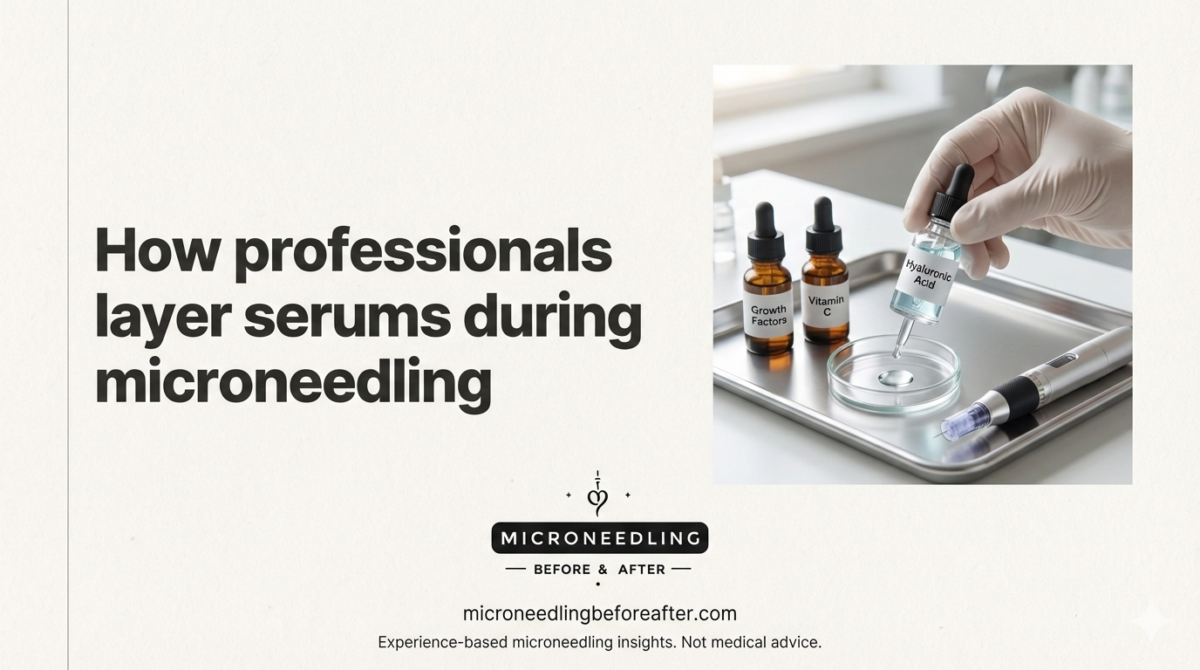
How Professionals Layer Serums During Microneedling

I will explain the clinical reasoning, practical steps, and safety considerations I use when layering serums during microneedling so you can understand both the science and the technique behind effective protocols. I draw on evidence-based principles and clinical practice norms to outline step-by-step approaches, common serum choices, and contraindications.

What microneedling is and why serum layering matters

Microneedling uses controlled micro-injuries to stimulate skin repair pathways and create transient channels that increase topical penetration. I emphasize serum selection and sequencing because those transient channels change absorption dynamics dramatically, and the wrong products or order can increase irritation or risk.

My approach to evidence and safety

I rely on peer-reviewed studies, product pharmacology, and dermatologic safety guidelines to shape my recommendations. I prioritize sterility, appropriate concentrations, and compatibility to reduce complications and optimize outcomes.

Basic physiology relevant to serum penetration

I outline the skin structure and how microneedling alters barrier function so layering decisions make mechanistic sense. Understanding penetration pathways, molecular size limits, and inflammatory responses informs safe serum selection.

Stratum corneum, epidermis, and dermis: barriers and targets

The stratum corneum is the primary barrier to topical actives, and microneedling breaches this layer to allow access to the viable epidermis and dermis. I consider the target layer (epidermal remodeling, dermal collagen induction, follicular delivery) when choosing serums.

Transient channels: duration and implications

Microchannels created by microneedling close over hours to days depending on needle depth; most enhanced penetration occurs within the first 24 hours. I therefore prioritize low-irritant, sterile, and clinically appropriate agents immediately after treatment and defer aggressive actives until healing is underway.

Pre-treatment assessment and planning

I always start with a comprehensive assessment to individualize the protocol. This reduces risk and tailors serum layering to skin type, indications, and history.

Medical history and medications

I check for contraindications such as isotretinoin use, bleeding disorders, active infection, and autoimmune conditions. I document medications like anticoagulants, immunosuppressants, and topical retinoids that influence timing and risk.

Skin type, conditions, and goals

I assess phototype, rosacea, acne activity, scarring depth, and signs of barrier dysfunction. My choice of serums differs for rejuvenation, scar remodeling, pigment management, or hair restoration.

Device selection and needle depth planning

I match needle length and device type (manual dermaroller vs. automated pen) to indication: shorter needles (0.25–0.5 mm) for topical enhancement and longer needles (1.5–3.0 mm) for scar remodeling. My serum layering choices reflect the expected penetration for the selected depth.

Skin preparation and in-clinic technique

Preparation minimizes infection risk and optimizes serum delivery. I outline each step I perform before introducing serums.

Cleansing and antisepsis

I use a gentle cleanser followed by an appropriate antiseptic (e.g., chlorhexidine or isopropyl alcohol) to reduce microbial load. I cautiously avoid stronger chemical peels or exfoliants immediately prior to needling.

Analgesia and anesthesia

I apply topical anesthetic when needed for comfort, ensuring the anesthetic is removed or neutralized according to product instructions before needling. I avoid applying thick ointments that obscure the epidermis or interfere with microneedling mechanics.

Numbing removal and re-cleansing

I wipe off the anesthetic thoroughly and perform a final antiseptic pass to reduce contamination risk. I only begin serum application once the skin surface is clean and dry.

Order of serum layering: principles and practical sequence

I follow a principle-driven order: low-irritant hydrating bases first, followed by targeted actives that are safe for delivery into deeper layers, and conservative timing for potentially irritating agents. Below I describe the typical sequence I use and why.

General sequencing principle

I prioritize non-irritating, sterile vehicles first (e.g., hyaluronic acid) to provide immediate hydration and act as a carrier. Next, I layer peptides, growth factors, or platelet-rich products if indicated, and I postpone potent acids, vitamin C, and retinoids until the acute wound-healing period has passed.

Typical immediate post-needling order

I commonly follow this immediate order:

  • Sterile saline or hyaluronic acid to rehydrate and facilitate glide.
  • Platelet-rich plasma (PRP), growth factors, or peptide serums for regenerative stimulation.
  • Topical antibiotics only if clinically indicated for infection risk (rare routine use). I avoid acidic or highly alkaline preparations immediately after needling.

Table: Recommended immediate post-needling serum order and rationale

Order Product type Typical concentration/form Rationale
1 Sterile saline / low-molecular-weight hyaluronic acid 0.1–1% HA solutions or sterile saline Hydration, lubrication, carrier for subsequent serums, immediate soothing
2 PRP / growth factor serums / peptides Autologous PRP or clinical-grade GF blends Stimulate collagen, enhance healing via biological mediators
3 Copper peptides / amino-acid blends Formulations optimized for dermal repair Support matrix remodeling; generally low irritation
4 Barrier-repair ceramides / emollients (light) Post-procedure emollient after initial phase Restore barrier, reduce TEWL; applied after initial acute phase

Choosing specific serums and their scientific rationale

I detail common serums used in professional microneedling, including indications, mechanisms, and safety considerations. This helps explain why certain agents are preferred in-clinic.

Hyaluronic acid (HA)

HA is my go-to immediate post-needling serum for hydration and as a carrier for other actives. I prefer sterile, low- to medium-molecular-weight HA for rapid penetration and minimal irritation.

  • Rationale: HA binds water, reduces transepidermal water loss, and provides a viscous medium for other topicals.
  • Safety: HA is typically well tolerated; ensure sterility and avoid cross-contamination.

Platelet-rich plasma (PRP) and growth factors

When available, I use PRP or commercially prepared growth factor serums to enhance collagen induction and wound healing. These biologics are applied immediately after needling to take advantage of open microchannels.

  • Rationale: PRP supplies autologous growth factors (PDGF, TGF-β, VEGF) that modulate repair and neocollagenesis.
  • Safety: I use aseptic technique and avoid PRP in active infection or certain hematologic disorders.

Peptides and Matrix-supporting serums

Peptides (e.g., palmitoyl peptides, oligopeptides) and amino-acid blends support collagen synthesis and signaling pathways.

  • Rationale: Small peptides can act as messengers to upregulate matrix proteins and improve skin texture.
  • Safety: Generally low irritation; assess product purity and preservative systems.

Vitamin C (ascorbic acid)

I use vitamin C cautiously; it is potent but can be irritating, especially when delivered into the dermis immediately after needling.

  • Rationale: Vitamin C is an antioxidant and cofactor for collagen synthesis, beneficial for pigmentation and photodamage.
  • Safety: I often postpone intradermal delivery of high-concentration L-ascorbic acid until the epidermis has had some recovery (24–72+ hours) or use stabilized derivatives at lower concentrations immediately.

Retinoids and alpha-hydroxy acids (AHAs)

I avoid retinoids and strong AHAs immediately post-needling due to their potential to exacerbate irritation and inflammation.

  • Rationale: These agents increase cellular turnover and can compound injury in the acute wound-healing phase.
  • Safety: I typically recommend resuming retinoids only after re-epithelialization (usually 3–7 days depending on depth) and at reduced frequency initially.

Timing between layers and re-application intervals

Proper timing between layers and for subsequent home-care applications is essential to balance delivery with safety. I explain my timing strategy below.

Immediate layering during the procedure

I apply a small amount of the initial carrier (HA or saline) before needling to improve glide and reduce drag. After passing the device over a zone, I apply PRP or peptides while channels are still patent. I limit total serum volume to avoid pooling.

Intervals for potentially irritating actives

For vitamin C, benzoyl peroxide, retinoids, and strong acids, I generally delay application for 24–72 hours or longer based on depth, skin sensitivity, and the product’s pH. I reintroduce them gradually under observation.

Follow-up sessions and cumulative layering

I space microneedling sessions according to needle depth and healing: superficial sessions may be repeated every 2–4 weeks, deeper scar-focused sessions every 4–8 weeks. I tailor serum use across sessions to cumulative outcomes and tolerance.

Practical application techniques

Technique matters as much as product choice. I describe the practical steps I use for applying and layering serums during microneedling.

Quantity and distribution

I use minimal but adequate product volume: a thin, even layer that allows device movement and avoids excess pooling. Excess fluid short-circuits needle penetration and increases runoff risk.

Sterile technique and single-use vials

I prefer single-use sterile vials or aliquots of serums to avoid contamination. I don sterile gloves and use sterile syringes or pipettes to apply biologics like PRP.

Avoiding cross-contamination

I never re-dip applicators into product containers after touching skin. I use fresh applicators or single-use droppers to maintain asepsis.

Massage and absorption

After initial application of regenerative serums, I may lightly spread product to ensure even distribution, then allow natural absorption. I avoid vigorous massage that might push product into unintended tissue planes.

Needle depth considerations and serum compatibility

Needle depth affects which layers are accessed and which serums are appropriate to deliver. I match products to the intended tissue target.

Table: Needle depth, tissue target, and recommended serums

Needle depth (mm) Target tissue Typical clinical purpose Recommended serums
0.25–0.5 Superficial epidermis Enhance topical absorption, hydration HA, light peptides, stabilized vitamin derivatives
0.75–1.0 Upper dermis Collagen stimulation, pigmentation PRP, peptides, growth factors, low-irritant vitamin C derivatives
1.5–2.0 Mid dermis Scar remodeling, stretch marks PRP, collagen-stimulating serums, careful peptide/growth factor use
2.5–3.0 Deep dermis (select areas) Significant scar revision, deep remodeling Autologous biologics under strict aseptic conditions, clinical-grade regenerative molecules

Rationale for depth-specific choices

Deeper penetration increases systemic exposure and inflammatory response, so I restrict potent or irritant actives to superficial procedures or delay their use until healing. For deep treatments, autologous biologics and clinically validated growth factor blends are preferred.

Contraindications, precautions, and patient selection

Safety is critical. I screen patients rigorously and modify serum layering when red flags are present.

Absolute and relative contraindications

I avoid microneedling in active infection, uncontrolled diabetes, recent isotretinoin use (within 6–12 months per some guidelines), keloid tendency, and certain autoimmune conditions. I also assess pregnancy/breastfeeding status and medication interactions.

Special populations: rosacea, acne, and hyperpigmentation

For rosacea or active acne, I proceed cautiously or avoid needling until inflammation is controlled. For patients prone to PIH (post-inflammatory hyperpigmentation), I prioritize gentler protocols and use adjunctive pigment-stabilizing measures (e.g., tranexamic acid, careful sun protection).

Allergies and intolerances

I confirm allergies to serum components (e.g., bovine-derived products, preservatives) and opt for hypoallergenic or preservative-free formulations when needed.

Post-procedure care and home regimen

I provide a clear post-procedure protocol to support healing and prevent complications. Proper home care reinforces the clinical layering choices I make in-office.

Immediate aftercare (first 24–48 hours)

I instruct patients to avoid hot showers, saunas, makeup, and harsh products for at least 24–48 hours. I recommend gentle cleansing and the use of sterile, soothing serums such as low-molecular-weight HA and barrier-support emollients.

Reintroducing active ingredients

I advise waiting 48–72+ hours before resuming vitamin C and longer for retinoids and strong acids, depending on clinical judgment and observed healing. I recommend sunscreen from day one and strict photoprotection for several weeks.

Infection signs and when to contact me

I teach patients to look for spreading erythema, increased pain, purulent discharge, fever, or worsening swelling—signs that warrant immediate contact. Early recognition and treatment prevent more serious complications.

Evidence and clinical outcomes

I summarize the evidence base for serum-enhanced microneedling and realistic expectations for outcomes.

Efficacy data highlights

Multiple studies show improved outcomes for scars, wrinkles, and pigment when microneedling is combined with PRP or growth factors versus microneedling alone. Evidence is strongest for PRP in scar remodeling and for HA to improve comfort and immediate hydration.

Limitations of evidence

Variability in study designs, serum formulations, and device parameters makes direct comparisons challenging. I emphasize that product quality, aseptic technique, and practitioner skill significantly influence results.

Troubleshooting common problems

I outline typical adverse events and how I manage them, to provide a practical safety net.

Irritation and prolonged erythema

If a patient experiences excessive erythema beyond expected timelines, I assess for allergic reaction, product sensitivity, or infection. I provide topical anti-inflammatory strategies (e.g., azelaic acid, topical corticosteroids short-term in select cases) and supportive care.

Infection and biofilm risk

For suspected infection I consider culture, empirical antibiotics, and potential device/device-handling review. I reinforce the requirement for sterile technique and single-use products to reduce risk.

Post-inflammatory hyperpigmentation (PIH)

If PIH develops, I use bleaching agents (hydroquinone alternatives, tranexamic acid), laser avoidance until stable, and strict photoprotection. Prevention is preferable, so I tailor initial protocols for at-risk skin types.

Sample professional protocols (case-based)

I provide concrete, practical protocols I use for common indications to illustrate how layering is implemented.

Protocol A: Rejuvenation (superficial, 0.5 mm)

I cleanse and apply topical anesthetic as needed, wipe and antiseptic the area, then apply a thin layer of sterile HA before performing microneedling. Immediately after, I apply a peptide/growth factor serum and finish with a light barrier emollient and SPF.

Protocol B: Scar remodeling (1.5 mm)

I harvest PRP if available, prepare the field with antiseptic technique, and perform needling. After each pass, I apply small aliquots of PRP across treated zones to enhance regenerative signaling. Post-procedure I recommend gentle HA and delayed introduction of retinoids until re-epithelialization.

Protocol C: Alopecia adjunct (scalp, 1.5–2.5 mm)

I use local anesthesia or topical numbing, then perform needling across the affected scalp. I apply PRP or peptide formulations aimed at hair growth immediately after to reach follicular units. I repeat sessions every 4–8 weeks as tolerated.

Frequently asked questions (concise answers)

I include concise responses to common practitioner and patient queries to clarify expectations and practice points.

Can I mix serums in one syringe for delivery?

I avoid premixing unless the products are validated to be compatible; mixing can alter pH, stability, or sterility.

Is it safe to use vitamin C during microneedling?

I generally avoid high-concentration, low-pH L-ascorbic acid immediately post-needling; stabilized derivatives at low concentrations may be used cautiously.

How soon can patients wear makeup?

I advise avoiding makeup for at least 24 hours, and longer if there is residual erythema or open micro-channels.

Final considerations and my practice principles

I adhere to conservative, patient-specific protocols emphasizing sterility, appropriate sequencing, and evidence-based additions like PRP for regenerative goals. Layering serums during microneedling is powerful but demands respect for wound-healing biology and product safety.

Continuous learning and documentation

I document the exact products, lot numbers, and volumes used for each procedure and follow outcomes carefully to refine protocols. Ongoing education and adherence to updated guidelines protect patients and improve outcomes.

Summary of core rules I follow

  • Use sterile, single-use products whenever possible.
  • Start with hydrating, low-irritant carriers (HA/saline).
  • Apply regenerative biologics (PRP/growth factors) while channels are patent.
  • Delay potent acids and retinoids until sufficient re-epithelialization.
  • Individualize by skin type, indication, and needle depth.
  • Maintain strict aseptic technique and patient counseling.

By following these structured principles, I can safely enhance microneedling outcomes with targeted serums while minimizing complications. If you would like, I can provide printable protocols, concentration tables for specific products, or evidence summaries for individual serums used in practice.

en_USEnglish