google.com, pub-2032008856654686, DIRECT, f08c47fec0942fa0

POST

What To Expect After Microneedling?

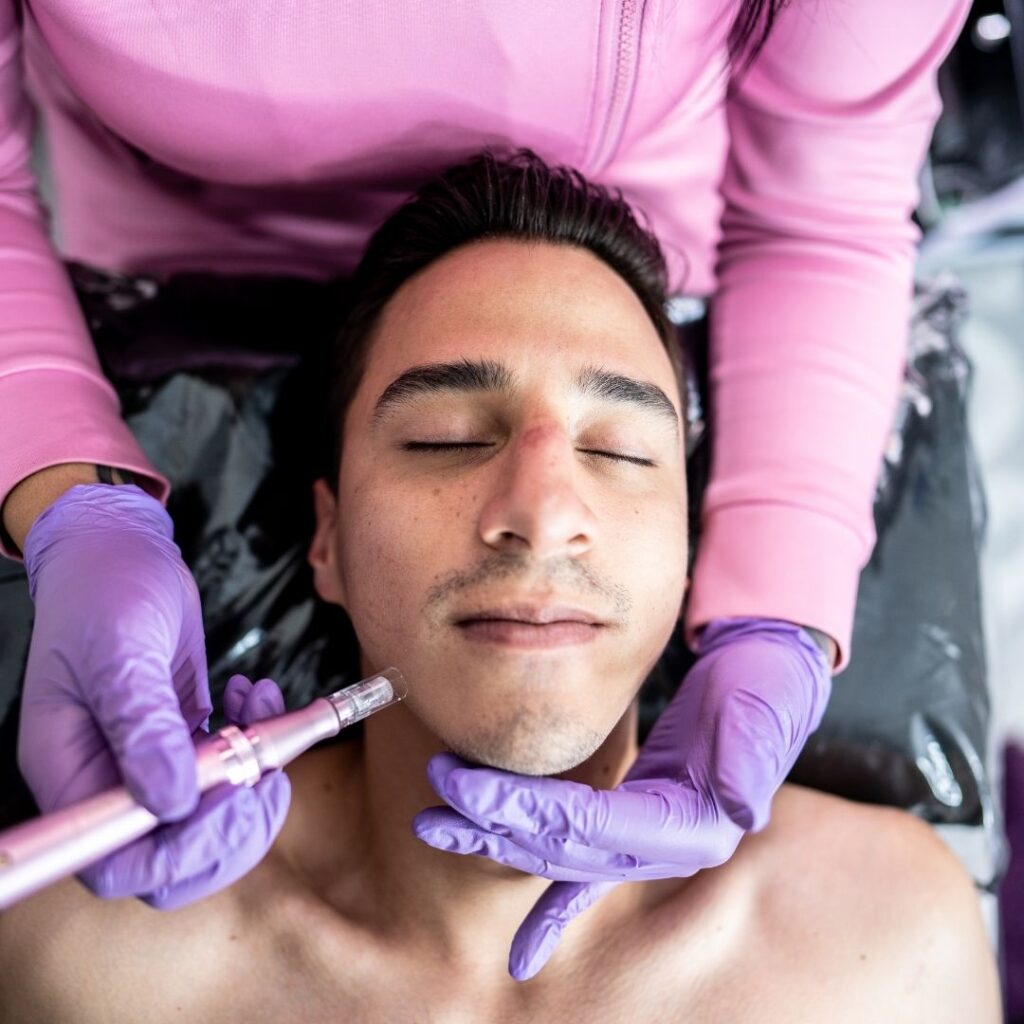
Discover the post-microneedling journey filled with benefits for your skin. From reduced lines and improved texture to a rejuvenated complexion and increased radiance, this article guides you on what to expect after microneedling. Embrace the transformative effects and enjoy a renewed version of yourself!

So you’ve just had a microneedling treatment done, and now you’re wondering what comes next? Well, prepare yourself for a post-microneedling journey that is filled with incredible benefits and a rejuvenated complexion. From reduced fine lines and wrinkles to improved skin texture and tone, this article will guide you on what to expect after microneedling and help you navigate the exciting results that lie ahead. Get ready to embrace a renewed and refreshed version of yourself!

Skin Redness and Inflammation

Temporary redness

After undergoing microneedling, one of the common side effects you may experience is temporary redness in the treated area. This redness is a result of the micro-injuries created by the tiny needles used during the procedure. The redness typically lasts for a few hours or up to a couple of days, depending on the individual’s skin sensitivity.

Swelling

Along with the temporary redness, you may also notice some swelling in the treated area. This swelling is a natural response of the body to the micro-injuries caused by the microneedling process. It is important to note that the swelling usually subsides within a few days, allowing you to fully enjoy the benefits of microneedling.

Possible itching

In some cases, you may experience itching in the treated area post-microneedling. This itchiness is a common side effect that occurs as the skin goes through the healing process. However, it is crucial not to scratch or rub the area, as this can aggravate the skin and potentially lead to complications. Instead, follow the aftercare instructions provided by your skincare professional to ensure optimal healing and minimize any discomfort.

Skin Sensitivity

Increased sensitivity to skincare products

Following microneedling, your skin may become more sensitive to skincare products. This increased sensitivity is due to the micro-injuries that the procedure induces, making your skin more receptive to the ingredients in skincare products. It is important to choose gentle, non-irritating products to avoid any adverse reactions. Consult with your skincare specialist to determine which products are best suited for your post-microneedling skincare routine.

Potential dryness or flakiness

Another common effect of microneedling is temporary dryness or flakiness in the treated area. This occurs as the skin repairs itself and sheds any dead skin cells. It is crucial to keep your skin hydrated by using moisturizers or serums recommended by your skincare professional. These products can help soothe dryness and promote healthy skin regeneration, ensuring a smooth and radiant complexion.

What To Expect After Microneedling?

Skin Tightness

Feeling of tightness

After microneedling, it is normal to experience a temporary feeling of tightness in the treated area. This sensation occurs due to the stimulation of collagen production, which helps to improve the overall texture and elasticity of the skin. Embrace the feeling of tightness as a sign that the microneedling process is working to promote healthier, firmer skin.

Possible mild discomfort

While microneedling is generally a well-tolerated procedure, you may experience mild discomfort during and after the treatment. The sensation can vary from person to person, with some individuals describing it as a tingling or pricking feeling. Don’t worry, though, as any discomfort should subside within a short period of time, leaving you with the desired results of microneedling.

Peeling and Dryness

Dryness and flakiness

You may notice some dryness and flakiness in the treated area after microneedling. This is a natural part of the skin’s healing process and occurs as the top layer of skin renews itself. It is crucial to avoid picking or peeling the skin, as this can disrupt the healing process and potentially lead to skin damage or infections. Instead, use gentle cleansers and moisturizers to keep your skin hydrated and promote healthy skin cell turnover.

Mild peeling of the skin

As your skin regenerates, you may experience mild peeling in the treated area. This peeling is a positive sign that the microneedling treatment has stimulated the renewal process, leading to the shedding of old and damaged skin cells. Embrace this phase as your skin rejuvenates itself, revealing a more radiant and refreshed complexion.

What To Expect After Microneedling?

Skin Discoloration

Temporary skin discoloration

It is not uncommon to notice temporary skin discoloration following a microneedling treatment. The discoloration may appear as a slight change in skin tone or red or brown patches in the treated area. This is a normal reaction and is usually a result of the increased blood flow and healing response triggered by microneedling. The skin discoloration typically fades within a few days or weeks, revealing a more even and rejuvenated complexion.

Possible appearance of small bruises

In some cases, you may notice the appearance of small bruises after microneedling. These bruises are typically mild and occur as a result of the micro-injuries induced during the treatment. The bruising usually subsides on its own within a week or so. If you are concerned about the bruises, consult with your skincare professional for appropriate guidance and reassurance.

Appearance of Fine Puncture Marks

Temporary presence of tiny puncture marks

Following microneedling, you may notice the temporary presence of tiny puncture marks in the treated area. These marks are a natural result of the microneedling process, where the controlled punctures are made using fine needles. However, as the skin heals, these puncture marks gradually fade away, leaving behind smoother and more rejuvenated-looking skin.

Marks may take some time to fade

It is important to note that the amount of time it takes for the puncture marks to fade can vary from person to person. Factors such as skin type, healing rate, and aftercare practices can influence the duration of the marks’ visibility. Be patient and consistent with your skincare routine, and over time, you will notice the puncture marks becoming less noticeable, ultimately revealing the improved texture and appearance of your skin.

What To Expect After Microneedling?

Improved Skin Texture

Smooth and refined skin texture

One of the exciting benefits of microneedling is an improvement in skin texture. As the tiny needles create controlled micro-injuries, the skin’s natural healing process is triggered, stimulating collagen and elastin production. This increased production of these essential proteins helps to smooth and refine the texture of your skin, diminishing the appearance of fine lines, wrinkles, and acne scars.

Visible reduction in pore size

Microneedling can also lead to a visible reduction in pore size. As new collagen is produced and the skin’s texture improves, your pores may appear smaller and less noticeable. This can result in a more even complexion and a smoother canvas for your makeup application. Embrace the benefits of microneedling as you enjoy a rejuvenated and refined skin texture.

Increased Radiance and Glow

Enhanced skin radiance and natural glow

One of the wonderful outcomes of microneedling is the enhanced skin radiance and natural glow that it can bring. As the micro-injuries during the treatment stimulate blood circulation and collagen production, your skin will appear brighter and more luminous. Over time, you will notice that your complexion looks healthier and rejuvenated, with a radiant glow that boosts your confidence and natural beauty.

Improved overall complexion

In addition to the increased radiance and glow, microneedling can also contribute to an improved overall complexion. The renewal of skin cells, boosted collagen production, and reduction in imperfections such as scars or hyperpigmentation can result in a more even skin tone and texture. Embrace the transformative effects of microneedling as your complexion becomes more vibrant, youthful, and balanced.

Slight Breakouts

Possible occurrence of minor breakouts

While it may sound counterintuitive, it is possible to experience minor breakouts after microneedling. This is known as the purging process, where the skin expels impurities and toxins, resulting in temporary acne-like breakouts. It is essential to maintain a consistent skincare routine and avoid using harsh or irritating products during this phase. As your skin adjusts and the purging process subsides, you will notice clearer and healthier skin emerging.

Skin may go through a purging process

During the purging process, you may notice an increase in blemishes or pimples on the treated area. It is important not to be discouraged by these temporary breakouts, as they are a natural response of the skin purging built-up impurities. Stick to a gentle cleansing routine and consult with your skincare professional for any concerns or guidance. The purging phase will pass, leaving you with a clearer and more radiant complexion.

Gradual Collagen Stimulation

Results not immediately visible

It’s important to understand that the results of microneedling are not immediately visible. While you may notice some immediate improvements in your skin’s texture and radiance, the full effects of collagen stimulation will gradually become more apparent over time. Your skin will continue to rebuild and strengthen its collagen and elastin fibers, resulting in long-lasting and natural-looking improvements.

Collagen production gradually increases over time

The microneedling process stimulates collagen production within the skin, but this process takes time. As the weeks and months pass, you will gradually notice a reduction in fine lines, wrinkles, and other skin concerns. Patience is key when it comes to seeing the full benefits of microneedling, as collagen production is a gradual and ongoing process. Trust in the procedure and enjoy the journey of seeing your skin transform and rejuvenate.

In conclusion, microneedling can bring about a range of visible improvements to your skin, from enhanced radiance and texture to a reduction in fine lines and pore size. While it is important to be aware of the temporary side effects such as redness, swelling, and possible breakouts, these are all part of the skin’s natural healing process. With proper aftercare and a consistent skincare routine, you can support your skin’s rejuvenation and enjoy the long-lasting benefits of microneedling. Embrace the journey toward healthier, more vibrant skin as you discover the transformative effects of this innovative skincare treatment.

Hair Loss Microneedling

Discover the revolutionary hair loss microneedling procedure that stimulates hair growth and addresses balding. Regain confidence with this effective non-invasive treatment.

Hair Loss Microneedling is a revolutionary cosmetic procedure designed to address the common concern of hair loss. By utilizing tiny needles to create microscopic punctures in the scalp, this non-invasive treatment stimulates hair follicles and promotes new hair growth. With its proven effectiveness and minimal risk, hair loss microneedling offers a promising solution for individuals seeking to regain their confidence and overcome the challenges associated with hair loss.

Hair Loss Microneedling

What is Hair Loss Microneedling?

Hair loss microneedling, also known as scalp microneedling or microneedle therapy, is a non-invasive cosmetic procedure that aims to stimulate hair growth and address the issue of hair thinning or balding. It involves the use of a handheld device equipped with tiny needles that create microchannels in the scalp, promoting the production of collagen and increasing blood flow to the hair follicles. This treatment can be effective for both men and women experiencing various forms of hair loss.

The Microneedling Process

Step 1: Consultation

Before undergoing hair loss microneedling, it is important to have a consultation with a qualified professional. During this consultation, the professional will assess your scalp condition, discuss your hair loss concerns and goals, and determine if you are a suitable candidate for the procedure. They will also explain the process in detail, including any potential risks or side effects.

Step 2: Preparation

On the day of the microneedling procedure, it is recommended to arrive with a clean scalp free of any hair products or oils. The professional may apply a numbing cream to minimize discomfort during the treatment. Additionally, they will sanitize the microneedling device and prepare the necessary materials for the procedure.

Step 3: Microneedling Procedure

Once the scalp is prepared, the professional will begin the microneedling procedure. They will carefully move the handheld device over the scalp, making small punctures with the tiny needles. This process stimulates the production of collagen and increases blood circulation in the scalp, which in turn promotes hair growth.

Step 4: Aftercare

After the microneedling procedure, it is important to follow the aftercare instructions provided by the professional. This may include avoiding excessive sweating, direct sunlight, or applying certain hair products for a specific period of time. It is normal to experience mild redness and swelling immediately following the treatment, which should subside within a few days.

Hair Loss Microneedling

Effectiveness of Hair Loss Microneedling

Research Studies

Several research studies have been conducted to evaluate the effectiveness of hair loss microneedling. One study published in the Journal of Cutaneous and Aesthetic Surgery found that microneedling significantly improved hair density and thickness in individuals with androgenetic alopecia, a common form of hair loss. Another study published in the Journal of Dermatological Treatment showed promising results in improving hair regrowth in women with female pattern hair loss.

Client Testimonials

Many individuals who have undergone hair loss microneedling have reported positive results. They have noticed increased hair thickness, improved hair texture, and overall hair growth. However, it is important to note that individual results may vary, and it is recommended to consult with a professional to determine the best treatment approach for your specific hair loss concerns.

Potential Side Effects

Temporary Discomfort

During the microneedling procedure, some individuals may experience temporary discomfort or mild pain. However, the use of a numbing cream prior to the treatment can help minimize any discomfort.

Redness and Swelling

It is common to experience redness and swelling on the scalp immediately after the microneedling procedure. This is a normal response to the treatment and usually subsides within a few days.

Risk of Infection

Although rare, there is a slight risk of infection associated with hair loss microneedling. It is important to choose a professional who follows strict hygiene practices and uses sterile equipment to minimize this risk.

Hair Loss Microneedling

Choosing a Professional

Certifications and Qualifications

When choosing a professional to perform hair loss microneedling, it is important to consider their certifications and qualifications. Look for professionals who have received proper training and certification in microneedling techniques.

Experience and Expertise

In addition to certifications, consider the experience and expertise of the professional. Ask about their years of experience in performing hair loss microneedling and their success rate in treating similar cases.

Reviews and Recommendations

Reading reviews and seeking recommendations from trusted sources can be helpful in choosing a reputable professional for hair loss microneedling. Look for professionals who have positive reviews and satisfied clients.

Combining Microneedling with Other Hair Loss Treatments

PRP Therapy

Platelet-Rich Plasma (PRP) therapy is a popular treatment option for hair loss. It involves injecting your own platelet-rich plasma into the scalp to stimulate hair growth. Microneedling can be combined with PRP therapy to enhance its effectiveness by creating microchannels that allow for better absorption of the PRP.

Topical Medications

Topical medications, such as minoxidil, can be used in conjunction with microneedling to promote hair growth. The microchannels created during the microneedling procedure can improve the absorption and effectiveness of these medications.

Home Microneedling Devices

Benefits

There are home microneedling devices available for personal use. These devices can be more convenient and cost-effective for individuals who wish to perform microneedling treatments at home. However, it is important to use these devices with caution and follow the instructions provided to minimize the risk of potential side effects.

Safety Precautions

When using home microneedling devices, it is important to prioritize safety. Ensure that the device is clean and sanitized before each use, and avoid sharing the device with others. It is also recommended to start with shorter needle lengths and gradually increase as tolerated to prevent unnecessary discomfort or damage to the scalp.

Frequently Asked Questions

Is Microneedling Painful?

Some individuals may experience temporary discomfort or mild pain during the microneedling procedure. However, the use of a numbing cream prior to the treatment can help minimize any discomfort.

How Many Sessions are Required?

The number of microneedling sessions required can vary depending on individual factors and the severity of hair loss. Generally, a series of sessions spaced a few weeks apart may be recommended to achieve optimal results.

How Long Do Results Last?

The longevity of the results from hair loss microneedling can vary from individual to individual. Maintenance sessions may be recommended every few months to sustain the desired hair growth.

Can Microneedling Be Done on Any Hair Type?

Hair loss microneedling can be performed on individuals with various hair types, including straight, wavy, curly, and coily hair. However, it is important to consult with a professional to determine the most suitable treatment approach for your specific hair type and concerns.

Conclusion

Hair loss microneedling is a non-invasive cosmetic procedure that can effectively stimulate hair growth and address the issue of hair thinning or balding. With a thorough consultation, proper preparation, and the guidance of a qualified professional, this treatment can offer promising results. However, it is important to consider potential side effects, choose a reputable professional, and explore additional treatment options to maximize the effectiveness of hair loss microneedling. By understanding the process, potential outcomes, and safety precautions, you can make an informed decision regarding this treatment for hair loss.

How To Microneedle Scalp?

Learn how to microneedle your scalp for improved health and appearance. Discover the right device, needle length, and quality. Choose between rollers and pen tools. Prepare your scalp by cleansing, drying, and applying numbing cream. Follow the proper technique for microneedling. Apply suitable topical treatments for post-microneedling care. Implement a proper post-treatment care routine. Understand the frequency and duration of microneedling. Be aware of potential side effects and take precautions. Experience the benefits of microneedling, including hair growth and improved scalp health. Consider consulting a professional for personalized advice.

Have you ever wondered how to improve the health and appearance of your scalp? Look no further! In this article, we will explore the fascinating world of microneedling for the scalp. Discover the step-by-step process of microneedling, a technique that involves using tiny needles to create microchannels on the scalp. Learn about the benefits of microneedling, such as increased blood circulation, stimulation of hair growth, and improved absorption of hair products. So, grab your microneedling device and get ready to revitalize your scalp!

Choosing the Right Microneedling Device

When it comes to microneedling, one of the most crucial steps is choosing the right device. There are various options available in the market, including rollers and pen tools. Before making a decision, consider the needle length and quality of the device.

Consider Needle Length

The length of the microneedling needle is an essential factor to consider. Different lengths offer different results, so it’s crucial to choose the length that suits your needs. For scalp microneedling, shorter needles (around 0.2-0.5mm) are typically recommended. These lengths are ideal for promoting scalp health without causing any significant discomfort.

If you’re looking to address specific scalp concerns, such as stimulating hair growth, longer needles (up to 1.5mm) may be considered. However, it’s important to consult a professional before using longer needles, as they require expertise to avoid potential side effects.

Check Needle Quality

Another vital aspect to consider is the needle quality. Ensure that the microneedling device you choose has high-quality, medical-grade needles. This will ensure a safe and effective microneedling experience. Look for devices made from stainless steel, as they tend to be more durable and less prone to rusting.

Investing in a reputable brand with positive customer reviews is a good way to ensure that you’re getting a quality microneedling device. It’s always better to prioritize quality over cost when it comes to something as important as your scalp health.

Opt for a Roller or Pen Tool

When it comes to the type of microneedling device, there are two main options to consider: rollers and pen tools. Each has its own set of benefits, so it ultimately comes down to personal preference.

Rollers, also known as derma rollers, consist of a handle and a rotating drum with needles. They are easy to use and provide good coverage over the scalp area. On the other hand, pen tools, also known as microneedling pens, have a motorized tip with needles that move in an up and down motion. Pen tools offer more precision and are often preferred by professionals.

Consider factors such as comfort, ease of use, and the desired level of precision when choosing between a roller or a pen tool. Ultimately, the goal is to find a microneedling device that you feel confident and comfortable using.

Preparing the Scalp

Before diving into the microneedling process, it’s important to properly prepare your scalp. This involves thorough cleansing, drying, and the application of numbing cream to ensure a comfortable experience.

Cleanse Thoroughly

Start by thoroughly cleansing your scalp to ensure that it’s free from any dirt, oil, or product buildup. Use a gentle cleanser specifically designed for the scalp and massage it in circular motions to remove impurities. This step will create a clean canvas for the microneedling process.

Dry the Scalp

After cleansing, ensure that your scalp is completely dry before proceeding with microneedling. Excess moisture can interfere with the device’s functionality and lead to a less effective treatment. You can either air dry your scalp or use a clean towel to gently pat it dry.

How To Microneedle Scalp?

Apply Numbing Cream

To minimize any potential discomfort during the microneedling process, it’s recommended to apply a numbing cream to your scalp. Numbing creams contain ingredients like lidocaine or benzocaine, which help reduce sensitivity to pain. Apply a thin layer of the numbing cream and massage it into your scalp, following the instructions provided with the cream. This will greatly enhance your comfort during the microneedling session.

Performing the Microneedling

Once your scalp is prepared, it’s time to start the microneedling process. Follow these steps to ensure an effective and safe treatment.

Divide Hair into Sections

To ensure thorough coverage of the scalp, divide your hair into manageable sections. Use hair clips or bands to secure each section, making it easier to focus on one area at a time. This will help you navigate through your scalp efficiently and avoid missing any spots.

Hold the Device Properly

Whether you’re using a roller or a pen tool, it’s important to hold the device properly for optimal results. Grip the handle firmly but comfortably, ensuring that you have full control over the microneedling device. This will allow you to apply the right amount of pressure and maintain a consistent motion throughout the treatment.

Start Microneedling

Begin the microneedling process by gently rolling or gliding the device over your scalp in vertical, horizontal, and diagonal directions. Ensure that you cover the entire scalp area within each section before moving on to the next. Apply moderate pressure, taking care to avoid excessive force that could cause discomfort or injury.

Avoid going over the same area too many times to prevent overstimulation of the scalp. Remember, the goal is to create tiny micro-injuries that stimulate the scalp’s natural healing process, not to cause trauma. Take your time and be mindful of the pressure you apply.

Applying Topical Treatments

After microneedling, it’s essential to apply suitable topical treatments to enhance the benefits and aid in the healing process. Here are some steps to follow for effective post-microneedling care.

Select Suitable Products

Choosing the right topical products for post-microneedling is crucial. Look for serums or creams specifically formulated for the scalp, containing ingredients that nourish and promote hair growth. Avoid products with harsh chemicals or fragrances, as they could potentially irritate the newly treated scalp.

How To Microneedle Scalp?

Apply Post-Treatment Serums

Once you’ve selected suitable products, gently apply the post-treatment serums to your scalp. Use your fingertips or a clean cotton pad to spread the serums evenly across the treated areas. This will help soothe the scalp, promote healing, and provide essential nutrients to support hair growth.

Follow with Scalp Treatments

In addition to the post-treatment serums, incorporating other scalp treatments into your routine can further enhance the results of microneedling. Consider using specialized scalp masks, oils, or foams that target specific concerns like dryness, dandruff, or hair thinning. These treatments can be applied both immediately after microneedling and as part of your regular scalp care routine.

Caring for the Scalp After Microneedling

Microneedling can temporarily leave the scalp slightly more vulnerable, so it’s crucial to implement a proper post-treatment care routine to ensure optimal healing and maintain scalp health.

Avoid Sun Exposure

The scalp may be more susceptible to sunburn and damage after microneedling. Therefore, it’s important to protect it from excessive sun exposure. Wear a hat or use a broad-spectrum sunscreen with SPF 30 or higher when spending time outdoors, especially during peak sun hours. This will help prevent sunburn and minimize the risk of post-microneedling complications.

Maintain Good Hygiene

Maintaining proper scalp hygiene is essential after microneedling. Keep your scalp clean by gently washing it with a mild, sulfate-free shampoo at least once or twice a week. Be gentle while shampooing, avoiding any aggressive scrubbing or tugging. Additionally, avoid using heavy styling products or excessive heat on the scalp, as they can potentially irritate the treated area.

Implement a Gentle Hair Care Routine

Incorporate a gentle hair care routine to support the healing process after microneedling. Use a wide-toothed comb or a soft-bristle brush to detangle your hair, starting from the ends and gradually working your way up to the roots. Avoid tight hairstyles or using elastics that can pull on the scalp. By being gentle and mindful of your hair care practices, you’ll promote scalp health while allowing newly treated areas to recover effectively.

Frequency and Duration of Microneedling

The frequency and duration of microneedling treatments depend on several factors, including individual needs, desired results, and professional guidance. It’s important to maintain a balance to avoid overstimulating the scalp or causing any adverse effects.

How To Microneedle Scalp?

Consult a Professional

Before starting any microneedling regimen, it’s highly recommended to consult a professional, such as a dermatologist or a licensed aesthetician. They will evaluate your scalp condition, provide personalized recommendations, and help determine the appropriate frequency and duration of microneedling sessions for your specific needs.

Consider Individual Needs

Individual needs vary when it comes to microneedling on the scalp. Some individuals may benefit from more frequent sessions, while others may require less frequent treatments. Factors such as the severity of hair loss, scalp condition, and overall health can influence the recommended frequency and duration. Working with a professional will ensure that you receive personalized advice tailored to your specific circumstances.

Follow Recommended Guidelines

Once you have received professional guidance, it’s essential to follow the recommended guidelines for the frequency and duration of microneedling. Overdoing or neglecting the treatment may not produce the desired results. Be consistent in your approach, whether it’s weekly, bi-weekly, or monthly sessions, and monitor the progress along with professional supervision.

Potential Side Effects and Precautions

While microneedling on the scalp can be a beneficial treatment, it’s important to be aware of potential side effects and take appropriate precautions to minimize any risks.

Understand Possible Risks

Although microneedling is generally considered safe, there are potential risks associated with the procedure. These risks can include redness, swelling, bruising, infection, or temporary exacerbation of existing scalp conditions. Understanding the possible risks will help you make an informed decision and take necessary precautions.

Do a Patch Test

Before proceeding with a full microneedling treatment, it’s recommended to perform a patch test on a small, inconspicuous area of your scalp. This will help determine if you have any adverse reactions or allergies to the needles, numbing cream, or topical products that you plan to use. If you experience any unusual discomfort or reactions, consult a professional before proceeding with the full treatment.

Avoid Active Inflammation

It’s crucial to avoid microneedling on areas with active inflammation, such as open wounds, infections, or severe scalp conditions. Microneedling can potentially exacerbate these conditions and cause further damage. Wait for any active inflammation to subside before considering microneedling, and always consult with a professional for guidance.

Benefits of Microneedling on the Scalp

Microneedling on the scalp offers several benefits, ranging from promoting hair growth to improving overall scalp health.

Promotes Hair Growth

One of the primary benefits of microneedling on the scalp is its potential to stimulate hair growth. The micro-injuries created during the treatment trigger the body’s natural wound healing response. This response stimulates the production of collagen and increases blood circulation in the scalp, leading to healthier hair follicles and promoting hair growth.

Enhances Absorption of Products

Microneedling creates small channels in the scalp, allowing for better absorption of topical products. This means that the serums, oils, or other hair growth treatments used after microneedling can penetrate deeper into the scalp, maximizing their effectiveness. The combined effect of microneedling and subsequent product absorption can lead to better nourishment and improved overall hair and scalp health.

Improves Scalp Health

Microneedling can also improve the overall health of the scalp. By stimulating collagen production and increasing blood flow, microneedling can help in reducing scalp inflammation, balancing oil production, and preventing further hair loss. Additionally, the micro-injuries prompt the shedding of dead skin cells, promoting a cleaner and healthier scalp environment.

Consulting a Professional

While microneedling on the scalp can be done at home, it’s always wise to seek professional advice and consider professional microneedling services, especially if you’re new to the process or have specific concerns.

Seek Dermatologist’s Advice

A dermatologist specializes in skin and scalp health and can provide valuable guidance. They can assess your scalp condition, answer any questions you may have, and provide recommendations tailored to your needs. Seeking a dermatologist’s advice will ensure that you approach microneedling with proper knowledge and understanding.

Consider Professional Microneedling Services

Professional microneedling services offer expertise and precision that may be difficult to achieve at home. Trained professionals can assess your scalp, determine the suitable needle length and depth, and perform the treatment safely and effectively. Consider visiting a reputable clinic or spa that provides scalp microneedling services to receive a professional treatment and maximize the benefits.

Discuss Treatment Options

Consulting a professional also gives you the opportunity to discuss various treatment options. They can provide insights into complementary treatments, like PRP (Platelet-Rich Plasma) therapy, that can be combined with scalp microneedling for enhanced results. Exploring different treatment options in consultation with a professional will help tailor a comprehensive plan that addresses your specific scalp concerns.

Conclusion

Microneedling on the scalp is a promising procedure that can improve hair growth, enhance product absorption, and promote overall scalp health. By choosing the right microneedling device, preparing the scalp properly, following the correct technique, and applying suitable post-treatment care, you can enjoy the benefits of microneedling and embrace fuller, healthier hair. As always, it’s important to consult a professional, seek expert advice, and practice proper scalp care to ensure safe and effective results. So why wait? Take the leap and unlock the potential of microneedling for your scalp!

en_USEnglish