google.com, pub-2032008856654686, DIRECT, f08c47fec0942fa0

POST

Microneedling Session

Discover the ins and outs of a microneedling session, including definition, purpose, benefits, preparation, procedure, aftercare, and expected results.

In this article, you will discover the ins and outs of a microneedling session. Microneedling, also known as collagen induction therapy, is a minimally invasive procedure that involves the use of fine needles to create controlled micro-injuries on the skin. These micro-injuries stimulate the body’s natural healing process, leading to the production of new collagen and elastin. Throughout the session, skilled professionals meticulously perform the procedure, ensuring optimal results and a safe experience for the client. So, sit back, relax, and prepare to delve into the world of microneedling.

What is Microneedling?

Definition

Microneedling is a cosmetic procedure that involves puncturing the skin with very fine needles to stimulate collagen production and promote skin rejuvenation. The procedure is also known as collagen induction therapy and is commonly used to treat various skin concerns such as aging signs, acne scars, and uneven skin tone.

Purpose

The primary purpose of microneedling is to improve the overall appearance and texture of the skin. By creating controlled micro-injuries, the body’s natural healing response is triggered, leading to the production of new collagen and elastin fibers. This helps to tighten and plump the skin, reduce the appearance of wrinkles and fine lines, and promote a more youthful complexion.

Benefits

Microneedling offers several benefits for individuals seeking to improve their skin’s appearance. Some of the key benefits include:

  1. Reduced appearance of wrinkles and fine lines: Microneedling stimulates collagen production, which helps to smooth out wrinkles and fine lines, resulting in a more youthful complexion.
  2. Improved skin texture and tone: By promoting collagen synthesis, microneedling can help to improve skin texture and tone, reducing the appearance of scars, enlarged pores, and hyperpigmentation.
  3. Enhanced absorption of skincare products: The micro-channels created during the procedure allow for better penetration of topical skincare products, making them more effective.
  4. Tighter and firmer skin: Microneedling stimulates the production of collagen and elastin fibers, leading to tighter and firmer skin.
  5. Minimized appearance of acne scars: Microneedling can significantly improve the appearance of acne scars by breaking up scar tissue and promoting the growth of new, healthier skin cells.

Preparing for a Microneedling Session

Consultation with a Dermatologist

Before undergoing a microneedling session, it is important to schedule a consultation with a dermatologist or a qualified skincare professional. During this consultation, the professional will assess your skin concerns, evaluate your medical history, and determine whether microneedling is a suitable treatment option for you. They may also explain the procedure in detail, discuss potential risks and side effects, and answer any questions or concerns you may have.

Skin Preparation

To ensure optimal results and minimize the risk of complications, it is essential to prepare your skin before a microneedling session. The skincare professional will provide you with specific instructions tailored to your individual needs. In general, the following skin preparation steps are commonly recommended:

  1. Avoid excessive sun exposure: It is important to protect your skin from sun damage before the procedure. Avoid prolonged sun exposure, or, if necessary, use a broad-spectrum sunscreen with a high SPF.
  2. Discontinue the use of certain skincare products: Depending on your skin type and the specific products you use, your skincare professional may advise you to temporarily stop using certain topical treatments, such as retinoids, exfoliating agents, or harsh cleansers, for a period of time before the procedure.
  3. Hydrate your skin: Keeping your skin well-hydrated before the microneedling session can help promote healing. Make sure to moisturize your skin regularly leading up to the treatment.
  4. Stay hydrated internally: Drinking an adequate amount of water helps keep your skin hydrated from the inside out, enhancing its overall health and elasticity.

Pre-treatment Guidelines

In addition to skin preparation, there are certain pre-treatment guidelines that you should follow before a microneedling session:

  1. Avoid blood-thinning medications and supplements: Certain medications and supplements, such as aspirin, ibuprofen, and fish oil, can thin the blood and increase the risk of bleeding during the microneedling procedure. It is best to consult with your dermatologist to determine if you need to discontinue any medications or supplements prior to the session.
  2. Inform the skincare professional of any skin conditions or allergies: It is crucial to inform the skincare professional about any existing skin conditions, allergies, or sensitivities you may have. This information will help them customize the treatment plan and ensure your safety during the procedure.
  3. Arrive with clean, makeup-free skin: It is important to arrive at your microneedling session with a clean face, free from any makeup, lotions, or oils. This allows the skincare professional to effectively cleanse and prepare your skin before the procedure.
Microneedling Session

During a Microneedling Session

Topical Anesthesia

Before the microneedling procedure begins, the skincare professional may apply a topical anesthetic cream to your skin. This helps to minimize any potential discomfort or pain during the procedure, as the microneedling device penetrates the skin.

Microneedling Device

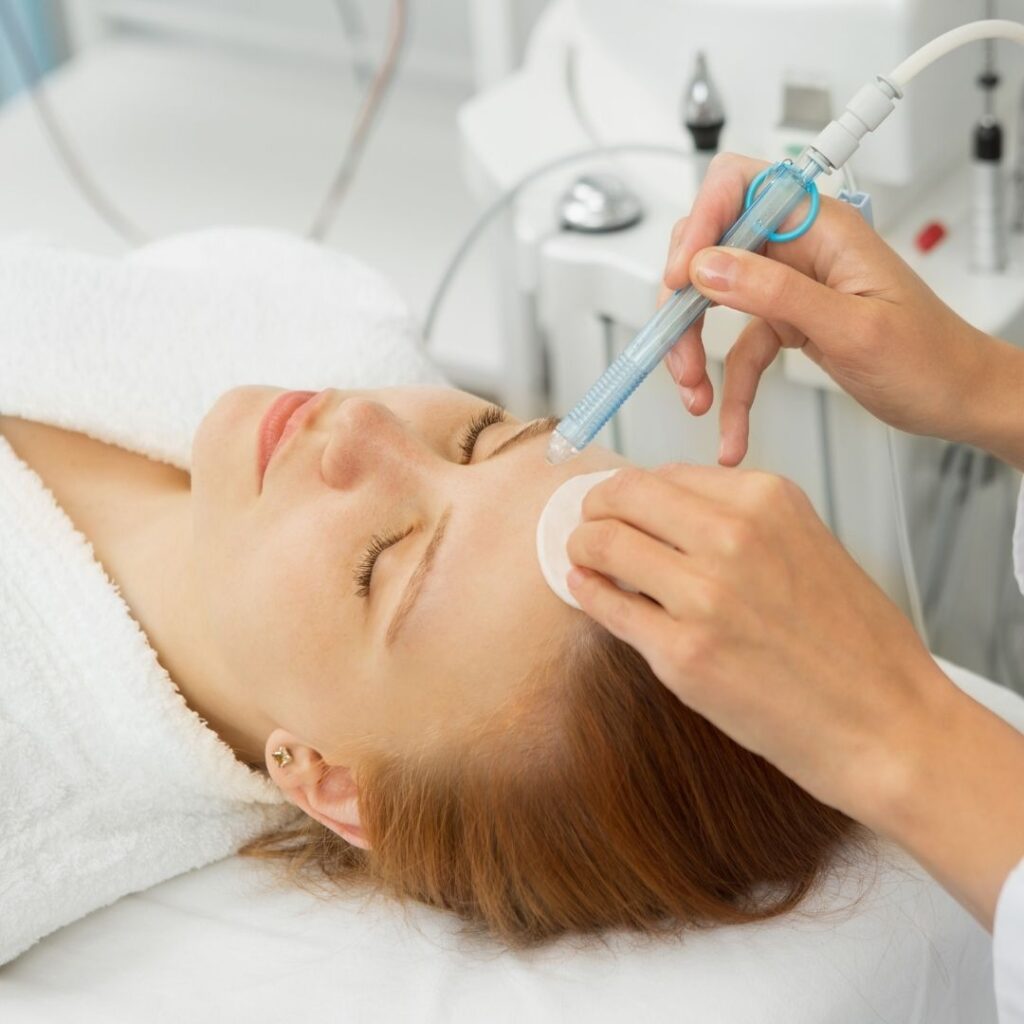
During the session, the skincare professional will use a microneedling device, which can come in various forms such as a derma roller or a pen-shaped device. These devices are equipped with small, sterile needles that create controlled micro-injuries as they penetrate the skin’s surface. The length of the needles used may vary depending on the specific skin concerns being addressed and the depth of treatment required.

Treatment Process

The skincare professional will gently glide the microneedling device over the target areas of the skin, applying slight pressure. The device’s needles create tiny punctures in the skin, stimulating collagen production and triggering the body’s natural healing response. The procedure is generally well-tolerated, with minimal discomfort due to the topical anesthesia.

The treatment process typically takes around 30 minutes to an hour, depending on the size of the treatment area. After the session is complete, the skincare professional may apply soothing creams or serums to calm the skin and enhance the healing process.

Post-Treatment Care

Immediate Aftercare

After a microneedling session, it is important to follow proper aftercare instructions to ensure optimal healing and results. The skincare professional will provide you with detailed guidelines, but some common aftercare practices include:

  1. Applying a soothing serum or cream: The skincare professional may recommend applying a gentle, calming serum or cream immediately after the procedure to soothe the skin and support the healing process.
  2. Avoiding direct sunlight: Protecting your skin from the sun is crucial after microneedling. Avoid direct sunlight for a few days and always wear a broad-spectrum sunscreen with a high SPF when you go outside.
  3. Avoiding makeup and harsh skincare products: It is advisable to avoid wearing makeup for at least 24 hours after the procedure to allow the skin to breathe and heal. Additionally, refrain from using any harsh skincare products, such as exfoliants or acids, as they may irritate the treated skin.
  4. Avoiding strenuous activities: Engaging in intense physical activities, such as heavy exercise or hot yoga, should be avoided for the first few days after microneedling to prevent excessive sweating and potential irritation.

Skin Sensitivity

Following a microneedling session, your skin may experience increased sensitivity for a few days. It is normal to feel some mild discomfort, redness, and tightness in the treated areas. However, these symptoms should subside within a week. If you experience prolonged or severe discomfort, it is important to contact your skincare professional for further guidance.

Avoiding Certain Products or Activities

During the post-treatment period, it is important to avoid certain products or activities that may interfere with the healing process or increase the risk of complications. These may include:

  1. Harsh skincare products: For a few days after the microneedling session, avoid using products containing alcohol, retinol, or other potentially irritating ingredients. These can cause further irritation and prolong the healing process.
  2. Picking or scratching the treated areas: It is essential to resist picking or scratching the treated areas, as this can lead to infection or scarring.
  3. Swimming in pools or hot tubs: Chlorine and other chemicals in pools and hot tubs can irritate the treated skin and delay the healing process. It is best to avoid swimming in such environments until your skin has fully healed.

Expected Results

Initial Effects

After a microneedling session, you may notice some immediate effects on your skin. These may include:

  1. Redness and mild swelling: It is common to experience mild redness and swelling in the treated areas immediately after the procedure. This is a normal part of the body’s healing response and usually subsides within a few hours to a few days.
  2. Improved skin texture: The skin may appear smoother and more refined even immediately after the first session. This is due to the stimulation of collagen and elastin production.
  3. Enhanced product absorption: Following microneedling, your skincare products may penetrate the skin more effectively, leading to enhanced results from your regular skincare routine.

Long-term Effects

While immediate effects are noticeable after the first session, long-term effects become more prominent with each subsequent session. Over time, microneedling can help to:

  1. Reduce the appearance of wrinkles and fine lines: With continued sessions, the stimulation of collagen production helps to visibly reduce the appearance of wrinkles and fine lines over time.
  2. Improve skin texture and tone: Microneedling can gradually improve the overall texture and tone of the skin by reducing the appearance of scars, hyperpigmentation, and enlarged pores.
  3. Enhance skin firmness and elasticity: The new collagen and elastin fibers formed due to microneedling lead to tighter, firmer, and more elastic skin.
  4. Minimize acne scars and stretch marks: Microneedling can significantly improve the appearance of acne scars and stretch marks, making them less noticeable.

Maintenance and Follow-up Sessions

To achieve optimal and long-lasting results, multiple microneedling sessions are usually required. The number of sessions depends on various factors, including your skin concerns, the severity of the condition, and your skin’s response to treatment. Typically, a series of 3-6 sessions spaced several weeks apart is recommended.

After completing the initial set of sessions, maintenance sessions may be advised to prolong the effects and address any new skin concerns that arise. Your skincare professional will create a personalized treatment plan based on your individual needs and guide you through the recommended frequency of follow-up sessions.

Possible Side Effects

Redness and Swelling

Redness and mild swelling are common immediate side effects of microneedling. While these symptoms typically subside within a few hours to a few days, some individuals may experience them for a longer period. Applying a cold compress and following the post-treatment care instructions provided by your skincare professional can help alleviate these side effects.

Skin Discoloration

Temporary skin discoloration, known as hyperpigmentation or hypopigmentation, can occur as a result of microneedling. This side effect is more common in individuals with darker skin tones. The discoloration usually resolves on its own over time, but it is important to protect your skin from the sun and avoid excessive sun exposure to prevent exacerbating the condition.

Infection Risk

Although rare, there is a risk of infection associated with microneedling. The micro-injuries created during the procedure provide an entry point for bacteria, so it is crucial to follow proper aftercare instructions to minimize this risk. Keeping the treated areas clean, avoiding touching or scratching them, and using recommended post-procedure skincare products can help reduce the chances of infection.

Microneedling Session

Variations of Microneedling

Derma Roller

The derma roller is a popular variation of microneedling. It consists of a cylindrical roller covered in numerous tiny needles that penetrate the skin when rolled over it. The derma roller is available in different needle lengths, allowing for customization depending on the desired depth of treatment. This roller can be used at home, but it is recommended to consult with a skincare professional to determine the appropriate needle length and technique for safe and effective use.

Microneedling with PRP

Microneedling with platelet-rich plasma (PRP) is a combination treatment that utilizes the regenerative properties of PRP and the collagen stimulation of microneedling. PRP is derived from the patient’s own blood and contains growth factors that promote tissue repair and healing. During the procedure, PRP is applied to the skin along with the microneedling treatment, enhancing the overall rejuvenation and healing process.

Microneedling with Radiofrequency

Microneedling with radiofrequency (RF) combines the benefits of both microneedling and RF energy to promote skin tightening and collagen production. This variation of microneedling utilizes a device that emits RF energy into the skin through the needles, delivering targeted heating and stimulating deeper collagen remodeling. This combination treatment is often recommended for individuals seeking more dramatic skin rejuvenation results.

Professional vs. At-Home Microneedling

Professional Microneedling

Professional microneedling is performed by trained skincare professionals, typically dermatologists or licensed aestheticians. These professionals have the knowledge and expertise to customize the treatment based on your unique skin concerns and needs. Professional microneedling sessions are conducted in controlled environments using medical-grade devices, ensuring safety and efficacy.

At-Home Microneedling

At-home microneedling refers to the practice of performing microneedling treatments yourself using handheld devices, such as derma rollers or pens, purchased for personal use. While at-home microneedling may offer convenience and cost savings, it carries higher risks compared to professional sessions. Without proper training and sterilization techniques, there is an increased risk of infection, skin damage, or inadequate results.

Potential Risks of At-Home Microneedling

At-home microneedling carries several potential risks if not performed correctly. These risks include:

  1. Infection: Improper sterilization of the microneedling device can introduce bacteria into the skin, leading to infection.
  2. Skin damage: Using incorrect needle lengths, pressure, or technique can cause skin abrasions, tears, or uneven results.
  3. Allergic reactions: At-home microneedling may involve the use of serums or other products that can cause allergic reactions if you are unaware of your skin’s sensitivities.
  4. Lack of effective results: Without proper training to assess your skin concerns and customize the treatment, at-home microneedling may not deliver the desired results.

It is highly recommended to consult with a qualified skincare professional before considering at-home microneedling to ensure safety and optimal outcomes.

microneedling-session

Choosing a Qualified Professional

Experience and Credentials

When choosing a professional for microneedling, it is important to consider their experience and credentials. Look for skincare professionals who specialize in dermatology or have extensive training in cosmetic procedures. Review their qualifications, certifications, and years of practical experience in performing microneedling to ensure you are in capable hands.

Sanitary Practices

Ensure that the professional follows strict sanitary practices during the microneedling procedure. This includes the use of sterile disposable needles, proper sterilization of the microneedling device, and maintaining a clean and hygienic treatment environment. Sanitary practices are crucial to prevent the risk of infections and other complications.

Client Testimonials

Before choosing a professional, it is advisable to review client testimonials and before-and-after photos. These can provide insights into the quality of their work and the satisfaction of their previous clients. You can also seek recommendations from friends, family, or trusted sources who have undergone successful microneedling treatments.

Cost of Microneedling Sessions

Factors Affecting Cost

The cost of microneedling sessions can vary depending on several factors, including:

  1. Geographic location: The cost of microneedling can vary based on the region or country in which the treatment is performed. Higher-cost areas generally have a higher cost of living and may charge more for cosmetic procedures.
  2. Professional experience and reputation: Experienced professionals with a reputable track record may charge higher fees for their expertise.
  3. Treatment area and extent: The size of the treatment area and the severity of the skin concern can affect the cost. Treating a larger area or more severe condition may require more time and resources, thus increasing the overall cost.

Average Price Range

On average, the cost of a single microneedling session can range from $200 to $700. However, prices may vary significantly depending on the factors mentioned above. Additionally, discounted package deals for multiple sessions may be available, which can help reduce the overall cost.

Insurance Coverage

Microneedling is generally considered a cosmetic procedure and is not typically covered by health insurance plans. However, it is advisable to check with your insurance provider to determine if there are any exceptions or coverage options available. In some cases, microneedling may be covered if it is performed for medical reasons, such as treating certain types of scars or skin conditions.

In conclusion, microneedling is a popular cosmetic procedure that offers numerous benefits for improving the overall appearance and texture of the skin. Before undergoing a microneedling session, it is important to consult with a qualified skincare professional and prepare your skin accordingly. During the session, a microneedling device is used to create controlled micro-injuries, stimulating collagen production and promoting skin rejuvenation. Post-treatment care and maintenance sessions are vital for maximizing the results and minimizing potential side effects. While there are variations of microneedling and at-home options available, it is recommended to choose a qualified professional for optimal safety and efficacy. Consider factors such as experience, sanitary practices, and client testimonials when selecting a professional. Lastly, the cost of microneedling sessions can vary depending on various factors, and it is generally not covered by insurance.

Are Microneedling Results Permanent?

Discover the truth behind the longevity of microneedling results. Are they permanent? Explore the process, benefits, and maintenance needed for lasting effects.

Microneedling is a popular cosmetic procedure that involves using tiny, sterilized needles to create controlled injuries on your skin’s surface. These micro-injuries stimulate collagen and elastin production, leading to smoother, rejuvenated skin. But have you ever wondered if the results of microneedling are here to stay? After all, with so many temporary solutions out there, it’s natural to be curious about the longevity of this procedure. In this article, we’ll explore the question on everyone’s mind: are microneedling results permanent? Get ready to uncover the truth behind this revolutionary skin treatment.

Are Microneedling Results Permanent?

Understanding Microneedling

What is Microneedling?

Microneedling is a minimally invasive cosmetic procedure that involves puncturing the skin with tiny, fine needles. These needles create microchannels in the skin, stimulating the body’s natural healing response and promoting the production of collagen and elastin. This procedure is commonly used to improve the appearance of scars, wrinkles, fine lines, hyperpigmentation, and other skin imperfections.

How Does Microneedling Work?

Microneedling works by creating controlled micro-injuries in the skin’s surface. The fine needles used in the procedure penetrate the epidermis and reach the dermis, triggering the body’s natural healing process. This process stimulates the production of collagen and elastin, which are essential proteins that provide structure and elasticity to the skin.

Benefits of Microneedling

Microneedling offers several benefits for individuals seeking to improve the appearance of their skin. This procedure can help minimize the appearance of scars, including acne scars and surgical scars. It can also reduce the visibility of fine lines and wrinkles, improve skin texture and tone, and enhance the absorption of topical skincare products. Additionally, microneedling can address hyperpigmentation issues and improve the overall youthful appearance of the skin.

Common Areas Treated with Microneedling

Microneedling can be performed on various areas of the body, but it is most commonly used on the face, neck, and hands. These areas often show the earliest signs of aging and are prone to different skin concerns. By targeting these areas, microneedling can effectively address a wide range of skin issues and provide noticeable improvements.

The Healing Process

Immediate Effects of Microneedling

After a microneedling procedure, it is normal to experience some immediate effects. The treated skin may appear slightly red and feel sensitive, similar to a sunburn. This redness and sensitivity usually subside within a day or two. Some individuals may also experience mild swelling or bruising, which typically resolves within a few days. It is important to follow post-treatment instructions provided by the practitioner to ensure proper healing.

Stimulation of Collagen and Elastin

One of the key processes that occur during the healing process of microneedling is the stimulation of collagen and elastin production. Collagen is a protein that provides structural support to the skin, while elastin allows the skin to stretch and resume its normal shape. The micro-injuries created by the needles in microneedling trigger the body to produce new collagen and elastin, leading to firmer, plumper, and more youthful-looking skin over time.

Skin Regeneration Timeline

The skin regeneration timeline varies for each individual, but generally, it takes several weeks for new collagen and elastin to form. During this time, the skin undergoes a reparative process, gradually improving in texture, tone, and overall appearance. It is important to have realistic expectations and understand that microneedling is not an instant fix but a gradual process that requires patience.

Factors Affecting Healing Process

Several factors can influence the healing process after microneedling. These include the depth of the needles used, the individual’s skin type and condition, overall health, and adherence to post-treatment care instructions. It is essential to follow the guidance of a qualified practitioner to ensure optimal healing and achieve the desired results.

Are Microneedling Results Permanent?

Duration of Microneedling Results

Temporary vs. Long-term Results

Microneedling can provide both temporary and long-term results, depending on various factors. In the immediate aftermath of the procedure, the skin may appear plump, hydrated, and rejuvenated, giving a temporary improvement in the skin’s appearance. However, the long-term benefits of microneedling are mainly attributed to the stimulation of collagen and elastin production. These long-term effects can last several months to years, making microneedling an effective treatment for improving skin texture and minimizing signs of aging.

Factors Affecting Duration of Results

The duration of microneedling results can vary from person to person and depends on multiple factors. These include the individual’s age, overall health, lifestyle choices, skincare routine, and the extent of the skin concerns being addressed. Factors such as sun exposure, smoking, and poor skincare habits can contribute to the breakdown of collagen and elastin, potentially reducing the longevity of microneedling results. It is important to maintain a healthy lifestyle and follow a proper skincare routine to maximize the duration of the results.

Expected Timeline for Maintenance

To maintain the desired results of microneedling, it is recommended to undergo maintenance treatments periodically. The frequency of these treatments depends on individual factors and the specific concerns being addressed. In general, most individuals benefit from a series of treatments spaced several weeks apart. After achieving the desired outcome, maintenance treatments every six to twelve months can help sustain the results.

Maintenance and Follow-up Treatments

Recommended Maintenance Schedule

To ensure prolonged and enhanced results, it is essential to follow a recommended maintenance schedule. This schedule can be determined in consultation with a qualified practitioner who will assess the individual’s unique skin concerns and needs. Regular maintenance treatments can help preserve the improvements achieved through microneedling and prevent the recurrence of skin issues over time.

Frequency of Follow-up Treatments

The frequency of follow-up treatments depends on the individual and the specific skin concerns being addressed. In most cases, a series of initial treatments spaced a few weeks apart is recommended to achieve the desired results. After this initial series, follow-up treatments can be scheduled at longer intervals, typically every three to six months. The practitioner will provide guidance on the optimal timing for follow-up treatments based on the individual’s skin condition and goals.

Additional Treatments to Enhance Results

In some cases, additional treatments may be recommended to further enhance the results of microneedling. These treatments can include the use of topical skincare products, such as serums or creams, that target specific skin concerns. Other options may include combining microneedling with other minimally invasive procedures, like dermal fillers or chemical peels, to address multiple concerns simultaneously. The practitioner will evaluate the individual’s needs and make personalized recommendations for the best possible outcome.

Preventive Measures to Prolong Results

To prolong the results of microneedling and maintain the health and vitality of the skin, it is important to adopt preventive measures. These measures include practicing good sun protection by using sunscreen and wearing protective clothing, avoiding smoking and excessive alcohol consumption, managing stress levels, and following a proper skincare routine tailored to the individual’s specific needs. These proactive steps can help preserve the results achieved through microneedling and promote long-term skin health.

Are Microneedling Results Permanent?

Patient Expectations

Realistic Expectations

When considering microneedling or any cosmetic procedure, it is crucial to have realistic expectations. While microneedling can yield significant improvements in the skin’s appearance, it is not a miracle solution that can completely eliminate all skin imperfections. The extent of the improvements and the duration of the results will vary from person to person. An open and honest discussion with a qualified practitioner can help set realistic expectations and ensure that the individual’s goals align with the potential outcomes of microneedling.

Factors to Consider for Desired Results

Several factors can contribute to achieving the desired results with microneedling. These include the individual’s skin type, age, overall health, adherence to post-treatment care instructions, and compliance with the recommended maintenance schedule. It is important to communicate these factors to the practitioner during the consultation process to customize the treatment plan accordingly and optimize the chances of achieving desired outcomes.

Consultation and Communication with Practitioner

A thorough consultation with a qualified practitioner is an essential step before undergoing microneedling. During this consultation, the practitioner will evaluate the individual’s skin concerns, medical history, and expectations. It is important to communicate any relevant information and ask any questions or concerns during this time. A transparent and open line of communication with the practitioner will help ensure that the treatment plan is tailored to the individual’s needs and expectations.

Limitations and Potential Risks

Potential Side Effects

While microneedling is generally considered safe, it is important to be aware of the potential side effects associated with the procedure. These side effects may include temporary redness, swelling, bruising, itching, and mild discomfort. In rare cases, more serious side effects such as infection or scarring may occur. However, by choosing a qualified practitioner and following proper aftercare instructions, the risk of adverse effects can be minimized.

Risk of Incomplete Results

Microneedling may not provide complete results for all individuals or all skin concerns. Factors such as the severity of the skin condition, individual response to the treatment, and adherence to the recommended treatment plan can affect the outcome. It is important to have realistic expectations and understand that multiple sessions or additional treatments may be necessary to achieve the desired results.

Risk of Scarring

Although rare, there is a small risk of scarring associated with microneedling. This risk is higher for individuals with a history of keloid scarring or those who have undergone recent radiation therapy. It is crucial to disclose any relevant medical information to the practitioner during the consultation process to minimize the risk of scarring.

Suitability for Different Skin Types

Microneedling can be suitable for different skin types, including fair, medium, and dark skin tones. However, the approach may need to be adjusted based on the individual’s skin type and condition. It is important to choose a qualified practitioner experienced in treating diverse skin types to ensure safe and effective treatment. The practitioner will assess the individual’s skin and customize the treatment plan accordingly.

Alternative Treatments

Comparing Microneedling to Other Procedures

Microneedling is one of several cosmetic procedures aimed at improving the appearance of the skin. It is often compared to treatments such as chemical peels, laser resurfacing, and dermal fillers. While these treatments may address similar concerns, each option has its own advantages and considerations. Consulting with a qualified practitioner can help determine the most suitable treatment approach based on the individual’s specific skin concerns, expectations, and preferences.

Pros and Cons of Alternative Treatments

When considering alternative treatments to microneedling, it is important to weigh the pros and cons of each option. Chemical peels, for example, can improve skin texture, tone, and signs of aging but may require downtime. Laser resurfacing can address deep wrinkles and scars but may come with higher costs and potential risks. Dermal fillers can restore volume and reduce the appearance of wrinkles, but the results are temporary. Discussing these pros and cons with a qualified practitioner will help make an informed decision about the most suitable treatment choice.

Professional vs. At-Home Microneedling

Benefits of Professional Microneedling

Professional microneedling, performed by a qualified practitioner, offers several advantages compared to at-home treatments. Professional treatments are carried out using medical-grade devices that ensure precise and controlled results. Additionally, professional practitioners have the knowledge and expertise to tailor the treatment to the individual’s unique needs, delivering optimal results. Professional microneedling also provides a more comfortable and safe experience, with reduced risk of complications.

Safety Concerns with At-Home Microneedling

At-home microneedling has gained popularity in recent years, but it comes with certain safety concerns. The devices used at home may not be as effective or reliable as those used by professionals. Improper use of at-home devices can lead to skin damage, infections, or other adverse effects. Without proper training, it is also challenging for individuals to determine the optimal needle depth and treatment protocol for their specific skin concerns. It is strongly recommended to seek professional microneedling for safety and best results.

Effectiveness of At-Home Microneedling

Although at-home microneedling devices may offer convenience, their effectiveness may be limited compared to professional treatments. The depth and quality of needle penetration, the sterility of the device, and the absence of expert guidance can all impact the outcome of at-home treatments. While some individuals may see modest improvements with at-home microneedling, professional treatments are more likely to deliver noticeable and long-lasting results.

Clinical Studies and Research Findings

Evaluation of Microneedling Results in Studies

Numerous clinical studies have evaluated the effectiveness of microneedling in improving various skin concerns. These studies have consistently shown positive results, including improvement in skin texture, reduction in the appearance of scars, wrinkles, and hyperpigmentation, and overall enhancement in skin quality. The extent and duration of the improvements may vary among individuals and depend on multiple factors, including the treatment protocol and the individual’s unique skin characteristics.

Long-term Effects of Microneedling

While individual responses may vary, microneedling has demonstrated long-term effects in improving the skin’s appearance. The stimulation of collagen and elastin production triggered by the procedure can lead to continued improvements for several months to years after the treatment. By maintaining a proper skincare routine, a healthy lifestyle, and periodic maintenance treatments, the long-term effects of microneedling can be prolonged.

Promising Research Discoveries

Ongoing research continues to explore the potential applications and benefits of microneedling. Exciting discoveries include the use of microneedling in combination with other treatments, such as topical drug delivery or platelet-rich plasma (PRP) therapy, to enhance results. Additionally, advancements in microneedling technology, such as the introduction of radiofrequency or fractional laser-based devices, hold promise for further improvements in skin rejuvenation. These ongoing research efforts contribute to the evidence-based understanding and refinement of microneedling as a cosmetic procedure.

Conclusion

Microneedling is a versatile and effective cosmetic procedure that can address a variety of skin concerns. By promoting the production of collagen and elastin, it helps improve skin texture, treat scars and wrinkles, and rejuvenate the overall appearance of the skin. While microneedling results are not permanent, they can be long-lasting with proper maintenance and follow-up treatments. To achieve the best outcomes, it is important to consult with a qualified practitioner, set realistic expectations, and follow a personalized treatment plan. By considering the limitations, potential risks, and alternative treatments, individuals can make informed decisions about their skincare journey. With the advancement of clinical studies and ongoing research, microneedling continues to evolve and offer promising prospects for achieving healthy, radiant, and youthful skin.

Microneedling For Jowls

Discover microneedling for jowls, a non-invasive procedure that stimulates collagen production and tightens sagging skin. Say goodbye to aging signs and embrace a revitalized you.

Microneedling for Jowls: A Promising Solution for Facial Rejuvenation. Discover the groundbreaking technique of microneedling for jowls, an innovative approach that effectively addresses sagging, loose skin in the lower face. This non-invasive procedure utilizes tiny needles to create controlled micro-injuries, stimulating collagen production and tightening the skin. Bid farewell to the signs of aging with microneedling’s ability to restore firmness and elasticity to your jowls, leaving you with a more youthful and refreshed appearance. Experience the wonders of this cutting-edge solution and embrace a revitalized and rejuvenated you.

What are Jowls?

Definition

Jowls refer to the sagging and drooping skin or flesh that hangs beneath the jawline on either side of the face. They are most commonly seen in older individuals as a natural result of aging and skin laxity. Jowls can give the appearance of a double chin or contribute to an overall tired and aged appearance.

Causes

There are several factors that contribute to the development of jowls. The primary cause is the natural aging process. As we age, our skin loses elasticity and collagen, which are structural proteins that help maintain its firmness and tightness. This loss of elasticity leads to the sagging and drooping of the skin, including the formation of jowls. Other factors that can contribute to the development of jowls include genetics, sun exposure, smoking, weight loss, and poor skincare habits.

Common Symptoms

The most noticeable symptom of jowls is the presence of sagging skin or flesh beneath the jawline. This can create a distorted facial contour and contribute to a tired or aged appearance. In addition to the physical changes, individuals with jowls may also experience decreased self-confidence and dissatisfaction with their facial appearance. It is important to note that jowls can vary in severity, from minor sagging to more pronounced drooping that extends further down the neck.

Understanding Microneedling

Definition

Microneedling, also known as collagen induction therapy, is a minimally invasive cosmetic procedure that involves the use of a device with fine needles to create controlled micro-injuries in the skin. These micro-injuries stimulate the body’s natural healing response, leading to the production of new collagen and elastin fibers. The result is tighter, smoother, and more youthful-looking skin.

How it Works

During a microneedling procedure, a trained professional will use a special device with tiny needles to create microscopic punctures in the skin. These punctures trigger the body’s wound healing process, which involves the release of growth factors and the production of new collagen and elastin. The tiny channels created by the needles also allow for better absorption of skincare products, enhancing their effectiveness.

Benefits

Microneedling offers several benefits for individuals looking to address jowls and improve their overall skin texture and appearance. Some of the key benefits of microneedling include:

  1. Reduction of jowls: Microneedling can help stimulate collagen production in the skin, which can lead to a tightening and lifting effect, reducing the appearance of jowls.
  2. Improved skin texture: The production of new collagen and elastin fibers can help improve the overall texture and smoothness of the skin, minimizing the appearance of fine lines, wrinkles, and uneven skin tone.
  3. Increased product absorption: The creation of micro-channels during the procedure allows for better absorption of skincare products, making them more effective in improving the skin’s health and appearance.
  4. Minimal downtime: Microneedling is a minimally invasive procedure that typically requires little to no downtime. Most individuals can resume their normal activities shortly after the treatment.
  5. Long-lasting results: The new collagen and elastin fibers produced as a result of microneedling can provide long-lasting improvements to the skin’s texture and appearance.

Microneedling for Jowls: How Effective is it?

Overview

Microneedling has gained popularity as a non-surgical treatment option for addressing jowls. It offers a less invasive alternative to surgical procedures such as facelifts while still providing noticeable improvements in skin tightness and firmness.

Research Studies

Several research studies have investigated the effectiveness of microneedling for jowls. In a study published in the Journal of Cosmetic Dermatology, researchers found that microneedling with radiofrequency successfully improved jowls in 89% of the participants. Another study published in the Journal of Dermatologic Surgery reported similar positive results, with 84% of participants showing improvement in jowls after microneedling treatments.

Expert Opinions

Experts in the field of aesthetic medicine also support the use of microneedling for jowls. Dr. Jennifer Chwalek, a dermatologist, explains that microneedling can stimulate collagen production and tighten the surrounding skin, leading to a reduction in jowls. Dr. Joseph Eviatar, a cosmetic surgeon, agrees and emphasizes that while microneedling may not provide the same dramatic results as surgical procedures, it can still offer noticeable improvements for individuals with mild to moderate jowls.

Microneedling Procedure

Preparation

Before undergoing a microneedling procedure, it is important to consult with a qualified professional who will assess your suitability for the treatment and provide personalized advice. They may recommend avoiding certain medications, skincare products, or procedures that could interfere with the treatment or increase the risk of complications. It is crucial to follow these pre-treatment instructions to ensure optimal results and minimize any potential risks.

Steps Involved

During a microneedling procedure, the following steps are typically involved:

  1. Cleansing: The treatment area will be thoroughly cleansed to remove any dirt, oil, or makeup.
  2. Numbing: A numbing cream or topical anesthetic may be applied to the skin to minimize discomfort during the procedure.
  3. Microneedling: The professional will use a specialized microneedling device to create controlled micro-injuries in the skin. The device may be adjusted to the appropriate needle length based on the specific concerns being addressed.
  4. Serums or growth factors: Depending on the treatment plan, the professional may apply serums or growth factors to enhance the treatment’s effectiveness and promote healing.
  5. Aftercare: The professional will provide instructions on post-procedure care, including skincare routines and any necessary precautions.

Results and Recovery

After a microneedling procedure, it is common to experience some level of redness, mild swelling, and sensitivity in the treated area. These effects are temporary and usually subside within a few days. It is important to follow the post-procedure instructions provided by the professional to promote proper healing and maximize the results. Most individuals begin to see noticeable improvements in their skin’s texture and firmness within a few weeks of the treatment. However, multiple sessions may be recommended for optimal results, depending on the severity of the jowls and individual response to the treatment.

Microneedling For Jowls

Microneedling vs. Other Treatments

Facelifts

While facelifts have traditionally been a popular option for addressing jowls, they are invasive surgical procedures that require significant downtime and carry inherent risks. Facelifts involve the removal of excess skin and tissue to tighten and lift the face and neck. While they can provide dramatic and long-lasting results, they are not suitable for everyone and may be associated with complications such as scarring, infection, or nerve damage. Microneedling, on the other hand, offers a less invasive alternative with minimal downtime and a lower risk of complications.

Injectables

Injectable treatments such as dermal fillers and neurotoxins can also be used to address jowls. Dermal fillers can add volume and lift to the midface, helping to reduce the appearance of jowls. Neurotoxins, such as Botox, can relax the muscles in the jawline, further enhancing the overall contour of the face. These treatments provide immediate but temporary results and may need to be repeated periodically to maintain the desired outcome. Microneedling, however, stimulates collagen production and offers long-lasting improvements to the skin’s texture and firmness.

Ultrasound Therapy

Ultrasound therapy is another option for addressing jowls. This non-invasive procedure utilizes ultrasound energy to stimulate collagen production and tighten the skin. It can provide noticeable improvements in skin laxity and jowls without the need for surgery. However, ultrasound therapy may require multiple sessions, and the results may take several months to fully manifest. Microneedling can be a more cost-effective and efficient option, particularly for individuals with mild to moderate jowls.

Finding the Right Microneedling Professional

Experience and Expertise

Finding a qualified and experienced professional is crucial when considering microneedling for jowls or any other cosmetic procedure. Look for professionals who have specific training and experience in microneedling techniques. They should be able to provide you with a thorough assessment of your skin concerns and develop a personalized treatment plan based on your individual needs. Don’t hesitate to ask about their experience, certifications, and any before-and-after photos of previous clients.

Client Reviews

Reading client reviews and testimonials can be valuable when evaluating potential microneedling professionals. Look for reviews that specifically mention their experience with treating jowls. Pay attention to the overall satisfaction of previous clients and their specific outcomes. While it is important to consider reviews, remember that individual experiences can vary, and it is best to consult with the professional directly to determine if they are the right fit for you.

Certifications

When researching microneedling professionals, inquire about their certifications and training in the field. The professional should have completed proper training and certification courses specific to microneedling techniques. This ensures that they have the necessary knowledge and skills to perform the procedure safely and effectively. Don’t hesitate to ask for proof of certifications or any additional qualifications they may have.

Potential Side Effects and Risks

Temporary Conditions

After microneedling, it is common to experience temporary side effects such as redness, mild swelling, and sensitivity in the treated area. These effects typically subside within a few days and can be managed with appropriate aftercare. It is important to follow the post-procedure instructions provided by the professional to minimize the risk of complications and ensure proper healing.

Allergic Reactions

While rare, allergic reactions to the substances or solutions used during microneedling can occur. It is important to disclose any known allergies or sensitivities to the professional before the procedure. They can then take appropriate measures to minimize the risk of allergic reactions or choose alternative products if necessary.

Infection

Microneedling involves creating micro-injuries in the skin, which can potentially increase the risk of infection if proper hygiene and sterilization protocols are not followed. To minimize this risk, it is crucial to choose a reputable professional who maintains strict infection control practices. Ask about their sterilization procedures and cleanliness protocols to ensure your safety during the procedure.

Microneedling Aftercare

Post-Procedure Instructions

Following the microneedling procedure, the professional will provide you with specific aftercare instructions to promote proper healing and enhance the results. These may include guidelines on how to clean and moisturize the treatment area, which skincare products to avoid, and any necessary precautions to take. It is important to follow these instructions diligently to minimize the risk of complications and optimize the outcomes of the treatment.

Skin Care Routine

In addition to the post-procedure instructions, maintaining a proper skincare routine can greatly contribute to the success of microneedling for jowls. Using gentle and nourishing skincare products can help support the healing process and enhance the overall health and appearance of the skin. The professional may recommend specific products or ingredients that can benefit your skin type and concerns.

Follow-Up Appointments

The frequency of follow-up appointments will vary depending on individual factors, such as the severity of the jowls and the desired outcome. In general, multiple sessions of microneedling are recommended for optimal results, typically spaced several weeks apart. These follow-up appointments allow the professional to assess the progress, make any necessary adjustments to the treatment plan, and ensure that you are achieving the desired improvements.

Microneedling Results

Expected Timeline

The timeline for seeing visible improvements after microneedling can vary from person to person. Some individuals may notice initial changes in their skin’s texture and firmness within a few weeks of the treatment. However, the full effects of microneedling typically take several months to manifest as the newly produced collagen and elastin fibers remodel and strengthen the skin. Multiple sessions may be required to achieve the desired level of improvement, and the longevity of the results will depend on factors such as individual aging process and skincare habits.

Comparisons with Other Techniques

When comparing microneedling with other techniques for addressing jowls, it is important to consider individual goals, preferences, and the severity of the jowls. Surgical procedures like facelifts may provide more dramatic results, but they involve higher risks and longer recovery times. Injectables can offer immediate improvements, but the effects are temporary and require repeated treatments. Ultrasound therapy can provide noticeable tightening, but it may require multiple sessions over an extended period. Microneedling offers a middle ground, providing noticeable and long-lasting improvements with minimal downtime and a lower risk of complications.

Maintenance

While microneedling can provide long-lasting improvements to the appearance of jowls, it does not stop the natural aging process or prevent the formation of new jowls over time. To maintain the results, it is important to follow a consistent skincare routine, protect the skin from sun damage, and consider periodic maintenance treatments as advised by the professional. They can recommend appropriate products and treatments to address any new concerns or maintain the improvements achieved through microneedling.

Conclusion

Benefits and Considerations

Microneedling offers a minimally invasive and effective option for individuals looking to address jowls and improve their overall skin texture and appearance. The stimulation of collagen production through microneedling can lead to the reduction of jowls, improved skin tightness, and a smoother, more youthful-looking complexion. The benefits of microneedling include minimal downtime, long-lasting results, and the ability to enhance the effectiveness of skincare products. However, it is important to consider individual factors such as severity of jowls and skincare goals when deciding on the most suitable treatment approach.

Final Thoughts

If sagging skin and jowls have become a concern for you, exploring microneedling as a potential treatment option could be beneficial. Consult with a qualified professional to assess your suitability for the procedure and discuss your goals. They can provide personalized advice, develop a treatment plan tailored to your needs, and guide you through the process to achieve the desired improvements. With the advancements in microneedling techniques and the positive results seen in research studies and expert opinions, microneedling can be a valuable tool in rejuvenating the skin and addressing jowls, helping you regain confidence in your appearance.

en_USEnglish