
google.com, pub-2032008856654686, DIRECT, f08c47fec0942fa0

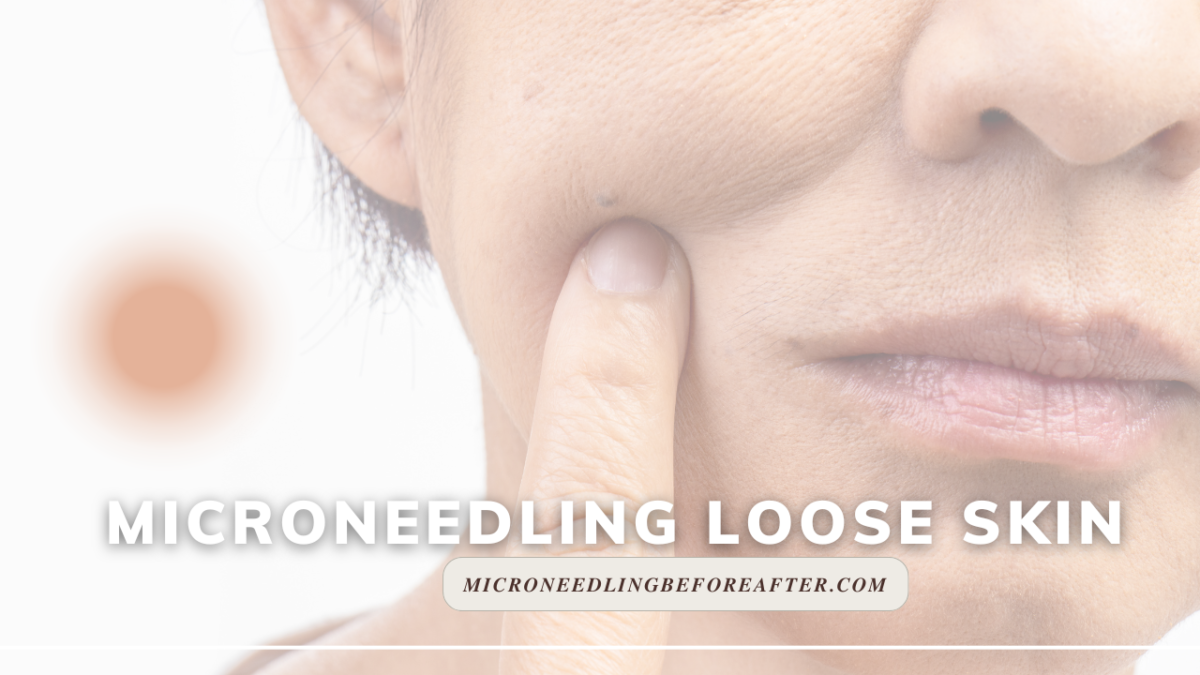
Microneedling Loose Skin

Looking to improve loose skin? Learn about microneedling, its benefits, risks, and aftercare to make an informed decision. Get smooth, firm skin now!

Introduction
Microneedling is a popular aesthetic procedure that has been gaining attention for its ability to improve the appearance of loose skin. As someone who is considering microneedling for loose skin, it is important to understand how the procedure works, its benefits, potential risks, and what to expect during and after the treatment. In this article, I will provide you with a comprehensive guide to microneedling loose skin to help you make an informed decision.

What is Microneedling?
Microneedling, also known as collagen induction therapy, is a minimally invasive cosmetic procedure that involves creating tiny punctures in the skin using a device called a dermaroller or a microneedling pen. These micro-injuries stimulate the body’s natural healing processes, leading to the production of collagen and elastin, which are essential proteins for skin firmness and elasticity.

Microneedling can be performed in a medical office or a spa setting by a trained professional. The procedure is relatively quick and well-tolerated by most individuals. It is often used to address a variety of skin concerns, including fine lines, wrinkles, acne scars, hyperpigmentation, and, of course, loose skin.

How Does Microneedling Help with Loose Skin?
Loose skin, also known as skin laxity, is a common concern that occurs with aging, weight loss, sun damage, and other factors. When the skin loses its firmness and elasticity, it can appear saggy and wrinkled. Microneedling can help improve the appearance of loose skin by promoting collagen and elastin production, which helps tighten and firm the skin.

The micro-injuries created during the microneedling process trigger the body’s wound healing response, leading to the formation of new collagen and elastin fibers. Over time, this results in smoother, firmer, and more youthful-looking skin. Additionally, microneedling can help enhance the penetration and effectiveness of skincare products, further improving skin quality.

Benefits of Microneedling for Loose Skin
There are several benefits to undergoing microneedling for loose skin, including:

– Improved Skin Firmness and Elasticity
Microneedling stimulates collagen and elastin production, leading to tighter and more elastic skin. This can help reduce the appearance of sagging and wrinkles, resulting in a more youthful complexion.

– Minimally Invasive
Microneedling is a minimally invasive procedure that requires little to no downtime. Most individuals can resume their normal activities immediately after treatment, making it a convenient option for those with busy schedules.

– Safe for All Skin Types
Microneedling is safe for all skin types and tones, making it a versatile option for individuals with diverse skin concerns. It is also suitable for sensitive skin, as the procedure can be customized to meet individual needs.

– Long-Lasting Results
With multiple sessions spaced several weeks apart, microneedling can provide long-lasting results. The increase in collagen and elastin production continues over time, leading to gradual improvements in skin texture and tone.

– Versatile Treatment
In addition to addressing loose skin, microneedling can help improve the overall quality of the skin by reducing fine lines, acne scars, and hyperpigmentation. It can be combined with other treatments for enhanced results.

What to Expect During a Microneedling Treatment
Before undergoing a microneedling treatment, it is essential to consult with a qualified skincare professional to assess your skin concerns and determine if microneedling is the right option for you. During the consultation, be sure to discuss your medical history, skincare routine, and expectations for the treatment.

On the day of the microneedling procedure, you can expect the following steps:

1. Cleansing and Numbing
The treatment area will be cleansed to remove any makeup, dirt, or oils. A numbing cream may be applied to minimize discomfort during the procedure. The numbing cream is typically left on for about 30 minutes to ensure the skin is adequately numbed.

2. Microneedling
Once the skin is prepped and numb, the skincare professional will begin the microneedling procedure using a dermaroller or microneedling pen. The device will be gently rolled or moved across the skin in a controlled manner to create micro-injuries. The depth and speed of the needles can be adjusted based on the specific skin concerns being addressed.

3. Post-Treatment Care
After the microneedling treatment, the skin may appear red and slightly inflamed, similar to a mild sunburn. This is a normal response to the micro-injuries created during the procedure. Your skincare professional may apply a soothing serum or moisturizer to help calm the skin and enhance healing. It is essential to follow any post-treatment instructions provided by the professional to ensure optimal results and minimize the risk of complications.

4. Recovery and Results
Most individuals experience mild redness, swelling, and sensitivity in the days following a microneedling treatment. These side effects typically subside within a few days, with full results becoming visible over the following weeks as collagen and elastin production increases. Multiple sessions are usually recommended to achieve the best outcomes for loose skin.

Potential Risks and Side Effects of Microneedling
While microneedling is considered a safe and effective procedure for most individuals, there are some potential risks and side effects to be aware of, including:

– Redness and Swelling
It is normal to experience redness and swelling immediately after a microneedling treatment. These side effects usually resolve within a few days but can be more pronounced for some individuals.

Skin Sensitivity
The skin may feel sensitive and tender following microneedling, especially for individuals with sensitive skin. It is essential to avoid using harsh skincare products and sun exposure during the recovery period.

– Risk of Infection
There is a small risk of infection with microneedling if proper post-treatment care is not followed. It is crucial to keep the treated area clean and avoid touching it with unwashed hands to reduce the risk of infection.

– Hyperpigmentation
Individuals with a history of hyperpigmentation may be at risk of developing dark spots or uneven skin tone following microneedling. Sun protection and proper skincare are essential to minimize this risk.

– Scarring
In rare cases, microneedling can lead to scarring, especially if the treatment is performed by an inexperienced or unqualified provider. It is crucial to choose a reputable skincare professional for microneedling treatments to minimize the risk of complications.

It is essential to discuss any concerns or questions about microneedling with your skincare professional before undergoing the procedure. By understanding the potential risks and side effects, you can make an informed decision about whether microneedling is the right choice for your loose skin concerns.

Aftercare Tips for Microneedling
Proper aftercare is essential to ensure optimal results and minimize the risk of complications following a microneedling treatment. Here are some aftercare tips to help you care for your skin post-treatment:

– Keep the Skin Clean
It is essential to keep the treated area clean and avoid touching it with dirty hands to reduce the risk of infection. Use a gentle cleanser and lukewarm water to cleanse the skin, and pat it dry with a clean towel.

– Moisturize Regularly
After microneedling, the skin may feel dry and tight. Apply a gentle, non-comedogenic moisturizer to keep the skin hydrated and promote healing. Avoid using heavy or oily products that can clog pores and irritate the skin.

– Avoid Sun Exposure
Sun exposure can worsen inflammation, hyperpigmentation, and other side effects following microneedling. It is crucial to avoid direct sunlight and wear sunscreen with at least SPF 30 to protect the skin from UV damage.

– Limit Exfoliation
Avoid using harsh exfoliants, scrubs, or chemical peels on the treated area for at least one week after microneedling. These products can irritate the skin and interfere with the healing process.

– Follow Post-Treatment Instructions
Your skincare professional will provide you with specific post-treatment instructions tailored to your skin type and concerns. It is essential to follow these instructions carefully to maximize the benefits of microneedling and ensure a safe recovery.

By following these aftercare tips and staying in touch with your skincare professional, you can optimize the results of your microneedling treatment and maintain healthy, youthful-looking skin.

Conclusion
Microneedling is a highly effective and versatile treatment for improving loose skin, fine lines, wrinkles, acne scars, and other skin concerns. By stimulating collagen and elastin production, microneedling promotes firmer, tighter, and more youthful-looking skin over time. While the procedure is generally safe and well-tolerated, it is essential to consult with a qualified skincare professional and follow proper aftercare to achieve optimal results and minimize the risk of complications.

If you are considering microneedling for loose skin, be sure to research reputable providers, ask questions, and discuss your expectations during a consultation. With the right guidance and care, microneedling can help you achieve smoother, more radiant skin and boost your confidence in your appearance.

Microneedling License Requirements

Learn about the microneedling license requirements in this comprehensive article. Understand education, training, state-specific regulations, and more to practice legally and ethically.

Microneedling License Requirements
As a practitioner in the field of microneedling, it is important to understand the requirements necessary to obtain a license. These requirements can vary by state and country, so it is crucial to research and ensure compliance. In this article, I will delve into the microneedling license requirements to provide you with a comprehensive overview of what is needed to practice legally and ethically.

Education and Training
One of the first steps towards obtaining a microneedling license is completing the necessary education and training. This typically involves attending a cosmetology school or esthetician program that offers coursework in microneedling techniques. Additionally, some states may require a specific number of hours of training or a certification from a reputable organization.

It is important to choose a reputable and accredited educational program to ensure that you are receiving the proper training and knowledge needed to perform microneedling procedures safely and effectively. Research different programs in your area and inquire about their curriculum and accreditation before enrolling.

Hands-On Experience
In addition to education and training, hands-on experience is a crucial component of obtaining a microneedling license. Many licensing boards require a certain number of supervised hours performing microneedling procedures on clients before granting a license. This practical experience helps to ensure that you are proficient in the techniques and can deliver quality results to your clients.

Seek out opportunities to gain hands-on experience through internships, apprenticeships, or supervised practice sessions. Working under the guidance of an experienced microneedling practitioner can provide valuable insights and help you hone your skills before applying for a license.

State-Specific Requirements
Each state has its own set of regulations and requirements for obtaining a microneedling license. It is essential to familiarize yourself with the specific requirements in your state to ensure that you are in compliance with the law. This may include completing a certain number of training hours, passing an exam, and submitting an application for licensure.

Research the licensing board in your state and review their guidelines for microneedling practitioners. Contact the board directly if you have any questions or need clarification on the requirements. It is important to stay informed and up-to-date on any changes or updates to the regulations governing microneedling.

Continuing Education
Once you have obtained a microneedling license, it is crucial to continue your education and professional development. Many states require licensed practitioners to complete a certain number of continuing education hours each year to maintain their license. This may include courses on new techniques, safety protocols, or advancements in the field of microneedling.

Invest in continuing education opportunities to enhance your skills and stay current with industry trends. Attend workshops, seminars, and conferences to learn from experts in the field and expand your knowledge base. Continuing education not only helps you maintain your license but also demonstrates your commitment to excellence in microneedling.

Safety and Sanitation Practices
Safety and sanitation practices are paramount in the field of microneedling to protect the health and well-being of your clients. Licensing boards often have specific guidelines and protocols in place to ensure that practitioners adhere to the highest standards of cleanliness and safety. This may include using sterile equipment, following proper disinfection procedures, and maintaining a clean and hygienic workspace.

Familiarize yourself with the safety and sanitation practices required by your licensing board and incorporate them into your daily routines. Invest in high-quality equipment and supplies that meet industry standards and undergo regular training on sanitation protocols. By prioritizing safety and cleanliness, you can create a safe and comfortable environment for your clients.

Ethical Standards
In addition to safety and sanitation practices, ethical standards are a fundamental aspect of obtaining and maintaining a microneedling license. Practitioners are expected to conduct themselves with integrity, honesty, and professionalism at all times. This includes obtaining informed consent from clients, maintaining confidentiality, and following ethical guidelines in all aspects of their practice.

Adhere to ethical standards set forth by your licensing board and professional organizations to uphold the reputation of the microneedling industry. Treat your clients with respect and dignity, provide them with accurate information about the procedures, and prioritize their well-being above all else. By demonstrating ethical behavior, you can earn the trust and loyalty of your clients and build a successful practice.

Insurance and Liability Coverage
Obtaining insurance and liability coverage is essential for all microneedling practitioners to protect themselves and their clients in the event of unforeseen incidents or accidents. Many licensing boards require practitioners to carry liability insurance as part of their licensure requirements. This insurance can help cover legal fees, damages, and other expenses related to lawsuits or claims filed against you.

Research different insurance options for microneedling practitioners and select a policy that meets your needs and budget. Ensure that your policy provides adequate coverage for potential risks and liabilities associated with microneedling procedures. By investing in insurance and liability coverage, you can have peace of mind knowing that you are protected in case of emergencies.

Exam Preparation
In some states, aspiring microneedling practitioners are required to pass an exam as part of the licensing process. This exam typically evaluates your knowledge of microneedling techniques, safety protocols, and ethical standards. It is important to prepare thoroughly for the exam to increase your chances of success and demonstrate your proficiency in the field.

Create a study plan and allocate time each day to review key concepts and materials related to microneedling. Take practice exams to assess your knowledge and identify areas where you need to strengthen your understanding. Reach out to industry experts or mentors for guidance and support as you prepare for the exam. By dedicating time and effort to exam preparation, you can approach the test with confidence and achieve a passing score.

Application Process
The application process for obtaining a microneedling license can vary depending on the state and licensing board. It typically involves submitting an application form, along with supporting documents such as proof of education, training, and insurance coverage. Some states may also require letters of recommendation, a background check, and a personal statement outlining your qualifications and experience.

Gather all the necessary documents and information required for the application process and ensure that they are accurate and up-to-date. Follow the instructions provided by the licensing board and double-check your application before submitting it. Be prepared to pay any required fees associated with the application process and allow sufficient time for processing and review.

Conclusion
In conclusion, obtaining a microneedling license requires a combination of education, training, experience, and compliance with state-specific requirements. By familiarizing yourself with the regulations governing microneedling and adhering to safety, ethical, and professional standards, you can pursue a successful career in the field. Invest in your education, continue your professional development, and prioritize the well-being of your clients to ensure a rewarding and fulfilling practice in microneedling.

Microneedling Depth For Collagen Production

Learn how microneedling depth impacts collagen production for healthier skin. Discover the ideal needle lengths for optimal results. Consult a professional for personalized advice.

Understanding Microneedling Depth for Optimal Collagen Production
As someone deeply interested in skincare, I often wonder about the most effective techniques to improve collagen production and skin rejuvenation. One popular method that has been gaining attention in the beauty industry is microneedling. I have spent a significant amount of time researching the ideal microneedling depth for collagen production. In this article, I will delve into the depths of microneedling and its impact on collagen synthesis.

What is Microneedling?
Microneedling, also known as collagen induction therapy, is a minimally invasive cosmetic procedure that involves using a pen-like device with fine needles to create micro-injuries on the skin. These micro-injuries stimulate the body’s natural wound healing process, leading to increased collagen and elastin production. The result is smoother, firmer, and more youthful-looking skin.

I find microneedling fascinating because of its ability to promote collagen synthesis, which is crucial for maintaining healthy and youthful skin. However, the effectiveness of microneedling largely depends on the depth at which the needles penetrate the skin. Let us explore the relationship between microneedling depth and collagen production in more detail.

Microneedling Depths
Microneedling devices come with different needle lengths that can penetrate the skin at various depths. The most common needle lengths are 0.5mm, 1.0mm, and 1.5mm. Each depth targets specific skin concerns and can have different effects on collagen production.

I have discovered that understanding the ideal microneedling depth for collagen production is crucial to achieve optimal results. Choosing the right needle length based on your skin concerns and treatment goals is essential for successful microneedling sessions.

Effects of Microneedling Depths on Collagen Production
The depth at which the microneedles penetrate the skin determines the level of collagen production and skin rejuvenation. Here is a breakdown of the effects of different microneedling depths on collagen synthesis:

Microneedling Depth
Collagen Production

0.5mm
Mild stimulation of collagen production, suitable for superficial skin concerns and maintenance treatments.

1.0mm
Moderate stimulation of collagen production, ideal for addressing wrinkles, hyperpigmentation, and acne scars.

1.5mm
Significant stimulation of collagen production, effective for deeper scars, stretch marks, and advanced signs of aging.

By understanding the effects of microneedling depths on collagen production, you can choose the most appropriate depth for your specific skin concerns and treatment goals.

Factors to Consider When Choosing Microneedling Depth
Several factors influence the selection of microneedling depth for collagen production. These factors play a crucial role in determining the effectiveness and safety of the treatment. Here are some key considerations to keep in mind:

Skin Concerns: The depth of microneedling should be tailored to address specific skin concerns such as wrinkles, acne scars, hyperpigmentation, and skin texture.

Treatment Goals: Your desired outcomes, whether it is skin rejuvenation, scar reduction, or overall skin improvement, will guide the selection of the appropriate microneedling depth.

Skin Type: Different skin types (e.g., sensitive, oily, dry) react differently to microneedling depths. Consult with a skincare professional to determine the best depth for your skin type.

Pain Tolerance: Deeper microneedling depths may cause more discomfort during the treatment. Consider your pain tolerance level when choosing the needle length.

Downtime: The recovery time after microneedling varies depending on the depth of the treatment. Deeper microneedling depths may require more downtime for skin healing.

Considering these factors will help you make an informed decision when selecting the microneedling depth for collagen production.

The Science Behind Collagen Production in Microneedling
Collagen is a structural protein found in the skin that provides support, firmness, and elasticity. During microneedling, the micro-injuries created by the fine needles trigger the skin’s natural healing response. This response includes increased collagen production, which helps repair and rejuvenate the skin.

I find the science behind collagen synthesis fascinating because it highlights the body’s remarkable ability to regenerate and repair damaged skin. By understanding how microneedling promotes collagen production, we can harness its benefits for improving skin health and appearance.

Benefits of Collagen in Skin Health
Collagen plays a fundamental role in maintaining skin health and appearance. Here are some key benefits of collagen in the skin:

Skin Firmness: Collagen provides structural support to the skin, promoting firmness and preventing sagging.

Skin Elasticity: Collagen contributes to skin elasticity, allowing it to stretch and bounce back without losing its shape.

Skin Hydration: Collagen helps retain moisture in the skin, keeping it hydrated and plump.

Wrinkle Reduction: Increased collagen levels can help reduce the appearance of fine lines and wrinkles, leading to smoother and more youthful-looking skin.

Understanding the benefits of collagen underscores the importance of promoting collagen production through techniques like microneedling for healthier and more vibrant skin.

Microneedling Depth Recommendations
Based on my research and experience, here are some general recommendations for microneedling depths according to skin concerns and treatment goals:

Mild Skin Concerns (e.g., fine lines, mild acne scars, uneven texture):

Recommended Depth: 0.5mm
Benefits: Mild stimulation of collagen, suitable for maintenance treatments and superficial skin concerns.

Moderate Skin Concerns (e.g., wrinkles, hyperpigmentation, moderate acne scars):

Recommended Depth: 1.0mm
Benefits: Moderate stimulation of collagen, ideal for addressing deeper skin issues and improving skin texture.

Severe Skin Concerns (e.g., deep scars, stretch marks, advanced signs of aging):

Recommended Depth: 1.5mm
Benefits: Significant stimulation of collagen, effective for treating deeper scars and advanced skin conditions.

Following these recommendations can help you achieve optimal results in collagen production and skin rejuvenation through microneedling treatments.

Conclusion
In conclusion, microneedling is a powerful technique for stimulating collagen production and improving skin health. Understanding the relationship between microneedling depth and collagen synthesis is essential for achieving the desired outcomes of the treatment. By choosing the right needle length based on your skin concerns and treatment goals, you can enhance collagen production, reduce signs of aging, and rejuvenate your skin effectively.

I hope this article has provided you with valuable insights into microneedling depth for collagen production and its impact on skin rejuvenation. Remember to consult with a skincare professional to determine the most suitable microneedling depth for your individual needs and goals. By harnessing the power of microneedling at the optimal depth, you can unlock the potential of collagen synthesis for healthier, firmer, and more radiant skin.

en_USEnglish