google.com, pub-2032008856654686, DIRECT, f08c47fec0942fa0

Skin Looks Worse After Microneedling

Discover why your skin may look worse after microneedling and how to mitigate temporary setbacks. Achieve long-term benefits with proper aftercare and expert advice.

Microneedling has gained popularity as a non-invasive cosmetic procedure aimed at improving the skin’s appearance. However, you may be surprised to learn that this treatment can sometimes result in an unexpected outcome – the skin looking worse. While microneedling is known for its potential to stimulate collagen production and rejuvenate the skin, it is important to understand that temporary side effects, such as redness, swelling, and possible breakouts, can occur. In this article, we will explore the reasons why your skin may appear worse after microneedling and shed light on how to mitigate these temporary setbacks, ultimately achieving the long-term benefits this procedure has to offer.

Possible Causes of Skin Looking Worse After Microneedling

Microneedling is a popular cosmetic procedure that involves using tiny needles to create controlled micro-injuries on the skin. This process stimulates collagen production and can improve the overall texture and appearance of the skin. However, in some cases, individuals may notice that their skin looks worse after microneedling. Several factors can contribute to this outcome, including lack of proper aftercare, reaction to products used, skin sensitivity, temporary inflammation, and unresolved skin issues.

Lack of Proper Aftercare

One of the primary reasons why the skin may look worse after microneedling is the lack of proper aftercare. This crucial step is often underestimated or overlooked, but it plays a significant role in the overall success of the treatment.

Inadequate Moisturization

Proper moisturization is essential to promote healing and maintain skin health after microneedling. Failing to moisturize adequately can lead to dryness, flakiness, and an overall dull appearance. It is important to use a gentle, hydrating moisturizer recommended by your clinician to keep the skin nourished and hydrated.

Exposure to Sun

Premature sun exposure can have detrimental effects on the healing process after microneedling. Sunburns, increased pigmentation, and even long-term damage can worsen the appearance of the skin. It is crucial to avoid direct sun exposure for several weeks following the procedure and use a broad-spectrum sunscreen with a high SPF to protect the treated area.

Failure to Follow Post-Treatment Instructions

Clinicians provide specific post-treatment instructions for a reason. Failure to follow these instructions can negatively impact the outcome of microneedling. Not adhering to guidelines, such as avoiding certain skincare products or activities, can result in skin irritation, delayed healing, and potential complications.

Skin Looks Worse After Microneedling

Reaction to Products Used

Another possible cause of the skin looking worse after microneedling is a reaction to the products used during and after the procedure.

Unsuitable Skincare Products

Using skincare products that are not suitable for your skin type or those that contain harsh ingredients can lead to adverse reactions. It is essential to only use products recommended by your clinician, as they can determine the most appropriate formulations for your skin’s needs.

Allergic Reactions

Some individuals may have allergies to certain ingredients commonly found in skincare products. If you experience any unusual redness, itching, or swelling after microneedling, it is crucial to consult with your clinician to identify and avoid potential allergens.

Chemical Sensitivity

Certain individuals may have heightened sensitivity to the chemicals used during the microneedling procedure itself. While rare, this sensitivity can result in increased redness, inflammation, or other adverse reactions. It is crucial to inform your clinician about any known chemical sensitivities before undergoing the procedure.

Skin Sensitivity

Skin sensitivity can also contribute to the skin looking worse after microneedling. Factors such as individual skin type, the severity of the microneedling procedure, and lack of skin preconditioning play a role in this scenario.

Individual Skin Type

Different skin types will react differently to microneedling. Individuals with sensitive skin may experience more noticeable redness, irritation, or swelling, which can make the skin appear worse initially. It is important to consult with your clinician to determine your skin type and develop a personalized treatment plan.

Severity of Microneedling Procedure

The severity of the microneedling procedure can vary based on the specific concerns being addressed and desired outcomes. In some cases, more aggressive treatment may be necessary, but this can result in more prolonged inflammation and downtime. It is crucial to have realistic expectations and discuss the potential side effects with your clinician beforehand.

Lack of Skin Preconditioning

Preconditioning the skin before microneedling can help minimize negative reactions and improve the overall outcome. Preconditioning typically involves using specific skincare products and following a recommended pre-treatment regimen to prepare the skin and enhance its tolerance to the procedure. Neglecting this step can potentially lead to increased redness, swelling, or other skin issues.

Skin Looks Worse After Microneedling

Temporary Inflammation

Temporary inflammation is a common and expected post-treatment reaction after microneedling. However, excessive or prolonged inflammation can make the skin look worse temporarily.

Normal Post-Treatment Reaction

Inflammation is a natural part of the healing process and is expected after microneedling. The skin may appear slightly red, swollen, or sensitive immediately following the procedure. These effects typically subside within a few hours to a few days, revealing a rejuvenated and improved complexion.

Excessive Inflammation

While inflammation is normal, excessive inflammation can cause the skin to look worse instead of better. Factors such as aggressive needling, misuse of skincare products, or failure to follow aftercare instructions can contribute to heightened inflammation. It is essential to communicate with your clinician if you notice excessive or prolonged inflammation, as they may recommend appropriate interventions to calm the skin.

Prolonged Redness or Swelling

In some cases, redness or swelling may persist for an extended period after microneedling, making the skin appear worse than before the treatment. This could indicate an inflammatory response that requires professional assessment and intervention. Communicating with your clinician about these prolonged side effects is crucial to identify the underlying cause and determine the best course of action.

Unresolved Skin Issues

In some instances, pre-existing skin issues may be exacerbated after microneedling, causing the skin to look worse rather than better.

Pre-existing Acne

If you have pre-existing acne, microneedling can temporarily worsen the appearance of your skin. The process of needling can cause breakouts or trigger inflammation in acne-prone areas. However, this initial aggravation is often followed by significant improvement in the long run as microneedling stimulates collagen production and promotes healthier skin.

Undiagnosed Skin Conditions

Microneedling should not be performed on individuals with active skin infections, eczema, or other unresolved skin conditions. If you undergo microneedling without addressing these underlying issues, the skin may worsen due to increased inflammation or potential infection. It is essential to consult with a dermatologist or skincare professional to assess and address any unresolved skin conditions before considering microneedling.

Peeling or Flaking

Microneedling can trigger mild to moderate peeling or flaking of the skin as part of the natural healing process. However, in some cases, the skin may experience excessive peeling or flaking, causing it to look worse temporarily. This can be due to a variety of reasons, including inadequate moisturization or the use of harsh skincare products. It is important to maintain open communication with your clinician throughout the healing process to address any concerns and ensure optimal results.

How to Minimize the Risk of Skin Looking Worse

While there are potential causes for the skin to look worse after microneedling, there are steps you can take to minimize this risk and enhance the overall outcome of the procedure.

Choose a Reputable Professional

Selecting a reputable and experienced professional to perform your microneedling treatment is crucial. A skilled clinician will assess your skin, discuss your goals, and determine the most appropriate treatment plan for your specific needs. They will also provide comprehensive aftercare instructions and recommendations to minimize any potential negative side effects.

Follow Aftercare Instructions

Proper aftercare is essential to support the healing process and promote optimal results. Be sure to follow the post-treatment instructions provided by your clinician, which may include gentle cleansing, regular moisturization, avoiding certain skincare products or activities, and protecting the treated area from sun exposure. Adhering to these instructions will help minimize the risk of skin looking worse and maximize the benefits of microneedling.

Avoid Harsh Skincare Products

In the days and weeks following microneedling, it is crucial to avoid using harsh or irritating skincare products that can further traumatize the skin. Stick to gentle, non-irritating products recommended by your clinician. These formulations will be specially designed to support the healing process and enhance the overall outcome of the treatment.

Precondition and Prepare the Skin

Preconditioning the skin before microneedling can help improve its tolerance to the procedure and reduce the risk of adverse reactions. Follow any recommended pre-treatment regimens provided by your clinician, which may involve using specific skincare products or following certain guidelines. Preparing the skin properly will create a more favorable environment for microneedling and enhance the benefits of the procedure.

Protect from Sun Exposure

Sun exposure can have a detrimental effect on healing and overall skin health after microneedling. Protect the treated area from direct sun exposure for several weeks following the procedure by using a broad-spectrum sunscreen with a high SPF. Wearing a hat or seeking shade can also provide additional protection.

Consult a Dermatologist

If you experience significant or persistent skin issues after microneedling, it is essential to consult with a dermatologist for further evaluation and guidance.

Seek Professional Advice

A dermatologist can provide expert advice and guidance to assess your individual skin concerns and determine potential causes for the skin looking worse after microneedling. They can also recommend appropriate interventions or treatments to address any complications or underlying issues.

Discuss Existing Skin Concerns

During your consultation with a dermatologist, be sure to discuss any pre-existing skin concerns or conditions that may have been aggravated by microneedling. Providing a detailed medical history can help the dermatologist identify potential underlying causes and develop a comprehensive treatment plan tailored to your specific needs.

Evaluate the Need for Further Treatment

In some cases, additional treatment or intervention may be necessary to address unresolved skin issues or complications following microneedling. A dermatologist can assess the severity of the issues and recommend potential solutions, such as prescription skincare products, additional non-invasive treatments, or other targeted therapies.

Skin Looks Worse After Microneedling

Potential Solutions for Skin Issues

If your skin looks worse after microneedling, there are several potential solutions that can help improve its appearance and support the healing process.

Use Gentle Products

Switching to gentle skincare products can help calm and soothe irritated skin. Look for formulations with mild, non-irritating ingredients that are suitable for your skin type. Avoid any products containing harsh chemicals, fragrances, or potential allergens that can further irritate the skin.

Apply Soothing Topicals

Topical treatments containing ingredients such as aloe vera, chamomile, or colloidal oatmeal can help reduce redness, inflammation, and irritation. These soothing ingredients have anti-inflammatory properties and can provide relief to the skin.

Consider a Moisturizing Routine

Investing in a hydrating and nourishing moisturizing routine can help restore moisture and promote healing. Look for moisturizers that are specifically formulated for post-treatment skincare, as these contain ingredients that can help repair the skin barrier and enhance the overall healing process.

Address Acne or Breakouts

If you experience acne flare-ups or breakouts after microneedling, consult with a dermatologist to develop an appropriate acne treatment plan. This may involve topical or oral medications, as well as targeted skincare products to address the underlying causes of acne and promote clearer skin.

Seek Medical Advice for Severe Issues

In rare cases where the skin’s appearance worsens significantly or severe complications arise after microneedling, it is crucial to seek medical advice promptly. A dermatologist can evaluate your condition and recommend appropriate medical interventions or treatments to address the issues and support optimal healing.

Patience and Time

Finally, it is important to remember that the healing process takes time and patience. Although your skin may initially look worse after microneedling, it is normal for temporary side effects to occur. Allow your skin to naturally heal and follow up with your clinician as recommended to monitor progress and address any concerns.

Allow for Natural Healing

The skin needs time to heal and regenerate after microneedling. Be patient and gentle with your skincare routine, allowing your skin to naturally recover. Avoid picking at scabs or forcefully exfoliating the treated area, as this can delay the healing process or potentially cause scarring.

Be Patient with Results

The full benefits of microneedling may not be immediately visible. Collagen production and skin rejuvenation take time, and individual results can vary. Be patient with yourself and your skin, understanding that gradual improvement will occur over several weeks or months.

Follow Up with Clinician

Regular follow-up appointments with your clinician are essential to monitor your progress and address any ongoing concerns. They can assess your skin’s response to the treatment, make adjustments as necessary, and provide additional guidance to ensure optimal results.

In conclusion, while it is possible for the skin to look worse after microneedling, understanding the potential causes and following appropriate aftercare can help minimize this risk. Lack of proper aftercare, reaction to products used, skin sensitivity, temporary inflammation, and unresolved skin issues can all contribute to a less favorable outcome. By choosing a reputable professional, following aftercare instructions, and seeking professional advice when needed, you can mitigate potential negative effects and achieve the desired results from microneedling. Remember, patience and time are key, allowing for natural healing and following up with your clinician to ensure the best possible outcome for your skin.

Can Microneedling Cause Scarring

Learn about the association between microneedling and scarring. Discover the factors that influence scarring and how to minimize the risk.

Microneedling, a popular skin rejuvenation treatment, has gained immense attention in the beauty industry for its ability to improve the appearance of fine lines, wrinkles, acne scars, and overall skin texture. However, concerns have been raised about the possible risk of scarring associated with this procedure. In this article, we will examine whether microneedling can indeed lead to scarring, discussing both the factors that may contribute to adverse effects and the best practices to ensure a safe and effective treatment. So, if you’re considering microneedling as a method to enhance your skin’s appearance, read on to gather all the facts before diving into this procedure.

Can Microneedling Cause Scarring

Microneedling, a minimally invasive skin treatment, has been gaining popularity in recent years for its ability to improve the appearance of the skin. However, one concern that individuals often have is whether microneedling can cause scarring. In this article, we will delve into the world of microneedling, its process, benefits, risks, and the association between microneedling and scarring. Additionally, we will discuss the factors that influence the likelihood of scarring, the role of technique in scarring, and how to minimize the risk of scarring. Finally, we will emphasize the importance of consulting a professional for microneedling to ensure safe and effective treatment.

What is Microneedling

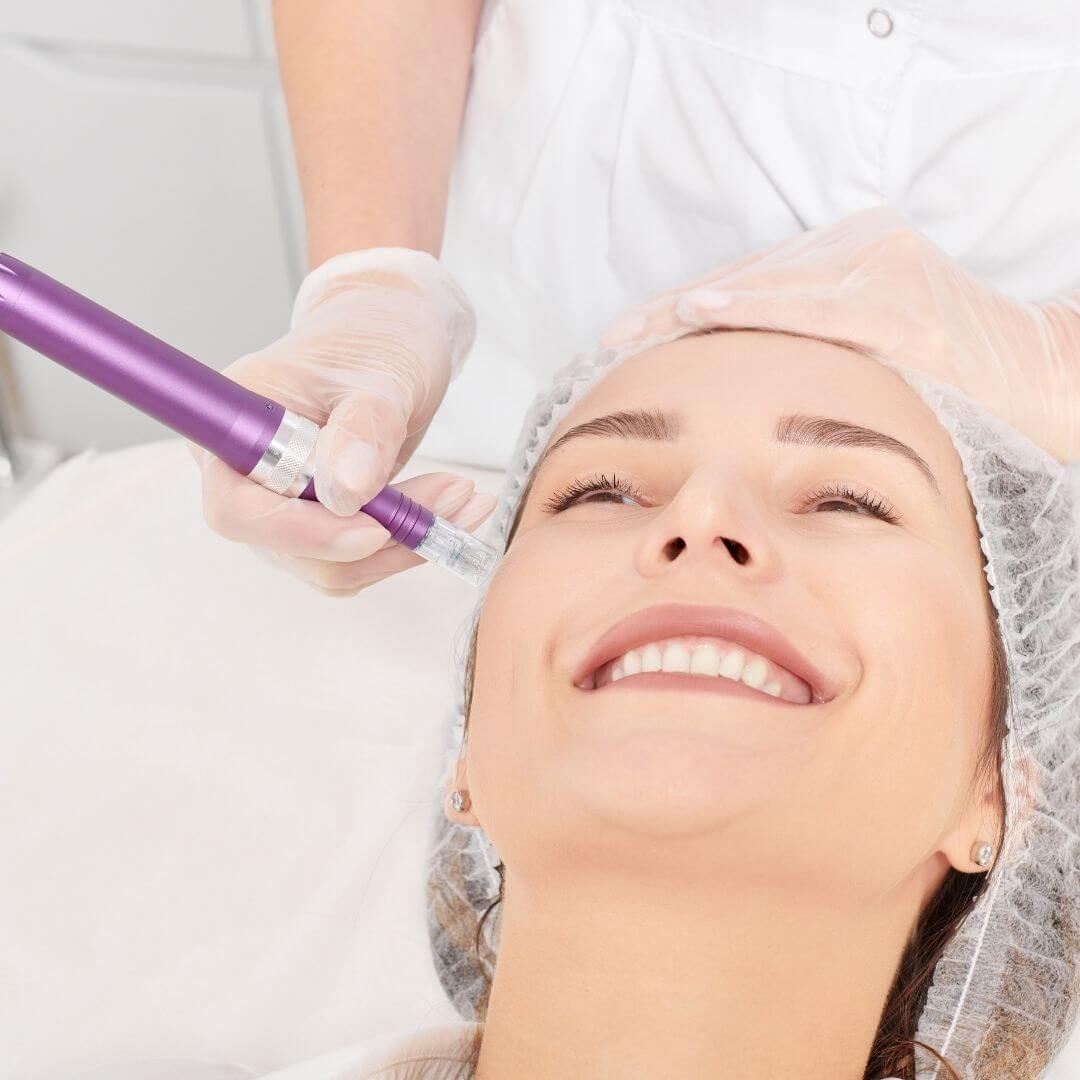
Microneedling, also known as collagen induction therapy, is a cosmetic procedure that involves puncturing the skin with tiny, sterile needles. These needles create micro-injuries in the skin, stimulating the body’s natural healing response. As a result, collagen and elastin production increase, leading to a smoother, more youthful complexion. Microneedling can be performed using various devices, including derma rollers and microneedling pens. Different needle lengths and depths are selected depending on the desired outcome and the area being treated.

Understanding the Microneedling Process

During a microneedling session, a trained professional will first cleanse and numb the treatment area to ensure your comfort. Then, using a sterile device, they will create controlled micro-injuries by repeatedly puncturing the skin’s surface. The depth of the needles will vary depending on the treatment goals and the thickness of the skin in different areas. These tiny punctures trigger the body’s natural wound healing process, stimulating collagen and elastin production and promoting skin rejuvenation. Following the procedure, a soothing serum or mask may be applied to enhance the healing process and nourish the skin.

can-microneedling-cause-scarring

Benefits of Microneedling

Microneedling offers a plethora of benefits for the skin. Firstly, it can improve the appearance of fine lines and wrinkles. By stimulating collagen and elastin production, microneedling firms and tightens the skin, reducing the visible signs of aging. Secondly, it can minimize the appearance of acne scars and other types of scars. The controlled micro-injuries in the skin prompt the production of new, healthy cells, leading to the gradual fading of scars. In addition to this, microneedling can enhance the absorption and effectiveness of skincare products. The tiny punctures create micro-channels in the skin, allowing topical products to penetrate deeper and provide more noticeable results. Finally, microneedling can improve the overall texture and tone of the skin, reducing pore size and promoting a more radiant complexion.

Risks and Side Effects of Microneedling

Although microneedling is generally considered safe, like any cosmetic procedure, it does carry certain risks and potential side effects. Immediately following the treatment, it is common to experience redness, swelling, and mild discomfort, similar to a sunburn. However, these side effects typically subside within a few hours to a couple of days. In some cases, individuals may also experience minor bleeding, bruising, or temporary skin sensitivity. It is crucial to follow post-treatment care instructions provided by your practitioner to minimize the risk of complications.

The Association Between Microneedling and Scarring

Now, let’s address the burning question: can microneedling cause scarring? When performed correctly by a skilled professional, microneedling is unlikely to cause scarring. In fact, microneedling is often used as a treatment to improve the appearance of scars. The controlled micro-injuries created during the process stimulate collagen and elastin production, aiding in the gradual fading of scars. However, it is essential to note that incorrect needle depth, excessive pressure, or performing microneedling on active acne or inflamed skin can potentially increase the risk of scarring. Therefore, it is crucial to seek professional guidance to ensure the best outcome and minimize any potential for scarring.

Factors That Influence the Likelihood of Scarring

Several factors can influence the likelihood of scarring after microneedling. Firstly, individual skin type plays a significant role. Skin that is prone to scarring, such as keloid or hypertrophic scarring, may have a higher risk of developing scars after microneedling. Additionally, the severity and depth of existing scars or skin conditions being treated can influence the response to microneedling and the potential for scarring. Lastly, the aftercare routine and adherence to post-treatment instructions can greatly impact the outcome. Maintaining proper hygiene, avoiding direct sunlight, and using recommended skincare products are crucial to minimize the risk of scarring.

can-microneedling-cause-scarring

The Role of Technique in Scarring

The technique used during microneedling can greatly influence the risk of scarring. A skilled professional will assess each individual’s skin condition, determine the appropriate needle depth, and perform the procedure carefully. Using too much pressure or choosing excessively long needle lengths can damage the skin and potentially lead to scarring. Therefore, it is vital to ensure that the practitioner performing your microneedling treatment has the necessary expertise and experience to reduce the risk of scarring and achieve optimal results.

How to Minimize the Risk of Scarring

To minimize the risk of scarring after microneedling, there are several important steps to follow. Firstly, as previously mentioned, seeking professional treatment from a trained practitioner is crucial. They will have the knowledge and skill to determine the appropriate needle depth, assess your skin’s condition, and tailor the treatment to your specific needs. Additionally, maintaining a healthy skincare routine post-treatment is essential. This includes cleansing the skin gently, avoiding harsh or abrasive products, and applying a moisturizer or serum recommended by your practitioner. Protecting your skin from direct sunlight by wearing sunscreen and avoiding excessive UV exposure is also vital, as sun damage can increase the risk of scarring.

can-microneedling-cause-scarring

Preventing Scarring: Important Considerations

While microneedling is generally safe and low-risk, it is important to consider certain factors to prevent scarring. Firstly, it is essential to inform your practitioner about any existing skin conditions, scars, or allergies you may have. This information will allow them to tailor the treatment to your individual needs and minimize the risk of adverse reactions or complications. Additionally, opting for a licensed and reputable professional with a sterile and safe environment is crucial. This ensures that the equipment used is properly sterilized, reducing the risk of infection and potential scarring.

Consulting a Professional for Microneedling

With any cosmetic procedure, it is crucial to consult a professional before undergoing microneedling. A trained and experienced practitioner will assess your skin’s condition, discuss your goals and expectations, and determine whether microneedling is appropriate for you. They will also guide you through the pre and post-treatment care instructions and address any concerns you may have. By consulting a professional, you can ensure safe and effective treatment, minimize the risk of complications, and achieve optimal results.

In conclusion, when performed correctly by a skilled professional, microneedling is unlikely to cause scarring. In fact, it is often used to improve the appearance of scars. However, it is important to follow proper technique, individualize treatment based on skin type and condition, and adhere to post-treatment care instructions to minimize the risk of scarring. By consulting a professional and taking necessary precautions, you can reap the benefits of microneedling and achieve healthier, rejuvenated skin.

Best Serum For Microneedling

Discover the best serum for microneedling to unlock youthful, radiant skin. Enhance the effectiveness of your sessions with this exceptional serum.

Microneedling has gained immense popularity in the field of skincare, thanks to its impressive ability to stimulate collagen production and rejuvenate the skin. However, achieving optimum results requires more than just the microneedling procedure itself; it also calls for the application of a high-quality serum. In this article, you will discover the best serum for microneedling, carefully selected after extensive research and expert recommendations. Unlock the key to youthful, radiant skin and enhance the effectiveness of your microneedling sessions with this exceptional serum.

Understanding Microneedling

Microneedling is a popular skincare treatment that involves using a small device called a derma roller or derma pen to create tiny puncture wounds on the skin’s surface. These micro-injuries stimulate the body’s natural healing process, leading to the production of collagen and elastin, which are essential for maintaining skin elasticity and firmness. Microneedling also enhances the absorption of skincare products, making it an ideal treatment for addressing various skin concerns such as fine lines, wrinkles, acne scars, and hyperpigmentation.

What is Microneedling?

Microneedling, also known as collagen induction therapy, is a minimally invasive procedure that uses fine needles to create controlled puncture wounds in the skin. The goal is to trigger the body’s natural healing response, which results in the production of new collagen and elastin. This process helps improve the overall texture and appearance of the skin, making it smoother, firmer, and more youthful.

best-serum-for-microneedling

How Does Microneedling Work?

The process of microneedling works by stimulating the body’s healing response. By creating small puncture wounds on the skin’s surface, microneedling triggers the production of collagen and elastin. These proteins are responsible for maintaining the strength and structure of the skin. As the skin heals, it becomes rejuvenated, with improved texture, reduced fine lines and wrinkles, and diminished acne scars.

Benefits of Microneedling

Microneedling offers several impressive benefits for the skin. Firstly, it stimulates collagen and elastin production, which can help improve skin texture and firmness. This makes it an effective treatment for reducing the appearance of fine lines and wrinkles. Additionally, microneedling can reduce the size of enlarged pores, minimize the appearance of acne scars, and even out skin tone by reducing hyperpigmentation.

Another advantage of microneedling is that it enhances the absorption of skincare products. By creating microchannels in the skin, the active ingredients in serums and creams can penetrate deeper into the skin layers, maximizing their effectiveness. This makes microneedling an excellent option for enhancing the results of your skincare routine.

Choosing the Right Serum for Microneedling

When it comes to microneedling, selecting the right serum is crucial to achieve the desired results. The serum you use after microneedling should be formulated with active ingredients that promote skin healing and rejuvenation. Here are some key factors to consider when choosing a serum for microneedling:

Skin Type

Consider your skin type when selecting a serum for microneedling. If you have dry skin, look for serums that are hydrating and nourishing. For oily or acne-prone skin, opt for lightweight, oil-free serums that won’t clog pores. Those with sensitive skin should choose a serum that is gentle and non-irritating.

Ingredients

Pay attention to the ingredients in the serum. Look for active ingredients such as hyaluronic acid, vitamin C, peptides, retinol, growth factors, and niacinamide. These ingredients have been shown to be beneficial for skin health and can enhance the results of microneedling.

Quality and Purity

Ensure that the serum you choose for microneedling is of high quality and purity. Look for reputable brands that prioritize ingredient sourcing, formulation, and testing procedures. Avoid serums that contain harmful additives or irritants that could potentially exacerbate skin irritation or reactions.

Personal Goals and Concerns

Consider your personal goals and skin concerns when selecting a serum for microneedling. If you are targeting fine lines and wrinkles, look for serums that are specifically formulated to address these concerns. For acne scars or hyperpigmentation, choose serums that contain ingredients known for their brightening and skin-evening properties.

Top Serum Ingredients for Microneedling

When it comes to microneedling, certain serum ingredients have proven effective in promoting skin rejuvenation and healing. Here are some of the top serum ingredients to look for:

Hyaluronic Acid

Hyaluronic acid is a powerful humectant that can hold up to 1000 times its weight in water. This makes it an exceptional hydrating ingredient for the skin. Hyaluronic acid helps plump and moisturize the skin, reducing the appearance of fine lines and wrinkles. It also improves skin elasticity and promotes a more youthful complexion.

Vitamin C

Vitamin C is a potent antioxidant that helps protect the skin from environmental damage caused by free radicals. It also plays a crucial role in collagen synthesis, making it an excellent ingredient for enhancing the results of microneedling. Vitamin C brightens the skin, improves skin tone, and reduces the appearance of sunspots and hyperpigmentation.

Peptides

Peptides are small chains of amino acids that communicate with the skin cells, stimulating collagen production. They help improve skin elasticity, firmness, and texture. Peptides also have anti-aging properties, making them a valuable ingredient for reducing the signs of aging such as wrinkles and sagging skin.

Retinol

Retinol, a derivative of vitamin A, is well-known for its anti-aging benefits. It helps promote cell turnover, reduce the appearance of wrinkles, and even out skin tone. When used in conjunction with microneedling, retinol can accelerate skin healing and rejuvenation.

Growth Factors

Growth factors are naturally occurring proteins that play a vital role in cell growth and tissue repair. When applied topically, growth factors can stimulate collagen production and improve skin texture and firmness. They also help reduce the appearance of fine lines and promote a more youthful complexion.

Niacinamide

Niacinamide, also known as vitamin B3, offers multiple benefits for the skin. It helps regulate oil production, making it an excellent ingredient for oily or acne-prone skin. Niacinamide also improves skin barrier function, reduces inflammation, and enhances skin tone and texture.

Best Serum For Microneedling

Hyaluronic Acid Serums

Hyaluronic acid serums are a popular choice for microneedling due to their hydrating properties and ability to plump the skin. Here are some benefits of using hyaluronic acid serums after microneedling:

Benefits of Hyaluronic Acid

Hyaluronic acid serums provide intense hydration to the skin, helping to restore moisture and improve skin elasticity. They help plump up the skin, reducing the appearance of wrinkles and fine lines. Hyaluronic acid also has a soothing effect on the skin, making it ideal for sensitive or irritated skin after microneedling.

Best Hyaluronic Acid Serums for Microneedling

There are numerous hyaluronic acid serums available in the market, making it important to choose one that is of high quality and suitable for microneedling. Look for serums that contain a high concentration of hyaluronic acid and have a lightweight, non-greasy texture that won’t clog pores.

Recommended Application Techniques

After microneedling, apply a small amount of hyaluronic acid serum onto clean, dry skin. Gently massage the serum into the skin using upward and outward motions until fully absorbed. Follow up with a moisturizer and sunscreen to protect the skin.

Vitamin C Serums

Vitamin C serums are another excellent option for enhancing the results of microneedling. Here are some benefits of using vitamin C serums after microneedling:

Benefits of Vitamin C

Vitamin C serums provide antioxidant protection to the skin, helping to neutralize free radicals and prevent skin damage. They stimulate collagen production, improve skin tone and texture, and reduce the appearance of sunspots and hyperpigmentation. Vitamin C also helps brighten the skin, giving it a radiant and youthful glow.

Best Vitamin C Serums for Microneedling

When choosing a vitamin C serum for microneedling, opt for those that are formulated with stable and potent forms of vitamin C, such as L-ascorbic acid or ascorbyl tetraisopalmitate. Look for serums that contain a high concentration of vitamin C and are free from potential irritants.

Recommended Application Techniques

After microneedling, apply a few drops of vitamin C serum onto clean, dry skin. Gently massage the serum into the skin using upward motions until fully absorbed. Follow up with a moisturizer and sunscreen to protect the skin.

Best Serum For Microneedling

Peptide Serums

Peptide serums are beneficial for promoting collagen production and improving skin elasticity and firmness. Here are some benefits of using peptide serums after microneedling:

Benefits of Peptides

Peptide serums help stimulate collagen production, which leads to improved skin texture and reduced signs of aging such as wrinkles and sagging skin. They also strengthen the skin’s barrier function, enhance skin elasticity, and promote a more youthful complexion.

Best Peptide Serums for Microneedling

Look for peptide serums that contain a blend of different peptides, such as palmitoyl tripeptide-1 and palmitoyl tetrapeptide-7. These peptides work together to stimulate collagen production and improve skin firmness. Choose serums that are free from potential irritants and are suitable for your skin type.

Recommended Application Techniques

After microneedling, apply a small amount of peptide serum onto clean, dry skin. Gently massage the serum into the skin using upward and outward motions until fully absorbed. Follow up with a moisturizer and sunscreen to protect the skin.

Retinol Serums

Retinol serums are known for their anti-aging benefits and ability to accelerate skin healing. Here are some benefits of using retinol serums after microneedling:

Benefits of Retinol

Retinol serums help promote cell turnover, which leads to the production of new skin cells and improved skin texture. They reduce the appearance of wrinkles, fine lines, and acne scars. Retinol also helps even out skin tone, diminish hyperpigmentation, and refine the skin’s surface.

Best Retinol Serums for Microneedling

When selecting a retinol serum for microneedling, choose those that contain a sufficient concentration of retinol but are gentle enough for post-microneedling use. Look for serums that are formulated with encapsulated retinol, as this ensures stability and efficacy.

Recommended Application Techniques

After microneedling, apply a pea-sized amount of retinol serum onto clean, dry skin. Gently massage the serum into the skin using upward motions until fully absorbed. Start with a lower concentration of retinol and gradually increase as your skin becomes more tolerant. Follow up with a moisturizer and sunscreen to protect the skin.

Growth Factor Serums

Growth factor serums are formulated with proteins that stimulate collagen production and promote skin healing. Here are some benefits of using growth factor serums after microneedling:

Benefits of Growth Factors

Growth factor serums accelerate the skin’s natural healing response, leading to improved skin texture and reduced signs of aging. They stimulate collagen synthesis, increase skin firmness, and promote a more youthful complexion. Growth factors also help reduce the appearance of wrinkles and fine lines.

Best Growth Factor Serums for Microneedling

When choosing a growth factor serum for microneedling, look for those that contain a blend of different growth factors such as epidermal growth factor (EGF) and transforming growth factor (TGF). These growth factors work synergistically to promote collagen production and enhance skin rejuvenation.

Recommended Application Techniques

After microneedling, apply a small amount of growth factor serum onto clean, dry skin. Gently massage the serum into the skin using upward and outward motions until fully absorbed. Follow up with a moisturizer and sunscreen to protect the skin.

Niacinamide Serums

Niacinamide serums offer multiple benefits for the skin, making them a valuable addition to your microneedling routine. Here are some benefits of using niacinamide serums after microneedling:

Benefits of Niacinamide

Niacinamide serums help regulate oil production, making them ideal for oily or acne-prone skin. They improve skin barrier function, reduce inflammation, and enhance skin tone and texture. Niacinamide also has antioxidant properties, helping to protect the skin from environmental damage.

Best Niacinamide Serums for Microneedling

Look for niacinamide serums that contain a high concentration of niacinamide, preferably between 5-10%. Choose serums that are formulated with additional soothing and hydrating ingredients to complement the effects of microneedling.

Recommended Application Techniques

After microneedling, apply a small amount of niacinamide serum onto clean, dry skin. Gently massage the serum into the skin using upward motions until fully absorbed. Follow up with a moisturizer and sunscreen to protect the skin.

Choosing the Right Serum for Your Budget

Finding the right serum for your budget is important to ensure that you can maintain a consistent skincare routine without overspending. Here are some tips for choosing the right serum for your budget:

Identifying High-Quality Affordable Options

Look for affordable serums that still maintain high quality and efficacy. Research reputable brands that offer affordable options without compromising on the formulation or ingredient quality. Read product reviews and ingredient lists to ensure that the serum meets your expectations and skincare needs.

How to Maximize Results without Overspending

To maximize results without overspending, focus on serums that target your specific skin concerns. Instead of purchasing multiple serums, choose a serum that contains a combination of ingredients that address your main concerns. This way, you can get the most out of a single product without breaking the bank.

Researching and Comparing Products

Do thorough research and compare different products before making a purchase. Look for serums that have positive customer reviews, transparent ingredient lists, and reasonable pricing. Consider the reputation and trustworthiness of the brand and check if they conduct third-party testing to ensure product quality.

By following these tips, you can find a serum that fits your budget without compromising on the quality and effectiveness of the product.

In conclusion, microneedling is a powerful skincare treatment that can yield impressive results when combined with the right serum. By choosing the appropriate serum for your skin type, considering the ingredients, quality, and your personal goals, you can enhance the benefits of microneedling and achieve a healthier, more youthful complexion. Whether you opt for hyaluronic acid, vitamin C, peptides, retinol, growth factors, or niacinamide serums, incorporating these key ingredients into your microneedling routine can take your skincare game to the next level. Remember to always follow the recommended application techniques and consult with a skincare professional if you have any specific concerns or questions.

en_USEnglish