When it comes to skincare procedures, two popular options that individuals often consider are microneedling and laser treatments. Microneedling involves the use of fine needles to create small punctures in the skin, stimulating collagen production and promoting skin rejuvenation. On the other hand, laser treatments utilize focused light to address various skin issues, such as pigmentation, wrinkles, and scars. It’s essential to understand the key differences between these treatments to make an informed decision about the best approach for your skincare needs.
Comparison of Benefits and Drawbacks
A. Microneedling offers several benefits, including the stimulation of collagen production, which can improve skin texture and reduce the appearance of scars and fine lines. However, some individuals may experience discomfort during the procedure, and multiple sessions may be required to achieve desired results.
B. In contrast, laser treatments have the advantage of precision and effectiveness in targeting specific skin concerns. They are particularly effective in addressing pigmentation issues and promoting skin tightening. Nevertheless, drawbacks of laser treatments may include the potential risk of skin damage and a longer recovery time compared to microneedling.
Microneedling: A Minimally Invasive Marvel
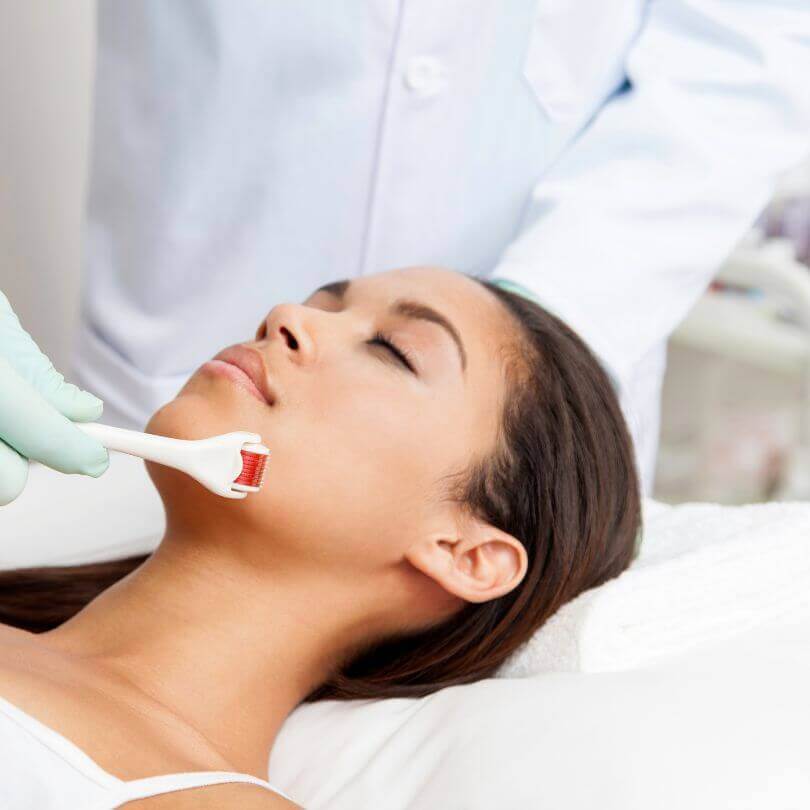
Microneedling, also known as collagen induction therapy, is a cutting-edge procedure that harnesses the body’s natural healing mechanisms.
By creating controlled micro-injuries in the skin using tiny, sterile needles, microneedling triggers the production of new collagen and elastin fibers. This process not only minimizes the appearance of fine lines, wrinkles, and acne scars but also improves skin texture and tone, resulting in a more youthful, luminous complexion.
Laser Resurfacing: Precision and Power
Laser resurfacing, on the other hand, employs concentrated beams of light to remove the outermost layers of damaged or aged skin. This advanced technique precisely targets and eliminates imperfections, promoting the growth of new, healthier skin cells. With a range of laser types available, from ablative to non-ablative, laser resurfacing can address a variety of concerns, including sun damage, age spots, uneven texture, and deep wrinkles, revealing a smoother, more evenly toned complexion.
Effectiveness and Results of Microneedling vs Laser
A. Research has shown that microneedling is effective in improving skin texture and reducing fine lines, providing noticeable results for individuals seeking skin rejuvenation techniques.
B. Laser treatments have demonstrated effectiveness in addressing pigmentation issues and promoting skin tightening, offering visible results for individuals looking to enhance their skin’s appearance.
C. When comparing the longevity of results, both microneedling and laser treatments can provide long-term benefits, depending on individual skincare needs and maintenance routines.
Microneedling and Laser Cost Considerations and Recovery Time
B. Laser treatments may involve different types of procedures, each with varying costs. It’s essential for individuals to consider the financial aspects when deciding on the most suitable treatment for their skincare needs.
C. Recovery time for microneedling and laser treatments should be taken into account, as it may impact individuals’ daily routines and activities. Understanding the recovery process is crucial for planning and making informed decisions about the treatment options.
Professional Opinions and Recommendations
A. Skincare professionals often identify ideal candidates for microneedling and laser treatments based on specific skin concerns or conditions. Their expert opinions can help individuals determine the most suitable approach for their skincare goals.
B. Recommendations for individuals with particular skin concerns or conditions can provide valuable insights into the benefits of microneedling or laser treatments, guiding individuals towards the most appropriate treatment option.
C. Insights from skincare professionals on the long-term benefits of each treatment option can offer individuals a comprehensive understanding of how microneedling and laser treatments can contribute to their overall skincare and rejuvenation goals.
Discover the benefits of microneedling stamp, a revolutionary tool for rejuvenating the skin. Stimulate collagen production, improve texture, reduce wrinkles, and enhance product absorption. Learn how to properly use and choose a microneedling stamp for optimal results.
In the world of skincare, the microneedling stamp has emerged as a revolutionary tool, providing a simple yet effective solution for improving the texture and appearance of the skin. This innovative beauty device incorporates tiny needles that gently puncture the surface of the skin, stimulating collagen production and enhancing the absorption of skincare products. As a result, the microneedling stamp has gained tremendous popularity among individuals seeking to address various skin concerns, such as wrinkles, acne scars, and uneven skin tone. With its promise of rejuvenation and long-lasting results, the microneedling stamp has become a sought-after solution for those looking to achieve a youthful and radiant complexion.
What is a Microneedling Stamp?
A microneedling stamp is a skincare device that uses tiny needles to create controlled micro-injuries on the skin’s surface. It is designed to stimulate collagen production, improve skin texture, reduce fine lines and wrinkles, and enhance product absorption. The stamp usually consists of a handle, which is used to press the needles into the skin, and a head with multiple needles that penetrate the skin’s surface when applied.
Definition and Purpose
The microneedling stamp is a handheld tool used to perform microneedling, a minimally invasive cosmetic procedure. Its purpose is to stimulate the skin’s natural healing process, resulting in the production of collagen and elastin, which are essential for maintaining healthy, youthful-looking skin.
How it Works
The microneedling stamp works by creating tiny punctures in the skin’s surface. These micro-injuries trigger the skin’s natural repair mechanism, stimulating the production of collagen and elastin. The stamp’s needles are typically made of medical-grade stainless steel and come in different lengths, ranging from 0.5mm to 2.0mm. The depth of the punctures depends on the selected needle length and the specific skin concern being addressed.
Benefits of Using a Microneedling Stamp
Using a microneedling stamp can offer numerous benefits for the skin, making it a popular choice among skincare enthusiasts and professionals alike. Let’s explore some of the key advantages:
Stimulates Collagen Production
One of the primary benefits of using a microneedling stamp is its ability to stimulate collagen production. Collagen is a protein that gives the skin its structure and elasticity. As we age, collagen production naturally declines, leading to the development of fine lines, wrinkles, and sagging skin. By creating controlled micro-injuries, the microneedling stamp prompts the body to produce more collagen, helping to improve skin firmness and elasticity.
Improves Skin Texture
Microneedling with a stamp can also help improve skin texture by stimulating the production of collagen and elastin. This can minimize the appearance of pores, refine uneven skin tone, and smoothen rough patches. Regular use of a microneedling stamp can result in a smoother and more refined complexion.
Reduces Fine Lines and Wrinkles
Another significant benefit of microneedling is its effectiveness in reducing the appearance of fine lines and wrinkles. The controlled micro-injuries created by the stamp stimulate collagen and elastin production, which can help plump up the skin, making fine lines and wrinkles less noticeable. Consistent use of a microneedling stamp can contribute to a more youthful and rejuvenated appearance.
Enhances Product Absorption
Microneedling with a stamp can significantly improve the absorption of skincare products. The tiny channels created by the microneedles allow for better penetration of serums, creams, and other topical products into the deeper layers of the skin. This enhanced absorption ensures that the active ingredients in these products can effectively target specific skin concerns and deliver optimal results.
Improves Skin Tone and Pigmentation
If you struggle with uneven skin tone or pigmentation issues, microneedling with a stamp can be beneficial. The controlled micro-injuries created during the procedure stimulate the skin’s natural healing process, promoting the production of new, healthier skin cells. Over time, this can lead to a more even skin tone and improved pigmentation, reducing the appearance of sunspots, acne scars, and other discolorations.
Reduces Scars and Acne Marks
Microneedling with a stamp can be an effective treatment for reducing the appearance of scars and acne marks. The microneedles create controlled injuries that stimulate collagen production and encourage the skin to remodel itself. This can help flatten and fade scars, making them less noticeable. However, it is important to note that treatment for more severe scarring may require professional assistance.
These are just a few of the benefits of using a microneedling stamp. It is important to note that individual results may vary, and it is recommended to consult with a dermatologist or skincare professional before incorporating this procedure into your skincare routine.
MTS Microneedling DERMA STAMP
Experience advanced skincare with the Super Ultra Fine Beauty 140 Derma Stamp MTS
Product Currency:
USD
Product Price:
30
Product In-Stock:
InStock
Editor's Rating: 5
Pros
1. Enhanced Product Absorption: The 0.25mm ultra-fine needles create micro-channels in the skin, significantly improving the absorption of serums and essences. This ensures that your skincare products work more effectively, delivering nutrients directly to where they are needed most.
2. Minimal Discomfort: Despite involving needles, the ultra-fine size of 0.25mm ensures that the process is as comfortable as possible, making it suitable for those who are new to microneedling.
3. Improved Skin Texture: Regular use can lead to noticeable improvements in skin texture. By stimulating the skin's natural healing process, it helps to reduce the appearance of fine lines, wrinkles, and scars, leading to smoother and more youthful-looking skin.
4. Easy to Use: The derma stamp is designed for easy handling, allowing for precise application. Its simple press-and-release action makes it suitable for home use, eliminating the need for professional assistance.
Cons
1.Regular Maintenance Required: To prevent infection and maintain the effectiveness of the derma stamp, regular cleaning and maintenance are necessary. This might be a hassle for some users.
2. Potential for Overuse: Users might get carried away with the ease of use and overuse the device, leading to skin irritation or damage. It's crucial to follow recommended usage guidelines.
3. Initial Discomfort and Redness: While minimal, some users may experience slight discomfort or redness immediately after use, especially if they have sensitive skin.
4. Results May Vary: As with any skincare tool, results can vary from person to person. Some users may see significant improvements quickly, while others may need to use the tool for a longer period before noticing changes.
How to Use a Microneedling Stamp
While microneedling with a stamp can be done at home, it is essential to follow the proper procedure and take necessary precautions to ensure safety and optimal results. Here is a step-by-step guide on how to use a microneedling stamp:
Preparation
Start by thoroughly cleansing your face to remove any makeup, dirt, or oil. This ensures that the microneedles can penetrate the skin without any barriers.
Disinfect the microneedling stamp by soaking it in a sterilizing solution or rubbing alcohol for a few minutes. This step helps prevent the spread of bacteria and infections.
Prepare any serums or skincare products you intend to use during the microneedling session.
Gently pat your face dry with a clean towel.
Procedure
Hold the microneedling stamp by the handle, making sure to grip it firmly but not too tightly.
Starting from the center of your face, gently press the microneedling stamp onto the skin, applying even pressure.
Move the stamp in a rolling or stamping motion across your face, covering the desired treatment areas. Be careful not to apply excessive pressure or create excessive wounds.
Continue stamping until you have covered the entire face or focused on specific areas of concern.
After each stamp, lift the device slightly before reapplying to avoid dragging or tearing the skin.
Once you have completed the treatment, apply your chosen serums or skincare products, taking advantage of the enhanced absorption that microneedling provides.
Cleanse the microneedling stamp thoroughly with a sterilizing solution or rubbing alcohol after use. Ensure it dries completely before storing it in a clean, dry place.
It is important to note that microneedling should be performed with caution, and if you are unsure or have any concerns, it is advisable to seek guidance from a dermatologist or skincare professional.
Choosing the Right Microneedling Stamp
Selecting the right microneedling stamp is crucial to ensure both safety and effectiveness. Here are some key factors to consider when choosing a microneedling stamp:
Needle Length
Microneedling stamps are available in various needle lengths, ranging from 0.5mm to 2.0mm. The appropriate needle length depends on your specific skin concern and the area being treated. Longer needles are generally used for treating scars and wrinkles, while shorter needles are suitable for general skincare maintenance.
Quality and Sterilization
When choosing a microneedling stamp, it is essential to select a high-quality product made from medical-grade stainless steel. This ensures the durability and safety of the device. Additionally, ensure that the stamp has been properly sterilized or is easily sterilizable before each use to prevent infections.
Comfort and Safety Features
Look for a microneedling stamp that offers comfort and safety features such as a non-slip handle, ergonomic design, and removable/replaceable stamp heads. These features can enhance your experience, allowing for better control and minimizing the risk of accidents.
It is always recommended to purchase microneedling stamps from reputable brands or seek professional advice to ensure you are using a reliable and safe device.
Precautions and Safety Measures
While microneedling can provide numerous benefits, it is important to take precautions and follow safety measures to avoid any adverse effects. Here are some key precautions to consider:
Consultation with a Dermatologist
Before starting microneedling at home, it is advisable to consult with a dermatologist or skincare professional. They can assess your skin condition, determine the suitability of microneedling for your concerns, and provide guidance on the best approach to achieve your desired results.
Sanitization and Cleaning
Ensure that both your skin and the microneedling stamp are thoroughly cleaned and sanitized before each use. This helps prevent bacterial infections and ensures the safety of the procedure.
Avoidance in Certain Conditions
Microneedling should be avoided or used with caution in certain conditions, including active acne breakouts, eczema, psoriasis, rosacea, open wounds, sunburns, and skin infections. It is important to be aware of your skin’s condition and consult with a professional if you have any concerns.
Aftercare and Recovery
After undergoing microneedling with a stamp, it is important to follow proper aftercare and recovery steps to optimize results and minimize potential side effects. Here are some key aftercare measures to consider:
Skin Care Routine
Follow a gentle skincare routine after microneedling, focusing on hydrating and soothing the skin. Avoid using harsh or irritating products and opt for gentle cleansers, moisturizers, and serums. It is also important to avoid any exfoliating or abrasive treatments for several days post-microneedling.
Avoiding Sun Exposure
Direct sun exposure should be avoided for at least 24-48 hours after microneedling. The skin’s barrier function may be compromised, making it more susceptible to sunburn and damage. If exposure is inevitable, apply a broad-spectrum sunscreen with a high SPF to protect your skin.
Possible Side Effects and Remedies
Mild redness, dryness, and slight swelling are common side effects after microneedling. These typically subside within a few days. To alleviate discomfort, you can apply a soothing moisturizer or cooling gel. It is important to avoid picking at scabs or peeling skin, as this can lead to infections or scarring.
If you experience any severe or prolonged side effects, such as excessive bleeding, persistent pain, or signs of infection, it is crucial to seek medical attention immediately.
Frequently Asked Questions (FAQs)
Here are some commonly asked questions about microneedling stamps:
What is the recommended needle length?
The recommended needle length depends on the specific skin concern. Shorter needles (0.5mm to 1.0mm) are typically used for general skincare maintenance, while longer needles (1.5mm to 2.0mm) are suitable for treating scars and wrinkles. It is advisable to consult with a dermatologist or skincare professional to determine the appropriate needle length for your needs.
How long does it take to see results?
The time it takes to see noticeable results varies from person to person and depends on factors such as the needle length used, the specific skin concern being addressed, and individual skin response. Generally, it may take several weeks to a few months to see significant improvements in skin texture, wrinkles, and pigmentation.
Can microneedling be performed at home?
Microneedling can be performed at home, but it is important to follow proper guidelines and safety measures. If you are unsure or have any concerns, it is recommended to seek professional advice or have the procedure performed by a trained skincare professional.
Is the procedure painful?
The level of discomfort during microneedling can vary from person to person. Some individuals may experience minimal discomfort or a mild prickling sensation, while others may find it slightly more uncomfortable. However, the use of topical numbing creams or gels can help minimize any potential pain or discomfort.
Can everyone use a microneedling stamp?
While microneedling can benefit many individuals, it may not be suitable for everyone. It is advisable to consult with a dermatologist or skincare professional, especially if you have any underlying skin conditions or are currently taking any medications that may affect your skin’s sensitivity..
Looking for the best skincare treatment? Learn about the differences and effectiveness of chemical peels vs. microneedling in this informative post.
In the world of skincare, the battle between chemical peels and microneedling has been ongoing for quite some time. These two popular treatments have gained recognition for their ability to improve the texture and appearance of the skin. Chemical peels involve the application of a chemical solution to exfoliate the outer layer of the skin, while microneedling utilizes tiny needles to create micro-injuries in the skin. Both procedures offer unique benefits and have their own set of advantages and considerations. In this article, we will explore the differences, similarities, and effectiveness of chemical peels versus microneedling, helping you make an informed decision on which treatment best suits your skincare needs.
What are Chemical Peels?
Definition
Chemical peels are a cosmetic procedure that involves the application of a chemical solution to the skin, which causes the outer, damaged layers to peel off. This process promotes the growth of new, healthier skin and can improve the appearance of various skin concerns, such as wrinkles, acne scars, and hyperpigmentation.
Procedure
During a chemical peel, a trained professional will cleanse the skin and apply the appropriate chemical solution based on the desired outcome and the individual’s skin type. The solution is then left on the skin for a specific period, allowing it to penetrate and exfoliate the outer layers. Afterward, the solution is neutralized, and the skin is thoroughly rinsed.
Types of Chemical Peels
There are different types of chemical peels available, ranging from mild to deep peels, each targeting specific skin concerns and offering varying levels of exfoliation:
Superficial Peel: This type of peel uses mild acids, such as alpha-hydroxy acids (AHAs) or beta-hydroxy acids (BHAs), to exfoliate the outermost layer of the skin. It is suitable for improving skin texture, reducing fine lines, and treating mild acne.
Medium Peel: Medium peels typically use trichloroacetic acid (TCA) to penetrate deeper into the skin and remove damaged cells. They are effective for treating moderate wrinkles, hyperpigmentation, and acne scars.
Deep Peel: Deep peels, like phenol peels, involve the use of strong chemicals to reach the deeper layers of the skin. They provide more noticeable results but require longer recovery time. These peels are often recommended for severe wrinkles, extensive sun damage, and deep scars.
What is Microneedling?
Definition
Microneedling, also known as collagen induction therapy, is a minimally invasive procedure that uses a device containing fine needles to create microchannels in the skin. These tiny punctures stimulate the skin’s natural healing process, resulting in the production of new collagen and elastin fibers. Microneedling can improve the texture, tone, and overall appearance of the skin.
Procedure
During a microneedling session, the skin is first numbed with a topical anesthetic to ensure comfort. The microneedling device, which can be a derma roller or a pen-like device, is then gently rolled or pressed onto the skin, creating controlled micro-injuries. These micro-injuries trigger the production of collagen and elastin, promoting the rejuvenation of the skin. The procedure is typically performed by a trained aesthetician or dermatologist.
Types of Microneedling
There are different types of microneedling techniques available, each utilizing various devices and methods:
Traditional Microneedling: This technique involves using a derma roller, which is a handheld device with multiple tiny needles attached to a cylindrical roller. The roller is rolled back and forth across the skin to create the microchannels.
Automated Microneedling: This method uses a pen-like device equipped with fine needles that rapidly puncture the skin. The depth and speed of the needles can be adjusted based on the specific needs of the individual.
Radiofrequency Microneedling: This advanced technique combines microneedling with radiofrequency energy. The needles deliver heat energy into the deeper layers of the skin, further stimulating collagen production and tightening the skin.
Comparison of Chemical Peels and Microneedling
Purpose
Chemical peels and microneedling both aim to improve the appearance and health of the skin, but they achieve this through different mechanisms. Chemical peels work by exfoliating the outer layers of the skin, promoting cellular turnover and revealing fresher, younger-looking skin beneath. On the other hand, microneedling induces controlled micro-injuries to stimulate collagen and elastin production, resulting in skin rejuvenation.
Chemical Peels: Chemical peels can reduce the appearance of wrinkles, fine lines, acne scars, and pigmentation irregularities. They can also improve skin texture, tone, and clarity. Additionally, chemical peels can enhance the effectiveness of skincare products by allowing deeper penetration.
Microneedling: Microneedling can improve skin texture and tone, minimize the appearance of fine lines and wrinkles, and reduce the visibility of scars, including acne scars. It can also help with skin tightening and can be used on various body parts, including the face, neck, and hands.
Suitability
The suitability of chemical peels and microneedling depends on the individual’s skin type, concerns, and desired outcomes:
Chemical Peels: Chemical peels can be tailored to different skin types and concerns. Superficial peels are generally safe for most skin types and may be suitable for individuals with mild skin concerns. Medium and deep peels may require more downtime and are typically recommended for individuals with more severe skin issues.
Microneedling: Microneedling is suitable for most skin types and can be customized to address various concerns. It is generally well-tolerated and can be adjusted based on the individual’s skin condition and sensitivity.
Procedure
The procedures for chemical peels and microneedling differ in terms of the application methods:
Chemical Peels: A chemical peel involves the application of a chemical solution to the skin, which is left on for a specific duration before being neutralized and rinsed. The procedure is typically performed in a clinic or spa setting and may require multiple sessions for optimal results.
Microneedling: Microneedling is performed by a trained aesthetician or dermatologist using a device with fine needles either rolled or pressed onto the skin. The depth and intensity of the treatment can be adjusted, and the procedure is often completed in a series of sessions.
Cost
The cost of chemical peels and microneedling can vary depending on factors such as the location, the expertise of the practitioner, and the specific type of treatment:
Chemical Peels: The cost of a chemical peel can range from $150 to $3,000 per treatment, depending on the type and intensity of the peel. Superficial peels are generally more affordable, while deep peels tend to be more expensive.
Microneedling: The cost of microneedling can range from $200 to $700 per session. The overall cost may be influenced by factors such as the number of sessions required and the inclusion of additional treatments, such as serums or radiofrequency energy.
Chemical Peels: Superficial peels may require little to no downtime, with mild redness and peeling that can be easily covered with makeup. Medium and deep peels may involve a longer recovery period, ranging from a few days to a couple of weeks, during which the skin may appear red, swollen, and peeling.
Microneedling: The recovery time for microneedling is generally shorter compared to deep chemical peels. Mild redness and swelling may occur immediately after the treatment and can last for a day or two. The skin may also feel sensitive and slightly rough during the healing process.
Chemical Peels: The results of a chemical peel can be seen within a few days to a week after the treatment. Superficial peels may require multiple sessions to achieve desired outcomes, while deeper peels can provide more dramatic results after a single treatment. To maintain the results, periodic maintenance peels may be recommended.
Microneedling: The results of microneedling can be noticeable within a few weeks to a couple of months, as collagen and elastin production gradually improves the skin’s texture and appearance. Multiple sessions are often necessary to achieve desired results, and periodic treatments may be recommended for long-term maintenance.
Purpose of Treatment
Chemical Peels
Chemical peels are primarily used to improve the overall appearance of the skin and address specific concerns such as wrinkles, acne scars, and pigmentation irregularities. They work by exfoliating the outer layers of the skin, encouraging cellular turnover, and revealing a smoother, more youthful complexion.
Microneedling
Microneedling is mainly used to stimulate collagen and elastin production, which helps improve the texture, tone, and overall quality of the skin. It can be used to address various concerns, including fine lines, wrinkles, acne scars, and stretch marks. By creating controlled micro-injuries, microneedling triggers the skin’s natural healing response, resulting in skin rejuvenation.
Benefits of Treatment
Chemical Peels
Chemical peels offer several benefits for the skin:
Improved Skin Texture: Chemical peels can smooth out rough skin texture and reduce the appearance of fine lines and wrinkles.
Reduced Hyperpigmentation: Chemical peels can lighten and minimize the visibility of dark spots and pigmentation irregularities.
Acne Treatment: Chemical peels can help unclog pores, reduce acne breakouts, and improve acne scars.
Enhanced Product Absorption: By removing dead skin cells, chemical peels allow skincare products to penetrate more effectively and deliver better results.
Microneedling
Microneedling provides numerous advantages for the skin:
Collagen Boost: Microneedling stimulates collagen and elastin production, resulting in plumper, firmer skin.
Fine Line and Wrinkle Reduction: By improving skin elasticity and promoting the regeneration of new cells, microneedling can minimize the appearance of fine lines and wrinkles.
Skin Rejuvenation: Microneedling can improve overall skin texture, tone, and radiance, resulting in a more youthful appearance.
Suitability for Different Skin Concerns
Chemical Peels
Chemical peels can be suitable for various skin concerns:
Aging Skin: Chemical peels can reduce the visibility of fine lines, wrinkles, and age spots, resulting in a more youthful appearance.
Acne-Prone Skin: Chemical peels can help improve acne breakouts and reduce the appearance of acne scars.
Hyperpigmentation: Chemical peels can lighten dark spots and melasma, resulting in a more even skin tone.
Dull or Rough Skin: Chemical peels can exfoliate dead skin cells and reveal smoother, brighter skin.
Microneedling
Microneedling is suitable for different skin concerns as well:
Aging Skin: Microneedling can help improve skin elasticity, reduce wrinkles, and enhance the overall texture and tone of aging skin.
Acne Scars: Microneedling can stimulate collagen production and reduce the visibility of acne scars.
Uneven Skin Texture: Microneedling can improve rough or uneven skin texture, resulting in a smoother complexion.
Procedure Details
Chemical Peels
The procedure for chemical peels typically involves the following steps:
Cleansing: The skin is thoroughly cleansed to remove any dirt, oil, or makeup.
Application: The chemical solution is applied evenly to the skin, avoiding the eye area and lips.
Duration: The solution is left on the skin for a specific period, depending on the type of chemical peel and the desired outcome.
Neutralization: The chemical solution is neutralized using a neutralizing agent or water.
Rinsing: The skin is rinsed thoroughly to remove all traces of the chemical solution.
Post-Treatment Care: Aftercare instructions, including the use of gentle skincare products and sunscreen, are provided to ensure proper healing.
Microneedling
The procedure for microneedling generally involves the following steps:
Preparation: The skin is cleaned and numbed with a topical anesthetic to minimize discomfort.
Microneedling: The microneedling device is gently pressed or rolled onto the skin, creating controlled micro-injuries.
Penetration: The needles penetrate the skin to a specified depth, depending on the desired outcome and the individual’s skin condition.
Collagen Stimulation: The micro-injuries stimulate the skin’s natural healing process, triggering collagen and elastin production.
Serums or Topicals: During or after the microneedling treatment, serums or topicals may be applied to enhance absorption and nourish the skin.
Aftercare: Aftercare instructions, such as avoiding direct sunlight and using gentle skincare products, are provided to promote healing and prevent complications.
Cost and Affordability
Chemical Peels
The cost of chemical peels can vary depending on factors such as the type of peel and the geographical location:
Superficial Peels: Superficial peels are typically more affordable, and the cost can range from $150 to $300 per treatment.
Medium Peels: The cost of medium peels can range from $500 to $1,500 per treatment, depending on the severity of the skin concerns and the expertise of the practitioner.
Deep Peels: Deep peels are more expensive due to their intensive nature, with costs ranging from $1,000 to $3,000 per treatment.
Microneedling
The cost of microneedling can vary depending on various factors such as the location, the expertise of the practitioner, and any additional treatments included:
Traditional Microneedling: Traditional microneedling sessions typically range from $200 to $500 per treatment.
Automated Microneedling: The cost of automated microneedling sessions can range from $300 to $700 per treatment.
Radiofrequency Microneedling: Radiofrequency microneedling treatments tend to be more expensive, with costs ranging from $500 to $1,000 per session.
Recovery Time
Chemical Peels
The recovery time for chemical peels depends on the depth and intensity of the peel:
Superficial Peels: Superficial peels typically require little to no downtime, and individuals can resume their normal activities immediately. Mild redness and peeling may occur, which can be easily covered with makeup.
Medium Peels: Medium peels may require a few days to a week of downtime, during which the skin may appear red, flaky, and may peel. Sunscreen and gentle skincare products are recommended during the healing process.
Deep Peels: Deep peels involve a more extended recovery period, ranging from one to two weeks. The skin may initially appear red and swollen, followed by peeling and crusting. Strict sun protection and post-treatment care instructions are crucial to ensure proper healing.
Microneedling
The recovery time for microneedling is generally shorter compared to deep chemical peels:
Immediately After: Mild redness and swelling may occur immediately after the microneedling treatment, but it usually subsides within a day or two.
Sensitivity and Roughness: The skin may feel slightly sensitive and rough during the healing process. It is essential to avoid harsh skincare products and sun exposure during this time.
Healing Time: The complete healing process usually takes about one to three days, depending on the intensity of the treatment. However, it is important to note that collagen production and the full effects of microneedling take several weeks to months.
Results and Longevity
Chemical Peels
The results of chemical peels can be long-lasting, although multiple sessions may be required for optimal outcomes:
Superficial Peels: With superficial peels, immediate freshness and radiance can be seen. However, a series of treatments is typically recommended to achieve desired results.
Medium Peels: Medium peels can provide more noticeable results compared to superficial peels after a single treatment. Improvement in wrinkles, pigmentation, and skin texture can be observed for several months. Periodic maintenance peels may be necessary to maintain the results.
Deep Peels: Deep peels offer dramatic and long-lasting results. They can significantly improve deep wrinkles, extensive sun damage, and other severe skin concerns. The effects can last for several years, but full recovery and optimal results may take several months.
Collagen Stimulation: Microneedling triggers collagen and elastin production, resulting in gradual improvements in skin texture, tone, and firmness.
Progressive Results: The effects of microneedling can become more apparent as collagen remodeling occurs, with visible improvements typically seen within a few weeks to a couple of months after the treatment.
In conclusion, chemical peels and microneedling are both effective treatments for improving the appearance and health of the skin. Chemical peels exfoliate the outer layers of the skin, while microneedling stimulates collagen production. Each treatment has its own unique set of benefits, costs, and recovery times, making it crucial to consult with a skincare professional to determine the most suitable option for individual skin concerns. Whether choosing chemical peels or microneedling, both treatments can provide remarkable results, helping individuals achieve smoother, more youthful, and radiant skin.




 English
  Spanish