
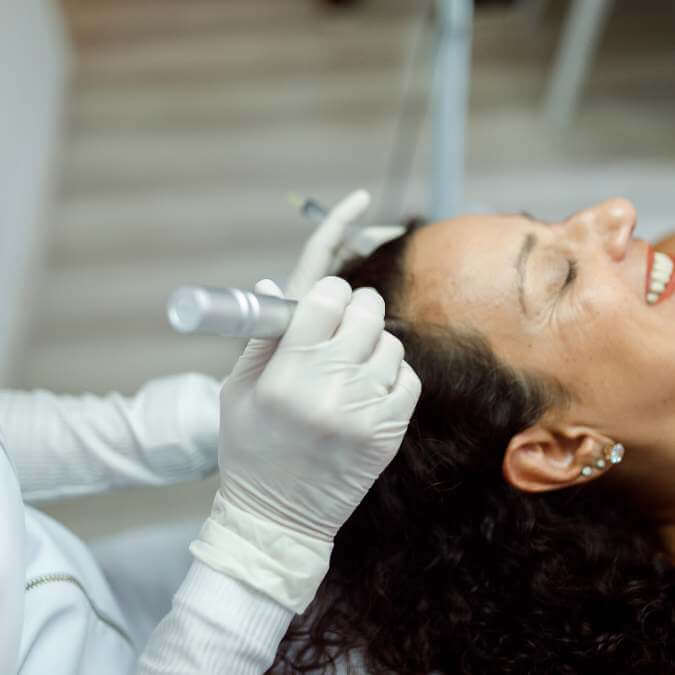
In the quest for effective hair regrowth solutions, the innovative technique of microneedling has emerged as a promising option. By utilizing the power of tiny needles to stimulate the scalp, this procedure has been gaining recognition as a potential breakthrough in addressing hair loss concerns. Microneedling hair growth holds the potential to rejuvenate hair follicles, promote the production of essential proteins, and ultimately restore thicker, healthier strands. With its growing popularity and potential benefits, it is no wonder that microneedling hair growth has attracted the attention of both professionals and individuals seeking effective, non-invasive hair restoration solutions.
Definition
Microneedling, also known as collagen induction therapy or percutaneous collagen induction, is a procedure that uses small needles to create controlled micro-injuries in the skin. This process stimulates the body’s natural wound healing response, leading to the production of new collagen and elastin fibers. In the context of hair growth, microneedling involves applying this technique to the scalp to stimulate the hair follicles and enhance the overall health of the hair.
Mechanism of Action
The mechanism of action behind microneedling lies in its ability to activate the body’s healing response. When the tiny needles puncture the skin, the body perceives it as a wound and triggers various cellular processes to repair the damage. This includes the release of cytokines and growth factors that promote the proliferation and differentiation of cells involved in hair growth. Additionally, microneedling enhances the production of collagen and elastin, which are crucial for maintaining a healthy hair environment. By creating controlled micro-injuries, microneedling effectively boosts the regenerative capabilities of the scalp, resulting in improved hair growth.
Benefits of Microneedling for Hair Growth
Microneedling offers several benefits for hair growth. From promoting hair regrowth to enhancing scalp blood circulation, let’s take a closer look at how this procedure can benefit individuals struggling with hair loss or thinning hair.
Promotes Hair Regrowth
Microneedling stimulates the hair follicles by triggering the release of growth factors. These growth factors initiate the process of hair follicle regeneration, which can lead to the growth of new, thicker hair. By promoting hair regrowth, microneedling offers a potential solution for individuals dealing with conditions like androgenetic alopecia, also known as male or female pattern baldness.
Increases Hair Thickness
Thinning hair is an ongoing concern for many individuals. Microneedling can help increase hair thickness by stimulating the production of collagen and elastin. These proteins give the hair shaft strength and elasticity, resulting in fuller-looking hair. Additionally, microneedling can improve the absorption of hair growth products, such as topical serums, allowing them to penetrate deeper into the scalp and nourish the hair follicles more effectively.
Improves Hair Health
Optimal hair growth requires a healthy scalp environment. Microneedling helps improve hair health by increasing blood circulation to the scalp. This brings essential nutrients and oxygen to the hair follicles, promoting their overall health and functionality. Additionally, microneedling can enhance the absorption of hair care products, ensuring that beneficial ingredients reach the follicles and support their growth.
Stimulates Hair Follicles
The micro-injuries caused by microneedling stimulate the hair follicles, leading to their activation and increased productivity. This process encourages the growth of new hair strands and can potentially prolong the growth phase of existing hairs. By providing a boost to the hair follicles, microneedling offers a natural and effective method for addressing hair loss or hair thinning concerns.
Enhances Scalp Blood Circulation
Sufficient blood circulation is crucial for a healthy scalp and optimal hair growth. The micro-injuries created during microneedling trigger an inflammatory response that leads to improved blood flow to the scalp. This increased circulation brings essential nutrients and oxygen to the hair follicles, supporting their growth and overall health. Enhanced scalp blood circulation also helps in the removal of toxins and waste products that may hinder hair growth.

Microneedling Techniques for Hair Growth
Microneedling can be performed using various techniques, each with its unique benefits and considerations. Let’s explore three commonly used microneedling techniques for promoting hair growth.
Derma Roller
A derma roller is a handheld device with a cylindrical roller covered in tiny needles. This technique involves rolling the derma roller over the scalp to create micro-injuries. The needle length can vary depending on the individual’s needs and the areas being treated. Derma rollers are available in different needle lengths, typically ranging from 0.2mm to 1.5mm. A shorter needle length is suitable for at-home use, while longer needles may require professional assistance. Derma rollers are an accessible and cost-effective option for microneedling hair growth.
Dermapen
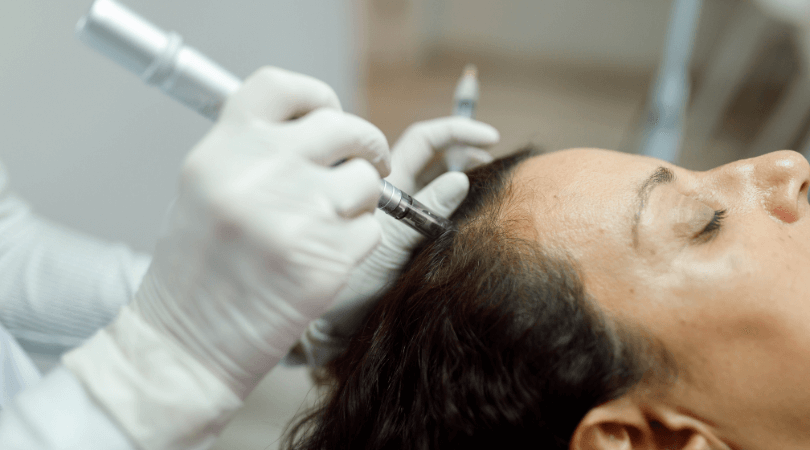
The dermapen is a more advanced microneedling technique that utilizes a small handheld device with multiple fine needles. Unlike the derma roller, the dermapen offers more precise control and adjustable needle depth settings. The pen-like design allows for precise targeting of specific areas and enables the practitioner to customize the treatment according to individual needs. Dermapen microneedling for hair growth is often performed by professionals who are trained in using this specialized device.
Microneedling Serums
Combining microneedling with targeted serums can further enhance the benefits of the procedure. Microneedling creates microchannels in the skin, which allow for better absorption of topical products. Using specialized hair growth serums or minoxidil solutions in conjunction with microneedling can maximize the delivery of active ingredients directly to the scalp and hair follicles, optimizing the results. These serums often contain ingredients like peptides, growth factors, and botanical extracts that support hair growth and nourish the scalp.

Procedure for Microneedling Hair Growth
The procedure for microneedling hair growth involves several steps, including preparation, application, and post-care. Understanding each step is crucial for a successful and safe microneedling experience.
Preparation
Before undergoing a microneedling session, it is essential to prepare the scalp appropriately. This typically involves cleaning the scalp thoroughly to remove any dirt, oil, or product buildup that may inhibit optimal microneedling results. It is recommended to wash the hair and scalp with a mild cleanser, ensuring that the scalp is completely clean and dry before the procedure. Additionally, it is advisable to avoid the use of topical products or medications that may increase skin sensitivity or risk of bleeding.
Application
The microneedling technique selected for the procedure, whether it be a derma roller, dermapen, or another method, will determine the application process. It is important to follow the manufacturer’s instructions or seek professional guidance for proper usage. The selected device should be gently rolled, pressed, or glided over the scalp, creating micro-injuries without causing excessive discomfort or bleeding. It is crucial to maintain a consistent pressure and avoid excessive force to prevent any adverse effects.
Post-care
After microneedling, proper post-care is necessary to support the healing process and optimize results. Immediately following the procedure, the scalp may appear slightly red or irritated, which is a normal response to the micro-injuries. It is important to avoid touching or scratching the scalp and to protect it from excessive sun exposure. It is recommended to follow any post-care instructions provided by the practitioner or device manufacturer, which may include applying soothing and healing products, avoiding harsh hair care products or treatments, and maintaining proper hygiene.
Safety and Risks
While microneedling is considered a safe procedure, it is crucial to be aware of possible side effects, contraindications, and precautions to ensure a positive and risk-free experience.
Possible Side Effects
Some individuals may experience mild side effects following microneedling, including temporary redness, swelling, and sensitivity in the treated area. These side effects usually subside within a few hours to a few days. In rare cases, more severe complications such as infections, scarring, or hyperpigmentation may occur. However, these risks can be minimized by adhering to proper hygiene practices, using sterile equipment, and following professional guidance.
Contraindications
Microneedling is not suitable for everyone and may be contraindicated in certain individuals. It is advised to avoid microneedling if you have an active scalp infection, open wounds, or a history of keloid scarring. Additionally, individuals with certain medical conditions, such as blood clotting disorders or autoimmune diseases, should consult with a healthcare professional before undergoing microneedling. Pregnant or breastfeeding individuals should also avoid microneedling to ensure the safety of both the mother and baby.
Precautions
When performing microneedling at home or in a professional setting, it is important to take necessary precautions to minimize the risk of complications. This includes using sterile needles and equipment, ensuring proper skin preparation and disinfection, and following comprehensive aftercare instructions. If you are considering microneedling and have any concerns or underlying medical conditions, it is advisable to consult with a qualified professional to assess the suitability of the procedure for your specific needs.
Microneedling vs. Other Hair Growth Treatments
Microneedling is one among various hair growth treatments available in the market. Understanding the differences between microneedling and other treatments can help individuals make informed decisions regarding their hair growth journey.
Comparison with Minoxidil
Minoxidil is a topical medication commonly used for hair loss treatment. Unlike microneedling, which works by stimulating the scalp and hair follicles, minoxidil primarily acts as a vasodilator, increasing blood flow to the scalp. While both microneedling and minoxidil have shown effectiveness in improving hair growth, they target hair regrowth through different mechanisms. Microneedling offers a more direct approach by creating micro-injuries and stimulating the scalp, while minoxidil focuses on enhancing blood circulation.
Comparison with Hair Transplant
Hair transplant surgery involves transplanting healthy hair follicles from one area of the body to another, typically from the back or sides of the scalp to areas experiencing hair loss. While hair transplant is a permanent solution, it is a surgical procedure that requires a certain level of invasiveness and recovery time. Microneedling offers a non-surgical alternative for individuals seeking to promote hair growth without undergoing an invasive procedure. It is important to note that microneedling and hair transplant can complement each other in some cases, with microneedling promoting optimal healing and hair growth after a transplant.
Microneedling With Stem Cells - https://microneedlingbeforeafter.com

In the realm of advanced skincare, a revolutionary treatment is gaining momentum – microneedling with stem cells.
Product Currency: USD
Product Price: 38
Product In-Stock: InStock
5
Pros
- Advanced Anti-Aging Formula: The serum is formulated with Epidermal Growth Factor (EGF) and ginseng stem cells,
- Deep Hydration and Nourishment:
- Skin Tone and Texture Improvement: The inclusion of niacinamide and ginseng stem cell extract aids in brightening the skin and fading dark spots.
- Soothing and Protective Ingredients: Beta-glucan and panthenol offer antioxidant benefits and have soothing properties.
Cons
- Limited Availability: This can make repurchasing inconvenient for some users.
- Application Routine: Incorporating this serum into a skincare routine requires consistency and a few extra steps, including cleansing and toning before application.
Professional Microneedling vs. At-Home Microneedling for Hair Growth
Microneedling can be performed by professionals in a clinical setting or at home by individuals themselves. Both approaches have their own benefits and considerations, depending on the individual’s preferences and requirements.
Benefits of Professional Microneedling
Professional microneedling offers the advantage of being performed by trained and experienced practitioners who can ensure safe and effective treatment. Clinics and medispas often use advanced microneedling devices and can customize the treatment to suit individual needs. Professional microneedling sessions may also include the use of specialized serums or technologies that may not be readily available for at-home use. Additionally, the guidance and expertise of professionals can provide valuable insights and recommendations for achieving optimal results.
Benefits of At-Home Microneedling
At-home microneedling offers convenience and cost-effectiveness for individuals who prefer to perform the procedure in their own time and space. With the availability of various microneedling devices designed for home use, it is possible to incorporate microneedling into personal hair care routines. However, it is essential to ensure proper knowledge of technique, device hygiene, and safety precautions to minimize the risk of complications. Consulting with a professional or attending training sessions can provide necessary guidance for safe and effective at-home microneedling.
Results and Expectations
Achieving desired results with microneedling for hair growth requires patience and realistic expectations. Understanding the timeline for results and the recommended number of sessions can help individuals track progress effectively.
Timeline for Results
Microneedling is not an instant solution and may require multiple sessions to see noticeable results. The timeline for results can vary depending on individual factors such as the severity of hair loss, overall health, and responsiveness to treatment. Some individuals may start noticing improvement in hair growth and thickness after a few weeks, while others may require several months of consistent treatment to see significant changes. It is important to remain consistent with the recommended treatment schedule and follow-up with a healthcare professional or qualified practitioner to monitor progress.
Number of Sessions
The number of microneedling sessions needed for hair growth can vary depending on individual needs and treatment goals. Generally, a series of sessions spaced a few weeks apart is recommended to achieve optimal results. Some individuals may benefit from as few as three to six sessions, while others may require more extended treatment plans. The number of sessions can also depend on the severity of hair loss or desired hair density. A qualified practitioner or healthcare professional can assess the individual situation and provide personalized recommendations regarding the suitable number of sessions.
Maintenance and Long-Term Effects
Maintaining the results achieved through microneedling and understanding the long-term effects of the procedure are crucial for long-lasting hair growth benefits.
Recommended Maintenance
To maintain the results of microneedling for hair growth, it is important to follow a consistent maintenance plan. This may include continuing with occasional microneedling sessions or incorporating maintenance treatments at longer intervals. Additionally, following a healthy hair care routine, using suitable hair care products, and avoiding harmful styling practices can help prolong the benefits of microneedling. It is advisable to consult with a healthcare professional or qualified practitioner to develop a personalized maintenance plan based on individual needs and goals.
Long-Term Effects
Microneedling for hair growth has the potential to provide long-term effects when combined with appropriate maintenance and care. By stimulating the hair follicles and encouraging a healthy scalp environment, microneedling can support ongoing hair growth. The long-term effects can vary depending on individual factors such as genetics, underlying medical conditions, and adherence to maintenance practices. It is important to have realistic expectations and recognize that results may differ from person to person. Regular evaluation and follow-up with a healthcare professional or qualified practitioner can help determine the long-term efficacy of microneedling for hair growth.


 English
  Spanish